






Maintenance Tips for Fully Automatic Cup Weighing Machines
Practical, standards-backed maintenance guidance for operators of the Fully Automatic Cup Weighing and Packaging Machine for Snack Foods JW-B23. Covers daily cleaning, calibration, preventive checks, troubleshooting, spare parts, and regulatory compliance to maximize uptime and ensure food-safe packaging operations for your food packaging machine.
- Essential Daily and Shift-Level Maintenance
- Daily Sanitation and Food Safety Checks
- Visual Inspection and Loose-Fastener Check
- Pre-Shift Test Run and Weigh Verification
- Weekly and Monthly Preventive Maintenance
- Load Cell Calibration and Combination Scale Checks
- Vibratory Feeder and Z-Type Conveyor Adjustment
- Mechanical Wear Points and Lubrication
- Troubleshooting, Sensor Care and Electronic Maintenance
- Common Faults and Fast Remediation
- Sensor Cleaning and Alignment
- Electrical Cabinet and Control System Checks
- Spare Parts, Records, and Compliance
- Critical Spare Parts and Inventory Strategy
- Maintenance Logs, SOPs and Training
- Regulatory Considerations and Documentation
- Practical Checklists and Schedules
- Maintenance Schedule (Example)
- Sample Troubleshooting Flowchart (Text)
- Optimization and Long-Term Reliability
- Product-Specific Settings and Changeover Best Practices
- Data-Driven Maintenance and Predictive Indicators
- When to Call Manufacturer Service
- Product Spotlight: Fully Automatic Cup Weighing and Packaging Machine for Snack Foods JW-B23
- Key Maintenance Considerations for the JW-B23
- Spare Parts Recommendations
- FAQ
- How often should I calibrate the JW-B23 load cells?
- Can I use my normal washdown procedure on the electrical cabinet?
- What are the signs that the vibratory feeder needs servicing?
- Which standards should I reference for food-contact equipment maintenance?
- Contact and Next Steps
The Fully Automatic Cup Weighing and Packaging Machine for Snack Foods JW-B23 requires disciplined maintenance to ensure food safety, consistent fill accuracy, and high throughput. This guide delivers actionable, standards-referenced maintenance tips — from daily sanitation and calibration to preventive replacement schedules and troubleshooting — to help packagers minimize downtime and meet regulatory expectations for food packaging machinery. When selecting a food packaging machine, one of the most important factors to consider is balancing speed and accuracy. The JW-B23 strikes the perfect balance between high-speed operations and precision filling, which is crucial when packaging snack foods that require exact portion control. This makes it the ideal choice for businesses looking to maximize throughput while maintaining product consistency.
Essential Daily and Shift-Level Maintenance
Daily Sanitation and Food Safety Checks
For any food packaging machine, including multihead systems like the JW-B23, daily cleaning is the foundation of safe operation. At the start and end of each production shift, perform a quick sanitation sweep of parts that contact product: cup molds, discharge chutes, vibrating feeder surfaces, and portions of the Z-type conveyor. Use food-grade cleaning agents and follow the manufacturer's cleaning instructions to avoid damaging sensors or load cells. For regulatory alignment, consult the FDA food safety guidance and the industry overview of multihead weighers for recommended hygiene practices.
Visual Inspection and Loose-Fastener Check
Quick visual inspections identify wear or hazards before they cause a failure. Each shift, inspect guarding, cable routing, fasteners near vibratory feeders, and cup drop mechanisms. Tighten loose bolts to manufacturer torque specs and ensure safety interlocks are functioning. Loose fasteners are a common root cause of misalignment and premature wear in high-speed snack food packaging lines.
Pre-Shift Test Run and Weigh Verification
Before production, perform a short test run with the most typical SKU. Verify fill accuracy using calibrated test weights or sample cups, and confirm the capping machine and finished product conveyor operate without jam or misfeed. Record baseline readings for weight mean and standard deviation to catch drift early.
Weekly and Monthly Preventive Maintenance
Load Cell Calibration and Combination Scale Checks
The JW-B23 uses a 14-head combination scale. Weekly checks should include zeroing and span verification of load cells. Use calibrated reference weights and follow a consistent calibration procedure. For authoritative calibration procedures and traceability best practices, reference ISO 17025 recommendations for laboratory measurements and calibration traceability. If weight drift exceeds acceptable tolerance (typically determined per your QA plan), perform full calibration or contact service.
Vibratory Feeder and Z-Type Conveyor Adjustment
Vibratory feeders and Z-type conveyors control product flow into the combination scale. Monthly, check amplitude settings, spring mounts, and pulley/belt tensions. Uneven feeding causes under- or over-fills and increases giveaway. Adjust feeder amplitude and timing to match product characteristics (shape, size, flowability). Keep hopper infeed free of bridges and rat-holing.
Mechanical Wear Points and Lubrication
Inspect cams, bearings, chains, and cup mold conveyors monthly. Apply food-grade lubricants to bearings and moving linkages according to the machine lubrication chart. Over- or under-lubrication both shorten component life—always use the lubricant type specified by the machine manufacturer and document applications.
Troubleshooting, Sensor Care and Electronic Maintenance
Common Faults and Fast Remediation
Typical operational issues include inconsistent weigh fills, cup jams, and sensor false-triggers. For inconsistent fills: re-check feeder settings, verify load cell calibration, and inspect for product buildup. For cup jams: inspect cup mold alignment, verify cup pick-and-place timing, and check for worn cup handling fingers. Document occurrence, root cause, and corrective actions to support continuous improvement.
Sensor Cleaning and Alignment
Photoelectric sensors, proximity switches, and encoder eyes must be kept clean and properly aligned. Dust or oil film can cause intermittent detection failures that stop the line. Clean sensors weekly with lint-free cloths and approved solvents, and protect sensitive electronic components during washdowns. For critical sensors, consider adding protective windows or shields to minimize cleaning frequency.
Electrical Cabinet and Control System Checks
Monthly inspect the electrical cabinet for dust, moisture ingress, and terminal tightness. Check ventilation filters and replace as needed. Backup PLC and HMI configurations regularly and keep software version logs. For cybersecurity and firmware integrity, follow vendor guidance and keep a copy of critical files offline to enable quick recovery after a system failure.
Spare Parts, Records, and Compliance
Critical Spare Parts and Inventory Strategy
Maintain a small, prioritized stock of high failure-rate parts to reduce Mean Time To Repair (MTTR). Example critical spares for the JW-B23 include load cell assemblies, vibrator motors, sensors, cup handling fingers, belts, and sealing/capping parts. Use inventory rotation and shelf-life controls for electronic spares and lubrication.
Maintenance Logs, SOPs and Training
Document every maintenance action in a digital log: date, technician, task, measured values, and replaced parts. Standard Operating Procedures (SOPs) for cleaning, calibration, and lockout/tagout ensure repeatability. Regularly train operators on simple maintenance tasks and empower them to escalate anomalies early. Good recordkeeping supports audits and regulatory compliance such as ISO 22000 food safety management expectations.
Regulatory Considerations and Documentation
For food contact equipment, maintain documentation for material compatibility, cleaning agents, and validation of cleaning procedures. Relevant authorities include the FDA and international standards bodies. Having validated cleaning and calibration records simplifies compliance with audits and reduces risk of product recalls.
Practical Checklists and Schedules
Maintenance Schedule (Example)
Below is a practical preventive maintenance schedule tailored to the JW-B23. Adjust intervals based on operating hours, product abrasiveness, and environmental conditions.
| Interval | Task | Responsible |
|---|---|---|
| Per Shift | Visual inspection, quick sanitation of product contact areas, test run | Operator |
| Daily | Clean cup molds, discharge chutes, and conveyor infeed; check sensors | Operator/Line Tech |
| Weekly | Zero/span check load cells; inspect belts and tooling for wear | Maintenance |
| Monthly | Lubricate bearings, check vibratory feeder amplitude, clean electrical cabinet filters | Maintenance |
| Quarterly | Full mechanical inspection, software backups, spare parts replenishment | Maintenance/Supervisor |
| Annually | Comprehensive calibration, safety audit, replacement of wear components | Manufacturer/Service Contractor |
Sample Troubleshooting Flowchart (Text)
1) Issue: Inconsistent fill weight → check feeder settings → check for product bridging → verify load cell calibration → replace suspect load cell.
2) Issue: Cup misfeed → inspect cup supply and molds → verify cup drop timing → check pick-and-place fingers for wear → adjust or replace.
Optimization and Long-Term Reliability
Product-Specific Settings and Changeover Best Practices
The JW-B23 supports a variety of mold cup combinations and snack types. Keep a recipe library in the HMI that stores optimal feeder amplitude, cup drop timing, scale combination settings, and capping torque for each SKU. During changeover, follow a checklist: empty previous product, clean critical contact areas, load new cup molds, run a small validation batch, and save the updated recipe.
Data-Driven Maintenance and Predictive Indicators
Leverage production and weight-statistics data to predict maintenance needs. Track mean fill drift, head-to-head variance, and reject rates. Increasing variance or a trend of rising rejects can indicate impending mechanical wear or sensor degradation. Integrating PLC/HMI logs with a simple CMMS improves scheduling and reduces unplanned downtime.
When to Call Manufacturer Service
Escalate to manufacturer service (or authorized technician) for: repeat calibration failures, electrical faults requiring control board replacement, structural damage, or when recommended annual overhauls are due. Manufacturer service provides OEM parts and firmware updates that preserve machine performance and certifications.
Product Spotlight: Fully Automatic Cup Weighing and Packaging Machine for Snack Foods JW-B23
Product overview:
The system consists of a vibrating feeder, a Z-type conveyor, a 14-head combination scale, a material diverter, an automatic cup drop device, a cup mold conveyor, a capping machine and a finished product conveying device. It has high-precision filling capabilities and is suitable for a variety of mold cup combinations. It can realize fully automatic operations of feeding, weighing, filling, bag making, printing and finished product output, and is suitable for a wide range of materials with high production efficiency.
The JW-B23 is designed for high-speed snack food packaging where repeatable accuracy and hygiene are essential. Its modular layout facilitates cleaning and part replacement, while the 14-head combination scale provides both speed and precision for small-to-medium sized cup fills.
Key Maintenance Considerations for the JW-B23
Focus on maintaining the vibrating feeder amplitude, ensuring the integrity of the cup drop device and molds, and preserving load cell calibration for the 14-head combination scale. Keep capping torque within specified ranges and validate seal integrity post-maintenance.
Spare Parts Recommendations
Prioritize spares for load cells, vibratory motors, cup handling fingers, sensor modules, and belts. Maintain at least a 3-month supply of rapid-wear items if operating 24/7.
FAQ
How often should I calibrate the JW-B23 load cells?
Perform zero/span checks weekly and full calibration quarterly under normal production. Increase frequency if you observe weight drift or when changing product type. Keep calibration records for audit purposes.
Can I use my normal washdown procedure on the electrical cabinet?
No. Do not direct-wash electrical cabinets. Use appropriate enclosures, remove power before any washdown, and clean cabinet exteriors with a damp cloth. Ensure ingress protection seals are intact and ventilation filters are replaced regularly.
What are the signs that the vibratory feeder needs servicing?
Signs include increased product hold-up, irregular feed rates, elevated noise or vibration levels, and uneven head-to-head weights. Inspect mounts, springs and motor coupling, and measure amplitude settings against baseline values.
Which standards should I reference for food-contact equipment maintenance?
Consider FDA guidance for food safety management (FDA) and ISO 22000 for food safety management systems (ISO 22000). For technical reference on multihead weighers, see the multihead weigher overview.
Contact and Next Steps
For detailed maintenance manuals, OEM spare parts lists, or to schedule preventative service for your Fully Automatic Cup Weighing and Packaging Machine for Snack Foods JW-B23, contact our service team or view the product page. Our technicians can provide on-site audits, training, and validated cleaning procedures to align with your food packaging machine requirements.
Tags
packing machine
packing machine
Linear weigher spare parts and components
Linear weigher spare parts and components
custom food packaging solutions
custom food packaging solutions
Dual-channel counting machine
Dual-channel counting machine
Counting Machine
Counting Machine
multi head weigher
multi head weigher
Recommended for you
Everything You Need to Know About food metal detector
Integrating Linear Weighers with Automated Lines: Practical Guide for Packaging Efficiency
What are the application scenarios of food packaging machines?
Top 5 automatic packaging machine Company List and Products Compared
Prdoucts Categories
Question you may concern
About After Sales Support
What do I do if I encounter a malfunction in the machine?
If you encounter a malfunction, first check the user manual and troubleshooting guide for common issues. If the problem persists, contact our technical support team for further assistance.
Can I get remote troubleshooting assistance?
Yes, Kenwei offers remote troubleshooting for certain issues. Our technical team can guide you through diagnostics and help resolve issues via phone, video call, or online messaging.
About Product choice
Are there any additional features available for Kenwei machines?
Yes, we offer a variety of optional features for customization, such as: advanced touchscreen interfaces, multiple language support and so on.
About Logistics
Do I need to prepare my facility for the delivery of large machines?
Yes, large machines often require special preparations for delivery, including ensuring adequate space for unloading and installation.
About Solution suggestions
Can Kenwei machines handle products with irregular shapes or sizes?
Yes, multi-head weighers are particularly effective for handling products with irregular shapes and sizes.
You may also like
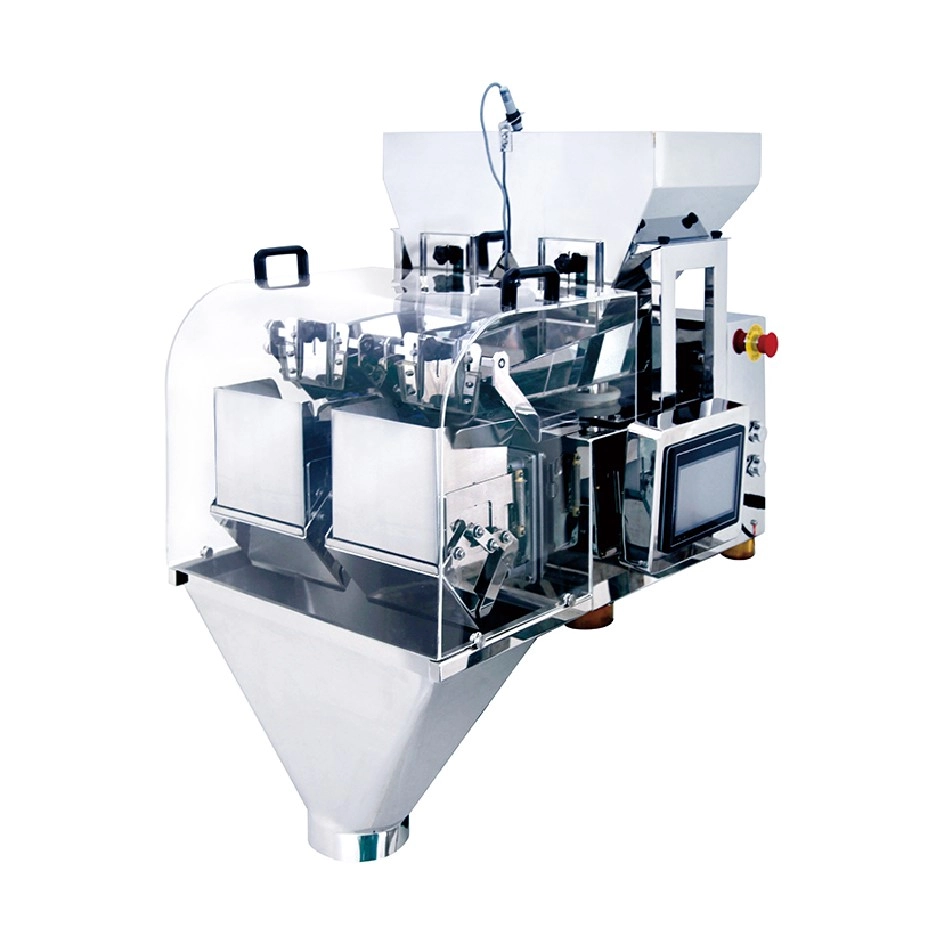
Precision Linear Weigher for Weighing Powder & Small Granules
The linear weigher is perfect for precise, quantitative weighing of powdery and small granular materials such as white sugar, salt, monosodium glutamate, chicken essence, milk powder, coffee, seasoning powder, and more. Available in up to 5 different specifications, this linear scale offers a maximum weighing speed of up to 70 bags per minute, making it the top choice for accurately weighing powdery materials in high-speed production environments.
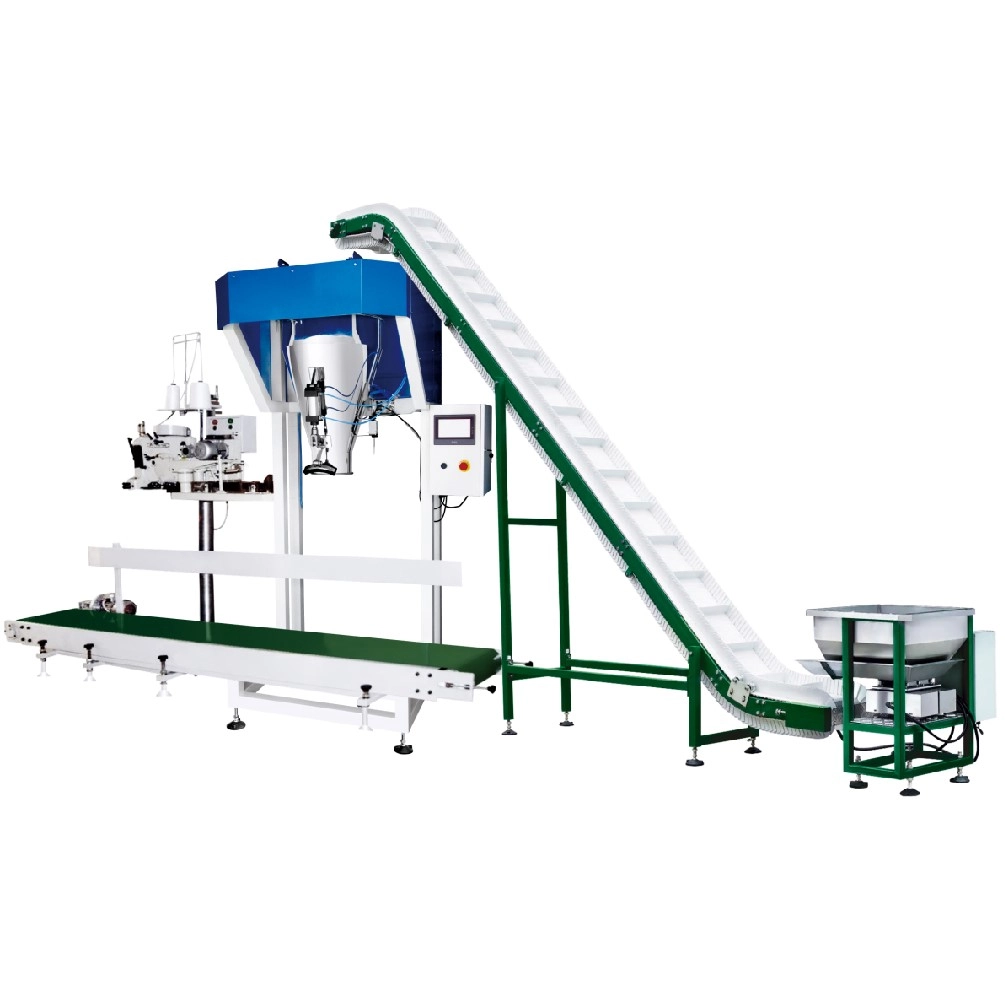
Precision Food Packaging Machine Using Single Head Bulk Linear Weigher Packaging System JW-B22
The Kenwei JW-B22 Precision Food Packaging Machine with Single Head Bulk Linear Weigher is designed for heavy-duty weighing up to 50kg. It automates feeding, weighing, bag sewing, and output for maximum efficiency. Ideal for grains like corn, rice, soybeans, barley, and wheat, it ensures high accuracy and reliability for the food, chemical, and light industries, making it the top choice for bulk grain packaging.
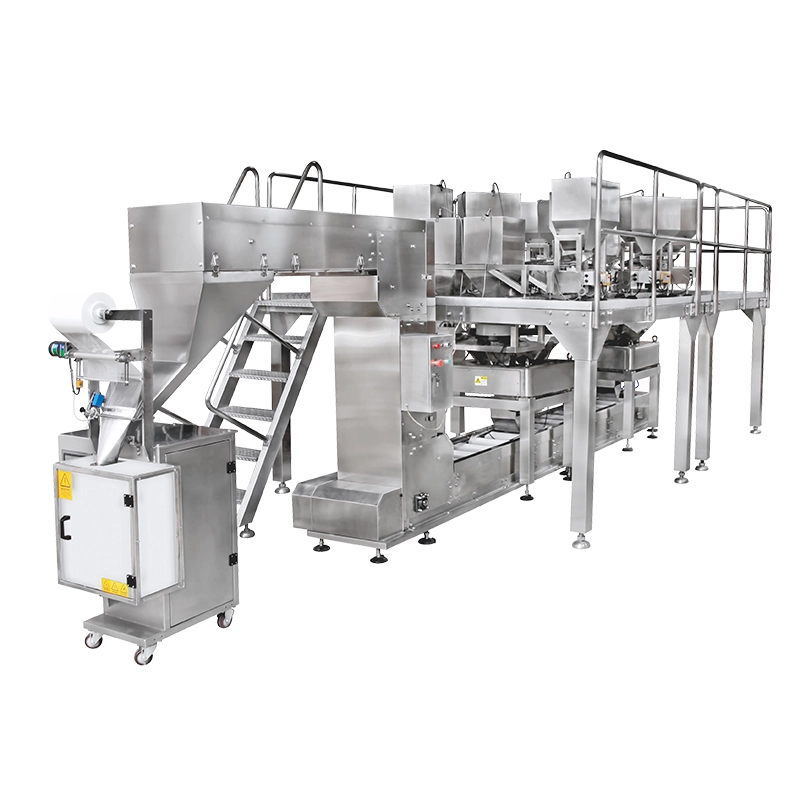
JW-B28 Multihead Weigher Mixing & Weighing System for Food Packaging | High-Speed, Accurate, Automated
The Kenwei JW-B26 Single Multihead Weigher Mixing and Packaging System offers fully automated operation, completing feeding, weighing, filling, date printing, and product output with high accuracy and speed. Ideal for granules, slices, irregular shapes, and mixed products like candy, nuts, snacks, pet food, and even small hardware. Its versatility and precision make it a perfect solution for diverse packaging needs.
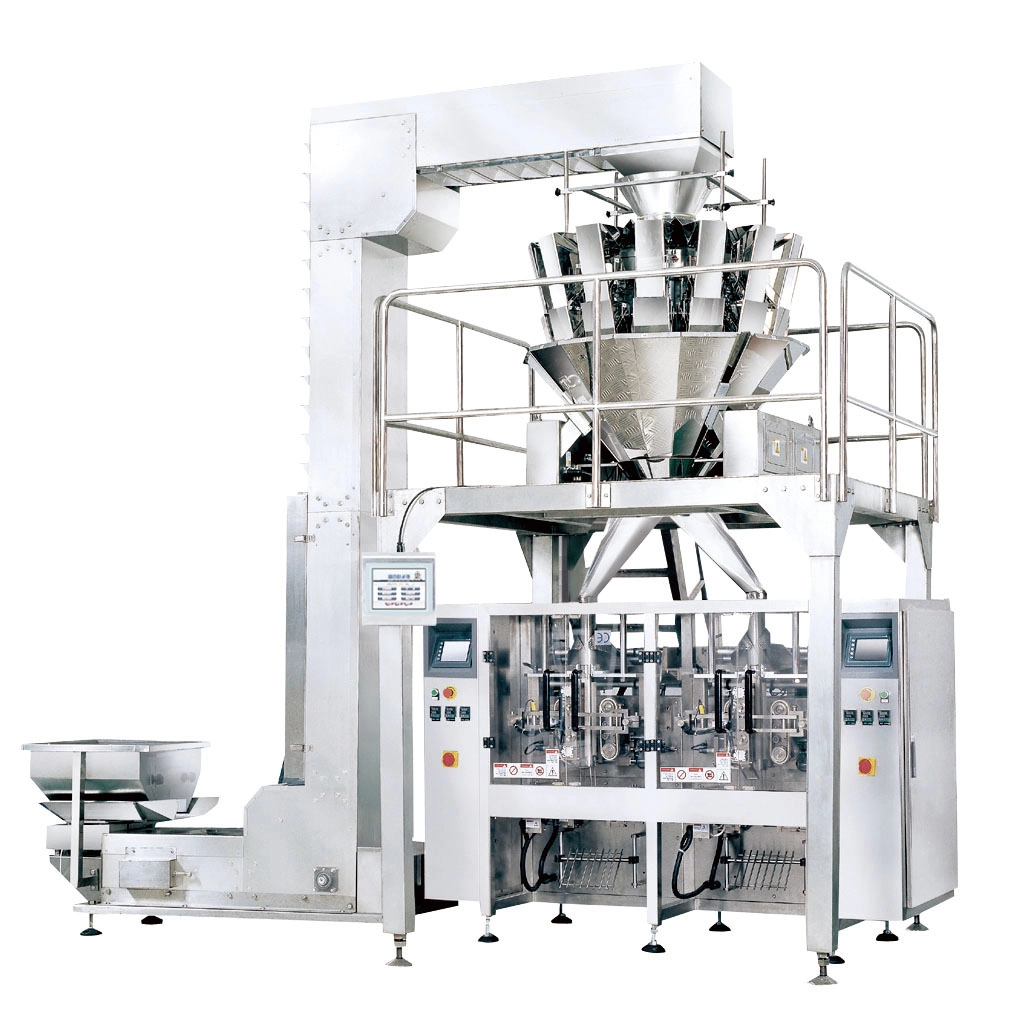
Fully Automatic Twin Packaging Machine for Granules Snack Foods Weighing JW-B2
Kenwei's JW-B2 Fully Automatic Twin Packaging Machine boasts 14-head multihead weighing for precise granule and snack food packaging. This high-speed automatic packaging machine offers efficient twin-packaging, maximizing your production output. Ideal for food manufacturers seeking enhanced speed and accuracy.
Get in touch with us
If you have any comments or good suggestions, please leave us a message, later our professional staff will contact you as soon as possible.
Kenwei
Kenwei
Kenwei multi weigh
Kenwei
Kenwei
Kenwei