






Maintenance Checklist for Good Metal Detectors in Food Plants
A comprehensive, practical maintenance checklist for good metal detectors in food plants, focused on ensuring detection sensitivity, minimizing downtime, and meeting food-safety standards. Includes daily/weekly/monthly tasks, calibration and validation procedures, troubleshooting, spare parts guidance, SOP and training recommendations, and FAQs — with specific fit for the G5020 Food Metal Detector Manufacturer for Rejecting Defective Products.
- Maintenance Checklist for Good Metal Detectors in Food Plants
- Why Regular Maintenance Matters for Good Metal Detectors
- Daily Maintenance Checklist for Good Metal Detectors
- Daily Checklist Overview Table
- Weekly Maintenance Tasks for Good Metal Detectors
- Monthly and Quarterly Maintenance for Consistent Performance
- Calibration and Sensitivity Validation for Good Metal Detectors
- Troubleshooting Common Issues with Good Metal Detectors
- Spare Parts, Consumables and Tools to Keep on Hand
- Documentation, Training and SOPs for Good Metal Detectors
- Integration with Multihead Weighers and Production Lines
- Why Choose G5020 Food Metal Detector Manufacturer for Rejecting Defective Products
- FAQ — Maintenance of Good Metal Detectors
- Contact / View Product
- Authoritative References

Maintenance Checklist for Good Metal Detectors in Food Plants
Maintaining good metal detectors is critical to ensuring product safety, regulatory compliance and minimizing costly recalls or line down-time. This guide provides an actionable maintenance checklist tailored to food plants and highlights how systems like the G5020 Food Metal Detector Manufacturer for Rejecting Defective Products can be kept operating at peak performance. Below is the official product overview to reference while implementing maintenance activities:
The 5020 Multi-Frequency Metal Detector features a specialized conveyor belt that minimizes contamination sources, ensuring smooth operation and high detection sensitivity. Its design allows for easy disassembly and maintenance. This metal detector is ideal for detecting metal contaminants in a wide range of industries, including food, pharmaceuticals, condiments, plastics, electronics, textiles, toys, and more. To prevent unexpected issues, always refer to the key specs to compare in good metal detectors for procurement. A comprehensive understanding of the specifications will help you choose the best equipment for your needs, ensuring precision and reliability.
Why Regular Maintenance Matters for Good Metal Detectors
Good metal detectors are only as effective as their upkeep. Without regular maintenance, you risk sensitivity drift, increased false rejects, missed contaminants, and unexpected production stoppages. For food plants, these failures can mean contaminated products reach consumers, regulatory scrutiny, and brand damage. Consistent maintenance preserves detection sensitivity, ensures reliable reject actions, and supports audit-ready documentation for food safety standards (e.g., ISO 22000, BRCGS).
Daily Maintenance Checklist for Good Metal Detectors
Daily checks are the foundation of reliable operation. They keep small issues from escalating and support immediate corrective action when abnormalities are detected. Implement these short checks at every shift start and end:
- Visual inspection of the detector and conveyor for debris, product buildup or damage.
- Clean visible surfaces and the specialized conveyor belt to remove residues that may affect sensitivity.
- Run a power-up self-test and ensure the display reports normal status (no fault codes).
- Test the reject mechanism (air/electro-mechanical) for proper travel and response without product present.
- Perform a basic sensitivity check using an approved in-line test piece, and log results.
- Verify grounding and cable connections; ensure the detector is properly earthed to minimize EMI impact.
- Record all checks in the daily maintenance log and note any anomalies for escalation.
Daily Checklist Overview Table
| Task | Purpose | Acceptable Condition | Frequency |
|---|---|---|---|
| Visual inspection | Identify debris/damage | No product buildup; no visible damage | Every shift |
| Conveyor cleaning | Prevent contamination & sensitivity loss | Belt clean; no residues in apertures | Daily |
| Sensitivity check with test piece | Verify detection capability | Detector triggers at specified test piece size | Daily/start of production |
| Reject mechanism test | Confirm proper reject action | Reject actuates fully and returns | Daily |
Weekly Maintenance Tasks for Good Metal Detectors
Weekly tasks are deeper checks that help detect developing mechanical or electrical issues. Schedule these on a consistent weekday out-of-production window or during low-volume periods:
- Perform a full cleaning of the detector aperture and conveyor subcomponents, using manufacturer-recommended agents to avoid damaging seals or sensors.
- Inspect conveyor belt tension and tracking, especially important for systems like the 5020 Multi-Frequency with specialized belts that reduce contamination sources.
- Check alignment of the detector head and conveyor; confirm the product passes centrally through the aperture to avoid sensitivity variance.
- Inspect EMI sources nearby (motors, frequency converters); re-route cables or add shielding where interference is suspected.
- Verify that software settings are unchanged and that production presets correspond to the current product; back up configuration files.
- Run a wet-clean simulation if applicable (for high-moisture lines) to ensure seals and protection classes hold.
Monthly and Quarterly Maintenance for Consistent Performance
Monthly and quarterly work ensures calibration stays accurate and mechanical wear is addressed before failure. Follow manufacturer timelines and adjust based on production intensity and environmental conditions:
- Full calibration using certified test pieces across relevant metal types (ferrous, non-ferrous, stainless) and sizes. Record results in traceable logs.
- Replace consumable components as specified by the manufacturer (e.g., belt inserts, seals) or earlier if wear detected.
- Inspect and clean electrical cabinets; ensure fans/filters are operational and free of dust.
- Check firmware and control software for updates and security patches. Test updates in a controlled environment before production deployment.
- Quarterly performance validation: run product-specific validation runs (with a controlled number of test pieces) and document detection rates and false-reject rates.
Calibration and Sensitivity Validation for Good Metal Detectors
Accurate calibration is essential to demonstrate that your metal detector can reliably find contaminants down to the specified detection threshold. Use the following best practices:
- Always use certified test pieces that reflect the worst-case metal type and orientation for the product (e.g., small stainless sliver oriented end-on).
- Calibrate at representative production settings: same speed, product load, and conveyor configuration as normal operations.
- Document calibration including date/time, operator, test pieces used (serial or batch), detector settings, and measured detection result. Maintain these records for audits.
- Set a validation frequency policy: daily quick checks, weekly functional tests, monthly calibrations, quarterly performance validations for high-risk products.
- If sensitivity degrades, investigate mechanical alignment, belt wear, electrical noise, or contamination inside the aperture before changing detector settings.
Troubleshooting Common Issues with Good Metal Detectors
Being able to quickly troubleshoot common faults reduces downtime. Here are frequent problems and first-response actions:
- False rejects: Check for transient EMI sources, product bridging in the aperture, wet product residues, or conveyor vibration. Run an empty-belt test to isolate the cause.
- Missed detections: Confirm calibration, test with certified pieces, check product alignment, and inspect coil integrity. Consider reducing conveyor speed for challenging products.
- Reject mechanism failure: Inspect actuators, air supply (if pneumatic), valves, and electrical connections. Manually cycle the reject action with power off to check mechanical freedom of movement.
- Excessive noise on the display or erratic readings: Verify grounding, cable shielding, and nearby variable-frequency drives; add filters or re-route power/control cables if necessary.
- Intermittent faults: Review event logs for patterns, run thermal checks for overheating components, and check connectors for corrosion or loose pins.
Spare Parts, Consumables and Tools to Keep on Hand
Maintaining an inventory of critical spares shortens repair time. Recommended spares and tools for a typical food-plant metal detector installation include:
- Replacement belts or belt sections (for the 5020's specialized conveyor belt, keep a belt kit).
- Spares for reject actuators (solenoids, pneumatic cylinders), sensors, and proximity switches.
- Standard electronic spares: fuses, connectors, power supplies, and main controller modules (if supported).
- Calibration test piece kits for ferrous, non-ferrous and stainless metals in required sizes and shapes.
- Sanitation-approved cleaning tools and recommended cleaners (non-abrasive, non-conductive, food-safe).
- Basic tools: multimeter, torque wrench, alignment gauges, thermal camera (optional), and an EMI detector if interference is suspected.
Documentation, Training and SOPs for Good Metal Detectors
Paper or electronic documentation and regular operator training are essential to E-E-A-T and audit readiness. Implement these items:
- Standard Operating Procedures (SOPs) for start-of-shift checks, cleaning, calibration, and shut-down.
- Training modules for operators and maintenance staff that cover safe cleaning, test-piece usage, reject tests, and emergency stops.
- Maintenance logs, calibration certificates and change logs for firmware or settings — retain records to meet audit requirements.
- A clear escalation path for persistent failures, including contact details for OEM support (e.g., G5020 manufacturer) and in-plant maintenance resources.
Integration with Multihead Weighers and Production Lines
Good metal detectors must work seamlessly with upstream multihead weighers and downstream packaging to maintain throughput and minimize waste. Key considerations when integrating a detector such as the G5020 with multihead weighers include:
- Timing and spacing: Ensure the detector aperture and reject mechanism are synchronized with weigher output to avoid unnecessary rejects or product jams.
- Throughput limits: Confirm detector configuration supports line speed and product frequency to preserve sensitivity at high rates.
- Communication protocols: Use standard interfaces (e.g., Ethernet/IP, Profinet, Modbus) to exchange signals for reject confirmations and event logging.
- Reject verification: Install cameras or weight-verification downstream to confirm rejects and feed data to quality control systems.
Why Choose G5020 Food Metal Detector Manufacturer for Rejecting Defective Products
The G5020 Food Metal Detector Manufacturer for Rejecting Defective Products is designed with maintainability and high-sensitivity detection in mind. Key advantages for food plants:
- Multi-frequency technology improves detection across metal types and reduces false positives compared with single-frequency systems.
- Specialized conveyor belt design minimizes contamination points and simplifies cleaning — a major benefit for daily and weekly maintenance routines.
- Easy disassembly and service access speed up scheduled maintenance and spare-parts replacement, reducing downtime.
- Robust reject systems and flexible integration options make it suitable for lines with multihead weighers and diverse packaging configurations.
- Comprehensive logging and calibration support helps meet audit requirements for food safety standards.
FAQ — Maintenance of Good Metal Detectors
Q1: How often should I calibrate a metal detector in a food plant?
A1: Perform a quick functional sensitivity check at the start of each production shift, conduct a more thorough weekly test, and run a full calibration monthly. For high-risk products or regulatory audits, increase frequency and run quarterly performance validations.
Q2: What type of test pieces should be used?
A2: Use certified test pieces that match the worst-case scenario for product geometry and metal type (ferrous, non-ferrous, stainless). Keep documentation containing serial/batch of test pieces and calibration outcomes.
Q3: Can cleaning damage the detector?
A3: Yes — use only manufacturer-recommended, food-safe cleaning agents and avoid abrasive tools that could scratch coils or damage seals. For detectors like the G5020, the specialized belt and accessible design reduce cleaning risk.
Q4: What causes false positives and how do I reduce them?
A4: Common causes include product effect (wet/salty products), nearby EMI sources, product orientation changes and belt misalignment. Mitigate with correct settings, improved grounding, using multi-frequency settings, and ensuring consistent product presentation.
Q5: What records should I keep for audits?
A5: Retain daily logs, calibration certificates, maintenance records, test-piece identifiers and results, software change logs, and training records for staff handling the detectors.
Contact / View Product
If you want a maintenance-ready solution, consider the G5020 Food Metal Detector Manufacturer for Rejecting Defective Products. For product specifications, spare-parts kits, or to schedule a site survey and maintenance-training session, contact our sales/support team or visit the product page. Keep your line running safely and reliably — request a demo and support packet today.
Authoritative References
The following authoritative resources were used to develop these recommendations and are useful for further reading:
- Wikipedia — Metal detector: https://en.wikipedia.org/wiki/Metal_detector
- International Organization for Standardization (ISO 22000): https://www.iso.org/iso-22000-food-safety-management.
- Codex Alimentarius Commission: https://www.fao.org/fao-who-codexalimentarius/en/
- Food and Drug Administration (FDA) — Food Safety: https://www.fda.gov/food
- AOAC International (methods and validation guidance): https://www.aoac.org/
- BRCGS — Global food safety standards: https://www.brcgs.com/
Tags
Finished Product Conveyor
Finished Product Conveyor
pet food packaging machines
pet food packaging machines
kenwei multihead weigher
kenwei multihead weigher
metal detector standards food industry
metal detector standards food industry
automatic granular product packing line for cereals
automatic granular product packing line for cereals
linear weigher
linear weigher
Recommended for you

Detecting Small Ferrous and Non-Ferrous Particles with G5020
What are the application scenarios of vffs packaging machine?
What is metal detector machine ?
Calibrating a Multihead Weigher: Simple Steps to Improve Accuracy
Prdoucts Categories
Question you may concern
About Price and payment
How is the price of Kenwei machines determined?
The price of Kenwei machines depends on several factors, including the type of machine, customization requirements, production volume, and any additional features or integrations. We provide tailored quotes based on your specific needs and requirements.
About After Sales Support
How do I claim warranty service?
To claim warranty service, please contact our customer support team with your machine’s product code and a description of the issue. If applicable, we may request photos or videos of the issue to facilitate troubleshooting.
Can I get remote troubleshooting assistance?
Yes, Kenwei offers remote troubleshooting for certain issues. Our technical team can guide you through diagnostics and help resolve issues via phone, video call, or online messaging.
About Solution suggestions
Can Kenwei solutions be used for both manual and automated packing lines?
Yes, Kenwei machines can be used in both manual and automated packing lines. We can provide integrated systems that work alongside manual labor or fully automated systems depending on your production requirements.
About Product choice
Are there any additional features available for Kenwei machines?
Yes, we offer a variety of optional features for customization, such as: advanced touchscreen interfaces, multiple language support and so on.
You may also like
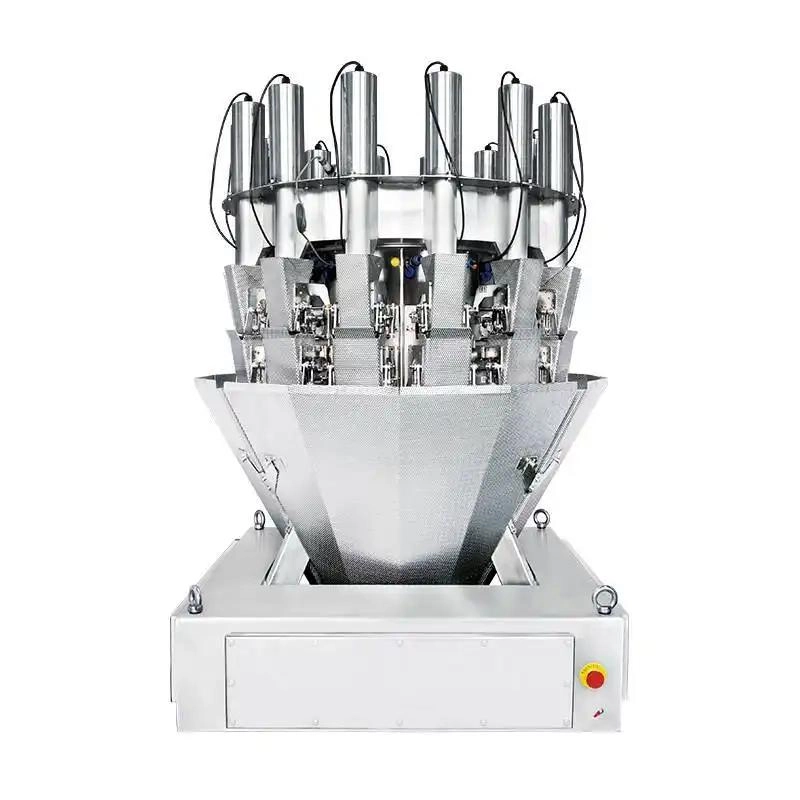
14 Heads Vertical Single Screw Feeding Pickles Weigher backups
This type of weigher is designed to handle the unique characteristics of pickles, ensuring precise measurements for packaging and distribution. It uses a vertical single screw mechanism to feed the pickles into the weighing system, allowing for efficient and consistent weighing. This technology is particularly useful in food processing and packaging facilities where precise portioning is essential for quality control and customer satisfaction. This specialized equipment is perfect for accurately measuring and dispensing pickles in a production line or packaging facility. The vertical design allows for efficient and precise filling of containers, while the single screw feeding mechanism ensures consistent and reliable weighing.
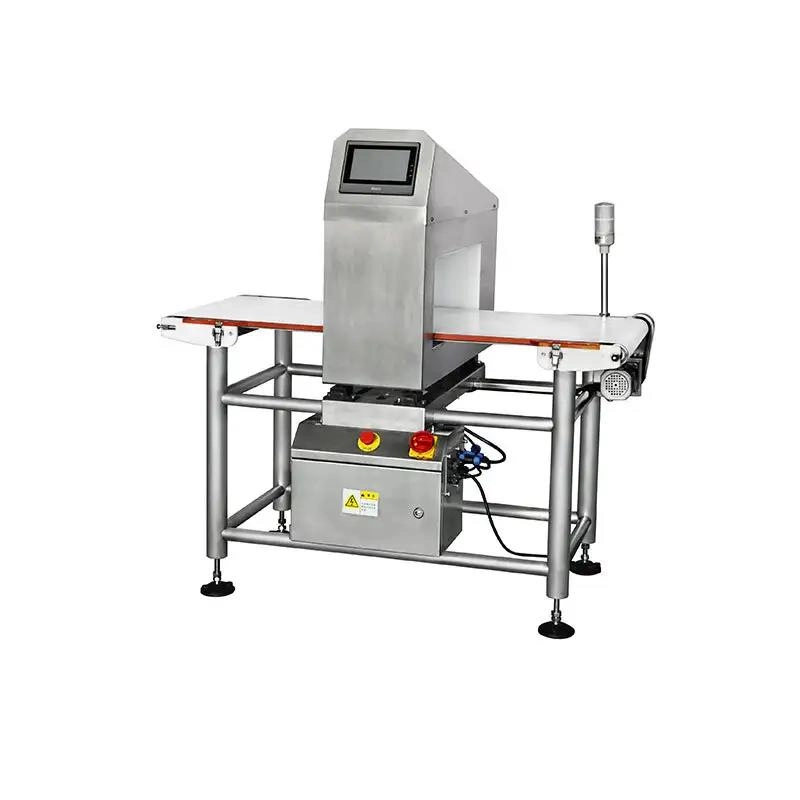
Food Metal Detector Manufacturer For Reject Defective Products G5020
The G5020 multi-frequency metal detector features a specialized conveyor belt designed to reduce contamination risks, ensure smooth operation, and maintain high detection sensitivity. It is easy to disassemble for convenient maintenance. Ideal for detecting metal contaminants in food, pharmaceuticals, spices, plastics, electronics, textiles, toys, handicrafts, and more.
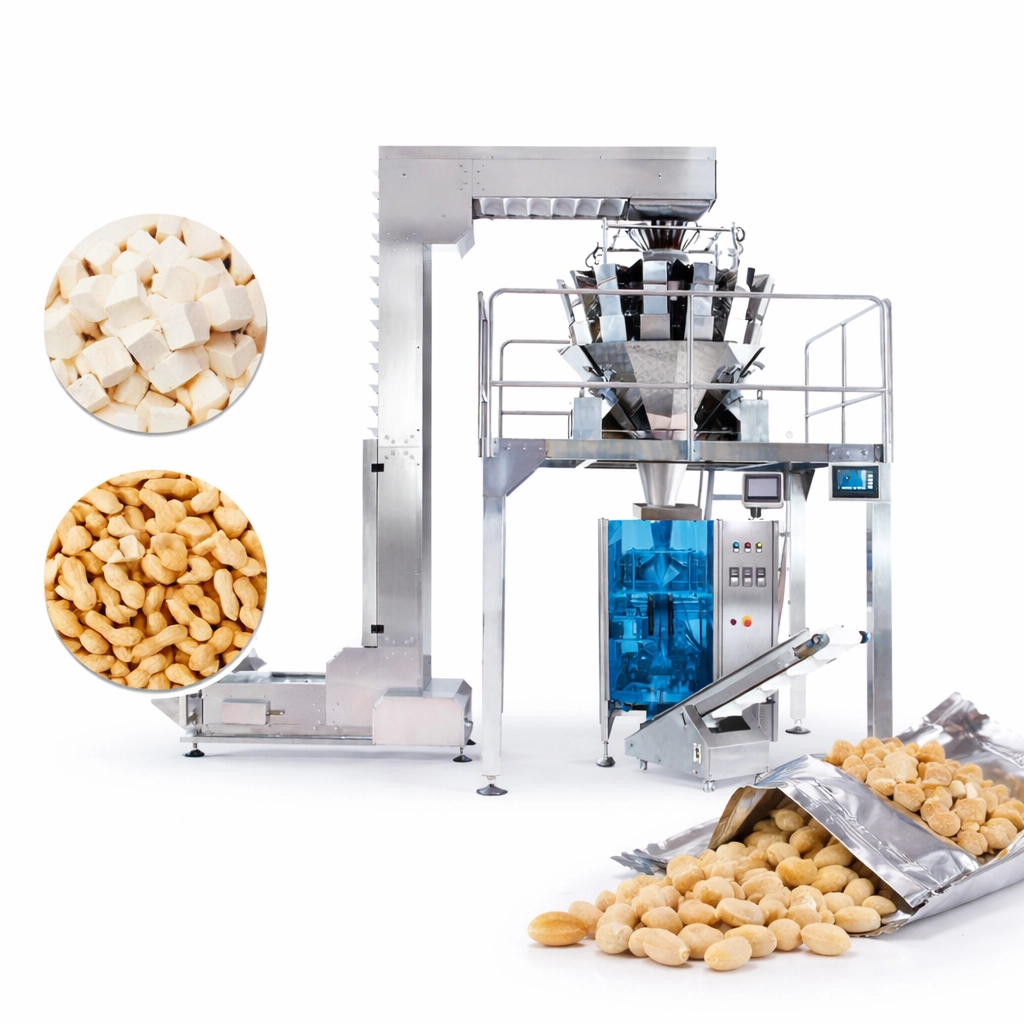
High-Precision Weighing & Packaging for Granular Products
The Granular Food Packing Machine is a fully automated solution designed for accurate weighing, filling, and packaging of various granular food products. Integrated with a multihead weigher and advanced packaging system, it ensures high speed, precision, and hygiene standards for modern food production.
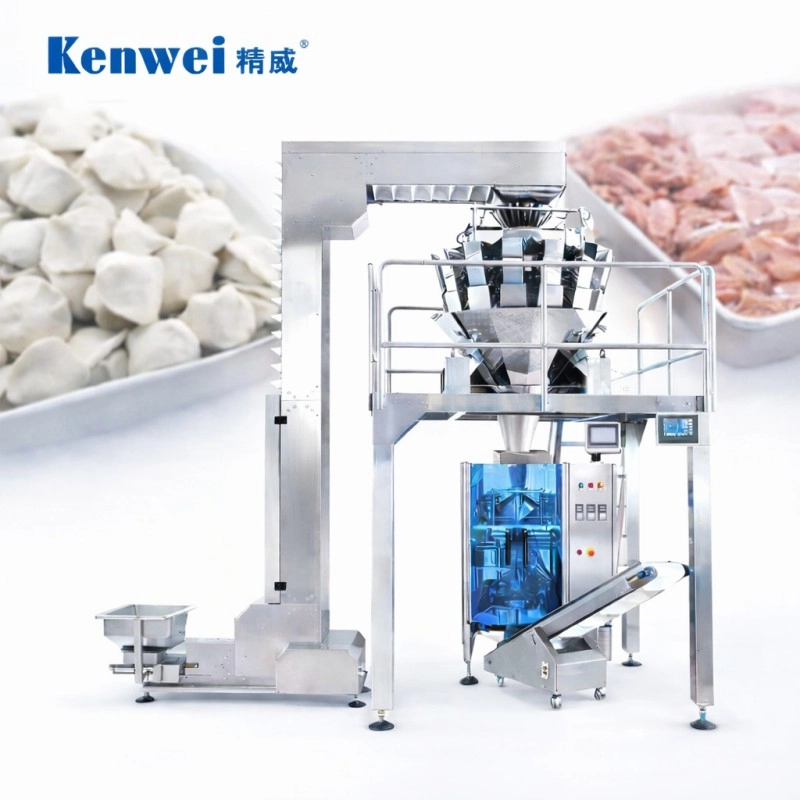
Vertical Frozen Food Packaging Machine for IQF & Frozen Products JW-B1
The Kenwei JW-B1 Vertical Frozen Food Packaging Machine is designed for IQF and frozen products, ensuring efficient, airtight packing. This vertical packing machine boosts productivity with precision sealing, ideal for frozen food packaging needs in the food industry.
Get in touch with us
If you have any comments or good suggestions, please leave us a message, later our professional staff will contact you as soon as possible.
Kenwei
Kenwei
Kenwei multi weigh
Kenwei
Kenwei
Kenwei