






Top 10 Food Packaging Machines 2026: Types, Benefits, and Uses
Monday, 02/2/2026
- Introduction: The Automation Imperative in 2026
- Top 10 Global Food Packaging Machine Manufacturers to Watch in 2026
- 1. Syntegon (Germany):
- 2. Kenwei (China):
- 3. Tetra Pak (Switzerland):
- 4. Multivac (Germany):
- 5. Ishida (Japan):
- 6. Krones Group (Germany):
- 7. IMA Group (Italy):
- 8. Coesia (Italy):
- 9. ProMach (USA):
- 10. Sidel (France):
- Core Types of Food Packaging Machines: Definitions and Uses
- Unlocking the Benefits: Why Invest in an Automatic Packaging Machine?
- Benefits:
- 2026 Technical Trends: AI, Sustainability, and the Shift to Servo
- Hygiene, Safety, and Global Compliance Standards
- Buyer’s Guide: Choosing the Right Machine for Your Facility
- Conclusion: Building a Future-Ready Production Line
- Frequently Asked Questions (FAQs)
- How does a vacuum packaging machine extend shelf life?
- What is the main advantage of a VFFS packaging machine?
- Why is a specialized flour packaging labeling machine necessary for fine powders?
- Can one snack packaging machine handle different bag sizes?
- What is the ROI timeline for an automatic packaging machine?
Discover the top 10 food packaging machine solutions for 2026! From AI-driven quality to sustainable sealing, learn how to boost ROI and production efficiency for your facility. Read the guide now!
Introduction: The Automation Imperative in 2026
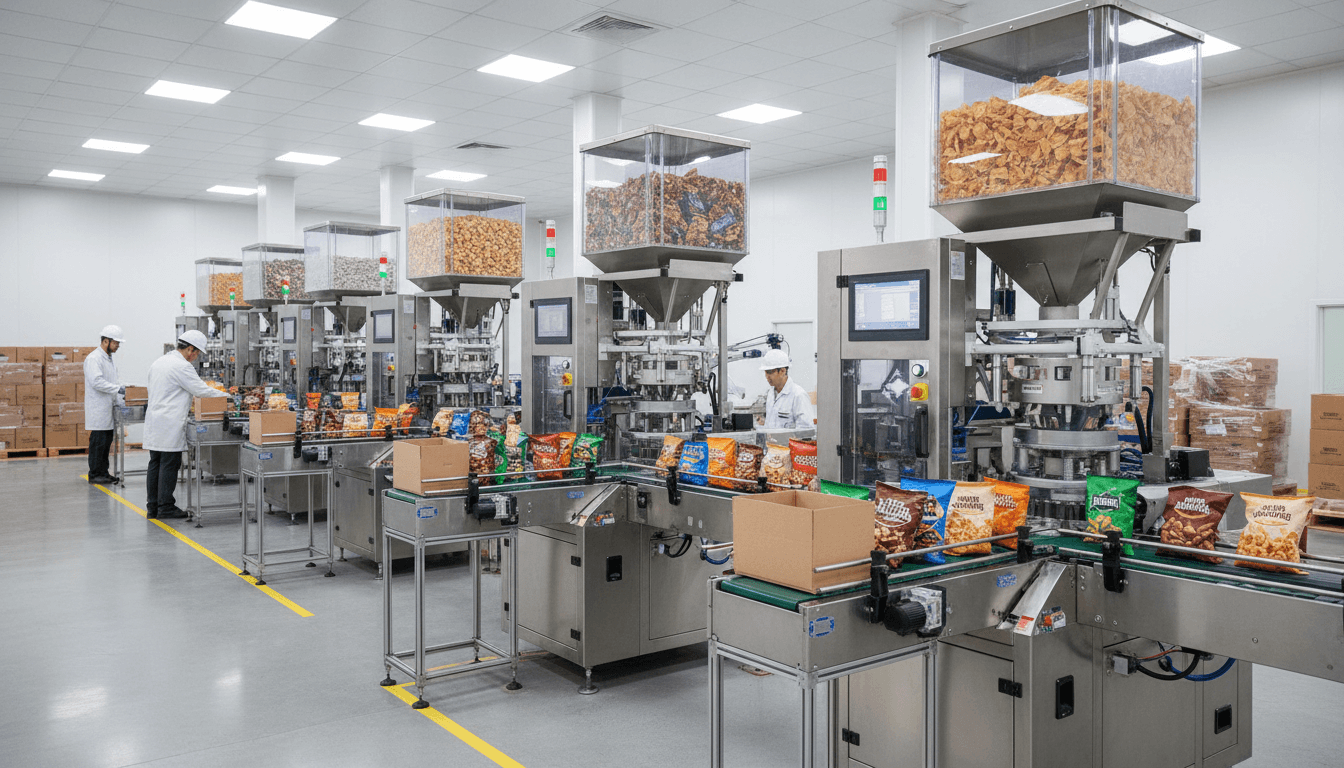
As we move into 2026, the global food packaging automation market is no longer just an auxiliary sector of manufacturing; it has become a central pillar of the global supply chain, valued at approximately $70.3 billion. The transition toward Industry 5.0 has pushed manufacturers to move away from rigid, single-purpose equipment in favor of hyper-flexible, modular systems that can adapt to rapid market shifts and diverse product formats. For modern food processors, a food packaging machine is a strategic asset that addresses critical challenges such as chronic labor shortages, the rising cost of raw materials, and increasingly stringent environmental mandates. Whether a facility is upgrading a legacy line or building a new smart factory, selecting the right machine for packaging is the difference between operational resilience and becoming obsolete in a data-driven market. As businesses adapt to these changes, 8 Fast-Growing Categories of Popular Food Packaging and Processing Machines 2026 will provide key insights into the technologies shaping the future of food packaging.
Top 10 Global Food Packaging Machine Manufacturers to Watch in 2026
In 2026, the competitive landscape is dominated by engineering giants that prioritize digitalization, sustainability, and ultra-high-speed precision. Below are the top ten manufacturers currently defining the industry standard:
-
1. Syntegon (Germany):
-
Formerly known as Bosch Packaging, Syntegon remains a global powerhouse with over 160 years of history. They specialize in intelligent, sustainable solutions for both the pharmaceutical and food industries, with a particular strength in high-speed food packaging machines for confectionery and bakery products.
-
-
2. Kenwei (China):
-
Distinguished by its "Stable and Fast" performance, Kenwei has established itself as a world-class leader in precision weighing and integrated packaging systems. By heavily investing in R&D, they provide highly customized automatic packaging machine solutions, including multihead weighers and linear scales that achieve near-zero product giveaway, significantly protecting the profit margins of global food processors.
-

-
3. Tetra Pak (Switzerland):
-
The undisputed leader in liquid food and aseptic carton technology. Tetra Pak continues to innovate in eco-friendly packaging solutions, helping brands transition away from plastics while maintaining the long-term shelf life of dairy and beverage products.
-
-
4. Multivac (Germany):
-
Renowned for their market leadership in thermoforming and sealer vacuum packaging machine technology. Multivac defines the standard for hygiene and shelf-life extension, providing everything from tabletop units for small businesses to fully integrated industrial lines for fresh proteins and medical devices.
-

-
5. Ishida (Japan):
-
The pioneer of the multihead weigher, Ishida dominates the weighing and inspection sector. Their 2026 offerings integrate advanced AI and X-ray inspection systems to ensure that every snack bag is perfectly weighed and free of foreign contaminants.
-
-
6. Krones Group (Germany):
-
A technological leader for the beverage industry, specializing in high-speed bottling, labeling, and intralogistics. Krones provides complete production systems that emphasize energy efficiency and digital transformation for global liquid food brands.
-

-
7. IMA Group (Italy):
-
A leader in custom-built machinery, IMA excels in the design of automated systems for tea, coffee, and dairy. They were among the first to develop fully recyclable capsule packaging, reflecting their deep commitment to green engineering.
-

-
8. Coesia (Italy):
-
An innovation-led conglomerate of 21 companies, including brands like G.D and R.A Jones. Coesia provides comprehensive, automated solutions for complex packaging needs in FMCG, ceramics, and tobacco sectors across 36 countries.
-
-
9. ProMach (USA):
-
A massive powerhouse in the North American market, ProMach manages over 40 product brands. They excel at integrating entire end-to-end packaging lines, from primary filling to secondary case packing and palletizing.
-
-
10. Sidel (France):
-
Specialized in PET blowing, filling, and labeling, Sidel helps liquid food and beverage producers optimize energy consumption and reduce packaging weight. Their Agility 4.0 software provides real-time line intelligence to maximize uptime.
-
Core Types of Food Packaging Machines: Definitions and Uses
Understanding the mechanics of various machine types is crucial for aligning technology with product characteristics. In 2026, these ten categories form the backbone of modern production:
-
Machine Type Description Ideal Use Vertical Form Fill Seal (VFFS) Forms a pouch from a flat roll of film, fills it with product, and seals it in one vertical motion. Dry goods industry, snacks, nuts, frozen items, with a high throughput of up to 300 bags/min. Horizontal Flow Wrapper (HFFS) Wraps a continuous film around a product, creating a pillow-like package. Solid, uniform items like energy bars, biscuits, and individually wrapped baked goods. Rotary Premade Pouch Machines Handles finished bags (e.g., stand-up Doypacks) with zippers or spouts. Offers high visual appeal. Premium products like coffee, dried fruits, and high-end pet foods. Vacuum Packaging Systems Removes air from containers before sealing to preserve product freshness. Meat, fish, cheese, extending shelf life by 3-5 times compared to traditional methods. Tray Sealers Places products in rigid trays and seals with a protective lid or film, often using Modified Atmosphere Packaging (MAP). Ready-to-eat meals and fresh produce. Stick Pack and Sachet Machines Produces slender, tube-like packages for powders, liquids, or granules, ideal for single-serve portions. E-commerce, pharmaceutical sectors, or any industry requiring portion control. Multihead Weighing and Filling Uses multiple weighing hoppers to calculate the perfect weight in milliseconds. Snack packaging, eliminating overfilling waste and optimizing product distribution. Flour Packaging and Labeling Specialized for fine-grained products, with enclosed filling and dust aspiration units to reduce waste. Flour, and any fine powders, minimizing dust contamination and waste. Candy Packaging Systems Uses "cool sealing" or robotics to protect delicate candy coatings and intricate shapes from damage. Confectionery industry, specifically for chocolates and delicate candy products. End-of-Line Robotics Includes palletizers and case erectors for stacking finished goods, reducing repetitive task injuries and maximizing warehouse space. Distribution and warehousing, improving efficiency and organization.
Unlocking the Benefits: Why Invest in an Automatic Packaging Machine?
The shift toward a fully automatic packaging machine environment is driven by the need for measurable ROI. Modern equipment offers millimetric precision, ensuring that the filling variance remains within ±0.5%, which protects profit margins by reducing product giveaway. Furthermore, automation increases operational efficiency by achieving throughput rates impossible with manual labor, often increasing plant output by over 25% for early adopters of smart technology. Beyond pure speed, these machines ensure product integrity; the high-pressure, precision-temperature sealing jaws guarantee leak-proof packaging, which is vital for maintaining brand reputation during last-mile logistics.
Benefits:
-
Precision and Consistency: Filling variance remains within $\pm 0.5%$, minimizing product giveaway and maximizing profits.
-
Increased Output: Automation leads to a significant boost in operational efficiency, with plant output increasing by over 25%.
-
Reduced Labor Costs: Automation replaces manual labor, reducing reliance on human workers and improving cost-effectiveness.
-
Improved Product Integrity: High-pressure, precision-temperature sealing jaws ensure leak-proof packaging, maintaining product quality and brand reputation.
-
Enhanced Brand Reputation: Leak-proof packaging is critical in ensuring the product reaches customers in optimal condition, building trust in the brand.
-
Faster Production Speeds: Automation accelerates the packaging process, increasing throughput and improving time-to-market.
-
Smart Technology Integration: The adoption of smart technology allows for optimized production schedules, reducing waste and maximizing resources.
2026 Technical Trends: AI, Sustainability, and the Shift to Servo
The 2026 landscape is defined by the convergence of agility and intelligence. AI-driven quality control is now moving QA from a post-production check to a continuous in-line process, using computer vision to detect seal defects, contaminants, and weight errors in real-time. Sustainability has also become a hardware requirement; machines now feature "native compatibility" with plastic-free and mono-material films, using ultrasonic sealing instead of heat to weld delicate compostable substrates without burning them. On the mechanical side, servo-driven systems have largely replaced traditional pneumatic (compressed air) components. Servo motors allow for recipe-based, tool-less changeovers, enabling a single line to switch between different SKUs in minutes rather than hours, thereby maximizing the equipment's Total Cost of Ownership (TCO).
Hygiene, Safety, and Global Compliance Standards
For any food processing facility, hygiene is non-negotiable. Modern food packaging machines are designed with an "open frame" philosophy to eliminate bacterial harbor points. This includes using sloped, self-draining surfaces and solid stainless steel rounds instead of hollow tubing. For high-risk sectors like meat and dairy, equipment must meet IP69K protection standards, ensuring the machine can withstand high-pressure, high-temperature washdowns with caustic chemicals. By selecting machines that are 3-A, CE, or FDA-certified, manufacturers can confidently ensure their operations align with global safety regulations, reducing the risk of costly recalls or compliance fines.
Buyer’s Guide: Choosing the Right Machine for Your Facility
Selecting the ideal system requires a comprehensive analysis of product rheology, production goals, and scalability. Startups and small businesses should look for compact, semi-automatic models that provide professional sealing quality without the massive footprint or upfront cost of industrial lines. However, for businesses packing more than 3,000 units per day, a fully automated system becomes essential to reduce long-term labor costs and ensure the consistency required by retail chains. Buyers should prioritize suppliers like Kenwei that offer strong after-sales support, remote diagnostics, and modular designs, allowing the packaging line to grow alongside the business without requiring a complete overhaul of the existing infrastructure.
Conclusion: Building a Future-Ready Production Line
In 2026, the right packaging technology is no longer just a container-filling tool; it is a strategic asset that embodies a brand's environmental ethos and operational efficiency. By integrating smart automation, sustainable materials, and hygienic design, food manufacturers can future-proof their operations against shifting regulations and consumer demands. Ultimately, the brands that succeed will be those that view packaging as an active part of their business strategy—partnering with industry leaders to build a resilient, high-performance production moat. To ensure product integrity and safety alongside efficient packaging, The Ultimate Guide to Food Metal Detectors can provide valuable insights on incorporating quality control measures into your production line.
Frequently Asked Questions (FAQs)
How does a vacuum packaging machine extend shelf life?
By removing oxygen from the package, it inhibits the growth of aerobic bacteria and prevents oxidation, extending the freshness of perishable items like meat and cheese by 3 to 5 times.
What is the main advantage of a VFFS packaging machine?
Its main advantages include a high-speed operation (up to 300 bags/min), a compact vertical footprint that saves floor space, and the versatility to handle various dry products like chips, nuts, and powders.
Why is a specialized flour packaging labeling machine necessary for fine powders?
Fine powders create dust that can settle on the sealing jaws, causing leaks. A specialized machine includes enclosed filling and dust aspiration systems to ensure a clean, airtight seal every time.
Can one snack packaging machine handle different bag sizes?
Yes, modern machines with servo-driven controls and "quick-change" tooling allow for digital recipe management, enabling operators to switch bag sizes and formats with minimal downtime.
What is the ROI timeline for an automatic packaging machine?
Most manufacturers find that high-speed automated systems pay for themselves within 12 to 18 months through labor savings, reduced material waste, and increased throughput.
Recommended for you
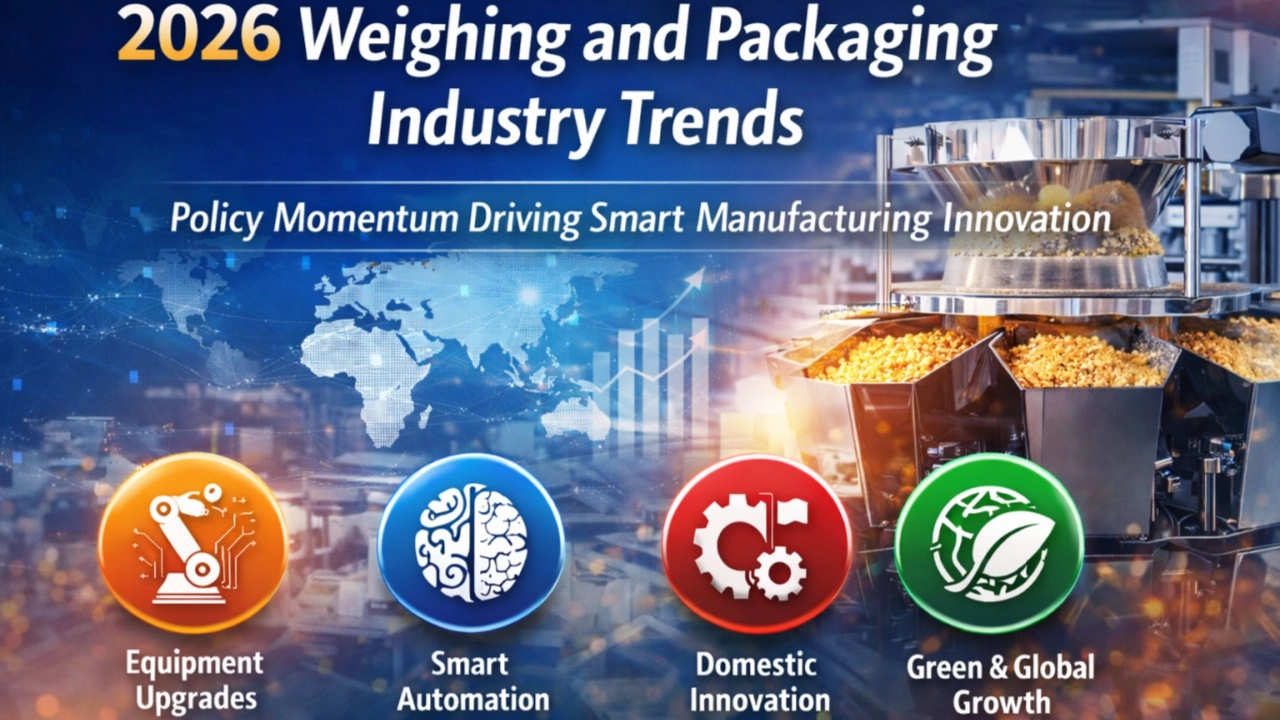
2026 Trends in the Weighing and Packaging Industry

Celebrating International Women’s Day | Honoring the Women of Kenwei
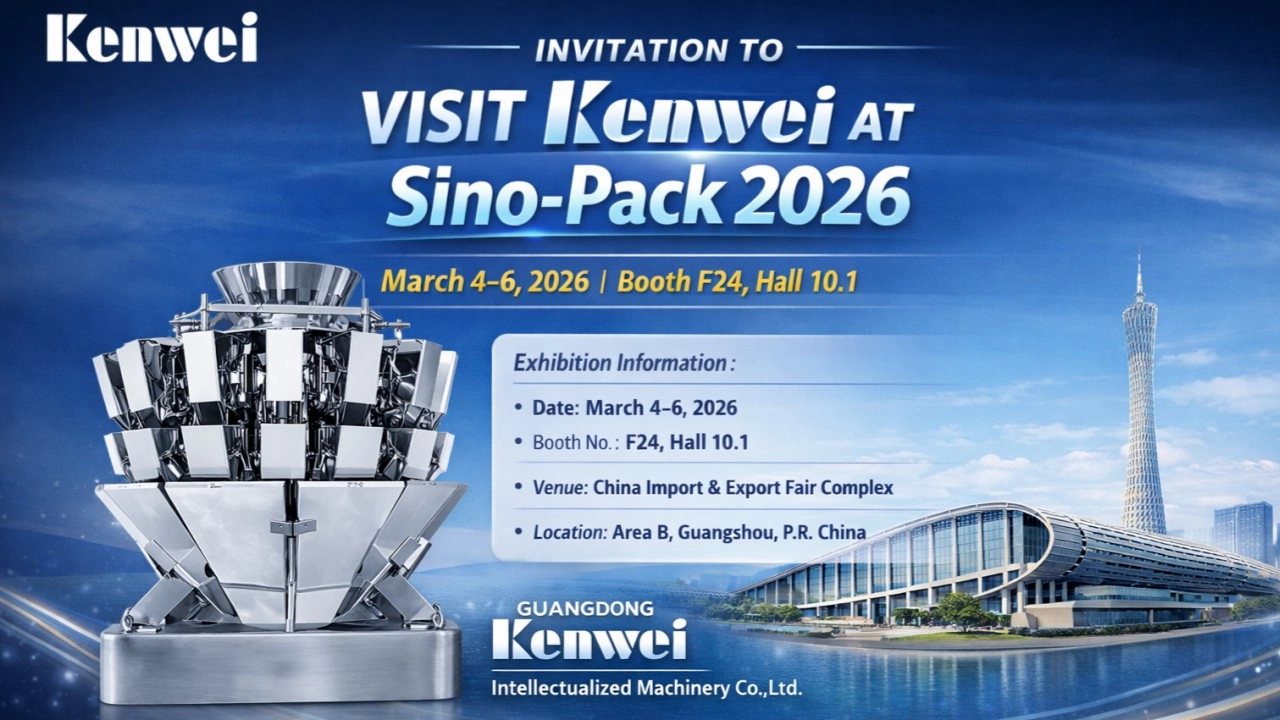
Kenwei to Showcase Intelligent weighing machine at Sino-Pack 2026
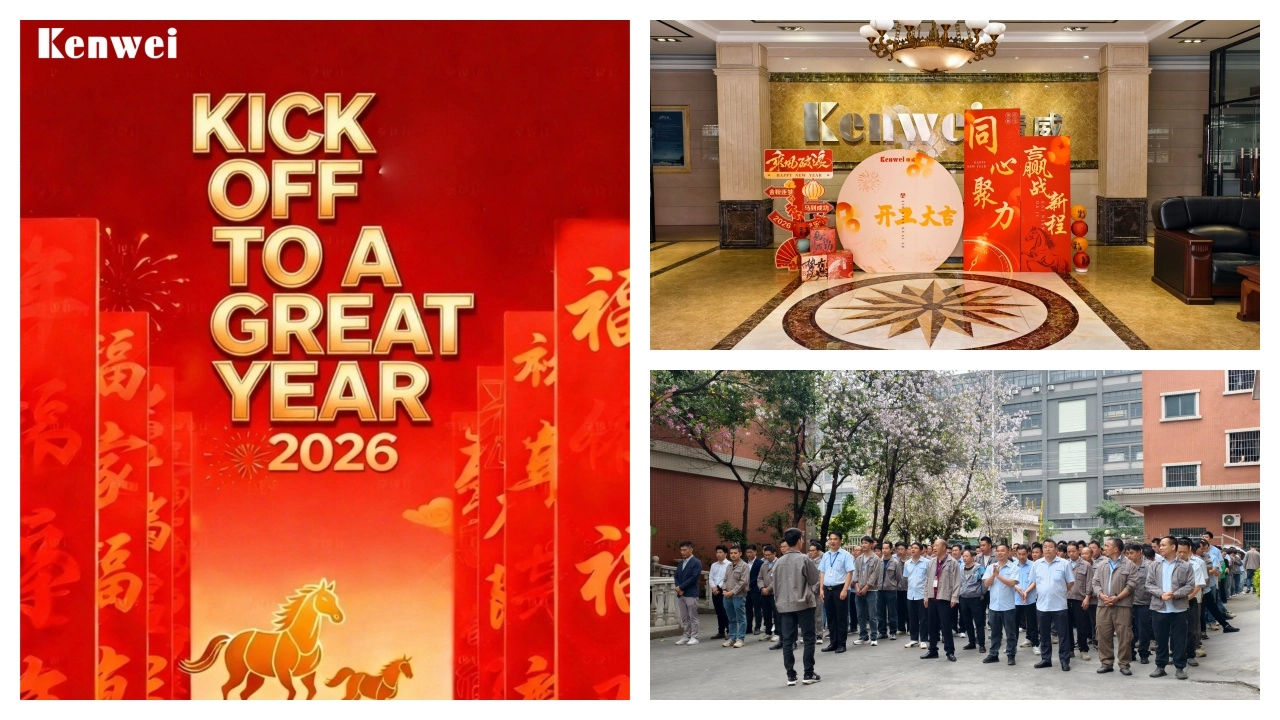
Auspicious Start to Work | Guangdong Kenwei 2026
Prdoucts Categories
FAQ
About products customization
Can Kenwei machines be customized for different industries?
Yes,According to the material characteristics and requirements of different industries, we developed various machine types for counting (small pouches into big bag), noodles, frozen foods, peppers, stick-shaped products, product -mixing, cheeses, salads and so on.
About Cooperation Process
Does Kenwei offer installation and training?
Yes, Kenwei provides installation services and comprehensive training to ensure that your team can operate the machinery efficiently. Our engineers can travel to your facility for on-site installation, and we also offer remote training options if needed.
What information is needed to get a quote from Kenwei?
For us to provide an accurate quote, please provide the following details:
Type of machinery you are interested in (e.g., multi-head weighers, metal detectors, etc.)
Specifications and customization requirements (e.g., capacity, speed, size, etc.)
Your intended application and industry
Quantity of machines required
Delivery location
About Product choice
Can Kenwei's machines be used in my industry?
Kenwei’s equipment is highly versatile and can be used across a wide range of industries, including:Food,Pharmaceuticals,Chemicals,Plastics and Agriculture.
Plastics If you're unsure whether our products are suitable for your industry, please contact us, and we can provide you with specific solutions tailored to your needs.
About After Sales Support
What do I do if I encounter a malfunction in the machine?
If you encounter a malfunction, first check the user manual and troubleshooting guide for common issues. If the problem persists, contact our technical support team for further assistance.
You may also like
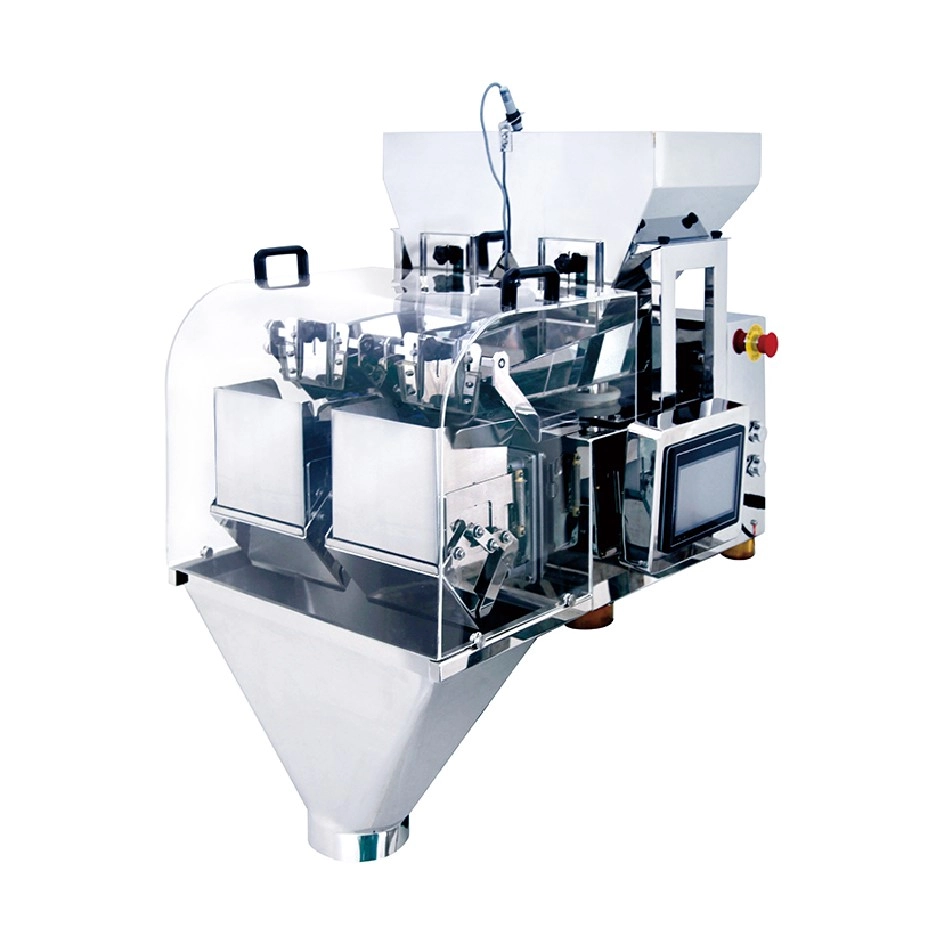
Precision Linear Weigher for Weighing Powder & Small Granules
The linear weigher is perfect for precise, quantitative weighing of powdery and small granular materials such as white sugar, salt, monosodium glutamate, chicken essence, milk powder, coffee, seasoning powder, and more. Available in up to 5 different specifications, this linear scale offers a maximum weighing speed of up to 70 bags per minute, making it the top choice for accurately weighing powdery materials in high-speed production environments.
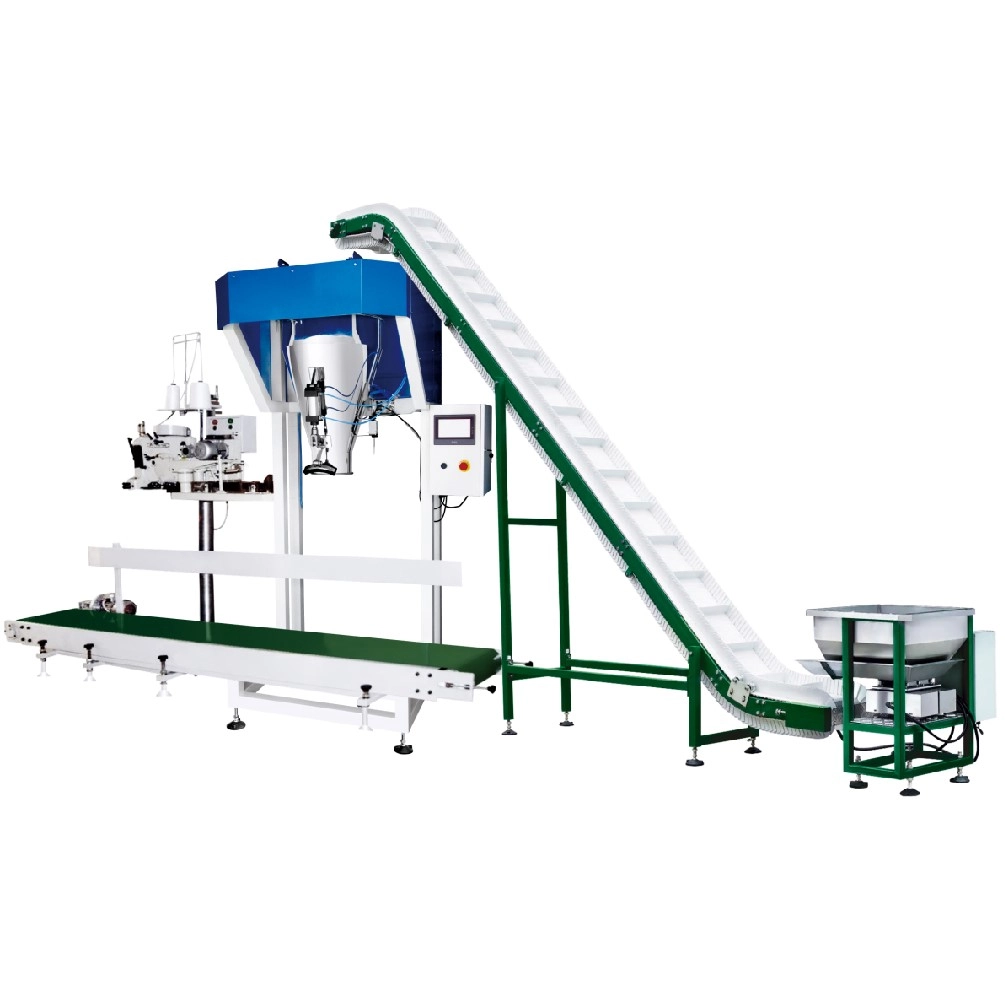
Precision Food Packaging Machine Using Single Head Bulk Linear Weigher Packaging System JW-B22
The Kenwei JW-B22 Precision Food Packaging Machine with Single Head Bulk Linear Weigher is designed for heavy-duty weighing up to 50kg. It automates feeding, weighing, bag sewing, and output for maximum efficiency. Ideal for grains like corn, rice, soybeans, barley, and wheat, it ensures high accuracy and reliability for the food, chemical, and light industries, making it the top choice for bulk grain packaging.
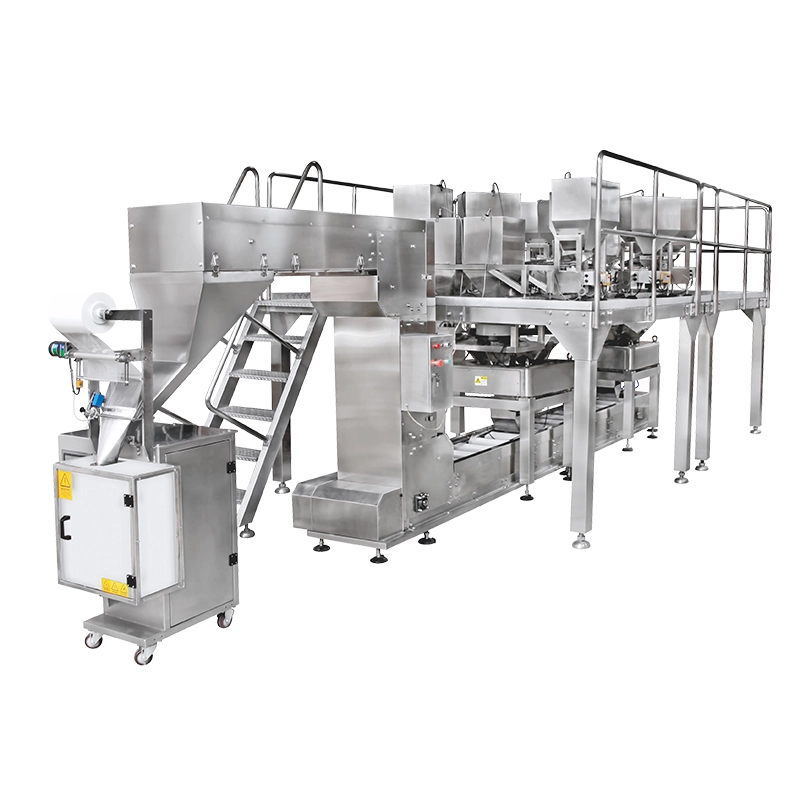
JW-B28 Multihead Weigher Mixing & Weighing System for Food Packaging | High-Speed, Accurate, Automated
The Kenwei JW-B26 Single Multihead Weigher Mixing and Packaging System offers fully automated operation, completing feeding, weighing, filling, date printing, and product output with high accuracy and speed. Ideal for granules, slices, irregular shapes, and mixed products like candy, nuts, snacks, pet food, and even small hardware. Its versatility and precision make it a perfect solution for diverse packaging needs.
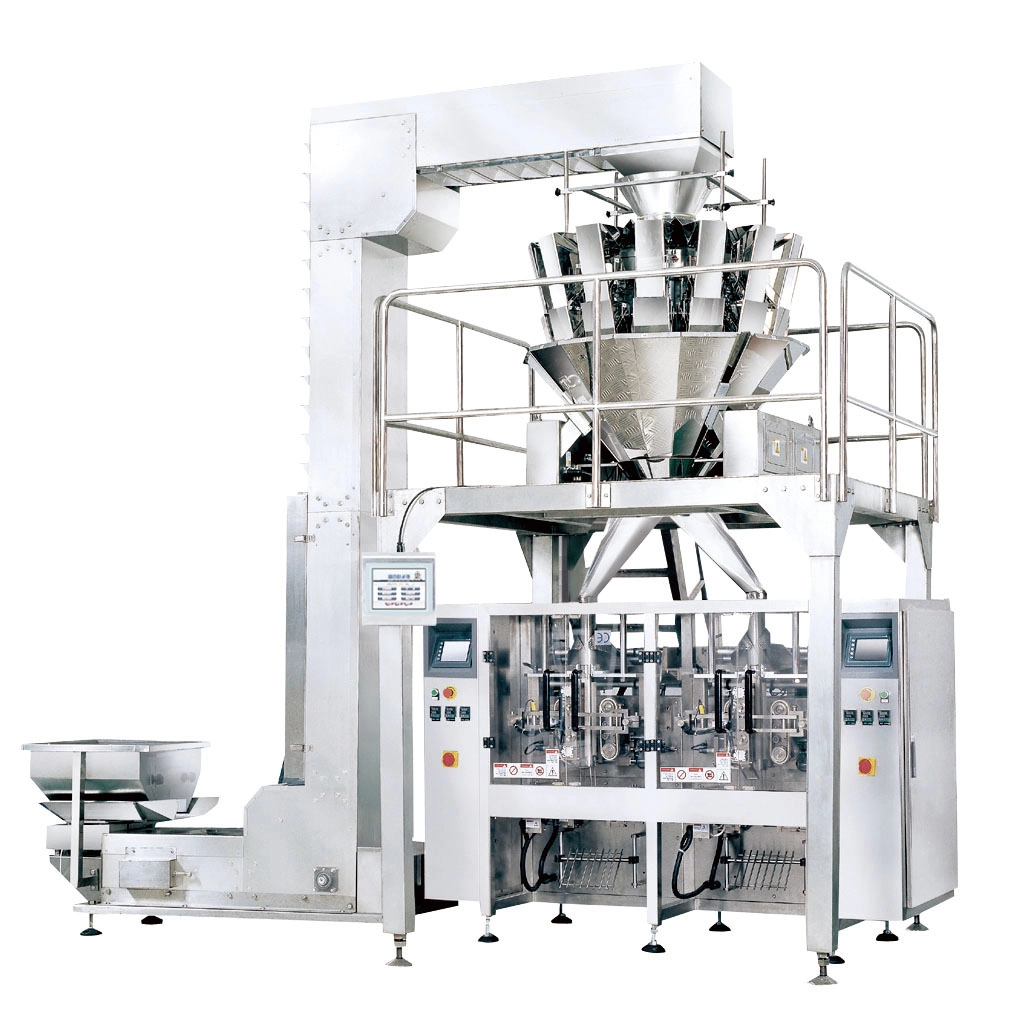
Fully Automatic Twin Packaging Machine for Granules Snack Foods Weighing JW-B2
Kenwei's JW-B2 Fully Automatic Twin Packaging Machine boasts 14-head multihead weighing for precise granule and snack food packaging. This high-speed automatic packaging machine offers efficient twin-packaging, maximizing your production output. Ideal for food manufacturers seeking enhanced speed and accuracy.
Contact Kenwei
Our company is located in areas with convenient transportation and developed economy. Our products are supplied in a timely manner. In the course of business operation, we always focus on customers.Have any questions or concerns about our products? Please leave us a message here, and our team will get back to you promptly.
Kenwei
Kenwei
Kenwei multi weigh
Kenwei
Kenwei
Kenwei