






The Ultimate Guide to Food Metal Detectors: 2026 Technology and Safety Standards
Wednesday, 01/14/2026
- Introduction
- What is a food metal detector?
- Why it Matters
- Core Functions
- Key Takeaways for Food Manufacturers
- How Modern Metal Detection Works: The Physics of Safety
- The Balanced Coil Principle
- Disruption and Detection
- Phase Angle Analysis
- Overcoming the 'Product Effect' in 2026
- The MSF Solution
- Types of Food Metal Detectors and Their Applications
- 2026 Selection Guide: Metal Detection vs. X-Ray Inspection
- Cost-Benefit Analysis
- When to Choose Metal Detection
- When to Choose X-Ray
- Common Mistakes in Food Metal Detection Programs
- The Future of Food Safety: AI and IoT Integration
- AI-Enhanced Algorithms
- Blockchain and Traceability
- Sustainability and Waste Reduction
- Conclusion
- Frequently Asked Questions
- What metal types can a food metal detector identify?
- What are the FDA critical limits for metal fragments in food?
- Why does stainless steel 316 require specialized detection?
- How often should food metal detectors be tested?
- Can a metal detector find metal inside aluminum foil packaging?
- What causes false rejects in food metal detectors?
- What is the difference between sensitivity and reliability?
- Does a food metal detector protect machinery?
- References
This comprehensive guide explores the 2026 landscape of food metal detectors, covering advanced Multi-Simultaneous Frequency (MSF) technology, FSMA regulatory compliance, and practical selection tips to minimize false rejects.
Introduction
In the rapidly evolving landscape of industrial automation, the food metal detector remains the frontline defense against physical contamination. With the global market for metal detection in food valued at approximately $928 million in 2024 and projected to grow steadily, the stakes for compliance and consumer safety have never been higher.
At Guangdong Kenwei Intellectualized Machinery Co., Ltd., we have witnessed this shift firsthand. As a powerful manufacturer of multi-head weighers and detection systems, we understand that modern production lines require more than just basic sensitivity—they demand intelligent, data-driven solutions. This guide details everything from basic physics to the AI-driven future of 2026.
What is a food metal detector?
A food metal detector is an automated inspection system designed to identify and reject ferrous, non-ferrous, and stainless steel contaminants from processing lines. Unlike manual inspection, these systems use electromagnetic fields to detect conductive or magnetic disturbances within products, ensuring compliance with HACCP and FSMA standards.
Why it Matters
Beyond regulatory compliance, these devices protect downstream machinery—such as slicers and grinders—from catastrophic damage. A single metal fragment can cost thousands in repairs and millions in brand reputation damage.
Core Functions
- Contaminant Removal: Detects metal fragments as small as 0.8mm.
- Machinery Protection: Prevents damage to expensive processing equipment.
- Regulatory Compliance: Meets requirements for FDA, GFSI, and ISO 22000.
Key Takeaways for Food Manufacturers
For facility managers preparing for 2026, understanding the nuances of metal detectors for food processing is critical for maintaining operational efficiency.
- Critical Control Point (CCP): Metal detection is a mandatory CCP in almost every HACCP plan.
- Stainless Steel Challenges: Grade 316 stainless steel is the most difficult to detect due to its low magnetic permeability and conductivity.
- Technological Leap: Modern systems now utilize Multi-Simultaneous Frequency (MSF) to reduce false rejects by up to 50% compared to legacy single-frequency models.
- Connectivity: Integration with IoT allow for real-time remote monitoring, a standard feature in our Kenwei food metal detectors for prompt, precise, and dependable defense.
How Modern Metal Detection Works: The Physics of Safety
Most industrial food metal detectors operate on the principle of the "Balanced Coil System." This reliable design has been the industry standard for decades but has seen significant digital enhancements.
The Balanced Coil Principle
Three coils are wound on a non-metallic frame. The center coil (transmitter) generates a high-frequency electromagnetic field. Two receiver coils sit on either side, wired in opposition. When no metal is present, the voltages cancel each other out—a state of "balance."
Disruption and Detection
When a metal contaminant passes through the aperture, it disturbs the magnetic field.
- Ferrous metals amplify the magnetic field.
- Non-ferrous metals and stainless steel cause energy loss (eddy currents). This disturbance creates an unbalanced voltage signal, triggering the reject mechanism.
Phase Angle Analysis
Modern processors analyze the "Phase Angle" of the signal. By distinguishing the specific phase shift caused by the product versus the contaminant, the system can ignore the food item while targeting the metal.
Overcoming the 'Product Effect' in 2026
The "Product Effect" occurs when the food itself—usually wet, salty, or acidic items like meat, cheese, or bread—conducts electricity, mimicking the signal of metal. This is the leading cause of false rejects in the metal detector for food industry sector.

The MSF Solution
According to recent industry data, Multi-Simultaneous Frequency (MSF) technology can scan products at multiple frequencies (e.g., low and high) at the same time. This allows the system to filter out the signal from the moisture (product effect) while retaining sensitivity to the metal.
- Single Frequency: Good for dry products (flour, rice).
- Multi-Simultaneous Frequency: Essential for conductive products (meat, dairy, hot bread).
- Kenwei's Approach: Our systems leverage advanced signal processing to "mask" product conductivity, ensuring that valid products are not wasted.
Types of Food Metal Detectors and Their Applications
Selecting the best metal detector requires matching the machine type to your specific production environment.
- Conveyorized Systems:
- Best For: Packaged goods, bakery items, and meats.
- Kenwei Insight: Our conveyor systems often integrate with check weighers for a compact, dual-inspection station.
- Gravity-Fed Detectors:
- Best For: Bulk powders, grains, spices, and granular materials falling through a pipe.
- Feature: Ultra-fast reject valves to minimize product waste.
- Pipeline Systems:
- Best For: Liquids, pastes, slurries, and pumped meats (sausage meat).
- Installation: fitted directly into the transport pipe.
- Ferrous-in-Foil Heads:
- Best For: Products wrapped in aluminum foil.
- Limitation: Can only detect ferrous (magnetic) metals.
2026 Selection Guide: Metal Detection vs. X-Ray Inspection
A common dilemma for manufacturers is choosing between a metal detector in food lines versus an X-ray system. While X-ray offers broader detection, metal detection remains the cost-effective champion for conductive contaminants.
Cost-Benefit Analysis
- Initial Investment: Metal detectors are typically 20-50% cheaper than X-ray systems.
- Maintenance: X-ray generators have a finite lifespan (approx. 5 years) and high replacement costs; metal detector coils can last decades.
When to Choose Metal Detection
- Target: Primarily metal contaminants (wires, shavings).
- Speed: Extremely high-speed lines (e.g., flow wrappers).
- Material: Gravity-fed powders or bulk grains.
When to Choose X-Ray
- Target: Glass, stone, dense plastic, or bone.
- Packaging: Metallized film or aluminum foil (if non-ferrous detection is needed).
For a deeper dive into selecting the right equipment, read our guide on the Best Metal Detectors in the Food Industry .
Common Mistakes in Food Metal Detection Programs
Even the best metal detectors can fail if implemented incorrectly. Here are common pitfalls we see in the field:
- Incorrect Aperture Sizing:
- The Rule: The aperture should be as small as possible while allowing the product to pass. A larger aperture drastically reduces sensitivity.
- Poor Placement:
- Issue: Placing the detector immediately after a vibration source or too far from the final packaging stage.
- Fix: Install at the Critical Control Point (CCP), usually the last step before shipping.
- Inadequate Testing:
- Issue: Using test pieces that are too large or only testing the center of the aperture.
- Fix: Test with ferrous, non-ferrous, and stainless steel spheres at the leading, center, and trailing edges of the product.
- Ignoring False Rejects:
- Issue: Operators widening the settings to stop false alarms, unknowingly allowing metal to pass.
- Fix: Use MSF technology to handle product effect without compromising sensitivity.
The Future of Food Safety: AI and IoT Integration
Looking ahead to 2026, the metal detector for food processing is becoming a smart, connected device. With the FSMA Rule 204 compliance deadline set for January 20, 2026, traceability is no longer optional.
AI-Enhanced Algorithms
Newer systems utilize Machine Learning (ML) to "learn" the product characteristics over time. If a batch of bread has slightly higher moisture content, the AI adjusts the threshold dynamically, preventing false rejects without human intervention.
Blockchain and Traceability
Data from the metal detector—reject counts, test logs, and sensitivity settings—can now be pushed directly to a blockchain-enabled ERP. This creates an immutable record of safety checks, vital for audits.
Sustainability and Waste Reduction
By reducing false rejects, manufacturers save tons of food annually. At Kenwei, we are committed to this vision, providing food metal detectors that balance high precision with eco-friendly efficiency.
Conclusion
As we approach 2026, the food metal detector is evolving from a simple safety switch into a sophisticated data node in the smart factory. Whether you are dealing with the high product effect of dairy or the high-speed demands of snack packaging, selecting the right technology is paramount for brand protection.
By leveraging Multi-Simultaneous Frequency and partnering with experienced manufacturers like Guangdong Kenwei Intellectualized Machinery Co., Ltd., you ensure that your production line is not just compliant, but competitive.
Frequently Asked Questions
What metal types can a food metal detector identify?
Most industrial systems detect three main categories: Ferrous (iron, steel), Non-ferrous (copper, aluminum, brass), and Stainless Steel (specifically 300 series like 316, which is the most difficult).
What are the FDA critical limits for metal fragments in food?
The FDA considers fragments between 7mm and 25mm a significant choking hazard. However, stringent industry standards (like BRCGS or retailer codes of practice) often require detection of spheres as small as 1.0mm to 2.0mm.
Why does stainless steel 316 require specialized detection?
Stainless steel 316 is non-magnetic and has poor electrical conductivity. This means it creates a very weak signal disturbance, requiring higher sensitivity settings or specialized MSF technology to detect.
How often should food metal detectors be tested?
Best practice dictates testing at the start and end of every shift, and whenever a product changeover occurs. Some HACCP plans require hourly testing to minimize the quarantine window in case of failure.
Can a metal detector find metal inside aluminum foil packaging?
Standard balanced-coil detectors generally cannot, as the foil shields the contaminant. You need a specialized Ferrous-in-Foil detector (which only finds magnetic metals) or an X-ray inspection system.
What causes false rejects in food metal detectors?
Common causes include product effect (moisture/salt content), temperature fluctuations, external electromagnetic interference (from radios or motors), and vibration on the conveyor line.
What is the difference between sensitivity and reliability?
Sensitivity is the smallest size of metal the machine can theoretically detect (e.g., 0.8mm). Reliability is the machine's ability to detect that size consistently 100% of the time without false alarms.
Does a food metal detector protect machinery?
Yes. By installing a large aperture detector at the bulk stage (before grinding or slicing), you can catch large tramp metal, preventing severe damage to expensive processing equipment downstream.
References
Recommended for you
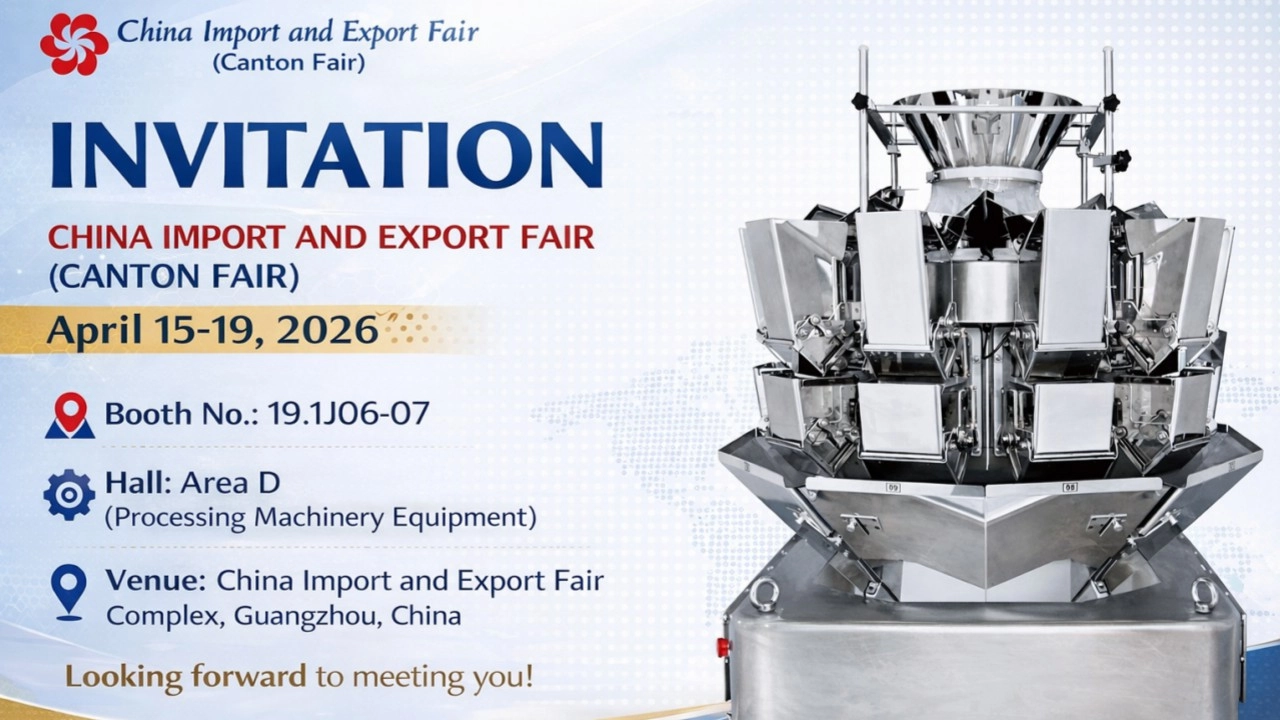
Canton Fair 2026 Weighing & Packing Machines | Multihead Weigher Manufacturer Kenwei

2026 Trends in the Weighing and Packaging Industry

Celebrating International Women’s Day | Honoring the Women of Kenwei

Kenwei to Showcase Intelligent weighing machine at Sino-Pack 2026
Prdoucts Categories
FAQ
About Product choice
What is the average lifespan of Kenwei products?
Kenwei machines are built for durability and longevity. With proper maintenance, our products are designed to last for many years, even under heavy usage. We offer maintenance services and support to help extend the lifespan of your machines.
How do I choose the right product for my business?
Choosing the right machine depends on several factors:
Product Type: Different machines are suited for different products (e.g., powder, granules, etc.).
Production Capacity: Consider the volume of products you need to process and the speed requirements.
Customization: If you have specific needs, such as the need for unique features or sizes, we offer customization options.
About Logistics
How long does logistics delivery take?
Shipping times depend on your location and the shipping method you choose. Generally speaking, international shipping can take anywhere from a few weeks to a few months.
About Price and payment
How do I make a payment for Kenwei machines?
We accept several payment methods: T/T, Letter of Credit (L/C)
About products customization
How long does it take to deliver a customized Kenwei machine?
The lead time for customized machines can vary based on the complexity of the customization, as well as production schedules. Generally, it takes 4-6 weeks to deliver a fully customized machine after design approval.
You may also like
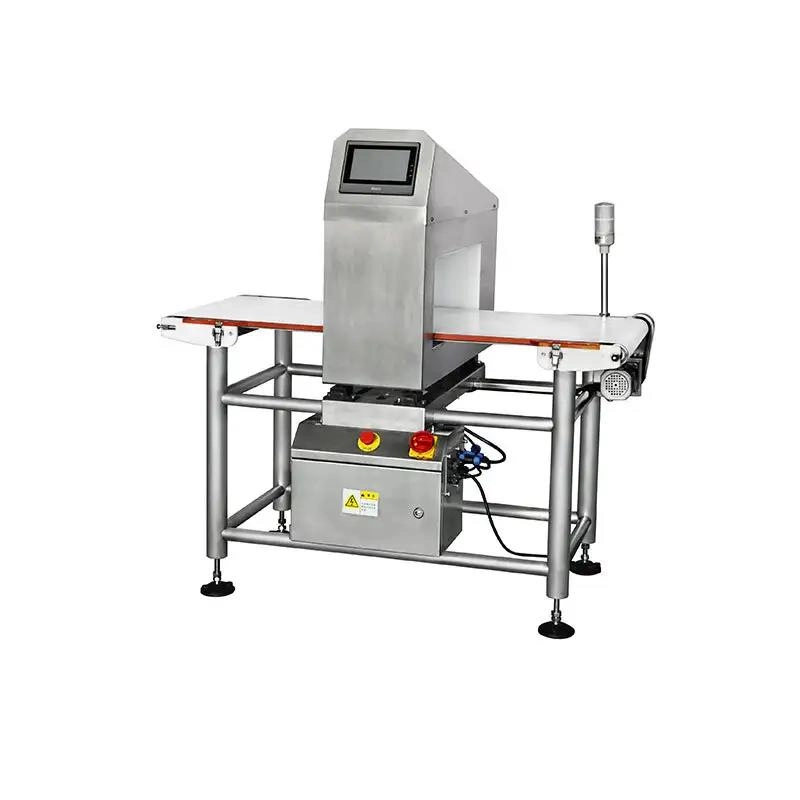
Food Metal Detector Manufacturer For Reject Defective Products G5020
The G5020 multi-frequency metal detector features a specialized conveyor belt designed to reduce contamination risks, ensure smooth operation, and maintain high detection sensitivity. It is easy to disassemble for convenient maintenance. Ideal for detecting metal contaminants in food, pharmaceuticals, spices, plastics, electronics, textiles, toys, handicrafts, and more.
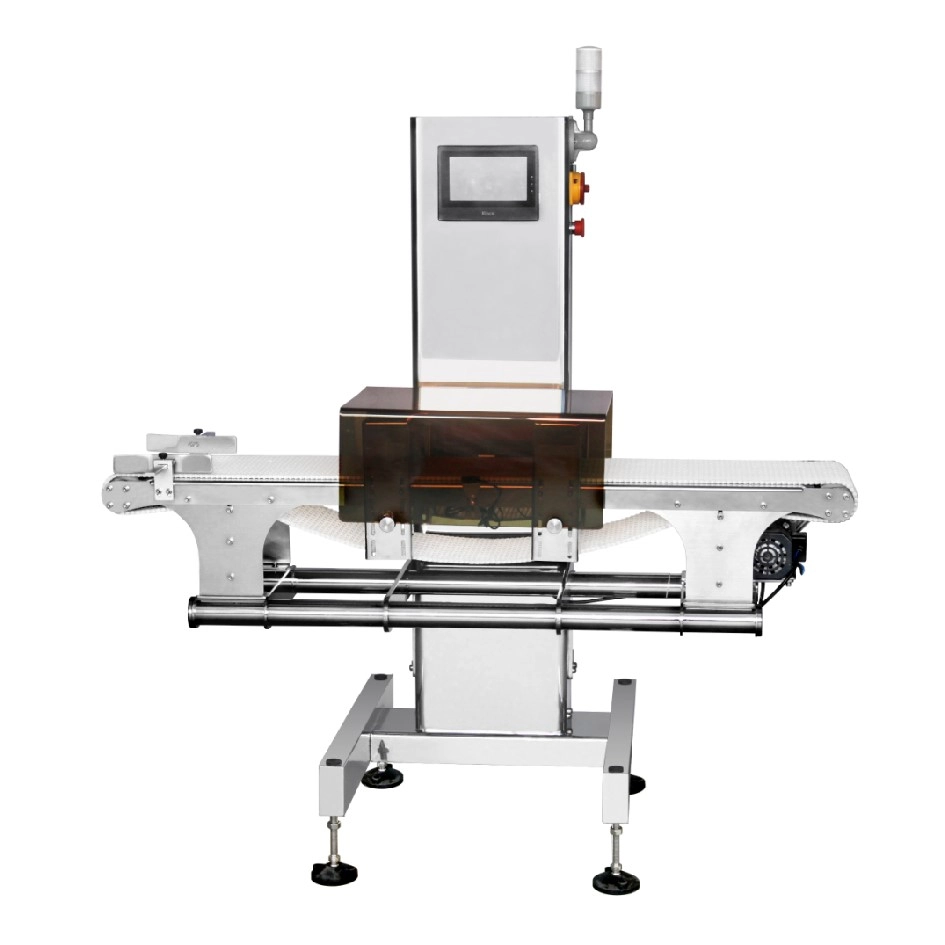
Metal Detector for Aluminum Foil in the Food Industry for Accurate Contamination Detection
The 2415 Metal Detector for Aluminum Foil is equipped with high-sensitivity sensors that effectively filter out signals from aluminum packaging, ensuring precise detection of magnetic metal contaminants. Ideal for detecting foreign bodies in aluminum foil-packaged items such as coffee bags, peanuts, dried meats, chocolate, and more. This versatile metal detector offers adjustable settings, with a maximum width of 24mm and height ranging from 20-150mm, making it suitable for a wide variety of aluminum foil packaging applications.
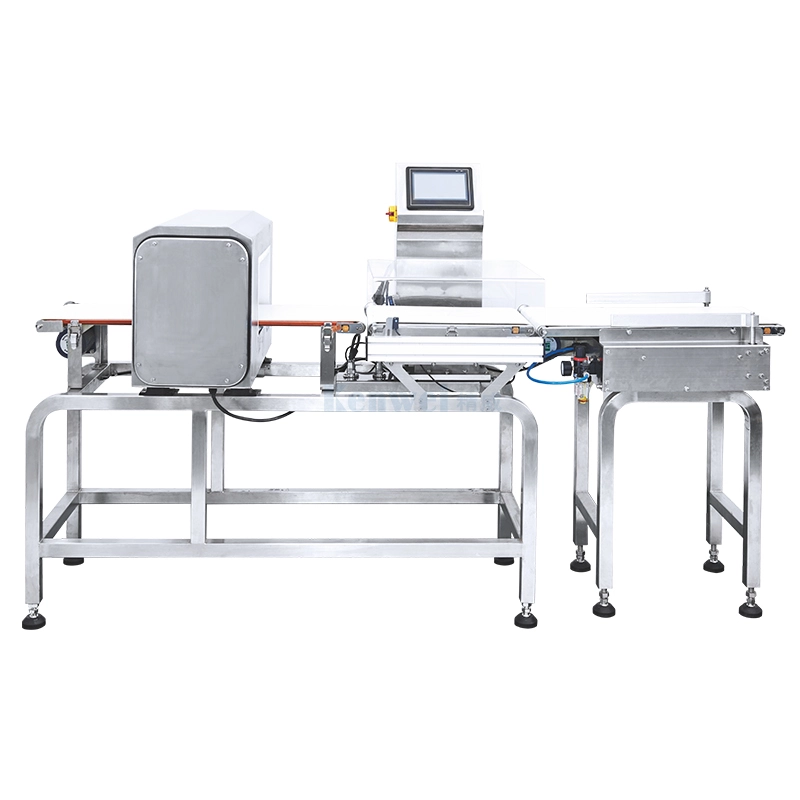
Combined Check Weigher and Metal Detector for Food Industrial Weighing and Sorting
Kenwei’s Combined Checkweigher and Metal Detector for food industrial weighing and sorting ensures precise weight control and superior safety. This advanced food metal detector integrates high-speed check weighing, delivering accuracy and reliability for quality assurance.
High Sensitivity Horizontal Metal Detector for Food and Pharmaceutical Industries
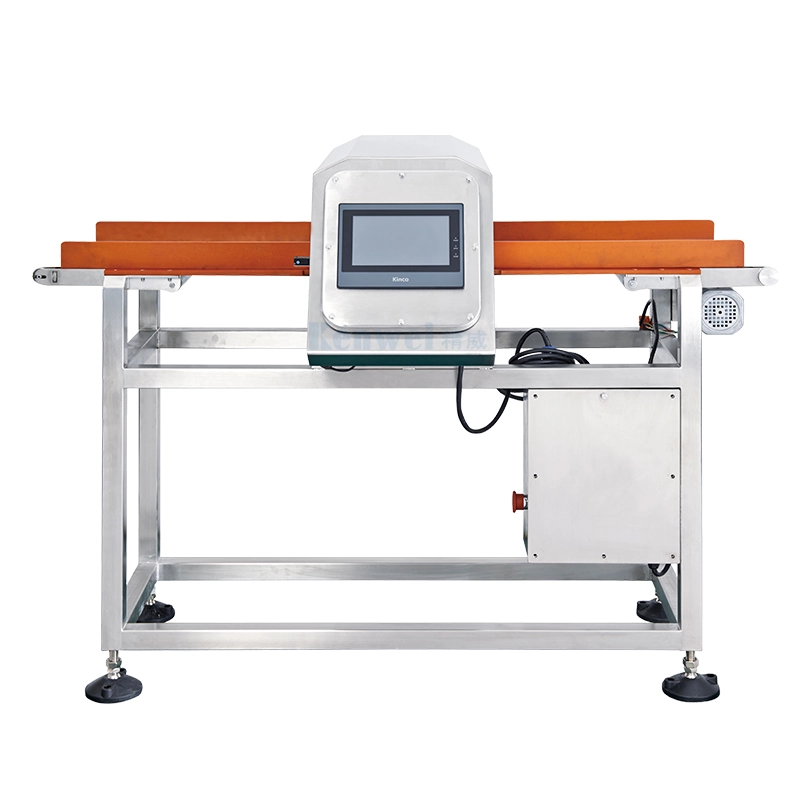
The Horizontal Metal Detector Series is ideal for detecting both ferrous and non-ferrous metals in food, pharmaceutical, chemical, textile, and rubber products. Equipped with a 7" industrial touch screen and supporting 32 languages, it features high sensitivity, digital signal processing, and intelligent algorithms for stable, precise detection. With stainless steel waterproof construction and multiple rejection options, it's perfect for HACCP and GMP compliance.
Contact Kenwei
Our company is located in areas with convenient transportation and developed economy. Our products are supplied in a timely manner. In the course of business operation, we always focus on customers.Have any questions or concerns about our products? Please leave us a message here, and our team will get back to you promptly.
Kenwei
Kenwei
Kenwei multi weigh
Kenwei
Kenwei
Kenwei