






7 Cutting-Edge Food Packaging Machine Trends That Will Dominate in 2026 [Expert Analysis]
Saturday, 01/24/2026
- Introduction
- Quick Summary: The Future of Food Packaging Machinery
- What is Driving the Evolution of Food Packaging Machines?
- Trend 1: AI-Driven Quality Control & Predictive Maintenance
- Trend 2: Native Compatibility with Plastic-Free Materials
- Trend 3: Hyper-Flexible Robotics for Multi-SKU Production
- Trend 4: IoT-Enabled Smart Packaging Integration
- Trend 5: Compact Modular Designs for Urban Production
- Trend 6: Advanced Hygienic Design for Food Safety
- Trend 7: Energy-Efficient Motors and Drives
- Expert Tips: How to Choose the Right Machine for 2026
- The Hidden Costs of Ignoring Automation (Gap Analysis)
- Conclusion
- What is the best food packaging machine for small businesses?
- How does automation improve food packaging efficiency?
- What are the latest trends in food packaging machinery for 2026?
- How much does an industrial food packaging machine cost?
- Can packaging machines handle eco-friendly materials?
- What is a VFFS machine and how does it work?
- How do IoT sensors benefit packaging lines?
- What maintenance is required for automated packaging equipment?
An expert analysis of the top 7 trends shaping the food packaging machinery industry in 2026, featuring insights on AI, sustainability, and automation.
Introduction
The food packaging machine landscape is undergoing a radical transformation, shifting from simple mechanical wrapping to intelligent, data-driven ecosystems. As we approach 2026, manufacturers must pivot toward automation that not only increases speed but also integrates seamlessly with sustainability goals and Industry 5.0 standards.
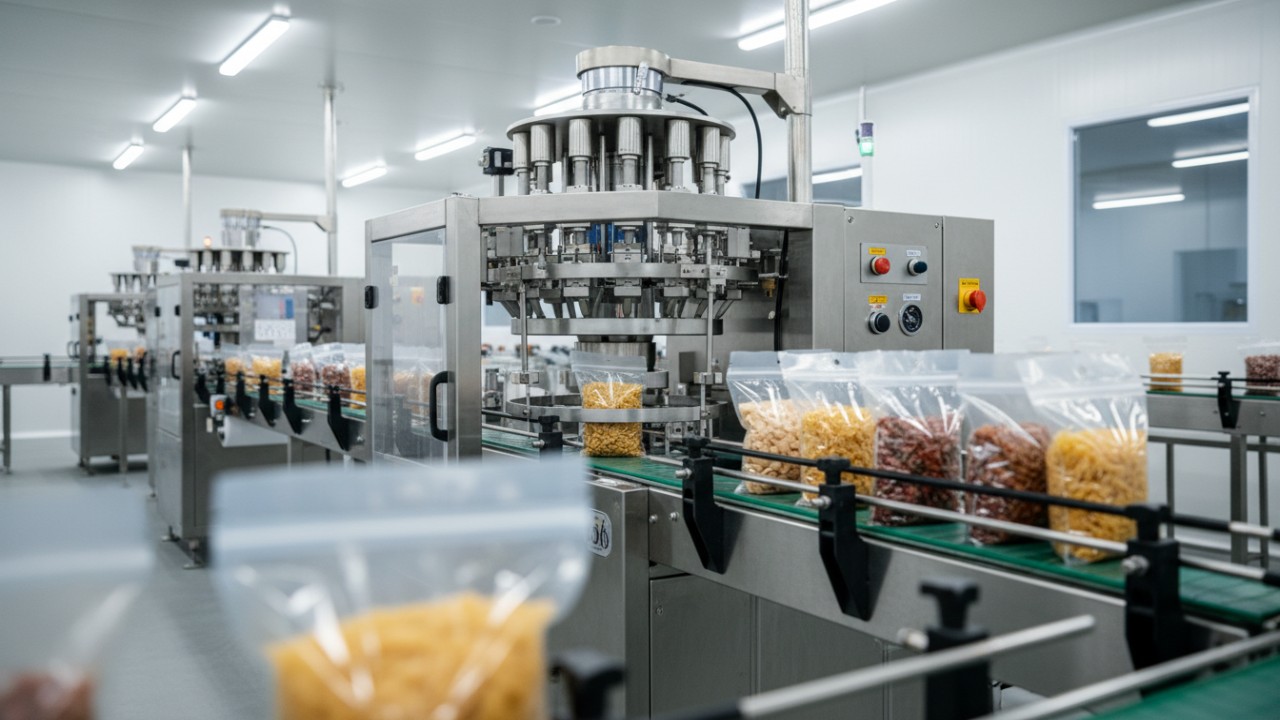
Quick Summary: The Future of Food Packaging Machinery
Food packaging machinery in 2026 will be defined by the convergence of Artificial Intelligence (AI), hyper-flexibility, and strict environmental compliance. Manufacturers are moving away from rigid, single-purpose equipment toward modular systems that can adapt to rapid market changes.
- Shift to AI: Predictive maintenance and real-time quality control are becoming standard.
- Sustainability: Native compatibility with plastic-free and compostable materials is now a hardware requirement.
- Efficiency: Automation is projected to increase throughput by over 25% for early adopters.
What is Driving the Evolution of Food Packaging Machines?
The primary drivers are the urgent need for labor reduction, strict new environmental regulations, and the demand for traceability in the supply chain. This evolution is not just about speed; it is about creating a resilient production line that can handle multi-SKU diversity without downtime.
According to a report by Precedence Research, the global packaging machinery market is projected to grow significantly, driven by the rise in e-commerce and the need for automated solutions. This highlights a clear industry trajectory: automate or fall behind.
- Industry 5.0 Integration: The collaboration between humans and smart machines (Cobots) is enhancing safety and flexibility.
- Consumer Demand: The push for "Clean Label" extends to packaging, forcing machines to handle delicate, eco-friendly films without tearing.
- Data Ecosystems: Machines are no longer isolated; they are active nodes in the Enterprise Resource Planning (ERP) network.
Trend 1: AI-Driven Quality Control & Predictive Maintenance
AI-driven quality control utilizes computer vision and machine learning to detect seal integrity issues, foreign contaminants, and weight discrepancies in real-time. This technology moves quality assurance from a post-production check to an in-line, continuous process.
Historically, a vacuum packaging machine might run for hours producing defective seals before an operator noticed. With AI, the machine self-corrects heat and pressure settings the moment a deviation is detected. Furthermore, predictive algorithms analyze vibration and temperature data to forecast part failures before they cause unplanned downtime.
- Self-Healing Lines: Machines that automatically adjust settings to maintain optimal performance.
- Zero-Waste Production: Detecting errors immediately prevents thousands of units of wasted product.
- Reduced Labor: Minimizes the need for manual spot-checks on the line.
Trend 2: Native Compatibility with Plastic-Free Materials
Modern automatic packaging machine systems are being re-engineered to handle materials with narrow sealing windows, such as paper-based films and compostable bioplastics. Legacy machines often burn or fail to seal these sensitive materials, necessitating a hardware upgrade.
Manufacturers like GUANGDONG KENWEI INTELLECTUALIZED MACHINERY CO., LTD. are increasingly focusing on high-precision engineering that allows for the delicate handling required by these new materials. Their commitment to "high speed and high precision" ensures that even eco-friendly materials are processed without compromising throughput.
- Ultrasonic Sealing: Uses high-frequency vibrations instead of heat to seal sensitive biodegradable films.
- Tension Control: Advanced rollers prevent tearing of paper-based webs during high-speed operations.
- Retrofit Kits: Modular upgrades allowing older frames to run sustainable materials.
Trend 3: Hyper-Flexible Robotics for Multi-SKU Production
Hyper-flexibility refers to the ability of a snack packaging machine or line to switch between different bag sizes, formats, and products with minimal changeover time. This is critical for brands managing dozens of SKUs (Stock Keeping Units) driven by seasonal or personalized marketing.
Robotic pick-and-place systems and "Cobots" (collaborative robots) are replacing fixed mechanical guides. A candy packaging machine, for instance, can now switch from wrapping individual hard candies to filling bulk pouches in minutes via a digital profile change rather than a mechanical overhaul.
- Tool-less Changeovers: Magnetic or quick-release parts that require no wrenches or calibration.
- Digital Twins: Simulating a production run virtually to optimize settings before physical changeover.
- Universal Grippers: Robotic arms capable of handling diverse shapes, from frozen food to fragile baked goods.
Trend 4: IoT-Enabled Smart Packaging Integration
IoT-enabled packaging involves machinery capable of applying and verifying RFID tags, NFC chips, or dynamic QR codes directly onto the package during the filling process. This trend bridges the gap between the physical product and the digital supply chain.
As reported by Mordor Intelligence, the smart packaging market is growing rapidly, driven by the need for shelf-life extension and supply chain digitization. Machines must now verify that every digital tag is functional before the product leaves the conveyor.
- Traceability: Real-time tracking from the factory floor to the consumer's pantry.
- Consumer Engagement: NFC tags that launch augmented reality experiences or loyalty programs.
- Inventory Accuracy: Automated counting and expiration tracking reduces retail waste.
Trend 5: Compact Modular Designs for Urban Production
Compact modular design focuses on shrinking the footprint of industrial machinery to fit into vertical farms, urban micro-factories, and ghost kitchens. A liquid packaging machine that once required a dedicated warehouse wing is now being designed to fit through a standard door frame.
This supports the "Farm to Fork" movement by allowing processing and packaging to happen closer to the point of consumption. 8 Fast-Growing Categories of Popular Food Packaging and Processing Machines highlights how this shift is democratizing access to industrial-grade packaging.
- Vertical Form Factor: Utilizing height rather than floor space for VFFS operations.
- Plug-and-Play Modules: Adding a labeling or capping unit only when needed.
- Energy Efficiency: Smaller motors and shorter travel distances reduce power draw.
Trend 6: Advanced Hygienic Design for Food Safety
Hygienic design involves constructing machines with open frames, sloped surfaces, and IP69K-rated components to withstand high-pressure, high-temperature washdowns. This is particularly critical for a frozen food packaging machine or meat packer where bacterial harborage is a major risk.
Automated Clean-in-Place (CIP) systems are becoming standard, reducing the reliance on manual cleaning crews. This ensures that a chocolate bar packaging machine can be cleaned to allergen-free standards in a fraction of the time previously required.
- No Hollow Tubing: Eliminating places where water and bacteria can hide.
- Tool-free Disassembly: allowing operators to strip down conveyors for deep cleaning instantly.
- Antimicrobial Coatings: Surface treatments that actively resist bacterial growth.
Trend 7: Energy-Efficient Motors and Drives
Energy-efficient packaging machinery utilizes servo-driven systems and regenerative braking to lower electricity consumption and reduce operational costs. A pouch packaging machine utilizing these technologies creates a competitive advantage by lowering the Total Cost of Ownership (TCO).
Modern servo motors provide precise control over speed and torque, meaning the machine only uses the energy required for the specific load. This contrasts with older induction motors that run at full capacity regardless of the demand.
- Regenerative Braking: Capturing energy from decelerating parts and feeding it back into the system.
- Smart Standby Modes: Automatically powering down non-essential systems during minor stoppages.
- Airless Operation: Moving away from compressed air (pneumatics) which is notoriously inefficient.
Expert Tips: How to Choose the Right Machine for 2026
Selecting the right machine requires looking beyond the initial price tag and focusing on versatility, software support, and the reputation of the manufacturer. For example, Kenwei has established itself as a powerful manufacturer of multihead weighers and check weighers, providing one-stop automated solutions that meet strict customization requirements.
- Audit Your Data Needs: Ensure the machine can output OEE (Overall Equipment Effectiveness) data to your dashboard.
- Check Vendor Support: Prioritize companies like Kenwei that offer comprehensive technical training and after-sales service.
- Future-Proofing: Ask about the machine's ability to handle sustainable films that you may not use yet but will need in the future.
For a deeper dive into specific vendors, check our guide on the Top 10 Vacuum Packaging Machine Manufacturers.
The Hidden Costs of Ignoring Automation (Gap Analysis)
Ignoring automation leads to compounding costs related to labor turnover, material waste, and compliance fines. A manual sealer vacuum packaging machine might seem cheaper initially, but the inconsistency in seal quality can lead to costly product recalls and brand damage.
- Giveaway Weight: Manual filling often leads to "overfill" to avoid legal issues, giving away tons of product annually. Automated linear weighers eliminate this.
- Downtime Costs: Unplanned maintenance on legacy machines costs 10x more than planned preventative maintenance.
- Opportunity Cost: The inability to bid on large retail contracts due to slow production speeds.
Conclusion
The trends for 2026—ranging from AI quality control to sustainable material handling—highlight a future where agility and intelligence are paramount. Whether you are upgrading a single pouch packaging machine or designing a full frozen food packaging machine line, the focus must be on flexibility and data integration. Brands that leverage these technologies will not only reduce costs but also secure their place in a sustainability-conscious market.
Contact us today to optimize your food packaging machine strategy for 2026.
What is the best food packaging machine for small businesses?
Compact vacuum sealers and tabletop band sealers are ideal for entry-level needs. These machines offer professional sealing quality without the high footprint or cost of industrial lines. Look for semi-automatic vertical form fill seal (VFFS) machines if you are ready to scale up production.
How does automation improve food packaging efficiency?
Automation significantly improves efficiency by eliminating manual errors and ensuring consistent weighing and filling. It drastically increases throughput speeds (units per minute), allowing manufacturers to meet high demand without increasing labor costs.
What are the latest trends in food packaging machinery for 2026?
AI-driven quality control, sustainable material compatibility, and IoT integration are dominating trends. The industry is also shifting heavily toward predictive maintenance, energy efficiency, and hyper-flexible robotics to handle multi-SKU production lines.
How much does an industrial food packaging machine cost?
Entry-level industrial machines typically start around $15,000, while fully automated, high-speed lines can exceed $150,000. The final cost varies significantly based on speed requirements, customization options, and integration features like check weighers or metal detectors.
Can packaging machines handle eco-friendly materials?
Yes, modern machines are specifically designed to run compostable films and paper-based materials. However, older legacy machines may require retrofitting or upgrades to handle the different heat sealing properties and tension requirements of plastic-free materials.
What is a VFFS machine and how does it work?
Vertical Form Fill Seal (VFFS) machines form a bag from a roll of film, fill it with product, and seal it in a continuous vertical motion. They are widely used for packaging snacks, grains, liquids, and powders due to their speed and efficiency.
How do IoT sensors benefit packaging lines?
IoT sensors provide real-time data on machine performance and OEE (Overall Equipment Effectiveness). They enable predictive maintenance by monitoring vibration and temperature, allowing operators to prevent unexpected downtime before it occurs.
What maintenance is required for automated packaging equipment?
Regular cleaning, lubrication of moving parts, and software updates are essential for longevity. Additionally, the timely replacement of wear parts like sealing jaws, cutting blades, and belts ensures consistent performance and prevents breakdown.
Recommended for you
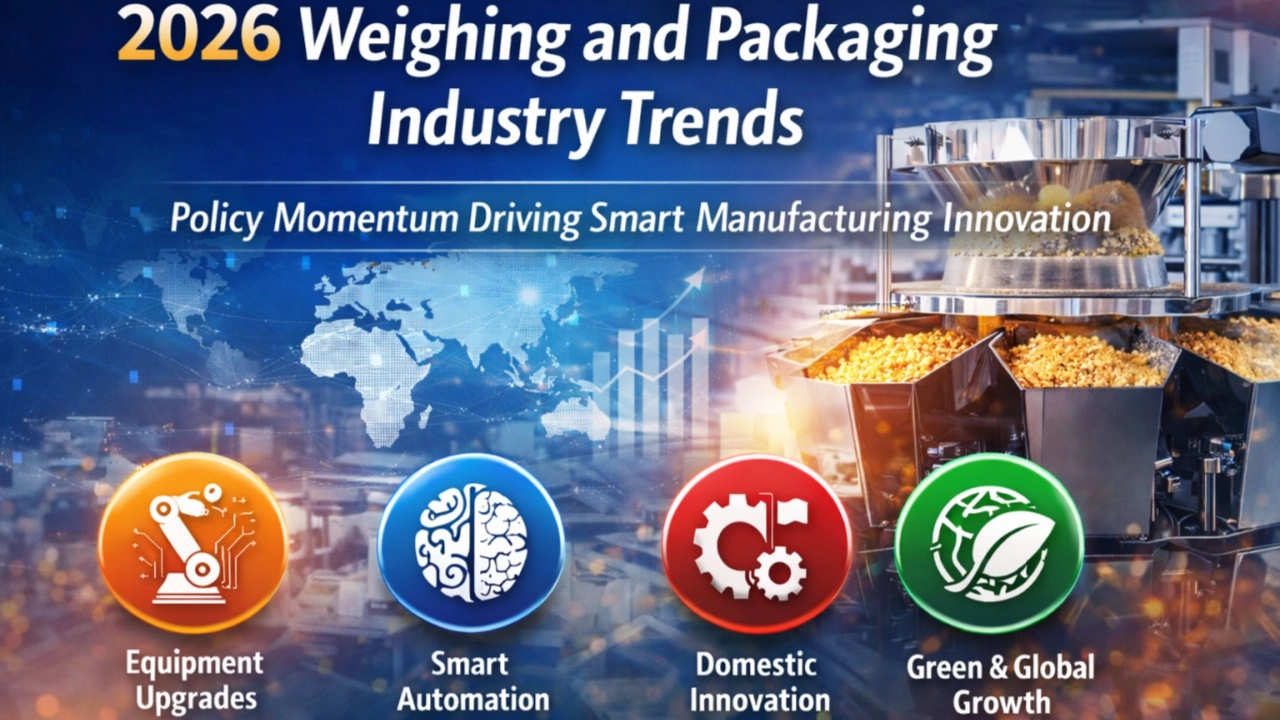
2026 Trends in the Weighing and Packaging Industry

Celebrating International Women’s Day | Honoring the Women of Kenwei
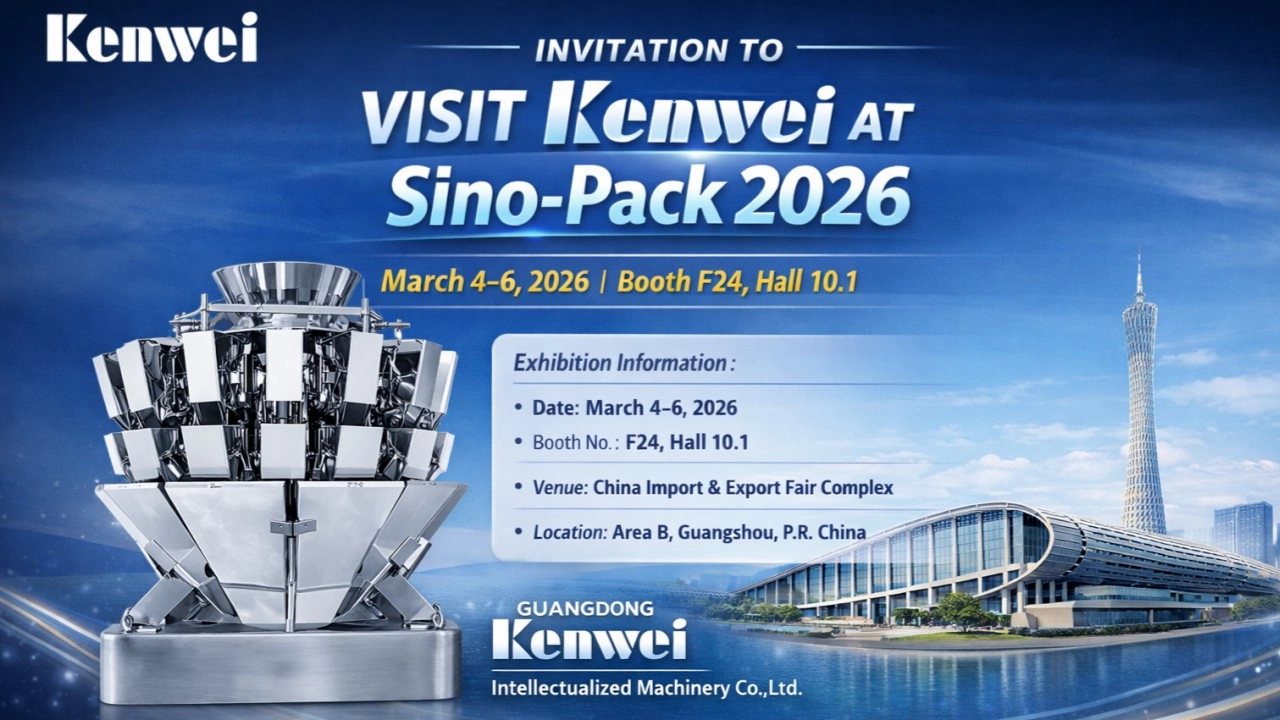
Kenwei to Showcase Intelligent weighing machine at Sino-Pack 2026
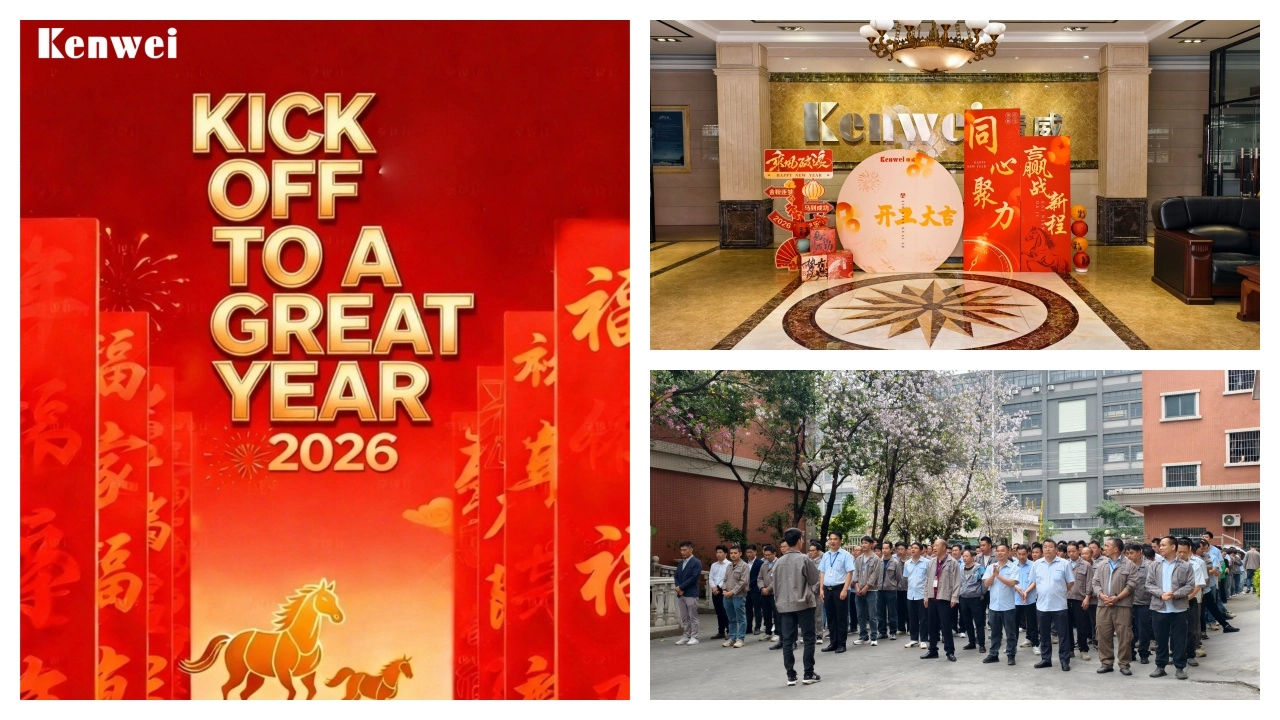
Auspicious Start to Work | Guangdong Kenwei 2026
Prdoucts Categories
FAQ
About Solution suggestions
Can Kenwei provide a solution for mixed-product weighing?
Yes, Kenwei’s multi-head weighers are ideal for mixed-product weighing. They can handle a variety of products in different shapes and sizes, ensuring that the correct portions are weighed and packaged quickly.
About Cooperation Process
How to operate it?
Many languages are available for global markets. There are not only detailed instructions, but also machine video for reference learning.
What information is needed to get a quote from Kenwei?
For us to provide an accurate quote, please provide the following details:
Type of machinery you are interested in (e.g., multi-head weighers, metal detectors, etc.)
Specifications and customization requirements (e.g., capacity, speed, size, etc.)
Your intended application and industry
Quantity of machines required
Delivery location
About Product choice
What is the difference between a multi-head weigher and a linear weigher?
Multi-head Weigher: Ideal for high-speed and high-precision weighing of products with irregular shapes or varying sizes. It provides multiple weighings in parallel for faster processing.
Linear Weigher: It is suitable for powder and granule. It is typically slower than a multi-head weigher but is effective for certain types of applications that require more continuous flow or controlled weighing.
What is the average lifespan of Kenwei products?
Kenwei machines are built for durability and longevity. With proper maintenance, our products are designed to last for many years, even under heavy usage. We offer maintenance services and support to help extend the lifespan of your machines.
You may also like
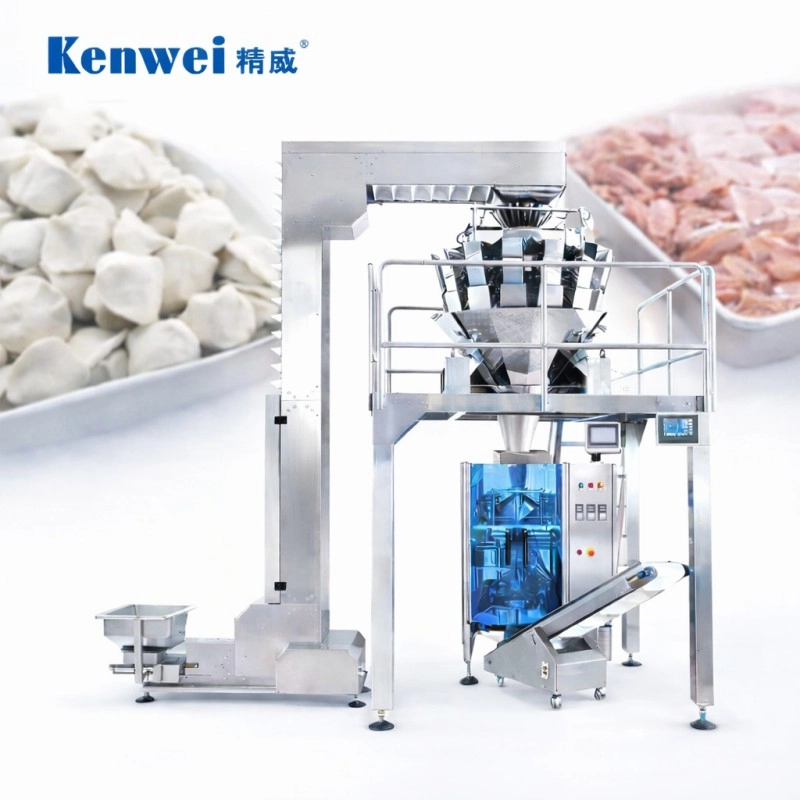
Vertical Frozen Food Packaging Machine for IQF & Frozen Products JW-B1
The Kenwei JW-B1 Vertical Frozen Food Packaging Machine is designed for IQF and frozen products, ensuring efficient, airtight packing. This vertical packing machine boosts productivity with precision sealing, ideal for frozen food packaging needs in the food industry.
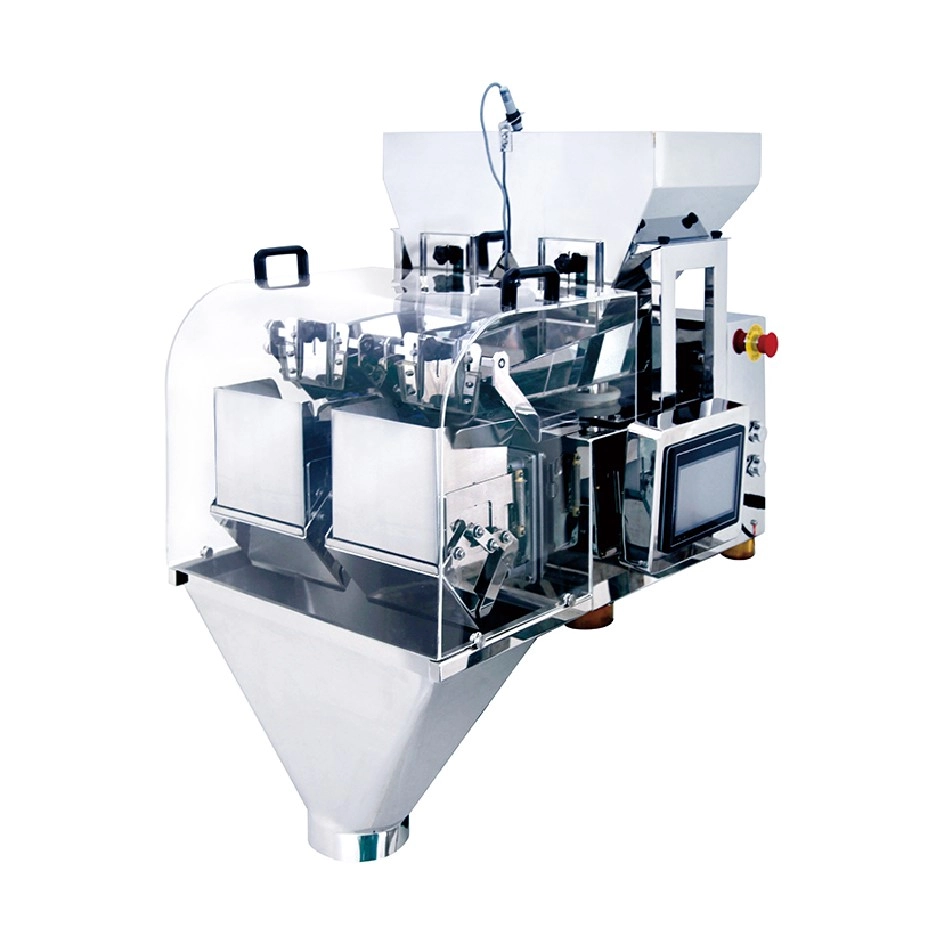
Precision Linear Weigher for Weighing Powder & Small Granules
The linear weigher is perfect for precise, quantitative weighing of powdery and small granular materials such as white sugar, salt, monosodium glutamate, chicken essence, milk powder, coffee, seasoning powder, and more. Available in up to 5 different specifications, this linear scale offers a maximum weighing speed of up to 70 bags per minute, making it the top choice for accurately weighing powdery materials in high-speed production environments.
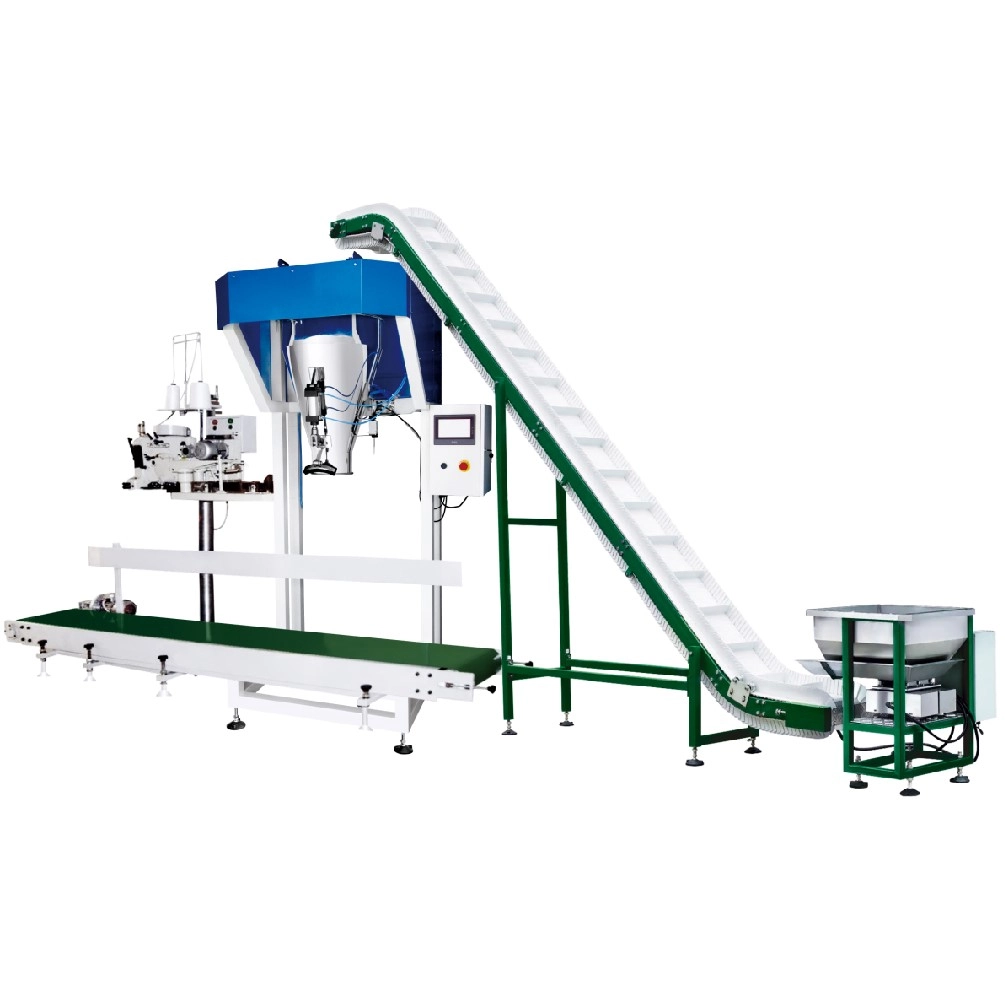
Precision Food Packaging Machine Using Single Head Bulk Linear Weigher Packaging System JW-B22
The Kenwei JW-B22 Precision Food Packaging Machine with Single Head Bulk Linear Weigher is designed for heavy-duty weighing up to 50kg. It automates feeding, weighing, bag sewing, and output for maximum efficiency. Ideal for grains like corn, rice, soybeans, barley, and wheat, it ensures high accuracy and reliability for the food, chemical, and light industries, making it the top choice for bulk grain packaging.
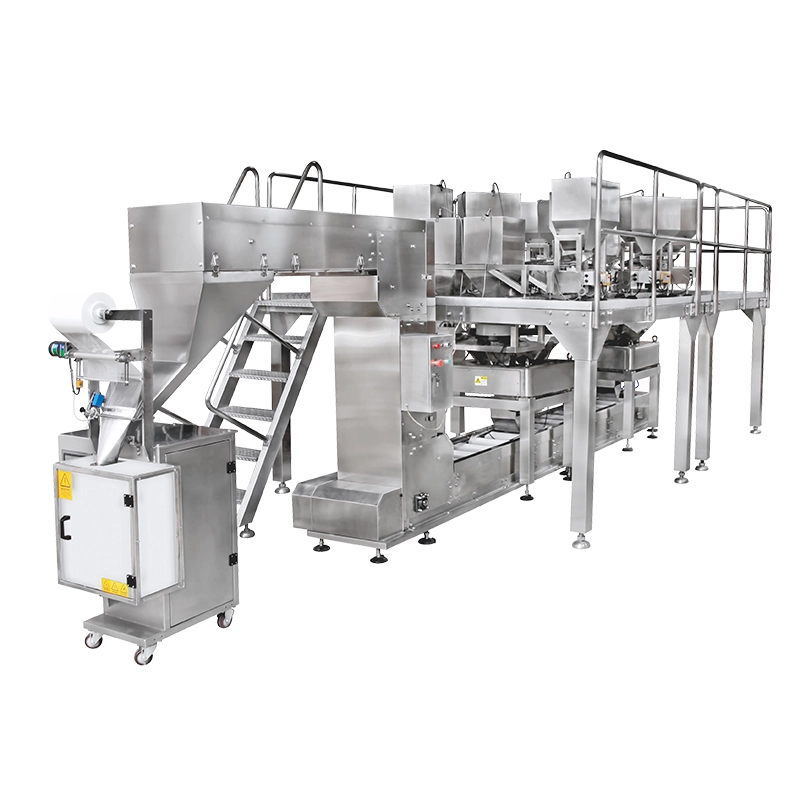
JW-B28 Multihead Weigher Mixing & Weighing System for Food Packaging | High-Speed, Accurate, Automated
The Kenwei JW-B26 Single Multihead Weigher Mixing and Packaging System offers fully automated operation, completing feeding, weighing, filling, date printing, and product output with high accuracy and speed. Ideal for granules, slices, irregular shapes, and mixed products like candy, nuts, snacks, pet food, and even small hardware. Its versatility and precision make it a perfect solution for diverse packaging needs.
Contact Kenwei
Our company is located in areas with convenient transportation and developed economy. Our products are supplied in a timely manner. In the course of business operation, we always focus on customers.Have any questions or concerns about our products? Please leave us a message here, and our team will get back to you promptly.
Kenwei
Kenwei
Kenwei multi weigh
Kenwei
Kenwei
Kenwei