






How to Increase Packaging Speed by 40% Using Modern Multihead Weighing Technology (2026 Guide)
Wednesday, 01/28/2026
- Executive Summary: Key Takeaways for Packaging Leaders
- What is a Multihead Weigher and How Does It Accelerate Production?
- The Mechanism of Speed
- The Mechanics of Speed: Combinatorial Weighing vs. Linear Weighing
- Linear Weighers: The Bottleneck
- Multihead Weighers: The Speed Solution
- 5 Critical Features That Drive the 40% Speed Boost
- System Integration: Eliminating Bottlenecks Before and After the Scale
- Upstream: Consistent Feeding
- Downstream: Synchronization
- Future Trends 2026: AI, Smart Diagnostics, and Predictive Maintenance
- Expert Tips: Common Mistakes That Sabotage Weighing Speed
- Conclusion
- FAQ
- What is a multihead weigher used for?
- How accurate are multihead weighers at high speeds?
- Can multihead weighers handle sticky products?
- What is the difference between a linear weigher and a multihead weigher?
- How do I calculate the ROI of a multihead weigher?
- How often should a multihead weigher be calibrated?
- Why is my multihead weigher running slow?
- What are the latest multihead weigher technologies for 2026?
This comprehensive 2026 guide explains how upgrading to modern multihead weighing technology can increase packaging speed by 40%. It covers combinatorial weighing mechanics, critical speed-boosting features like DSP and AFC, and essential system integration strategies for food manufacturers.
Executive Summary: Key Takeaways for Packaging Leaders
Modern multihead weighers utilize advanced combinatorial algorithms to achieve 99.9% accuracy while simultaneously increasing production throughput. By transitioning from linear or manual systems to these automated solutions, manufacturers can realize a 40% increase in packaging speed, drastically reducing the cost per unit.
To maximize this return on investment (ROI), packaging leaders must focus on:
- Algorithm Efficiency: Leveraging high-speed combinatorial calculations to virtually eliminate "giveaway."
- System Integration: Seamlessly syncing the weigher with Vertical Form Fill Seal (VFFS) or rotary packing machines.
- Advanced Features: Utilizing Digital Signal Processing (DSP) and Automatic Feeder Control (AFC) to handle inconsistent product flow.
- Future-Proofing: Adopting AI-driven calibration tools standard in 2026 models to minimize downtime.
What is a Multihead Weigher and How Does It Accelerate Production?
A multihead weigher (also known as a combination weigher) is a high-speed automated weighing machine that uses a computer algorithm to select the optimal combination of weight hoppers to match a target weight. Unlike traditional scales that weigh product in a single batch, this technology distributes product across 10 to 24 heads, calculates thousands of combinations in milliseconds, and releases the most accurate dose instantly.
The Mechanism of Speed
The core advantage lies in parallel processing. A linear weigher measures product sequentially—filling one bucket until the weight is reached—which creates a bottleneck. In contrast, a multihead weigher packing machine operates non-linearly. As noted by Wikipedia, the computer determines the weight in each individual hopper and identifies which combination contains the weight closest to the target. This allows for continuous, high-speed dumping without waiting for a single bucket to fill slowly.
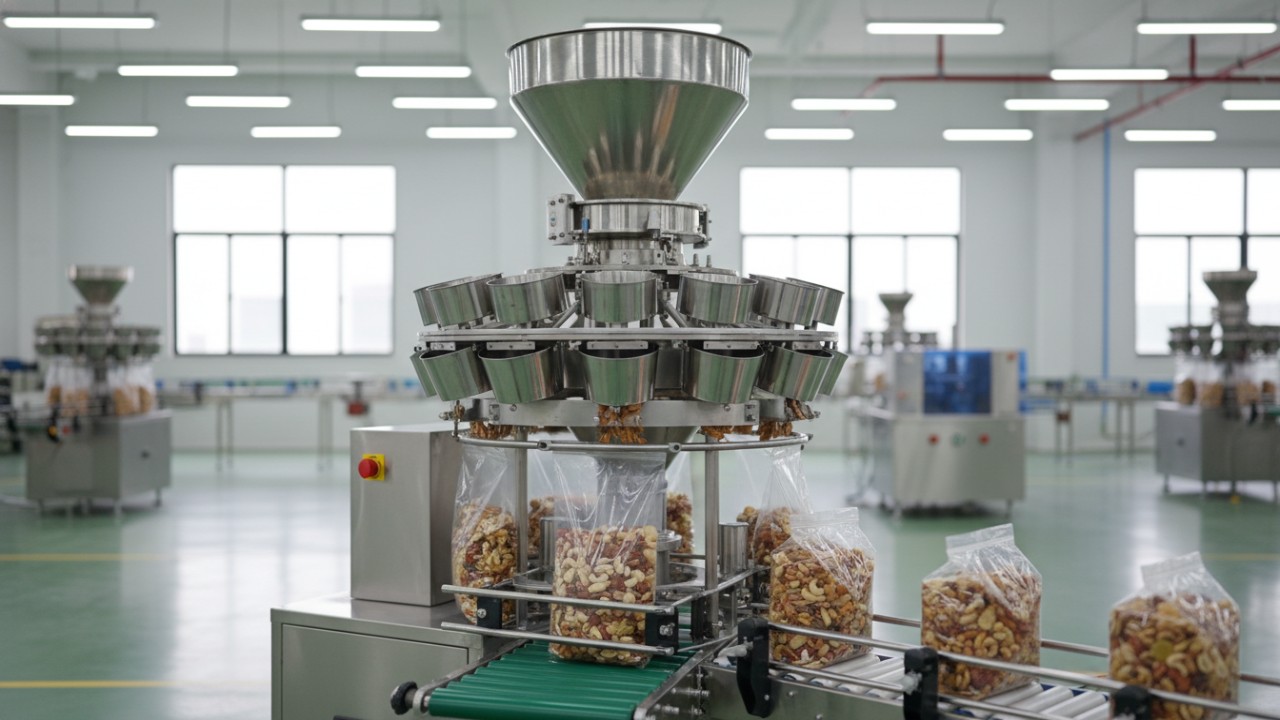
At Guangdong Kenwei Intellectualized Machinery Co., Ltd., we have refined this process. Our machines are characterized by high speed and high precision, capable of exceeding 120 cycles per minute (CPM) on standard lines, proving that speed does not have to come at the cost of accuracy.
The Mechanics of Speed: Combinatorial Weighing vs. Linear Weighing
Combinatorial weighing allows for near-instantaneous target weight acquisition by utilizing multiple available weight data points simultaneously. This is the fundamental difference that drives the 40% speed increase compared to linear systems.
Linear Weighers: The Bottleneck
- Sequential Filling: Product must trickle into a bucket until the target is hit.
- Speed Limit: Rarely exceeds 15-20 dumps per minute (DPM) per lane.
- Accuracy: Prone to overfilling to ensure minimum weight is met.
Multihead Weighers: The Speed Solution
- Simultaneous Weighing: A 14-head system can generate over 16,000 combinations in a fraction of a second.
- Zero Wait Time: As soon as one combination dumps, new product refills the empty hoppers immediately.
- Precision: Reduces "giveaway" (free product) to fractions of a gram, saving tons of raw material annually.
For a deeper understanding of market players, check our guide on the Top 10 Multihead Weigher Manufacturers in China.
5 Critical Features That Drive the 40% Speed Boost
To achieve a true 40% increase in output, your multihead weigher must be equipped with specific technologies designed to mitigate environmental and mechanical delays. Standard machines may offer improvements, but high-performance models leverage the following five features:
-
Digital Signal Processing (DSP): High-speed weighing requires stable load cells. DSP technology filters out low-frequency background noise (like floor vibration from forklifts) to allow the weigh buckets to settle and report a valid weight faster. Kenwei machines utilize advanced DSP to maintain precision even in high-vibration factory environments.
-
Automatic Feeder Control (AFC): AFC monitors the product level in the center cone and adjusts the vibration intensity of the radial feeder pans in real-time. This ensures that the weigh hoppers are never starved (waiting for product) or overfilled (causing rejection), maintaining a consistent flow rate.
-
Specialized Hopper Surfaces: Sticky products like fresh poultry or gummy candies can ruin speed by clinging to chutes. Modern food packaging machine designs use dimpled (embossed) or Teflon-coated surfaces to reduce surface contact area, ensuring product slides instantly into the bagger.
-
Staggered Dump Function: When packing large volumes, product can bridge or jam in the timing hopper. Staggered dumping releases the product from the selected weigh hoppers in a split-second sequence rather than all at once, creating a streamlined product stream that enters the bagger without clogging.
-
IoT and Remote Diagnostics: Downtime kills speed. As reported by PMMI, the integration of IoT and predictive maintenance is a critical trend for 2026, allowing operators to identify struggling actuators before they fail.
System Integration: Eliminating Bottlenecks Before and After the Scale
A multihead weigher cannot increase total line speed if the upstream feed or downstream bagger cannot keep up. Optimization requires a holistic approach to the entire food packaging machine line.
Upstream: Consistent Feeding
The combination weigher machine requires a steady supply of product. If the infeed conveyor is too slow, the weigher starves. Using vibratory cross-feeders linked to the weigher's demand signal ensures the center cone is always appropriately filled.
Downstream: Synchronization
The "Dump Signal" must be perfectly timed with the closing of the sealing jaws on the Vertical Form Fill Seal (VFFS) machine or the rotation of the snack food packaging machine. If the timing is off by milliseconds, product gets caught in the seal (leakers), causing line stops.
- Rotary Packing Machines: For premade pouches, pairing a multihead weigher with a rotary packer is the gold standard for high-speed premium packaging.
- Rejection Systems: Install high-speed diverters to remove off-weight packages without stopping the line.
For more on equipment trends, read about the 8 Fast-Growing Categories of Popular Food Packaging and Processing Machines.
Future Trends 2026: AI, Smart Diagnostics, and Predictive Maintenance
The next generation of weighing technology relies on Artificial Intelligence to autonomously adjust settings that previously required human intervention. In 2026, the "set it and forget it" mentality is becoming a reality thanks to smart algorithms.
- Self-Learning Algorithms: These systems continuously analyze product flow data. If product moisture changes (making it stickier), the AI automatically increases vibration amplitude to compensate, preventing speed loss.
- Predictive Load Cell Health: The system can detect if a specific load cell is drifting out of calibration and alert maintenance teams days before it causes an accuracy error.
- Energy Efficiency: New drive units are being designed to maintain high speeds with significantly lower power consumption, lowering the Total Cost of Ownership (TCO).
As a food packaging machine supplier committed to innovation, Kenwei is actively integrating these smart technologies to help our customers stay ahead of labor shortages and production demands.
Expert Tips: Common Mistakes That Sabotage Weighing Speed
Even the fastest machine will underperform if calibrated incorrectly or maintained poorly. Avoid these common pitfalls to ensure you get the rated speed from your combination weighing machine.
- Overfilling the Center Cone: Operators often think "more is better," but piling product too high restricts movement to the radial feeders, causing inconsistent bucket weights and forcing the computer to recycle combinations.
- Ignoring Environmental Vibration: Placing a high-precision scale on a flimsy mezzanine transmits vibrations from other machinery. Always use a rigid, independent platform.
- Incorrect Cleaning Protocols: Residue buildup increases friction. Ensure your sanitation team understands how to clean load cells without damaging them (IP69K ratings are essential here).
- Neglecting Preventative Maintenance: Worn springs in the vibratory pans lead to weak feeding. Regular inspection of these low-cost parts prevents expensive speed drops.
Conclusion
Achieving a 40% speed increase requires more than just buying a machine; it requires optimizing the entire combinatorial process. From leveraging DSP technology to ensuring seamless VFFS integration, every setting counts towards your ROI. Kenwei provides one-stop automated weighing and packaging solutions to meet these exact customization requirements.
Contact us today to optimize your packaging strategy with Kenwei's high-speed weighing solutions.
FAQ
What is a multihead weigher used for?
It is used for high-speed, accurate weighing of food and non-food products. Common applications include snacks, confectionery, fresh produce, frozen foods, and hardware. It is essential for automated packaging lines requiring high throughput and precision.
How accurate are multihead weighers at high speeds?
Modern systems typically achieve accuracy within 0.1g to 1.0g depending on the product. This accuracy is maintained even at speeds exceeding 120 bags per minute because the combinatorial algorithm virtually eliminates underweights and minimizes overweights.
Can multihead weighers handle sticky products?
Yes, using specialized embossed or dimpled surfaces reduces the contact area, preventing product from adhering to the metal. Teflon coatings and high-frequency vibration settings also assist in product release. Specific models, such as screw-feeder weighers, are designed explicitly for extremely sticky items like fresh poultry.
What is the difference between a linear weigher and a multihead weigher?
Linear weighers fill buckets sequentially until a weight is reached, which is slower and less accurate. Multihead weighers fill multiple buckets simultaneously and mathematically select the best combination to sum up to the target weight. This process is significantly faster and reduces product giveaway.
How do I calculate the ROI of a multihead weigher?
To calculate ROI, estimate product savings by reducing "giveaway" (overfilling) and factor in labor savings by automating manual processes. Additionally, calculate the revenue increase from higher production speeds (e.g., +40% output). Most high-speed lines see a full ROI in 6 to 18 months.
How often should a multihead weigher be calibrated?
Auto-zeroing functions run continuously during operation to maintain accuracy. However, full calibration checks are recommended at the start of every shift or product changeover. Annual certified calibration is also advised for trade compliance.
Why is my multihead weigher running slow?
Common causes include product sticking to the buckets or chutes, external floor vibrations disturbing the load cells, or improper feed settings causing the system to wait for product. It can also be caused by a wait time for the downstream bagger (VFFS) to be ready to receive the dump.
What are the latest multihead weigher technologies for 2026?
The latest technologies include AI-driven product flow optimization, IoT-enabled remote monitoring for predictive maintenance, and IP69K waterproof ratings for easier high-pressure sanitation. Integration with Industry 4.0 smart factory systems is also becoming standard.
Recommended for you
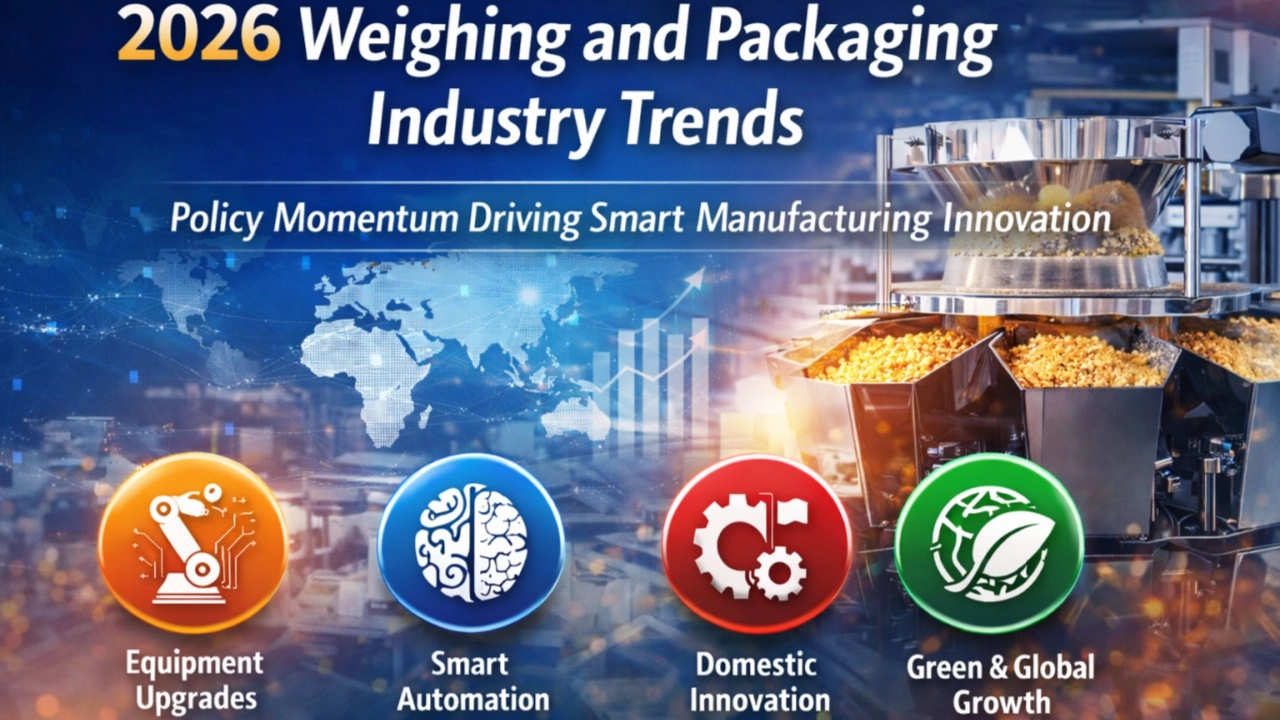
2026 Trends in the Weighing and Packaging Industry

Celebrating International Women’s Day | Honoring the Women of Kenwei
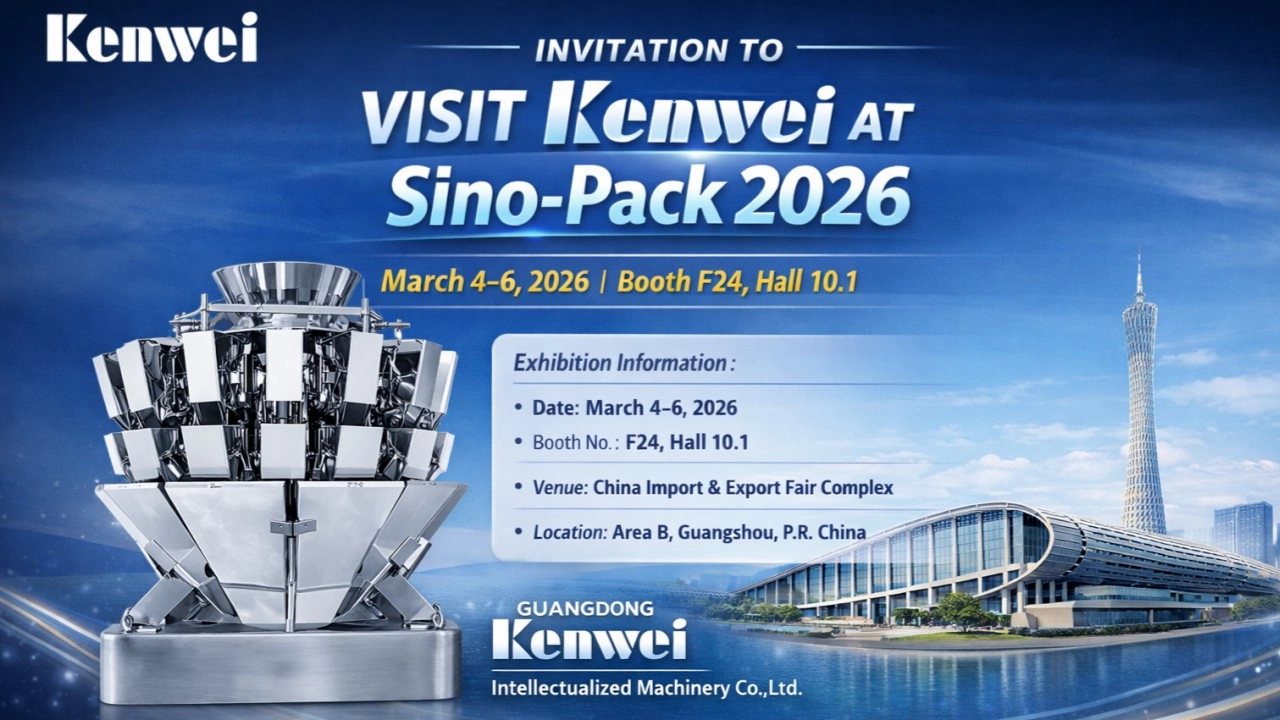
Kenwei to Showcase Intelligent weighing machine at Sino-Pack 2026
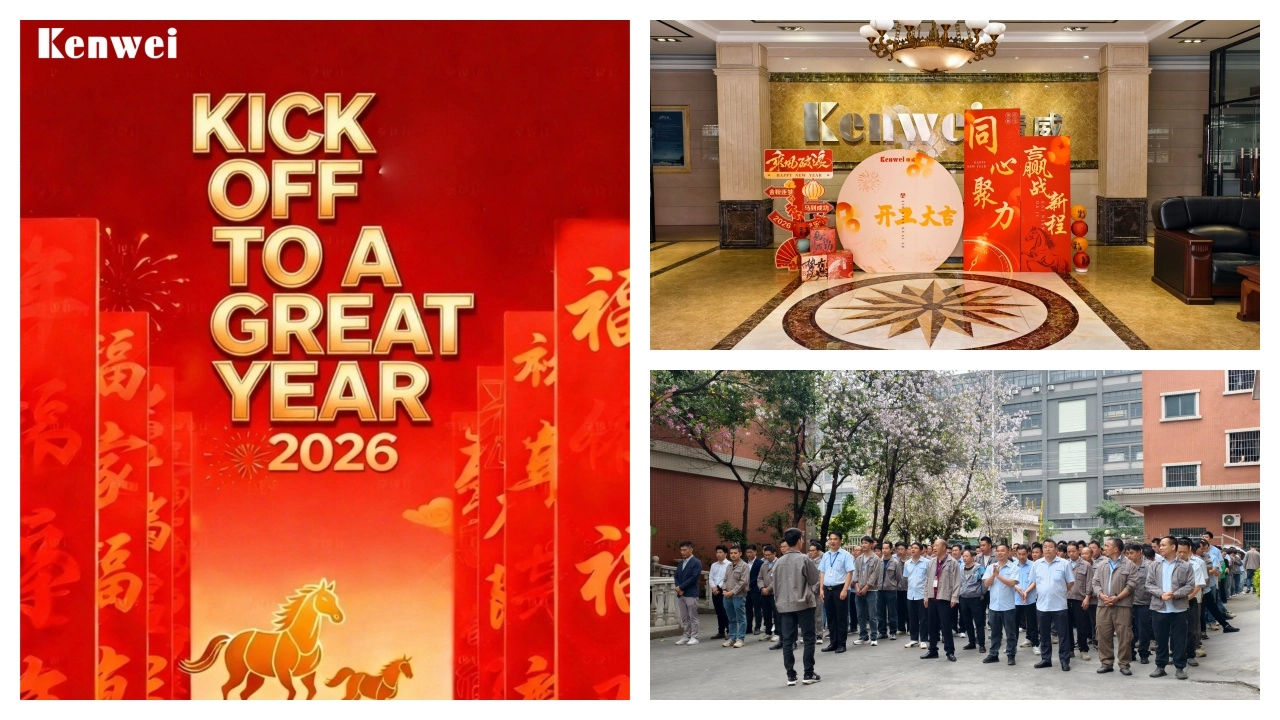
Auspicious Start to Work | Guangdong Kenwei 2026
Prdoucts Categories
FAQ
About Solution suggestions
What industries benefit the most from Kenwei solutions?
Kenwei solutions are ideal for a wide range of industries, including:
1)Food Packaging snacks, grains, and powdered beverages.
2)Pharmaceuticals: Precise weighing of tablets, and capsules.
3)Chemicals: Weighing and packaging granular and powdered chemicals.
4)Agriculture: Packaging seeds, grains, and fertilizers.
Can Kenwei solutions be adapted for different product packaging types?
Yes, Kenwei solutions can handle a variety of packaging types, including bags, boxes, pouches, and bottles. We can customize machines to suit your packaging format, ensuring compatibility with your packaging equipment.
About Cooperation Process
How can I start a cooperation with Kenwei?
To begin a cooperation, simply contact our sales or customer service team via email or phone. You can also fill out the inquiry form on our website. Once we receive your request, a representative will get in touch with you to discuss your specific needs and provide you with a tailored solution.
How to operate it?
Many languages are available for global markets. There are not only detailed instructions, but also machine video for reference learning.
About Price and payment
Are the prices for Kenwei machines negotiable?
Prices are generally fixed, but depending on the order volume, long-term partnerships, or special circumstances, we may offer discounts or promotional pricing. Please contact our sales team to discuss your specific situation.
You may also like
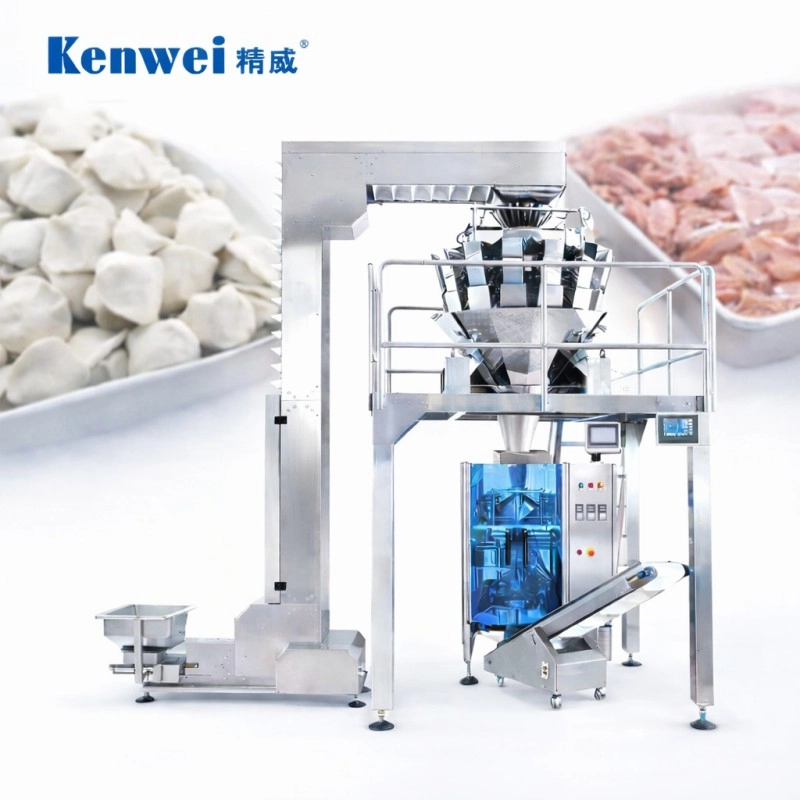
Vertical Frozen Food Packaging Machine for IQF & Frozen Products JW-B1
The Kenwei JW-B1 Vertical Frozen Food Packaging Machine is designed for IQF and frozen products, ensuring efficient, airtight packing. This vertical packing machine boosts productivity with precision sealing, ideal for frozen food packaging needs in the food industry.
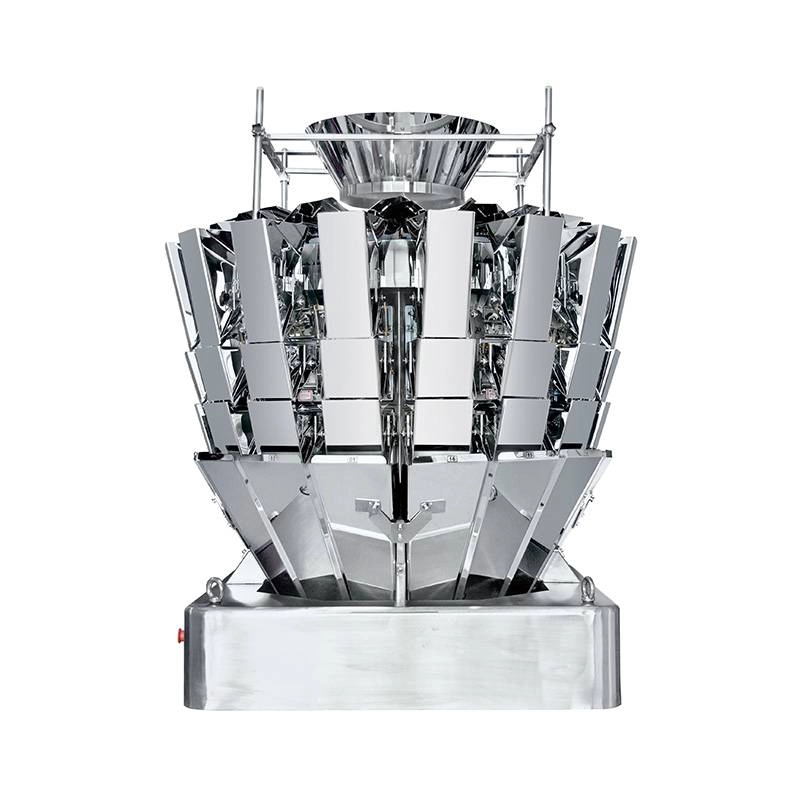
16 Head Three Layer Multihead Weigher for Granular and Irregular Materials
Kenwei’s 16 Head Three Layer Multihead Weigher ensures precise weighing of granular and irregular materials. This multihead weighing machine offers efficient, high-speed performance, ideal for various packaging needs. Trust our 16 head weigher for accuracy and reliability in your production line.
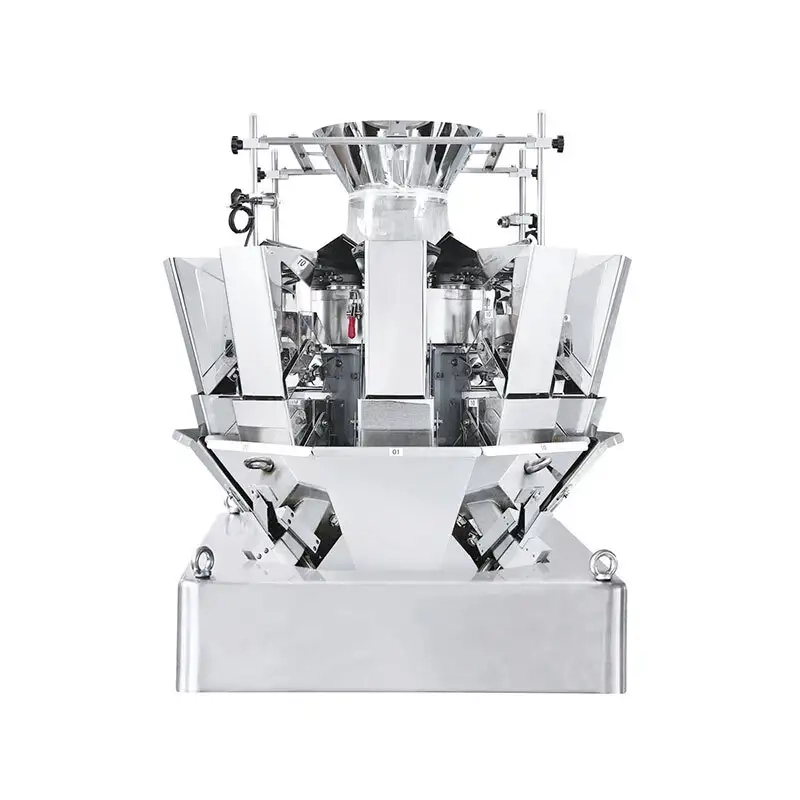
10-Head Standard No-Spring Multihead Weigher 1.6L for Precise Weighing
The standard no-spring combination scale features a patented spring-free hopper design, making it ideal for weighing a variety of products such as melon seeds, peanuts, nuts, almonds, grapes, candies, pistachios, potato chips, shrimp chips, and more. The double-support feeding tray is easily adjustable, while the feeding hopper is designed for easy disassembly, ensuring convenience and cleanliness. With a maximum weighing speed of up to 120 bags per minute, the 14-head standard no-spring combination scale is an economical, versatile, and cost-effective solution.
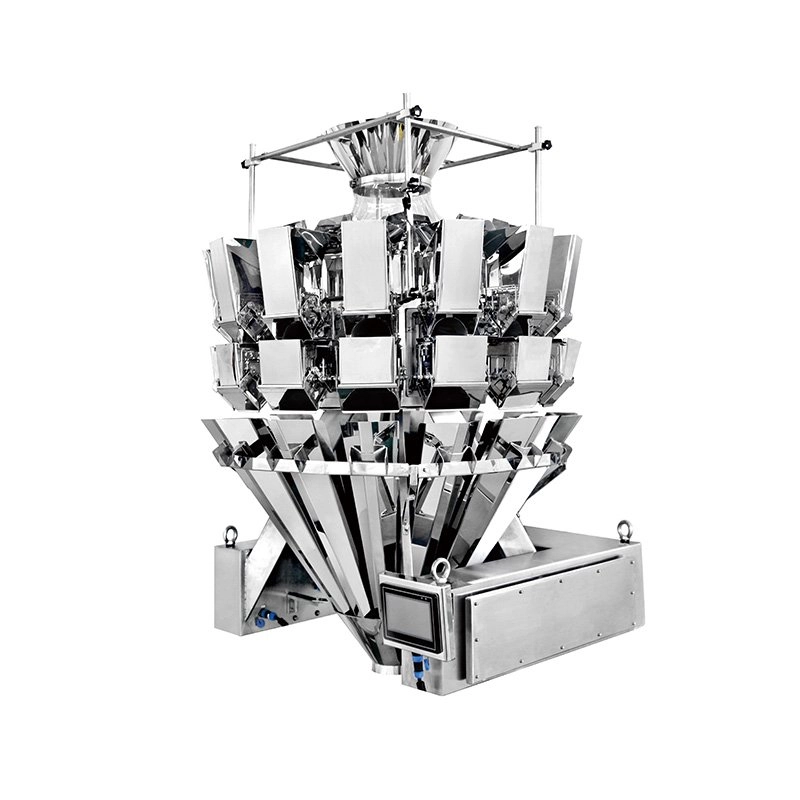
Automatic Multihead Weigher for Stick and Bar-Shaped Materials
Kenwei’s Automatic Multihead Weigher for Stick and Bar-Shaped Materials ensures precise, fast, and efficient weighing. This advanced automatic multihead weighing machine is ideal for accurate portioning of various stick and bar-shaped products, enhancing productivity and reducing waste.
Contact Kenwei
Our company is located in areas with convenient transportation and developed economy. Our products are supplied in a timely manner. In the course of business operation, we always focus on customers.Have any questions or concerns about our products? Please leave us a message here, and our team will get back to you promptly.
Kenwei
Kenwei
Kenwei multi weigh
Kenwei
Kenwei
Kenwei