






Common Metal Contaminants and Detection Techniques in Food
This article explains common metal contaminants in food, health risks, and practical detection techniques — including metal detectors for the food industry such as the Food Metal Detector Manufacturer For Reject Defective Products G5020 — and provides guidance for selection, installation, validation, and QA best practices.
- Common Metal Contaminants and Detection Techniques in Food
- Why metal contamination matters and how a metal detector for food industry reduces risk
- Common metal contaminants found in food
- Health and regulatory implications of metal contaminants
- Overview of detection techniques: when to use a metal detector for food industry and when to choose alternatives
- Technical principles: how metal detectors for food industry work
- Product spotlight: Food Metal Detector Manufacturer For Reject Defective Products G5020
- Comparing detection methods: sensitivity, targets, and cost
- Practical considerations when deploying a metal detector for food industry operations
- Validation and QA: how to prove your metal detector system works
- When to combine metal detectors with other technologies
- Case uses: industries and product types suited for metal detector deployment
- Brand advantages and why choose a specialized metal detector for food industry like the G5020
- Implementation checklist: steps to deploy a metal detector for food industry
- FAQ — Common questions about metal contaminants and metal detector for food industry
- Q1: Can a metal detector find all metal contaminants?
- Q2: How small a metal piece can a metal detector detect?
- Q3: How often should I test and calibrate the metal detector?
- Q4: What are product effects and how do they impact detection?
- Q5: Does the G5020 require frequent maintenance?
- Contact and call to action
- References

Common Metal Contaminants and Detection Techniques in Food
Why metal contamination matters and how a metal detector for food industry reduces risk
Metal contaminants in food present acute safety hazards (physical injury) and chronic health risks (heavy metal toxicity). In addition to patient safety and regulatory compliance, undetected metal fragments damage brand reputation and lead to costly recalls. A robust metal detector for food industry operations is a frontline technology to detect and reject metallic foreign bodies on production lines, protecting consumers and minimizing commercial loss. Knowing the contaminants is essential, but selecting the right equipment matters just as much. The G5020 guide on choosing the right metal detector for the food industry walks you through performance criteria, product effects, and application-specific considerations.
Common metal contaminants found in food
Understanding which metals commonly contaminate food helps prioritize detection and mitigation. Common contaminants include:
- Ferrous metals (iron, steel): from broken blades, bearings, and screws.
- Non-ferrous metals (aluminum, copper, brass): from packaging, equipment wear, or processing aids.
- Stainless steel fragments: often from wear and tear of food-contact surfaces.
- Heavy metals (lead, cadmium, mercury, arsenic): usually from environmental contamination, processing, or migrations from packaging and inks; these are toxic at low concentrations.
- Alloy constituents (nickel, chromium): may result from corrosion or material shedding and are relevant for allergen-type responses (e.g., nickel allergy).
Each group presents distinct detection challenges: ferrous fragments are magnetically responsive, non-ferrous require different sensing techniques, and dissolved heavy metals are invisible to bulk metal detectors and require chemical analysis.
Health and regulatory implications of metal contaminants
Physical metal fragments can cause choking, laceration, or dental damage. Heavy metals cause cumulative toxicity: lead impairs neurological development, mercury affects the nervous system, cadmium damages kidneys, and arsenic increases cancer risk. Regulatory bodies (FDA, EFSA, WHO) set limits and provide guidance on risk management. Food producers must apply preventive controls, foreign body control plans, and appropriate testing to meet legal and market requirements.
Overview of detection techniques: when to use a metal detector for food industry and when to choose alternatives
No single detection technology fits every contamination scenario. Selecting the right technique depends on contaminant type, product characteristics, and inspection point on the production line.
- Metal detectors: Optimal for detecting metallic pieces (ferrous, non-ferrous, and some stainless steel). Fast, cost-effective for conveyorized products and ideal as an in-line solution.
- X-ray inspection: Better at detecting dense non-metallic contaminants (stone, glass, bone) and metal in products with high product effect (e.g., wet, high-salt foods). Detects differences in density rather than conductivity.
- Spectroscopic and elemental analysis (ICP-MS, AAS): Required to quantify dissolved heavy metals and verify compliance with chemical safety limits; used in laboratory testing rather than on-line inspection.
- Magnets and sieves: Useful as mechanical pre-filters to remove larger ferrous pieces before final inspection.
Technical principles: how metal detectors for food industry work
Metal detectors used in food processing typically operate on electromagnetic induction. A transmitter coil generates an alternating magnetic field. When a metallic object passes through, it disturbs the field and induces a signal in the receiver coil. Advanced multi-frequency detectors improve sensitivity to different metal types and reduce false rejects caused by product effect (the product's own conductivity or moisture).
Key performance variables include:
- Frequency: Multi-frequency operation expands detection capability across ferrous and non-ferrous metals.
- Signal processing: Modern detectors use digital filters and algorithms to differentiate metal signals from product effect and electrical noise.
- Conveyor design: Non-metallic belts, apertures, and grounding arrangements influence sensitivity.
- Reject systems: Reliable mechanical or pneumatic rejectors remove detected contaminant-bearing units without stopping the line.
Product spotlight: Food Metal Detector Manufacturer For Reject Defective Products G5020
The G5020 multi-frequency metal detector features a specialized conveyor belt designed to reduce contamination risks, ensure smooth operation, and maintain high detection sensitivity. It is easy to disassemble for convenient maintenance. Ideal for detecting metal contaminants in food, pharmaceuticals, spices, plastics, electronics, textiles, toys, handicrafts, and more.
As a metal detector for food industry use, the G5020 is engineered to balance sensitivity and operational robustness. Key attributes include multi-frequency detection to handle various metal types and product effects, hygienic conveyor design for food safety, and ease of maintenance to minimize downtime. These features make the G5020 suitable for in-line detection and rejection of defective products.
Comparing detection methods: sensitivity, targets, and cost
The following table summarizes practical differences between common detection techniques. Data are indicative—actual performance depends on equipment model and product conditions.
| Method | Primary targets | Typical detection limit | Strengths | Limitations |
|---|---|---|---|---|
| Metal detector (multi-frequency) | Ferrous, non-ferrous, some stainless steel | Down to ~0.5–3.0 mm (metal piece size depends on product effect) | Fast, in-line, cost-effective, easy integration | Product effect can reduce sensitivity; not for dissolved heavy metals |
| X-ray | Dense metals, glass, stone, bone | ~0.5–2.0 mm depending on density and product | Detects dense non-metals, less affected by product effect | Higher capital cost; less sensitive to low-density metals like aluminum |
| ICP-MS / AAS (laboratory) | Dissolved heavy metals (lead, cadmium, mercury, arsenic) | Parts per billion (ppb) or lower | Quantitative, chemically specific | Lab-based; not real-time; higher per-sample cost |
| Magnets / sieving | Large ferrous pieces | Dependent on mesh/drop size | Low cost, simple maintenance | Limited to ferrous and larger fragments |
Sources: instrument manufacturer datasheets and technical reviews; detection limits vary by product and line conditions (see references).
Practical considerations when deploying a metal detector for food industry operations
To maximize detection performance, consider these practical steps:
- Product effect testing: Conduct line trials with representative product samples to set detection thresholds without excessive false rejects.
- Appropriate aperture size: Choose a detector aperture that fits the product geometry and throughput without compromising sensitivity.
- Reject mechanism integration: Ensure fast, reliable rejection compatible with your packaging and downstream processes.
- Hygienic design and maintenance: Use conveyors and frames with food-grade, easy-to-clean materials to prevent cross-contamination and to facilitate validation.
- Calibration and verification: Implement scheduled checks using known test pieces (certified test cards or spheres) and keep log records for audits.
Validation and QA: how to prove your metal detector system works
Regulatory and retailer audits expect documented verification of foreign-body controls. A typical validation and QA program includes:
- Risk assessment and control points mapping (HACCP/PCQI).
- Installation Qualification (IQ), Operational Qualification (OQ), and Performance Qualification (PQ) for the metal detection system.
- Routine sensitivity checks using appropriate test pieces and logging of results.
- Annual full re-validation after major product, recipe, or equipment changes.
- Staff training records for operation and response to rejects.
Maintaining traceable documentation shortens audit cycles and improves root-cause analysis when contaminants are found.
When to combine metal detectors with other technologies
Combining detection methods often provides the best protection. For example:
- Use a metal detector for routine in-line checks and X-ray for finished packaged goods where high-density foreign bodies or complex product effects are a concern.
- Implement magnets or magnetic traps upstream to remove larger ferrous fragments before the detector to reduce false positives and equipment wear.
- Use lab-based ICP-MS for periodic heavy-metal screening of raw materials and finished products to ensure chemical safety.
Case uses: industries and product types suited for metal detector deployment
Metal detectors are widely used across food sectors: fresh produce, baked goods, confectionery, dairy, frozen meals, snacks, spices, and more. They are particularly useful where high throughput and low running costs matter. The G5020, as a metal detector for food industry applications, is suitable for manufacturers of processed foods, spices, pharmaceuticals, and consumer goods requiring fast inline foreign-body control.
Brand advantages and why choose a specialized metal detector for food industry like the G5020
Choosing the right supplier matters. Key brand advantages to prioritize:
- Industry-focused engineering: Equipment designed specifically for food safety (hygienic construction, FDA/food-grade materials) reduces contamination risk.
- Multi-frequency detection: Improved sensitivity across metal types and reduced false rejects from product effect.
- Service and validation support: Suppliers that provide IQ/OQ/PQ documentation and on-site commissioning shorten time-to-compliance.
- Spare parts and modularity: Easy-to-disassemble conveyors and commonly available spare parts minimize downtime.
- Global compliance and references: Proven track record across industry sectors and familiarity with major retailer audit requirements.
The Food Metal Detector Manufacturer For Reject Defective Products G5020 illustrates these advantages by combining multi-frequency detection, hygienic conveyor design, and serviceability — making it a practical metal detector for food industry operations seeking reliable in-line foreign-body control.
Implementation checklist: steps to deploy a metal detector for food industry
Use this checklist to guide deployment:
- Perform a risk assessment to define inspection points.
- Select the appropriate detector aperture and reject type.
- Validate product effect and set detection sensitivity using representative samples.
- Document IQ/OQ/PQ and train operators.
- Schedule routine checks, maintenance, and calibration.
- Integrate reject handling into traceability and corrective action procedures.
FAQ — Common questions about metal contaminants and metal detector for food industry
Q1: Can a metal detector find all metal contaminants?
A: No single detector finds everything. Metal detectors are excellent for solid ferrous and many non-ferrous fragments. X-ray systems can detect dense non-metals and some metals where metal detectors struggle (e.g., small aluminum in high-moisture products). Dissolved heavy metals require laboratory testing (ICP-MS/AAS).
Q2: How small a metal piece can a metal detector detect?
A: Practical detection limits depend on product effect, detector aperture, and metal type. Typical in-line sensitivity ranges from sub-millimeter to a few millimeters. Multi-frequency detectors like the G5020 improve detection of smaller pieces across metal types. Always perform line-side validation with representative test pieces.
Q3: How often should I test and calibrate the metal detector?
A: Daily operational checks are common practice, with detailed calibration and sensitivity testing weekly or per shift depending on risk profile. IQ/OQ/PQ should be performed at installation and after major changes. Keep logs for audits.
Q4: What are product effects and how do they impact detection?
A: Product effect refers to the product's own conductivity and dielectric properties (moisture, salt, temperature, packaging). High product effect can mask metal signals and cause false rejects. Multi-frequency detectors and optimized aperture design help mitigate this.
Q5: Does the G5020 require frequent maintenance?
A: The G5020 is designed for easy disassembly and maintenance to minimize downtime. Regular cleaning, belt checks, and scheduled calibration will keep it performing at specification.
Contact and call to action
If you want to improve foreign-body control with a reliable metal detector for food industry use, contact our sales team to discuss how the Food Metal Detector Manufacturer For Reject Defective Products G5020 can be integrated into your production line. Request product specifications, demonstration, or validation support to speed up deployment and compliance.
References
- World Health Organization (WHO) — Heavy Metals and Food Safety guidance (WHO publications on lead, mercury, cadmium, arsenic).
- U.S. Food and Drug Administration (FDA) — Guidance on foreign objects and food safety compliance.
- European Food Safety Authority (EFSA) — Scientific opinions on contaminants in food.
- Technical literature from industry equipment manufacturers and instruments (metal detector and X-ray supplier technical notes).
- Peer-reviewed reviews on detection technologies and analytical methods (ICP-MS and AAS method descriptions).
Tags
multihead weigher for sale
multihead weigher for sale
food packing machinery
food packing machinery
Linear Weigher Packaging Machine
Linear Weigher Packaging Machine
food packaging sealing machine
food packaging sealing machine
automated packaging systems
automated packaging systems
kenwei multihead weigher
kenwei multihead weigher
Recommended for you
Top 10 Linear Weigher Features to Look For
The B2B Buyer’s Guide to 2 head linear weigher
Energy Efficiency Tips for Food Packing Machine Operations
Automating Your Food Packing Machine with Industry 4.0
Prdoucts Categories
Question you may concern
About Price and payment
Are the prices for Kenwei machines negotiable?
Prices are generally fixed, but depending on the order volume, long-term partnerships, or special circumstances, we may offer discounts or promotional pricing. Please contact our sales team to discuss your specific situation.
About Product choice
What is the difference between a multi-head weigher and a linear weigher?
Multi-head Weigher: Ideal for high-speed and high-precision weighing of products with irregular shapes or varying sizes. It provides multiple weighings in parallel for faster processing.
Linear Weigher: It is suitable for powder and granule. It is typically slower than a multi-head weigher but is effective for certain types of applications that require more continuous flow or controlled weighing.
Are there any additional features available for Kenwei machines?
Yes, we offer a variety of optional features for customization, such as: advanced touchscreen interfaces, multiple language support and so on.
About Logistics
How long does logistics delivery take?
Shipping times depend on your location and the shipping method you choose. Generally speaking, international shipping can take anywhere from a few weeks to a few months.
About After Sales Support
How about the after-sales service?
Warranty :2 years
You may also like
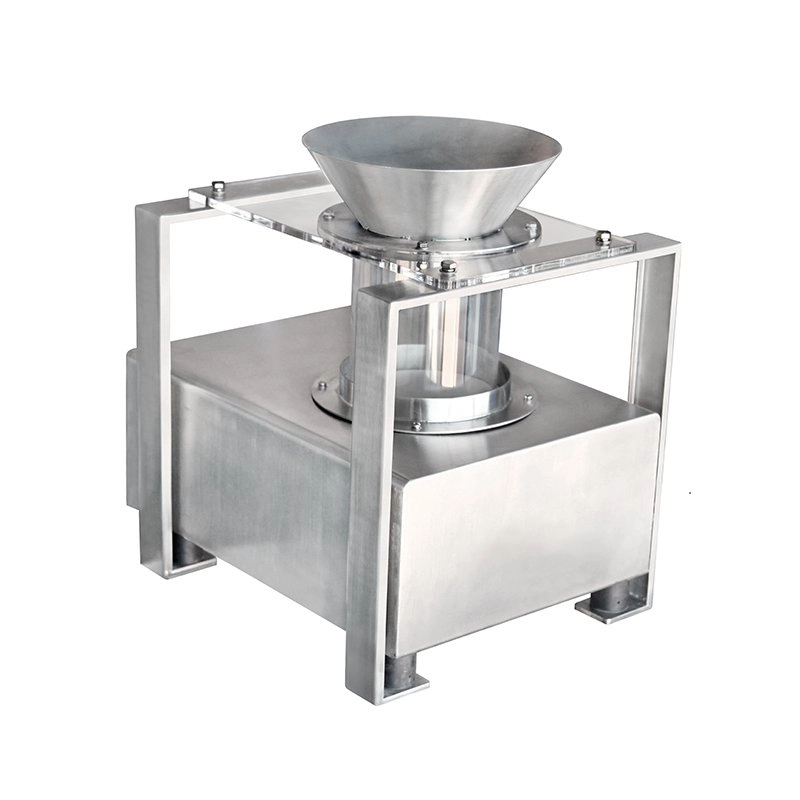
Dropped Metal Detector for Powder Granules For Food Industry
Enhance food safety with Kenwei’s Dropped Metal Detector for Powder Granules. This advanced food metal detector ensures precise detection in the food industry, safeguarding products and maintaining high quality standards throughout processing.
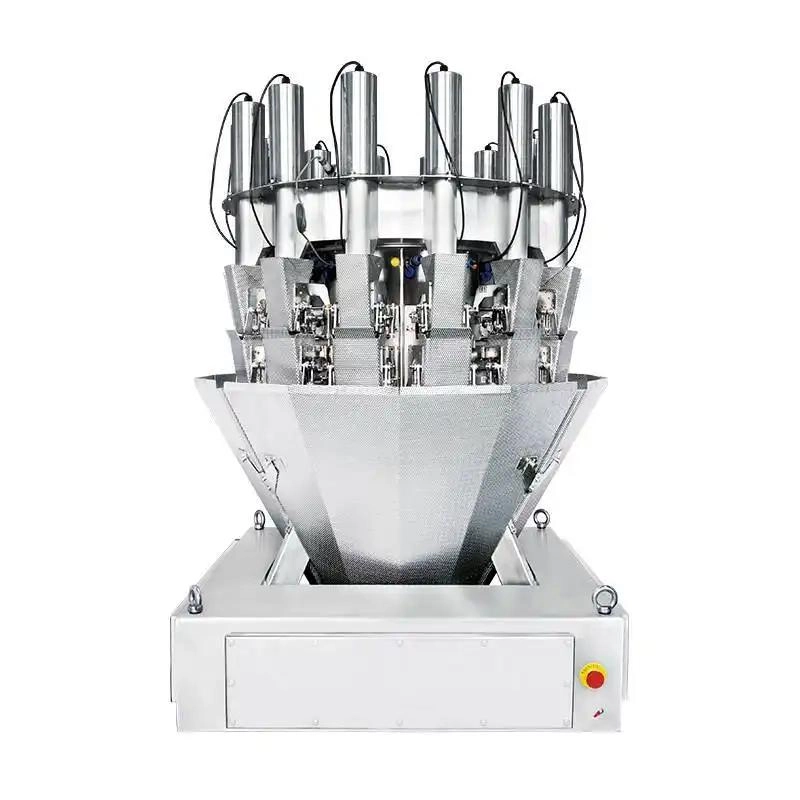
14 Heads Vertical Single Screw Feeding Pickles Weigher backups
This type of weigher is designed to handle the unique characteristics of pickles, ensuring precise measurements for packaging and distribution. It uses a vertical single screw mechanism to feed the pickles into the weighing system, allowing for efficient and consistent weighing. This technology is particularly useful in food processing and packaging facilities where precise portioning is essential for quality control and customer satisfaction. This specialized equipment is perfect for accurately measuring and dispensing pickles in a production line or packaging facility. The vertical design allows for efficient and precise filling of containers, while the single screw feeding mechanism ensures consistent and reliable weighing.
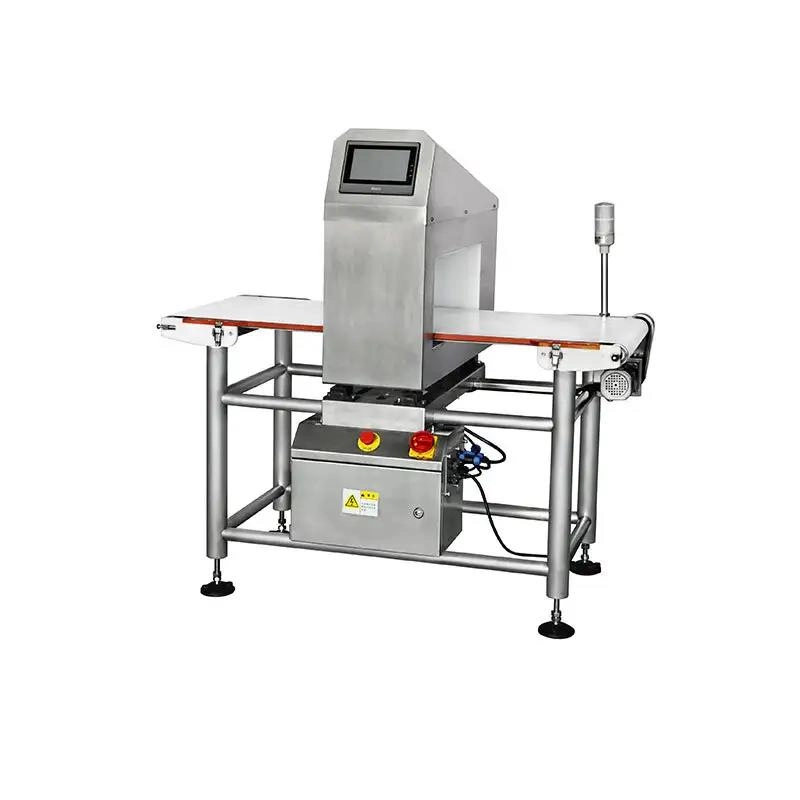
Food Metal Detector Manufacturer For Reject Defective Products G5020
The G5020 multi-frequency metal detector features a specialized conveyor belt designed to reduce contamination risks, ensure smooth operation, and maintain high detection sensitivity. It is easy to disassemble for convenient maintenance. Ideal for detecting metal contaminants in food, pharmaceuticals, spices, plastics, electronics, textiles, toys, handicrafts, and more.
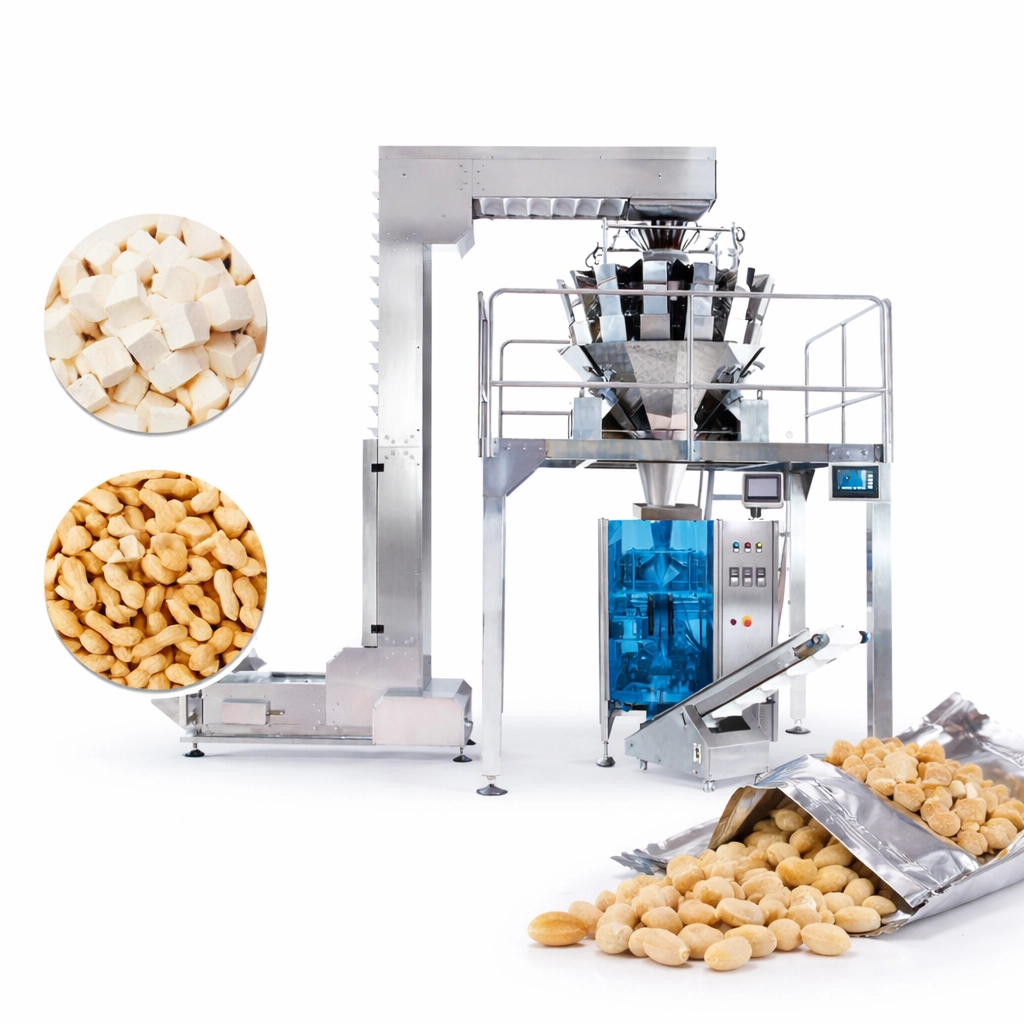
High-Precision Weighing & Packaging for Granular Products
The Granular Food Packing Machine is a fully automated solution designed for accurate weighing, filling, and packaging of various granular food products. Integrated with a multihead weigher and advanced packaging system, it ensures high speed, precision, and hygiene standards for modern food production.
Get in touch with us
If you have any comments or good suggestions, please leave us a message, later our professional staff will contact you as soon as possible.
Kenwei
Kenwei
Kenwei multi weigh
Kenwei
Kenwei
Kenwei