






Choosing the Right Metal Detector for Food Industry G5020 Guide
Practical guide to selecting a metal detector for food industry applications, focusing on the Food Metal Detector Manufacturer For Reject Defective Products G5020. Covers performance, installation, validation, maintenance, ROI, and FAQs to help food manufacturers reduce contamination risk and meet regulatory requirements.
- Choosing the Right Metal Detector for Food Industry: G5020 Guide
- Why a metal detector for food industry is essential
- Key factors when choosing a metal detector for food industry use
- About Food Metal Detector Manufacturer For Reject Defective Products G5020
- Detection performance: what to expect from a food metal detector
- Installation, integration and validation for food production lines
- Maintenance, cleaning and hygiene considerations
- Cost vs benefit: reducing recall risk and protecting brand value
- Choosing the right reject mechanism and configuration
- Why choose Food Metal Detector Manufacturer For Reject Defective Products G5020
- Practical validation checklist for your metal detector for food industry
- FAQ - Frequently Asked Questions
- Q: What makes a multi-frequency detector better for food?
- Q: How do I verify the G5020 performance on my product?
- Q: Can the G5020 detect stainless steel?
- Q: What documentation will I get for audits?
- Q: How often should I perform verification checks?
- Contact and next steps
- Sources

Choosing the Right Metal Detector for Food Industry: G5020 Guide
Selecting an effective metal detector for food production is a critical decision that affects product safety, regulatory compliance, and brand reputation. This guide walks food processors through the key factors to evaluate, the technical advantages of multi-frequency systems, and why the Food Metal Detector Manufacturer For Reject Defective Products G5020 is a practical choice for modern production lines. We address real operational questions, integration tips, validation practices, and provide a clear FAQ to help you decide with confidence. After selecting the right model, maximizing its effectiveness is key. Learn how advanced inspection setups work in real-world environments in our overview of top inspection strategies using G5020 metal detectors.
Why a metal detector for food industry is essential
Metal contamination is one of the most common physical hazards in food manufacturing. Undetected metal contaminants can cause consumer injury, expensive recalls, production downtime, and serious reputational damage. A robust metal detector for food industry settings is part of a layered food safety program (HACCP, GFSI schemes) and helps demonstrate proactive risk control to auditors and regulators.
Key factors when choosing a metal detector for food industry use
When evaluating metal detectors, consider these primary factors that directly affect detection reliability and operational suitability:
- Detection Sensitivity: The smallest metal fragment size the machine can reliably find for your product type and packaging.
- Frequency Technology: Single vs. multi-frequency. Multi-frequency (like the G5020) improves detection across varied products, especially moist, dense, or heterogeneous products.
- Conveyor Design and Hygiene: Belt material, open-frame vs. enclosed systems, tool-free disassembly for cleaning.
- Reject Mechanism: Air blast, pusher, drop gate, or belt stop options must match production speeds and product shapes.
- Environmental Robustness: IP rating, washdown compatibility, and resistance to dust, oil, or temperature extremes.
- Integration and Data Logging: PLC/SCADA interfaces, batch traceability, audit logs for compliance.
- Calibration and Validation: Built-in test programs and easy verification routines reduce downtime and support audits.
- Service and Support: Local service, spare parts availability, and training options reduce long-term ownership risk.
About Food Metal Detector Manufacturer For Reject Defective Products G5020
The G5020 multi-frequency metal detector features a specialized conveyor belt designed to reduce contamination risks, ensure smooth operation, and maintain high detection sensitivity. It is easy to disassemble for convenient maintenance. Ideal for detecting metal contaminants in food, pharmaceuticals, spices, plastics, electronics, textiles, toys, handicrafts, and more.
The G5020 is engineered specifically as a metal detector for food industry environments: multi-frequency detection optimizes sensitivity for wet, salty, and variable-product applications; the specialized conveyor minimizes product entrapment and contamination; and the machine supports tool-free access for cleaning and maintenance. For processors that handle both packaged and loose products, the G5020 can be configured with suitable reject devices and validated to meet audit expectations.
Detection performance: what to expect from a food metal detector
Detection sensitivity varies with product type, product presentation (loose, in pouch, in tray), metal type, and orientation of the contaminant. Multi-frequency detectors like the G5020 help to mitigate product effects (false rejects or reduced sensitivity) by optimizing detection across a range of frequencies.
Typical practical sensitivity ranges (illustrative) are shown below. These are intended as guidance; you must validate performance in your own production environment using certified test pieces and validation procedures.
| Product Type | Approx. Ferrous Detection (mm) | Approx. Non-Ferrous Detection (mm) | Approx. Stainless Steel (austenitic) Detection (mm) |
|---|---|---|---|
| Dry powder/spices (thin layer) | 0.8 - 1.5 | 1.0 - 2.0 | 2.0 - 3.5 |
| Fresh produce / moist products | 1.2 - 2.0 | 1.5 - 2.5 | 3.0 - 4.5 |
| Packaged products in foil/plastic | 1.0 - 1.8 | 1.2 - 2.5 | 2.5 - 4.0 |
Source: Manufacturer benchmark data and industry guidance from detectors suppliers and Campden BRI (see sources list). Always perform in-line detection tests and validation using certified test pieces to confirm real-world performance.
Installation, integration and validation for food production lines
Good installation and validation practices ensure the metal detector for food industry functions reliably and is audit-ready:
- Position the detector in a stable area of the line where product presentation is consistent and conveyor speed is controlled.
- Perform initial calibration and establish standard verification checks using the test pieces and documented acceptance criteria.
- Integrate reject systems and ensure rejected product is physically segregated and recorded to prevent rework into the good product stream.
- Establish an ongoing verification schedule (shift start, hourly, or batch-based) with documented logs for HACCP or GFSI audits.
- Use data logging and alarm records to support traceability and root cause analysis if metal finds occur.
Maintenance, cleaning and hygiene considerations
Hygiene is a top priority in food plants. A metal detector for food industry must support frequent cleaning without complex disassembly. The G5020's easy-disassembly conveyor and hygienic frame reduce downtime during washdowns and help maintain consistent sensitivity by allowing the operator to remove buildup that could affect detection performance.
Key maintenance points:
- Use tool-free belt removal where available to speed cleaning cycles and reduce contamination risk.
- Follow manufacturer-recommended washdown procedures and confirm IP rating suitability for high-pressure cleaning.
- Keep firmware and diagnostic tools updated to detect drift or changes in sensitivity over time.
- Plan preventive maintenance with spare belt sections, sensors, and reject components to minimize production interruptions.
Cost vs benefit: reducing recall risk and protecting brand value
Investing in an effective metal detector for food industry is both a compliance expense and a risk mitigation measure. The direct cost of a contamination recall can include product retrieval, destruction of inventory, regulatory fines, logistics, and lost sales. Indirect costs include brand damage and the loss of customer contracts. Compared to these potential costs, a well-implemented metal detection program, with reliable detectors like the G5020 and documented validation, commonly provides rapid payback through reduced rejects, fewer recalls, and avoided liability.
Choosing the right reject mechanism and configuration
Reject devices must suit product type and line speed. Typical options and considerations:
- Pusher mechanisms: best for single-file, solid products on conveyors; require stable positioning.
- Air blasts: good for lightweight products and high-speed lines but need compressed air infrastructure.
- Drop gates or flaps: work well for packaged items and bulk flows; ensure downstream containment.
- Belt stop with transfer: suitable when positive separation and recording are critical.
Select the mechanism that minimizes product damage, prevents false rejects, and integrates with your traceability systems. The G5020 offers multiple reject options to match line requirements and production speeds.
Why choose Food Metal Detector Manufacturer For Reject Defective Products G5020
When evaluating vendors, consider the combination of technology, service, and compliance support. The G5020 stands out in several areas relevant to food processors:
- Multi-frequency detection to reduce product effect and improve sensitivity across varied food types.
- Hygienic conveyor and tool-free disassembly for quick cleaning and reduced contamination risk.
- Flexible reject options so the detector can be matched to product handling and speed.
- Comprehensive data logging and validation tools to support HACCP, GFSI audits, and customer requirements.
- Local after-sales support and training options to reduce downtime and ensure operators are proficient in verification routines.
Practical validation checklist for your metal detector for food industry
Use this concise checklist when commissioning and during ongoing verifications:
- Documented acceptance criteria for detection sizes and reject behavior.
- Initial factory acceptance test and on-site commissioning report.
- Daily/shift verification with certified test pieces and recorded outcomes.
- Calibration and maintenance schedule with responsible personnel assigned.
- Traceability integration so every reject event is recorded with time, product batch, and image/log where available.
FAQ - Frequently Asked Questions
Q: What makes a multi-frequency detector better for food?
A: Multi-frequency systems can operate across several electromagnetic frequencies, allowing the detector to better separate product effect from metallic contaminants. This is especially useful for wet, salty, or heterogeneous products where single-frequency detectors often struggle.
Q: How do I verify the G5020 performance on my product?
A: Develop a validation plan using certified metal test pieces that represent realistic worst-case contaminants, run them in production conditions, and record detection rates. Repeat the tests after cleaning, speed changes, or replenishment of belts.
Q: Can the G5020 detect stainless steel?
A: Austenitic stainless steels are less magnetic and harder to detect. The G5020's multi-frequency technology improves stainless steel detectability, but sensitivity will still be lower than for ferrous metals. Validation is essential to define achievable detection limits for your product.
Q: What documentation will I get for audits?
A: The system supports data logging for verification tests, reject events, and calibration records. A full commissioning report, user manuals, and validation protocol templates are typically provided to support HACCP and third-party audit requirements.
Q: How often should I perform verification checks?
A: Best practice is to verify at least at the start of each shift, after any cleaning or maintenance, and whenever product or packaging changes. High-risk products or critical control points may require more frequent checks.
Contact and next steps
If you want to evaluate the Food Metal Detector Manufacturer For Reject Defective Products G5020 for your line, contact our sales team to arrange an on-site evaluation, product demo, or to request a validation protocol tailored to your products. Our technical team can support installation, FAT/SAT documentation, and operator training to ensure quick, audit-ready deployment.
Sources
- Campden BRI - Guidance on metal detection in food processing and validation practices.
- Mettler-Toledo Safeline - Metal detector technical guides and sensitivity benchmarks.
- Thermo Fisher Scientific - Metal detection product literature and best practices.
- Global Food Safety Initiative (GFSI) - Requirements and best practices for food safety systems.
- Industry recall case studies and guidance from Food Safety Magazine and regulatory recall databases.
Contact us now to discuss how the G5020 can fit your production line or to schedule a demonstration with product-specific validation. Our team provides multilingual support and full documentation to help you meet regulatory and customer requirements.
Tags
multihead weigher for sale
multihead weigher for sale
multi-head weigher granular food packing machine
multi-head weigher granular food packing machine
metal detectors for pet food
metal detectors for pet food
Horizontal Packaging Machine
Horizontal Packaging Machine
metal detector in food
metal detector in food
multihead weighers for food
multihead weighers for food
Recommended for you
The B2B Buyer’s Guide to snack food packaging machine

Top 10 Ways to Improve Aluminum Foil Detection Accuracy
Everything You Need to Know About automatic check weigher
Tips for buy packing machine for food products
Prdoucts Categories
Question you may concern
About products customization
How do I request a custom-built Kenwei machine?
To request a customized machine, simply contact our sales or engineering team.
About Cooperation Process
What information is needed to get a quote from Kenwei?
For us to provide an accurate quote, please provide the following details:
Type of machinery you are interested in (e.g., multi-head weighers, metal detectors, etc.)
Specifications and customization requirements (e.g., capacity, speed, size, etc.)
Your intended application and industry
Quantity of machines required
Delivery location
How does Kenwei ensure the quality of its machines?
Kenwei has a stringent quality control system in place. Each machine is rigorously tested for precision, speed, and reliability before it is shipped.
About After Sales Support
How do I claim warranty service?
To claim warranty service, please contact our customer support team with your machine’s product code and a description of the issue. If applicable, we may request photos or videos of the issue to facilitate troubleshooting.
About Solution suggestions
Can Kenwei machines handle products with irregular shapes or sizes?
Yes, multi-head weighers are particularly effective for handling products with irregular shapes and sizes.
You may also like
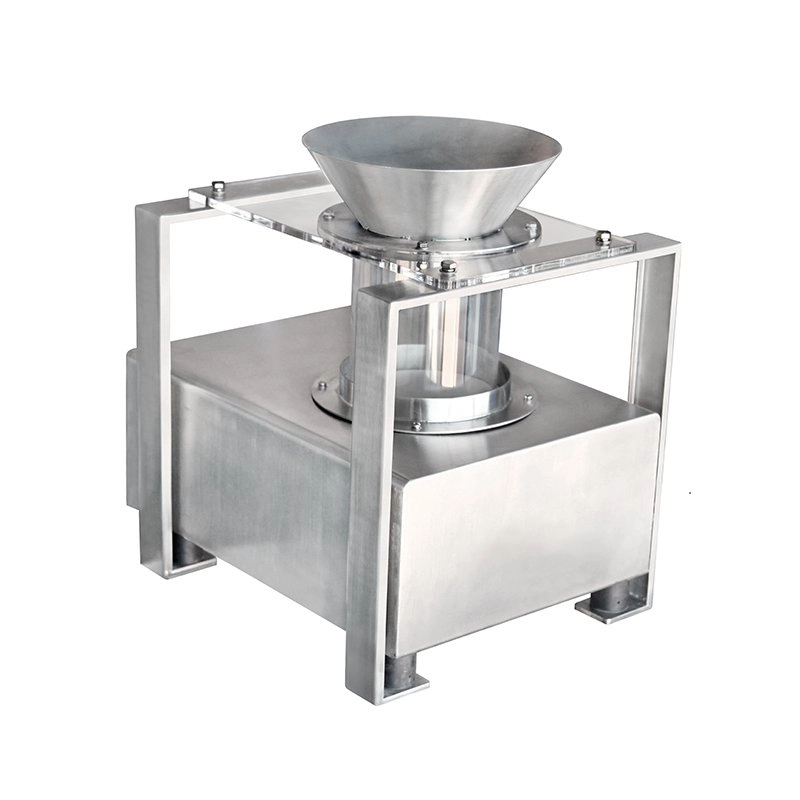
Dropped Metal Detector for Powder Granules For Food Industry
Enhance food safety with Kenwei’s Dropped Metal Detector for Powder Granules. This advanced food metal detector ensures precise detection in the food industry, safeguarding products and maintaining high quality standards throughout processing.
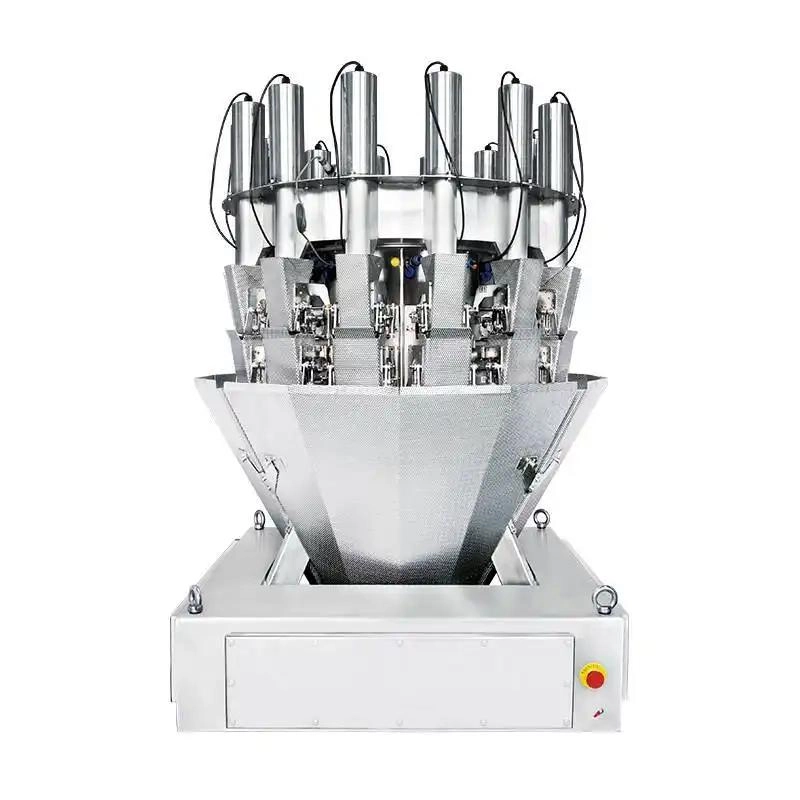
14 Heads Vertical Single Screw Feeding Pickles Weigher backups
This type of weigher is designed to handle the unique characteristics of pickles, ensuring precise measurements for packaging and distribution. It uses a vertical single screw mechanism to feed the pickles into the weighing system, allowing for efficient and consistent weighing. This technology is particularly useful in food processing and packaging facilities where precise portioning is essential for quality control and customer satisfaction. This specialized equipment is perfect for accurately measuring and dispensing pickles in a production line or packaging facility. The vertical design allows for efficient and precise filling of containers, while the single screw feeding mechanism ensures consistent and reliable weighing.
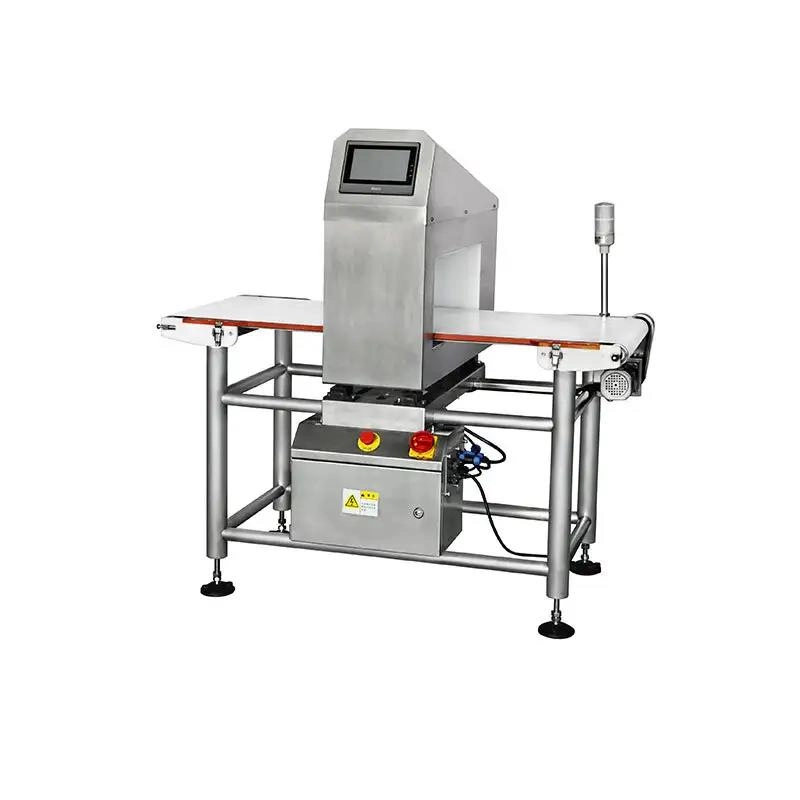
Food Metal Detector Manufacturer For Reject Defective Products G5020
The G5020 multi-frequency metal detector features a specialized conveyor belt designed to reduce contamination risks, ensure smooth operation, and maintain high detection sensitivity. It is easy to disassemble for convenient maintenance. Ideal for detecting metal contaminants in food, pharmaceuticals, spices, plastics, electronics, textiles, toys, handicrafts, and more.
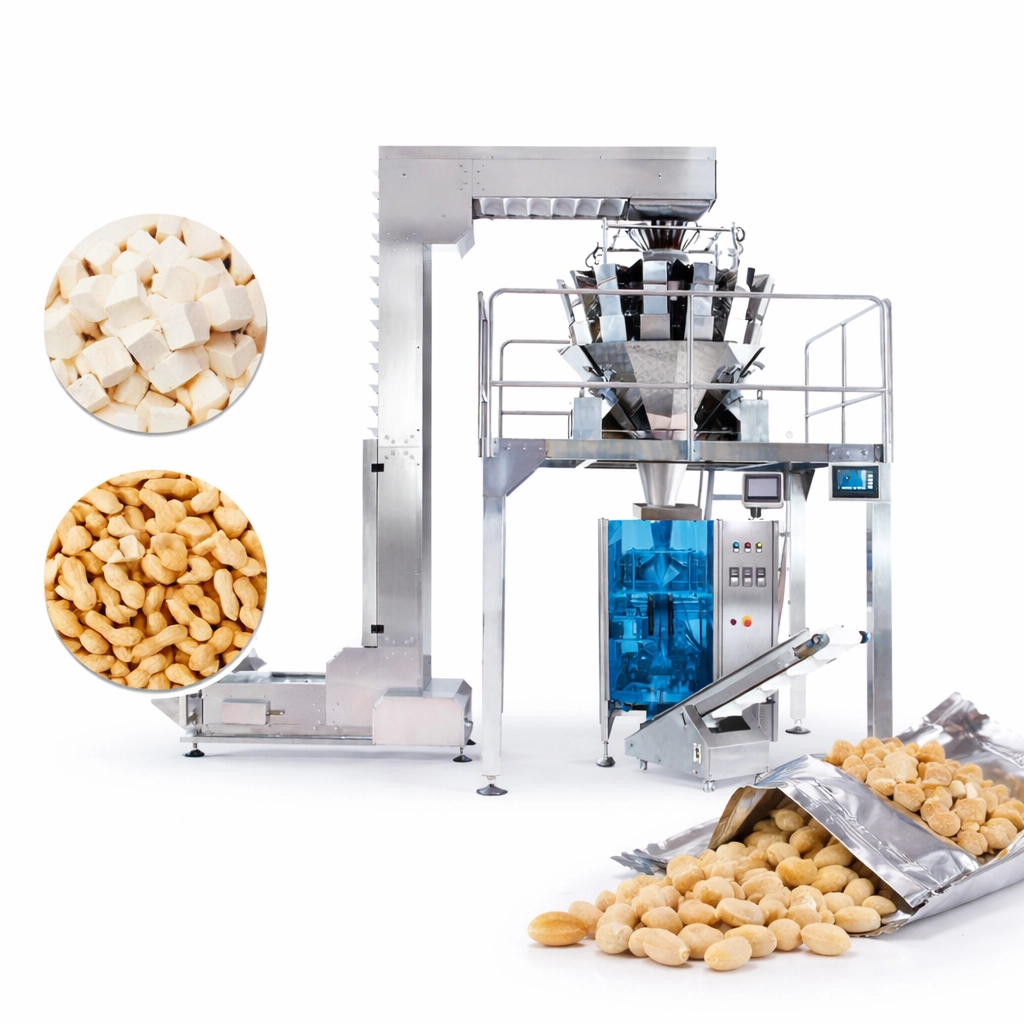
High-Precision Weighing & Packaging for Granular Products
The Granular Food Packing Machine is a fully automated solution designed for accurate weighing, filling, and packaging of various granular food products. Integrated with a multihead weigher and advanced packaging system, it ensures high speed, precision, and hygiene standards for modern food production.
Get in touch with us
If you have any comments or good suggestions, please leave us a message, later our professional staff will contact you as soon as possible.
Kenwei
Kenwei
Kenwei multi weigh
Kenwei
Kenwei
Kenwei