






Selecting Materials and Conveyor Design to Optimize Detection
This article explains how selecting the right conveyor materials and hygienic conveyor design boosts performance of a metal detector for food industry use. It covers material properties, conveyor belt options, detector integration, reject systems, installation, maintenance, and ROI — with practical guidance and a product-focused overview of the Food Metal Detector Manufacturer For Reject Defective Products G5020.
- Selecting Materials and Conveyor Design to Optimize Detection
- Why a metal detector for food industry matters
- How materials affect metal detection performance
- Conveyor belt materials and trade-offs for metal detector compatibility
- Hygienic conveyor design principles to maintain detection sensitivity
- Mechanical features that improve detection and reduce false rejects
- Why multi-frequency metal detectors matter and how they interact with conveyor design
- Reject systems: design choices that protect hygiene and limit product waste
- Installation, calibration and verification best practices
- Cleaning, maintenance and sanitary considerations
- Cost, ROI and operational considerations when choosing a metal detector for food industry
- Why the Food Metal Detector Manufacturer For Reject Defective Products G5020 is a practical choice
- Frequently Asked Questions (FAQ)
- Q: What conveyor belt material is best for a metal detector for food industry applications?
- Q: Can a multi-frequency metal detector like the G5020 detect stainless steel?
- Q: How close can metal conveyor components be to the detector aperture?
- Q: How often should I test and recalibrate my metal detector?
- Q: Is hygienic conveyor design required to meet food safety standards?
- Contact Sales / View Product
- Authoritative References
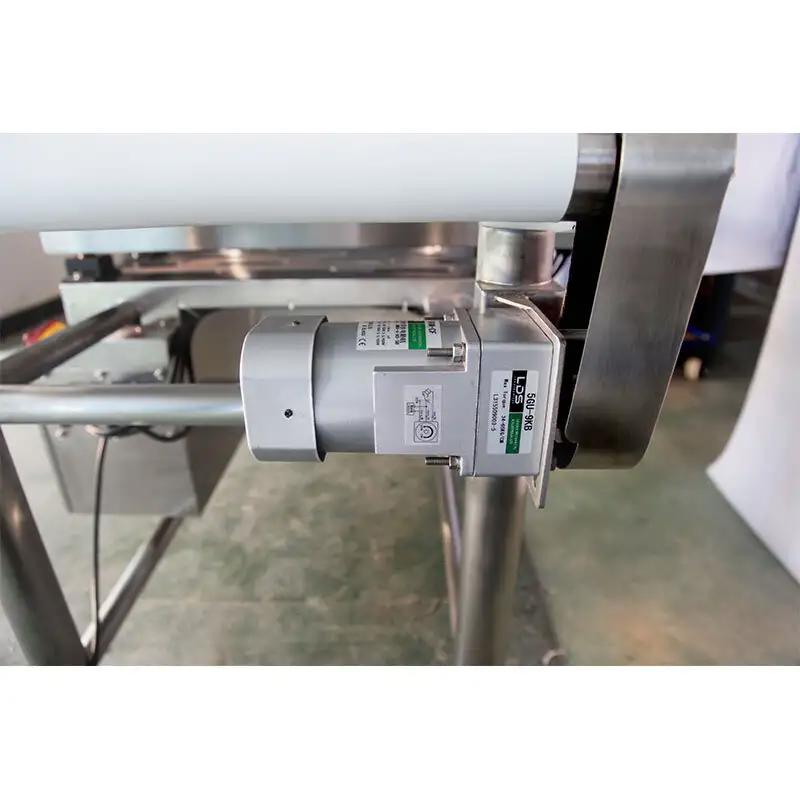
Selecting Materials and Conveyor Design to Optimize Detection
Why a metal detector for food industry matters
Contamination by metal fragments poses serious food safety, regulatory and brand risks. A correctly specified metal detector for food industry applications protects consumers, prevents costly recalls, and maintains customer confidence. Beyond the detector electronics, conveyor materials and mechanical design are critical for achieving high detection sensitivity while avoiding false rejects and maintaining hygiene. This guide explains how material choices and conveyor design together optimize detection and operational efficiency, and highlights the Food Metal Detector Manufacturer For Reject Defective Products G5020 as an example of a practical solution.
How materials affect metal detection performance
Metal detectors used in food processing sense changes in electromagnetic fields as product passes through the aperture. Materials around the aperture—conveyor belts, rollers, frames, and fasteners—produce background signals and can mask or alter the response to metal contaminants. Key material-related factors that affect detection include:
- Conductivity: Metals and some fillers in belts can create strong background signals. Non-conductive materials reduce interference.
- Magnetic permeability: Ferrous components close to the coil change the field shape and sensitivity.
- Dielectric properties and moisture: Wet or high-salt products and belts can shift baseline signals and increase product effect.
- Uniformity and stability: Uneven or moving backgrounds (e.g., vibrating metallic frames) create noise and false alarms.
Optimizing detection means minimizing conductive and magnetic components near the sensing coil, choosing belts that are stable and food-safe, and designing structures that keep return belts and metal supports away from the aperture.
Conveyor belt materials and trade-offs for metal detector compatibility
Selecting the right belt material is one of the most important decisions. Below is a comparison of common food-industry conveyor belt materials and their implications for metal detection.
| Belt Material | Pros | Cons | Detection Impact |
|---|---|---|---|
| Polyurethane (PU) | Food-grade, abrasion-resistant, easy to clean | Can absorb oils; limited heat resistance | Low conductivity; generally good for detection |
| PVC | Cost-effective, smooth surface | Less durable vs PU; plasticizers may migrate | Low conductivity; acceptable but check additives |
| Thermoplastic (TPE, TPU) | Flexible, excellent hygiene options | Higher cost for specialty compounds | Low conductivity; stable baseline |
| Stainless-steel mesh or slat | High-temperature and heavy-load capable | Conductive; creates strong background signal | Adversely affects sensitivity unless mechanically separated |
| UHMW / HDPE guide strips | Low friction, food-safe | Less slip resistance for some products | Non-conductive; neutral effect |
Recommendation: For most packaged or loose food products, smooth food-grade PU or TPE belts provide the best compromise of hygiene and low interference. Avoid metallic belts directly in the detector aperture; if metal conveyors are required, design the detector so the sensing zone is isolated from metallic return paths.
Hygienic conveyor design principles to maintain detection sensitivity
Hygienic design not only reduces contamination risk but also helps keep detection stable. Key principles include:
- Minimize metal near the aperture: Use non-metallic idlers, spacers and structural covers in the sensing zone.
- Open, self-draining frames: Avoid hidden crevices where product accumulates and creates variable dielectric loads.
- Easy disassembly: Quick-release fasteners and modular sections let operators clean thoroughly without moving metal parts into the detector path.
- Single-plane product movement: Keep product centered and not overlapping with return belts or support structures.
These design choices reduce baseline noise and the need for frequent recalibration, improving uptime and sensitivity.
Mechanical features that improve detection and reduce false rejects
Beyond materials, mechanical design influences real-world detection performance:
- Product centering guides to pass items consistently through the coil centerline.
- Non-metallic belt scrapers and supports to keep metal away from the aperture.
- Isolation of infeed and outfeed metal structures with non-conductive spacers.
- Proper belt tension and tracking to maintain repeatable backgrounds.
- Separation between carry and return belts—use troughing or separate return pathways outside the detection field.
Combining these elements reduces false alarms and maximizes the detector's ability to sense small metal fragments.
Why multi-frequency metal detectors matter and how they interact with conveyor design
Multi-frequency detectors, like the Food Metal Detector Manufacturer For Reject Defective Products G5020, operate on several frequencies simultaneously or switch across frequencies to handle different product effects. Benefits include:
- Improved detection across diverse products (wet, dry, high-fat, or high-mineral).
- Reduced false rejects by selecting the best frequency response for the product.
- Greater sensitivity to both ferrous and non-ferrous metals when paired with optimized conveyor materials.
Because multi-frequency systems are more tolerant of product effect, they allow slightly more flexibility in belt choice. However, detector performance is still strongly affected by the immediate mechanical environment, so hygienic, low-conductivity conveyor design remains essential.
The G5020 multi-frequency metal detector features a specialized conveyor belt designed to reduce contamination risks, ensure smooth operation, and maintain high detection sensitivity. It is easy to disassemble for convenient maintenance. Ideal for detecting metal contaminants in food, pharmaceuticals, spices, plastics, electronics, textiles, toys, handicrafts, and more.
Reject systems: design choices that protect hygiene and limit product waste
Choosing an appropriate reject mechanism ties into both detection reliability and sanitation:
- Air blast or pneumatic pushers: Good for conveyor lines with enough spacing; keep mechanisms outside the sensing aperture except for the actuator.
- Retractable belt sections: Allow the product to continue while the small section retracts to divert rejected items; design needs to avoid metallic components near the aperture.
- Drop flaps or gates: Simple and hygienic when made from food-grade plastics or coated metals; ensure no metal parts move through the sensing field.
Design rejects to avoid product bypass and cross-contamination. Also ensure rejected product handling meets traceability and audit requirements.
Installation, calibration and verification best practices
Even the best-designed conveyor and detector need correct installation and ongoing verification:
- Site the detector away from heavy vibrating machinery and large metal structures.
- Calibrate with representative product and certified test pieces for ferrous, non-ferrous and stainless metal types at sizes relevant to regulations or customer specs.
- Keep records: log calibration, verification tests, rejects and maintenance for audit readiness.
- Train operators on test procedures and quick disassembly for cleaning; ensure only trained staff perform sensitivity adjustments.
Cleaning, maintenance and sanitary considerations
Design choices that allow fast, tool-less cleaning and reduce nooks for debris help maintain low noise and consistent detection. Important points:
- Choose components rated for the cleaning regime (IP protection, washdown compatibility, and chemical resistance).
- Ensure that belts and frames can be fully exposed and dried after CIP or washdown to prevent variable moisture effects.
- Use food-grade lubricants and avoid metallic debris from wear—inspect rollers and bearings regularly.
Cost, ROI and operational considerations when choosing a metal detector for food industry
When evaluating systems, consider not just purchase price but total cost of ownership and avoidance costs:
- Reduced recall risk and brand protection: a primary ROI driver for high-sensitivity detection.
- Downtime for cleaning and recalibration: hygienic design reduces time out of production.
- False rejects and product waste: consistent conveyor design and multi-frequency detectors lower false positives.
Investing in a well-specified detector and hygienic conveyor saves money over time through fewer stoppages, lower waste, and reduced regulatory exposure.
Why the Food Metal Detector Manufacturer For Reject Defective Products G5020 is a practical choice
The G5020 combines multi-frequency detection with a specialized conveyor designed to reduce contamination risks and improve maintainability. Key advantages include:
- Multi-frequency sensitivity that adapts to wet, dry, and complex products.
- Hygienic conveyor belt and quick-disassembly features for fast cleaning and reduced downtime.
- Compatibility with a variety of reject mechanisms and industry applications from food to pharmaceuticals.
For manufacturers seeking to optimize detection while maintaining efficient cleaning and production, the G5020 represents a balanced engineering approach addressing both electromagnetic performance and practical hygiene needs.
Frequently Asked Questions (FAQ)
Q: What conveyor belt material is best for a metal detector for food industry applications?
A: For most food products, food-grade polyurethane (PU) or thermoplastic belts provide the best compromise of hygiene and low electrical interference. Avoid metallic belts directly in the detection aperture unless you can physically separate the sensing field from metallic return paths.
Q: Can a multi-frequency metal detector like the G5020 detect stainless steel?
A: Yes. Multi-frequency detectors improve sensitivity to stainless-steel contaminants compared with single-frequency systems, but exact detection sizes depend on product effect, detector aperture size, and conveyor design. Verify sensitivity with representative test samples during commissioning.
Q: How close can metal conveyor components be to the detector aperture?
A: Keep metallic components out of the aperture whenever possible. If metal parts must be present, use non-conductive spacers or design the detector aperture so the sensing zone does not include returns or structural metal. Manufacturer installation guides specify minimum clearances based on coil design.
Q: How often should I test and recalibrate my metal detector?
A: Daily verification using test pieces for ferrous and non-ferrous metals is common in food facilities. Full calibration is recommended whenever product type changes, after maintenance, or when sensitivity drifts are observed. Maintain records for audits.
Q: Is hygienic conveyor design required to meet food safety standards?
A: Hygienic design is a best practice and often a requirement under standards such as BRCGS, SQF, and ISO 22000 for preventing contamination and enabling effective cleaning. It also supports reliable metal detection performance.
Contact Sales / View Product
If you want to evaluate the Food Metal Detector Manufacturer For Reject Defective Products G5020 for your line, contact our sales team for a line survey, demo, and sensitivity testing with your product. Request product specs or schedule an on-site assessment to see how conveyor material choices and hygienic design will optimize detection for your application. Even with optimal conveyors, detection accuracy depends on configuration. Our guide on how sensitivity settings impact detection of tiny fragments explains how fine-tuning parameters ensures even the smallest contaminants are identified.
Authoritative References
These resources provide additional guidance related to food safety, metal detection and hygienic design:
- Food and Drug Administration (FDA) Food Safety: https://www.fda.gov/food
- Codex Alimentarius Commission: https://www.fao.org/fao-who-codexalimentarius/en/
- BRC Global Standards: https://www.brcgs.com
- ISO 22000 Food Safety Management: https://www.iso.org/iso-22000-food-safety-management.
- AOAC International (methods and testing guidance): https://www.aoac.org
Tags
multihead weighers
multihead weighers
china multihead weigher
china multihead weigher
china weighing and packaging machine factory
china weighing and packaging machine factory
metal detectors food safety
metal detectors food safety
dynamic checkweigher
dynamic checkweigher
best metal detector
best metal detector
Recommended for you
Top 10 best vffs Manufacturers and Supplier Brands in America
Regulatory Compliance for Food Packing Machine Operations
The latest trends for food pouch packing machine
Top 10 multihead weighing machine Manufacturers and Supplier Brands in America
Prdoucts Categories
Question you may concern
About Product choice
Can Kenwei's machines be used in my industry?
Kenwei’s equipment is highly versatile and can be used across a wide range of industries, including:Food,Pharmaceuticals,Chemicals,Plastics and Agriculture.
Plastics If you're unsure whether our products are suitable for your industry, please contact us, and we can provide you with specific solutions tailored to your needs.
About After Sales Support
Can I get remote troubleshooting assistance?
Yes, Kenwei offers remote troubleshooting for certain issues. Our technical team can guide you through diagnostics and help resolve issues via phone, video call, or online messaging.
What after-sales support does Kenwei offer?
Kenwei provides comprehensive after-sales support, including product installation, training, maintenance, troubleshooting, and technical assistance. Our team is dedicated to ensuring your machines operate at their best throughout their lifecycle.
About Price and payment
How do I make a payment for Kenwei machines?
We accept several payment methods: T/T, Letter of Credit (L/C)
About Solution suggestions
Can Kenwei solutions be adapted for different product packaging types?
Yes, Kenwei solutions can handle a variety of packaging types, including bags, boxes, pouches, and bottles. We can customize machines to suit your packaging format, ensuring compatibility with your packaging equipment.
You may also like
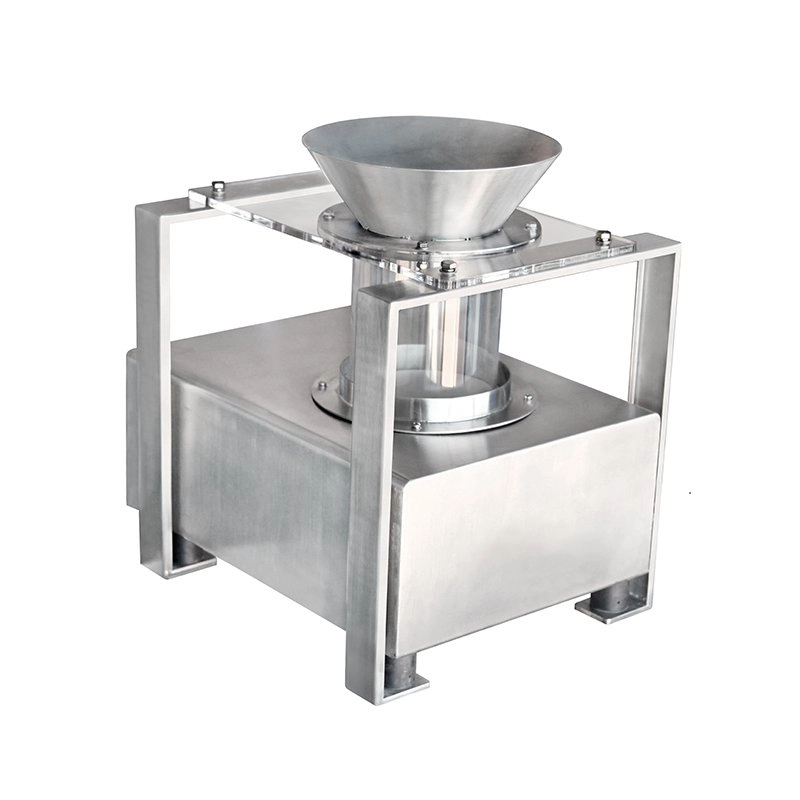
Dropped Metal Detector for Powder Granules For Food Industry
Enhance food safety with Kenwei’s Dropped Metal Detector for Powder Granules. This advanced food metal detector ensures precise detection in the food industry, safeguarding products and maintaining high quality standards throughout processing.
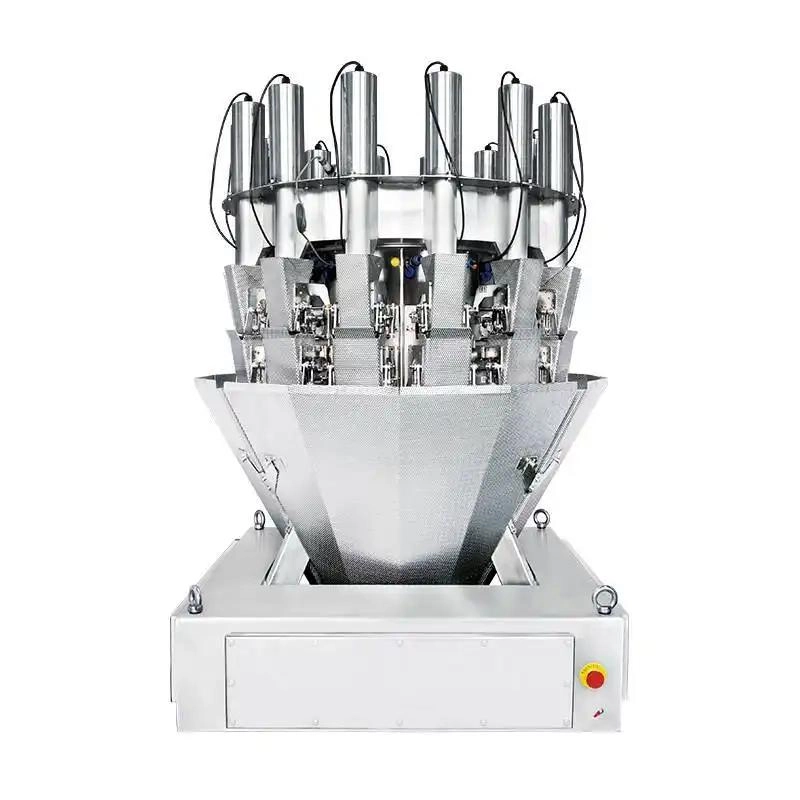
14 Heads Vertical Single Screw Feeding Pickles Weigher backups
This type of weigher is designed to handle the unique characteristics of pickles, ensuring precise measurements for packaging and distribution. It uses a vertical single screw mechanism to feed the pickles into the weighing system, allowing for efficient and consistent weighing. This technology is particularly useful in food processing and packaging facilities where precise portioning is essential for quality control and customer satisfaction. This specialized equipment is perfect for accurately measuring and dispensing pickles in a production line or packaging facility. The vertical design allows for efficient and precise filling of containers, while the single screw feeding mechanism ensures consistent and reliable weighing.
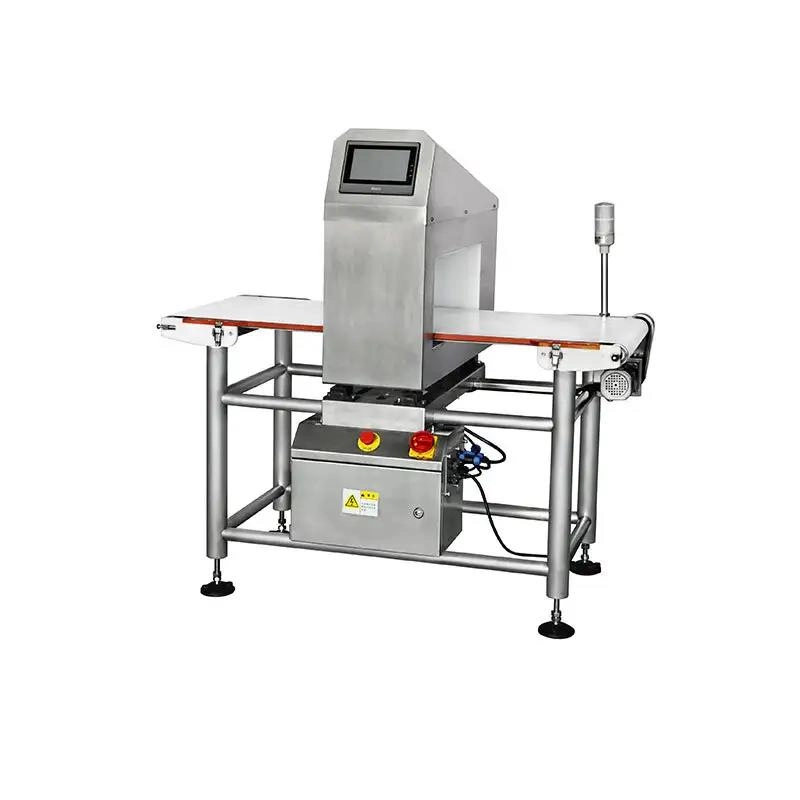
Food Metal Detector Manufacturer For Reject Defective Products G5020
The G5020 multi-frequency metal detector features a specialized conveyor belt designed to reduce contamination risks, ensure smooth operation, and maintain high detection sensitivity. It is easy to disassemble for convenient maintenance. Ideal for detecting metal contaminants in food, pharmaceuticals, spices, plastics, electronics, textiles, toys, handicrafts, and more.
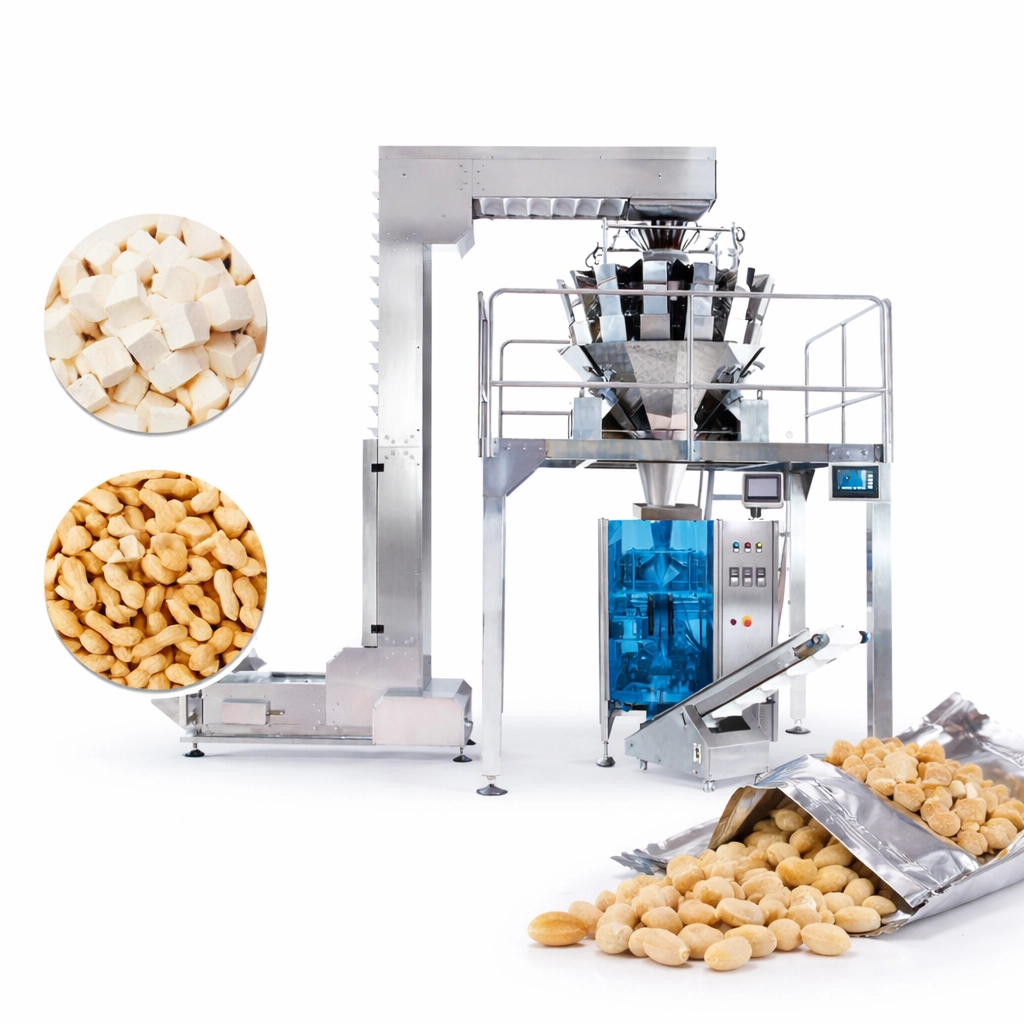
High-Precision Weighing & Packaging for Granular Products
The Granular Food Packing Machine is a fully automated solution designed for accurate weighing, filling, and packaging of various granular food products. Integrated with a multihead weigher and advanced packaging system, it ensures high speed, precision, and hygiene standards for modern food production.
Get in touch with us
If you have any comments or good suggestions, please leave us a message, later our professional staff will contact you as soon as possible.
Kenwei
Kenwei
Kenwei multi weigh
Kenwei
Kenwei
Kenwei