






How Sensitivity Settings Impact Detection of Tiny Fragments
This article explains how sensitivity settings on a metal detector for food industry applications affect the detection of tiny metal fragments. It covers detector physics, multi-frequency advantages, practical tuning, validation methods, trade-offs between sensitivity and false rejects, and how the Food Metal Detector Manufacturer For Reject Defective Products G5020 supports reliable detection and easy maintenance.
- How Sensitivity Settings Impact Detection of Tiny Fragments
- Why Sensitivity Matters for a Metal Detector for Food Industry
- Key detection goals
- Types of Metal Contaminants and How They Respond to Sensitivity
- What Sensitivity Settings Mean in Practice
- Common sensitivity ranges
- How Multi-frequency Detectors Improve Tiny Fragment Detection
- Product Spotlight: Food Metal Detector Manufacturer For Reject Defective Products G5020
- How the G5020 supports sensitivity tuning
- Practical Steps to Tune Sensitivity for Tiny Fragments
- Validation checklist (example)
- Quantifying Sensitivity: Typical Detectable Sizes by Setting
- Trade-offs: Sensitivity vs. False Rejects and Throughput
- Environmental and Mechanical Factors That Influence Sensitivity
- Routine Verification and Auditing
- Brand Advantages: Why Choose G5020 for Tiny Fragment Detection
- Implementation Case Example (Hypothetical)
- FAQ — Common Questions About Sensitivity and Tiny Fragment Detection
- Q: How small of a fragment can a food-industry metal detector find?
- Q: Will raising sensitivity always find more contaminants?
- Q: How often should I run sensitivity tests?
- Q: Can multi-frequency detectors eliminate the need for metal separators or magnets?
- Q: How does conveyor design affect sensitivity?
- Contact and Product CTA
- References and Authoritative Sources

How Sensitivity Settings Impact Detection of Tiny Fragments
In food safety, detecting tiny metal fragments is critical to protect consumers and meet regulatory standards. Choosing and configuring the right metal detector for food industry production lines determines whether sub-millimeter contaminants are found or escape into finished products. This article explains how sensitivity settings work, the trade-offs involved, validation best practices, and how the Food Metal Detector Manufacturer For Reject Defective Products G5020 helps operations balance detection performance with production demands.
Why Sensitivity Matters for a Metal Detector for Food Industry
Metal detectors work by generating an electromagnetic field and measuring distortions caused by conductive objects. Sensitivity is the detector's ability to register small changes in that field. Higher sensitivity increases the probability of finding tiny fragments (for example, broken needles, fine shavings from equipment, or wire fragments embedded in product). For food processors, correctly set sensitivity means fewer product recalls, reduced risk to consumers, and compliance with food safety standards such as ISO 22000, BRCGS, and HACCP principles.
Key detection goals
- Detect the smallest realistic contaminant for the product type (e.g., 1.0 mm ferrous sphere in spices vs. 2.0 mm in bulky produce).
- Minimize false accepts (missed contaminants) and manage false rejects (unnecessary stoppages and waste).
- Maintain throughput while ensuring reliable detection.
Types of Metal Contaminants and How They Respond to Sensitivity
Different metals and shapes produce different signatures. A metal detector for food industry must be tuned with those differences in mind:
- Ferrous metals (iron/steel): usually easiest to detect—produce strong signals.
- Non-ferrous metals (aluminum, copper): produce weaker signals than ferrous for the same size.
- Stainless steel (austenitic grades): most challenging, especially if low magnetic permeability; often needs higher sensitivity or multi-frequency detection.
- Thin or flat fragments (shavings, foils): present smaller cross-sections to the field and are harder to detect than spherical fragments of the same mass.
What Sensitivity Settings Mean in Practice
Sensitivity settings translate to a threshold level that determines how small a perturbation in the electromagnetic field will trigger detection. Practically, settings are tuned to a target detectable size, often expressed as the diameter of a metallic sphere (in mm) or, in quality labs, as parts-per-million equivalence for particular contaminants.
Common sensitivity ranges
Most production-line detectors allow choosing layers or steps of sensitivity (Low / Medium / High) and numeric fine-tune adjustments. Key practical points:
- Raising sensitivity increases detection range for small fragments.
- Excessive sensitivity causes more noise triggers from product effect, moisture, and packaging, increasing false rejects.
- The optimal setting is product- and environment-dependent and must be validated with test pieces.
How Multi-frequency Detectors Improve Tiny Fragment Detection
Multi-frequency metal detectors (including the G5020) transmit and analyze several frequencies simultaneously. This helps because different metals and fragment geometries couple better to different frequencies. Advantages include:
- Improved detection of stainless steel and non-ferrous fragments.
- Better immunity to product effect (wet, conductive, or heterogeneous products that otherwise mask signals).
- Finer control to reduce false rejects while maintaining sensitivity for tiny fragments.
Product Spotlight: Food Metal Detector Manufacturer For Reject Defective Products G5020
The G5020 multi-frequency metal detector features a specialized conveyor belt designed to reduce contamination risks, ensure smooth operation, and maintain high detection sensitivity. It is easy to disassemble for convenient maintenance. Ideal for detecting metal contaminants in food, pharmaceuticals, spices, plastics, electronics, textiles, toys, handicrafts, and more.
How the G5020 supports sensitivity tuning
The G5020's multi-frequency processing, adjustable sensitivity steps, and dedicated conveyor design allow processors to reach high detection levels for tiny fragments while limiting false rejects. Its tool-free disassembly simplifies validation checks and scheduled testing, making it easier to comply with audit requirements.
Practical Steps to Tune Sensitivity for Tiny Fragments
Follow a structured approach to tune sensitivity settings safely and effectively:
- Classify your product: wet/dry, conductive/non-conductive, packed/unpacked, average size.
- Define the smallest contaminant of concern (by metal type and shape).
- Use calibrated test pieces (spheres or standardized fragments) and run sensitivity tests across multiple conveyor speeds and load conditions.
- Start at a conservative setting and incrementally increase until the detector reliably catches the test piece in repeated runs (20+ passes recommended during validation).
- Record settings in a validation log and apply routine re-tests at scheduled intervals or when production changes occur.
Validation checklist (example)
| Step | Action | Expected Result |
|---|---|---|
| 1 | Baseline noise check | Stable background signal without product |
| 2 | Product effect assessment | Measure signal with empty packaging and with product |
| 3 | Sensitivity run with worst-case test piece | Detector rejects product containing test piece consistently |
| 4 | Repeatability (20+ runs) | Minimum 100% detection across validation runs |
Quantifying Sensitivity: Typical Detectable Sizes by Setting
The table below gives indicative detection thresholds for common settings. Actual performance varies by equipment, aperture size, product effect, and frequency mode. Use these figures only as starting guidance; always validate on your line.
| Sensitivity Level | Ferrous (mm sphere) | Non-ferrous (mm sphere) | Stainless Steel (mm sphere) | Trade-off |
|---|---|---|---|---|
| Low | ~2.5–4.0 | ~3.0–5.0 | ~4.0–6.0 | Least false rejects, higher miss risk |
| Medium | ~1.5–2.5 | ~2.0–3.5 | ~2.5–4.5 | Balanced detection and false reject rate |
| High | ~0.8–1.5 | ~1.2–2.0 | ~1.5–3.0 | Max detection of tiny fragments, more false rejects |
Trade-offs: Sensitivity vs. False Rejects and Throughput
Raising sensitivity detects smaller metal but increases the chance that product properties (e.g., high moisture, bone, or metallic packaging) trigger alarms. Increased false rejects reduce yield, add labor for inspection, and can slow throughput. A food safety manager must balance risk and cost: in highly regulated or high-risk products (baby food, pharmaceuticals), higher sensitivity and more frequent checks are justified. For low-risk bulk items, a medium setting with complementary controls (visual inspection, magnets, sieves) may be optimal.
Environmental and Mechanical Factors That Influence Sensitivity
Several non-electronic factors change effective sensitivity on the line:
- Conveyor design and aperture size (larger apertures reduce baseline sensitivity).
- Belt material and movement (G5020's specialized conveyor helps maintain sensitivity by reducing product noise).
- Nearby metal structures or equipment—grounding and proper installation matter.
- Temperature and humidity can affect electronics and product dielectric properties.
Proper mechanical design, stable mounting, and routine maintenance reduce background noise and allow lower threshold settings while maintaining reliability.
Routine Verification and Auditing
Regulatory and certification bodies expect documented verification. A robust program includes:
- Daily or per-shift test-piece checks logged and signed off.
- Periodic calibration by trained technicians or the manufacturer.
- Change-control records whenever product mix, packaging, or line speed changes.
The G5020's easy disassembly reduces downtime required for validation and cleaning, helping teams stay compliant with audit requirements.
Brand Advantages: Why Choose G5020 for Tiny Fragment Detection
When evaluating a metal detector for food industry operations, consider these advantages that the Food Metal Detector Manufacturer For Reject Defective Products G5020 provides:
- Multi-frequency detection for improved stainless steel and non-ferrous sensitivity.
- Specialized conveyor belt to reduce contamination and product noise.
- Tool-free disassembly for faster maintenance and validation.
- Stable electronics and configurable sensitivity steps to match product-specific risk tolerances.
Together these features help operations achieve reliable detection of tiny fragments while minimizing production disruption and supporting food safety certification requirements.
Implementation Case Example (Hypothetical)
A spice manufacturer experienced intermittent customers complaints of metal specks. After installing a G5020 and performing line-specific validation, they found that switching to a multi-frequency high-sensitivity profile for stainless-steel test pieces reduced missed detections from 12% to <1% on worst-case runs. False rejects rose slightly but were mitigated by a secondary manual check station for flagged packages, delivering a net reduction in product recalls and customer complaints.
FAQ — Common Questions About Sensitivity and Tiny Fragment Detection
Q: How small of a fragment can a food-industry metal detector find?
A: That depends on metal type, shape, aperture size, product effect, and detector technology. With multi-frequency equipment like the G5020, ferrous fragments near 0.8–1.5 mm and non-ferrous fragments around 1.2–2.0 mm are often achievable under controlled conditions; stainless steel typically requires higher sensitivity. Always validate on your product.
Q: Will raising sensitivity always find more contaminants?
A: It will increase the chance of detecting smaller fragments, but also raises the risk of false rejects caused by the product or packaging. Balance, validation, and complementary controls are key.
Q: How often should I run sensitivity tests?
A: Industry best practice is daily or per-shift test-piece verification, with full validation when product, packaging, or line speed changes. Keep detailed logs for audits.
Q: Can multi-frequency detectors eliminate the need for metal separators or magnets?
A: No single control is sufficient for all risks. Multi-frequency detectors are powerful for detection, while magnets are effective at removing ferrous debris upstream. Use a layered approach (pre-filtration, magnets, sieves, detection) for optimal safety.
Q: How does conveyor design affect sensitivity?
A: Conveyor materials and movement influence the detector's background noise. A well-designed conveyor (like the G5020’s specialized belt) lowers product effect and supports higher effective sensitivity.
Contact and Product CTA
To evaluate detection performance for your product and get help configuring sensitivity settings, contact our technical team or request a demo of the Food Metal Detector Manufacturer For Reject Defective Products G5020. We provide line-specific validation support, test pieces, and on-site setup to optimize detection while minimizing rejects. When sensitivity is correctly set, the system achieves its ultimate purpose—protecting consumers and brands. This brings us back to how food metal detectors prevent contamination in production, completing a fully optimized food safety loop.
References and Authoritative Sources
- Wikipedia — Metal detector: https://en.wikipedia.org/wiki/Metal_detector
- ISO — ISO 22000 Food safety management: https://www.iso.org/iso-22000-food-safety-management.
- Codex Alimentarius — Food safety standards: http://www.fao.org/fao-who-codexalimentarius/en/
- BRCGS — Global food safety standards: https://www.brcgs.com/
- U.S. FDA — Food safety and inspection: https://www.fda.gov/food
Tags
automatic food packing machine
automatic food packing machine
vffs packaging machines
vffs packaging machines
bespoke food packaging solutions
bespoke food packaging solutions
Finished Product Belt Conveyor
Finished Product Belt Conveyor
food industry metal detector
food industry metal detector
multihead weigher packing machine
multihead weigher packing machine
Recommended for you
Where to Buy vffs packaging

Magnetic vs non-magnetic metal detection in food lines
Calibrating a Multihead Weigher: Simple Steps to Improve Accuracy
The best metal detector machine Cost Guide
Prdoucts Categories
Question you may concern
About After Sales Support
Can I get remote troubleshooting assistance?
Yes, Kenwei offers remote troubleshooting for certain issues. Our technical team can guide you through diagnostics and help resolve issues via phone, video call, or online messaging.
What do I do if I encounter a malfunction in the machine?
If you encounter a malfunction, first check the user manual and troubleshooting guide for common issues. If the problem persists, contact our technical support team for further assistance.
What after-sales support does Kenwei offer?
Kenwei provides comprehensive after-sales support, including product installation, training, maintenance, troubleshooting, and technical assistance. Our team is dedicated to ensuring your machines operate at their best throughout their lifecycle.
About Cooperation Process
Can Kenwei customize equipment to meet my specific needs?
Yes! We offer customized solutions for all of our machines. Our team will work closely with you to understand your specific requirements and create a solution that meets your needs in terms of size, functionality, speed, and other factors.
About products customization
Can Kenwei machines be customized for different industries?
Yes,According to the material characteristics and requirements of different industries, we developed various machine types for counting (small pouches into big bag), noodles, frozen foods, peppers, stick-shaped products, product -mixing, cheeses, salads and so on.
You may also like
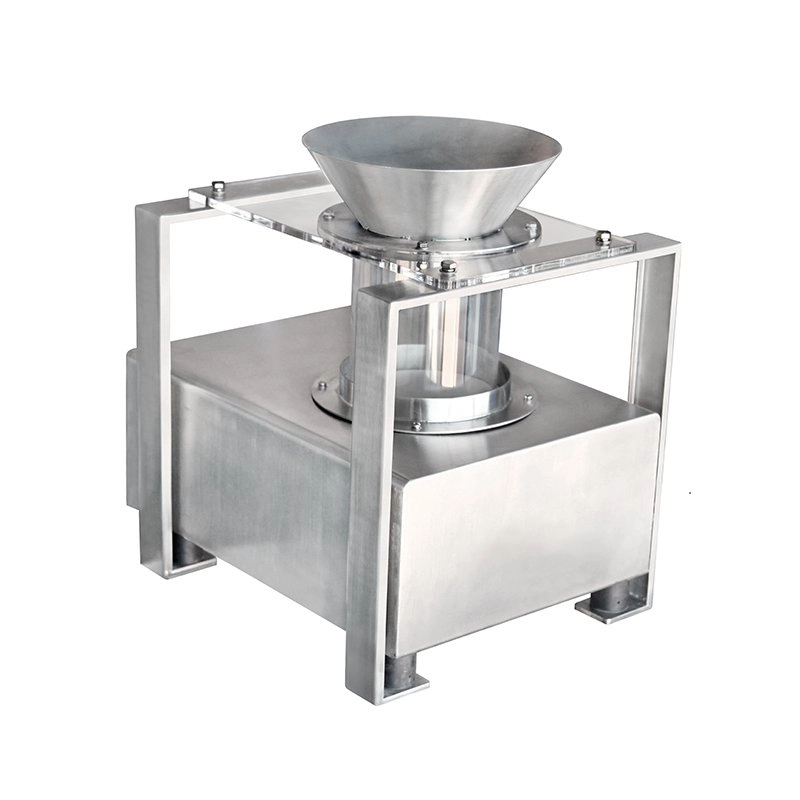
Dropped Metal Detector for Powder Granules For Food Industry
Enhance food safety with Kenwei’s Dropped Metal Detector for Powder Granules. This advanced food metal detector ensures precise detection in the food industry, safeguarding products and maintaining high quality standards throughout processing.
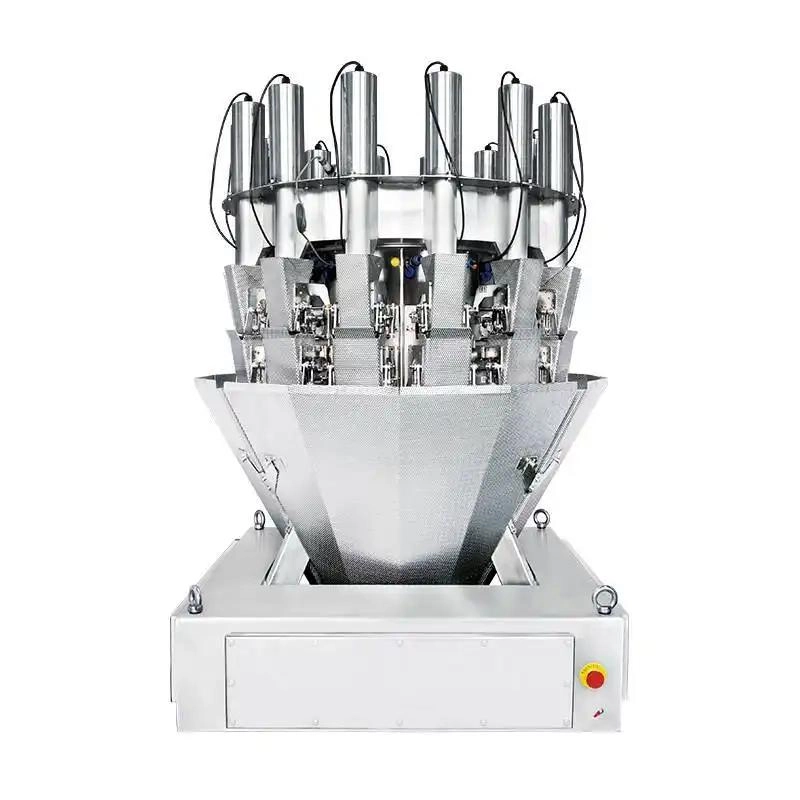
14 Heads Vertical Single Screw Feeding Pickles Weigher backups
This type of weigher is designed to handle the unique characteristics of pickles, ensuring precise measurements for packaging and distribution. It uses a vertical single screw mechanism to feed the pickles into the weighing system, allowing for efficient and consistent weighing. This technology is particularly useful in food processing and packaging facilities where precise portioning is essential for quality control and customer satisfaction. This specialized equipment is perfect for accurately measuring and dispensing pickles in a production line or packaging facility. The vertical design allows for efficient and precise filling of containers, while the single screw feeding mechanism ensures consistent and reliable weighing.
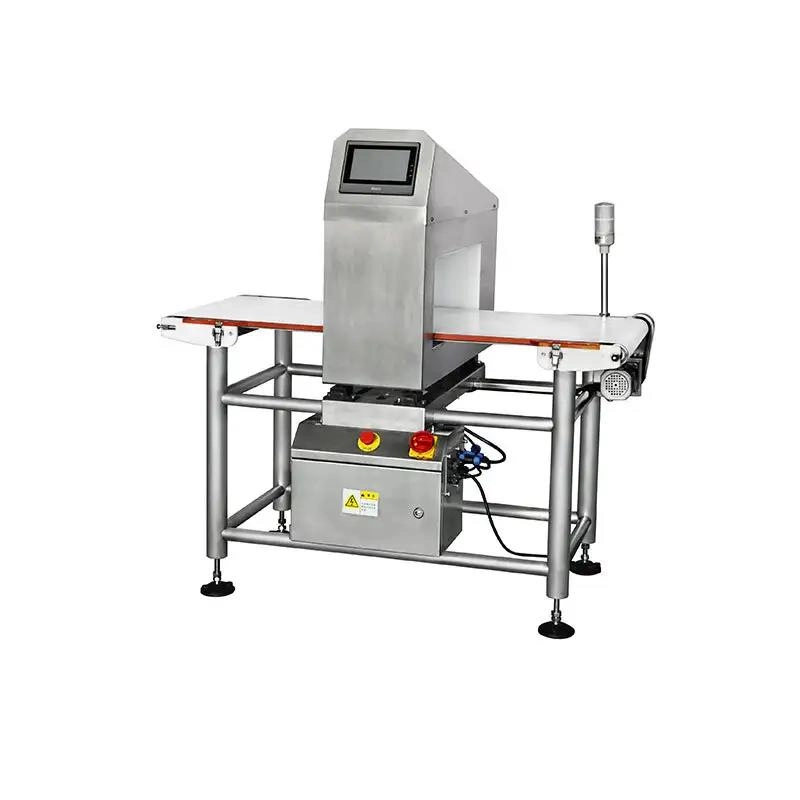
Food Metal Detector Manufacturer For Reject Defective Products G5020
The G5020 multi-frequency metal detector features a specialized conveyor belt designed to reduce contamination risks, ensure smooth operation, and maintain high detection sensitivity. It is easy to disassemble for convenient maintenance. Ideal for detecting metal contaminants in food, pharmaceuticals, spices, plastics, electronics, textiles, toys, handicrafts, and more.
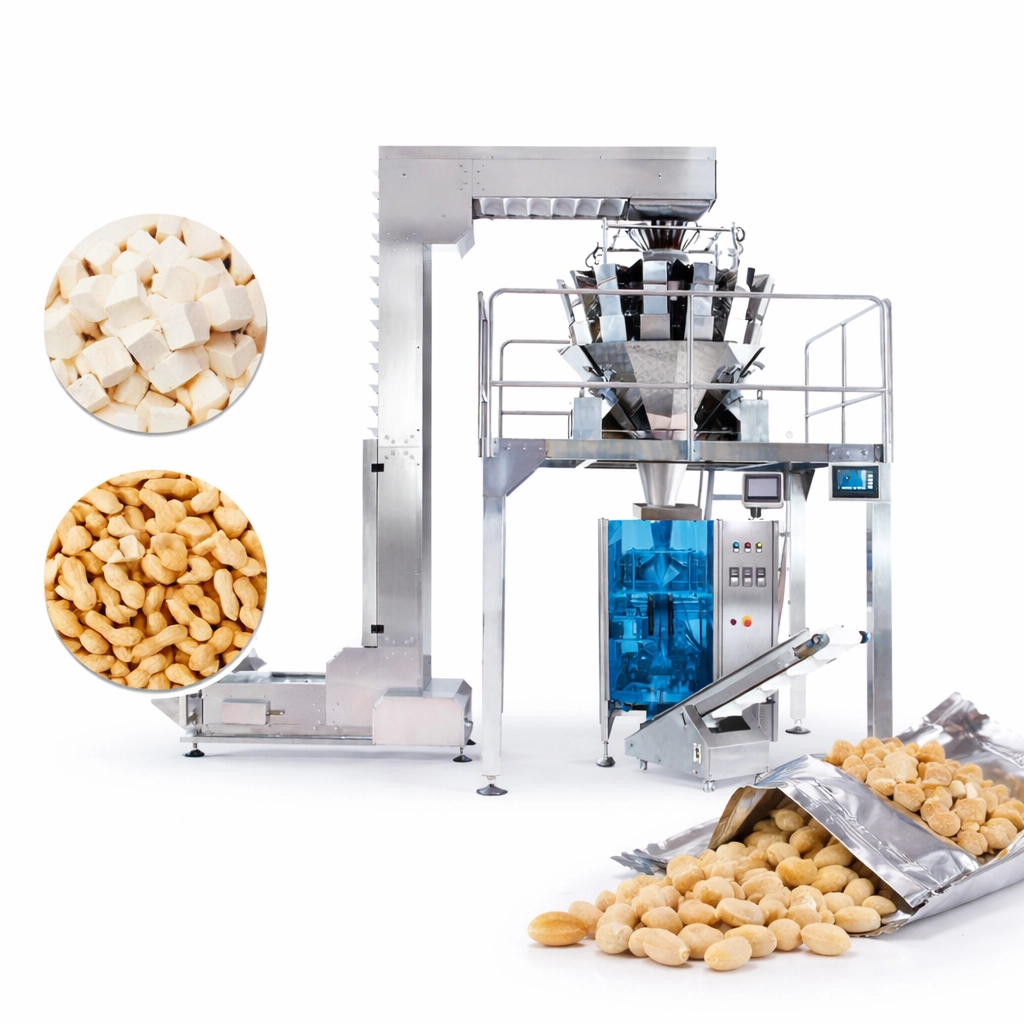
High-Precision Weighing & Packaging for Granular Products
The Granular Food Packing Machine is a fully automated solution designed for accurate weighing, filling, and packaging of various granular food products. Integrated with a multihead weigher and advanced packaging system, it ensures high speed, precision, and hygiene standards for modern food production.
Get in touch with us
If you have any comments or good suggestions, please leave us a message, later our professional staff will contact you as soon as possible.
Kenwei
Kenwei
Kenwei multi weigh
Kenwei
Kenwei
Kenwei