






How Food Metal Detectors Prevent Contamination in Production
This article explains how a metal detector for food industry operations prevents contamination, the principles of detection, installation and validation best practices, and how the Food Metal Detector Manufacturer For Reject Defective Products G5020 protects product safety and compliance.
- How Food Metal Detectors Prevent Contamination in Production
- What a metal detector for food industry actually does
- How food metal detectors work: the detection principle
- Common contaminant types and detection capability
- Introducing the Food Metal Detector Manufacturer For Reject Defective Products G5020
- Why multi-frequency metal detectors matter in the food industry
- Installation and integration: making metal detectors part of your HACCP plan
- Validation, calibration and routine testing
- Comparison: Metal detector vs X-ray inspection
- Common challenges and practical solutions
- Operational processes that maximize metal detector effectiveness
- How the G5020 supports compliance and minimizes contamination risk
- Brand advantages: why choose our G5020 for your food line
- Cost justification: reducing recall and warranty risk
- FAQ — Frequently Asked Questions
- Contact us / View product
- References and further reading
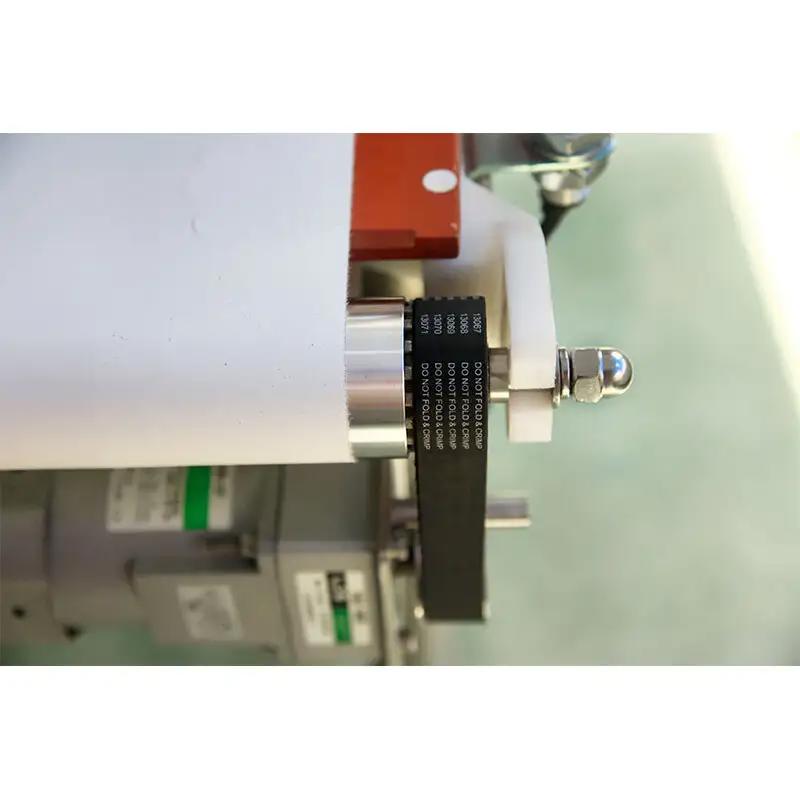
How Food Metal Detectors Prevent Contamination in Production
What a metal detector for food industry actually does
Metal detectors are a frontline defense in food safety systems. They detect unwanted metallic contaminants (ferrous, non-ferrous and some stainless steels) that can enter food during processing and packaging. By identifying contaminated items on the production line and automatically rejecting them, these systems reduce the risk of consumer injury, product recalls, and brand damage. In short, a correctly selected and maintained metal detector turns an invisible hazard into a controllable operational step. Understanding how food metal detectors prevent contamination in production is only the first step. To achieve full-line efficiency, manufacturers also need to focus on seamless equipment coordination, which is why integrating metal detectors with multihead weighers becomes a critical best practice in modern food processing lines.
How food metal detectors work: the detection principle
Metal detectors for food industry use electromagnetic fields to identify conductive and magnetic materials. A transmitter coil generates an alternating field; when a metal object passes through, it disturbs that field and induces signals in receiver coils. Signal processing electronics analyze the disturbance to determine the presence and approximate size of a contaminant. Modern systems use multi-frequency processing and digital filtering to improve sensitivity in difficult products (those with varying moisture, salt or density), reducing false rejects and missed contaminants.
Common contaminant types and detection capability
Typical contaminants include fragments of processing equipment (e.g., screws, weld splashes), packaging materials, or foreign objects introduced in handling. Detection sensitivity varies by metal type and product: ferrous metals are easiest to detect, while non-ferrous metals (aluminum, copper) and certain stainless steels are harder. Product characteristics (e.g., wet vs dry, homogeneous vs heterogeneous) also affect detection ranges. Properly configured systems and validation programs ensure consistent detection performance.
Introducing the Food Metal Detector Manufacturer For Reject Defective Products G5020
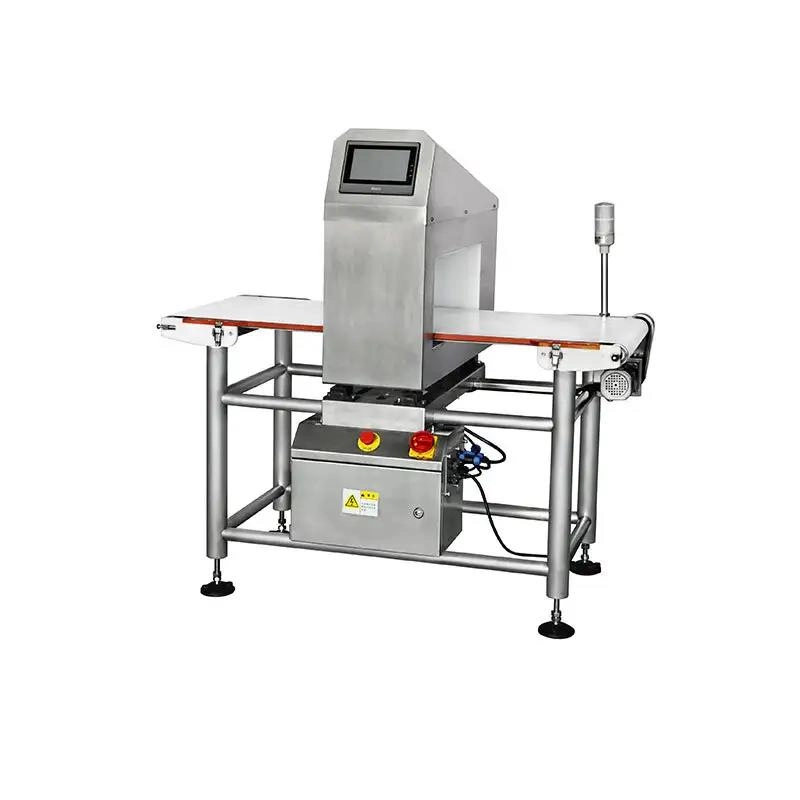
The G5020 multi-frequency metal detector features a specialized conveyor belt designed to reduce contamination risks, ensure smooth operation, and maintain high detection sensitivity. It is easy to disassemble for convenient maintenance. Ideal for detecting metal contaminants in food, pharmaceuticals, spices, plastics, electronics, textiles, toys, handicrafts, and more.
Why multi-frequency metal detectors matter in the food industry
Multi-frequency detectors sweep or operate on several frequencies simultaneously. This capability is important because different frequencies respond better to different metal types and product effects. For example:
- Low frequencies better detect larger ferrous items and are less affected by product mineralization.
- High frequencies improve detection of small non-ferrous contaminants in low-conductivity products.
By combining frequencies (as with the G5020), the system balances sensitivity and stability, improving detection in mixed and challenging products common in food lines.
Installation and integration: making metal detectors part of your HACCP plan
Installing a metal detector correctly is crucial. Key considerations include conveyor speed and stability, product presentation (single-file vs bulk), grounding, and the proximity of motors or other electromagnetic noise sources. A metal detector should be placed after all metal-forming operations and before final packing to maximize the chance of detecting process-generated debris. Integration into your Hazard Analysis and Critical Control Points (HACCP) or Food Safety Plan should define rejection logic, record-keeping, alarm responses, and corrective actions.
Validation, calibration and routine testing
To ensure ongoing performance, follow a documented validation and verification program. Typical steps include:
- Initial sensitivity validation using industry-standard test pieces representing ferrous, non-ferrous and stainless contaminants at known sizes.
- Daily or shift-start product tests (e.g., test pieces passed through the detector) recorded in logs for audit purposes.
- Periodic calibration and environmental noise checks, plus re-validation when process changes (new product, conveyor changes) occur.
Maintaining traceable test records supports compliance with food safety standards (BRCGS, SQF, ISO 22000) and helps during audits.
Comparison: Metal detector vs X-ray inspection
Many food manufacturers use metal detectors and X-ray systems together because they complement each other. The table below summarizes strengths and trade-offs.
| Feature | Metal Detector | X-ray Inspection |
|---|---|---|
| Best for | Metal contaminants (ferrous, non-ferrous, some stainless) | Dense contaminants (stone, glass, high-density foreign matter), some plastics |
| Sensitivity to small metal pieces | Very high (particularly multi-frequency systems) | Lower than metal detectors for thin small metals |
| Effect of product effect (wet/salty/mineralized) | Can be significant; multi-frequency reduces impact | Less affected by product effect |
| Cost | Generally lower CAPEX and OPEX | Higher CAPEX and maintenance costs |
| Typical use | Primary metal screening on lines | Final check for dense non-metallic contaminants and complex packages |
Sources for the comparison are industry whitepapers and regulatory guidance (see citation list below).
Common challenges and practical solutions
Manufacturers often face these issues:
- False rejects caused by product effect — mitigate by using appropriate frequency profiles, product compensation and stable conveyor design.
- Missed contaminants due to poor product presentation — ensure consistent single-file presentation or stable bulk flow and correct conveyor aperture size.
- Electromagnetic interference (EMI) — route motors and power cables away from detector head, and ensure correct earth grounding.
- Poor record-keeping — use detectors with integrated data-logging and network connectivity for audit trails.
Design choices like the G5020’s specialized conveyor belt and easy disassembly directly address many of these practical problems by improving product presentation, hygiene, and maintenance access.
Operational processes that maximize metal detector effectiveness
To get the most from a metal detector for food industry use, implement these operational controls:
- Standard Operating Procedures (SOPs) for startup, end-of-shift checks, and after maintenance.
- Daily test-piece routines with records retained for audits.
- Training programs for line operators and maintenance staff on sensitivity settings, reject verification and basic troubleshooting.
- Routine preventive maintenance: belt cleaning, mechanical alignment, and software backups.
These steps reduce downtime and ensure sustained detection performance across product runs.
How the G5020 supports compliance and minimizes contamination risk
The Food Metal Detector Manufacturer For Reject Defective Products G5020 is designed with production realities in mind. Its multi-frequency electronics improve detection across a wide range of product types. The conveyor is optimized to minimize product interference and to be easily removed for cleaning—reducing cross-contamination risk. Built-in reject mechanisms and data logging help manufacturers meet regulatory and retail compliance requirements by providing traceable records of rejected product events and system checks.
Brand advantages: why choose our G5020 for your food line
When selecting a supplier, reliability, after-sales service, and proven performance are decisive. Key brand advantages include:
- Industry-tailored design — the G5020 was engineered specifically to address the typical contamination sources and operational needs of food, pharma and spice processors.
- Multi-frequency detection technology — improved sensitivity in challenging products and reduced false rejects.
- Hygienic, easy-to-maintain mechanics — fast disassembly reduces downtime and supports GMP cleaning routines.
- Comprehensive documentation and validation support — we provide test certificates, SOP templates and training to help you pass audits and meet standards like BRCGS, SQF and ISO 22000.
- Global support network — spare parts availability and local service technicians to minimize production interruptions.
Cost justification: reducing recall and warranty risk
Investing in reliable metal detection can be cost-effective. A single contamination-related recall can cost hundreds of thousands to millions of dollars depending on the size of the recall, product type and regulatory fines. By preventing contaminated product from reaching consumers, metal detectors protect revenue and brand value. When evaluating ROI, include avoided recall cost, reduced returns, lower insurance High Qualitys, and improved retailer confidence in supplier audits.
FAQ — Frequently Asked Questions
Q: What sizes of metal can the G5020 detect?
A: Detection size depends on metal type (ferrous, non-ferrous, stainless), product characteristics and conveyor aperture. During installation we validate sensitivity using standardized test pieces to determine exact detection thresholds for your products.
Q: Can metal detectors find non-metal contaminants?
A: No — metal detectors are optimized for metallic contaminants. Use X-ray inspection alongside metal detectors to detect dense non-metallic contaminants (glass, stone) and certain plastics.
Q: How often should we test and calibrate?
A: Daily functional checks using test pieces are industry best practice. Full calibration and re-validation should occur after maintenance, product changes, or as part of scheduled preventive maintenance (typically quarterly or semi-annually depending on production intensity).
Q: Will product moisture or salt content cause false rejects?
A: High moisture and salt can cause product effect that raises the baseline signal. Multi-frequency systems like the G5020 and proper product compensation reduce false rejects. Site-specific tuning during installation is crucial.
Q: Is the G5020 suitable for pharmaceutical or spice lines?
A: Yes. The G5020 is suitable for food, pharmaceuticals, spices and other industries listed in the product description. Its hygienic design and validation support make it appropriate for regulated environments.
Contact us / View product
If you want to minimize contamination risk and improve compliance, contact our sales team to schedule a line survey, request a demo, or receive a quotation for the Food Metal Detector Manufacturer For Reject Defective Products G5020. For immediate assistance, email sales@example.com or call +1-800-000-0000. To view full product specifications and datasheets, request a product pack from our team.
References and further reading
- U.S. Food & Drug Administration (FDA) — Food Safety Modernization Act (FSMA) and Preventive Controls guidance: https://www.fda.gov/food
- Mettler-Toledo Safeline — Metal Detection Guide and Whitepapers (industry reference on metal detector principles and validation): https://www.mt.com
- BRCGS — Global Standard for Food Safety (guidance on foreign body control and validation): https://www.brcgs.com
- Codex Alimentarius — general food safety principles and HACCP guidance: http://www.fao.org/fao-who-codexalimentarius
Note: Specific detection performance (e.g., minimum detection diameter for each metal type) should be validated on-site with your actual product, conveyor geometry and production speed. Our team will help perform these tests and provide written validation documentation.
Tags
snack packaging machine
snack packaging machine
food and medical packaging machines
food and medical packaging machines
kenwei multihead weigher
kenwei multihead weigher
automatic premade pouch packing machine for sale
automatic premade pouch packing machine for sale
packaging machines for food
packaging machines for food
cheese packing machine
cheese packing machine
Recommended for you
The meat metal detector machine Cost Guide

Compliance and Safety Considerations for Food Packaging Machines
The B2B Buyer’s Guide to linear combination weigher
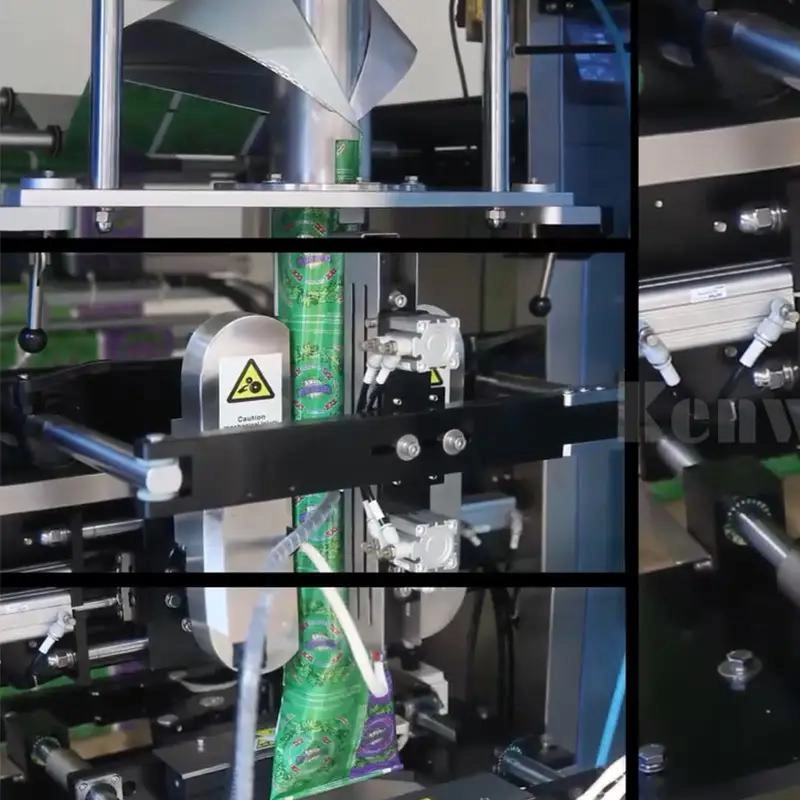
How Economic VFFS Improves Line Efficiency and Throughput
Prdoucts Categories
Question you may concern
About Price and payment
How do I make a payment for Kenwei machines?
We accept several payment methods: T/T, Letter of Credit (L/C)
About Solution suggestions
Can Kenwei solutions be used for both manual and automated packing lines?
Yes, Kenwei machines can be used in both manual and automated packing lines. We can provide integrated systems that work alongside manual labor or fully automated systems depending on your production requirements.
About Logistics
How long does logistics delivery take?
Shipping times depend on your location and the shipping method you choose. Generally speaking, international shipping can take anywhere from a few weeks to a few months.
About Cooperation Process
How to operate it?
Many languages are available for global markets. There are not only detailed instructions, but also machine video for reference learning.
About Product choice
How do I choose the right product for my business?
Choosing the right machine depends on several factors:
Product Type: Different machines are suited for different products (e.g., powder, granules, etc.).
Production Capacity: Consider the volume of products you need to process and the speed requirements.
Customization: If you have specific needs, such as the need for unique features or sizes, we offer customization options.
You may also like
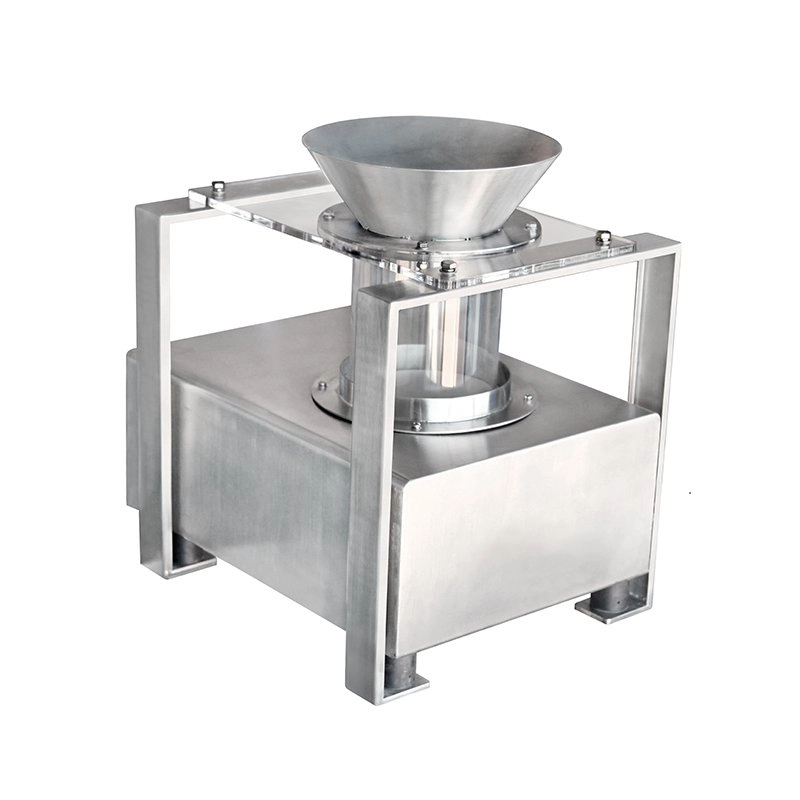
Dropped Metal Detector for Powder Granules For Food Industry
Enhance food safety with Kenwei’s Dropped Metal Detector for Powder Granules. This advanced food metal detector ensures precise detection in the food industry, safeguarding products and maintaining high quality standards throughout processing.
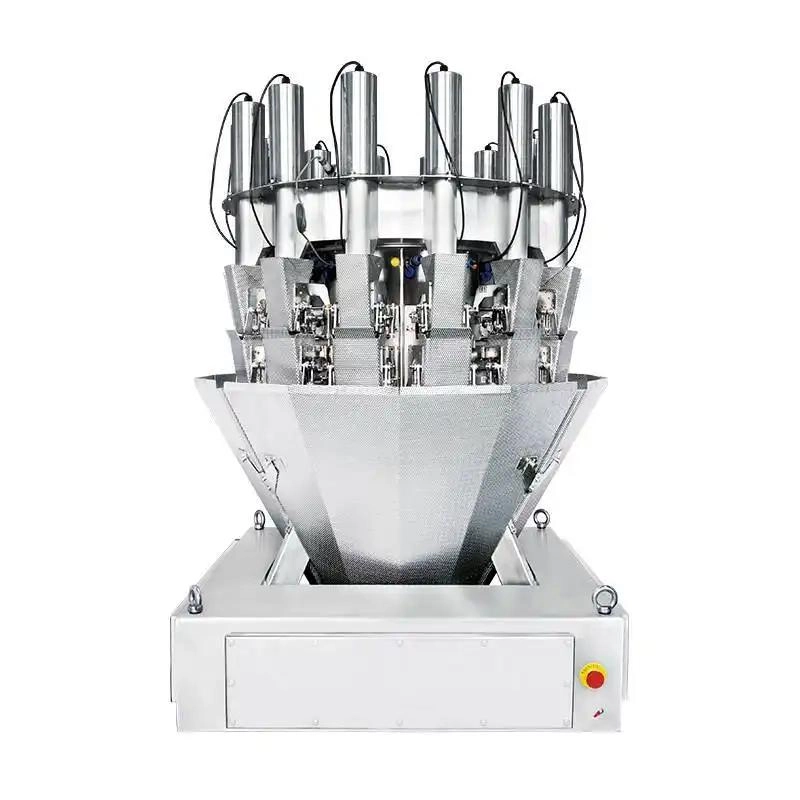
14 Heads Vertical Single Screw Feeding Pickles Weigher backups
This type of weigher is designed to handle the unique characteristics of pickles, ensuring precise measurements for packaging and distribution. It uses a vertical single screw mechanism to feed the pickles into the weighing system, allowing for efficient and consistent weighing. This technology is particularly useful in food processing and packaging facilities where precise portioning is essential for quality control and customer satisfaction. This specialized equipment is perfect for accurately measuring and dispensing pickles in a production line or packaging facility. The vertical design allows for efficient and precise filling of containers, while the single screw feeding mechanism ensures consistent and reliable weighing.
Food Metal Detector Manufacturer For Reject Defective Products G5020
The G5020 multi-frequency metal detector features a specialized conveyor belt designed to reduce contamination risks, ensure smooth operation, and maintain high detection sensitivity. It is easy to disassemble for convenient maintenance. Ideal for detecting metal contaminants in food, pharmaceuticals, spices, plastics, electronics, textiles, toys, handicrafts, and more.
High-Precision Weighing & Packaging for Granular Products
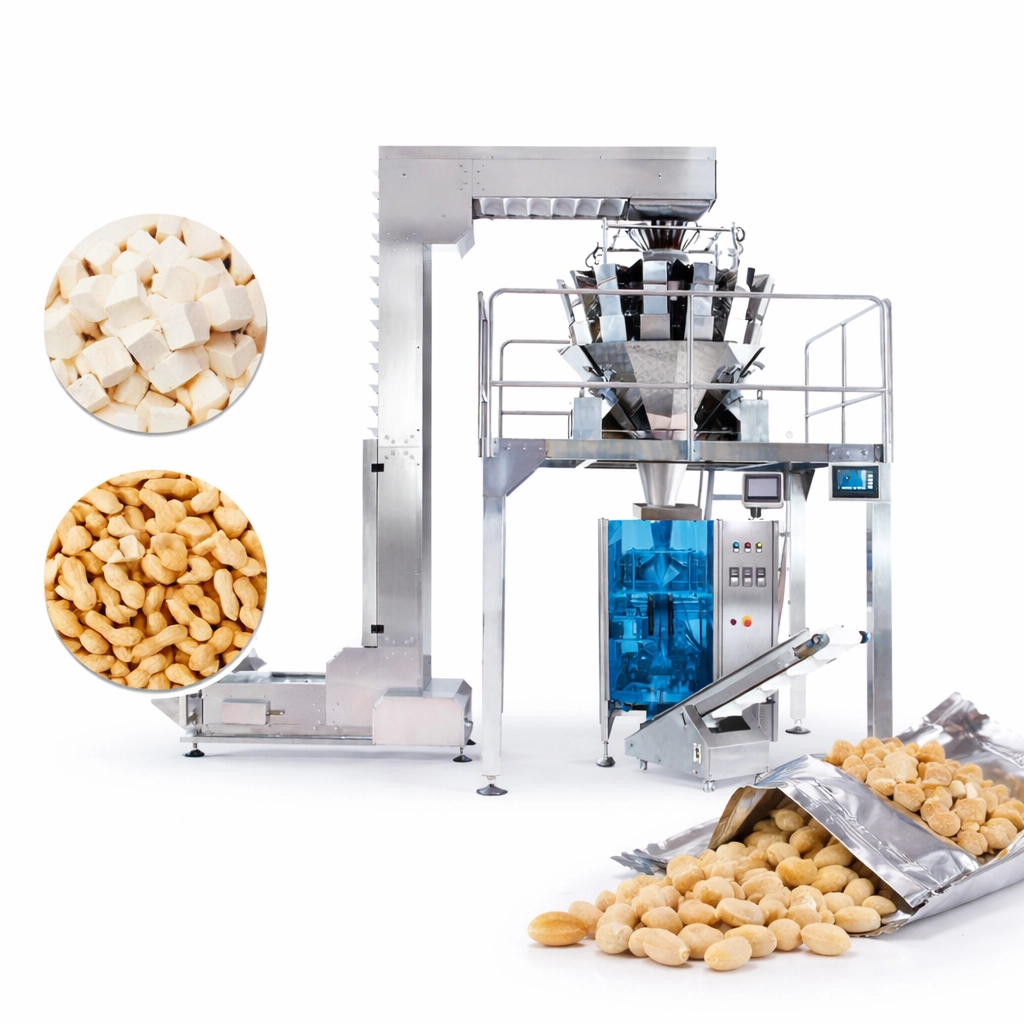
The Granular Food Packing Machine is a fully automated solution designed for accurate weighing, filling, and packaging of various granular food products. Integrated with a multihead weigher and advanced packaging system, it ensures high speed, precision, and hygiene standards for modern food production.
Get in touch with us
If you have any comments or good suggestions, please leave us a message, later our professional staff will contact you as soon as possible.
Kenwei
Kenwei
Kenwei multi weigh
Kenwei
Kenwei
Kenwei