






Compliance and Safety Considerations for Food Packaging Machines
This article examines compliance and safety best practices for food packaging machines, focusing on the Fully Automatic Cup Weighing and Packaging Machine for Snack Foods JW-B23. It covers regulatory frameworks (FDA, ISO, EU), hygienic design, machine safety, traceability, allergen control, validation, and practical steps to ensure your automated packaging line meets modern food safety and equipment-safety expectations.
- Design and Hygienic Construction for Food Packaging Machines
- Hygienic materials and surface finishes
- Cleanability and CIP/maintenance access
- Hygienic design standards and references
- Regulatory Frameworks and Certification
- Global food safety regulations (FDA, EU)
- Machinery safety standards (ISO/EN)
- Third-party certifications and audits
- Operational Controls: HACCP, Traceability, and Allergen Management
- HACCP integration for packaging operations
- Traceability and data capture
- Allergen segregation and cross-contact prevention
- Machine Safety, Validation, and Performance Qualification
- Risk assessment and protective measures
- Performance verification and acceptance testing
- Preventive maintenance and spare parts strategy
- Practical Implementation: JW-B23 Case Study and Best Practices
- JW-B23 overview and safety-relevant features
- Applying compliance controls to JW-B23
- Example performance and acceptance checklist
- Monitoring, Documentation and Continuous Improvement
- Data-driven quality monitoring
- Document control and operator training
- Continuous improvement and supplier collaboration
- References and Authoritative Guidance
- Frequently Asked Questions (FAQ)
- Q: What certifications should I request for a food packaging machine?
- Q: How often should I calibrate the multihead scale?
- Q: Can the JW-B23 handle multiple cup sizes and recipes securely?
- Q: What are common causes of contamination on packaging lines and how to prevent them?
- Q: How do I ensure traceability for recalled lots produced on this equipment?
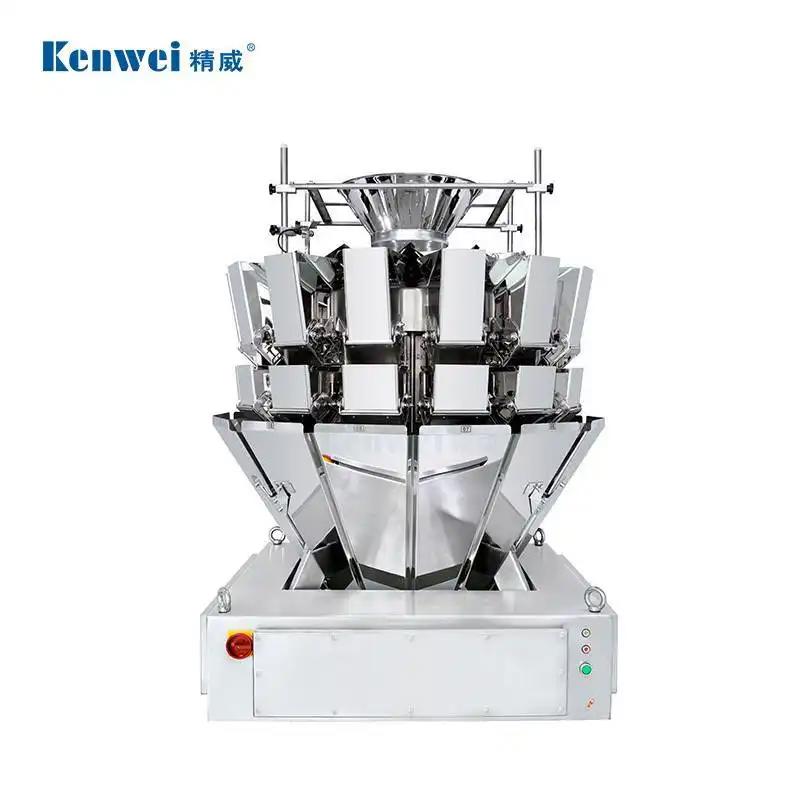
This overview highlights key compliance and safety requirements for food packaging machines to support indexing: operators and manufacturers must consider food safety management systems, machine safety standards, hygienic design, material compatibility, traceability, and preventive maintenance when deploying automated packaging equipment such as multihead weighers and cup fillers. Implementing documented procedures aligned with ISO 22000, HACCP, and regional regulations (e.g., FDA FSMA, EU food law) improves product safety, reduces recall risk, and helps secure market access.
When considering the compliance and safety considerations for food packaging machines, one must also look at how these aspects directly impact the ROI of automating snack packaging with the JW-B23. Adhering to industry regulations and maintaining safety standards not only ensures operational integrity but also maximizes the machine’s performance and longevity. By focusing on compliance, you can prevent costly disruptions and repairs, thereby enhancing the return on investment for your automated packaging system.
Design and Hygienic Construction for Food Packaging Machines
Hygienic materials and surface finishes
Material selection is foundational for any food packaging machine. Stainless steel (AISI 304/316) is the industry standard for contact parts due to corrosion resistance and cleanability. Surfaces in contact with food should be smooth, with welds fully ground or polished to avoid crevices where product or biofilm can accumulate. Seal materials (elastomers) must be food-grade and compatible with cleaning chemicals and temperatures.
Cleanability and CIP/maintenance access
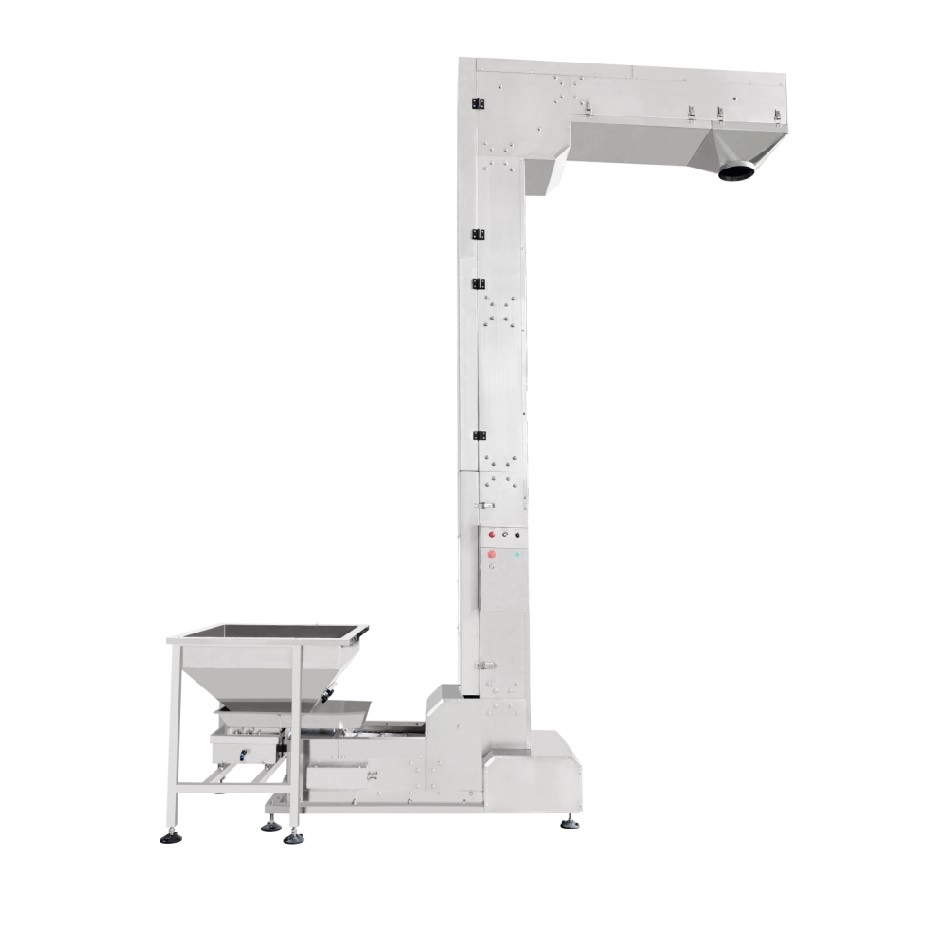
Machines must be designed to be easily disassembled or to support clean-in-place (CIP) operations where appropriate. Accessible fasteners, hinged guards, and modular components reduce downtime during sanitation. For the Fully Automatic Cup Weighing and Packaging Machine for Snack Foods JW-B23, ensure the vibrating feeder, Z-type conveyor, 14-head combination scale, and cup mold conveyor are accessible for inspection and cleaning to maintain hygiene and reduce foreign body risks.
Hygienic design standards and references
Adopt recognized guidance such as ISO 22002-1 (prerequisite programs on food safety), and machine-specific hygiene guidance from authoritative bodies. Industry guidance improves compliance with local regulations and supports customer audits. See ISO food safety family: ISO 22000.
Regulatory Frameworks and Certification
Global food safety regulations (FDA, EU)
Manufacturers and processors must comply with relevant regional regulations. For US market access, align with the Food Safety Modernization Act (FSMA) and Current Good Manufacturing Practice (CGMP) rules (see FDA FSMA). In the EU, compliance with the General Food Law and food contact materials regulations is required. Early regulatory alignment reduces rework and supports market acceptance.
Machinery safety standards (ISO/EN)
Packaging equipment must meet machinery safety standards to protect operators. Key standards include ISO 12100 (general principles of machine safety), ISO 13849 (control system safety), and regional CE marking directives in Europe. Applying these standards ensures appropriate risk assessment, protective measures, and documentation for safe integration into production lines.
Third-party certifications and audits
Certifications such as ISO 22000 for food safety management, HACCP-based certifications, and supplier audits are often required by retailers and co-packers. Independent verification (third-party audits) enhances credibility and demonstrates that the equipment and its processes support safe food handling.
Operational Controls: HACCP, Traceability, and Allergen Management
HACCP integration for packaging operations
Hazard Analysis and Critical Control Points (HACCP) should extend to packaging operations. For cup filling and sealing machines like the JW-B23, identify critical control points such as contamination during filling, foreign material ingress, and capping integrity. Define control measures (e.g., filtration, metal detection, visual inspection) and monitoring activities.
Traceability and data capture
Traceability on packaging lines is essential for rapid response to product issues. Embed serialization, batch coding, and label verification systems in the packaging machine to capture lot codes, production timestamps and machine parameters. Digital logging aids root-cause analysis and supports regulatory tracebacks. Modern combination scales and controllers can export production records for HACCP logs and FSMA documentation.
Allergen segregation and cross-contact prevention
For snack food lines that process multiple SKUs, allergen control is vital. Implement physical segregation, validated clean-down procedures, and scheduling strategies (e.g., run allergen-free SKUs first). Use clear labeling and control of shared equipment components (scoops, hoppers) to minimize cross-contact risk.
Machine Safety, Validation, and Performance Qualification
Risk assessment and protective measures
Conduct a machine-specific risk assessment per ISO 12100 to identify mechanical, electrical, thermal, and ergonomic hazards. Install guards, interlocks, emergency stops, and fail-safe controls. For electrical safety and control systems, reference ISO 13849 to design safety-related control functions and achieve the required performance level (PL).
Performance verification and acceptance testing
Before full-scale production, perform factory acceptance tests (FAT) and site acceptance tests (SAT). Validate critical parameters: weighing accuracy of the 14-head combination scale, cup placement precision, fill weight consistency, capping torque, and sealing integrity. Document results and acceptance criteria for customer records.
Preventive maintenance and spare parts strategy
Implement a preventive maintenance plan that includes scheduled calibration of weigh heads, inspection of wear parts (belts, vibratory channels), and software backups. Maintain a critical spares inventory to minimize downtime. Regular calibration ties directly to compliance for net weight and labeling requirements.
Practical Implementation: JW-B23 Case Study and Best Practices
JW-B23 overview and safety-relevant features
Product: Fully Automatic Cup Weighing and Packaging Machine for Snack Foods JW-B23
Description:
The system consists of a vibrating feeder, a Z-type conveyor, a 14-head combination scale, a material diverter, an automatic cup drop device, a cup mold conveyor, a capping machine and a finished product conveying device. It has high-precision filling capabilities and is suitable for a variety of mold cup combinations. It can realize fully automatic operations of feeding, weighing, filling, bag making, printing and finished product output, and is suitable for a wide range of materials with high production efficiency.
Applying compliance controls to JW-B23
Key steps to ensure JW-B23 meets safety and compliance expectations:
- Document the machine's materials and provide Certificates of Conformity for food-contact parts.
- Integrate a metal detector or X-ray downstream to detect foreign materials post-filling.
- Configure the control system with secure data logging for traceability and to satisfy FSMA record-keeping.
- Validate clean-down procedures for the vibrating feeder and cup conveyor to demonstrate allergen and pathogen control.
Example performance and acceptance checklist
Below is a concise checklist to use during FAT/SAT for JW-B23.
| Item | Test / Acceptance Criteria | Reference |
|---|---|---|
| Weighing accuracy | Within ± permissible tolerance per product spec across 100 cycles | Calibration certificate; ISO 22000 guidance |
| Cup placement & sealing | 100% seal integrity; no pinholes; vacuum/pressure test pass | Visual and leak test |
| Traceability data | Batch codes printed and logged; exportable reports | FSMA & customer requirements |
| Safety guards & interlocks | All guards in place; interlocks prevent operation when open | ISO 12100, ISO 13849 |
| Cleanability | Components accessible; clean-down validated | HACCP/ISO 22002-1 |
Monitoring, Documentation and Continuous Improvement
Data-driven quality monitoring
Automated packaging equipment should provide real-time metrics: fill weight distribution, rejects, cycle counts, and downtime logs. Use statistical process control (SPC) to detect drift and trigger corrective actions before non-conforming product is produced.
Document control and operator training
Maintain controlled documentation: operating procedures, cleaning protocols, validation reports, and maintenance logs. Regularly train operators on safe use, sanitation, and emergency procedures. Training records are often reviewed in customer and regulatory audits.
Continuous improvement and supplier collaboration
Work with machine suppliers to implement software updates, retrofit safety improvements, and refine process controls. Collaboration reduces lifecycle risk and helps keep packaging lines aligned with evolving regulations and market requirements.
References and Authoritative Guidance
For regulatory and standards guidance consult the following authoritative sources:
- FDA Food Safety Modernization Act (FSMA)
- ISO 22000 — Food safety management systems
- ISO 12100 — Safety of machinery — General principles
- Multihead weigher (Wikipedia)
- WHO — Food safety
Frequently Asked Questions (FAQ)
Q: What certifications should I request for a food packaging machine?
A: Request documentation for food-contact materials (certificates of conformity), machine safety standards compliance (e.g., ISO 12100, ISO 13849), and functional validation results (weighing accuracy, sealing tests). For the production facility, ISO 22000/HACCP certification and third-party audit reports are valuable.
Q: How often should I calibrate the multihead scale?
A: Calibration frequency depends on usage and regulatory requirements; a common schedule is monthly operational checks with full calibration quarterly or when there is a process change. Maintain calibration certificates and perform verification checks after maintenance or part replacement.
Q: Can the JW-B23 handle multiple cup sizes and recipes securely?
A: Yes — the JW-B23 supports a variety of mold cup combinations. For secure transitions between SKUs, validate changeover procedures, confirm cleaning steps to prevent cross-contact, and document recipe parameters in the machine control system for repeatability.
Q: What are common causes of contamination on packaging lines and how to prevent them?
A: Common causes include poor cleanability, worn seals, ingress points in conveyors, and operator errors. Prevention combines hygienic design, validated sanitation procedures, protective enclosures, and staff training. Integrate in-line detection (metal/X-ray) for added protection.
Q: How do I ensure traceability for recalled lots produced on this equipment?
A: Implement batch coding, link production data (machine ID, batch, shift, parameters) to your ERP or MES, and maintain exportable logs. Having automated logging on the JW-B23 simplifies trace-back and reduces response time in recall scenarios.
Contact our technical sales team to discuss compliance-ready configurations of the Fully Automatic Cup Weighing and Packaging Machine for Snack Foods JW-B23 or to schedule a factory acceptance test. View product details and request a quote: See JW-B23 product page or contact sales.
Tags
Weigher Packaging System
Weigher Packaging System
multihead weigher supplier
multihead weigher supplier
Rotating Collecting Tables for Packaging Machine Line
Rotating Collecting Tables for Packaging Machine Line
automatic packaging machine
automatic packaging machine
machine to vacuum pack food
machine to vacuum pack food
metal detector for food
metal detector for food
Recommended for you
Reduce Product Giveaway with Precision Weighing JW-B23
The latest trends for automatic check weighing equipment
Integrating Multihead Weighers with Food Packing Machines
Why choose a Rotary Packing Machine for high-speed lines
Prdoucts Categories
Question you may concern
About After Sales Support
How about the after-sales service?
Warranty :2 years
About Logistics
How are large machines handled during shipping?
Large machines are typically shipped via sea freight using containerized shipping.
About Product choice
How do I choose the right product for my business?
Choosing the right machine depends on several factors:
Product Type: Different machines are suited for different products (e.g., powder, granules, etc.).
Production Capacity: Consider the volume of products you need to process and the speed requirements.
Customization: If you have specific needs, such as the need for unique features or sizes, we offer customization options.
About Cooperation Process
What information is needed to get a quote from Kenwei?
For us to provide an accurate quote, please provide the following details:
Type of machinery you are interested in (e.g., multi-head weighers, metal detectors, etc.)
Specifications and customization requirements (e.g., capacity, speed, size, etc.)
Your intended application and industry
Quantity of machines required
Delivery location
What is the lead time for product delivery?
The lead time depends on the complexity of the order and the level of customization required. Typically, our products are shipped within 4-8 weeks after receiving the order confirmation. However, this can vary, and we will provide an estimated delivery date when you place your order.
You may also like
Precision Linear Weigher for Weighing Powder & Small Granules
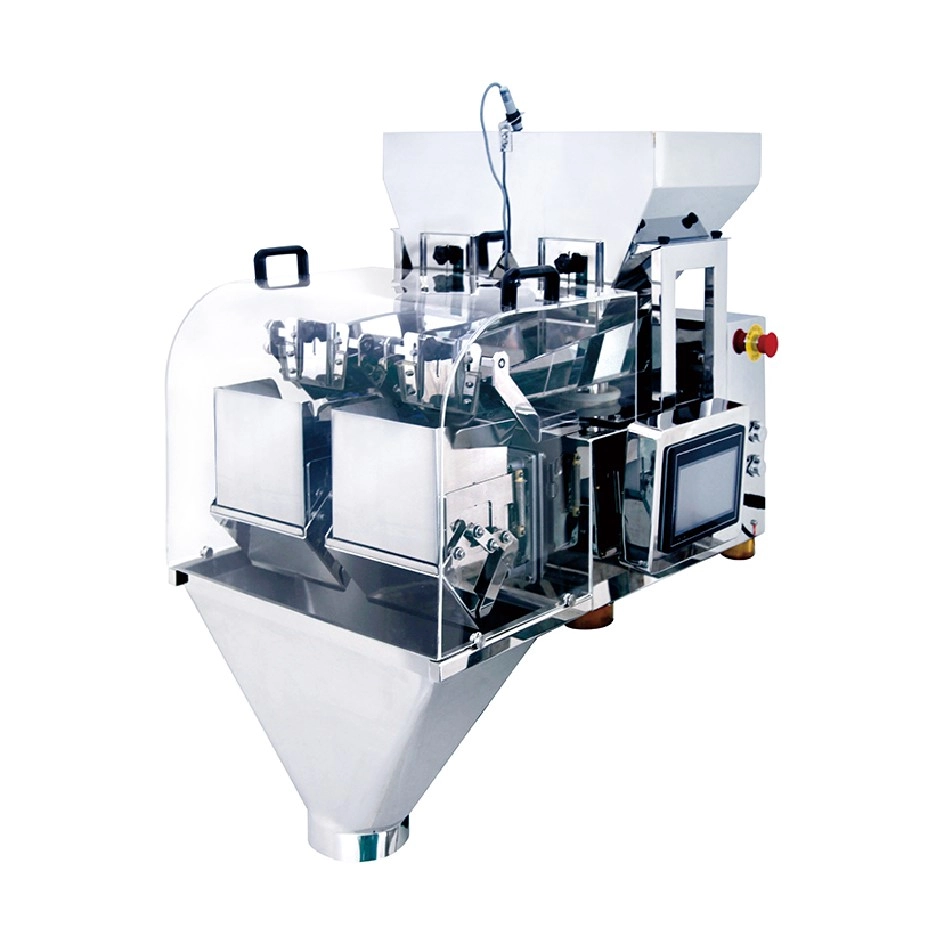
The linear weigher is perfect for precise, quantitative weighing of powdery and small granular materials such as white sugar, salt, monosodium glutamate, chicken essence, milk powder, coffee, seasoning powder, and more. Available in up to 5 different specifications, this linear scale offers a maximum weighing speed of up to 70 bags per minute, making it the top choice for accurately weighing powdery materials in high-speed production environments.
Precision Food Packaging Machine Using Single Head Bulk Linear Weigher Packaging System JW-B22
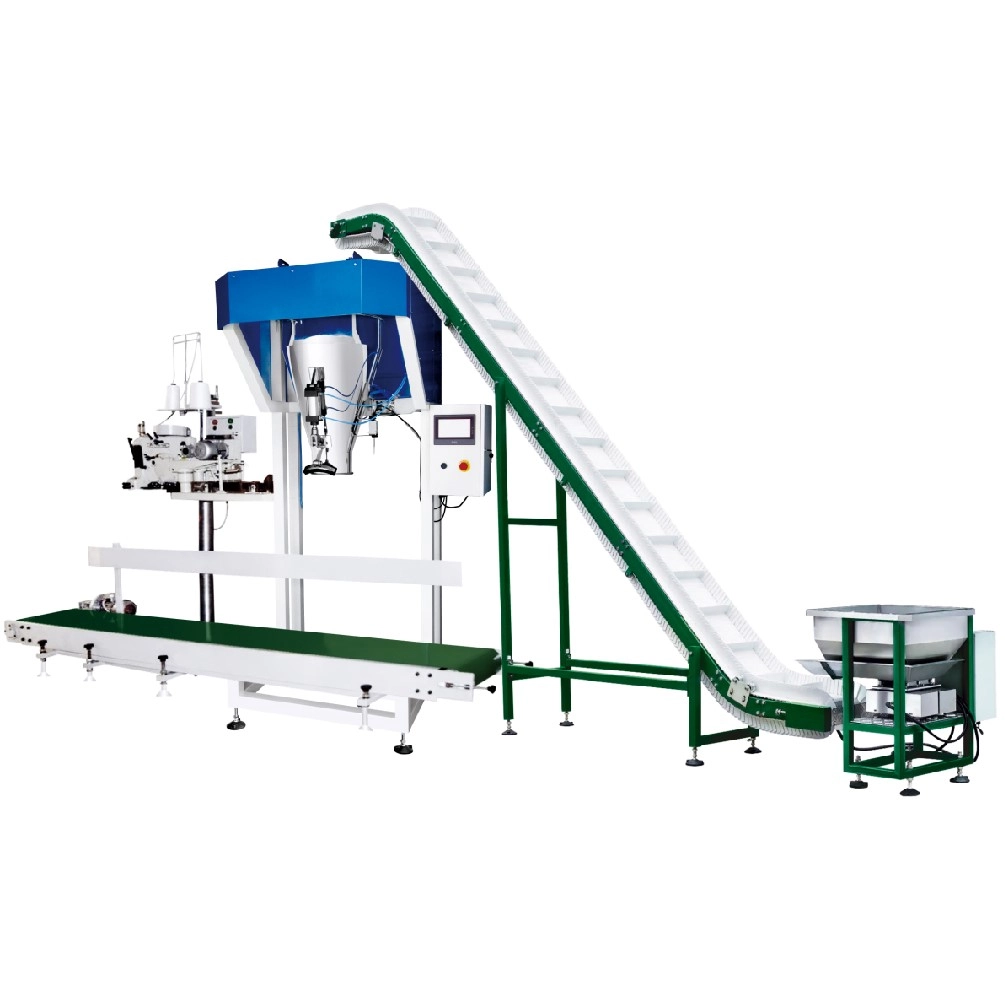
The Kenwei JW-B22 Precision Food Packaging Machine with Single Head Bulk Linear Weigher is designed for heavy-duty weighing up to 50kg. It automates feeding, weighing, bag sewing, and output for maximum efficiency. Ideal for grains like corn, rice, soybeans, barley, and wheat, it ensures high accuracy and reliability for the food, chemical, and light industries, making it the top choice for bulk grain packaging.
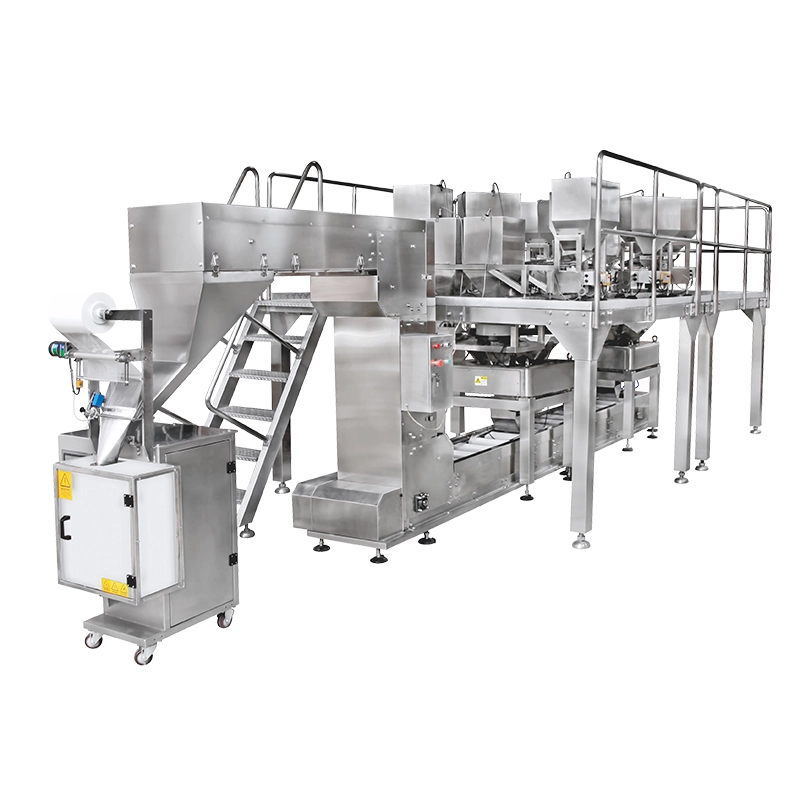
JW-B28 Multihead Weigher Mixing & Weighing System for Food Packaging | High-Speed, Accurate, Automated
The Kenwei JW-B26 Single Multihead Weigher Mixing and Packaging System offers fully automated operation, completing feeding, weighing, filling, date printing, and product output with high accuracy and speed. Ideal for granules, slices, irregular shapes, and mixed products like candy, nuts, snacks, pet food, and even small hardware. Its versatility and precision make it a perfect solution for diverse packaging needs.
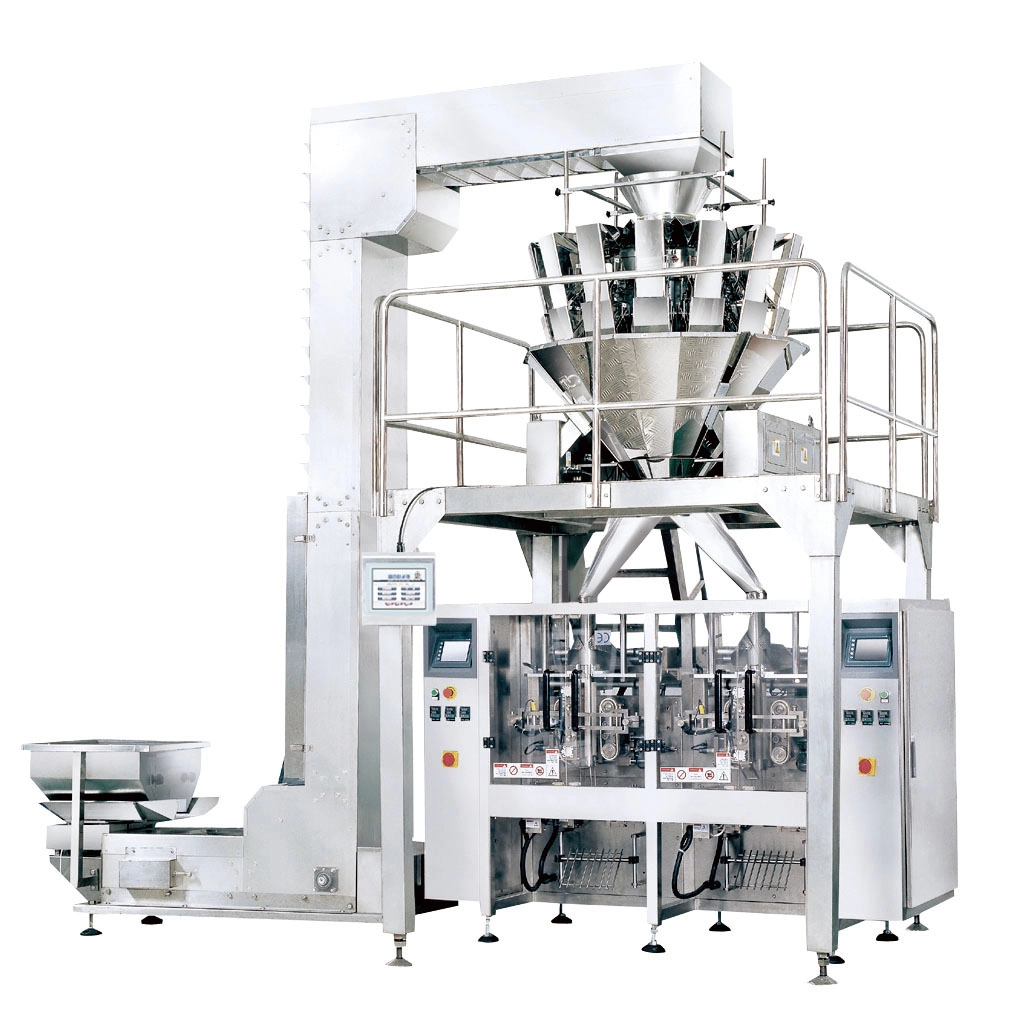
Fully Automatic Twin Packaging Machine for Granules Snack Foods Weighing JW-B2
Kenwei's JW-B2 Fully Automatic Twin Packaging Machine boasts 14-head multihead weighing for precise granule and snack food packaging. This high-speed automatic packaging machine offers efficient twin-packaging, maximizing your production output. Ideal for food manufacturers seeking enhanced speed and accuracy.
Get in touch with us
If you have any comments or good suggestions, please leave us a message, later our professional staff will contact you as soon as possible.
Kenwei
Kenwei
Kenwei multi weigh
Kenwei
Kenwei
Kenwei