






The 4 head linear weigher Cost Guide
A practical, SEO-optimized cost guide for buyers of 4 head linear weighers. Covers what affects price, realistic price ranges, total cost of ownership, ROI examples, buying tips, and how Kenwei delivers value through customized solutions.
- Introduction: Why this 4 head linear weigher cost guide matters
- What is a 4 head linear weigher?
- Key cost drivers when buying a 4 head linear weigher
- 1) Capacity and speed: packs-per-minute and hopper size
- 2) Accuracy and load cell quality
- 3) Construction materials and hygiene level
- 4) Control system, HMI and software
- 5) Feeding system and product handling
- 6) Integration and customization
- 7) Certifications, testing and warranty
- Typical price ranges for a 4 head linear weigher (realistic market expectations)
- Budget entry models: $6,000–$15,000
- Mid-range machines: $15,000–$35,000
- High Quality and customized systems: $35,000–$80,000+
- Total cost of ownership (TCO) for a 4 head linear weigher
- Example TCO calculation (illustrative)
- How Kenwei reduces your 4 head linear weigher costs
- One-stop systems and reduced integration cost
- Customization to fit real needs (avoid over-specification)
- Local manufacturing with global support
- After-sales training and spare parts availability
- Buying tips to get best value from your 4 head linear weigher purchase
- 1) Define clear KPIs before requesting quotes
- 2) Ask for real-world productivity data
- 3) Evaluate integration and control compatibility
- 4) Request a Total Cost of Ownership (TCO) breakdown
- 5) Validate hygiene and certification requirements
- Conclusion: Balance cost with long-term value for a smart 4 head linear weigher purchase
Introduction: Why this 4 head linear weigher cost guide matters
The 4 head linear weigher is a compact, flexible packaging component used across food, pharmaceutical, chemical, and hardware industries. Whether you are evaluating a first machine for your line or comparing suppliers, understanding the real costs behind a 4 head linear weigher is critical to making a profitable purchasing decision. This guide explains cost drivers, realistic price ranges, total cost of ownership (TCO), and practical buying tips—so you can choose the right 4 head linear weigher for capacity, accuracy and budget.
What is a 4 head linear weigher?
A 4 head linear weigher is a multi-dosing weighing device that uses four weighing channels arranged in a linear format. Each channel (or head) dispenses product into a collecting chute or directly into packaging. Compared with larger multihead weighers, the 4 head linear weigher is designed for lower-to-medium throughput applications and offers simpler integration for compact production lines. When evaluating a 4 head linear weigher, buyers focus on throughput (packs per minute), accuracy (± grams), compatibility with product type (granules, snacks, frozen pieces), and integration with downstream packaging equipment.
Key cost drivers when buying a 4 head linear weigher
Understanding what drives price helps you prioritize requirements and avoid overpaying. The most influential factors for the cost of a 4 head linear weigher are listed below.
1) Capacity and speed: packs-per-minute and hopper size
Throughput requirements directly impact cost. A standard 4 head linear weigher built for low-to-medium speeds (e.g., 20–80 packs per minute depending on pack size) is less expensive than a high-speed configuration engineered for continuous 100+ ppm operation. Larger hoppers and more powerful feeders to sustain higher speeds increase machine size and price.
2) Accuracy and load cell quality
High-precision load cells and advanced filtering algorithms that reduce giveaway increase the price. If your product requires ±0.5 g accuracy versus ±2 g, expect higher costs for High Quality load cells and control electronics. For many businesses, investing in better accuracy pays back through reduced product giveaway.
3) Construction materials and hygiene level
Stainless steel grades (304 vs 316), surface finish (polished vs brushed), and IP protection (IP65 washdown capability) affect cost. Food, dairy or pharmaceutical lines needing CIP (clean-in-place) compatibility will usually pay more for a 4 head linear weigher built to strict hygiene standards and suitable seals.
4) Control system, HMI and software
A user-friendly HMI, recipe management, Ethernet/Industry 4.0 connectivity and PLC sophistication add to the base price. Machines with remote monitoring, data logging and statistical process control capabilities cost more but simplify validation and improve uptime.
5) Feeding system and product handling
Different products need specific feeders—vibratory trays, belt feeders, or specialized infeed systems for fragile items. Custom tooling, gentle handling, or anti-bridging devices increase the quote. The right feeding system reduces waste and increases throughput, so it’s worth budgeting for correct product handling on a 4 head linear weigher.
6) Integration and customization
Integration with upstream and downstream equipment (metal detectors, check weighers, pouchers, vertical form fill sealers) increases engineering work and cost. Custom conveyors, reject systems, or safety guarding tailored to your line add to initial expenses but can lower total lifetime cost through smoother operations.
7) Certifications, testing and warranty
CE, NSF, UL or pharmaceutical validation documentation can add to the cost of a 4 head linear weigher. Extended warranty packages and preventative maintenance contracts also increase upfront spend but reduce risk and unplanned downtime.
Typical price ranges for a 4 head linear weigher (realistic market expectations)
Price varies widely by specification and supplier. Below are realistic market ranges and example configurations for a 4 head linear weigher to help buyers set expectations.
Budget entry models: $6,000–$15,000
Entry-level 4 head linear weighers suited for low-speed applications, simple products (dry granules, small snacks), basic stainless steel construction and a standard control panel fall into this band. These machines are cost-effective for start-ups or small producers requiring limited automation.
Mid-range machines: $15,000–$35,000
Mid-range options offer better accuracy, improved HMI, larger hoppers, IP65 protection, and more robust feed systems. They can handle a broader range of products and often include recipe management and basic Industry 4.0 connectivity—delivering a strong balance of cost and performance for most food processors.
High Quality and customized systems: $35,000–$80,000+
High Quality 4 head linear weighers include stainless steel 316 construction, washdown capability, pharmaceutical-grade finishes, high-accuracy load cells, full PLC/HMI suites, and tight integration with other packaging lines. When combined with in-line metal detection, checkweighers, or robotic pick-and-place systems, total system cost can exceed $100,000 depending on complexity and scale.
Total cost of ownership (TCO) for a 4 head linear weigher
Purchase price is only part of the story. The total cost of ownership for a 4 head linear weigher includes maintenance, spare parts, energy, training, and potential production loss from downtime. Evaluate TCO over a 3–5 year horizon to compare suppliers accurately.
Example TCO calculation (illustrative)
Example: Mid-range 4 head linear weigher purchase $25,000. Annual costs: maintenance & spare parts $2,000, energy $600, calibration and validation $400, annual service contract $1,200. Over 5 years: initial $25,000 + recurring $4,200/year × 5 = $46,000 total cost. If the machine reduces giveaway 0.5% on a product line producing $1M annual product value, it saves $5,000/year—meaning the machine can pay back a portion of its TCO in a few years. Exact ROI depends on product value, uptime, and efficiency gains.
How Kenwei reduces your 4 head linear weigher costs
Kenwei is a manufacturer specializing in multi-head weighers, linear weighers, metal detectors and checkweighers. Located in Fusha High-tech Industrial Park, Zhongshan City, Guangdong Province, Kenwei delivers integrated automated weighing and packaging solutions with a focus on high speed and high precision. Choosing Kenwei for a 4 head linear weigher delivers value in several ways:
One-stop systems and reduced integration cost
Kenwei supplies weighers, metal detectors and checkweighers that are pre-integrated and tested. This minimizes engineering time and reduces on-site integration costs for your 4 head linear weigher project.
Customization to fit real needs (avoid over-specification)
Kenwei engineers work with customers to specify the correct feeders, load cell accuracy and material grade for the target product. Right-sizing your 4 head linear weigher avoids paying for unnecessary features while preserving future scalability.
Local manufacturing with global support
With manufacturing in Guangdong and comprehensive capabilities in design, manufacturing, installation, commissioning and after-sales service, Kenwei offers competitive pricing and responsive support to reduce downtime and service travel costs for a 4 head linear weigher.
After-sales training and spare parts availability
Kenwei’s technical training and quick spare parts supply shorten mean time to repair (MTTR), reducing the effective TCO of your 4 head linear weigher over the machine’s life.
Buying tips to get best value from your 4 head linear weigher purchase
These practical tips help you compare offers and choose the optimal 4 head linear weigher for your line.
1) Define clear KPIs before requesting quotes
Specify target throughput, acceptable accuracy, product type, and environmental conditions. Quotes aligned to KPIs are easier to compare and reduce the risk of overpaying for unnecessary features on a 4 head linear weigher.
2) Ask for real-world productivity data
Request OEE or packs-per-minute data from reference installations running similar products. This gives a realistic view of what a supplier’s 4 head linear weigher can deliver.
3) Evaluate integration and control compatibility
Confirm PLC protocols, HMI language options, and whether the 4 head linear weigher supports remote diagnostics. Good connectivity reduces commissioning time and future integration costs.
4) Request a Total Cost of Ownership (TCO) breakdown
Ask suppliers to present an estimated TCO over 3–5 years covering spare parts, maintenance, energy and training for the 4 head linear weigher. Use this to compare true value rather than headline price alone.
5) Validate hygiene and certification requirements
If you operate in food, dairy, or pharma, ensure the 4 head linear weigher meets required standards and that documentation is available for audit and validation.
Conclusion: Balance cost with long-term value for a smart 4 head linear weigher purchase
Choosing a 4 head linear weigher is a strategic decision that should consider purchase price, performance, and lifetime cost. Entry-level machines are attractive for tight budgets, but mid-range and High Quality options often produce better ROI through improved accuracy, uptime, and reduced giveaway. Kenwei’s experience in multihead and linear weighers, combined with integrated solutions and local support, helps manufacturers select and implement the right 4 head linear weigher for their needs. Contact Kenwei to discuss custom configurations, integration options, and detailed TCO estimates to make an informed purchase.
Learn more about Kenwei and view product details at https://www.kenweigroup.com/ to get a tailored quote for your 4 head linear weigher project.
Frequently asked questions
How much does a 4 head linear weigher cost?A typical new 4 head linear weigher ranges broadly: entry-level units often fall between $6,000–$15,000; mid-range solutions are typically $15,000–$35,000; High Quality or fully integrated systems can exceed $35,000 and reach $80,000+ depending on customization, hygiene level, and connectivity features. Exact prices depend on specifications and supplier offerings.
What is the lead time to get a 4 head linear weigher?Standard models typically ship within 4–10 weeks. Customized systems or integrated lines may require 8–16 weeks or longer depending on engineering and testing requirements. Kenwei provides lead-time estimates at RFQ stage based on configuration.
What ongoing maintenance costs should I expect for a 4 head linear weigher?Annual maintenance costs vary but commonly include spare parts, calibration, and preventive maintenance labor—budget roughly 5–15% of the machine’s purchase price per year as a planning guideline. Service contracts can stabilize costs and reduce downtime risk.
Can a 4 head linear weigher handle fragile products?Yes—when equipped with gentle feeders, soft tooling and optimized dosing strategies, a 4 head linear weigher can handle fragile or irregular items. Specify product samples during vendor evaluation to ensure handling performance meets your needs.
Is it better to buy a 4 head linear weigher or a larger multihead weigher?Choice depends on throughput, product type and budget. A 4 head linear weigher is ideal for lower-to-medium speeds, smaller footprints and simpler applications. For very high throughput or complex product mixes, larger multihead weighers (10–14 heads or more) may deliver better speed and reduced giveaway. Evaluate on a per-line basis.
Does Kenwei offer combined solutions (metal detector, check weigher) with a 4 head linear weigher?Yes. Kenwei provides one-stop automated weighing and packaging solutions that include multi-head weighers, linear weighers, metal detectors and check weighers. Integrated systems reduce installation time and improve line performance. Contact Kenwei for a custom solution and quote.
Tags
metal detector for food industry
metal detector for food industry
single head weigher
single head weigher
Horizontal Packaging Machine
Horizontal Packaging Machine
multihead weighing machine
multihead weighing machine
automatic granule packing machine factory
automatic granule packing machine factory
Rotating Tables
Rotating Tables
Recommended for you
What are the application scenarios of vffs packaging machine?
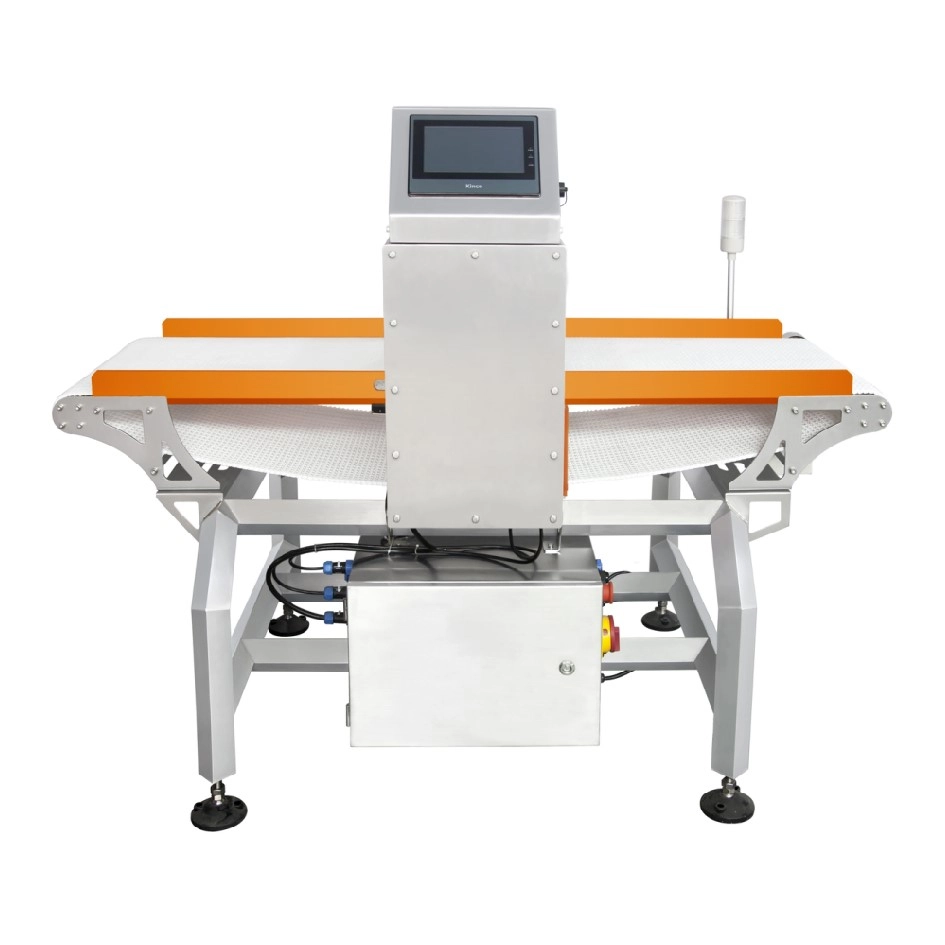
Compliance Guide: Good Metal Detectors and Food Standards
The latest trends for metal detector for food
Multihead Weigher Buying Guide for Food Industry 2026
Prdoucts Categories
Question you may concern
About products customization
Can Kenwei machines support multiple languages?
Yes, we can customize the software interface to support multiple languages, making it easier for operators from different regions to use the machine.
How do I request a custom-built Kenwei machine?
To request a customized machine, simply contact our sales or engineering team.
About After Sales Support
What do I do if I encounter a malfunction in the machine?
If you encounter a malfunction, first check the user manual and troubleshooting guide for common issues. If the problem persists, contact our technical support team for further assistance.
Can I get remote troubleshooting assistance?
Yes, Kenwei offers remote troubleshooting for certain issues. Our technical team can guide you through diagnostics and help resolve issues via phone, video call, or online messaging.
About Cooperation Process
What is the lead time for product delivery?
The lead time depends on the complexity of the order and the level of customization required. Typically, our products are shipped within 4-8 weeks after receiving the order confirmation. However, this can vary, and we will provide an estimated delivery date when you place your order.
You may also like
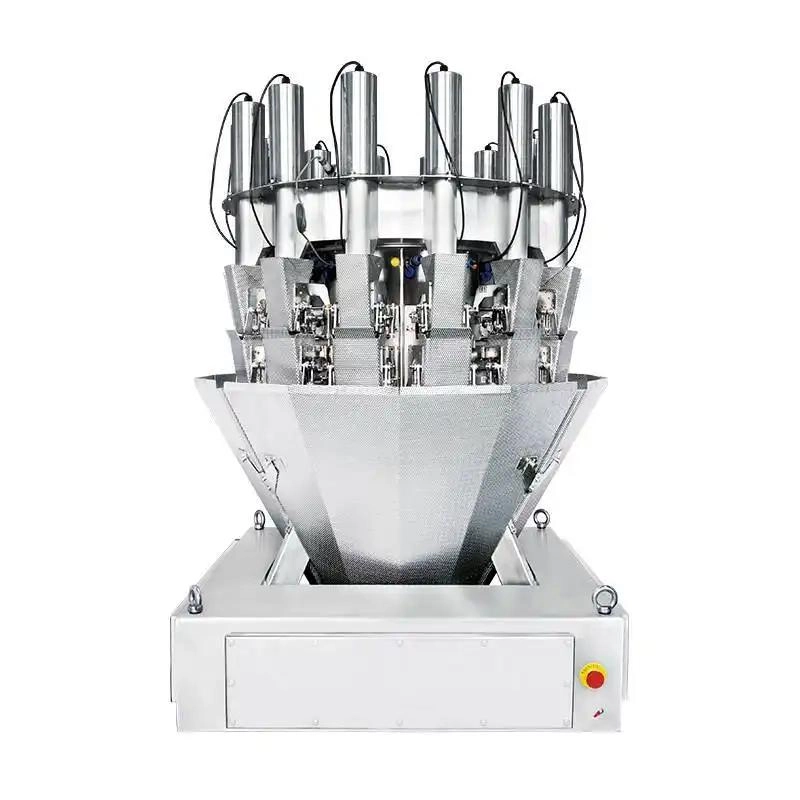
14 Heads Vertical Single Screw Feeding Pickles Weigher backups
This type of weigher is designed to handle the unique characteristics of pickles, ensuring precise measurements for packaging and distribution. It uses a vertical single screw mechanism to feed the pickles into the weighing system, allowing for efficient and consistent weighing. This technology is particularly useful in food processing and packaging facilities where precise portioning is essential for quality control and customer satisfaction. This specialized equipment is perfect for accurately measuring and dispensing pickles in a production line or packaging facility. The vertical design allows for efficient and precise filling of containers, while the single screw feeding mechanism ensures consistent and reliable weighing.
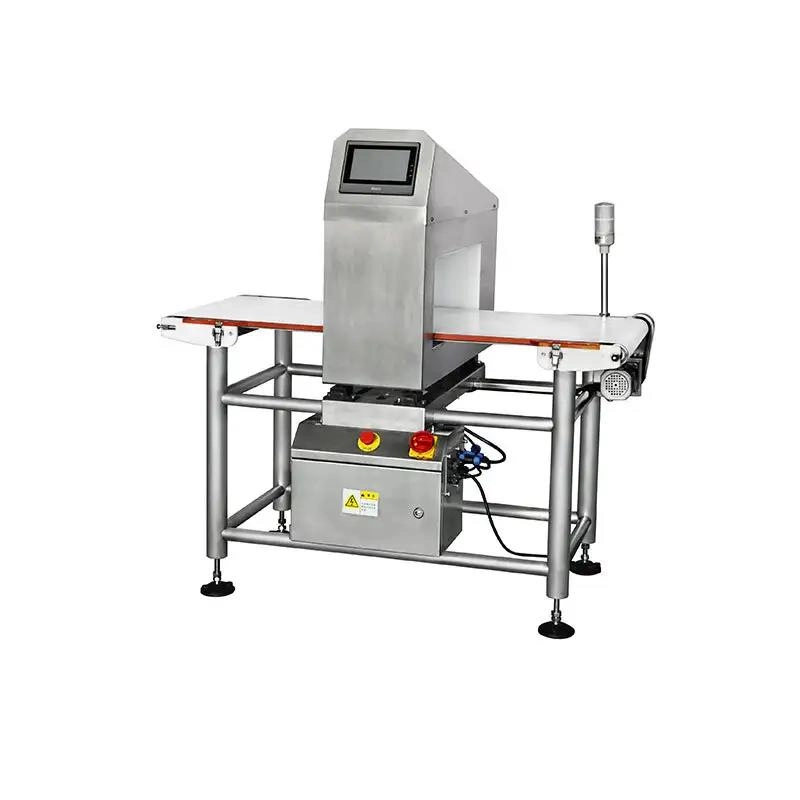
Food Metal Detector Manufacturer For Reject Defective Products G5020
The G5020 multi-frequency metal detector features a specialized conveyor belt designed to reduce contamination risks, ensure smooth operation, and maintain high detection sensitivity. It is easy to disassemble for convenient maintenance. Ideal for detecting metal contaminants in food, pharmaceuticals, spices, plastics, electronics, textiles, toys, handicrafts, and more.
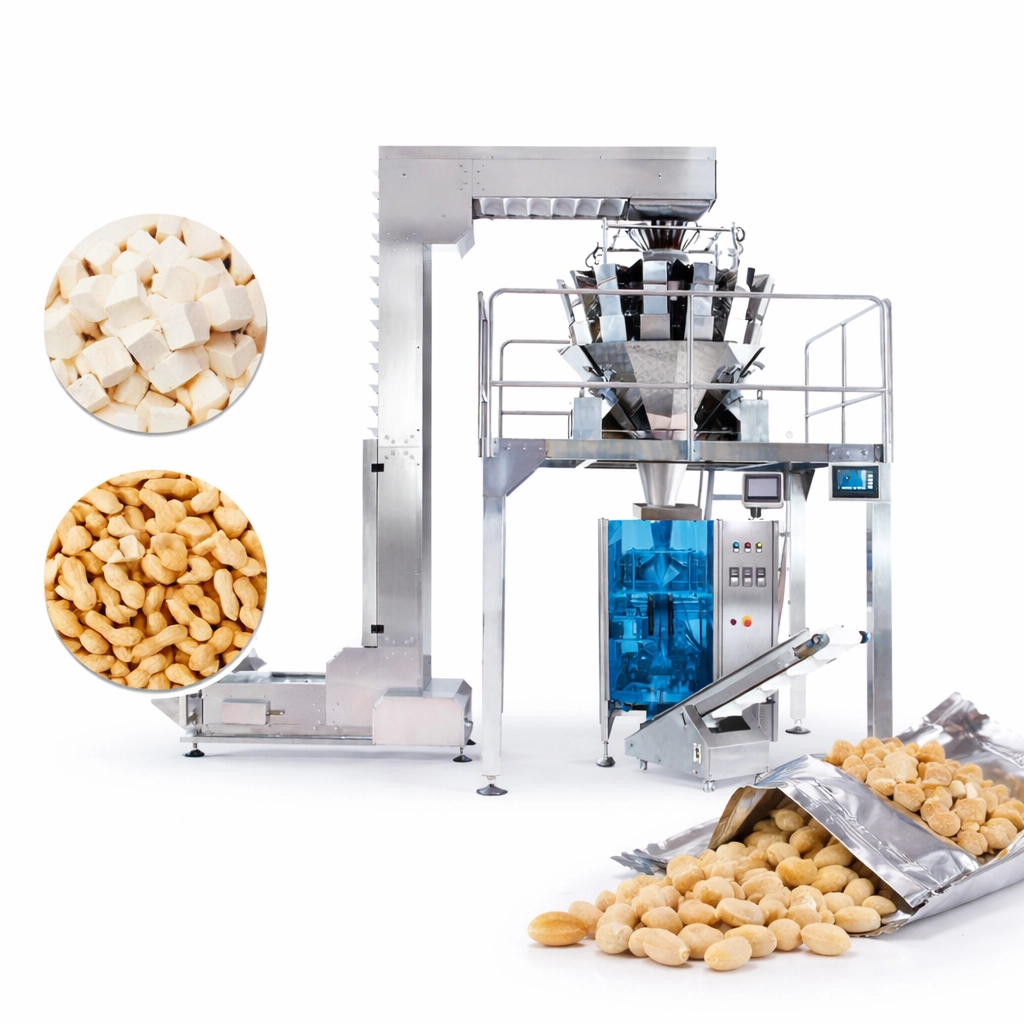
High-Precision Weighing & Packaging for Granular Products
The Granular Food Packing Machine is a fully automated solution designed for accurate weighing, filling, and packaging of various granular food products. Integrated with a multihead weigher and advanced packaging system, it ensures high speed, precision, and hygiene standards for modern food production.
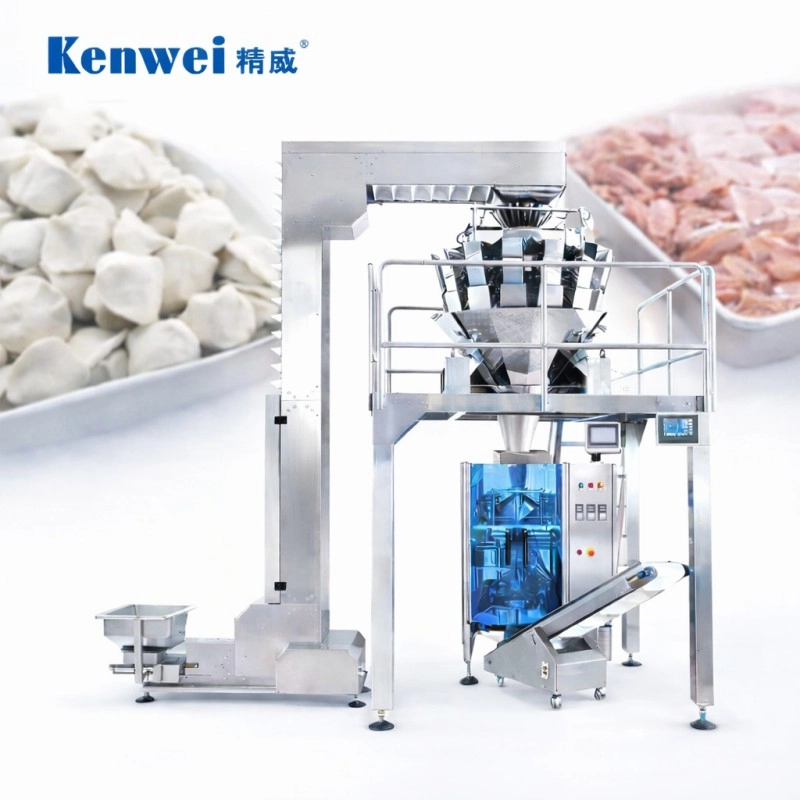
Vertical Frozen Food Packaging Machine for IQF & Frozen Products JW-B1
The Kenwei JW-B1 Vertical Frozen Food Packaging Machine is designed for IQF and frozen products, ensuring efficient, airtight packing. This vertical packing machine boosts productivity with precision sealing, ideal for frozen food packaging needs in the food industry.
Get in touch with us
If you have any comments or good suggestions, please leave us a message, later our professional staff will contact you as soon as possible.
Kenwei
Kenwei
Kenwei multi weigh
Kenwei
Kenwei
Kenwei