






Troubleshooting False Alarms on Food Metal Detectors
Practical, step-by-step guide to diagnosing and fixing false alarms on a metal detector for food industry applications. Covers causes, tests, calibration, maintenance, and how the Food Metal Detector Manufacturer For Reject Defective Products G5020 (multi-frequency) reduces nuisance trips. Includes troubleshooting checklist, comparison table, FAQs, references, and contact CTA.
- Troubleshooting False Alarms on Food Metal Detectors
- Why addressing false alarms matters for a metal detector for food industry
- Common causes of false alarms in metal detector for food industry
- Product effect and how to recognize it on a metal detector for food industry
- Environmental interference affecting metal detector for food industry performance
- Mechanical and conveyor issues that trigger false alarms on metal detector for food industry
- Electronic interference and EMI—diagnosing issues for metal detector for food industry
- Calibration, sensitivity and configuration: core settings for any metal detector for food industry
- When to use multi-frequency detectors like the Food Metal Detector Manufacturer For Reject Defective Products G5020
- Step-by-step troubleshooting checklist for metal detector for food industry
- Comparison table: typical causes of false alarms and recommended fixes for metal detector for food industry
- Testing, verification, and record-keeping for metal detector for food industry
- Maintenance best practices to reduce false alarms on metal detector for food industry
- When to contact technical support or consider replacement for your metal detector for food industry
- Brand advantages: why choose Food Metal Detector Manufacturer For Reject Defective Products G5020 for metal detector for food industry
- Practical case example: reducing false alarms on a spice packing line
- Frequently Asked Questions (FAQ) about metal detector for food industry and false alarms
- Q1: What is the most common cause of false alarms?
- Q2: How often should I calibrate or test my metal detector for food industry?
- Q3: Will a multi-frequency detector eliminate all false alarms?
- Q4: Can environmental EMI be permanently fixed?
- Q5: What data should I collect when troubleshooting persistent false alarms?
- Contact us / View product
- Authoritative references and further reading
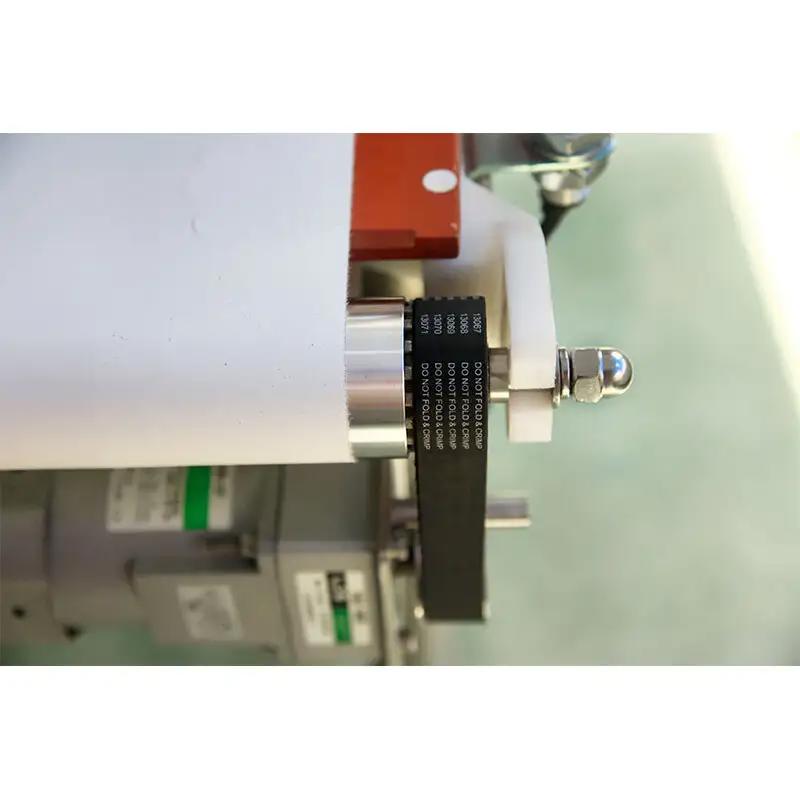
Troubleshooting False Alarms on Food Metal Detectors
Why addressing false alarms matters for a metal detector for food industry
False alarms on metal detectors used in food production are more than an inconvenience — they interrupt production lines, increase downtime, inflate inspection costs, and can lead to unnecessary product loss and customer complaints. For facilities that must meet strict safety standards (HACCP, GFSI, ISO 22000), reliably distinguishing true positives from nuisance alarms is critical. This guide focuses on practical troubleshooting steps to reduce false positives and keep your metal detector for food industry operating efficiently. Reducing false alarms allows operators to focus on true contamination risks. Learn how advanced systems handle precision detection in detecting small ferrous and non-ferrous particles with G5020 technology.
Common causes of false alarms in metal detector for food industry
Understanding why metal detectors signal falsely is the first step to reducing them. Causes generally fall into five categories: product effect, environmental interference, mechanical issues, electronic/electromagnetic interference (EMI), and setup/calibration problems. Below we explain each category, typical symptoms, and corrective actions.
Product effect and how to recognize it on a metal detector for food industry
Product effect occurs when the composition, density, geometry, or temperature of the product itself produces a signal that mimics metal. High-mineral content products (spices, certain cheeses), products with varying moisture levels, or items with an irregular profile can trigger detectors configured incorrectly.
- Symptoms: Alarms occur consistently when certain SKUs, batches, or packaging speeds pass the head.
- Quick fixes: Use product-matched sensitivity settings, run product effect compensation (if available), and test with product samples during setup.
- Prevention: Use multi-frequency detectors or dynamic product compensation to reduce susceptibility to product effect.
Environmental interference affecting metal detector for food industry performance
Environmental factors surrounding the detector can produce false alarms. Nearby metal structures, vibrating machinery, conveyors with metal parts, or fluctuating power supplies are common culprits.
Remediation steps:
- Re-locate or re-orient the detector head if possible, increasing distance from heavy metal structures.
- Check and improve grounding and earthing connections; poor grounding amplifies EMI.
- Stabilize power supply—use line filters or dedicated circuits to reduce electrical noise.
Mechanical and conveyor issues that trigger false alarms on metal detector for food industry
Mechanical issues such as misaligned conveyor belts, metal fragments or wear on conveyor components, and inconsistent product travel can all trigger nuisance alarms.
- Inspect conveyor for sagging or off-center belt and correct alignment.
- Replace or shield any exposed metal near the detection head (fasteners, supports).
- Ensure consistent product spacing and orientation—irregular product flow can confuse the detector.
Electronic interference and EMI—diagnosing issues for metal detector for food industry
EMI can come from motors, variable frequency drives (VFDs), radio equipment, or nearby fluorescent/LED lighting. EMI typically produces intermittent, unpredictable alarms.
Diagnosis and fixes:
- Temporarily power down nearby equipment one at a time to isolate the source.
- Install ferrite chokes and shielded cables on signal and power lines.
- Consider relocating VFDs or adding EMI suppression devices.
Calibration, sensitivity and configuration: core settings for any metal detector for food industry
Incorrect calibration or overly aggressive sensitivity settings are frequent causes of false alarms. Follow a structured calibration process tied to actual product samples.
- Use representative samples (including the packaging) during setup and testing.
- Start with lower sensitivity and increase only until detection goals are met with acceptable false alarm rate.
- Use frequency scanning or multi-frequency modes where available to select the best operating frequency for your product mix.
When to use multi-frequency detectors like the Food Metal Detector Manufacturer For Reject Defective Products G5020
Multi-frequency detectors are designed to handle challenging product effects and mixed production lines. The Food Metal Detector Manufacturer For Reject Defective Products G5020 uses multi-frequency technology to improve discrimination between product effect and true metal contamination. It is particularly effective for products with high moisture or mineral content and for facilities running multiple SKUs.
The G5020 multi-frequency metal detector features a specialized conveyor belt designed to reduce contamination risks, ensure smooth operation, and maintain high detection sensitivity. It is easy to disassemble for convenient maintenance. Ideal for detecting metal contaminants in food, pharmaceuticals, spices, plastics, electronics, textiles, toys, handicrafts, and more.
Step-by-step troubleshooting checklist for metal detector for food industry
Use the following checklist to diagnose and resolve false alarms systematically.
- Confirm frequency and sensitivity settings match product specifications.
- Run a product effect scan or use multi-frequency mode.
- Temporarily remove nearby equipment to identify potential EMI sources.
- Inspect conveyor and support structure for loose metal and alignment issues.
- Verify grounding and power quality; install filters as needed.
- Perform a controlled challenge test with known metal standards and record results.
- Document alarms with timestamps, product batch numbers, and photos where feasible.
Comparison table: typical causes of false alarms and recommended fixes for metal detector for food industry
| Cause | Symptoms | Likely Root Cause | Immediate Fix | Preventive Action |
|---|---|---|---|---|
| Product effect | Alarms with specific SKU or batch | High moisture/minerals or irregular profile | Adjust sensitivity, use product compensation | Use multi-frequency detectors; calibrate per SKU |
| Environmental EMI | Random, intermittent alarms | Nearby motors, VFDs, lighting | Isolate or power-down equipment to test | Install filters, move detector, shield sources |
| Mechanical issues | Alarms increase after maintenance | Misaligned belts, loose studs | Inspect & repair conveyor hardware | Scheduled mechanical inspections |
| Calibration error | Alarms after sensitivity change | Incorrect setup procedure | Re-run calibration with product samples | Operator training, documented SOPs |
Testing, verification, and record-keeping for metal detector for food industry
Regulatory and customer expectations demand documented verification. Implement daily or per-shift challenge testing with certified test pieces. Keep logs of alarm events, test results, and corrective actions. A good record helps identify patterns (e.g., alarms associated with a specific shift or SKU) and supports HACCP audits.
Maintenance best practices to reduce false alarms on metal detector for food industry
Routine maintenance prevents many false alarm sources. Key items include:
- Daily visual inspection of the head and conveyor for debris.
- Weekly cleaning schedules that follow manufacturer guidance to avoid damaging sensors.
- Periodic recalibration following any mechanical repair or process change.
- Firmware and software updates from the manufacturer to improve filtering algorithms.
When to contact technical support or consider replacement for your metal detector for food industry
If nuisance alarms persist after performing the checklist, contact the manufacturer's technical support. Provide detailed logs, sample images, and results of challenge tests. Consider upgrading to a detector with multi-frequency capability (like the G5020) or improved rejection logic if your product range is particularly challenging.
Brand advantages: why choose Food Metal Detector Manufacturer For Reject Defective Products G5020 for metal detector for food industry
The G5020 is optimized for demanding food industry applications. Key advantages include:
- Multi-frequency detection improves discrimination against product effect across varied SKUs.
- Specialized conveyor belt reduces contamination risks and is easy to disassemble for cleaning and maintenance.
- High sensitivity while maintaining stability in electrically noisy environments when properly installed.
- Designed for quick integration into production lines and straightforward operator interfaces to minimize human errors during calibration.
Practical case example: reducing false alarms on a spice packing line
A mid-size packer of dried spices saw frequent false alarms due to high mineral content and variable moisture. After switching to a multi-frequency setup, optimizing conveyor grounding, and introducing SKU-specific calibration profiles, false alarms dropped by more than 70% and line throughput increased. This demonstrates the combined value of correct equipment selection (metal detector for food industry), disciplined setup, and maintenance.
Frequently Asked Questions (FAQ) about metal detector for food industry and false alarms
Q1: What is the most common cause of false alarms?
A1: Product effect—when the product's physical properties mimic metal—accounts for a large share, especially for moist or mineral-rich foods.
Q2: How often should I calibrate or test my metal detector for food industry?
A2: Perform challenge tests at least daily or per shift, and recalibrate whenever the product, packaging, speed, or line mechanics change.
Q3: Will a multi-frequency detector eliminate all false alarms?
A3: No detector completely eliminates nuisance alarms, but multi-frequency systems like the G5020 significantly reduce them for difficult products by allowing better discrimination and per-SKU optimization.
Q4: Can environmental EMI be permanently fixed?
A4: Often yes — through grounding improvements, EMI filters, relocating sources, or shielding. A site survey by a qualified engineer can identify the most effective actions.
Q5: What data should I collect when troubleshooting persistent false alarms?
A5: Record timestamps, product SKU and batch, conveyor speed, ambient conditions, operator on duty, and photos/video of the event. Also keep challenge test records and maintenance logs.
Contact us / View product
If you would like help diagnosing persistent false alarms, scheduling an on-site audit, or evaluating the Food Metal Detector Manufacturer For Reject Defective Products G5020 for your line, contact our sales team to request a demo or quotation. Email: sales@yourcompany.com or request a demo via our website contact form. For quick reference, search our site for product model G5020 to review technical specs and ordering options.
Authoritative references and further reading
- FDA (U.S. Food and Drug Administration) – Food Safety and Inspection Guidance: https://www.fda.gov
- ISO 22000 — Food safety management systems: https://www.iso.org/iso-22000-food-safety-management.
- BRCGS – Global Standards for food safety: https://www.brcgs.com
- AOAC International — Official methods and guidance: https://www.aoac.org
- Wikipedia — Metal detector (for general technical background): https://en.wikipedia.org/wiki/Metal_detector
- USDA — Food Safety and Inspection Service: https://www.fsis.usda.gov
Following the procedures above will reduce nuisance alarms, improve line efficiency, and strengthen your food safety program. For tailored assistance, reach out to our experienced engineers—early diagnosis and the right technology (such as the G5020) often pay for themselves through reduced downtime and fewer product rejections.
Tags
multihead weigher for sale
multihead weigher for sale
wholesale multihead weigher packing machine
wholesale multihead weigher packing machine
vacuum packaging machine for food
vacuum packaging machine for food
Linear Weighing Machine
Linear Weighing Machine
food packing machine supplier
food packing machine supplier
multihead weigher machine
multihead weigher machine
Recommended for you
Top 10 checkweigher scale Manufacturers and Supplier Brands
Combination Weigher Safety Standards and Compliance 2026
Top 10 food grade metal detector Manufacturers and Supplier Brands in America
What is multihead weigher ?
Prdoucts Categories
Question you may concern
About Product choice
What is the difference between a multi-head weigher and a linear weigher?
Multi-head Weigher: Ideal for high-speed and high-precision weighing of products with irregular shapes or varying sizes. It provides multiple weighings in parallel for faster processing.
Linear Weigher: It is suitable for powder and granule. It is typically slower than a multi-head weigher but is effective for certain types of applications that require more continuous flow or controlled weighing.
How do I choose the right product for my business?
Choosing the right machine depends on several factors:
Product Type: Different machines are suited for different products (e.g., powder, granules, etc.).
Production Capacity: Consider the volume of products you need to process and the speed requirements.
Customization: If you have specific needs, such as the need for unique features or sizes, we offer customization options.
About After Sales Support
How about the after-sales service?
Warranty :2 years
About Solution suggestions
How can Kenwei solutions help reduce waste in my production process?
Kenwei solutions improve accuracy in weighing, packaging, and quality control, reducing the chances of overfill or underfill. This leads to less product waste and higher operational efficiency.
About products customization
Can Kenwei machines be customized for different industries?
Yes,According to the material characteristics and requirements of different industries, we developed various machine types for counting (small pouches into big bag), noodles, frozen foods, peppers, stick-shaped products, product -mixing, cheeses, salads and so on.
You may also like
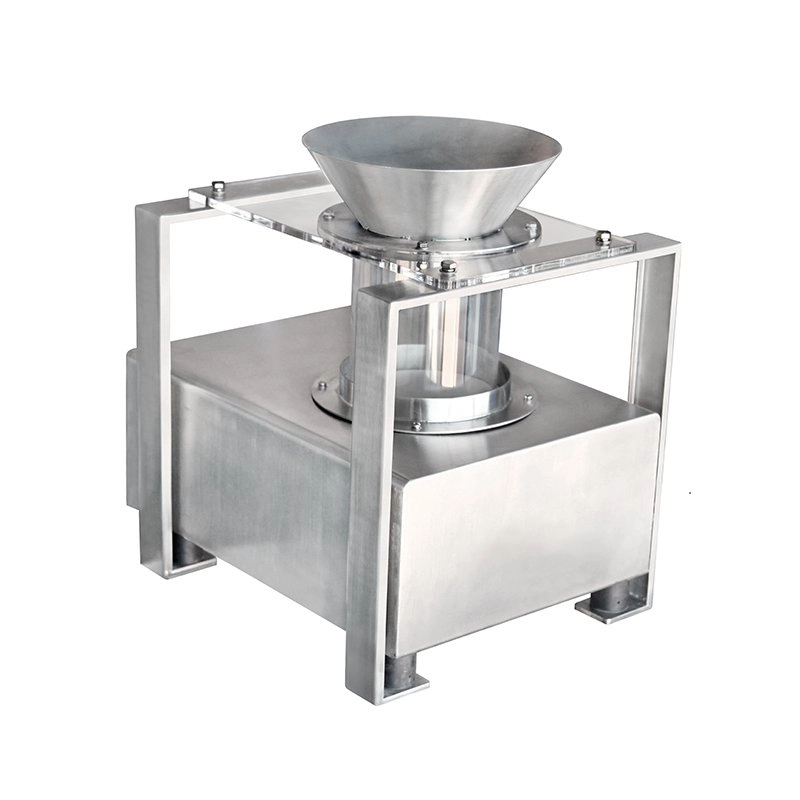
Dropped Metal Detector for Powder Granules For Food Industry
Enhance food safety with Kenwei’s Dropped Metal Detector for Powder Granules. This advanced food metal detector ensures precise detection in the food industry, safeguarding products and maintaining high quality standards throughout processing.
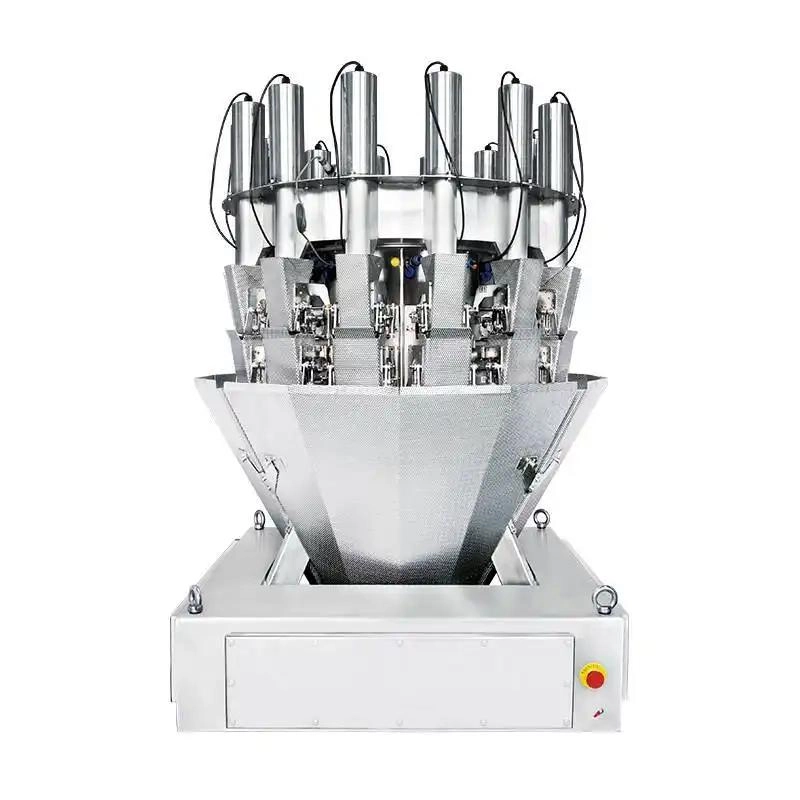
14 Heads Vertical Single Screw Feeding Pickles Weigher backups
This type of weigher is designed to handle the unique characteristics of pickles, ensuring precise measurements for packaging and distribution. It uses a vertical single screw mechanism to feed the pickles into the weighing system, allowing for efficient and consistent weighing. This technology is particularly useful in food processing and packaging facilities where precise portioning is essential for quality control and customer satisfaction. This specialized equipment is perfect for accurately measuring and dispensing pickles in a production line or packaging facility. The vertical design allows for efficient and precise filling of containers, while the single screw feeding mechanism ensures consistent and reliable weighing.
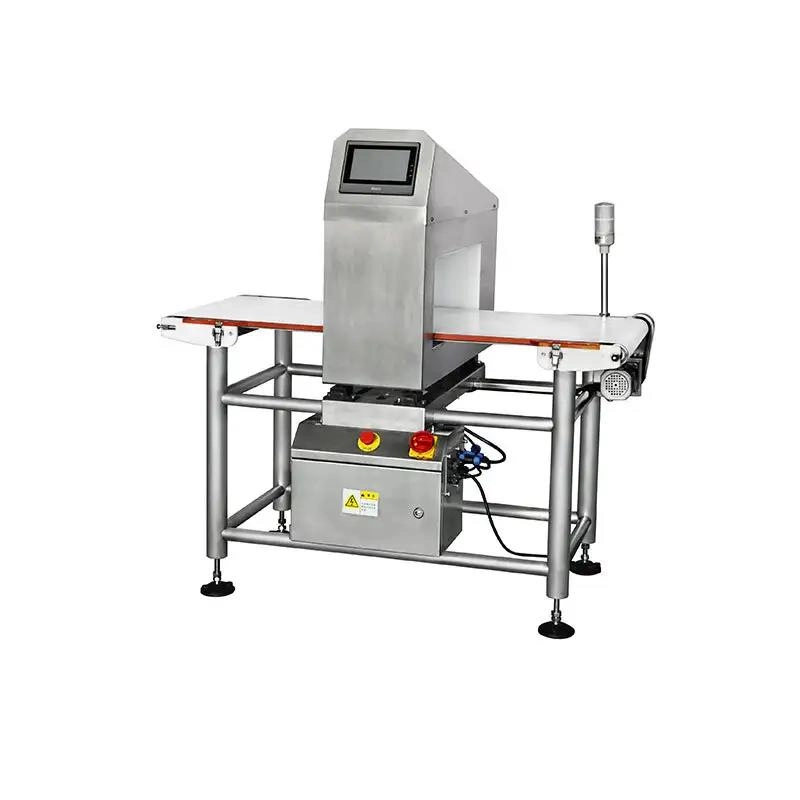
Food Metal Detector Manufacturer For Reject Defective Products G5020
The G5020 multi-frequency metal detector features a specialized conveyor belt designed to reduce contamination risks, ensure smooth operation, and maintain high detection sensitivity. It is easy to disassemble for convenient maintenance. Ideal for detecting metal contaminants in food, pharmaceuticals, spices, plastics, electronics, textiles, toys, handicrafts, and more.
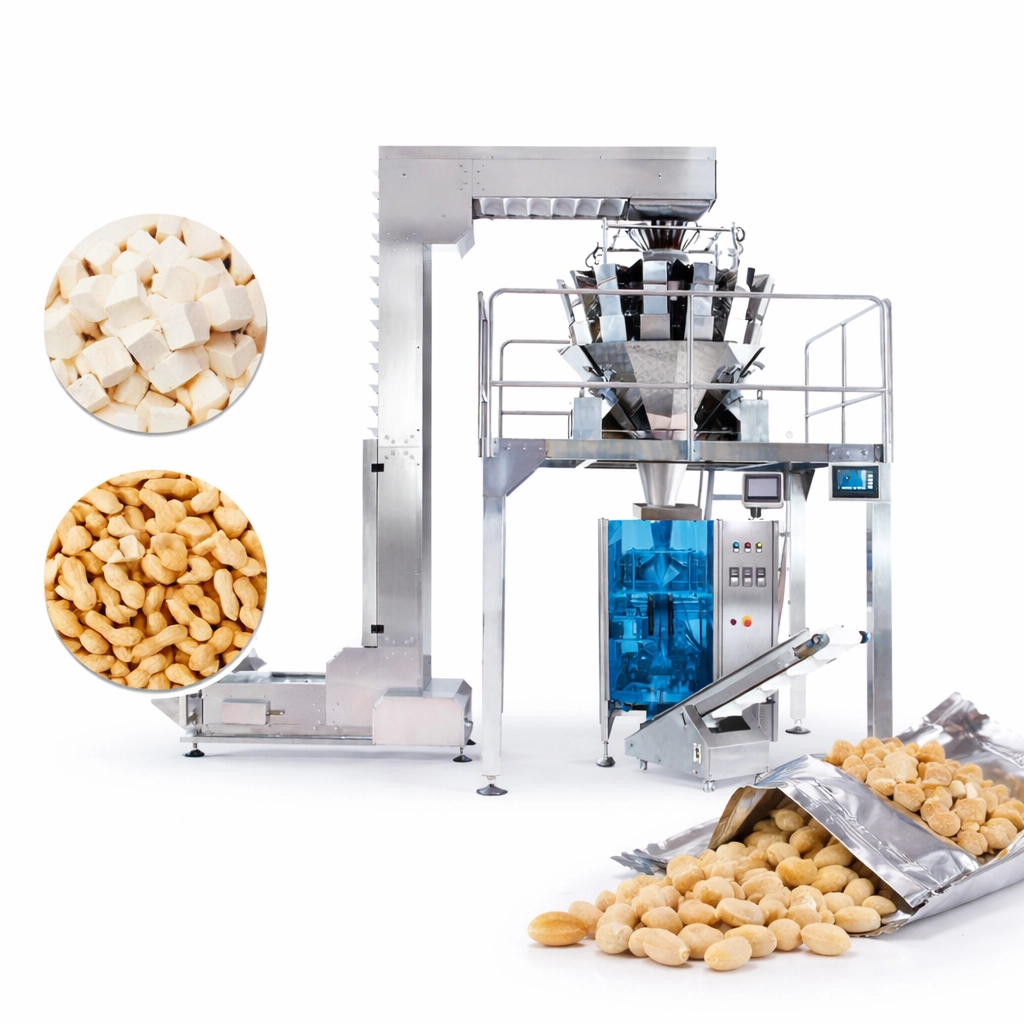
High-Precision Weighing & Packaging for Granular Products
The Granular Food Packing Machine is a fully automated solution designed for accurate weighing, filling, and packaging of various granular food products. Integrated with a multihead weigher and advanced packaging system, it ensures high speed, precision, and hygiene standards for modern food production.
Get in touch with us
If you have any comments or good suggestions, please leave us a message, later our professional staff will contact you as soon as possible.
Kenwei
Kenwei
Kenwei multi weigh
Kenwei
Kenwei
Kenwei