






Troubleshooting common issues with a 14 head multihead weigher
Practical, step-by-step troubleshooting guide for the 14 head multihead weigher, focused on pickles and using the 14 Heads Vertical Single Screw Feeding Pickles Weigher backups. Covers common faults, root causes, quick fixes, preventive maintenance, sanitation tips, spare parts and when to call service. Includes a comparison table, FAQs, product strengths and authoritative references.
- Troubleshooting common issues with a 14 head multihead weigher
- Overview: Why troubleshooting a 14 head multihead weigher matters for pickles
- Product snapshot: 14 Heads Vertical Single Screw Feeding Pickles Weigher backups
- Common issue #1: Inaccurate weights or wide weight distribution (14 head multihead weigher)
- Common issue #2: Product bridging and jams in the vertical single screw feed
- Common issue #3: Weigher sensitivity to moisture and brine
- Common issue #4: Electrical/control faults, HMI errors and PLC communication
- Common issue #5: Mechanical wear, misalignment and bucket malfunction
- Sanitation, washdown and CIP considerations for pickle lines
- Data-driven troubleshooting: monitor, record and analyze
- Troubleshooting quick-reference table
- When should you call technical service or replace parts (backups)
- Preventive maintenance checklist tailored for pickles
- Operational tips for better performance with pickles on a 14 head multihead weigher
- Brand advantages: why the 14 Heads Vertical Single Screw Feeding Pickles Weigher backups stands out
- FAQs (Frequently Asked Questions)
- Contact & Call to Action
- Authoritative references
- Final notes

Troubleshooting common issues with a 14 head multihead weigher
Overview: Why troubleshooting a 14 head multihead weigher matters for pickles
The 14 head multihead weigher is a high-speed, high-accuracy machine widely used in food packaging. When set up for wet, irregular products like pickles, it requires tailored settings and focused maintenance. For businesses using the 14 Heads Vertical Single Screw Feeding Pickles Weigher backups, understanding specific failure modes and their practical remedies reduces downtime, improves yield, and protects product quality. After resolving common faults, attention often shifts to performance improvement. Learning how to optimize speed and accuracy on 14 head multihead weighers for pickles allows producers to increase throughput without sacrificing weight precision.
Product snapshot: 14 Heads Vertical Single Screw Feeding Pickles Weigher backups
Product name: 14 Heads Vertical Single Screw Feeding Pickles Weigher backups
This type of weigher is designed to handle the unique characteristics of pickles, ensuring precise measurements for packaging and distribution. It uses a vertical single screw mechanism to feed the pickles into the weighing system, allowing for efficient and consistent weighing. This technology is particularly useful in food processing and packaging facilities where precise portioning is essential for quality control and customer satisfaction. This specialized equipment is perfect for accurately measuring and dispensing pickles in a production line or packaging facility. The vertical design allows for efficient and precise filling of containers, while the single screw feeding mechanism ensures consistent and reliable weighing.
Common issue #1: Inaccurate weights or wide weight distribution (14 head multihead weigher)
Symptoms: Packages are over or under target weight, frequent rejections at checkweigher, high giveaway or product loss.
Root causes and immediate checks:
- Calibration drift — check last calibration date and perform a quick calibration sequence using certified test weights.
- Hopper dosing inconsistency — inspect individual feed hoppers and weigh buckets for sticky residues from pickle brine that change flow behavior.
- Incorrect feed timing — the vertical single screw feed may be delivering inconsistent product slices; confirm screw pitch, speed, and stroke settings.
- Environmental vibrations — nearby equipment or floor resonances can affect readings; place vibration dampers under the machine if necessary.
Quick fixes:
- Run a calibration cycle and zero-check the load cells.
- Clean hopper surfaces and weigh buckets to remove brine buildup.
- Adjust screw speed and microfeed settings for steady dosing.
Long-term prevention: implement scheduled calibration checks (daily quick checks, weekly full calibration), maintain a cleaning SOP focused on brine removal, and keep a log of weight distributions to spot trends early.
Common issue #2: Product bridging and jams in the vertical single screw feed
Symptoms: Intermittent stops, uneven hopper loading, or mechanical overload alarms on the feeder.
Root causes:
- Pickles can bridge or cluster in the screw due to size variability, brine viscosity, or pieces sticking together.
- Worn or incorrect screw geometry for the pickle size and pack style.
- Insufficient agitation at feed inlet causing irregular supply.
Practical solutions:
- Use a gentle vibratory or paddle agitator at the feed hopper inlet to separate pieces before the screw.
- Inspect and change the screw to a profile optimized for whole or sliced pickles; consider a variable-pitch screw if product mix varies.
- Increase screw rpm slightly or implement short reverse cycles if your controller supports it to clear occasional clogs.
Common issue #3: Weigher sensitivity to moisture and brine
Symptoms: Corrosion on components, sticky residues reducing movement, electrical faults from moisture ingress.
Root causes:
- Brine splashes from product or washdown procedures reach bearings, load cells, or electronics.
- Condensation inside control cabinets due to cool product and warm ambient air.
Recommended actions:
- Use protective covers and splash guards around vulnerable areas; IP-rated enclosures for electrical components are essential.
- Specify and use washdown-rated components (stainless steel, IP66 cabinets, marine-grade connectors).
- Install condensation heaters or ventilation for control enclosures in high-humidity environments.
Common issue #4: Electrical/control faults, HMI errors and PLC communication
Symptoms: Random alarms, frozen HMI screens, inconsistent cycle times, or lost recipes.
Causes and fixes:
- Loose or corroded connectors: perform visual and torque checks on all terminal blocks and connectors. Replace corroded connectors with sealed types.
- Outdated firmware or corrupted recipe files: keep controller firmware updated and maintain versioned backups of recipes/parameters off-machine.
- Power quality issues: fit surge protection and a stable UPS for PLC/HMI to prevent corruption during brief outages.
Operational best practice: keep a 'golden copy' of all machine settings on a secure server and document any changes with an authorized operator log.
Common issue #5: Mechanical wear, misalignment and bucket malfunction
Symptoms: Uneven bucket closing, increased noise, reduced cycle speed, or repeatable weighing errors on certain heads.
Diagnosis and solutions:
- Inspect cams, bearings, and bucket lifters for wear — replace worn parts before they cause head imbalance.
- Check load cell mounts for cracks or loose fasteners; even small misalignments cause measurable weight variance.
- Perform a head-by-head static check: block all other heads and test each head to isolate failing units.
Sanitation, washdown and CIP considerations for pickle lines
Pickles are processed in a wet environment and often require frequent cleaning. Poor cleaning protocols cause bacterial risk and mechanical issues.
Recommendations:
- Design SOPs that specify cleaning frequency (e.g., daily clean for contact surfaces) and acceptable cleaning agents for seals and sensors.
- Use quick-release covers and tool-less access points to reduce cleaning time and avoid makeshift methods that can damage the machine.
- Validate cleaning with ATP swabs or microbiological testing where required by food safety programs.
Data-driven troubleshooting: monitor, record and analyze
Modern weighers provide diagnostic logs, weight histograms and rejection data. Use those tools:
- Enable continuous statistical logging of weight distributions to spot drift or trends before they become failures.
- Correlate changes in weight distribution with production parameters (screw rpm, feed hopper level, ambient temperature).
- Use the machine's head-by-head data to identify single-head issues early and swap out a problematic head or bucket during scheduled downtime.
Troubleshooting quick-reference table
| Issue | Likely Cause | Immediate Fix | Long-term Fix | Estimated Downtime |
|---|---|---|---|---|
| Inaccurate weights | Calibration drift / brine on buckets | Recalibrate / clean buckets | Scheduled calibration & cleaning | 15–60 minutes |
| Feeder jams | Bridging in screw / wrong screw pitch | Clear jam / run reverse cycle | Install agitation / change screw | 10–120 minutes |
| Moisture-related faults | Brine ingress / condensation | Dry and protect electronics | IP-rated enclosures, protective guards | 30–240 minutes |
| Electrical/PLC errors | Corroded connectors / firmware | Check connectors / reboot | Firmware updates / backups / UPS | 15–180 minutes |
When should you call technical service or replace parts (backups)
If an issue repeats after basic fixes, or if a head consistently shows variance despite calibration, escalate to factory service. Maintain a small inventory of critical spares (load cells, buckets, screws, bearings, seals) so you can replace parts quickly. The product name, 14 Heads Vertical Single Screw Feeding Pickles Weigher backups, implies provision for backups—keep at least one spare feed screw and a set of weigh buckets on-site for rapid exchange.
Preventive maintenance checklist tailored for pickles
- Daily: visual inspection, quick clean of hoppers and buckets, confirm no alarms, log production batch info.
- Weekly: full washdown of product-contact areas, check screw wear, torque-check fasteners.
- Monthly: load cell accuracy check, firmware and backup verification, review weight histograms and reject rates.
- Quarterly: replace wear items as recommended by OEM, lubrication of bearings (food-grade), inspect electrical connectors.
Operational tips for better performance with pickles on a 14 head multihead weigher
1) Standardize product feed size and moisture level wherever possible — uniform product promotes repeatable dosing. 2) Adjust target combination strategies in the weigher software to prefer more heads with smaller contributions if the product is highly variable. 3) Use adaptive algorithms or recipe presets for different pickle formats (whole, slices, spears) to reduce set-up time and errors.
Brand advantages: why the 14 Heads Vertical Single Screw Feeding Pickles Weigher backups stands out
Specialization: built specifically for pickles, this model integrates a vertical single screw feed that minimizes product damage while delivering steady flows for each of the 14 heads. Reliability: backup strategy and spare-ready design reduce mean time to repair. Sanitation-friendly design: stainless steel construction and quick-access panels reduce cleaning time and risk of contamination. Serviceability: heads and feed components are designed for easy swap-out which pairs well with an on-site spare parts policy. These advantages reduce downtime, lower giveaway and improve packaging throughput for pickle lines.
FAQs (Frequently Asked Questions)
Q1: How often should I calibrate my 14 head multihead weigher?
A: Perform a quick zero/offset and test-weight check at the start of each shift. Full calibration with certified test weights is recommended weekly or whenever weight drift is detected.
Q2: Can I run multiple pickle formats without heavy retooling?
A: Yes—use recipe presets for each format and keep interchangeable screws and hopper guides available. Minor adjustments to screw speed and head contributions are usually sufficient.
Q3: What spare parts should I stock for fast recovery?
A: At minimum, keep 2–3 spare weigh buckets, one spare screw (vertical feed), a spare load cell, a set of seals/gaskets, and common fasteners/connectors. The product backups strategy emphasizes this spare approach.
Q4: How do I prevent brine-related electrical issues?
A: Use IP-rated enclosures, sealed cable glands and corrosion-resistant connectors. Ensure washdown procedures avoid direct spray on control panels and dry enclosures after cleaning.
Q5: When should I call OEM service rather than local maintenance?
A: If load cells need replacement, major firmware recovery is required, or repeated head imbalance persists after head swaps, call OEM service. Also contact OEM for warranty-covered component failures.
Contact & Call to Action
For tailored advice, spare parts, or to schedule a service visit for your 14 Heads Vertical Single Screw Feeding Pickles Weigher backups, contact our technical team today. We provide remote diagnostics, on-site troubleshooting, and a stocked spare-parts program to minimize downtime. Click to contact our sales and service team or view the full product specification sheet.
Authoritative references
- Weighing scale — Wikipedia: https://en.wikipedia.org/wiki/Weighing_scale
- Food and Drug Administration (FDA) — Food safety and manufacturing guidance: https://www.fda.gov/food
- Codex Alimentarius — International food standards: http://www.fao.org/fao-who-codexalimentarius/en/
- European Hygienic Engineering & Design Group (EHEDG) — Hygienic design guidance: https://www.ehedg.org/
- Ishida (industry reference for multihead weighers) — https://www.ishida.com/
- European Food Safety Authority (EFSA) — Food safety science: https://www.efsa.europa.eu/
Final notes
Maintaining a 14 head multihead weigher on a pickle line requires attention to moisture control, proper feed handling via the vertical single screw, and a disciplined maintenance regimen. Using the product-specific practices outlined here will reduce downtime, decrease giveaway, and keep your line compliant with food safety expectations.
Tags
food metal detectors
food metal detectors
Working Platform in Packaging Machine
Working Platform in Packaging Machine
manual weigher packaging machine
manual weigher packaging machine
best metal detectors
best metal detectors
multihead weigher supplier
multihead weigher supplier
filling
filling
Recommended for you
Buying Guide: Choosing the Right Food Grain Packing Machine — Kenwei Expert Guide
Combination Weigher Settings for Snacks: Best Practices
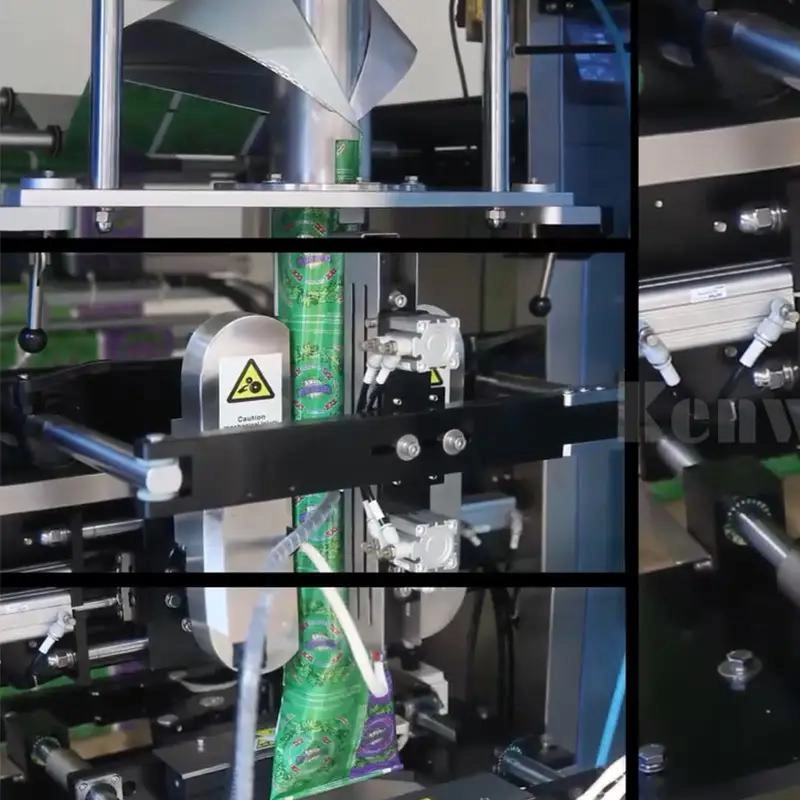
How Economic VFFS Improves Line Efficiency and Throughput
Top 10 pouch packaging machine Manufacturers and Supplier Brands
Prdoucts Categories
Question you may concern
About After Sales Support
How about the after-sales service?
Warranty :2 years
About Logistics
How long does logistics delivery take?
Shipping times depend on your location and the shipping method you choose. Generally speaking, international shipping can take anywhere from a few weeks to a few months.
How are large machines handled during shipping?
Large machines are typically shipped via sea freight using containerized shipping.
About Solution suggestions
How can Kenwei solutions help reduce waste in my production process?
Kenwei solutions improve accuracy in weighing, packaging, and quality control, reducing the chances of overfill or underfill. This leads to less product waste and higher operational efficiency.
About products customization
How do I request a custom-built Kenwei machine?
To request a customized machine, simply contact our sales or engineering team.
You may also like
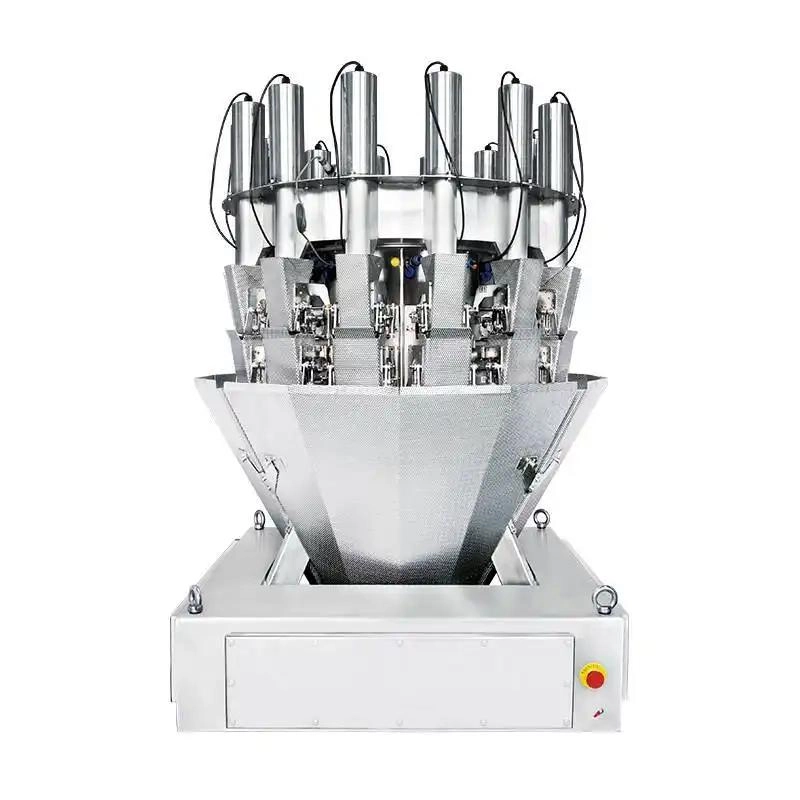
14 Heads Vertical Single Screw Feeding Pickles Weigher backups
This type of weigher is designed to handle the unique characteristics of pickles, ensuring precise measurements for packaging and distribution. It uses a vertical single screw mechanism to feed the pickles into the weighing system, allowing for efficient and consistent weighing. This technology is particularly useful in food processing and packaging facilities where precise portioning is essential for quality control and customer satisfaction. This specialized equipment is perfect for accurately measuring and dispensing pickles in a production line or packaging facility. The vertical design allows for efficient and precise filling of containers, while the single screw feeding mechanism ensures consistent and reliable weighing.
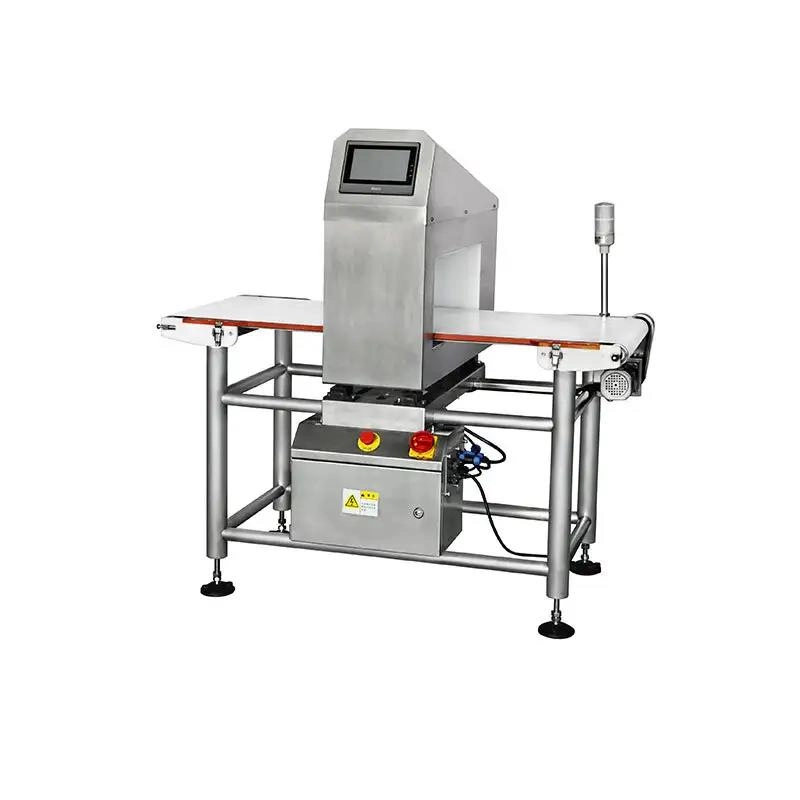
Food Metal Detector Manufacturer For Reject Defective Products G5020
The G5020 multi-frequency metal detector features a specialized conveyor belt designed to reduce contamination risks, ensure smooth operation, and maintain high detection sensitivity. It is easy to disassemble for convenient maintenance. Ideal for detecting metal contaminants in food, pharmaceuticals, spices, plastics, electronics, textiles, toys, handicrafts, and more.
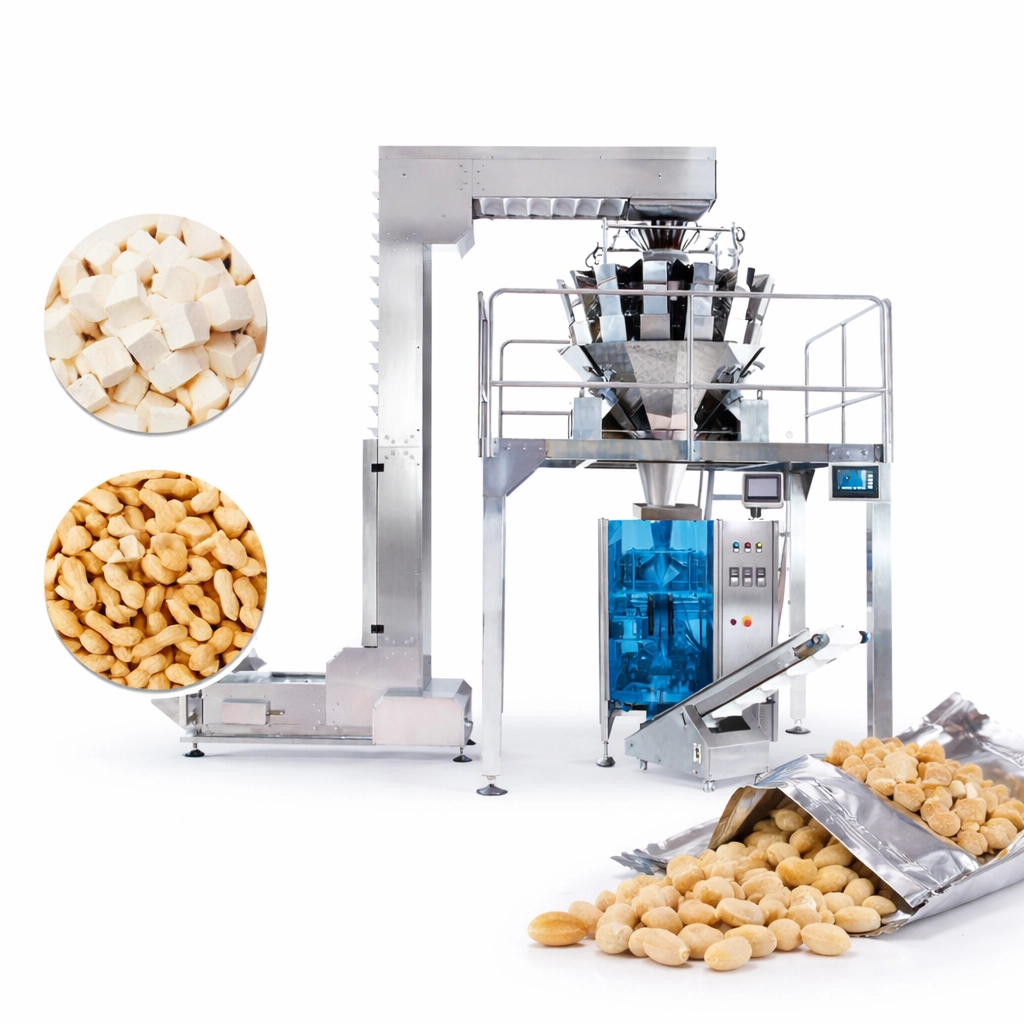
High-Precision Weighing & Packaging for Granular Products
The Granular Food Packing Machine is a fully automated solution designed for accurate weighing, filling, and packaging of various granular food products. Integrated with a multihead weigher and advanced packaging system, it ensures high speed, precision, and hygiene standards for modern food production.
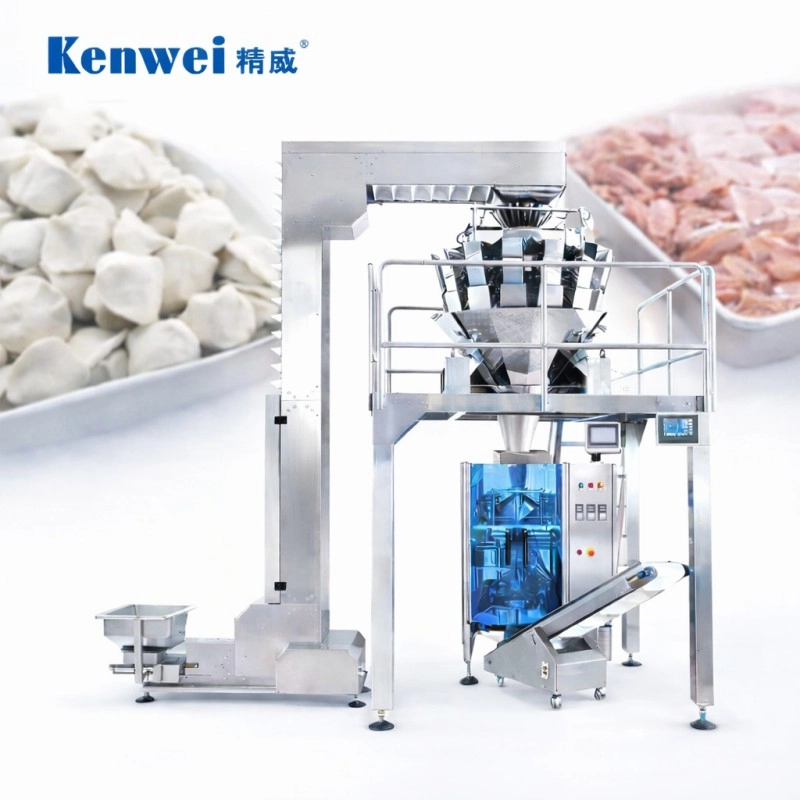
Vertical Frozen Food Packaging Machine for IQF & Frozen Products JW-B1
The Kenwei JW-B1 Vertical Frozen Food Packaging Machine is designed for IQF and frozen products, ensuring efficient, airtight packing. This vertical packing machine boosts productivity with precision sealing, ideal for frozen food packaging needs in the food industry.
Get in touch with us
If you have any comments or good suggestions, please leave us a message, later our professional staff will contact you as soon as possible.
Kenwei
Kenwei
Kenwei multi weigh
Kenwei
Kenwei
Kenwei