






Top 10 Metal Detector Models for High-Speed Packaging Lines
A practical guide for food manufacturers and packaging engineers comparing the top 10 metal detector models optimized for high-speed packaging lines. Covers detection challenges with aluminum foil, installation and integration tips, compliance references (ISO 22000, FDA), and a focused solution: the Metal Detector for Aluminum Foil in the Food Industry for Accurate Contamination Detection.
- Why specialized metal detectors matter on high-speed packaging lines
- Food-safety risk landscape and regulatory expectations
- Challenges unique to high-speed lines and aluminum foil packaging
- Performance metrics manufacturers should prioritize
- Top 10 metal detector models for high-speed packaging lines
- Comparison table: features at a glance
- Model-by-model highlights and use cases
- Why the 2415 stands out for foil-packaged foods
- Selecting, installing and validating a metal detector for food industry use
- Choosing the right aperture and sensitivity settings
- Installation best practices for high-speed integration
- Validation, verification and keeping audit-ready records
- Maintenance, troubleshooting and performance optimization
- Routine maintenance and calibration
- Troubleshooting common issues on fast lines
- When to combine technologies (metal detector + X-ray)
- Practical adoption scenarios and case considerations
- Case: coffee bag line using aluminum foil packaging
- Return on investment and business justification
- Standards and resources for implementation
- Product spotlight: Metal Detector for Aluminum Foil in the Food Industry for Accurate Contamination Detection
- Frequently Asked Questions (FAQ)
- Q: Can a single metal detector reliably inspect all types of food packaging?
- Q: How often should sensitivity tests be performed?
- Q: What is foil compensation and why is it important?
- Q: Are stainless steel contaminants detectable?
- Q: Should I use a metal detector or X-ray?

In fast-moving production environments, selecting the right metal detector for food industry applications is critical to prevent recalls, protect consumers and maintain regulatory compliance. This guide examines the top 10 metal detector models tailored for high-speed packaging lines, highlights their strengths for common packaging types (including aluminum foil), and explains practical steps to integrate, validate, and maintain systems that deliver consistent contamination detection without slowing operations.
Why specialized metal detectors matter on high-speed packaging lines
Food-safety risk landscape and regulatory expectations
Metal contaminants are among the most frequent physical hazards in packaged foods and can cause serious health risks or product recalls. Food manufacturers must design controls that meet regulatory and industry expectations. International frameworks such as ISO 22000 and guidance from authorities like the U.S. Food and Drug Administration (FDA) stress preventive measures, monitoring, and verification—making reliable detection equipment a key part of a food safety system.
Challenges unique to high-speed lines and aluminum foil packaging
High throughput magnifies any weaknesses: short conveyor runs, product clustering, variable orientation and ultrafine packaging materials (like aluminum foil) can create masking effects or nuisance rejects. Aluminum foil packaging in particular can generate strong disruptive signals in traditional detectors. A dedicated metal detector for food industry use that can filter out foil background signals while maintaining sensitivity to magnetic metals is needed to achieve low false-reject rates and reliable public safety protection.
Performance metrics manufacturers should prioritize
When comparing models for high-speed packaging lines focus on these metrics: detection sensitivity (to ferrous, non-ferrous, and stainless steel), throughput capacity (packages/min), aperture size (width and height), stability under presence of foil/metalized films, adjustable filters and multi-frequency technology, and integration options with checkweighers or X-ray systems. Documentation for verification and calibration procedures is also essential to maintain audit readiness.
Top 10 metal detector models for high-speed packaging lines
Comparison table: features at a glance
| Model | Best for packaging | Max Aperture (W x H) | Throughput | Notes |
|---|---|---|---|---|
| FastScan X300 | High-speed pouches & bags | 300 x 150 mm | up to 250 ppm | Multi-frequency, low false-reject |
| SafeFind Pro HSD | Frozen & bulk packed items | 420 x 180 mm | up to 200 ppm | Rugged for cold environments |
| Guardian RS-200 | Rigid trays & cartons | 250 x 120 mm | up to 220 ppm | High sensitivity to stainless |
| AeroDetect 600 | Stick packs & sachets | 150 x 90 mm | up to 400 ppm | Optimized for narrow profiles |
| PulseSense HP | Metalized films & foil trays | 300 x 200 mm | up to 180 ppm | Advanced foil compensation |
| QuickScan MD-800 | Snack & confectionery lines | 360 x 160 mm | up to 300 ppm | Auto-learn and recipe storage |
| TraceGuard F | Powdered & granular products | 220 x 110 mm | up to 240 ppm | High immunity to dust |
| ShieldLine 900 | Bulk flow & tote inspection | 500 x 300 mm | variable | Large aperture, heavy-duty |
| 2415 Metal Detector for Aluminum Foil | Aluminum foil packages (coffee, nuts, etc.) | 24 mm max width; 20–150 mm height | up to 350 ppm | High-sensitivity sensors with foil filtering |
| OmniCheck 4S | Flexible lines with mixed packs | 320 x 200 mm | up to 260 ppm | Smart reject logic and data logging |
Model-by-model highlights and use cases
Each model is optimized for specific packaging forms and line speeds. For example, the AeroDetect 600 suits ultra-narrow stick packs where aperture space is limited, while ShieldLine 900 is designed for large totes or bulk inspection. The 2415 Metal Detector for Aluminum Foil is specifically tuned to reject the conductive background from foil packaging and reliably detect magnetic contaminants—making it an ideal choice for coffee bags, chocolatier lines, and small-format foiled snacks.
Why the 2415 stands out for foil-packaged foods
Specialized detectors like the Metal Detector for Aluminum Foil in the Food Industry for Accurate Contamination Detection combine high-sensitivity sensors and advanced filtering to subtract the aluminum signal while retaining detection ability for ferrous and other metal contaminants. When aluminum or metallized films are the norm, these models typically reduce false rejects and improve net throughput compared with generic detectors.
Selecting, installing and validating a metal detector for food industry use
Choosing the right aperture and sensitivity settings
Select an aperture big enough for your largest packaged product while maintaining sensitivity—smaller apertures typically deliver better sensitivity. For foil packaging, opt for equipment with explicit foil compensation or multi-frequency capability. Document the detection limits you require (e.g., detect 1.5 mm ferrous ball) and verify vendor claims through in-house trials using worst-case product samples.
Installation best practices for high-speed integration
Proper mechanical and electrical integration reduces noise and improves stability. Recommendations include:
- Firm, vibration-isolated mounts for the detector chassis.
- Stable, level conveyor speeds and consistent product separation to prevent overlapping signals.
- Shielded power supplies and clean grounding to minimize electromagnetic interference.
For alignment with packaging equipment and checkweighers, many modern detectors provide communication protocols (Ethernet/IP, Modbus TCP) to integrate with line PLCs and data collection systems for traceability.
Validation, verification and keeping audit-ready records
Follow a documented program for routine sensitivity checks and verification using certified test pieces. Use a written procedure that includes frequency of checks, test pieces by metal type, the operator performing the check, and recorded pass/fail outcomes. Align your program with accepted food safety practices such as Institute of Food Technologists (IFT) recommendations and keep records available for audits.
Maintenance, troubleshooting and performance optimization
Routine maintenance and calibration
Regular preventative maintenance keeps detection performance consistent. Tasks should include cleaning the aperture area, checking conveyor alignment, reviewing rejection logs and running sensitivity tests after significant maintenance events. Establish clear calibration intervals; many manufacturers provide service contracts for on-site calibration and performance validation.
Troubleshooting common issues on fast lines
Frequent false rejects or missed detections can result from product stacking, metallic product ingredients, electromagnetic noise, or worn conveyor belts. Troubleshooting steps:
- Run static tests with known good/bad samples to isolate the issue.
- Enable multi-frequency modes or adjust filter settings to reduce foil interference.
- Examine the line for external metal sources (rollers, sensors) and re-route or shield if necessary.
When to combine technologies (metal detector + X-ray)
Some manufacturers use metal detection and X-ray inspection together to cover each technology’s limits—metal detectors excel at ferrous/non-ferrous metals while X-ray identifies dense non-metallic contaminants (stone, glass) and detects defects in product fill. For high-risk products with complex ingredients or where foil packaging severely challenges metal detection, a combined approach increases overall food safety assurance. See PMMI resources for further packaging integration guidance: PMMI.
Practical adoption scenarios and case considerations
Case: coffee bag line using aluminum foil packaging
A mid-size coffee roaster transitioning to aluminum foil pouches experienced high false-reject rates with a generic detector. After trialing the 2415 Metal Detector for Aluminum Foil (designed with foil compensation), the line reduced nuisance rejections by over 60% while maintaining detection of ferrous contaminants. The detector’s adjustable settings and compact footprint enabled easy retrofit without slowing the line.
Return on investment and business justification
Investing in a specialized detector reduces direct costs from rejected product and rework, lowers recall risk and protects brand reputation. Consider total cost of ownership: initial purchase, installation, downtime risk, and service support. The right detector can quickly pay for itself by preventing a single costly recall.
Standards and resources for implementation
Reference materials help build compliant programs. Useful resources include ISO standards on food safety (ISO 22000), regulatory guidance from the FDA, and industry best practice discussions available through organizations such as IFT and PMMI. For general context on metal detection technology see the technical overview at Wikipedia - Metal detector (technical background).
Product spotlight: Metal Detector for Aluminum Foil in the Food Industry for Accurate Contamination Detection
Product name: Metal Detector for Aluminum Foil in the Food Industry for Accurate Contamination Detection
The 2415 Metal Detector for Aluminum Foil is equipped with high-sensitivity sensors that effectively filter out signals from aluminum packaging, ensuring precise detection of magnetic metal contaminants. Ideal for detecting foreign bodies in aluminum foil-packaged items such as coffee bags, peanuts, dried meats, chocolate, and more. This versatile metal detector offers adjustable settings, with a maximum width of 24mm and height ranging from 20-150mm, making it suitable for a wide variety of aluminum foil packaging applications.
Key benefits:
- Advanced foil compensation reduces false rejects on metallized and aluminum packages.
- High sensitivity for ferrous contaminants while maintaining throughput on high-speed lines.
- Compact design suitable for retrofit into narrow conveyors or end-of-line checks.
- Provides data logging and recipe management for quick changeovers and audit trails.
Frequently Asked Questions (FAQ)
Q: Can a single metal detector reliably inspect all types of food packaging?
A: No single detector is optimal for all packaging types. Narrow stick packs, foil pouches, rigid trays and bulk totes all have different electromagnetic profiles. Choose a detector with the right aperture, frequency options and foil compensation for your primary packaging. In mixed-product lines, consider models with adaptable recipes or use complementary X-ray inspection.
Q: How often should sensitivity tests be performed?
A: Daily verification is a common industry practice for high-risk or high-throughput lines; however, frequency should be based on risk assessment, product changeovers and regulatory requirements. Maintain documented procedures and records for audits.
Q: What is foil compensation and why is it important?
A: Foil compensation is an algorithmic or hardware technique that filters the electromagnetic response of aluminum or metallized films so the detector can ignore the background signal caused by packaging and still detect actual metallic contaminants. It reduces false rejects and improves net throughput on foil-packaging lines.
Q: Are stainless steel contaminants detectable?
A: Detection of stainless steel (particularly austenitic grades) can be more challenging due to lower magnetic permeability. Many modern detectors improve stainless detection via multi-frequency operation and optimized sensitivity settings, but verification with real-world test pieces is essential.
Q: Should I use a metal detector or X-ray?
A: Both have strengths. Metal detectors excel at finding ferrous and non-ferrous metals at a lower cost and higher throughput; X-ray detects dense non-metal contaminants and can inspect product integrity. Use-case, risk assessment, and budget inform whether you deploy one or both.
If you have specific packaging profiles, line speeds, or product samples, we can recommend the best detector model and integration plan. Contact our technical team to arrange a trial, request detailed specifications, or schedule an on-site evaluation.
Contact us / View the product: For pricing, technical data and live demos of the 2415 Metal Detector for Aluminum Foil or other high-speed models, please contact our sales team or view product details.
Tags
multihead combination weigher machine
multihead combination weigher machine
vertical packaging machines
vertical packaging machines
noodle packaging machine
noodle packaging machine
mutihead weighing machine
mutihead weighing machine
vacuum packing machine for food
vacuum packing machine for food
best multihead weigher
best multihead weigher
Recommended for you
Throughput Comparison: Multihead Weigher Options for Pickles
What are the application scenarios of packing machines?
The B2B Buyer’s Guide to automatic check weigher machine
top multihead weigher models to watch in 2026
Prdoucts Categories
Question you may concern
About Product choice
Are there any additional features available for Kenwei machines?
Yes, we offer a variety of optional features for customization, such as: advanced touchscreen interfaces, multiple language support and so on.
About Solution suggestions
How do Kenwei’s machines improve my production efficiency?
Kenwei machines enhance efficiency by automating the weighing, packaging, and quality control processes. Our high-speed, high-precision machines ensure accurate measurements, reduce human error, and increase throughput, leading to faster production times and lower operational costs.
Can Kenwei machines handle products with irregular shapes or sizes?
Yes, multi-head weighers are particularly effective for handling products with irregular shapes and sizes.
About products customization
Can I customize the size of Kenwei machines?
Yes, we can tailor the dimensions of our machines to fit your available space and production layout. Whether you need compact machines or larger equipment, we can accommodate your size requirements.
Can Kenwei machines be customized for different industries?
Yes,According to the material characteristics and requirements of different industries, we developed various machine types for counting (small pouches into big bag), noodles, frozen foods, peppers, stick-shaped products, product -mixing, cheeses, salads and so on.
You may also like
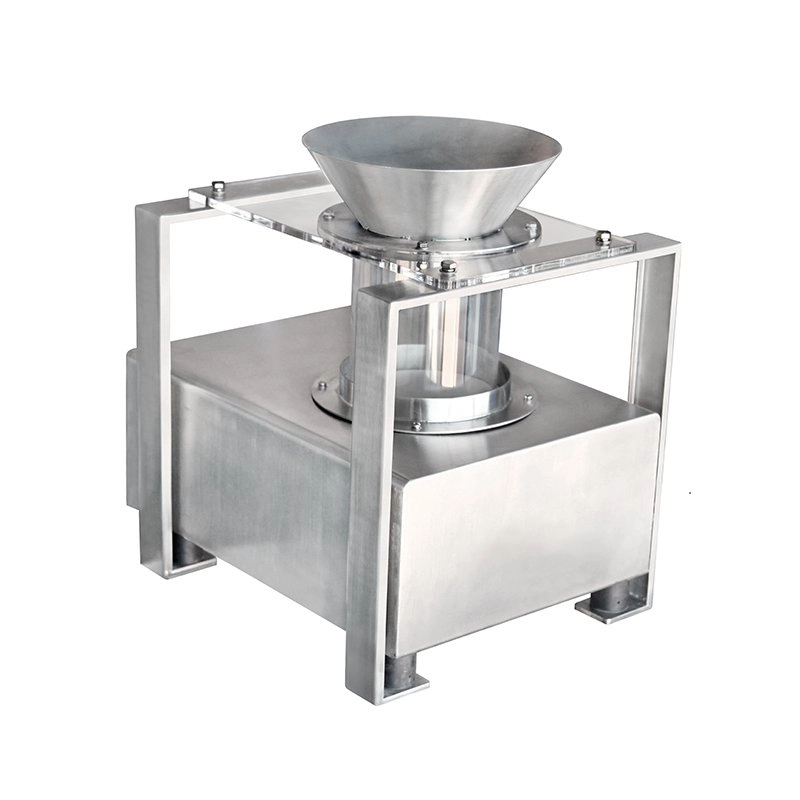
Dropped Metal Detector for Powder Granules For Food Industry
Enhance food safety with Kenwei’s Dropped Metal Detector for Powder Granules. This advanced food metal detector ensures precise detection in the food industry, safeguarding products and maintaining high quality standards throughout processing.
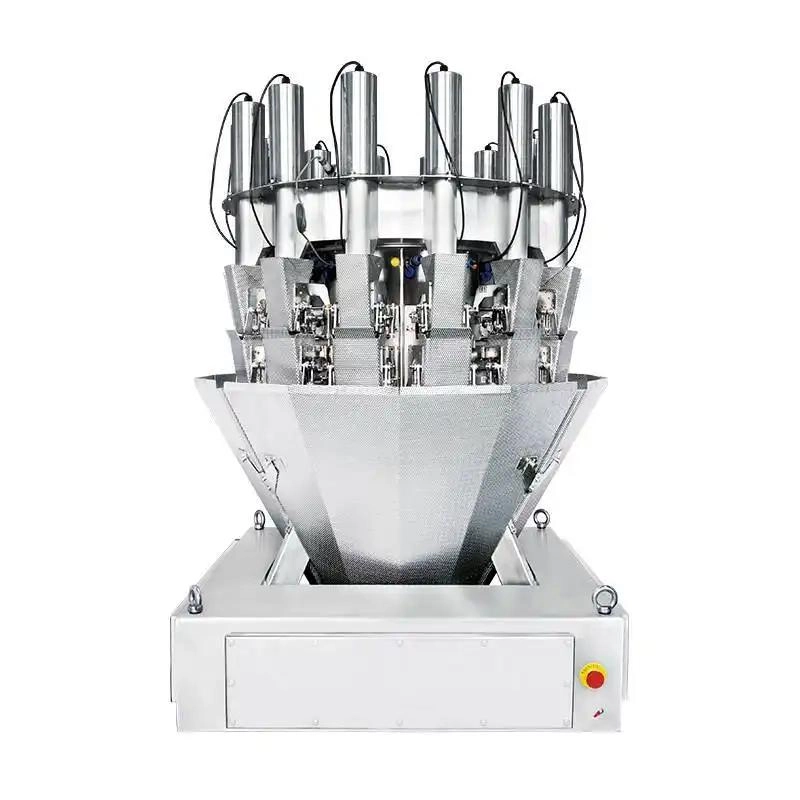
14 Heads Vertical Single Screw Feeding Pickles Weigher backups
This type of weigher is designed to handle the unique characteristics of pickles, ensuring precise measurements for packaging and distribution. It uses a vertical single screw mechanism to feed the pickles into the weighing system, allowing for efficient and consistent weighing. This technology is particularly useful in food processing and packaging facilities where precise portioning is essential for quality control and customer satisfaction. This specialized equipment is perfect for accurately measuring and dispensing pickles in a production line or packaging facility. The vertical design allows for efficient and precise filling of containers, while the single screw feeding mechanism ensures consistent and reliable weighing.
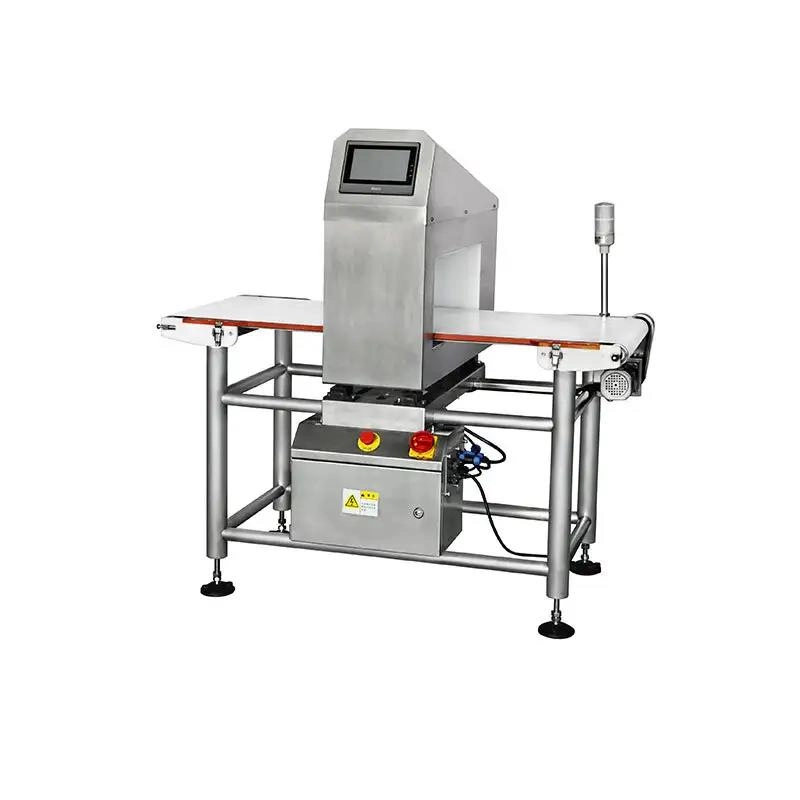
Food Metal Detector Manufacturer For Reject Defective Products G5020
The G5020 multi-frequency metal detector features a specialized conveyor belt designed to reduce contamination risks, ensure smooth operation, and maintain high detection sensitivity. It is easy to disassemble for convenient maintenance. Ideal for detecting metal contaminants in food, pharmaceuticals, spices, plastics, electronics, textiles, toys, handicrafts, and more.
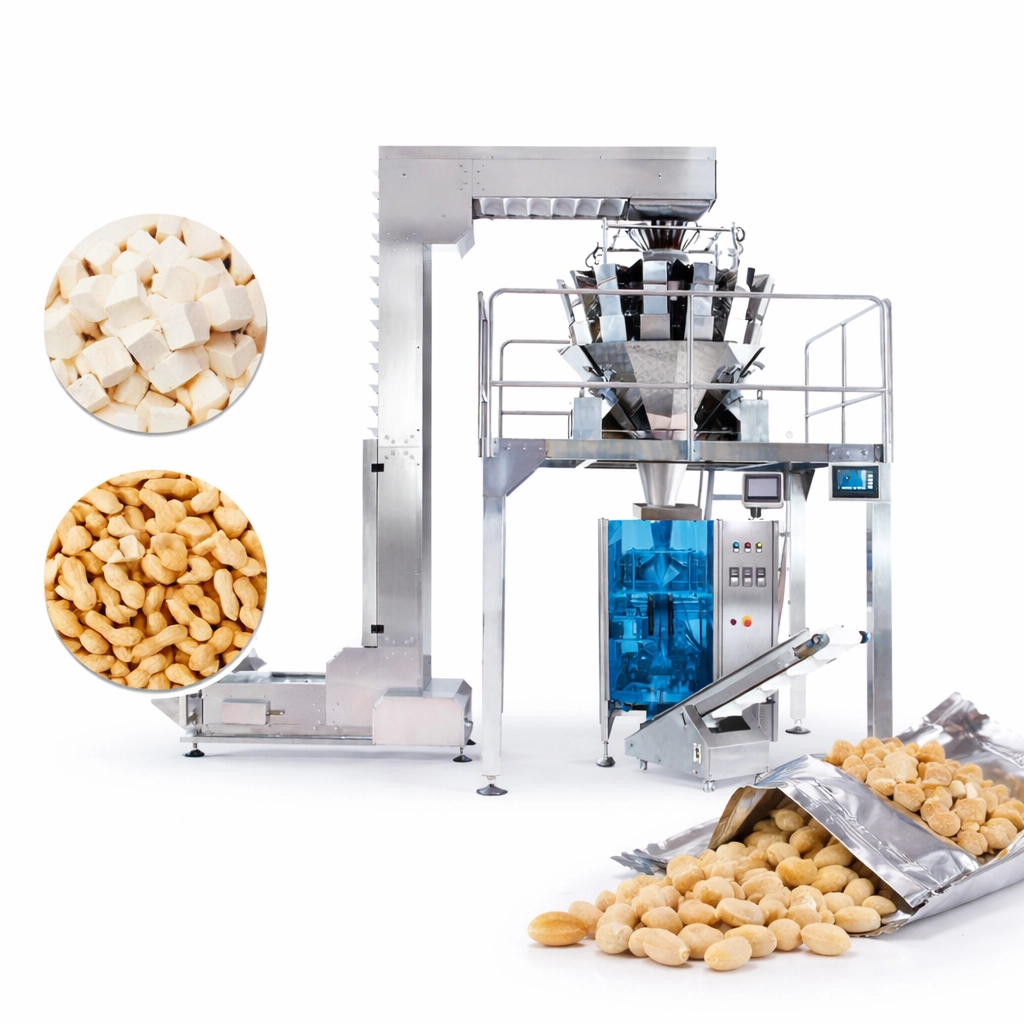
High-Precision Weighing & Packaging for Granular Products
The Granular Food Packing Machine is a fully automated solution designed for accurate weighing, filling, and packaging of various granular food products. Integrated with a multihead weigher and advanced packaging system, it ensures high speed, precision, and hygiene standards for modern food production.
Get in touch with us
If you have any comments or good suggestions, please leave us a message, later our professional staff will contact you as soon as possible.
Kenwei
Kenwei
Kenwei multi weigh
Kenwei
Kenwei
Kenwei