






Selecting Good Metal Detectors for High-Speed Production Lines
Learn how to choose good metal detectors for high-speed production lines, including key features, installation and maintenance best practices, performance comparisons, ROI considerations, and why the G5020 Food Metal Detector Manufacturer for Rejecting Defective Products is an ideal solution for food and other industries.
- Selecting Good Metal Detectors for High-Speed Production Lines
- Why selecting good metal detectors matters in high-speed production lines
- Key performance features to look for in good metal detectors
- Understanding detection sensitivity and product effect for high-speed lines
- G5020 Food Metal Detector Manufacturer for Rejecting Defective Products — Product overview
- Why the G5020 is suited for high-speed production lines
- Comparative performance: G5020 versus common detector types
- Rejection mechanisms and minimizing product loss
- Installation, calibration and validation best practices
- Routine maintenance and cleaning for reliable operation
- Integration with quality systems and multihead weighers
- Choosing the right aperture size and conveyor configuration
- Cost, ROI and business case for investing in good metal detectors
- Regulatory compliance and documentation requirements
- Brand advantages: Why choose the G5020 and our manufacturing support
- Practical checklist for selecting and deploying good metal detectors
- FAQ
- Q: What makes a metal detector a good metal detector for food production?
- Q: Can the G5020 detect stainless steel and non-ferrous metals?
- Q: How often should I validate and test my metal detector?
- Q: Will a high-sensitivity detector cause more false rejects at high speed?
- Q: Can the G5020 be integrated with multihead weighers and checkweighers?
- Contact and product CTA
- Authoritative references and further reading

Selecting Good Metal Detectors for High-Speed Production Lines
Why selecting good metal detectors matters in high-speed production lines
High-speed production lines demand equipment that maintains throughput while protecting product safety and brand reputation. Choosing good metal detectors is essential because an inadequate detector can cause false rejects, missed contaminants, production downtime, regulatory non-compliance, and expensive recalls. For manufacturers in food, pharmaceuticals, condiments, plastics, electronics, textiles, toys and other sectors, the right metal detection system must combine sensitivity, reliability, hygiene, and compatibility with high line speeds. This section explains the business and safety drivers that make selecting good metal detectors an operational priority.
Key performance features to look for in good metal detectors
When evaluating good metal detectors for high-speed lines, focus on several measurable features. Sensitivity to small ferrous, non-ferrous and stainless steel particles is crucial. Multi-frequency detection or simultaneous multi-frequency technology helps optimize sensitivity across different product types. Rejection systems must be fast and positive without damaging good product. Hygienic conveyor design and easy disassembly reduce contamination risk and cleaning time. Look for robust signal processing to minimize false positives from product effect and packaging. Integration capabilities with PLCs, checkweighers, and data logging systems support traceability and compliance. Finally, consider certification and industry-specific features such as IP ratings, washdown capability and support for validation testing.
Understanding detection sensitivity and product effect for high-speed lines
Sensitivity is often quoted as the smallest contaminant size reliably detected, but actual performance depends on product effect — the interaction between the product and the detector's electromagnetic field. Wet, salty, or conductive products create strong product effect and can mask small metal contaminants. Good metal detectors use adaptive calibration, multi-frequency operation, and advanced digital signal processing to separate product effect from true metal signals. For high-speed lines, balancing sensitivity and stability is essential: a detector must detect contaminants at required sizes without producing excessive false rejects that reduce yield.
G5020 Food Metal Detector Manufacturer for Rejecting Defective Products — Product overview
The 5020 Multi-Frequency Metal Detector features a specialized conveyor belt that minimizes contamination sources, ensuring smooth operation and high detection sensitivity. Its design allows for easy disassembly and maintenance. This metal detector is ideal for detecting metal contaminants in a wide range of industries, including food, pharmaceuticals, condiments, plastics, electronics, textiles, toys, and more.
Why the G5020 is suited for high-speed production lines
The G5020 excels in high-speed environments because it combines multi-frequency detection with a specialized conveyor design that minimizes contamination points and belt vibration. Multi-frequency capability enables the detector to maintain high sensitivity across diverse products and packaging formats common in high-throughput operations. The conveyor is engineered for stable product presentation, reducing false rejects at speed. Quick-disassembly features reduce downtime for cleaning, enabling rapid line restarts that preserve OEE (overall equipment effectiveness). For manufacturers with rigorous hygiene and traceability requirements, these attributes make the G5020 a practical choice for rejecting defective products while maintaining throughput.
Comparative performance: G5020 versus common detector types
To evaluate good metal detectors objectively, compare technical metrics such as sensitivity, speed compatibility, cleaning time, false reject rate, and integration readiness. The table below summarizes typical performance differences between a multi-frequency unit like the G5020, a single-frequency detector, and a basic standard detector.
| Feature | G5020 Multi-Frequency | Single-Frequency Detector | Basic/Legacy Detector |
|---|---|---|---|
| Sensitivity (typical smallest detectable particle) | High — detects small ferrous/non-ferrous/stainless in many products | Medium — optimized for one product type or packaging | Low — larger metal particles only |
| Performance at high line speed | Stable at high throughput with advanced signal processing | May struggle when line speed varies | Often inadequate for modern high-speed lines |
| Hygiene & cleaning | Hygienic conveyor, easy disassembly, washdown options | Limited hygiene features | Minimal hygiene design |
| False reject rate | Low with product-adaptive calibration | Higher if product varies | High; manual interventions common |
| Integration and data logging | Comprehensive; PLC, Industry 4.0 ready | Basic integration | Limited or none |
| Maintenance and serviceability | Designed for quick disassembly and simple maintenance | Moderate | Difficult and time-consuming |
Rejection mechanisms and minimizing product loss
Good metal detectors must include effective rejection methods that act quickly to remove contaminated product without causing excessive loss of acceptable product. Common reject systems include pneumatic air blasts, pushers, diverters and drop gates. For high-speed lines, the reject device must be synchronized with the detector and conveyor control so only the contaminated package is removed. Precise timing, accurate product tracking and minimal mechanical impact are key to minimizing product loss and downstream line disruption.
Installation, calibration and validation best practices
Proper installation and commissioning ensure that a good metal detector performs to specification. Keep the detector isolated from electrical noise sources and install with correct grounding and cable routing. Use appropriate aperture size for product dimensions and verify belt alignment. Calibration should be performed with representative product and certified test pieces across metal types and positions. Establish a validation protocol with acceptance criteria, routine verification tests, and documented results. Include re-validation after maintenance, sensor replacement, or process changes. Good documentation supports regulatory audits and helps maintain consistent performance.
Routine maintenance and cleaning for reliable operation
Regular maintenance extends detector life and prevents unexpected downtime. Create SOPs for daily inspection, cleaning schedules and preventive maintenance intervals. Multi-frequency detectors like the G5020 that allow easy disassembly shorten cleaning time and reduce contamination risk in food and pharmaceutical environments. Keep a log of firmware versions, calibration records and service activities. Replace consumables and belts per manufacturer guidelines and schedule periodic performance checks using test pieces to confirm continued sensitivity.
Integration with quality systems and multihead weighers
Good metal detectors should be compatible with existing quality control systems and production equipment including multihead weighers, checkweighers and packaging machines. Integrated data logging and alarm reporting help centralize quality records for HACCP, BRCGS or ISO audits. Seamless communication between detectors and upstream multihead weighers can optimize downstream rejection strategies and minimize product loss by coordinating batch tracking and reject sequencing.
Choosing the right aperture size and conveyor configuration
Aperture size must fit the product and packaging format to maintain sensitivity. Oversized apertures reduce sensitivity, while apertures too small restrict product flow. Conveyor design affects product stability at the detection point; a stable, centered product presentation reduces product effect and false rejects. The G5020's specialized conveyor belt is designed to minimize contamination sources and improve product stability, which supports higher sensitivity at speed.
Cost, ROI and business case for investing in good metal detectors
Investing in a high-quality metal detector is often justified by reduced recall risk, fewer customer complaints, less rework and improved throughput. Calculate ROI by considering the cost of prevented recalls, brand damage, regulatory fines, product waste from false rejects, and maintenance downtime. Faster cleaning and lower false reject rates directly improve yield. For many manufacturers, the long-term savings from avoided safety incidents and improved operational efficiency make a multi-frequency solution like the G5020 cost-effective compared with cheaper, lower-performance detectors.
Regulatory compliance and documentation requirements
Food and pharmaceutical manufacturers must demonstrate control of physical contaminants as part of HACCP and other regulatory frameworks. Good metal detectors help meet these requirements when paired with validated procedures, routine testing, and detailed records. Keep certificates of conformity, performance validation reports and maintenance logs accessible for audits. Data logging features that timestamp rejects and test piece checks simplify demonstrating ongoing compliance.
Brand advantages: Why choose the G5020 and our manufacturing support
Our G5020 Food Metal Detector Manufacturer for Rejecting Defective Products offers several brand advantages: industry-focused design for hygiene and fast cleaning, multi-frequency detection for higher sensitivity across product types, easy integration with existing QC systems, and a conveyor engineered to reduce contamination and improve stability. We provide commissioning support, operator training, and documentation to help your teams validate and maintain the system. Local service networks and spare parts availability reduce mean time to repair, while modular designs allow upgrades as product lines evolve. These factors make the G5020 a practical choice when you require good metal detectors that perform reliably in demanding high-speed operations.
Practical checklist for selecting and deploying good metal detectors
Before purchase and during deployment, use this checklist: 1) Define detection requirements by product and packaging type, 2) Specify aperture size and reject method suitable for throughput, 3) Verify multi-frequency capability if product effect is high, 4) Confirm hygiene and cleaning design for your environment, 5) Request performance specs and factory acceptance test data, 6) Plan integration with PLC, data logging and QC systems, 7) Ensure training and documentation are provided, 8) Establish validation and routine test procedures. Following this checklist helps ensure the detector you choose will deliver stable, reliable protection with minimal impact on line efficiency.
FAQ
Q: What makes a metal detector a good metal detector for food production?
A good metal detector for food production combines sufficient sensitivity for expected contaminants, stability against product effect, hygienic design for cleaning and contamination control, reliable reject systems, and strong integration and data logging capabilities for traceability and audits.
Q: Can the G5020 detect stainless steel and non-ferrous metals?
Yes. The G5020 uses multi-frequency technology to improve detection across ferrous, non-ferrous and stainless steel contaminants, helping maintain sensitivity across a wide range of products and packaging.
Q: How often should I validate and test my metal detector?
Daily verification using test pieces is common for high-risk production. Full validation should be performed at installation and after any maintenance that could affect performance. Follow your HACCP plan, customer requirements and manufacturer recommendations for specific intervals.
Q: Will a high-sensitivity detector cause more false rejects at high speed?
Not if the detector has strong signal processing and product-adaptive calibration. Multi-frequency detectors like the G5020 are designed to maintain sensitivity while minimizing false rejects, even at high speeds, by compensating for product effect and stabilizing signals.
Q: Can the G5020 be integrated with multihead weighers and checkweighers?
Yes. The G5020 supports common industrial interfaces for PLC and data systems, allowing integration with multihead weighers, checkweighers and centralized quality databases for coordinated control and reporting.
Contact and product CTA
Now that you've reviewed how to select the right detectors, it’s time to explore the G5020 food metal detector. Learn about ensuring precision rejecting defects during your production process, ensuring that only high-quality products are passed along the line.If you are evaluating good metal detectors for your high-speed production line, contact our sales and technical team to discuss application-specific requirements, request a site survey, or schedule a demonstration of the G5020 Food Metal Detector Manufacturer for Rejecting Defective Products. View the product details, request a quote, or arrange performance testing with representative product samples to see the detector in your process.
Authoritative references and further reading
For standards, regulatory guidance and technical background, consult the following resources:
- Metal detector overview, technology and history: https://en.wikipedia.org/wiki/Metal_detector
- Food safety guidance and regulations: U.S. Food and Drug Administration (FDA) Food: https://www.fda.gov/food
- Codex Alimentarius Commission: http://www.fao.org/fao-who-codexalimentarius/en/
- BRCGS - Global Standards for food safety: https://www.brcgs.com/
- Industry best practices for physical contaminant control (example guidance from industry bodies): https://www.ifst.org/ (Institute of Food Science & Technology)
Tags
vffs equipment
vffs equipment
dynamic checkweigher
dynamic checkweigher
vffs machine
vffs machine
Weighing and packing systems
Weighing and packing systems
metal detectors food
metal detectors food
Multi-Function Packing Machine
Multi-Function Packing Machine
Recommended for you
JW-B20 Semi-Auto Powder Packing: Key Specs Buyers Need

Why aluminum foil is a challenge for food metal detectors
Top 10 Tests to Validate Aluminum Foil Detection Performance
Reduce Product Giveaway: Tips to Improve Multihead Weigher Accuracy
Prdoucts Categories
Question you may concern
About Cooperation Process
How to operate it?
Many languages are available for global markets. There are not only detailed instructions, but also machine video for reference learning.
How can I start a cooperation with Kenwei?
To begin a cooperation, simply contact our sales or customer service team via email or phone. You can also fill out the inquiry form on our website. Once we receive your request, a representative will get in touch with you to discuss your specific needs and provide you with a tailored solution.
About Solution suggestions
How can Kenwei solutions help reduce waste in my production process?
Kenwei solutions improve accuracy in weighing, packaging, and quality control, reducing the chances of overfill or underfill. This leads to less product waste and higher operational efficiency.
About Product choice
Are Kenwei’s products suitable for small-scale or large-scale operations?
Yes! We offer machines that are scalable to meet the needs of both small and large-scale operations.
What is the average lifespan of Kenwei products?
Kenwei machines are built for durability and longevity. With proper maintenance, our products are designed to last for many years, even under heavy usage. We offer maintenance services and support to help extend the lifespan of your machines.
You may also like
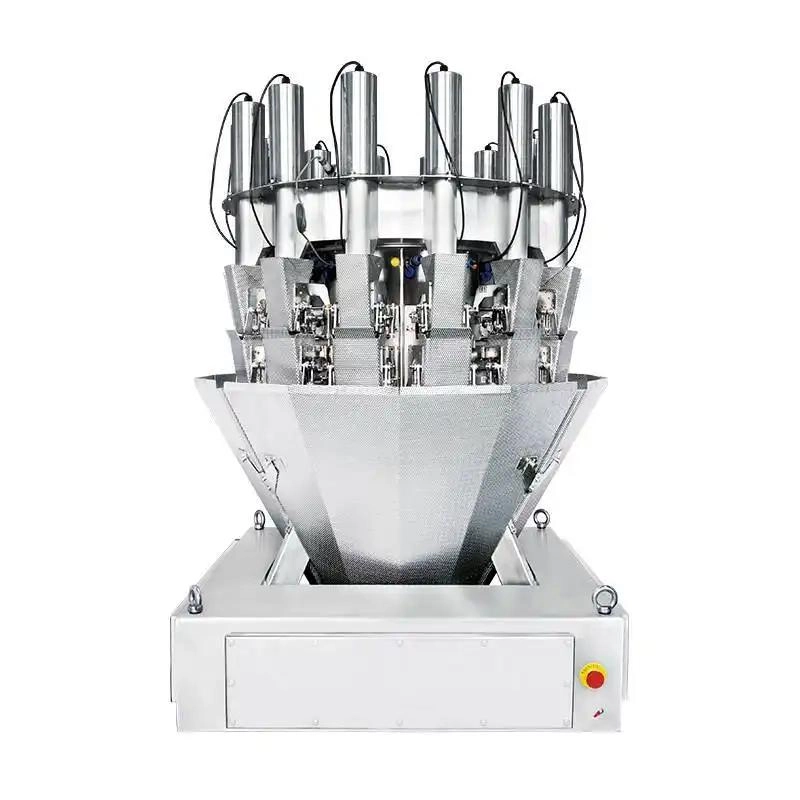
14 Heads Vertical Single Screw Feeding Pickles Weigher backups
This type of weigher is designed to handle the unique characteristics of pickles, ensuring precise measurements for packaging and distribution. It uses a vertical single screw mechanism to feed the pickles into the weighing system, allowing for efficient and consistent weighing. This technology is particularly useful in food processing and packaging facilities where precise portioning is essential for quality control and customer satisfaction. This specialized equipment is perfect for accurately measuring and dispensing pickles in a production line or packaging facility. The vertical design allows for efficient and precise filling of containers, while the single screw feeding mechanism ensures consistent and reliable weighing.
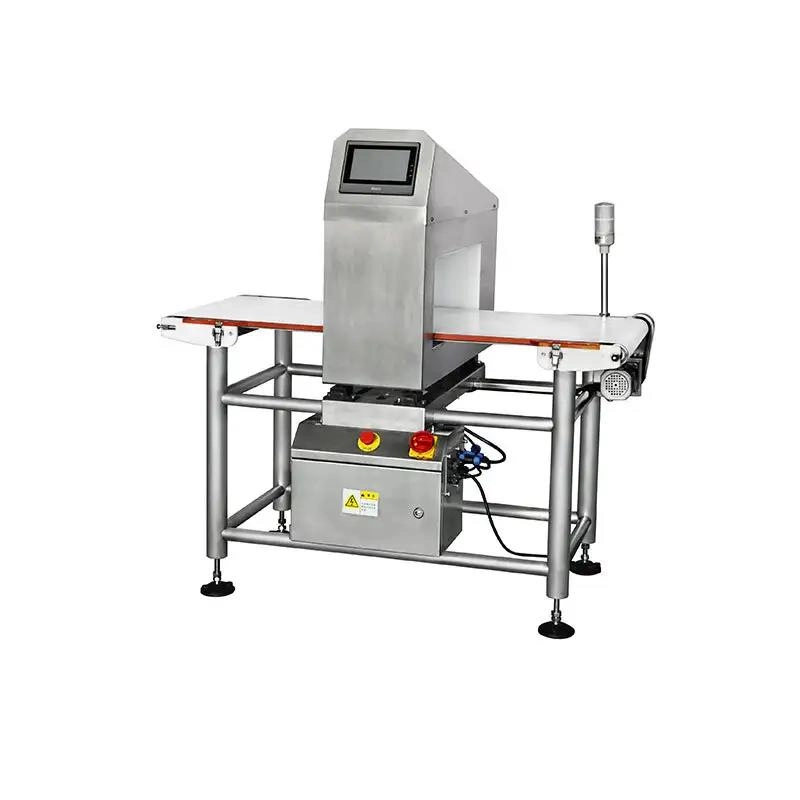
Food Metal Detector Manufacturer For Reject Defective Products G5020
The G5020 multi-frequency metal detector features a specialized conveyor belt designed to reduce contamination risks, ensure smooth operation, and maintain high detection sensitivity. It is easy to disassemble for convenient maintenance. Ideal for detecting metal contaminants in food, pharmaceuticals, spices, plastics, electronics, textiles, toys, handicrafts, and more.
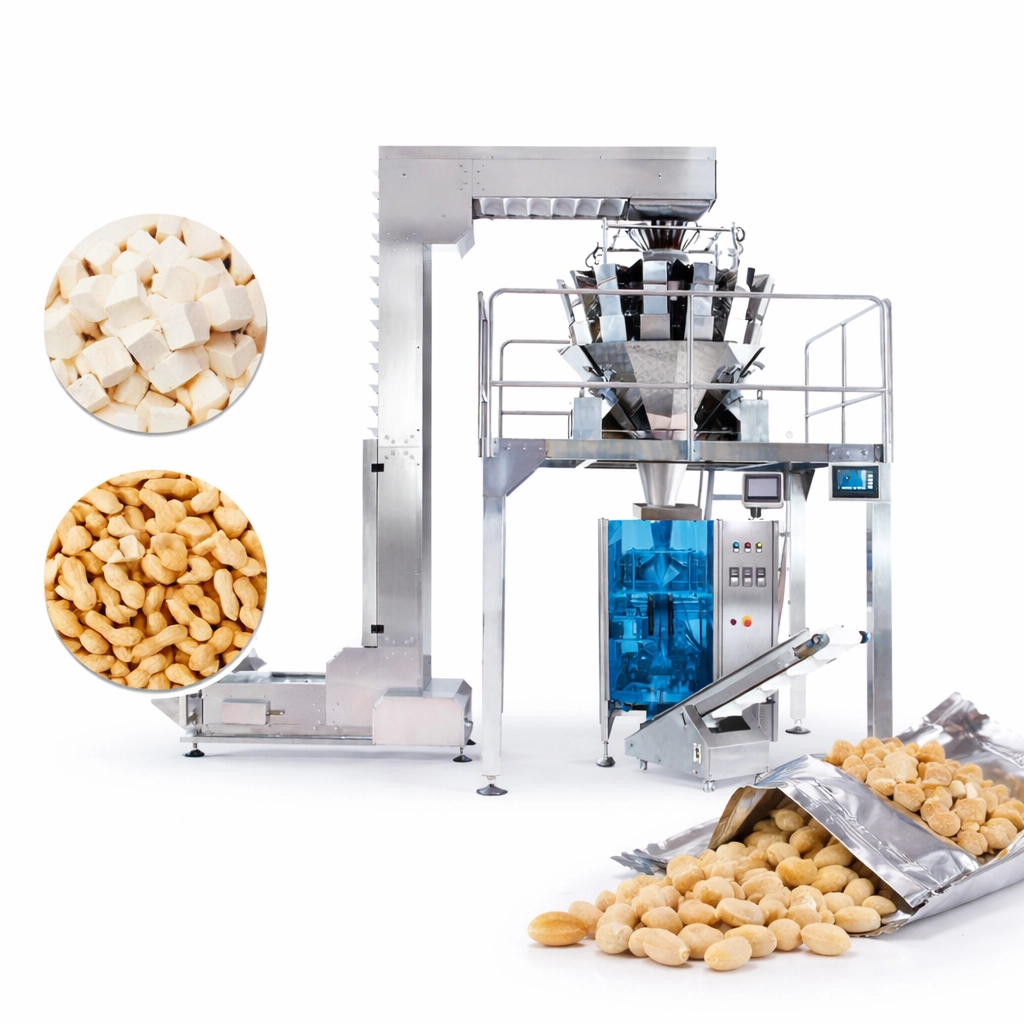
High-Precision Weighing & Packaging for Granular Products
The Granular Food Packing Machine is a fully automated solution designed for accurate weighing, filling, and packaging of various granular food products. Integrated with a multihead weigher and advanced packaging system, it ensures high speed, precision, and hygiene standards for modern food production.
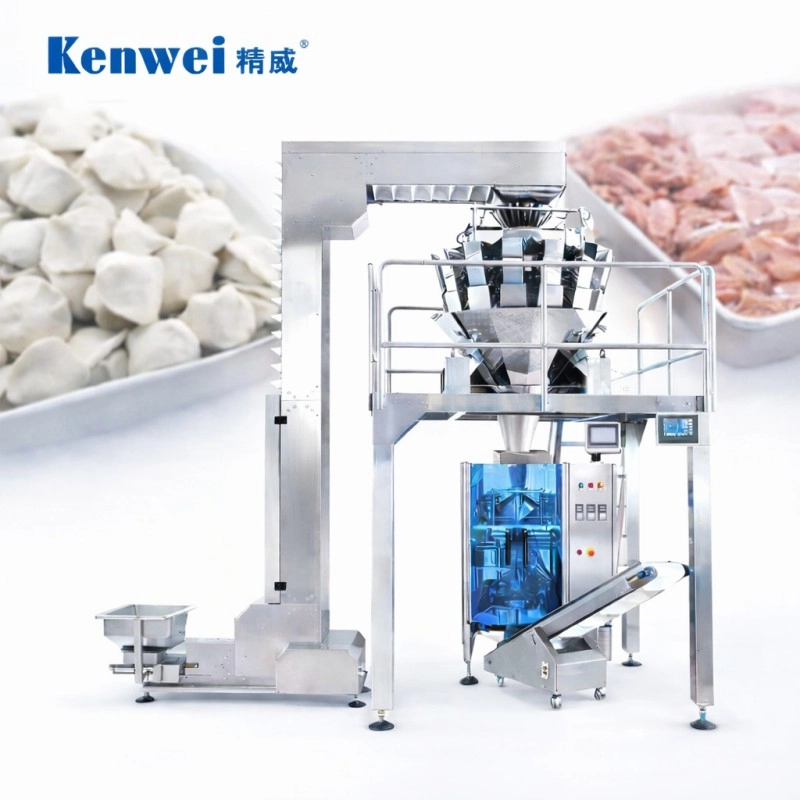
Vertical Frozen Food Packaging Machine for IQF & Frozen Products JW-B1
The Kenwei JW-B1 Vertical Frozen Food Packaging Machine is designed for IQF and frozen products, ensuring efficient, airtight packing. This vertical packing machine boosts productivity with precision sealing, ideal for frozen food packaging needs in the food industry.
Get in touch with us
If you have any comments or good suggestions, please leave us a message, later our professional staff will contact you as soon as possible.
Kenwei
Kenwei
Kenwei multi weigh
Kenwei
Kenwei
Kenwei