






Top 10 Metal Detectors for Aluminum Foil in Food Plants
This article reviews the top 10 metal detectors optimized for aluminum foil-packaged food products, explains why foil demands specialized detection, compares models (including the 2415 Metal Detector for Aluminum Foil), and covers selection, validation and compliance tips for food plants.
- Why Aluminum Foil Requires Specialized Metal Detection
- How foil affects detection sensitivity
- What foil compensation means in practice
- Industry impact and regulatory expectations
- Top 10 Metal Detectors for Aluminum Foil in Food Plants
- Overview: selection criteria
- Comparison table: top 10 models
- Featured product spotlight: 2415 Metal Detector
- Choosing and Implementing the Right System
- Match detector features to your product mix
- Installation and integration best practices
- Validation and performance testing
- Maintenance, Validation and Compliance
- Routine calibration and preventive maintenance
- Audit documentation and electronic records
- Standards and recommended references
- Operational Tips and Troubleshooting
- Minimizing false rejects
- When to use multi-frequency vs single-frequency systems
- Training operators and maintaining records
- Frequently Asked Questions (FAQ)
- Q: Can a metal detector detect metal through aluminum foil packaging?
- Q: How often should I validate my metal detector?
- Q: What is the difference between rejection methods and which should I pick?
- Q: Do metal detectors need to be tailored for different foil types?
- Q: Which standards should I reference for implementing a metal detection program?

Aluminum foil packaging creates specific challenges for contamination control because foil itself produces strong signals that can mask true metal foreign bodies. For food plants, choosing a metal detector for food industry applications that can reliably discriminate aluminum packaging from unwanted metal contaminants is essential for product safety, regulatory compliance, and brand protection. This guide examines the leading technologies and models tailored for aluminum foil-packaged items, explains how foil compensation works, and helps food processors pick, validate, and maintain the right system.
Why Aluminum Foil Requires Specialized Metal Detection
How foil affects detection sensitivity
Aluminum foil is non-magnetic and conductive, producing signals in metal detection coils that can mimic or mask foreign metal objects. Standard metal detectors for the food industry often detect changes in electromagnetic fields; when a product wrapped in foil passes through, the packaging can create a large background effect. Without foil compensation or specialized sensors, this can lead to false rejects or missed contaminants.
What foil compensation means in practice
Foil compensation is an electronic or algorithmic method that filters the signal generated by the aluminum foil so the system can focus on the signal patterns of unwanted metal fragments. Advanced metal detection systems for aluminum foil use high-sensitivity sensors, adaptive filtering, and configurable thresholds to maintain detection sensitivity for ferrous and non-ferrous metals while ignoring normal foil signatures.
Industry impact and regulatory expectations
Food safety standards and retail customer requirements increasingly expect documented foreign body control programs that include effective metal detection. Standards such as ISO 22000 for food safety management and retail schemes like BRC Global Standard emphasize risk-based controls including validated detection systems. Refer to ISO 22000 guidance here: ISO - Food safety management and BRC Global Standard details here: BRCGS.
Top 10 Metal Detectors for Aluminum Foil in Food Plants
Overview: selection criteria
When assessing metal detector for food industry use specifically on aluminum foil-packaged products, consider: foil compensation capability, sensitivity to ferrous/non-ferrous/stainless steel, aperture dimensions (width and height), detection algorithms, conveyor integration, reject mechanisms, and ease of validation. Also evaluate vendor support for validation documentation and compliance checks.
Comparison table: top 10 models
The table below summarizes ten metal detectors commonly used in food plants for aluminum foil-packaged items, including the featured 2415 model.
| Model | Best for | Sensitivity (typical) | Max Aperture (W x H) | Aluminum Foil Compensation | Notes |
|---|---|---|---|---|---|
| Metal Detector for Aluminum Foil in the Food Industry for Accurate Contamination Detection (2415) | Foil-wrapped small bags (coffee, snacks) | High (optimized for magnetic metals) | 24mm (W) x 20–150mm (H) | Advanced adaptive foil filtering | Adjustable settings; ideal for thin foil packs |
| MD-3000 | Large pouch lines, bulk packs | Medium-high | 200 x 120 mm | Yes (multi-frequency) | Good for mixed product lines |
| AlphaSense 520 | Chocolate, confectionery | High | 150 x 80 mm | Yes (software compensation) | Fast throughput with reject options |
| Spectrum Pro-Foil | High-speed coffee bag lines | Very high | 120 x 90 mm | Yes (coil geometry + algorithms) | Optimized for foil and laminated packs |
| Guardian XL | Meat and ready meals (foil trays) | High for ferrous & non-ferrous | 300 x 200 mm | Configurable | Integrated rejection & PLC ready |
| PulseDetect 4F | Snack foods, nuts | Medium | 100 x 60 mm | Yes | Cost-effective option |
| InSpec FS-600 | Dried fruits, jerky | High | 180 x 100 mm | Advanced | Built-in logging for audits |
| SafeLine Compact | Small cosmetics and single-serve food | Medium | 80 x 40 mm | Limited | Lightweight and mobile |
| MagnaTrack 450 | Industrial bulk lines | Medium-high | 500 x 300 mm | Optional | Large aperture; modular design |
| FoilGuard S2 | Foil sachets and pouches | Very high (non-ferrous optimized) | 140 x 70 mm | Dedicated foil rejection algorithms | Preferred for laminated foil sachets |
Featured product spotlight: 2415 Metal Detector
The 2415 Metal Detector for Aluminum Foil is equipped with high-sensitivity sensors that effectively filter out signals from aluminum packaging, ensuring precise detection of magnetic metal contaminants. Ideal for detecting foreign bodies in aluminum foil-packaged items such as coffee bags, peanuts, dried meats, chocolate, and more. This versatile metal detector offers adjustable settings, with a maximum width of 24mm and height ranging from 20-150mm, making it suitable for a wide variety of aluminum foil packaging applications.
Choosing and Implementing the Right System
Match detector features to your product mix
Start by categorizing your production SKUs: foil sachets, multi-layer bags, foil-laminated trays, or vacuum-sealed foil packs. For each category, consider the required aperture, throughput speed, and expected contaminant types (ferrous, non-ferrous, stainless). A metal detector for food industry use should allow quick configuration changes when you run mixed SKUs.
Installation and integration best practices
Install at a point after primary packaging where contaminants from upstream operations could be present but before secondary handling that could cause new contamination. Integrate with conveyors, reject devices (air blast, pusher), and plant control systems (PLCs and MES) to ensure synchronized operation and logging. Work with vendors who provide installation validation and user training.
Validation and performance testing
Documented validation is required by many retailers and food safety standards. A performance qualification should include sensitivity checks with standard test pieces for ferrous and non-ferrous metals plus stainless steel. Keep records for audits. For guidance on food safety system requirements see ISO 22000 (ISO) and regulatory expectations from agencies such as the U.S. Food and Drug Administration (FDA).
Maintenance, Validation and Compliance
Routine calibration and preventive maintenance
Establish daily functional checks and periodic calibration schedules. Daily checks can include built-in test routines and using certified test pieces. Preventive maintenance should cover conveyor alignment, sensor cleaning, and software firmware updates. A robust maintenance log supports traceability during recalls or customer audits.
Audit documentation and electronic records
Many buyers require signed validation protocols and continuous monitoring records. Choose systems with data logging, user access control, and multi-level audit trails. Electronic signatures and secure data export simplify compliance with auditing and recall procedures.
Standards and recommended references
Refer to internationally recognized standards when designing your foreign-material control program. For example:
- ISO 22000 — Food safety management systems: https://www.iso.org/iso-22000-food-safety-management.
- BRC Global Standard for Food Safety — supplier and retail requirements: https://www.brcgs.com/
- General FDA resources on food safety and preventive controls: https://www.fda.gov/
Operational Tips and Troubleshooting
Minimizing false rejects
Fine-tune detector sensitivity and foil compensation using real production runs rather than bench tests. Where possible, run sample packages with intentionally embedded test pieces to validate detection without disrupting production. If false rejects persist, check conveyor vibration, grounding, and nearby electromagnetic interference sources.
When to use multi-frequency vs single-frequency systems
Multi-frequency metal detectors can better discriminate between product effects (including foil) and contaminants, improving sensitivity for non-ferrous metals. Single-frequency units are simpler and can be effective when product variables are stable and foil compensation is not extreme.
Training operators and maintaining records
Operator competence is critical. Provide clear SOPs for daily checks, reject confirmation, and data logging. Keep validation records, reject logs, and maintenance forms for at least the period your quality system requires (often aligned to audit cycles or regulatory guidance).
Frequently Asked Questions (FAQ)
Q: Can a metal detector detect metal through aluminum foil packaging?
A: Yes — but only if the detector has effective foil compensation or advanced sensing technology. Specialized systems, such as the 2415 model described above, are designed to filter aluminum packaging signals so they can detect magnetic and some non-magnetic contaminants reliably.
Q: How often should I validate my metal detector?
A: Daily functional checks are recommended, with full performance validation whenever there are significant changes to the product, packaging, or production line. Many facilities perform a comprehensive validation quarterly or after maintenance that affects detection performance. Keep documentation for audits and traceability.
Q: What is the difference between rejection methods and which should I pick?
A: Common reject methods include air blast, pneumatic pushers, diverters, and stop-on-reject. Choose based on product fragility, line speed, and available space. For fragile foil packs, gentle air-blast or dedicated reject lanes may reduce product damage compared to mechanical pushers.
Q: Do metal detectors need to be tailored for different foil types?
A: Yes. Different foil thicknesses, laminations, or foil-plus-film constructions change the background signal. Detectors with adjustable foil compensation or adaptive algorithms handle these variations better. Always validate on the actual packaged product.
Q: Which standards should I reference for implementing a metal detection program?
A: Use ISO 22000 for food safety management, BRC Global Standard for retailer requirements, and local regulatory guidance. Vendor documentation on validation procedures and test pieces is also important. See ISO and BRC links above for details.
If you’d like a datasheet, validation protocol, or to see how the Metal Detector for Aluminum Foil in the Food Industry for Accurate Contamination Detection (2415) performs on your product line, contact our sales and technical team or view the product page for specifications, pricing, and support options.
Tags
vffs machine manufacturer
vffs machine manufacturer
liquid food supplement stick pack packaging machines
liquid food supplement stick pack packaging machines
best metal detectors
best metal detectors
Stainless steel linear weigher
Stainless steel linear weigher
packaging machines for pet food
packaging machines for pet food
multi head weigher
multi head weigher
Recommended for you
Multihead Weigher Buyer’s Guide: Choose the Right Model for Your Line
The latest trends for linear scale weigher
Cost Breakdown of a Food Packing Machine and Multihead Weigher
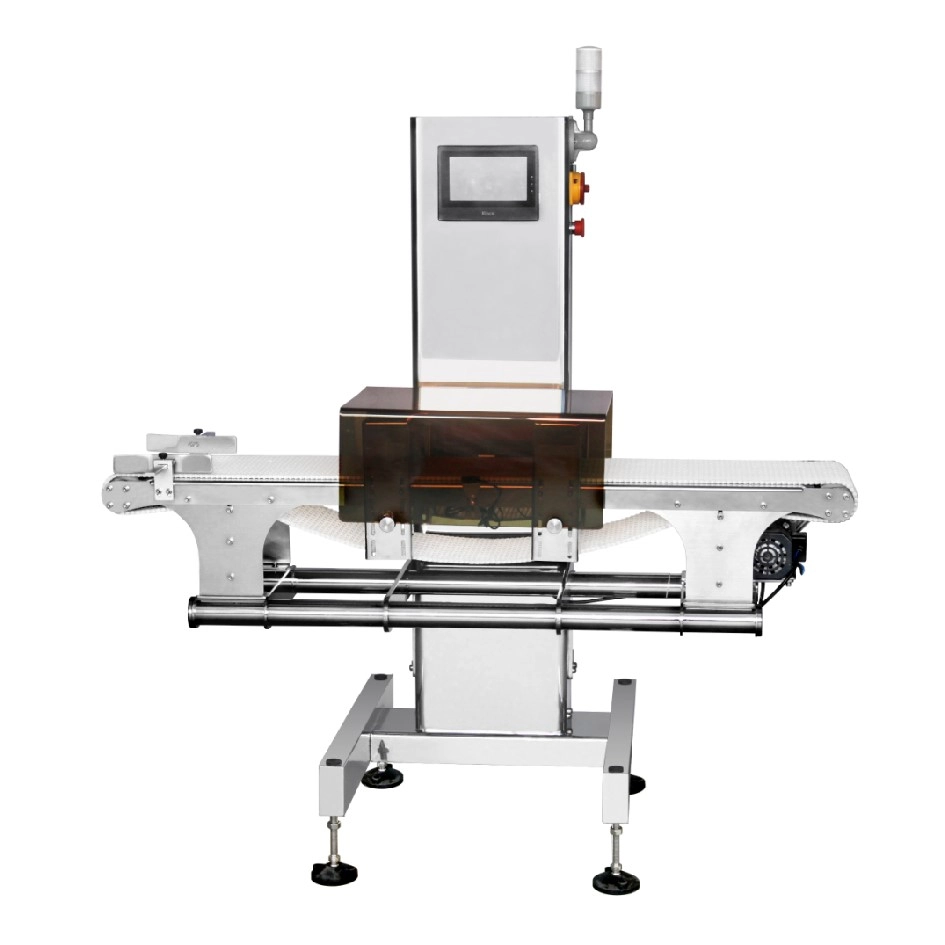
Top 10 Tests to Validate Aluminum Foil Detection Performance
Prdoucts Categories
Question you may concern
About Solution suggestions
Can Kenwei provide a solution for mixed-product weighing?
Yes, Kenwei’s multi-head weighers are ideal for mixed-product weighing. They can handle a variety of products in different shapes and sizes, ensuring that the correct portions are weighed and packaged quickly.
Can Kenwei machines handle products with irregular shapes or sizes?
Yes, multi-head weighers are particularly effective for handling products with irregular shapes and sizes.
About products customization
Can Kenwei machines be customized for different industries?
Yes,According to the material characteristics and requirements of different industries, we developed various machine types for counting (small pouches into big bag), noodles, frozen foods, peppers, stick-shaped products, product -mixing, cheeses, salads and so on.
About After Sales Support
How can I get technical support for my Kenwei machine?
You can contact Kenwei's technical support team via email, phone, or through our website.
About Cooperation Process
Can Kenwei customize equipment to meet my specific needs?
Yes! We offer customized solutions for all of our machines. Our team will work closely with you to understand your specific requirements and create a solution that meets your needs in terms of size, functionality, speed, and other factors.
You may also like
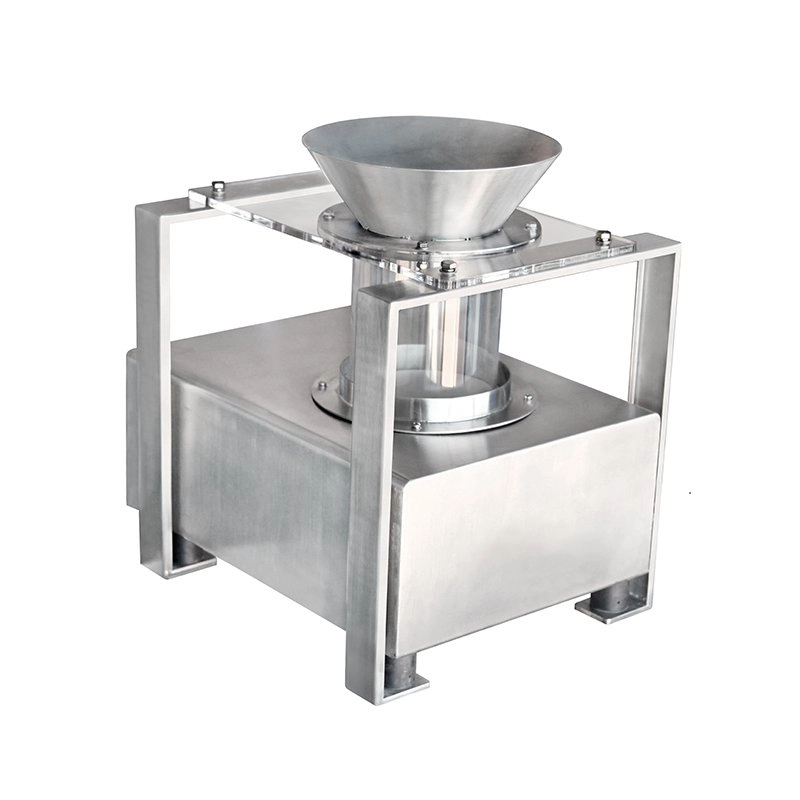
Dropped Metal Detector for Powder Granules For Food Industry
Enhance food safety with Kenwei’s Dropped Metal Detector for Powder Granules. This advanced food metal detector ensures precise detection in the food industry, safeguarding products and maintaining high quality standards throughout processing.
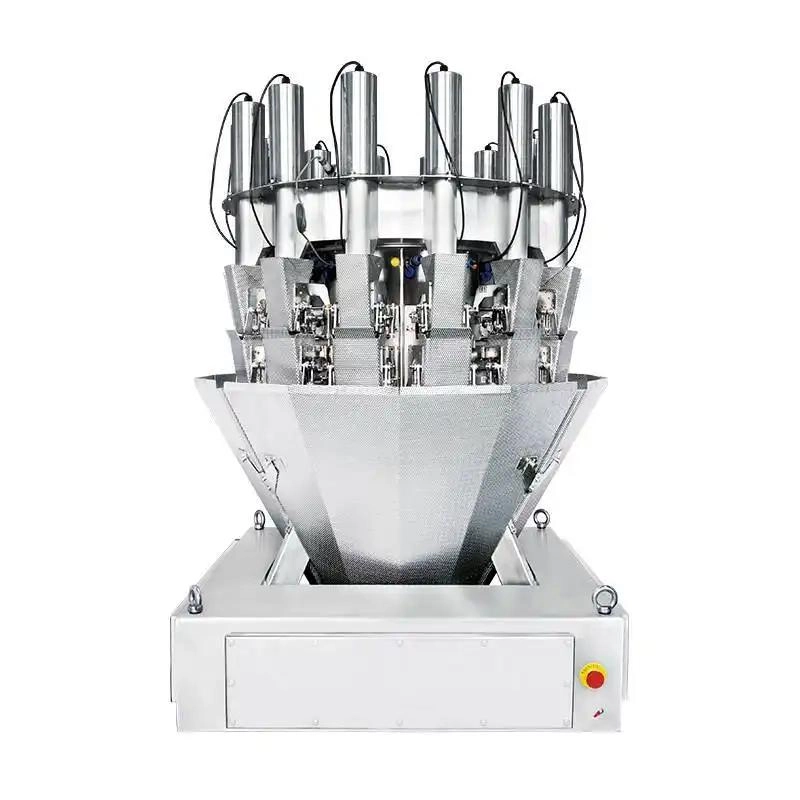
14 Heads Vertical Single Screw Feeding Pickles Weigher backups
This type of weigher is designed to handle the unique characteristics of pickles, ensuring precise measurements for packaging and distribution. It uses a vertical single screw mechanism to feed the pickles into the weighing system, allowing for efficient and consistent weighing. This technology is particularly useful in food processing and packaging facilities where precise portioning is essential for quality control and customer satisfaction. This specialized equipment is perfect for accurately measuring and dispensing pickles in a production line or packaging facility. The vertical design allows for efficient and precise filling of containers, while the single screw feeding mechanism ensures consistent and reliable weighing.
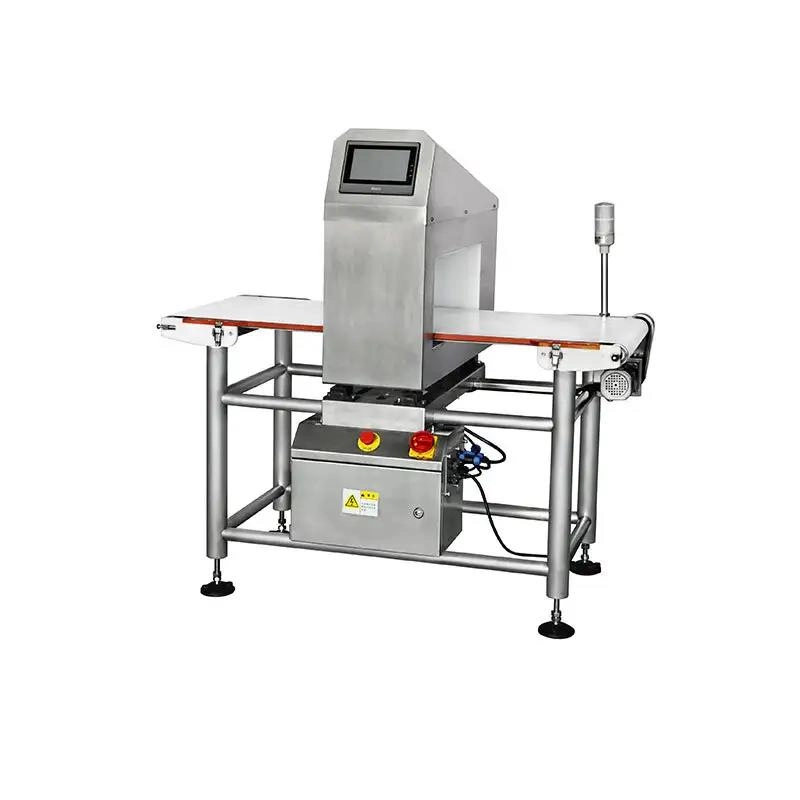
Food Metal Detector Manufacturer For Reject Defective Products G5020
The G5020 multi-frequency metal detector features a specialized conveyor belt designed to reduce contamination risks, ensure smooth operation, and maintain high detection sensitivity. It is easy to disassemble for convenient maintenance. Ideal for detecting metal contaminants in food, pharmaceuticals, spices, plastics, electronics, textiles, toys, handicrafts, and more.
High-Precision Weighing & Packaging for Granular Products
The Granular Food Packing Machine is a fully automated solution designed for accurate weighing, filling, and packaging of various granular food products. Integrated with a multihead weigher and advanced packaging system, it ensures high speed, precision, and hygiene standards for modern food production.
Get in touch with us
If you have any comments or good suggestions, please leave us a message, later our professional staff will contact you as soon as possible.
Kenwei
Kenwei
Kenwei multi weigh
Kenwei
Kenwei
Kenwei