






ROI of Installing G5020 Metal Detectors in Food Plants
This article explains how installing the Food Metal Detector Manufacturer For Reject Defective Products G5020 delivers measurable ROI for food plants. It covers direct cost savings, reduced recall risk, operational benefits, ROI calculation, case scenarios, and practical tips for selection, validation, and maintenance.
- ROI of Installing G5020 Metal Detectors in Food Plants
- Why a metal detector for food industry matters to your bottom line
- Product overview: Food Metal Detector Manufacturer For Reject Defective Products G5020
- Understanding ROI components for a metal detector for food industry
- Quantifying direct savings: a comparative table
- Reducing recall and compliance risk with a metal detector for food industry
- Operational advantages that improve throughput and reduce waste
- Case study scenarios: small, medium, and large plant ROI
- How to calculate expected ROI for your plant
- Selecting the right metal detector for food industry needs — why G5020 stands out
- Installation, validation, and maintenance best practices
- Brand advantages and vendor considerations in the second half of the decision
- Frequently Asked Questions (FAQ)
- Q: How quickly can I expect to recover the cost of a G5020 metal detector?
- Q: Will the G5020 detect stainless steel fragments?
- Q: How does multi-frequency detection improve results for food products?
- Q: What validation documentation will the G5020 supply for audits?
- Q: Can the G5020 be integrated into my existing production line controls?
- Contact sales / View product
- Authoritative references and further reading

ROI of Installing G5020 Metal Detectors in Food Plants
Why a metal detector for food industry matters to your bottom line
Food manufacturers face tight margins, strict regulatory requirements, and high reputational risk. A reliable metal detector for food industry applications is not just a regulatory checkbox — it is a financial safeguard. The right metal detection system reduces contaminated shipments, lowers recall risk, improves line efficiency, and protects brand value. This article analyses the ROI of installing the Food Metal Detector Manufacturer For Reject Defective Products G5020 in food plants and provides practical guidance to estimate payback periods and benefits. Maximizing ROI also depends on mechanical design choices. Learn how selecting materials and conveyor design to optimize detection can significantly improve metal detector performance.
Product overview: Food Metal Detector Manufacturer For Reject Defective Products G5020
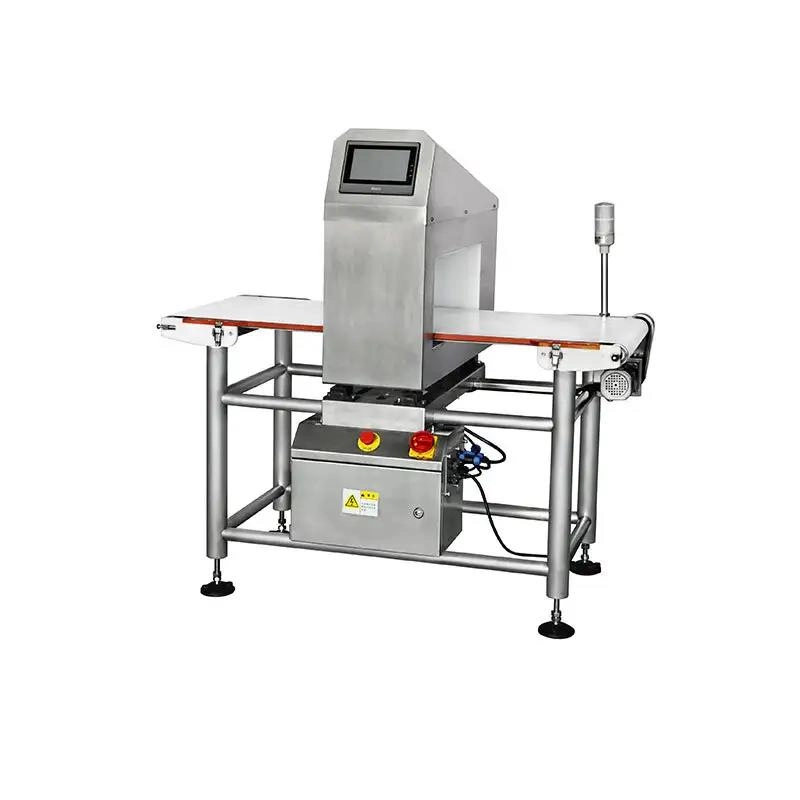
The G5020 multi-frequency metal detector features a specialized conveyor belt designed to reduce contamination risks, ensure smooth operation, and maintain high detection sensitivity. It is easy to disassemble for convenient maintenance. Ideal for detecting metal contaminants in food, pharmaceuticals, spices, plastics, electronics, textiles, toys, handicrafts, and more.
Key capabilities relevant to food plants:
- Multi-frequency detection to handle products with varying conductivity and product effect (wet, dry, variable composition).
- High sensitivity to ferrous, non-ferrous, and stainless-steel contaminants.
- Sanitary conveyor design and quick-disassembly frames for faster cleaning and reduced contamination risk.
- Automated reject mechanism and validation logs for quality records and compliance.
Understanding ROI components for a metal detector for food industry
ROI for metal detection includes direct and indirect components. Key items to include when calculating ROI:
- Initial capital expenditure (CAPEX): purchase price, installation, integration with line controls.
- Operating expenditure (OPEX): energy, calibration, spare parts, validation testing, and periodic servicing.
- Reduced costs: fewer customer complaints, fewer contaminated batches, less product waste, reduced rework/repackaging.
- Avoided costs: the expected cost of a recall (product retrieval, fines, lost sales, logistics, legal), brand damage, and lost future revenue.
- Efficiency gains: reduced line stops, faster inspection rates, reduced manual inspection labor.
Quantifying direct savings: a comparative table
The table below compares typical annual costs and savings for three scenarios: no metal detector, a basic single-frequency detector, and the G5020 multi-frequency detector. Values are illustrative — use your plant-specific numbers for precise calculation.
| Item | No Detector (Annual) | Basic Detector (Annual) | G5020 (Annual) |
|---|---|---|---|
| Capital Cost (amortized over 5 years) | $0 | $5,000 | $10,000 |
| Maintenance & calibration | $1,200 | $1,500 | $1,800 |
| Annual product loss due to contamination (est.) | $25,000 | $8,000 | $2,500 |
| Expected recall risk cost (probability-adjusted) | $40,000 | $12,000 | $3,000 |
| Labor & manual inspection | $15,000 | $10,000 | $8,000 |
| Total Annual Cost | $81,200 | $36,500 | $25,300 |
| Annual Savings vs No Detector | — | $44,700 | $55,900 |
| Estimated Payback (years) | — | ~0.1–1.0 (depending on CAPEX) | ~0.18 (if using $10,000 CAPEX) |
Notes: The table assumes a modest plant volume where a high-sensitivity detector significantly reduces contamination and recall costs. For high-volume operations, the savings and payback will be larger. Always adapt the inputs (recall probability, cost of lost production, detector price) to your facility.
Reducing recall and compliance risk with a metal detector for food industry
Recalls are expensive: costs include logistics to retrieve products, disposal, customer compensation, lost revenue, and potential fines or legal fees. More importantly, recalls damage trust and shelf placement. Regulatory bodies and major retailers often require documented metal detection and validation as part of HACCP and GFSI schemes (e.g., BRCGS, SQF).
Installing a validated G5020 reduces the likelihood of shipping contaminated product and helps demonstrate due diligence during audits. The G5020’s validation logging, automated rejects, and sensitivity across different metal types strengthen compliance evidence and can shorten audit remediation time, which also saves money.
Operational advantages that improve throughput and reduce waste
The G5020’s design focuses on sanitary operation and rapid maintenance. Benefits for operations teams include:
- Fewer unplanned line stops due to cleaner design and reliable reject actuation.
- Faster cleaning and validation cycles thanks to quick disassembly — lower downtime during product changeovers.
- Reduced false rejects through multi-frequency tuning that compensates for product effect, which lowers wasted product and preserves yield.
Case study scenarios: small, medium, and large plant ROI
Example ROI scenarios using simplified assumptions (annualized):
| Scenario | Annual Volume | Estimated Annual Savings with G5020 | G5020 CAPEX | Payback |
|---|---|---|---|---|
| Small plant | 200 tons/year | $20,000 | $9,000 | ~0.45 years (5–6 months) |
| Medium plant | 1,200 tons/year | $75,000 | $10,000 | ~0.13 years (1–2 months) |
| Large plant | 8,000 tons/year | $400,000 | $12,000 | ~0.03 years (a few weeks) |
These case studies illustrate that the higher the throughput and the higher the potential recall cost, the more compelling the ROI for high-performance detectors like the G5020.
How to calculate expected ROI for your plant
Use this step-by-step method to estimate ROI:
- List current costs associated with metal contamination: product loss, manual inspection labor, packing/repairs, historical recall costs, and probability of future recall events.
- Estimate the reduction in each cost category with the G5020 (for example, 70–95% reduction in undetected contaminants depending on baseline).
- Add G5020 costs: CAPEX, installation, and annual OPEX.
- Calculate annual net savings = (Current annual costs) - (New annual costs + OPEX + CAPEX amortization).
- ROI = (Annual net savings / Total installed cost) x 100%. Payback period = Total installed cost / Annual net savings.
Selecting the right metal detector for food industry needs — why G5020 stands out
When choosing a metal detector, consider sensitivity across metal types, ease of sanitation, product effect handling, reject reliability, and traceability for audits. The G5020 excels in several of these areas:
- Multi-frequency technology improves detection on challenging products (high moisture, uneven shapes, spices, mixtures).
- Conveyor and frame designed to minimize crevices where product can accumulate, lowering contamination risk and cleaning time.
- Quick disassembly reduces downtime during allergen/product changeovers — crucial for multi-product lines.
- Robust reject mechanisms help avoid line jams and mis-rejects, maintaining throughput and reducing labor intervention.
Installation, validation, and maintenance best practices
To maximize ROI, follow these practical steps:
- Plan placement: install after the last point where metal could be introduced (typically after forming, before packaging) and where product is stable.
- Perform site acceptance testing (SAT) and operational qualification (OQ): validate sensitivity with certified test pieces for each product type and pack format.
- Document SOPs: cleaning, test piece checks, calibration logs, and reject verification for audits.
- Schedule preventive maintenance and keep spare parts for critical components (belts, coils, reject actuators).
- Train operators in quick clean/disassembly and in recognizing product effects that could generate false rejects.
Brand advantages and vendor considerations in the second half of the decision
Choosing a reputable Food Metal Detector Manufacturer For Reject Defective Products G5020 means more than hardware. Evaluate vendor capabilities:
- Technical support and local service response times — faster service reduces downtime cost.
- Training offerings and documentation quality for audits.
- Customization options for specific rejects, conveyors, or integration with factory automation (SCADA/MES).
- Track record and references from similar food categories to yours — spices, wet products, or fragile products may have different detection challenges.
Frequently Asked Questions (FAQ)
Q: How quickly can I expect to recover the cost of a G5020 metal detector?
A: Payback can be rapid — often months — depending on your plant's throughput and the value of avoided recalls. Many plants see payback within the first year; high-volume operations may see payback in weeks.
Q: Will the G5020 detect stainless steel fragments?
A: Stainless steel (especially non-magnetic grades) is harder to detect than ferrous metals. The G5020’s multi-frequency detection improves sensitivity to non-ferrous and stainless contaminants compared to single-frequency units, but detection thresholds depend on part size, orientation, and product effect.
Q: How does multi-frequency detection improve results for food products?
A: Multi-frequency systems can tune across frequencies to reduce product effect (the signal food itself generates) and optimize detection of small or non-ferrous fragments. This lowers false rejects and increases true contaminant detection.
Q: What validation documentation will the G5020 supply for audits?
A: Typical deliverables include sensitivity test logs, calibration certificates, reject logs, and SOP templates. Confirm these with your vendor during purchase to ensure audit readiness.
Q: Can the G5020 be integrated into my existing production line controls?
A: Yes. The G5020 supports common I/O and communication protocols for integration with PLCs, SCADA, or MES systems. Discuss specific interface needs with the supplier.
Contact sales / View product
Ready to evaluate the Food Metal Detector Manufacturer For Reject Defective Products G5020 for your facility? Contact our sales team for a tailored ROI calculation, on-site demo, and validation support: sales@example.com or visit the product page: View G5020 product page.
Authoritative references and further reading
- U.S. Food and Drug Administration (FDA) — Recalls, Market Withdrawals, & Safety Alerts: https://www.fda.gov/safety/recalls-market-withdrawals-safety-alerts
- Codex Alimentarius — General principles of food hygiene and HACCP: http://www.fao.org/fao-who-codexalimentarius/en/
- ISO 22000 Food safety management systems: https://www.iso.org/iso-22000-food-safety-management.
- BRCGS — Global Standards for Food Safety: https://www.brcgs.com/our-standards/
- Food Safety Magazine — Metal Detection in Food Manufacturing (industry overview): https://www.foodsafetymagazine.com/
- Wikipedia — Metal detector (general technology background): https://en.wikipedia.org/wiki/Metal_detector
For any specific ROI modeling or to schedule an on-site assessment, contact our team. We provide product demos, validation support, and custom ROI calculations tailored to your production profile.
Tags
wholesale multi head packing machine
wholesale multi head packing machine
combined check weigher and metal detector
combined check weigher and metal detector
Dual-channel counting machine
Dual-channel counting machine
weighing machine
weighing machine
multihead weighing machine
multihead weighing machine
Stainless steel linear weigher
Stainless steel linear weigher
Recommended for you
The latest trends for metal detector for food
Increase Packaging Speed: Optimize Your Multihead Weigher Settings
How a Pill Counter Machine Boosts Pharmacy Accuracy and Speed
Spare Parts and Backup Planning for 14-Head Multihead Weigher
Prdoucts Categories
Question you may concern
About Product choice
What is the average lifespan of Kenwei products?
Kenwei machines are built for durability and longevity. With proper maintenance, our products are designed to last for many years, even under heavy usage. We offer maintenance services and support to help extend the lifespan of your machines.
What types of products does Kenwei offer?
Kenwei specializes in high-precision and high-speed automated machinery for weighing, packaging, and quality control. Our main products include: multihead weigher, linear weigher, checkweighers,food metal detector,vertical packing machine and packing machine accessories.
Are Kenwei’s products suitable for small-scale or large-scale operations?
Yes! We offer machines that are scalable to meet the needs of both small and large-scale operations.
About Solution suggestions
How do Kenwei’s machines improve my production efficiency?
Kenwei machines enhance efficiency by automating the weighing, packaging, and quality control processes. Our high-speed, high-precision machines ensure accurate measurements, reduce human error, and increase throughput, leading to faster production times and lower operational costs.
About Cooperation Process
Does Kenwei offer installation and training?
Yes, Kenwei provides installation services and comprehensive training to ensure that your team can operate the machinery efficiently. Our engineers can travel to your facility for on-site installation, and we also offer remote training options if needed.
You may also like
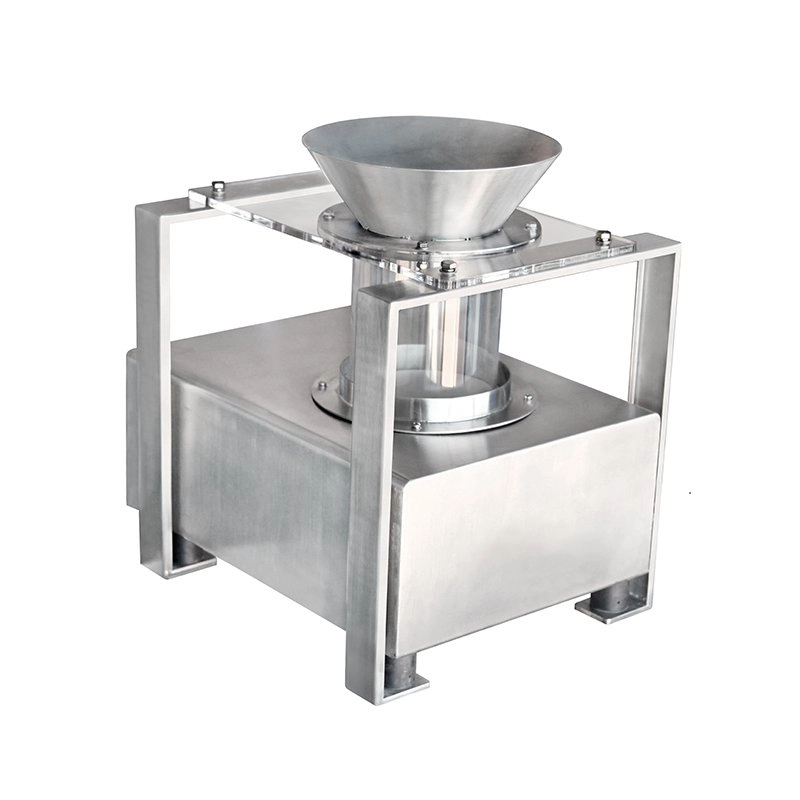
Dropped Metal Detector for Powder Granules For Food Industry
Enhance food safety with Kenwei’s Dropped Metal Detector for Powder Granules. This advanced food metal detector ensures precise detection in the food industry, safeguarding products and maintaining high quality standards throughout processing.
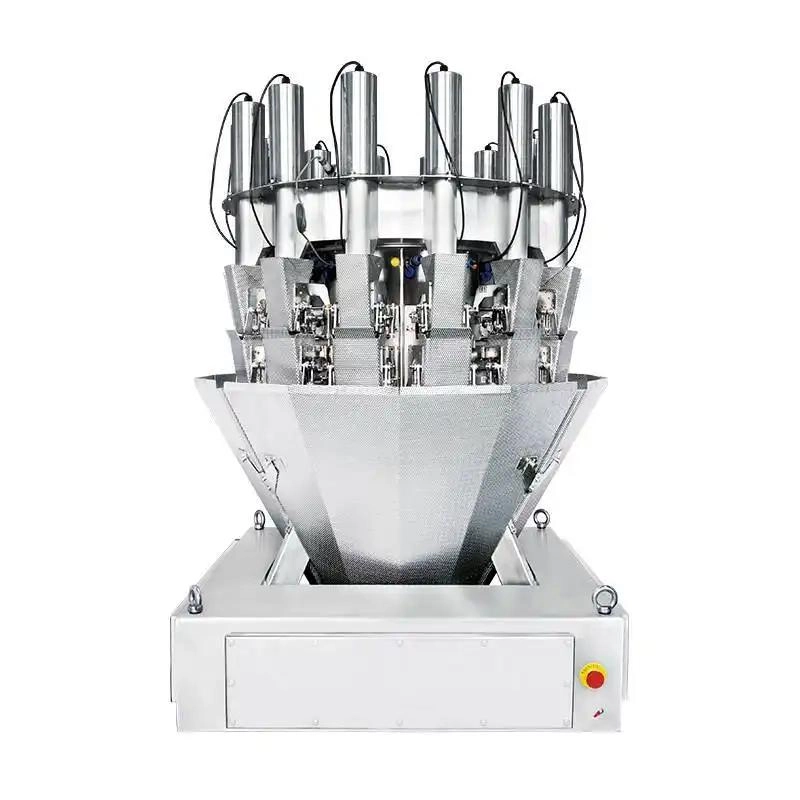
14 Heads Vertical Single Screw Feeding Pickles Weigher backups
This type of weigher is designed to handle the unique characteristics of pickles, ensuring precise measurements for packaging and distribution. It uses a vertical single screw mechanism to feed the pickles into the weighing system, allowing for efficient and consistent weighing. This technology is particularly useful in food processing and packaging facilities where precise portioning is essential for quality control and customer satisfaction. This specialized equipment is perfect for accurately measuring and dispensing pickles in a production line or packaging facility. The vertical design allows for efficient and precise filling of containers, while the single screw feeding mechanism ensures consistent and reliable weighing.
Food Metal Detector Manufacturer For Reject Defective Products G5020
The G5020 multi-frequency metal detector features a specialized conveyor belt designed to reduce contamination risks, ensure smooth operation, and maintain high detection sensitivity. It is easy to disassemble for convenient maintenance. Ideal for detecting metal contaminants in food, pharmaceuticals, spices, plastics, electronics, textiles, toys, handicrafts, and more.
High-Precision Weighing & Packaging for Granular Products
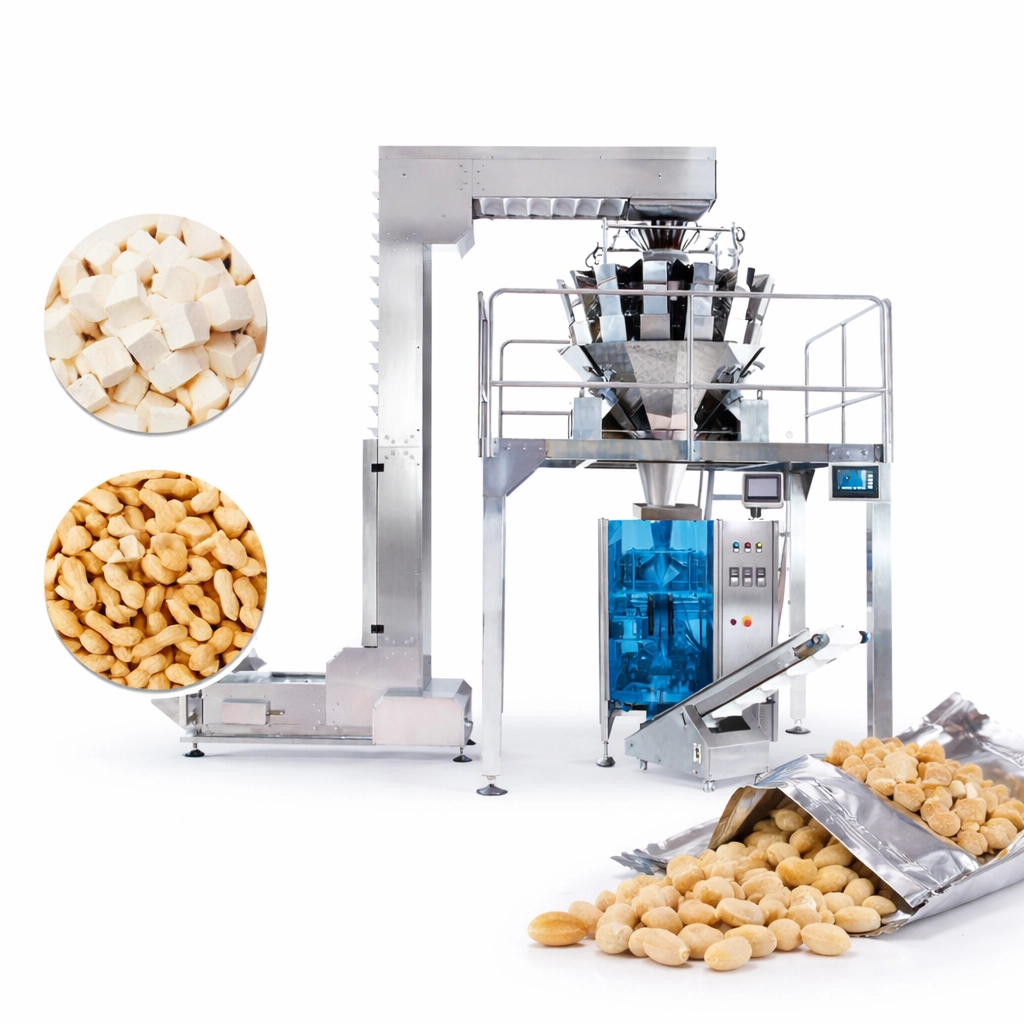
The Granular Food Packing Machine is a fully automated solution designed for accurate weighing, filling, and packaging of various granular food products. Integrated with a multihead weigher and advanced packaging system, it ensures high speed, precision, and hygiene standards for modern food production.
Get in touch with us
If you have any comments or good suggestions, please leave us a message, later our professional staff will contact you as soon as possible.
Kenwei
Kenwei
Kenwei multi weigh
Kenwei
Kenwei
Kenwei