






Integrating a Multihead Weigher into Pickles Packaging Lines
Integrating a multihead weigher into pickles packaging lines improves portion accuracy, increases throughput, and reduces product damage. This article explains practical steps to integrate the 14 Heads Vertical Single Screw Feeding Pickles Weigher backups into existing lines, covering product handling, sanitary design, control-system integration, performance tuning, and troubleshooting.
- Why a Multihead Weigher Suits Pickles Packaging
- Understanding the product challenges
- How the vertical single screw feeding helps
- Typical use cases on pickles lines
- Integrating the 14 Heads Vertical Single Screw Feeding Pickles Weigher backups
- Product overview
- Mechanical and footprint considerations
- Electrical and control integration
- Optimizing performance: accuracy, throughput, and product quality
- Calibration and accuracy strategies
- Throughput vs. accuracy trade-offs
- Minimizing product damage and improving fill consistency
- Sanitation, maintenance, and uptime
- Design for hygiene and quick cleaning
- Planned maintenance and spare parts strategy
- Remote diagnostics and OEE monitoring
- Line examples, comparisons, and ROI
- Comparing weigh technologies
- Estimating ROI
- Case flow example: jar line integration
- Brand advantages and why choose this weigher for pickles
- Specialization for pickles and fragile products
- Service, backups, and total cost of ownership
- Compliance and documentation
- Common integration challenges and mitigations
- Feed irregularities
- Synchronization with downstream machinery
- Sanitation and washdown constraints
- Frequently Asked Questions (FAQ)
- Q: Can a 14-head multihead weigher handle whole and sliced pickles?
- Q: What fill accuracy can I expect?
- Q: How often should I calibrate the weigher?
- Q: Do you provide spare parts or redundancy kits?
- Q: How difficult is changeover between container sizes?

Integrating a multihead weigher into a pickles packaging line requires attention to product handling, sanitary construction, and control-system synchronization. For producers and packaging engineers, the goal is predictable portioning, minimal product damage, and high line uptime. This article provides a practical, engineering-focused guide for adding a multihead weigher—specifically the 14 Heads Vertical Single Screw Feeding Pickles Weigher backups—to jar, cup, or pouch filling processes while addressing accuracy, throughput, and maintainability. System integration highlights the importance of durability, leading buyers to evaluate reliability metrics buyers need for multihead weigher purchases.
Why a Multihead Weigher Suits Pickles Packaging
Understanding the product challenges
Pickles are irregular, slippery, and variable in size and weight. These characteristics make them difficult to dose consistently with volumetric or single-head systems. A multihead weigher handles variability using many small weigh buckets working together to find optimal weight combinations, improving weighing accuracy and reducing giveaway. Semantic keywords relevant here include: weighing accuracy, portion control, low-damage handling, vertical screw feeder, and product handling.
How the vertical single screw feeding helps
The vertical single screw feeding mechanism gently meters pickles from a hopper into the weigher infeed. Compared with vibratory or belt feed systems, the screw feeder improves feed consistency for bulky or sticky pickles and reduces bouncing and bruising of the product. This matters for jar and tray filling where visual quality and intact pieces are important.
Typical use cases on pickles lines
Common implementations include: jar filling lines (glass jars), cup and portion tray filling, and pre-portioning for MAP (modified atmosphere packaging) pouches. The multihead weigher is especially effective where high throughput and tight weight tolerances (for regulatory requirements and cost control) are required.
Integrating the 14 Heads Vertical Single Screw Feeding Pickles Weigher backups
Product overview
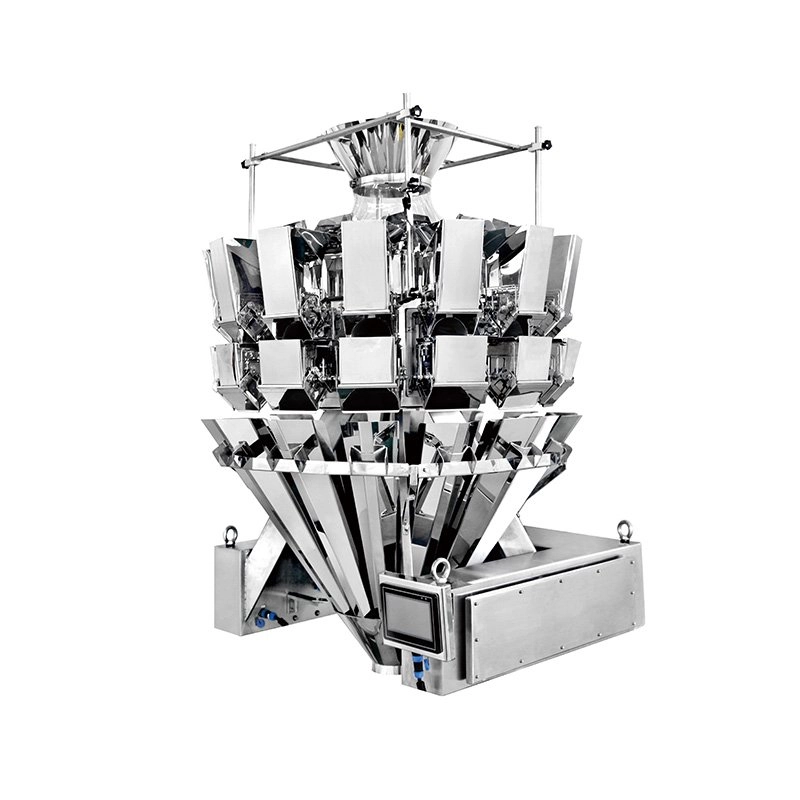
14 Heads Vertical Single Screw Feeding Pickles Weigher backups:
This type of weigher is designed to handle the unique characteristics of pickles, ensuring precise measurements for packaging and distribution. It uses a vertical single screw mechanism to feed the pickles into the weighing system, allowing for efficient and consistent weighing. This technology is particularly useful in food processing and packaging facilities where precise portioning is essential for quality control and customer satisfaction. This specialized equipment is perfect for accurately measuring and dispensing pickles in a production line or packaging facility. The vertical design allows for efficient and precise filling of containers, while the single screw feeding mechanism ensures consistent and reliable weighing.
Mechanical and footprint considerations
When adding the 14-head weigher to a line, assess available floor space, infeed elevation, and discharge orientation. The vertical screw requires a hopper height that allows gravity feed into the screw intake. Also evaluate conveyor interfaces: jar turntables, indexing conveyors, or synchronized belts may be required. Typical considerations include conveyor pitch, line speed, and whether a top-down or offset fill is needed.
Electrical and control integration
Modern multihead weighers provide PLC or Ethernet/IP connectivity and an HMI for recipe management. For smooth integration verify: I/O mappings (start/stop, reject signals, indexing), protocol compatibility (Modbus, Profinet, Ethernet/IP), and whether the weigher will act as master or slave in the line orchestration. HMI recipes should store parameters for different jar sizes, fill weights, and product profiles so changeovers are fast and repeatable.
Optimizing performance: accuracy, throughput, and product quality
Calibration and accuracy strategies
Calibrate bucket load cells and validate with reference weights. Use multiple calibration points across the operating range to achieve linear accuracy. Employ automatic tare and zero checks during quiet periods. For pickles, create product profiles that include average piece weight and typical distribution—these profiles help the multihead algorithm compute the optimal combination of buckets to match the target weight with minimal giveaway.
Throughput vs. accuracy trade-offs
Trade-offs exist between speed and weight accuracy. Higher line speeds often require wider acceptance tolerances or more aggressive combination selection which can increase giveaway. The 14-head configuration uses 14 weighing heads to increase combination possibilities and maintain accuracy at higher throughput compared to smaller head counts. Tune the speed-to-accuracy ratio by adjusting cycle frequency, hopper feed rate, and acceptable tolerance windows in the HMI.
Minimizing product damage and improving fill consistency
Reduce drop heights from the weigh buckets to the container using chutes or radial distributors. Use soft-touch bucket liners or hygienic coatings where permissible to prevent scuffing. The vertical screw feed minimizes vibration at the infeed, reducing fractures and skin splitting in delicate pickles. Employ vision checks or inline sample weighing to monitor consistency in real time.
Sanitation, maintenance, and uptime
Design for hygiene and quick cleaning
Pickles require strict hygiene controls. Ensure the weigher chassis and buckets are constructed from food-grade stainless steel and designed for easy disassembly. Incorporate CIP-friendly components where possible. Follow HACCP principles and local food-safety standards; resources like the HACCP framework can guide critical control points around weighing and filling.
Planned maintenance and spare parts strategy
Create a PM schedule including load-cell verification, lubrication of screw feeder bearings, and inspection of belts and chutes. Keep critical spares—load cells, bearings, bucket assemblies, and electronic modules—on site to minimize downtime. The product name includes “backups” indicating availability of redundancy parts and service packages that limit production interruption.
Remote diagnostics and OEE monitoring
Enable remote-access diagnostics and integrate OEE (Overall Equipment Effectiveness) metrics into your MES (Manufacturing Execution System). Trending data can identify recurring faults, drift in calibration, or issues with feed consistency before they become production-stopping events. This improves uptime and reduces the mean time to repair (MTTR).
Line examples, comparisons, and ROI
Comparing weigh technologies
Use the table below to compare common weighing options for pickles packaging:
| Feature | Multihead Weigher (14-head) | Linear/Cup Weigher | Volumetric Filler |
|---|---|---|---|
| Accuracy | High (excellent for variable pieces) | Medium (good for uniform pieces) | Low (depends on bulk density) |
| Throughput | High (optimized with many heads) | Medium-High | High |
| Product damage risk | Low (gentle feeding with vertical screw) | Medium | High (drops, sloshing) |
| Changeover flexibility | High (recipes for different sizes) | Medium | Low |
| Sanitation | High (stainless design, easy-to-clean buckets) | Medium | Depends (can be challenging) |
Estimating ROI
Calculate ROI by combining reduced giveaway, labor savings from automated dosing, improved throughput, and decreased rework. Typical savings include lower weight giveaway (0.5–2% of product cost depending on previous system), fewer rejects, and faster changeovers. For many processors the multihead pays back within 12–36 months when configured properly for pickles.
Case flow example: jar line integration
Example steps for integrating the 14-head weigher into a jar line:
- Assess product profile and create weighing recipes (target weight, tolerance, distribution).
- Design mechanical interface (infeed hopper → vertical screw → weigher; weigher discharge → fill chute → jar conveyor).
- Match line speeds and verify PLC/HMI communication protocols. Configure start/stop and reject cascades.
- Conduct FAT (Factory Acceptance Test) with representative product, then SAT (Site Acceptance Test) under full line conditions.
- Train operators and maintenance personnel; establish PM and spare parts plan.
Brand advantages and why choose this weigher for pickles
Specialization for pickles and fragile products
The 14 Heads Vertical Single Screw Feeding Pickles Weigher backups is purpose-built for fragile, variable-shaped products. The vertical screw infeed reduces vibration and product degradation, while the multihead algorithm ensures accurate portioning. These features lead to better shelf presentation and reduced customer complaints.
Service, backups, and total cost of ownership
This weigher family is backed by configurable spares packages and remote-support options. Minimizing downtime reduces the true cost of ownership. Vendors offering on-site commissioning, pre-programmed recipes, and training shorten ramp-up time and protect production targets.
Compliance and documentation
Choose suppliers that provide traceable calibration certificates, material declarations (e.g., stainless grade), and compliance documentation aligned with local food-safety regulations. Reference frameworks such as packaging standards and HACCP principles for documentation requirements.
Common integration challenges and mitigations
Feed irregularities
Problem: inconsistent hopper feed leads to missed cycles or overweight combos. Mitigation: install level sensors, tune screw pitch/speed, and use agitators or baffles to prevent bridging in the hopper.
Synchronization with downstream machinery
Problem: mismatch in cycle timing causes spillage or missed fills. Mitigation: use line PLC synchronization or a centralized line controller. Configure handshaking signals (ready, accept, reject) and digital encoders if indexing conveyors are used.
Sanitation and washdown constraints
Problem: water ingress or inadequate drying damaging electronics. Mitigation: use IP-rated enclosures for electronics, quick-release components for washdown, and establish SOPs for cleaning to protect sensitive parts.
Frequently Asked Questions (FAQ)
Q: Can a 14-head multihead weigher handle whole and sliced pickles?
A: Yes. With appropriate hopper design and feed controls, the vertical single screw feeder can meter both whole and sliced pickles. Create separate recipes for each product profile so the algorithm can select the correct bucket combinations.
Q: What fill accuracy can I expect?
A: Typical commercial multihead weighers can achieve +/-0.5% to +/-2% of target weight depending on product variability and calibration. For pickles, expect accuracy near the upper end of this range; fine tuning and more heads usually improve results.
Q: How often should I calibrate the weigher?
A: Perform daily zero/tare checks and weekly or monthly full-scale calibrations depending on usage and regulatory needs. Keep a log for audits and quality control.
Q: Do you provide spare parts or redundancy kits?
A: Many suppliers offer spare kits and service contracts. The term “backups” in our product name emphasizes availability of critical spare components and planned redundancy options to minimize downtime.
Q: How difficult is changeover between container sizes?
A: With proper mechanical adjusters and stored HMI recipes, changeovers can be under 15–30 minutes for simple jar size changes. More complex changes that require chutes and conveyor realignment may take longer.
If you want to view the product details or contact our sales team for a line audit and ROI estimate, please get in touch. Our specialists can provide site-specific recommendations, FAT/SAT planning, and customizable spare-part packages.
Authoritative resources referenced in this article include the Weighing scale overview, general Packaging principles, the Pickle (food) page for product characteristics, and the HACCP framework.
Tags
multihead combination weigher
multihead combination weigher
multihead weighers for food
multihead weighers for food
metal detectors for food production
metal detectors for food production
combined check weigher and metal detector
combined check weigher and metal detector
food packing machine
food packing machine
Counting Machine
Counting Machine
Recommended for you
What are the application scenarios of dry food packaging machine?
Confectionery Packing: Using Multihead Weighers Effectively
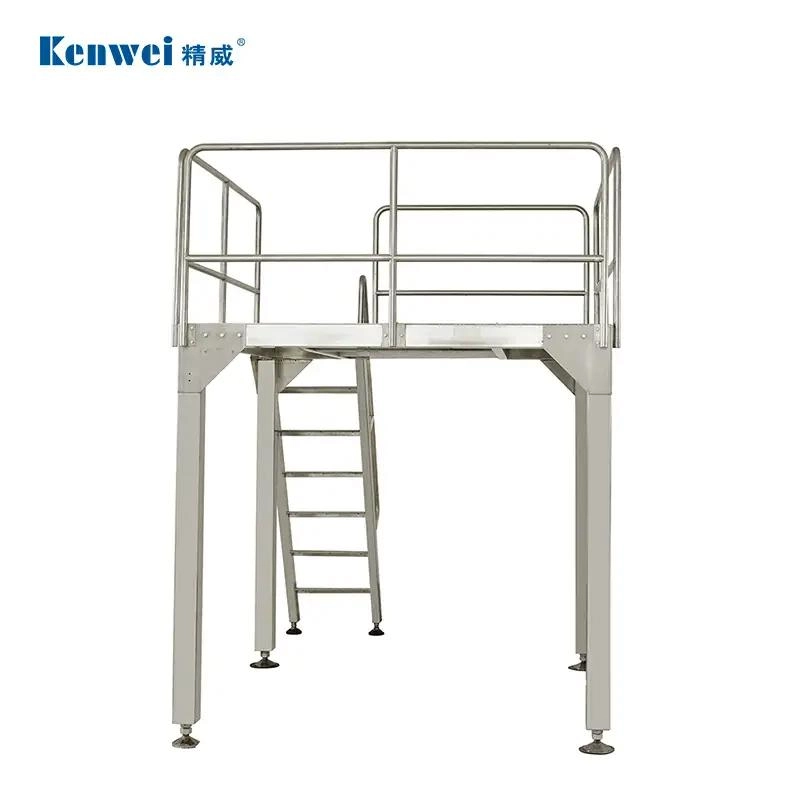
Maximizing throughput with JW-B12 double feeder systems
AI and Vision Systems for Multihead Weighers 2026
Prdoucts Categories
Question you may concern
About Cooperation Process
What is the lead time for product delivery?
The lead time depends on the complexity of the order and the level of customization required. Typically, our products are shipped within 4-8 weeks after receiving the order confirmation. However, this can vary, and we will provide an estimated delivery date when you place your order.
About Solution suggestions
How do Kenwei’s machines improve my production efficiency?
Kenwei machines enhance efficiency by automating the weighing, packaging, and quality control processes. Our high-speed, high-precision machines ensure accurate measurements, reduce human error, and increase throughput, leading to faster production times and lower operational costs.
Can Kenwei solutions be used for both manual and automated packing lines?
Yes, Kenwei machines can be used in both manual and automated packing lines. We can provide integrated systems that work alongside manual labor or fully automated systems depending on your production requirements.
What are Kenwei’s primary solutions for industrial weighing and packaging?
Kenwei provides comprehensive solutions for automated weighing and packaging, including multi-head weighers, linear weighers, check weighers, metal detectors, and packing machines. These solutions are tailored to improve speed, accuracy, and efficiency in various industries such as food, pharmaceuticals, and chemicals.
About After Sales Support
What after-sales support does Kenwei offer?
Kenwei provides comprehensive after-sales support, including product installation, training, maintenance, troubleshooting, and technical assistance. Our team is dedicated to ensuring your machines operate at their best throughout their lifecycle.
You may also like
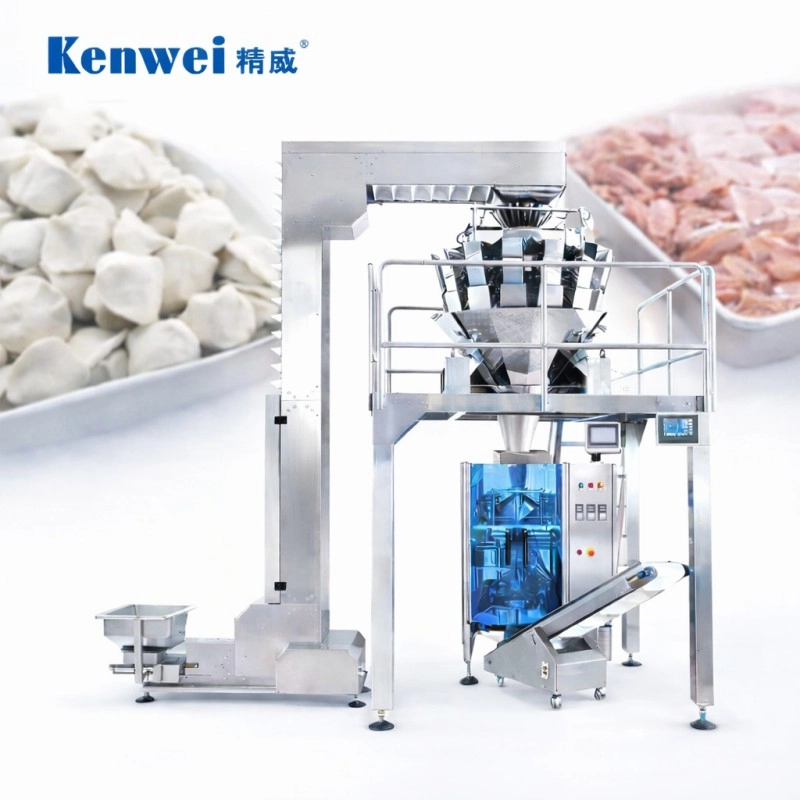
Vertical Frozen Food Packaging Machine for IQF & Frozen Products JW-B1
The Kenwei JW-B1 Vertical Frozen Food Packaging Machine is designed for IQF and frozen products, ensuring efficient, airtight packing. This vertical packing machine boosts productivity with precision sealing, ideal for frozen food packaging needs in the food industry.
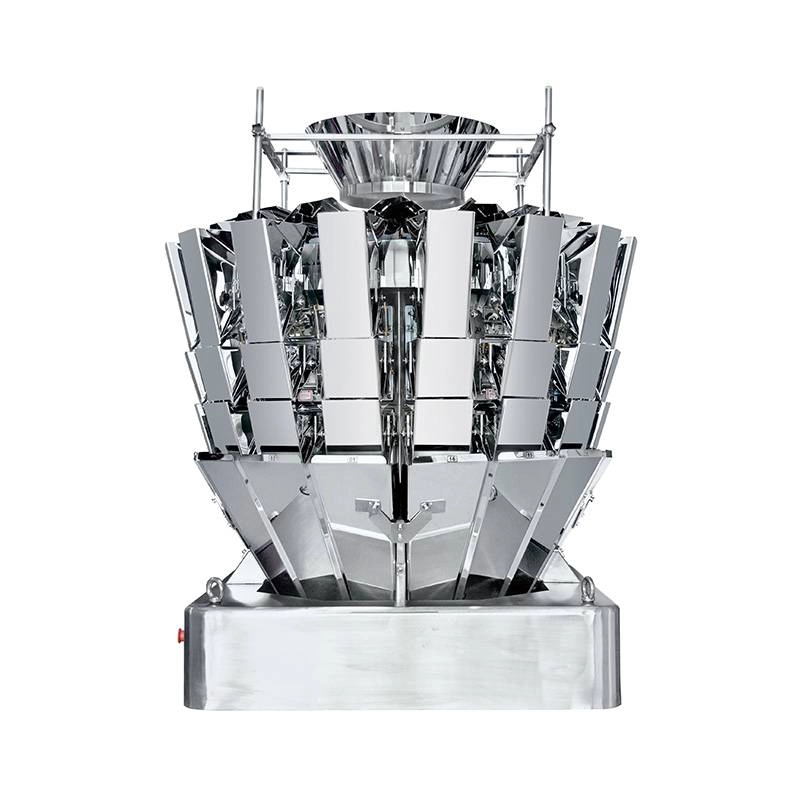
16 Head Three Layer Multihead Weigher for Granular and Irregular Materials
Kenwei’s 16 Head Three Layer Multihead Weigher ensures precise weighing of granular and irregular materials. This multihead weighing machine offers efficient, high-speed performance, ideal for various packaging needs. Trust our 16 head weigher for accuracy and reliability in your production line.
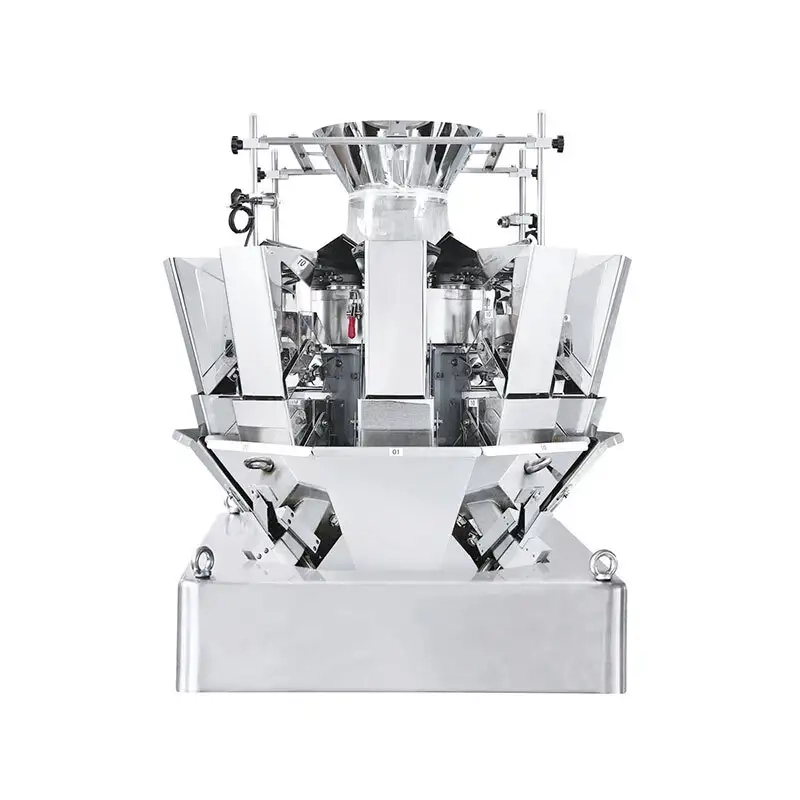
10-Head Standard No-Spring Multihead Weigher 1.6L for Precise Weighing
The standard no-spring combination scale features a patented spring-free hopper design, making it ideal for weighing a variety of products such as melon seeds, peanuts, nuts, almonds, grapes, candies, pistachios, potato chips, shrimp chips, and more. The double-support feeding tray is easily adjustable, while the feeding hopper is designed for easy disassembly, ensuring convenience and cleanliness. With a maximum weighing speed of up to 120 bags per minute, the 14-head standard no-spring combination scale is an economical, versatile, and cost-effective solution.
Automatic Multihead Weigher for Stick and Bar-Shaped Materials
Kenwei’s Automatic Multihead Weigher for Stick and Bar-Shaped Materials ensures precise, fast, and efficient weighing. This advanced automatic multihead weighing machine is ideal for accurate portioning of various stick and bar-shaped products, enhancing productivity and reducing waste.
Get in touch with us
If you have any comments or good suggestions, please leave us a message, later our professional staff will contact you as soon as possible.
Kenwei
Kenwei
Kenwei multi weigh
Kenwei
Kenwei
Kenwei