






Packaging Snack Foods: Benefits of JW-B23 Automation
Learn how the Fully Automatic Cup Weighing and Packaging Machine for Snack Foods JW-B23 improves speed, accuracy, hygiene and compliance on snack production lines. This guide explains how the JW-B23 works, measurable business benefits, implementation tips, and answers common buyer questions.
- Why Modern Automation Matters in Snack Packaging
- Efficiency and throughput gains
- Consistency, food safety and hygiene
- Traceability and regulatory compliance
- How the Fully Automatic Cup Weighing and Packaging Machine JW-B23 Works
- Core components and process flow
- Why the 14-head multihead weigher matters
- Materials, cup types and product flexibility
- Business Benefits: Efficiency, Cost, and Quality Improvements
- Throughput, accuracy and waste reduction
- Labor savings and safety
- Return on investment (ROI) and total cost comparison
- Implementing JW-B23: Integration, Maintenance, and Compliance
- Installation and line integration
- Cleaning, maintenance and uptime
- Regulatory and food safety considerations
- Optimizing JW-B23 Performance for Different Snack Types
- Nuts, trail mixes and particulate snacks
- Chips and fragile products
- Granular seasonings and mixed fillings
- Frequently Asked Questions (FAQ)
- Q: What production speeds can I expect from the JW-B23?
- Q: Is the JW-B23 suitable for fragile snacks like potato chips?
- Q: What hygiene standards does the JW-B23 meet?
- Q: How quickly can I change cup sizes or product SKUs?
- Q: How does automation affect product traceability?

The Fully Automatic Cup Weighing and Packaging Machine for Snack Foods JW-B23 is designed to transform snack line operations by combining a high-speed multihead weigher with automated cup handling, filling, capping and conveying. For manufacturers seeking a reliable food packaging machine that delivers precision, throughput and regulatory compliance, the JW-B23 offers an integrated solution that minimizes manual intervention and maximizes consistent product quality. For food packaging manufacturers, compliance and safety considerations are paramount. The JW-B23 fully automatic cup weigher meets all industry standards for food packaging machines, ensuring that every batch is packed safely and according to regulatory guidelines. By choosing this machine, you not only improve operational efficiency but also ensure that your products adhere to necessary food safety regulations and quality standards.
Why Modern Automation Matters in Snack Packaging
Efficiency and throughput gains
Automating snack packaging replaces multiple manual or semi-automatic steps with a single continuous system. The JW-B23 integrates a vibrating feeder, a Z-type conveyor, a 14-head combination scale (multihead weigher), automatic cup dropping and capping, enabling round-the-clock production with consistent cycle times. Increasing throughput not only meets higher demand but also reduces per-unit labor and overhead costs, improving overall equipment effectiveness (OEE).
Consistency, food safety and hygiene
Consistent portioning and hygienic handling are core to minimizing customer complaints, recalls and waste. The JW-B23's multihead weighing system precisely measures each portion, reducing weight giveaway and variation. Its design facilitates enclosed transfer (Z-conveyor, material diverter) that limits product exposure, improving compliance with food safety frameworks such as ISO 22000 and industry hygienic design guidance from organizations like the European Hygienic Engineering & Design Group (EHEDG).
Traceability and regulatory compliance
Automated food packaging machine systems are easier to integrate with traceability and labeling subsystems. The JW-B23 supports automatic printing and finished product output, enabling batch codes, dates and trace IDs to be applied reliably. Regulatory references such as the U.S. FDA guidance on food packaging and international standards emphasize the importance of controlled, documented packaging steps — something achievable with properly configured automation.
How the Fully Automatic Cup Weighing and Packaging Machine JW-B23 Works
Core components and process flow
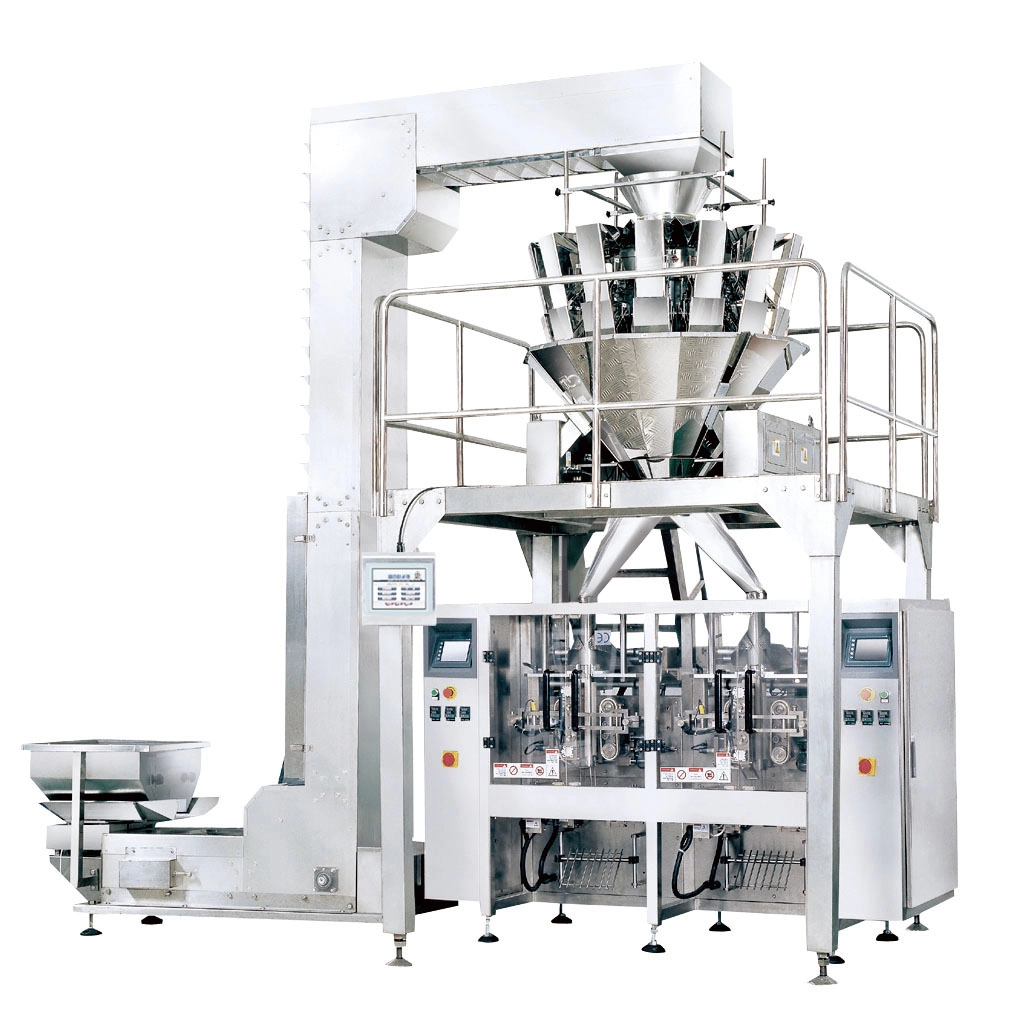
The JW-B23 is a continuous, multi-stage system. It consists of: a vibrating feeder that meters product to the line; a Z-type conveyor that lifts product to the weigher; a 14-head combination scale (multihead weigher) that performs rapid, accurate portioning; a material diverter; an automatic cup drop device and cup mold conveyor; a capping machine; and a finished product conveying device. This orchestration enables fully automatic feeding, weighing, filling, capping, printing and finished goods output for a wide range of snack food types.
Product path overview:
- Feeding → Z-conveyor → Multihead weigher (14-head) → Material diverter → Cup filling → Capping → Printing → Finished product conveyor
Why the 14-head multihead weigher matters
Multihead weighers are the industry standard for high-speed, accurate portioning of particulate snacks (nuts, chips, candies, extruded snacks). A 14-head configuration balances high throughput and fine weight resolution: heads combine in milliseconds to achieve target weights with minimal giveaway. For more on multihead weighers and how they operate, see the technical overview on Wikipedia's multihead weigher article.
Materials, cup types and product flexibility
JW-B23 is designed to work with a variety of cup molds and materials — rigid plastic cups, molded paper cups with liners, and many composite cups. The automatic cup drop device and cup mold conveyor support quick changeovers between cup sizes and formats. This flexibility is important for snack manufacturers who run multiple SKUs or seasonal products.
Business Benefits: Efficiency, Cost, and Quality Improvements
Throughput, accuracy and waste reduction
Replacing manual portioning and bench work with JW-B23 automation shifts variability out of the process. Typical benefits include higher nominal throughput (units per minute), tighter fill-weight distributions and lower giveaway. Reduced giveaway directly increases gross margin by ensuring you pay for only the product you sell.
Labor savings and safety
Automating repetitive tasks reduces labor requirements for slow, ergonomically risky work like cup filling and weighing. Staff can be redeployed to quality control, maintenance, or value-added tasks. In addition, limiting human contact with food products reduces contamination risks and supports compliance with food safety practices.
Return on investment (ROI) and total cost comparison
Investment decisions should consider total cost of ownership: equipment purchase, installation, training, maintenance, changeover time, and reduced variable costs (labor, waste). The JW-B23 often pays back via improved throughput and reduced giveaway within a typical payback window for packaging automation projects.
| Metric | Manual/Semi-auto (typical) | JW-B23 (typical) | Impact |
|---|---|---|---|
| Throughput (cups/min) | 10–30 | 40–120 | +3–6x |
| Weight variation (std. dev.) | ±5–10% | ±1–3% | Improved consistency |
| Product giveaway | 2–6% of product | 0.5–2% | Lower cost per unit |
| Labor per shift | 4–10 operators | 1–3 operators | Staff redeployment |
Note: values above are illustrative ranges. Actual performance depends on product properties, cup format, line layout and operator procedures.
Implementing JW-B23: Integration, Maintenance, and Compliance
Installation and line integration
Successful integration requires planning around line speed, upstream product feeding and downstream packing/labeling. The JW-B23 can be configured to fit existing conveyors and vision/printing systems. Early layout reviews and a Factory Acceptance Test (FAT) help confirm cycle rates and mechanical interfaces before on-site installation.
Cleaning, maintenance and uptime
Design features that enable quick cleaning and hygienic maintenance reduce downtime. JW-B23 components that contact product are designed for easy access, and the system supports scheduled maintenance windows and predictive checks. Adopting a preventive maintenance program preserves throughput and reliability while managing spare parts inventories.
Regulatory and food safety considerations
Automated food packaging machines, when properly designed and validated, assist manufacturers in meeting food safety standards. Consider referencing relevant standards such as ISO 22000 for food safety management and the FDA's food packaging guidance to align procedures for materials, labeling and packaging operations. Documentation from acceptance tests, cleaning regimes and maintenance logs supports regulatory audits and customer requirements.
Optimizing JW-B23 Performance for Different Snack Types
Nuts, trail mixes and particulate snacks
Particulate snacks benefit most from the JW-B23's multihead weigher precision. The system minimizes segregation and ensures even distribution in cups. Adjustments to feeder amplitude, conveyor speed and weigher calibration optimize performance for mixed-size components like trail mixes.
Chips and fragile products
Fragile snacks require gentle conveying and low-impact cup filling. The Z-type conveyor and material diverter can be tuned to reduce drop heights and protect product integrity. Cup placement and cushioning (if required) also preserve presentation quality.
Granular seasonings and mixed fillings
For products combining granular components (e.g., seasoning with crisps) or layered fills, the JW-B23's filling logic and programmable sequences can be used to deliver complex fill patterns. Integration with additional dosing modules or vibratory feeders enables multi-component fills while retaining traceability and accuracy.
Frequently Asked Questions (FAQ)
Q: What production speeds can I expect from the JW-B23?
A: Typical speeds depend on cup size, product flow characteristics and packaging format. Many installations run 40–120 cups per minute. Exact throughput should be validated during a Factory Acceptance Test based on your SKUs.
Q: Is the JW-B23 suitable for fragile snacks like potato chips?
A: Yes — with correct conveying settings and reduced drop heights, the JW-B23 can handle fragile snacks. We recommend trials with sample product to set feeder amplitude, conveyor speed and filling profile.
Q: What hygiene standards does the JW-B23 meet?
A: The machine is designed for easy cleaning and to support food safety programs such as ISO 22000. For more details on hygienic design principals and best practices, refer to the EHEDG guidance and integrate these into your cleaning validation protocol.
Q: How quickly can I change cup sizes or product SKUs?
A: JW-B23 supports rapid changeovers with modular cup molds and adjustable transport settings. Typical trained-operator changeover times vary from 15 to 60 minutes depending on complexity. Quick-change kits and documented procedures reduce downtime.
Q: How does automation affect product traceability?
A: Automation centralizes and records key packaging events (batch codes, print records, fill statistics). Integrating the JW-B23 with MES or ERP systems provides electronic traceability that simplifies recalls and quality investigations — an approach aligned with regulatory expectations such as those outlined by the FDA.
If you have more technical questions or would like to schedule an on-line demo or site visit, please contact our sales team or view the JW-B23 product page for detailed specifications and options. Our specialists can provide a customized ROI analysis and arrange material testing with your snack SKUs.
Product Snapshot (for quick reference):
Fully Automatic Cup Weighing and Packaging Machine for Snack Foods JW-B23
The system consists of a vibrating feeder, a Z-type conveyor, a 14-head combination scale, a material diverter, an automatic cup drop device, a cup mold conveyor, a capping machine and a finished product conveying device. It has high-precision filling capabilities and is suitable for a variety of mold cup combinations. It can realize fully automatic operations of feeding, weighing, filling, bag making, printing and finished product output, and is suitable for a wide range of materials with high production efficiency.
Contact us to schedule a demo, request a quote, or arrange product trials with your snack formulations.
References and further reading:
Tags
multihead weigher for sale
multihead weigher for sale
vffs equipment
vffs equipment
automatic granule packing machine factory
automatic granule packing machine factory
food packing machines
food packing machines
combined check weigher and metal detector
combined check weigher and metal detector
automated food packaging machine
automated food packaging machine
Recommended for you
Hygienic Design Features in Food Metal Detectors
Top 10 multihead weigher machine Manufacturers and Supplier Brands
Speed vs Accuracy Tradeoffs in Multihead Weighers 2026
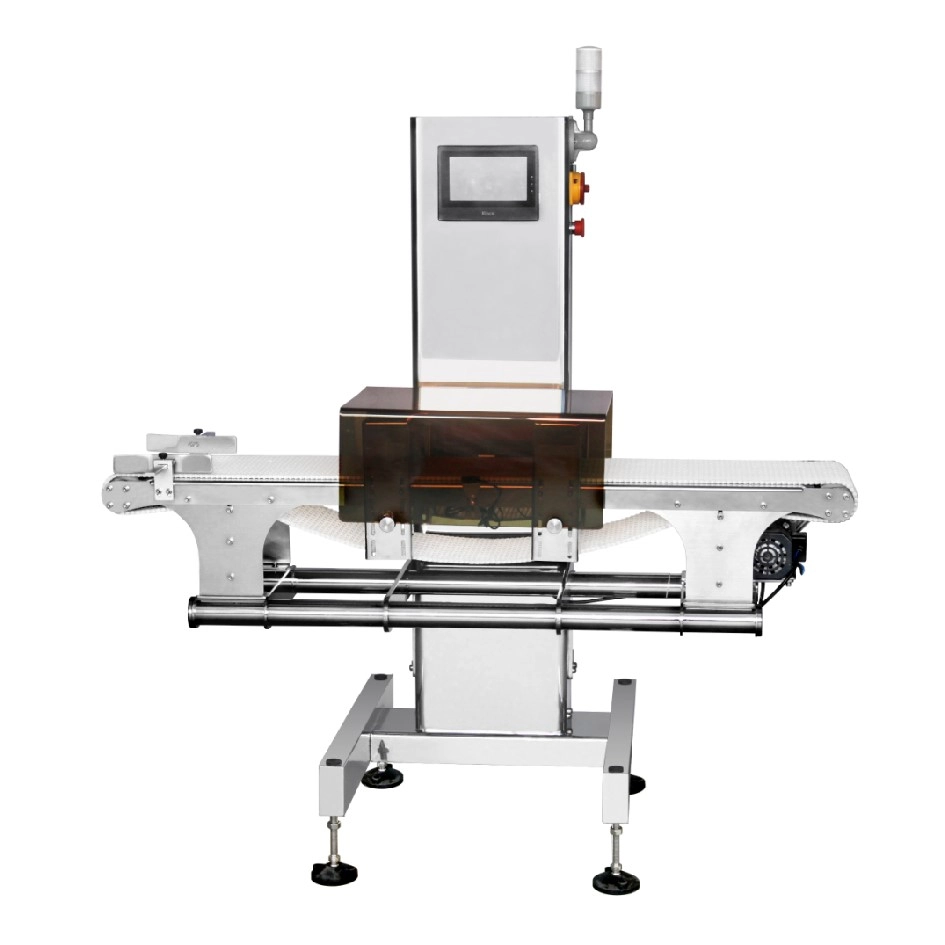
Best Metal Detectors for Aluminum Foil Contamination Control
Prdoucts Categories
Question you may concern
About Product choice
What is the difference between a multi-head weigher and a linear weigher?
Multi-head Weigher: Ideal for high-speed and high-precision weighing of products with irregular shapes or varying sizes. It provides multiple weighings in parallel for faster processing.
Linear Weigher: It is suitable for powder and granule. It is typically slower than a multi-head weigher but is effective for certain types of applications that require more continuous flow or controlled weighing.
About After Sales Support
How do I claim warranty service?
To claim warranty service, please contact our customer support team with your machine’s product code and a description of the issue. If applicable, we may request photos or videos of the issue to facilitate troubleshooting.
What do I do if I encounter a malfunction in the machine?
If you encounter a malfunction, first check the user manual and troubleshooting guide for common issues. If the problem persists, contact our technical support team for further assistance.
About Solution suggestions
How do Kenwei’s machines improve my production efficiency?
Kenwei machines enhance efficiency by automating the weighing, packaging, and quality control processes. Our high-speed, high-precision machines ensure accurate measurements, reduce human error, and increase throughput, leading to faster production times and lower operational costs.
About Cooperation Process
What is the lead time for product delivery?
The lead time depends on the complexity of the order and the level of customization required. Typically, our products are shipped within 4-8 weeks after receiving the order confirmation. However, this can vary, and we will provide an estimated delivery date when you place your order.
You may also like
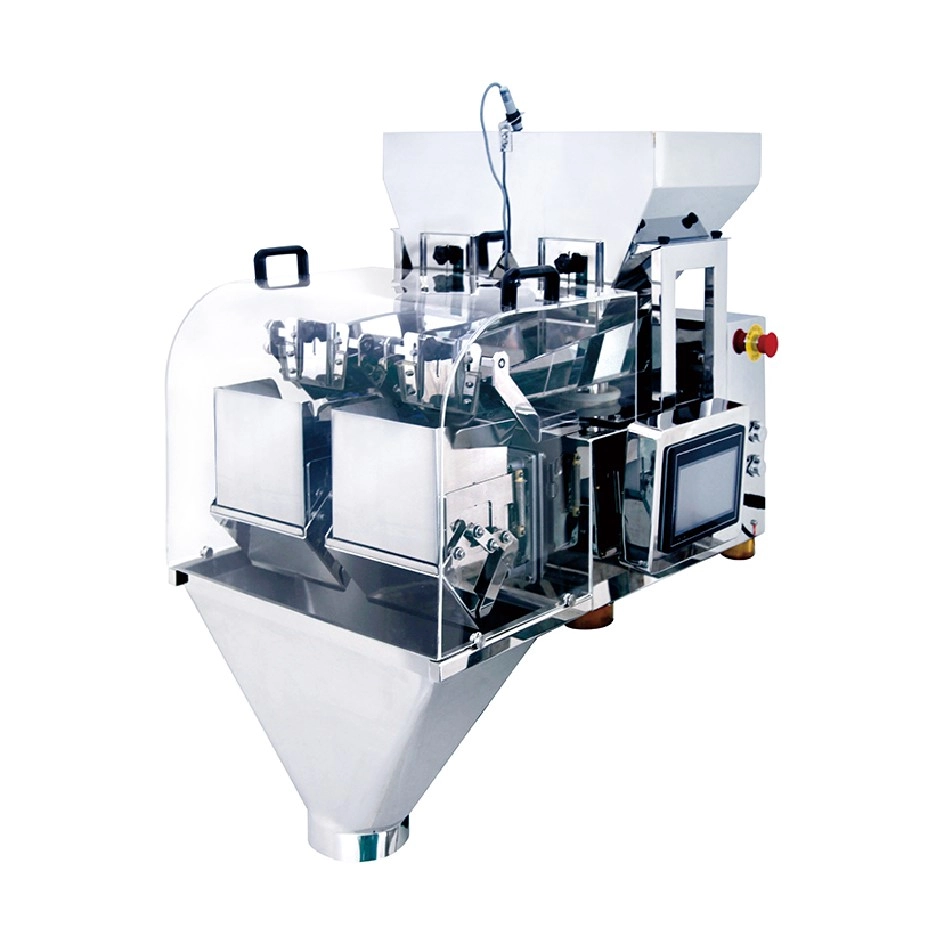
Precision Linear Weigher for Weighing Powder & Small Granules
The linear weigher is perfect for precise, quantitative weighing of powdery and small granular materials such as white sugar, salt, monosodium glutamate, chicken essence, milk powder, coffee, seasoning powder, and more. Available in up to 5 different specifications, this linear scale offers a maximum weighing speed of up to 70 bags per minute, making it the top choice for accurately weighing powdery materials in high-speed production environments.
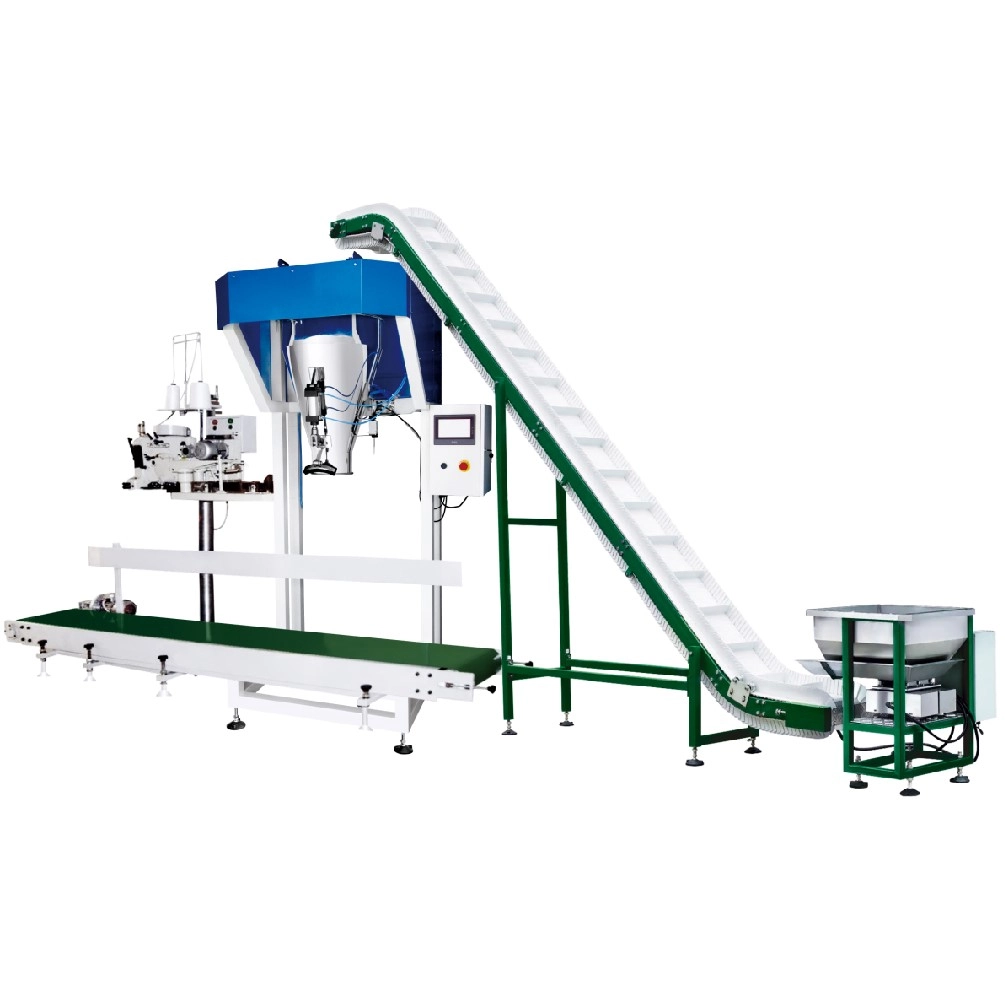
Precision Food Packaging Machine Using Single Head Bulk Linear Weigher Packaging System JW-B22
The Kenwei JW-B22 Precision Food Packaging Machine with Single Head Bulk Linear Weigher is designed for heavy-duty weighing up to 50kg. It automates feeding, weighing, bag sewing, and output for maximum efficiency. Ideal for grains like corn, rice, soybeans, barley, and wheat, it ensures high accuracy and reliability for the food, chemical, and light industries, making it the top choice for bulk grain packaging.
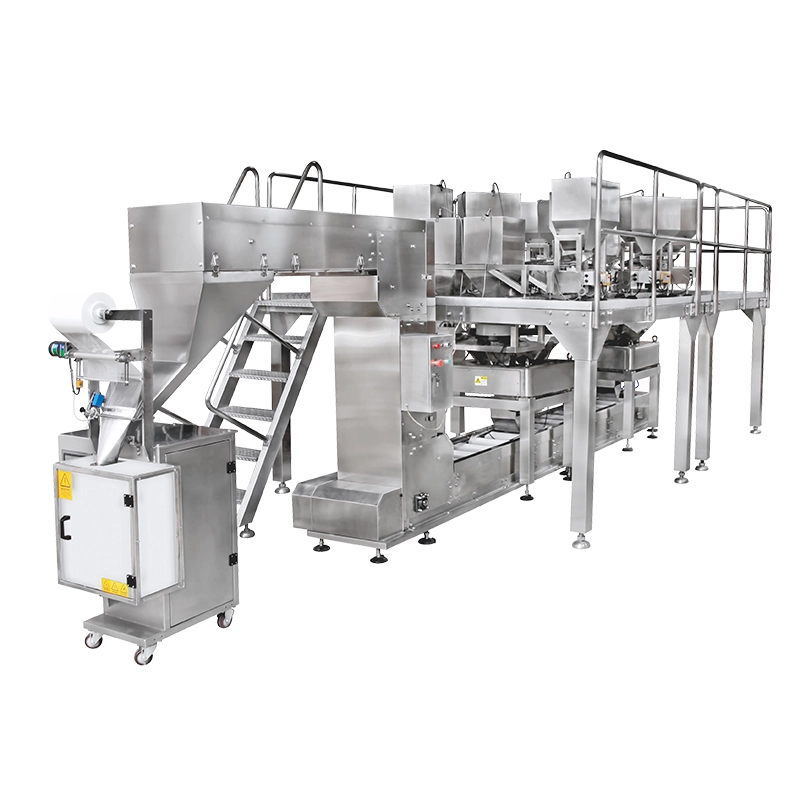
JW-B28 Multihead Weigher Mixing & Weighing System for Food Packaging | High-Speed, Accurate, Automated
The Kenwei JW-B26 Single Multihead Weigher Mixing and Packaging System offers fully automated operation, completing feeding, weighing, filling, date printing, and product output with high accuracy and speed. Ideal for granules, slices, irregular shapes, and mixed products like candy, nuts, snacks, pet food, and even small hardware. Its versatility and precision make it a perfect solution for diverse packaging needs.
Fully Automatic Twin Packaging Machine for Granules Snack Foods Weighing JW-B2
Kenwei's JW-B2 Fully Automatic Twin Packaging Machine boasts 14-head multihead weighing for precise granule and snack food packaging. This high-speed automatic packaging machine offers efficient twin-packaging, maximizing your production output. Ideal for food manufacturers seeking enhanced speed and accuracy.
Get in touch with us
If you have any comments or good suggestions, please leave us a message, later our professional staff will contact you as soon as possible.
Kenwei
Kenwei
Kenwei multi weigh
Kenwei
Kenwei
Kenwei