






HACCP and Metal Detector Compliance for Food Manufacturers
This article explains how food manufacturers can meet HACCP requirements using a metal detector for food industry applications, focusing on the Food Metal Detector Manufacturer For Reject Defective Products G5020. It covers regulatory context, risk assessment, selection and validation of metal detectors, installation and operation best practices, verification and recordkeeping, and includes FAQs, a specification comparison table, authoritative references, and a sales CTA.
- HACCP and Metal Detector Compliance for Food Manufacturers
- Why metal detector for food industry matters under HACCP
- Regulatory and standard landscape related to metal detection
- How to decide if a metal detector for food industry is the right CCP
- Introducing the Food Metal Detector Manufacturer For Reject Defective Products G5020
- Selecting the right metal detector model and features
- Validation: proving your metal detector works as a CCP
- Installation and hygienic design for compliance
- Operational best practices and operator training
- Verification, monitoring, and recordkeeping under HACCP
- Comparison: Metal detectors vs X-ray systems vs manual inspection
- G5020 quick specification and benefits table
- Dealing with false positives and rejects
- Integrating metal detectors into digital quality systems
- Brand advantages: why choose our G5020 metal detector
- Practical roadmap to HACCP compliance with a metal detector
- FAQ — Frequently Asked Questions
- Contact us / View product CTA
- References and authoritative resources

HACCP and Metal Detector Compliance for Food Manufacturers
Why metal detector for food industry matters under HACCP
Hazard Analysis and Critical Control Points (HACCP) requires food manufacturers to identify hazards and establish controls that prevent, eliminate, or reduce those hazards to acceptable levels. Physical contaminants — particularly metal fragments from equipment wear, processing errors, or raw material contamination — are common and potentially dangerous hazards. For many food manufacturers, a properly selected and validated metal detector for food industry use is a critical control point (CCP) to detect and remove metal foreign bodies before products reach consumers.
Regulatory and standard landscape related to metal detection
Understanding the regulatory context helps define measurable acceptance criteria for metal detection within a HACCP plan. Key references include Codex Alimentarius guidance on HACCP (FAO/WHO), ISO 22000 (food safety management), and retail/industry standards such as BRCGS and SQF which require validated foreign body control measures. Additionally, national regulators, including the U.S. FDA and the European Food Safety Authority (EFSA), expect manufacturers to implement effective preventive controls. In practice, this means integrating metal detection technology into hazard analyses, documenting validation and verification, and maintaining traceable records.
How to decide if a metal detector for food industry is the right CCP
Not every product line requires a metal detector CCP. Selection depends on product formulation, packaging material, processing steps, and the likelihood and severity of metal contamination. Conduct a hazard analysis considering source risks (raw materials, employees, maintenance activities), process risks (cutting, blending, filling), and downstream consequences (recalls, consumer injury, brand damage). Where metal fragments could cause consumer harm or regulatory non-compliance, a metal detector is often the most cost-effective and direct preventive control.
Introducing the Food Metal Detector Manufacturer For Reject Defective Products G5020
The G5020 multi-frequency metal detector features a specialized conveyor belt designed to reduce contamination risks, ensure smooth operation, and maintain high detection sensitivity. It is easy to disassemble for convenient maintenance. Ideal for detecting metal contaminants in food, pharmaceuticals, spices, plastics, electronics, textiles, toys, handicrafts, and more.
Selecting the right metal detector model and features
Not all metal detectors are identical. Key features to evaluate for food industry use include detection sensitivity (ability to detect small ferrous/non-ferrous and stainless steel particles), multi-frequency capability to handle challenging products, conveyor design to minimize product noise, hygienic construction for washdown environments, easy disassembly for cleaning, and reliable reject mechanisms. The Food Metal Detector Manufacturer For Reject Defective Products G5020 combines multi-frequency detection with a hygienic conveyor design and simple maintenance — features that align well with HACCP and sanitary design requirements.
Validation: proving your metal detector works as a CCP
Validation demonstrates the chosen metal detector can reliably detect the contaminants of concern under actual production conditions. A robust validation protocol typically includes:
- Defining target contaminants (size, composition — ferrous, non-ferrous, stainless steel).
- Selecting test pieces that represent real-world risks (calibrated steel/seal pieces, ball bearings, wire fragments).
- Testing across representative product types, pack formats, and production speeds.
- Documenting detection rates and limit-of-detection (LOD) for each scenario.
- Adjusting sensitivity and filtering settings and repeating tests to determine repeatability and robustness.
For instance, multi-frequency detectors like the G5020 are validated across frequencies to reduce false negatives in products with variable dielectric properties, such as wet, salty, or multi-component foods.
Installation and hygienic design for compliance
Proper installation is crucial. Position the metal detector at a stable point in the line where product presentation is consistent (e.g., after final forming but before packaging) and where rejects can be reliably removed. Hygiene-focused design reduces risk and simplifies cleaning: use food-grade conveyor materials, minimize horizontal ledges where debris can collect, and ensure quick-disassembly for washdown — attributes built into the G5020.
Operational best practices and operator training
Even the best metal detector is only effective when operated correctly. Best practices include scheduled start-up and end-of-shift sensitivity checks, routine challenge testing (using approved test pieces), proper use of alarm thresholds to balance sensitivity and false rejects, and thorough operator training. Training should cover why metal detection is a CCP, proper handling of rejects, and accurate recordkeeping to support verification and audits.
Verification, monitoring, and recordkeeping under HACCP
Monitoring involves continuous checks (e.g., product pass/fail counts, alarms) and periodic challenge tests. Verification ensures those monitoring activities are effective — typically via trend analysis, scheduled calibration, and review of reject rates. Records should be kept in a retrievable format and include validation reports, daily checks, challenge test results, maintenance logs, and corrective actions following any detection event. Effective recordkeeping demonstrates to auditors and regulators that the metal detector CCP is under control.
Comparison: Metal detectors vs X-ray systems vs manual inspection
| Technology | Strengths | Limitations | Best Use |
|---|---|---|---|
| Metal detector | High sensitivity to ferrous, non-ferrous, stainless steel; cost-effective; fast line speed; low false positives for many products. | Less effective on products with high metal content, or behind heavy packaging; limited to metallic contaminants. | Bulk and packaged product lines with low background product interference — common in spices, bakery, snacks. |
| X-ray | Detects dense non-metallic contaminants (glass, stone), and metals; imaging can locate contamination. | Higher cost, energy consumption; sometimes less sensitive to small metal particles; influenced by product density. | High-risk lines where multiple contaminant types are possible or where inspection for product integrity is needed. |
| manual inspection | Low capital cost; flexible. | Slow, unreliable for small fragments, high labor cost, inconsistent. | Final checks or low-risk, low-speed specialty products. |
G5020 quick specification and benefits table
| Model | Detection | Conveyor | Hygiene | Maintenance |
|---|---|---|---|---|
| Food Metal Detector Manufacturer For Reject Defective Products G5020 | Multi-frequency; detects ferrous/non-ferrous/stainless steel | Specialized belt to reduce contamination risk and product noise | Designed for easy disassembly and washdown | Tool-free disassembly for quick cleaning and service |
Dealing with false positives and rejects
False rejects can disrupt production and increase waste. Minimize them by using multi-frequency detectors to tune out product effect, maintaining consistent product presentation, implementing regular calibration, and maintaining clean conveyor surfaces. When a metal detector rejects a product, the procedure should include quarantining the reject, conducting a root cause analysis, inspecting upstream equipment, and documenting corrective actions. This approach reduces repeat incidents and supports HACCP verification.
Integrating metal detectors into digital quality systems
Modern food factories use digital records for compliance, traceability, and continuous improvement. Connect metal detectors to factory data systems for real-time alerts, automatic logging of rejects and alarms, and trend analysis. Integration supports rapid response to anomalies and simplifies audit preparation. Ensure data integrity through access controls, timestamping, and secure backups to meet regulatory and customer requirements.
Brand advantages: why choose our G5020 metal detector
When selecting a vendor, consider technical capability, regulatory experience, service network, and product hygiene design. The G5020 stands out because it combines:
- Multi-frequency detection to handle a wide range of food matrices.
- Hygienic conveyor and quick-disassembly design for efficient cleaning and reduced contamination risk.
- Proven reject mechanisms and easy-to-use controls that simplify operator training and reduce downtime.
- Documentation and validation support to help you meet HACCP, ISO 22000, and retail standards requirements.
Practical roadmap to HACCP compliance with a metal detector
Follow these steps to integrate a metal detector as a CCP:
- Conduct hazard analysis and decide whether metal detection is a CCP.
- Select a suitable metal detector (consider product effect, line speed, hygiene).
- Validate the detector under worst-case production scenarios and document LOD.
- Install at the correct location and train operators on monitoring and reject handling.
- Maintain a verification and calibration schedule, keep records, and review trends.
- Use data from the detector for continuous improvement and recall prevention.
FAQ — Frequently Asked Questions
Q1: Can a metal detector find stainless steel?
A1: Yes. Modern multi-frequency metal detectors like the G5020 can detect certain grades and sizes of stainless steel, though sensitivity varies by alloy, particle size, and orientation. Validation tests should include stainless steel simulants to define limits of detection.
Q2: How often should validation and challenge testing be performed?
A2: Full validation is typically performed on installation and after major line or product changes. Routine challenge tests are often performed daily or each shift as specified by your HACCP plan and customer or regulatory requirements.
Q3: Will the G5020 require special maintenance for washdown environments?
A3: The G5020 is designed for easy disassembly and hygienic maintenance. Follow manufacturer-recommended washdown procedures and a preventive maintenance schedule to preserve performance.
Q4: How to choose between a metal detector and an X-ray system?
A4: Choose based on the spectrum of risks. Metal detectors are cost-effective and sensitive for metallic contaminants. X-ray is preferred when non-metallic dense contaminants (glass, stone) are a concern or when imaging and product integrity checks are needed.
Q5: Can the metal detector data be integrated into my quality management system?
A5: Yes. Many modern metal detectors, including the G5020, offer connectivity options for logging alarms, rejects, and event data to quality management and MES systems for real-time monitoring and audit trails.
Contact us / View product CTA
Compliance is essential, but operational efficiency is equally important. If your system triggers unnecessary stops, our guide to troubleshooting false alarms on food metal detectors helps identify and resolve common causes.Interested in improving your foreign body control and HACCP compliance? Contact our sales team to request the Food Metal Detector Manufacturer For Reject Defective Products G5020 datasheet, request a site demonstration, or get help with validation protocols. Email: sales@example.com | Phone: +1-800-000-0000. View product details and request a quote today.
References and authoritative resources
- Codex Alimentarius — General Principles of Food Hygiene including HACCP: http://www.fao.org/fao-who-codexalimentarius/home/en/
- ISO 22000 — Food safety management systems: https://www.iso.org/iso-22000-food-safety-management.
- Food and Agriculture Organization (FAO) HACCP guidelines: https://www.fao.org/3/x1570e/x1570e03.htm
- U.S. Food & Drug Administration (FDA) — Food safety and HACCP related resources: https://www.fda.gov/food
- BRCGS (Brand Reputation Compliance Global Standards) — Food safety standards: https://www.brcgs.com/
- European Food Safety Authority (EFSA): https://www.efsa.europa.eu/
Tags
china linear weigher
china linear weigher
14 head weigher packaging machine
14 head weigher packaging machine
weighing and packing machine
weighing and packing machine
Frozen Food Packaging Machine
Frozen Food Packaging Machine
checkweigher machine
checkweigher machine
best metal detector
best metal detector
Recommended for you
Top 10 automatic packing machine Manufacturers and Supplier Brands
The B2B Buyer’s Guide to vffs bagging machine
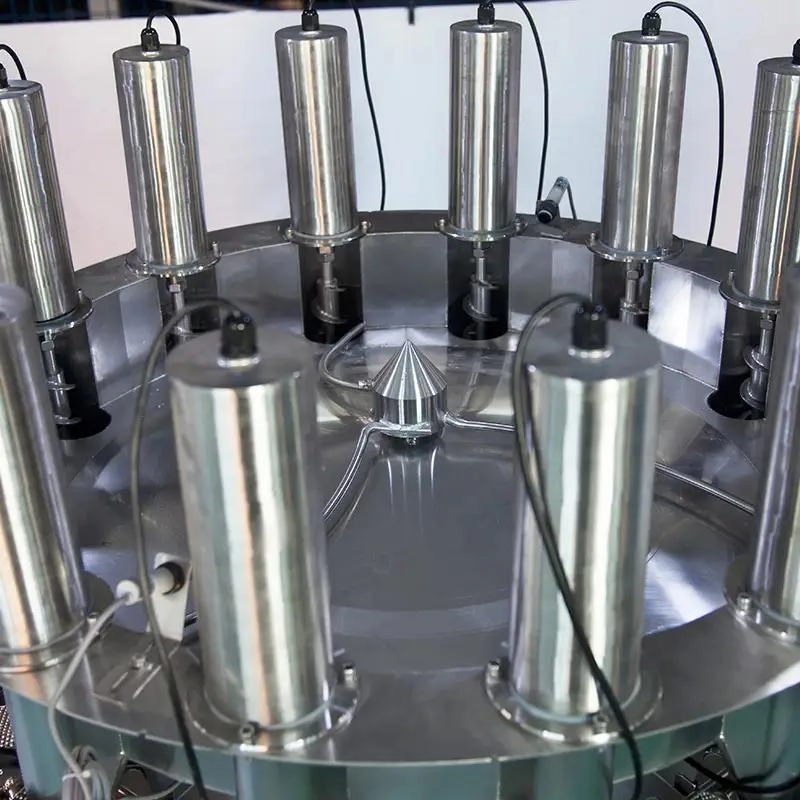
Optimize speed and accuracy on 14 head multihead weighers for pickles
The latest trends for food powder packing machine
Prdoucts Categories
Question you may concern
About Product choice
What is the average lifespan of Kenwei products?
Kenwei machines are built for durability and longevity. With proper maintenance, our products are designed to last for many years, even under heavy usage. We offer maintenance services and support to help extend the lifespan of your machines.
Are there any additional features available for Kenwei machines?
Yes, we offer a variety of optional features for customization, such as: advanced touchscreen interfaces, multiple language support and so on.
What types of products does Kenwei offer?
Kenwei specializes in high-precision and high-speed automated machinery for weighing, packaging, and quality control. Our main products include: multihead weigher, linear weigher, checkweighers,food metal detector,vertical packing machine and packing machine accessories.
About Logistics
How are large machines handled during shipping?
Large machines are typically shipped via sea freight using containerized shipping.
About products customization
Can Kenwei machines be customized for different industries?
Yes,According to the material characteristics and requirements of different industries, we developed various machine types for counting (small pouches into big bag), noodles, frozen foods, peppers, stick-shaped products, product -mixing, cheeses, salads and so on.
You may also like
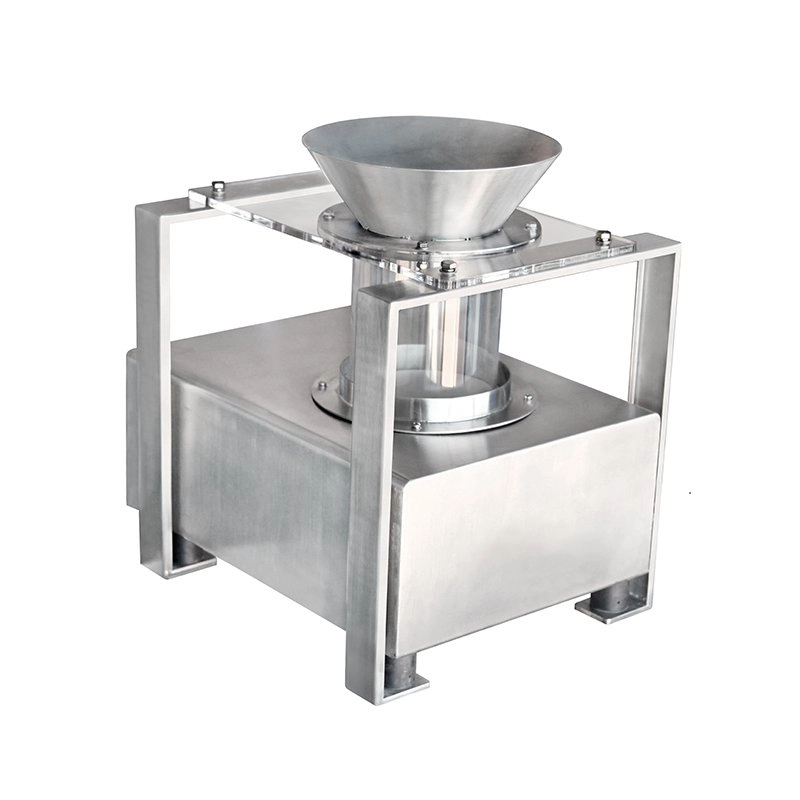
Dropped Metal Detector for Powder Granules For Food Industry
Enhance food safety with Kenwei’s Dropped Metal Detector for Powder Granules. This advanced food metal detector ensures precise detection in the food industry, safeguarding products and maintaining high quality standards throughout processing.
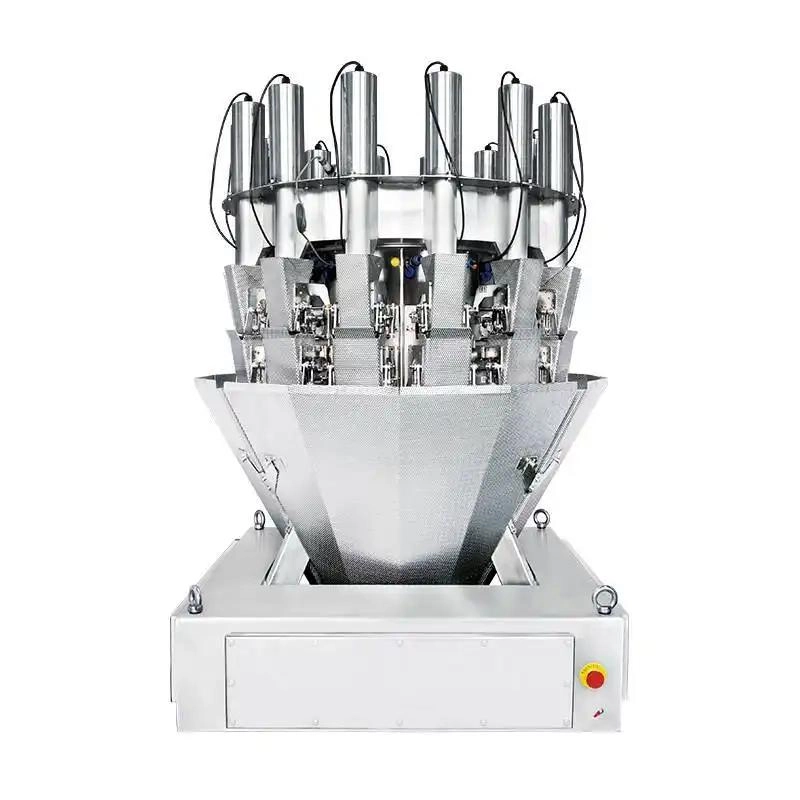
14 Heads Vertical Single Screw Feeding Pickles Weigher backups
This type of weigher is designed to handle the unique characteristics of pickles, ensuring precise measurements for packaging and distribution. It uses a vertical single screw mechanism to feed the pickles into the weighing system, allowing for efficient and consistent weighing. This technology is particularly useful in food processing and packaging facilities where precise portioning is essential for quality control and customer satisfaction. This specialized equipment is perfect for accurately measuring and dispensing pickles in a production line or packaging facility. The vertical design allows for efficient and precise filling of containers, while the single screw feeding mechanism ensures consistent and reliable weighing.
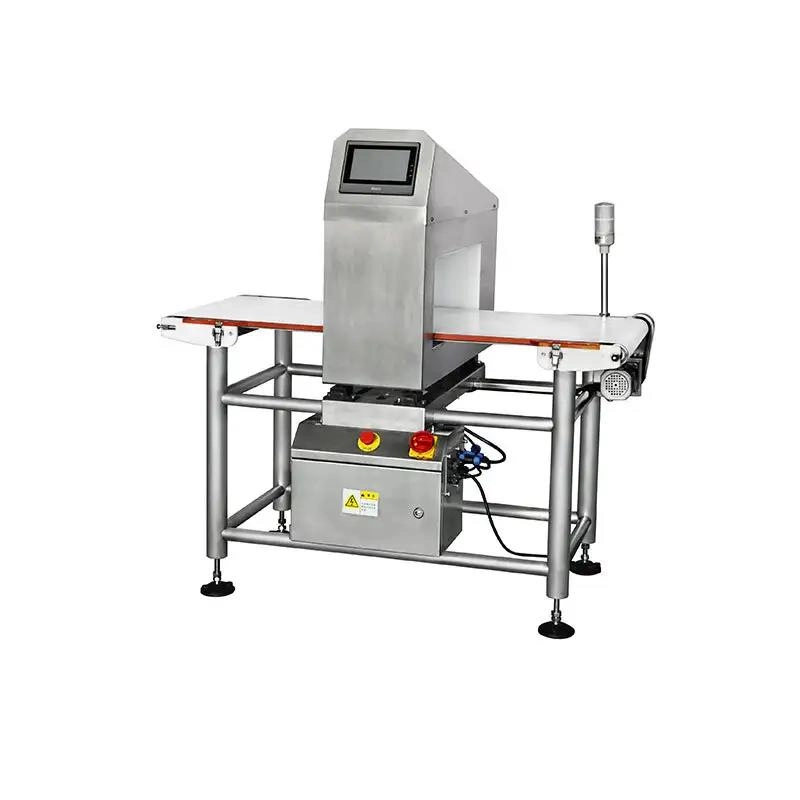
Food Metal Detector Manufacturer For Reject Defective Products G5020
The G5020 multi-frequency metal detector features a specialized conveyor belt designed to reduce contamination risks, ensure smooth operation, and maintain high detection sensitivity. It is easy to disassemble for convenient maintenance. Ideal for detecting metal contaminants in food, pharmaceuticals, spices, plastics, electronics, textiles, toys, handicrafts, and more.
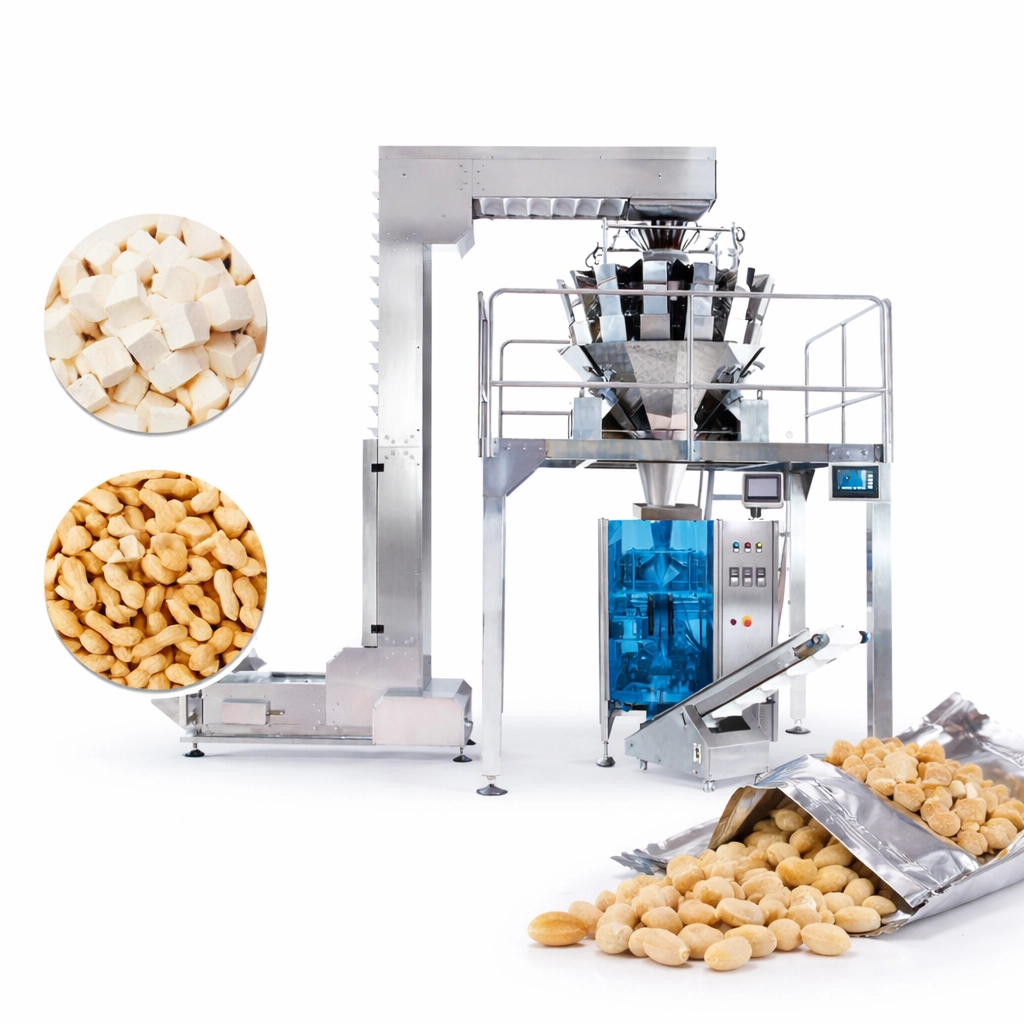
High-Precision Weighing & Packaging for Granular Products
The Granular Food Packing Machine is a fully automated solution designed for accurate weighing, filling, and packaging of various granular food products. Integrated with a multihead weigher and advanced packaging system, it ensures high speed, precision, and hygiene standards for modern food production.
Get in touch with us
If you have any comments or good suggestions, please leave us a message, later our professional staff will contact you as soon as possible.
Kenwei
Kenwei
Kenwei multi weigh
Kenwei
Kenwei
Kenwei