






Buyer's Guide: Choosing a Multihead Weigher for Pickles
This guide helps food processors and packagers choose the right multihead weigher for pickles. It explains why specialized machines like the 14 Heads Vertical Single Screw Feeding Pickles Weigher backups are often the best choice, comparing handling, accuracy, throughput, hygiene and integration needs. It includes practical selection criteria, maintenance tips, hygienic design considerations, and FAQs to ensure reliable portioning and compliance in pickle packaging lines.
- Understanding Pickle-Specific Weighing Challenges
- Physical and handling characteristics of pickles
- Why standard weighers may fail with pickles
- Industry guidance on hygienic design
- Key Features to Evaluate in Multihead Weighers for Pickles
- Feeding mechanism: why vertical single screw feeding helps
- Head count, accuracy and throughput tradeoffs
- Materials, ingress protection and washdown design
- Evaluating the 14 Heads Vertical Single Screw Feeding Pickles Weigher backups
- Product overview
- Operational advantages for pickle lines
- Integration and control systems
- Sizing, Testing and Procurement: Practical Steps
- How to size the weigher for your line
- Factory acceptance testing (FAT) and onsite trials
- Cost of ownership: spare parts, service and calibration
- Maintenance, Cleaning and Compliance Best Practices
- Cleaning procedures for brined products
- Calibration and verification
- Operator training and safety
- Comparison: Weigher Types for Pickles
- References and Further Reading
- FAQ
- Q: Can a multihead weigher handle different pickle formats (whole, spears, slices)?
- Q: How often should I clean and sanitize the weigher?
- Q: Is the vertical single screw feeding mechanism suitable for delicate pickles?
- Q: What accuracy can I expect from a 14-head multihead weigher?
- Q: What certifications should I look for from suppliers?

Choosing the right multihead weigher for pickles requires understanding the product’s physical properties (shape, size, moisture/brine), the production line’s throughput needs, and food-safety and hygiene requirements. Specialized solutions such as the 14 Heads Vertical Single Screw Feeding Pickles Weigher backups combine gentle handling with precise portioning and sanitary construction to deliver consistent weights, reduce giveaway, and simplify cleaning and maintenance—critical factors for preserving product quality and meeting regulatory standards.
Understanding Pickle-Specific Weighing Challenges
Physical and handling characteristics of pickles
Pickles are wet, often slippery, irregularly shaped, and come in a range of sizes and textures (whole pickles, spears, slices). These characteristics create unique challenges for portioning equipment: product slippage can cause counting/volumetric errors, brine can contaminate sensors and belts, and irregular geometry complicates combination weighing strategies. A purpose-built multihead weigher with options for gentle feeding and anti-slip surfaces reduces damage and ensures repeatable fills.
Why standard weighers may fail with pickles
General-purpose weighers that rely on vibratory feeders or paddle dosing can damage delicate pickled products or misfeed because of brine pooling and surface slickness. Without targeted design features—such as vertical single screw feeders or specially coated chutes—machine throughput and accuracy suffer, increasing giveaway (overweight portions) and line downtime for cleaning.
Industry guidance on hygienic design
For wet, brined foods like pickles, hygienic engineering standards matter. Guidance from organizations such as the European Hygienic Engineering & Design Group (EHEDG) and material safety guidance from the U.S. FDA (Food Contact Substances) emphasize corrosion-resistant materials and cleanable geometries. Choosing a weigher that follows these principles lowers cross-contamination risk and simplifies cleaning validation.
Key Features to Evaluate in Multihead Weighers for Pickles
Feeding mechanism: why vertical single screw feeding helps
Vertical single screw feeders move product gently from the hopper into the distribution system. For pickles, this reduces bruising and controls product orientation. The design also limits brine splashing, reducing contamination of sensors and electronics. The 14 Heads Vertical Single Screw Feeding Pickles Weigher backups uses this approach to ensure consistent feeding into the weighing heads while minimizing mechanical stress on the product.
Head count, accuracy and throughput tradeoffs
Head count (e.g., 14 heads) affects both speed and combination flexibility. More heads allow more combinations to achieve target weights precisely, reducing giveaway and increasing accuracy at higher throughput. For example, a 14-head machine often hits a sweet spot for medium-to-high throughput pickle lines, balancing footprint, cost, and performance. Accuracy typically improves with the number of heads but at a higher equipment cost and increased maintenance points.
Materials, ingress protection and washdown design
Pickles expose equipment to salt and vinegar, which accelerate corrosion. Look for food-grade stainless steel (304 or preferably 316 for brine resistance), sealed electronics rated for IP65/IP67 when possible, and modular components that can be removed for cleaning. EHEDG-guided designs reduce niches where residue can accumulate and support quicker cleaning cycles.
Evaluating the 14 Heads Vertical Single Screw Feeding Pickles Weigher backups
Product overview
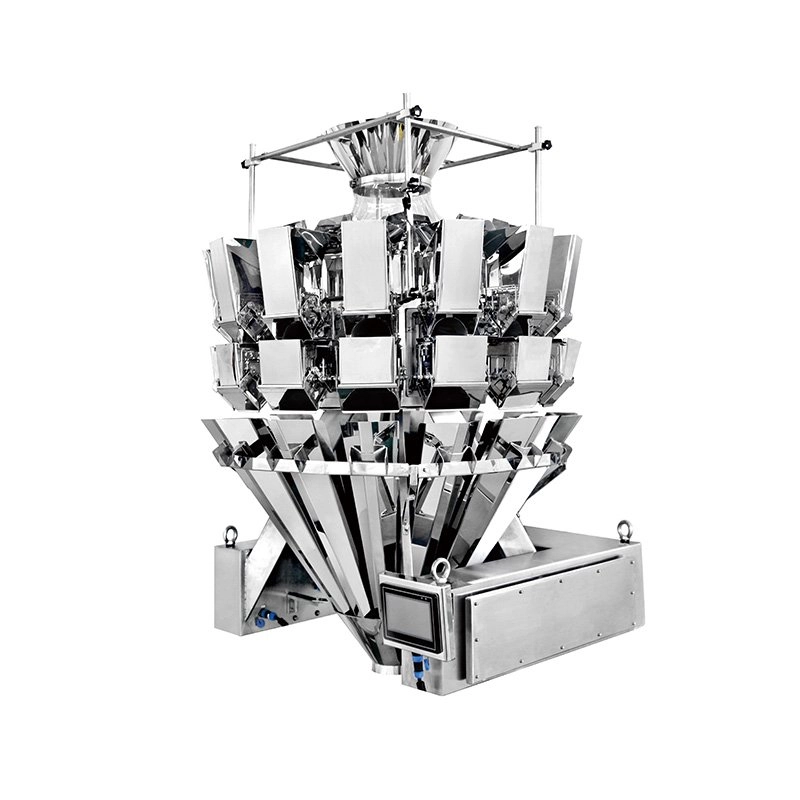
14 Heads Vertical Single Screw Feeding Pickles Weigher backups
This type of weigher is designed to handle the unique characteristics of pickles, ensuring precise measurements for packaging and distribution. It uses a vertical single screw mechanism to feed the pickles into the weighing system, allowing for efficient and consistent weighing. This technology is particularly useful in food processing and packaging facilities where precise portioning is essential for quality control and customer satisfaction. This specialized equipment is perfect for accurately measuring and dispensing pickles in a production line or packaging facility. The vertical design allows for efficient and precise filling of containers, while the single screw feeding mechanism ensures consistent and reliable weighing.
Operational advantages for pickle lines
Key advantages include: gentle handling that reduces product damage, consistent feed rates which stabilize combination calculation, and adaptability to whole pickles, spears or slices with minimal changeover. The 14-head configuration provides multiple combination options to reduce giveaway without sacrificing speed—especially valuable when packaging to fixed-weight targets.
Integration and control systems
Modern multihead weighers include PLC-driven control systems and recipes for quick changeovers. Integration with upstream (washers, blenders) and downstream (filling, sealing) equipment is essential. Ensure the supplier supports common communication protocols (e.g., Ethernet/IP, Modbus) and offers recipe management to store parameters for different pack sizes and pickle formats.
Sizing, Testing and Procurement: Practical Steps
How to size the weigher for your line
Begin with your target units per minute (UPM) and pack weight range. Calculate average fill weight and expected maximum piece size. Use these factors to choose head count and feeder options. Example rule of thumb: for medium-speed lines (50–120 packs/min) with variable product geometry, a 10–16 head multihead weigher is often optimal. For very high speed (>150 packs/min), consider higher head counts or multiple machines in parallel.
Factory acceptance testing (FAT) and onsite trials
Request FAT with your actual product and packing materials. FAT should include accuracy tests, giveaway measurement, speed tests, cleaning demonstrations and integration trials. Onsite trials at your plant confirm real-world performance—wet conditions, variability in pickle size, and operator changes. A supplier who supports both FAT and trial runs increases confidence and reduces deployment risk.
Cost of ownership: spare parts, service and calibration
Evaluate lifecycle costs: spare weighing heads, loadcells, screws, belts, and seals. Ask about recommended calibration intervals and whether loadcells are easy to access. Factor in service packages and remote diagnostics. Certified suppliers often follow quality systems such as ISO 9001, which helps ensure consistent manufacturing and service processes.
Maintenance, Cleaning and Compliance Best Practices
Cleaning procedures for brined products
Design cleaning protocols around brine removal and sanitization. Dry pre-cleaning to remove solids, followed by a controlled washdown with appropriate detergents and acid neutralizers, reduces corrosion risk. If the weigher supports CIP (Clean-In-Place) or quick disassembly of feed screws, chutes and buckets, total cleaning time and labor costs drop significantly.
Calibration and verification
Routine verification of loadcells and weight calibration is critical. Maintain traceable calibration records and follow national or international guidelines where applicable. Use calibrated test weights and perform daily checks to detect drift early. For regulated markets, keep documentation ready for audits by authorities.
Operator training and safety
Operators should be trained on proper feeding rates, changeover procedures, cleaning, and basic troubleshooting. Proper lockout/tagout procedures should be enforced during maintenance. A supplier that provides comprehensive operator manuals and on-site training reduces human error and downtime.
Comparison: Weigher Types for Pickles
| Feature | Multihead (14-head Vertical Screw) | Vibratory Scale | Linear Servo Weigher |
|---|---|---|---|
| Handling | Gentle, good for whole/spears/slices | Can be harsh, causes damage | Very gentle but limited throughput |
| Throughput | Medium-high (good for 50–150 ppm) | Low-medium | Low-medium |
| Accuracy | High (many combinations reduce giveaway) | Moderate | High for fixed-size portions |
| Hygiene | High if designed for washdown | Variable | High if enclosed |
| Best use | Pickles (whole, spears, slices) | Chunks, dry snacks | Precise dosing of liquid/soft products |
References and Further Reading
Industry and regulatory resources to consult when specifying weighers:
- Weighing scale — Wikipedia
- European Hygienic Engineering & Design Group (EHEDG)
- U.S. FDA — Food Contact Substances
- ISO 9001 Quality Management — ISO
FAQ
Q: Can a multihead weigher handle different pickle formats (whole, spears, slices)?
A: Yes. With appropriate hopper geometry, screw pitch adjustments, and changeover parts, a 14-head vertical screw-fed multihead can be configured to handle whole pickles, spears and slices. Always perform a product trial to verify handling and accuracy before purchase.
Q: How often should I clean and sanitize the weigher?
A: Cleaning frequency depends on production schedules and risk assessment. For brined products, daily cleaning of feed areas and weekly deep-clean cycles are common. Follow your HACCP plan and supplier cleaning recommendations, and document each cleaning for audit readiness.
Q: Is the vertical single screw feeding mechanism suitable for delicate pickles?
A: Yes—when designed correctly, the vertical single screw feeder gently conveys product without aggressive vibration. The screw’s pitch and speed are tuned to control feed rate and minimize mechanical stress.
Q: What accuracy can I expect from a 14-head multihead weigher?
A: Accuracy depends on target weight, product variability and calibration, but 14-head machines typically deliver high accuracy with low giveaway when properly commissioned and maintained. Suppliers should provide FAT data showing average deviation and giveaway statistics.
Q: What certifications should I look for from suppliers?
A: Look for suppliers who follow recognized quality and safety standards (e.g., ISO 9001), offer hygienic design compliant with EHEDG guidance (EHEDG), and provide documentation on food-contact materials per local regulations (e.g., FDA).
If you want to evaluate the 14 Heads Vertical Single Screw Feeding Pickles Weigher backups on your product, contact our sales and applications team for an on-site trial, FAT scheduling, or a customized proposal. For immediate assistance or to request specifications, spare parts lists, and pricing, contact us or view the product page.
Contact us: For demo requests, technical datasheets or quotation, email sales@yourcompany.com or call +1-800-555-0123. View product details and request an on-site trial today.
Tags
best vffs
best vffs
kenwei multihead weigher
kenwei multihead weigher
multihead weigher
multihead weigher
multihead weigher machine
multihead weigher machine
Small footprint linear weigher for production lines
Small footprint linear weigher for production lines
china rotary bag snack food packing machine
china rotary bag snack food packing machine
Recommended for you
Routine Maintenance Checklist for Food Metal Detectors
Where to Buy food industry metal detectors
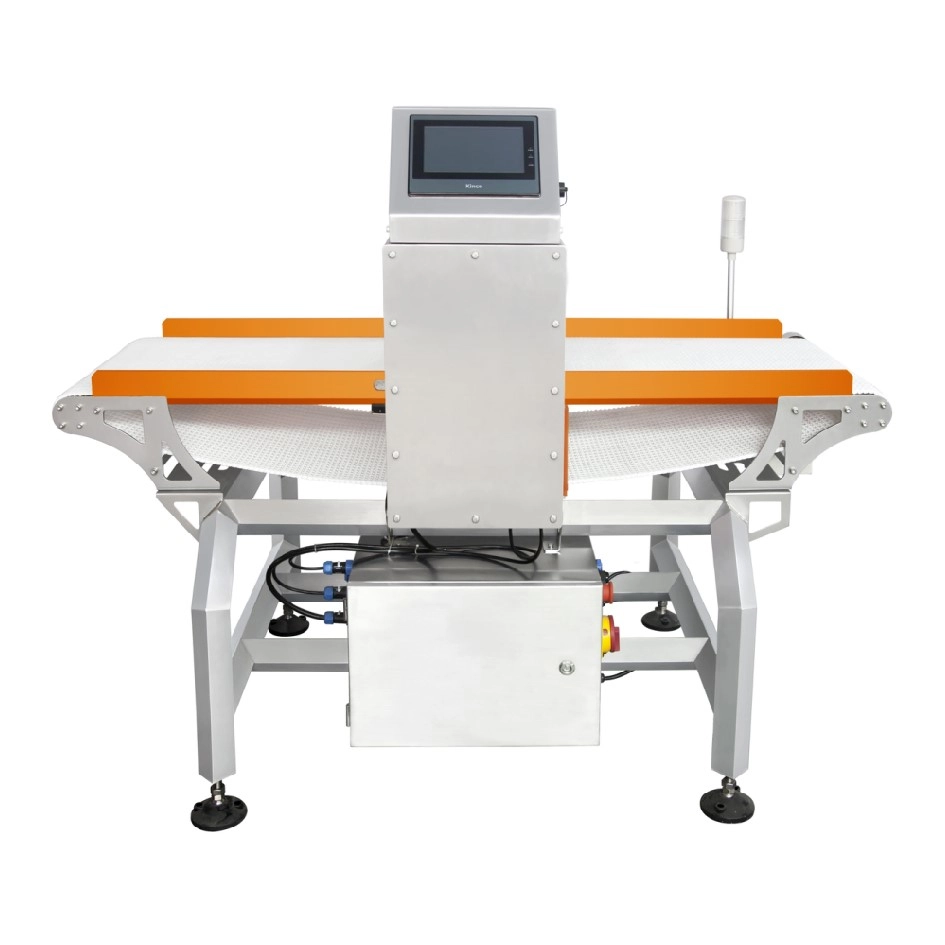
Integrating G5020 with Multihead Weighers for Seamless Rejects
Food Packing Machine Solutions for Fresh Produce
Prdoucts Categories
Question you may concern
About Solution suggestions
Can Kenwei provide solutions for high-volume production?
Yes, Kenwei specializes in high-speed, high-throughput machines designed for large-scale operations. Our multi-head weighers, packing machines, and check weighers.
How can Kenwei solutions help reduce waste in my production process?
Kenwei solutions improve accuracy in weighing, packaging, and quality control, reducing the chances of overfill or underfill. This leads to less product waste and higher operational efficiency.
Can Kenwei solutions be used for both manual and automated packing lines?
Yes, Kenwei machines can be used in both manual and automated packing lines. We can provide integrated systems that work alongside manual labor or fully automated systems depending on your production requirements.
About Product choice
What types of products does Kenwei offer?
Kenwei specializes in high-precision and high-speed automated machinery for weighing, packaging, and quality control. Our main products include: multihead weigher, linear weigher, checkweighers,food metal detector,vertical packing machine and packing machine accessories.
About After Sales Support
What do I do if I encounter a malfunction in the machine?
If you encounter a malfunction, first check the user manual and troubleshooting guide for common issues. If the problem persists, contact our technical support team for further assistance.
You may also like
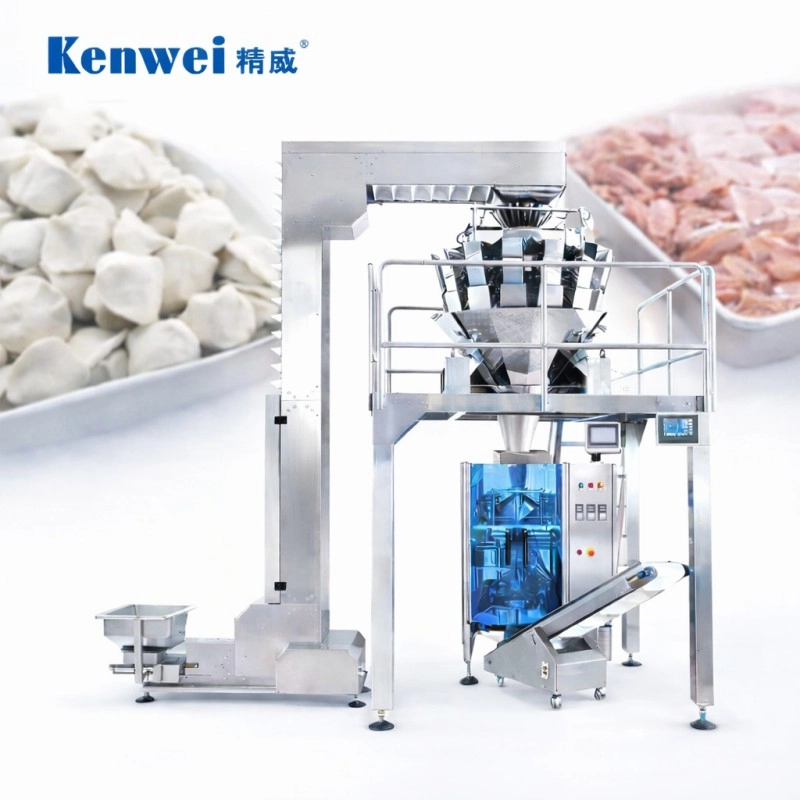
Vertical Frozen Food Packaging Machine for IQF & Frozen Products JW-B1
The Kenwei JW-B1 Vertical Frozen Food Packaging Machine is designed for IQF and frozen products, ensuring efficient, airtight packing. This vertical packing machine boosts productivity with precision sealing, ideal for frozen food packaging needs in the food industry.
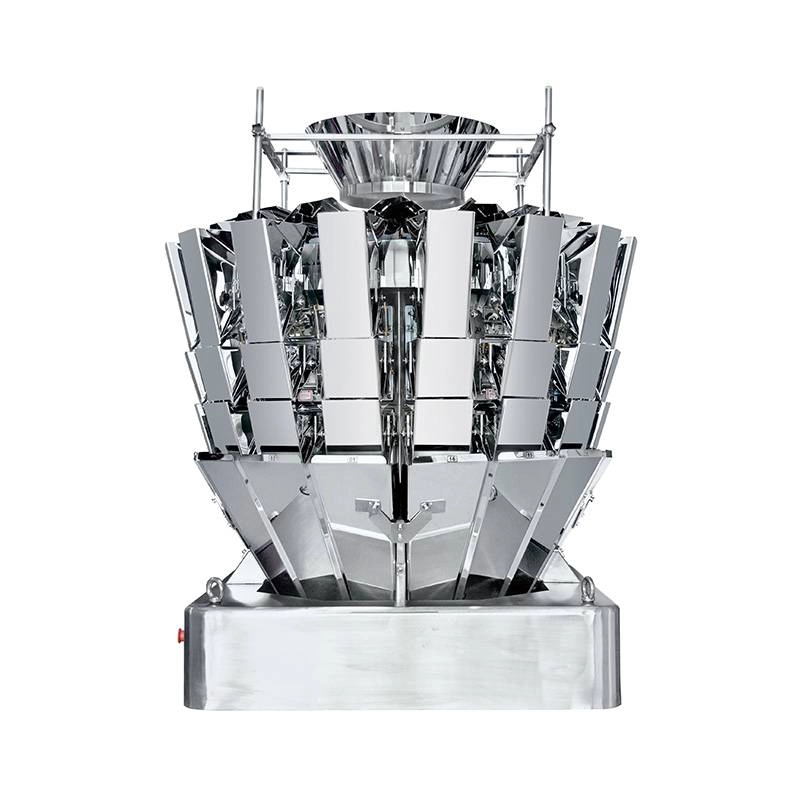
16 Head Three Layer Multihead Weigher for Granular and Irregular Materials
Kenwei’s 16 Head Three Layer Multihead Weigher ensures precise weighing of granular and irregular materials. This multihead weighing machine offers efficient, high-speed performance, ideal for various packaging needs. Trust our 16 head weigher for accuracy and reliability in your production line.
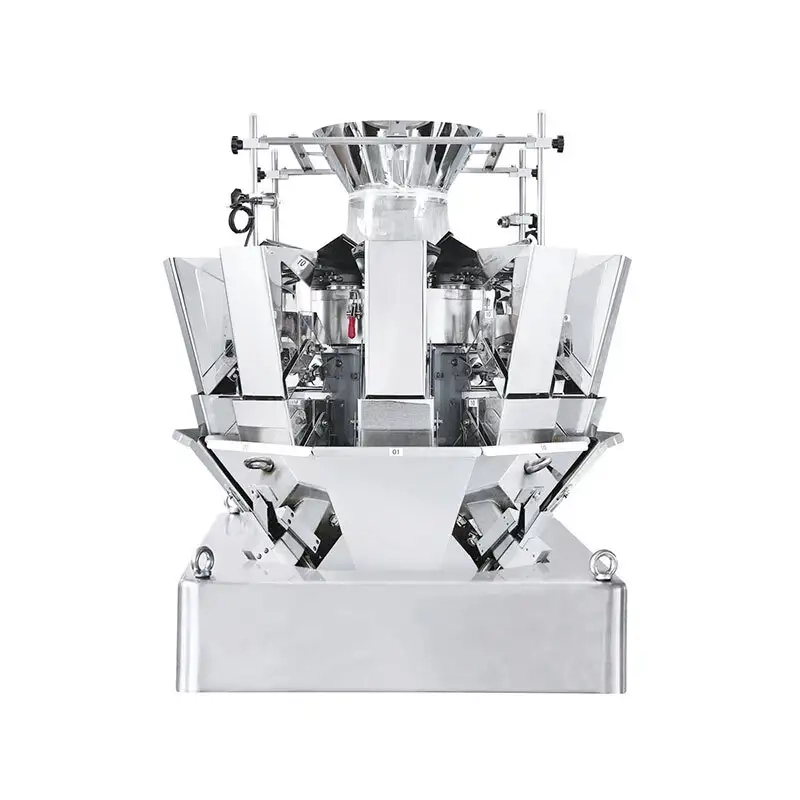
10-Head Standard No-Spring Multihead Weigher 1.6L for Precise Weighing
The standard no-spring combination scale features a patented spring-free hopper design, making it ideal for weighing a variety of products such as melon seeds, peanuts, nuts, almonds, grapes, candies, pistachios, potato chips, shrimp chips, and more. The double-support feeding tray is easily adjustable, while the feeding hopper is designed for easy disassembly, ensuring convenience and cleanliness. With a maximum weighing speed of up to 120 bags per minute, the 14-head standard no-spring combination scale is an economical, versatile, and cost-effective solution.
Automatic Multihead Weigher for Stick and Bar-Shaped Materials
Kenwei’s Automatic Multihead Weigher for Stick and Bar-Shaped Materials ensures precise, fast, and efficient weighing. This advanced automatic multihead weighing machine is ideal for accurate portioning of various stick and bar-shaped products, enhancing productivity and reducing waste.
Get in touch with us
If you have any comments or good suggestions, please leave us a message, later our professional staff will contact you as soon as possible.
Kenwei
Kenwei
Kenwei multi weigh
Kenwei
Kenwei
Kenwei