






Routine Maintenance Checklist for Food Metal Detectors
A practical, user-centered maintenance checklist for food metal detectors covering daily to annual tasks, testing and calibration, cleaning, troubleshooting, record-keeping, and compliance tips to keep detection performance reliable.
- Introduction: Why a Routine for Your Food Metal Detector Matters
- Purpose of maintenance for a food metal detector
- Daily Checks: Fast Tasks to Maintain Detection Integrity
- Visual inspection and environmental check
- Power-up self-check and alarm verification
- Record basic daily metrics
- Weekly Maintenance: Deeper Functional Checks
- Clean detector aperture and conveyor components
- Sensitivity check with standardized test pieces
- Check software logs and settings
- Monthly Tasks: Calibration and Mechanical Inspection
- Full calibration review with traceable tools
- Mechanical wear and alignment
- Verify grounding and electromagnetic stability
- Quarterly and Annual Procedures: Preventive Maintenance and Validation
- Preventive replacement of consumables
- Full validation and third-party audit preparation
- Software and firmware updates
- Cleaning Best Practices for Food Metal Detectors
- Sanitation methods that protect detection performance
- Cleaning validation and documentation
- Troubleshooting Common Issues and Quick Fixes
- False rejects — typical causes and remedies
- Missed detections — what to inspect first
- Testing Protocols: How to Test Without Compromising Food Safety
- Safe use of test pieces
- Test frequency and documentation
- Record-Keeping and Traceability
- Why records matter for a food metal detector
- What to log
- Staff Training and SOPs for Reliable Operation
- Design clear SOPs and responsibility matrix
- Regular training and competency assessments
- When to Call the Manufacturer or a Certified Technician
- Escalation triggers for professional support
- Information to provide support teams
- Comparison Table: Maintenance Frequency Summary for Food Metal Detectors
- About Kenwei and Our Approach to Metal Detection
- Kenwei’s role in integrated detection and weighing
- How Kenwei supports maintenance and validation
- FAQ — Frequently Asked Questions About Food Metal Detector Maintenance
- How often should I test my food metal detector?
- Can cleaning affect metal detector sensitivity?
- What test pieces should I use?
- When should I involve technical support?
- How do I document maintenance for audits?

Introduction: Why a Routine for Your Food Metal Detector Matters
Purpose of maintenance for a food metal detector
Routine maintenance ensures your food metal detector continues to protect consumers, preserve brand reputation, and meet regulatory requirements (HACCP, ISO 22000). Regular care reduces false rejects, avoids missed contaminants, and lowers unplanned downtime for production lines.
Daily Checks: Fast Tasks to Maintain Detection Integrity
Visual inspection and environmental check
Inspect the detector head, conveyor area, and surrounding structures for obvious damage, loose fittings, or product buildup. Verify the production environment is free of heavy electromagnetic interferences (motors, frequency drives) that can affect a food metal detector’s sensitivity.
Power-up self-check and alarm verification
On start-up, confirm the detector completes its self-check sequence. Simulate an alarm with a test piece (as per your validation plan) to ensure the reject mechanism and alarms operate correctly.
Record basic daily metrics
Log production run, shift, operator, test-piece results, and any alarms. Daily logs are crucial for traceability and for trending issues before they escalate.
Weekly Maintenance: Deeper Functional Checks
Clean detector aperture and conveyor components
Perform a controlled cleaning of the aperture and adjacent conveyor surfaces using manufacturer-approved cleaning agents. Avoid harsh chemicals that can degrade seals or sensors of a food metal detector.
Sensitivity check with standardized test pieces
Run an agreed set of test pieces (ferrous, non-ferrous, stainless) across the full width of the aperture to verify consistent sensitivity. Document pass/fail for each location. If sensitivity drifts, escalate to calibration.
Check software logs and settings
Review recent parameter changes, firmware updates, and event logs in the food metal detector’s control panel. Lock or record any setting changes to prevent accidental tampering.
Monthly Tasks: Calibration and Mechanical Inspection
Full calibration review with traceable tools
Perform a calibration check against manufacturer specifications using traceable, certified test samples where available. Calibration frequency can depend on product changeovers and risk assessment, but monthly verification is a common baseline in many facilities.
Mechanical wear and alignment
Inspect conveyor belts, guides, bearings, and reject actuators for wear and correct alignment. Replace or adjust parts that show signs of wear that could affect product transit through the food metal detector aperture.
Verify grounding and electromagnetic stability
Confirm the detector’s grounding and cable routing are intact. Seasonal or layout changes in production lines can introduce new electromagnetic interference that affects a food metal detector.
Quarterly and Annual Procedures: Preventive Maintenance and Validation
Preventive replacement of consumables
Schedule replacement for belts, seals, and other consumables before they fail. Preventive replacement avoids sudden failures that could halt a food metal detector and the line.
Full validation and third-party audit preparation
Quarterly or annual full validation should include sensitivity mapping across the aperture, false-reject analysis, and cross-checks against product-specific validation data. Keep documented evidence ready for internal or third-party audits.
Software and firmware updates
Plan firmware updates carefully—test on a non-production unit if possible and ensure validated backup settings. Updates can improve performance or security but must be validated to avoid unexpected operational changes in a food metal detector.
Cleaning Best Practices for Food Metal Detectors
Sanitation methods that protect detection performance
Use manufacturer-recommended cleaning agents and methods. Avoid excessive water spray directly into control enclosures and use food-grade detergents. Cleaning frequency should align with product type (oily, sticky, powdery) and risk assessment.
Cleaning validation and documentation
After cleaning, perform a quick sensitivity check before restarting production. Document cleaning personnel, time, methods, and results to support traceability and hygiene audits for your food metal detector.
Troubleshooting Common Issues and Quick Fixes
False rejects — typical causes and remedies
False rejects can stem from product effect (high salt, moisture), conveyor speed variation, or electromagnetic interference. Solutions include re-validating sensitivity for product effect, stabilizing conveyor speed, and improving grounding for your food metal detector.
Missed detections — what to inspect first
If a food metal detector misses metal, immediately stop production, run sensitivity tests across the aperture, check alignment, and verify the reject mechanism. If sensitivity cannot be restored, remove the unit from service and contact your manufacturer or certified technician.
Testing Protocols: How to Test Without Compromising Food Safety
Safe use of test pieces
Use encapsulated or non-contaminating test samples suitable for the product (e.g., stainless encased test-pieces or magnetic simulators) to avoid contaminating the product. Follow your facility’s testing SOPs and local regulations.
Test frequency and documentation
At minimum, test at the start of each production run and after any cleaning or maintenance that could affect performance. More frequent testing is recommended for high-risk products. Maintain test logs for regulatory compliance and trend analysis.
Record-Keeping and Traceability
Why records matter for a food metal detector
Accurate records demonstrate due diligence to regulators and customers. They provide trend data to prevent failures and support root-cause analysis when an incident occurs.
What to log
Log daily checks, test-piece results (including location and type), any calibration adjustments, firmware updates, cleaning records, and any corrective actions. Prefer digital logs that allow timestamping and secure backups.
Staff Training and SOPs for Reliable Operation
Design clear SOPs and responsibility matrix
Create concise Standard Operating Procedures for daily checks, testing, cleaning, and emergency stop procedures. Assign responsibilities—who performs checks, who approves changes to settings, and who escalates issues for a food metal detector.
Regular training and competency assessments
Conduct hands-on training and periodic competency checks. Ensure operators understand the implications of changing sensitivity settings and the correct testing methods for a food metal detector.
When to Call the Manufacturer or a Certified Technician
Escalation triggers for professional support
Contact the manufacturer or a certified technician if sensitivity cannot be restored, electronic faults persist after basic troubleshooting, or mechanical damage is evident. For food metal detectors integrated into multihead weigher systems, coordinated support can minimize line downtime.
Information to provide support teams
When requesting support, provide detector model, firmware version, recent logs, test-piece data, and a description of the symptoms. Clear information speeds diagnosis and repair.
Comparison Table: Maintenance Frequency Summary for Food Metal Detectors
| Task | Daily | Weekly | Monthly | Quarterly/Annual |
|---|---|---|---|---|
| Visual inspection and start-up test | Yes | -- | -- | -- |
| Cleaning of aperture/conveyor | Quick clean | Thorough clean | Deep clean | Hygiene audit |
| Sensitivity verification with test pieces | Start-of-run | Full-width check | Calibration check | Full validation |
| Mechanical wear inspection | Visual | Check belts & guides | Replace consumables | Comprehensive inspection |
| Software/firmware updates | No | No | Review | Planned update |
About Kenwei and Our Approach to Metal Detection
Kenwei’s role in integrated detection and weighing
Kenwei is a manufacturer of multi-head weighers and develops metal detectors and checkweighers as part of integrated weighing and packaging systems. For processors seeking turn-key solutions, Kenwei can provide machines engineered for high speed and precision and offer implementation support, technical training, and after-sales service.
How Kenwei supports maintenance and validation
Kenwei provides user manuals, recommended maintenance schedules, and training for operators to maintain performance and compliance. For complex integrations—such as a food metal detector paired with multihead weighers—Kenwei’s service teams can assist with calibration, spare parts, and on-site troubleshooting.
FAQ — Frequently Asked Questions About Food Metal Detector Maintenance
How often should I test my food metal detector?
Test at the start of each production run and after any cleaning or maintenance. Weekly full-width sensitivity checks and monthly calibration verifications are common best practices; adjust frequency per risk assessment and product characteristics.
Can cleaning affect metal detector sensitivity?
Yes. Using inappropriate chemicals, excessive water, or physically damaging the detector during cleaning can alter sensitivity. Always follow manufacturer cleaning recommendations and re-check sensitivity after cleaning.
What test pieces should I use?
Use test pieces representative of real contaminants (ferrous, non-ferrous, stainless) and, where possible, use encapsulated or non-contaminating samples to protect product. Follow facility SOPs and regulatory guidance for safe testing.
When should I involve technical support?
If sensitivity cannot be restored after basic troubleshooting, if the control electronics show persistent errors, or if mechanical damage is evident, contact your manufacturer or certified technician for repairs and calibration.
How do I document maintenance for audits?
Keep clear, dated records of daily checks, test-piece results, cleaning logs, calibration certificates, part replacements, and any corrective actions. Digital records with secure backups are recommended for traceability.
Tags
vacuum packaging
vacuum packaging
packing machine for food products
packing machine for food products
metal detector for food production
metal detector for food production
buy premade pouch packing machine
buy premade pouch packing machine
checkweigher scale
checkweigher scale
multihead weigher
multihead weigher
Recommended for you
best multihead weigher choices for confectionery lines 2026
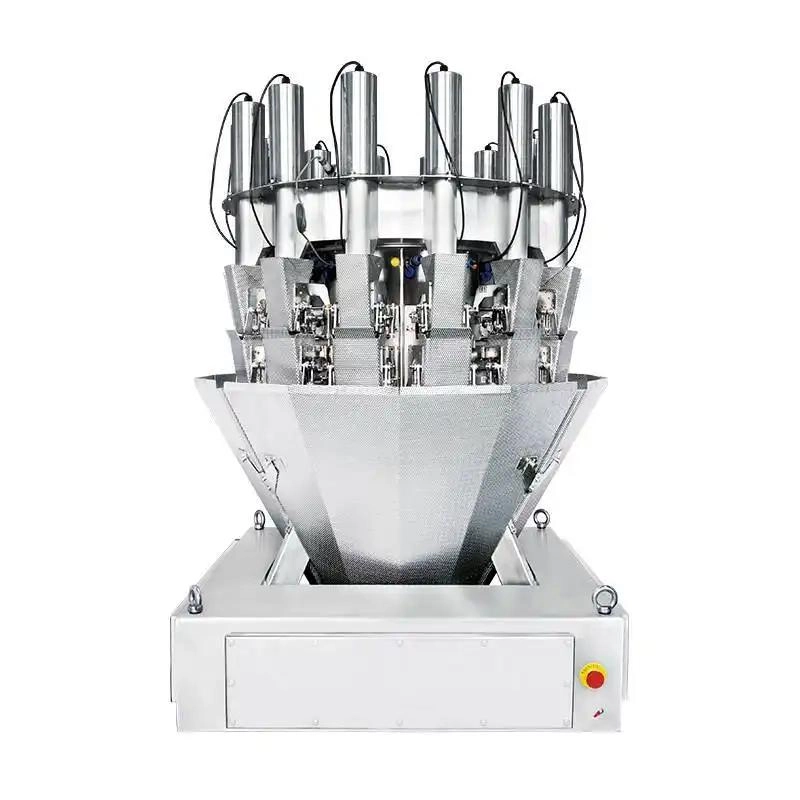
Multihead Weigher Buying Guide for Pickles: 14-Head Backup Specs
Combination Weigher vs Multihead Weigher: Key Differences
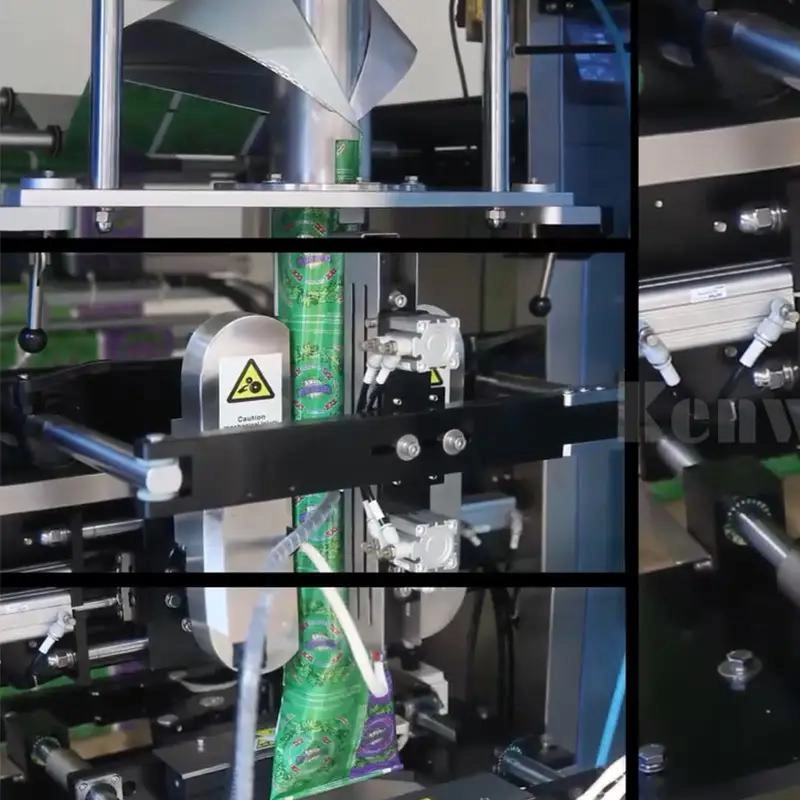
How Economic VFFS Improves Line Efficiency and Throughput
Prdoucts Categories
Question you may concern
About Logistics
How long does logistics delivery take?
Shipping times depend on your location and the shipping method you choose. Generally speaking, international shipping can take anywhere from a few weeks to a few months.
About Product choice
What types of products does Kenwei offer?
Kenwei specializes in high-precision and high-speed automated machinery for weighing, packaging, and quality control. Our main products include: multihead weigher, linear weigher, checkweighers,food metal detector,vertical packing machine and packing machine accessories.
About Solution suggestions
How do Kenwei’s machines improve my production efficiency?
Kenwei machines enhance efficiency by automating the weighing, packaging, and quality control processes. Our high-speed, high-precision machines ensure accurate measurements, reduce human error, and increase throughput, leading to faster production times and lower operational costs.
About products customization
How long does it take to deliver a customized Kenwei machine?
The lead time for customized machines can vary based on the complexity of the customization, as well as production schedules. Generally, it takes 4-6 weeks to deliver a fully customized machine after design approval.
About Cooperation Process
How to operate it?
Many languages are available for global markets. There are not only detailed instructions, but also machine video for reference learning.
You may also like
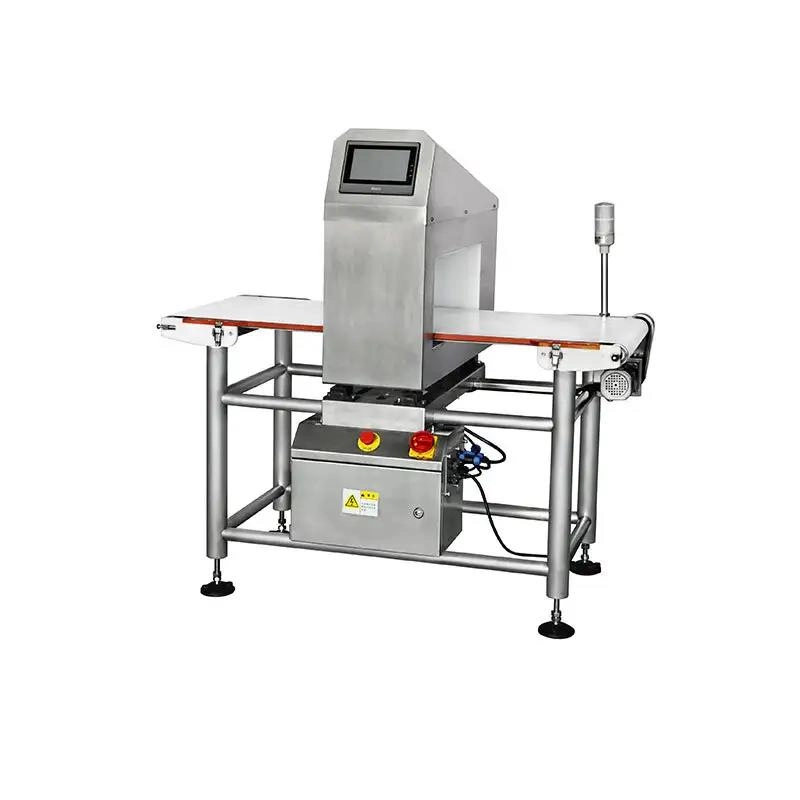
Food Metal Detector Manufacturer For Reject Defective Products G5020
The G5020 multi-frequency metal detector features a specialized conveyor belt designed to reduce contamination risks, ensure smooth operation, and maintain high detection sensitivity. It is easy to disassemble for convenient maintenance. Ideal for detecting metal contaminants in food, pharmaceuticals, spices, plastics, electronics, textiles, toys, handicrafts, and more.
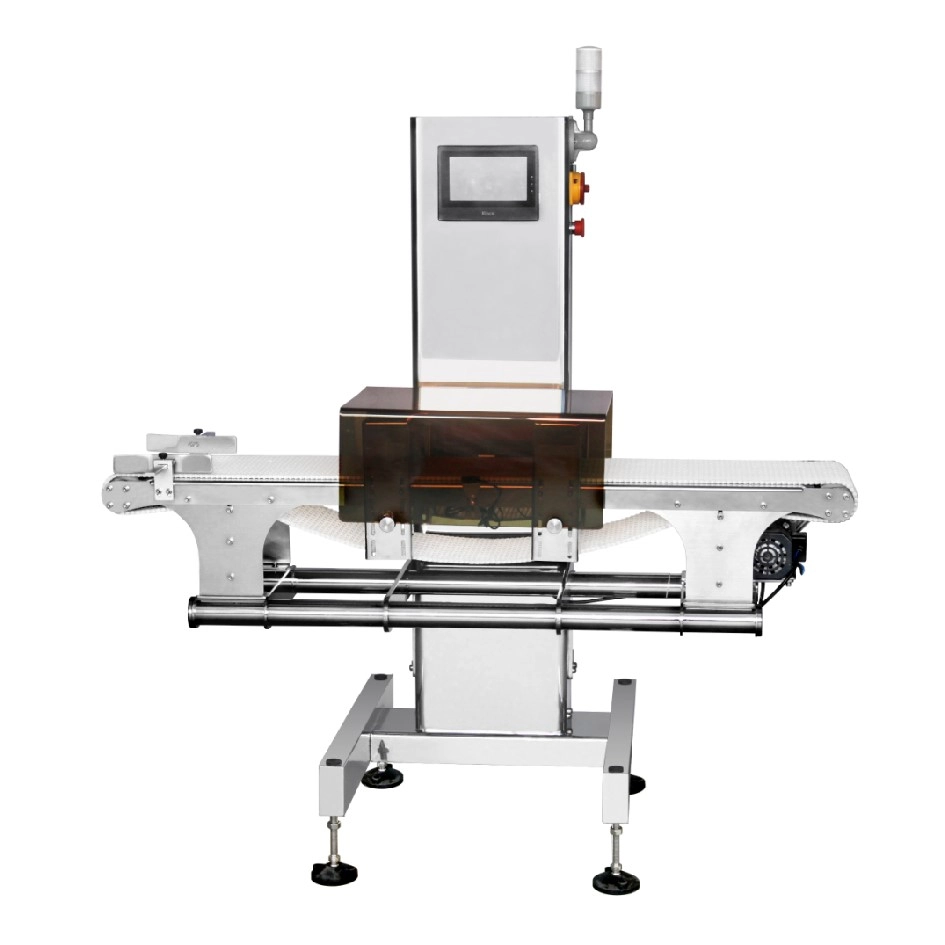
Metal Detector for Aluminum Foil in the Food Industry for Accurate Contamination Detection
The 2415 Metal Detector for Aluminum Foil is equipped with high-sensitivity sensors that effectively filter out signals from aluminum packaging, ensuring precise detection of magnetic metal contaminants. Ideal for detecting foreign bodies in aluminum foil-packaged items such as coffee bags, peanuts, dried meats, chocolate, and more. This versatile metal detector offers adjustable settings, with a maximum width of 24mm and height ranging from 20-150mm, making it suitable for a wide variety of aluminum foil packaging applications.
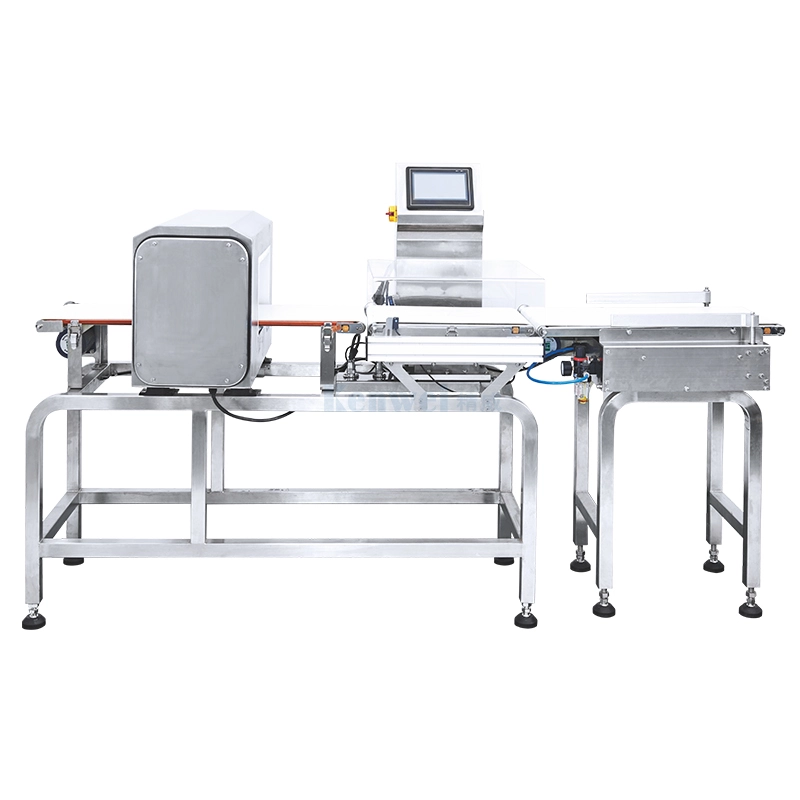
Combined Check Weigher and Metal Detector for Food Industrial Weighing and Sorting
Kenwei’s Combined Checkweigher and Metal Detector for food industrial weighing and sorting ensures precise weight control and superior safety. This advanced food metal detector integrates high-speed check weighing, delivering accuracy and reliability for quality assurance.
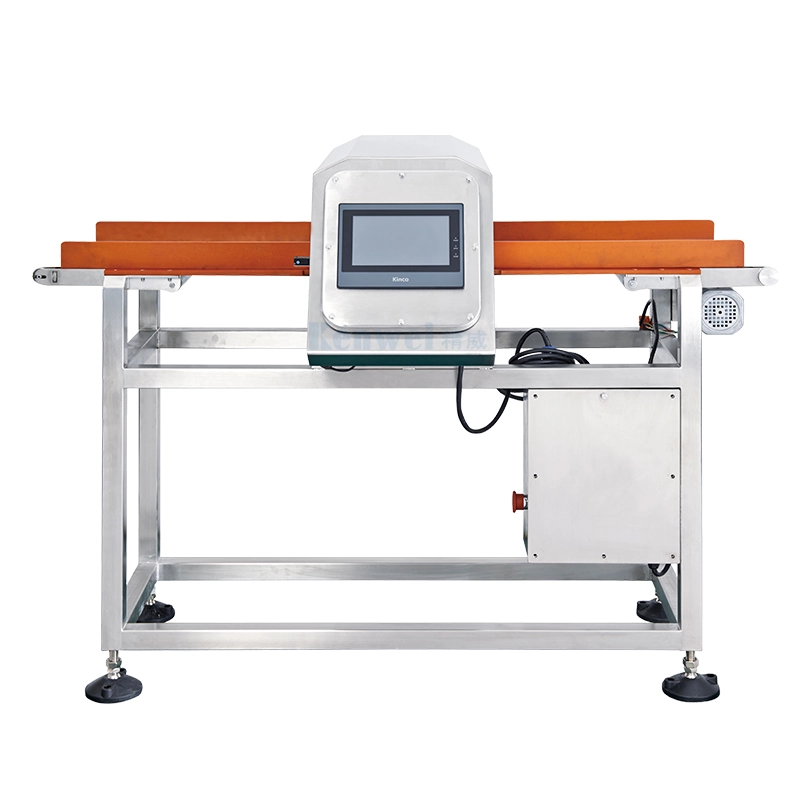
High Sensitivity Horizontal Metal Detector for Food and Pharmaceutical Industries
The Horizontal Metal Detector Series is ideal for detecting both ferrous and non-ferrous metals in food, pharmaceutical, chemical, textile, and rubber products. Equipped with a 7" industrial touch screen and supporting 32 languages, it features high sensitivity, digital signal processing, and intelligent algorithms for stable, precise detection. With stainless steel waterproof construction and multiple rejection options, it's perfect for HACCP and GMP compliance.
Get in touch with us
If you have any comments or good suggestions, please leave us a message, later our professional staff will contact you as soon as possible.
Kenwei
Kenwei
Kenwei multi weigh
Kenwei
Kenwei
Kenwei