






How to Choose the Right Multihead Weigher for Your Production Line
Wednesday, 09/21/2022
Choosing the right multihead weigher is critical for achieving efficiency, accuracy, and cost savings in your production line. This guide covers the key factors to consider, including material handling capacity, weighing accuracy, speed, energy consumption, cleaning, maintenance, and process alignment. By following these tips, you can select a machine that boosts productivity, ensures precise measurements, and meets your manufacturing needs.
Selecting the right multihead weigher for your production line can be challenging, especially with so many models available. The right choice will enhance accuracy, speed, and cost efficiency. This guide will walk you through the essential factors to consider when buying a multihead weigher, helping you make an informed decision.
1. Material Handling Capacity
When choosing a multihead weigher, ensure it can handle the weight and volume of your specific materials.
-
Load Capacity: Select a model that matches your production scale.
-
Power and Horsepower: The weigher must be powerful enough to keep up with your production schedule.
-
Ergonomics: Look for features that allow comfortable and safe operation during long shifts.
2. Accuracy and Precision
Accuracy is critical for maintaining product quality and reducing waste. Key considerations include:
-
High Repeatability: Choose a machine with a repeatability rating of at least 0.0001 kg (0.001 lbs).
-
Auto Calibration: Ensures accurate readings without manual adjustments.
-
User-Friendly Interface: Clear displays and intuitive controls improve efficiency.
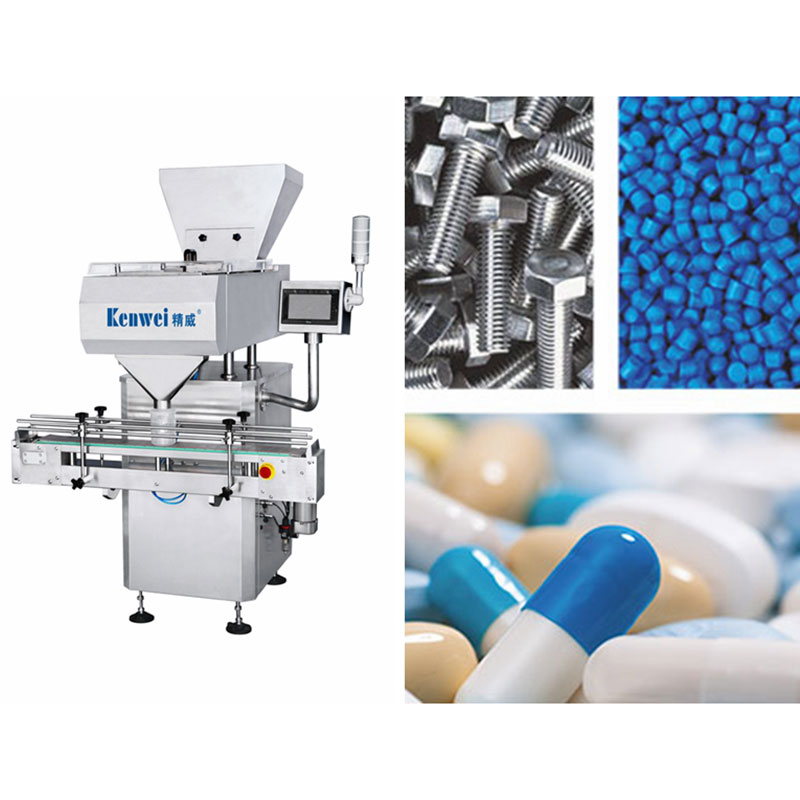
3. Productivity and Speed
A good multihead weigher should balance accuracy with speed.
-
Consistent Weighing: Accuracy should be maintained even at high throughput.
-
Processing Speed: Ensure the weigher can handle large quantities without bottlenecks.
-
Ease of Maintenance: Reduced downtime keeps production on schedule.
4. Cleaning and Maintenance
Keeping your weigher clean prevents contamination and maintains performance.
-
Regular Cleaning: Remove dust and debris from moving parts using the correct cleaning solutions.
-
Sensor Care: Clean sensors regularly for accurate readings.
-
Assembly Maintenance: Ensure all components are free from buildup to avoid operational issues.
5. Energy Consumption
Energy costs directly impact the total cost of ownership.
-
Machine Size and Complexity: Smaller, simpler machines often use less energy.
-
Material Type: Heavier products require more power to weigh.
-
Weighing Speed: Faster speeds demand higher energy output.
-
Number of Heads: More heads can mean higher power usage.
-
Design Efficiency: Modern designs may include energy-saving features.
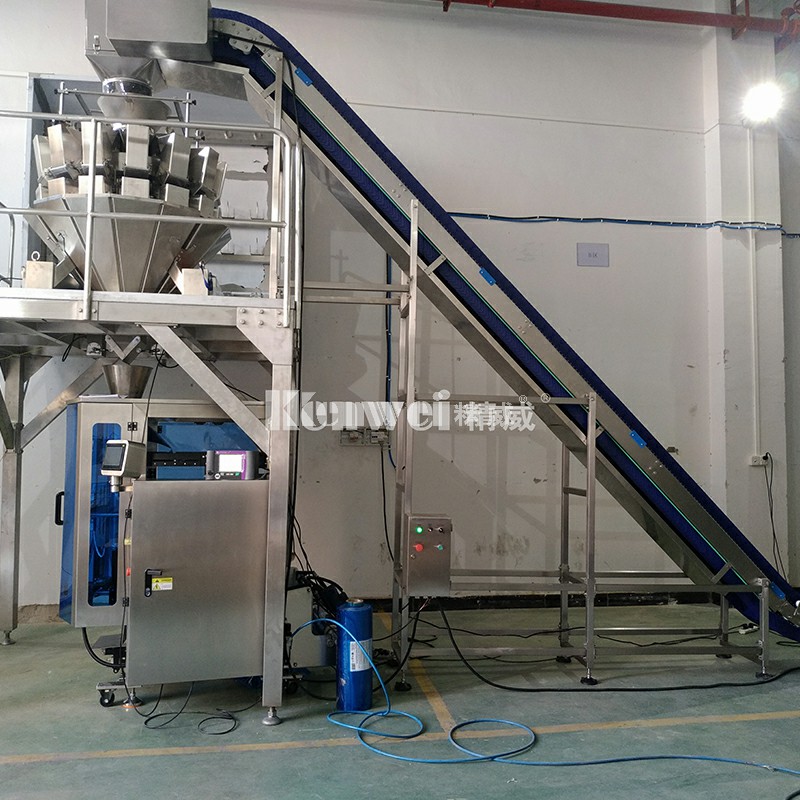
6. Process Alignment
The weigher should integrate seamlessly with your existing production processes.
-
Alignment Check: Measure the distance between weighing heads to meet specifications.
-
Adjustments: Use ball joints or alignment tools if needed.
-
Professional Assistance: Consult specialists for precision alignment.
7. Data Analysis and Monitoring
Advanced data features can boost efficiency and quality control.
-
Data Logging: Track production performance in real time.
-
Trend Analysis: Identify inefficiencies and make adjustments.
-
Reporting Tools: Generate reports for compliance and management review.
Conclusion
Choosing the best multihead weigher for your production line requires careful consideration of capacity, accuracy, speed, energy consumption, maintenance, and process alignment. By focusing on these factors, you can invest in a machine that enhances productivity, ensures precise measurements, and reduces operational costs.
Recommended for you
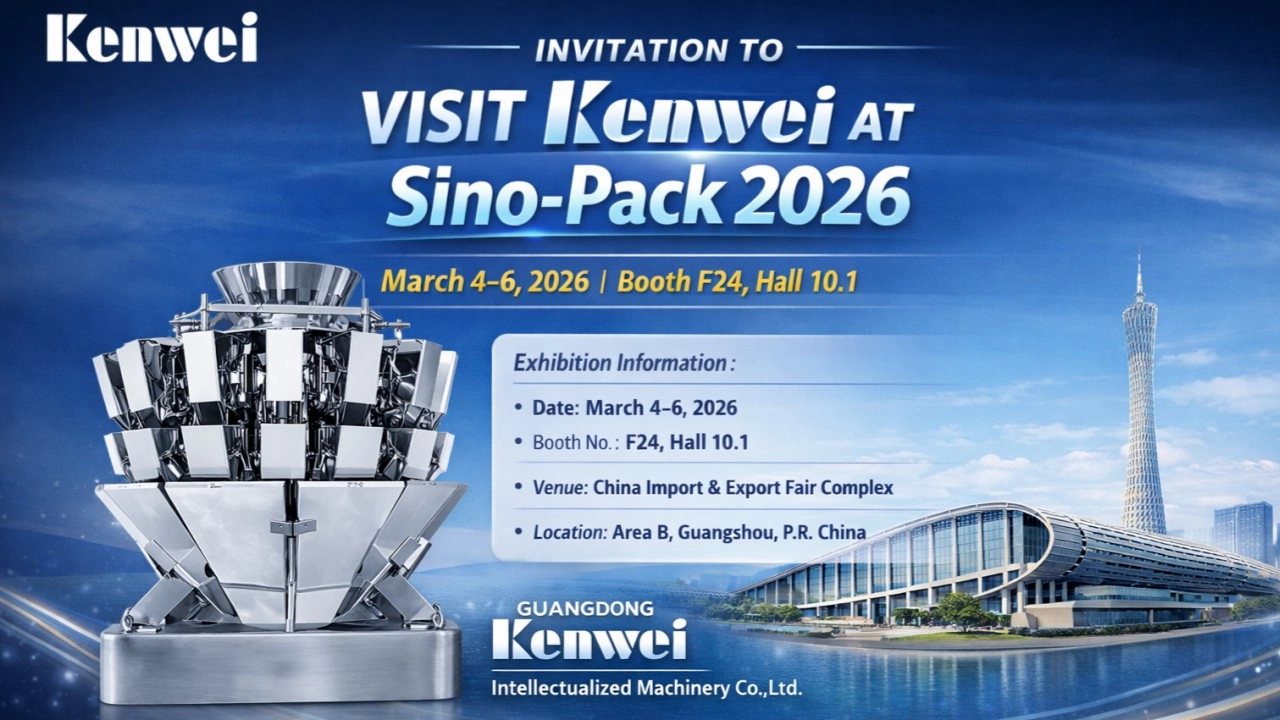
Kenwei to Showcase Intelligent weighing machine at Sino-Pack 2026
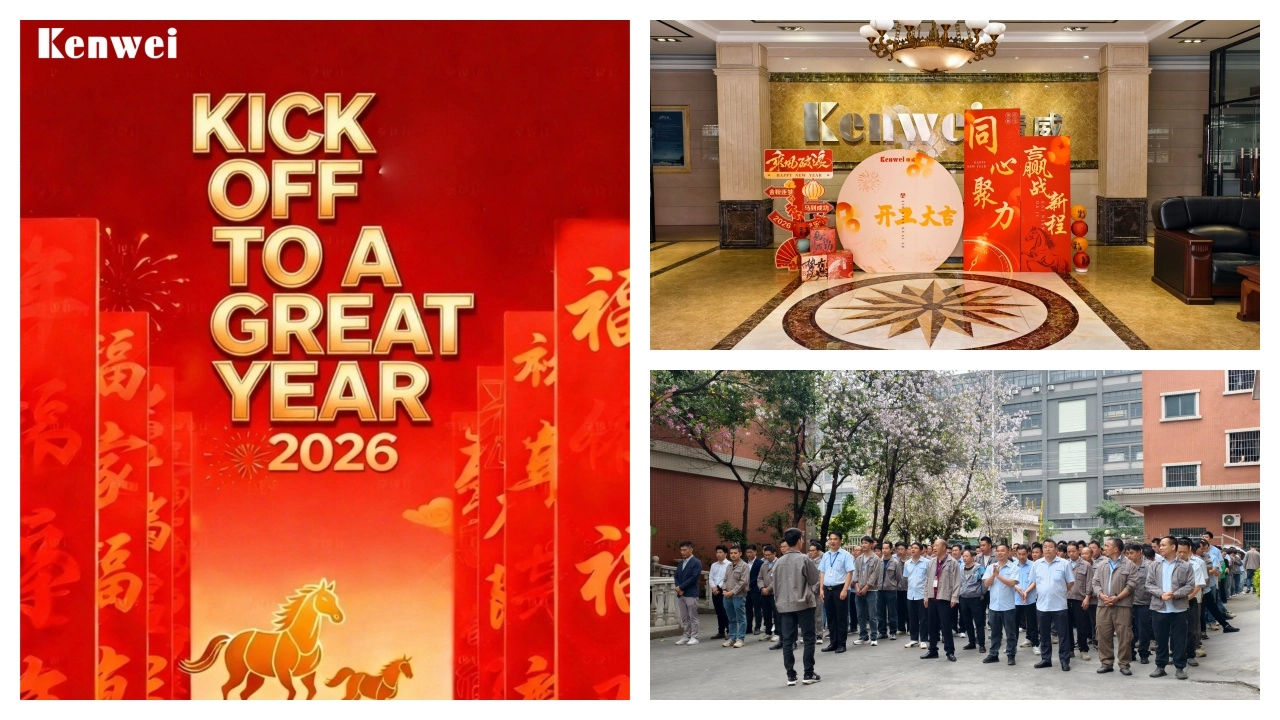
Auspicious Start to Work | Guangdong Kenwei 2026
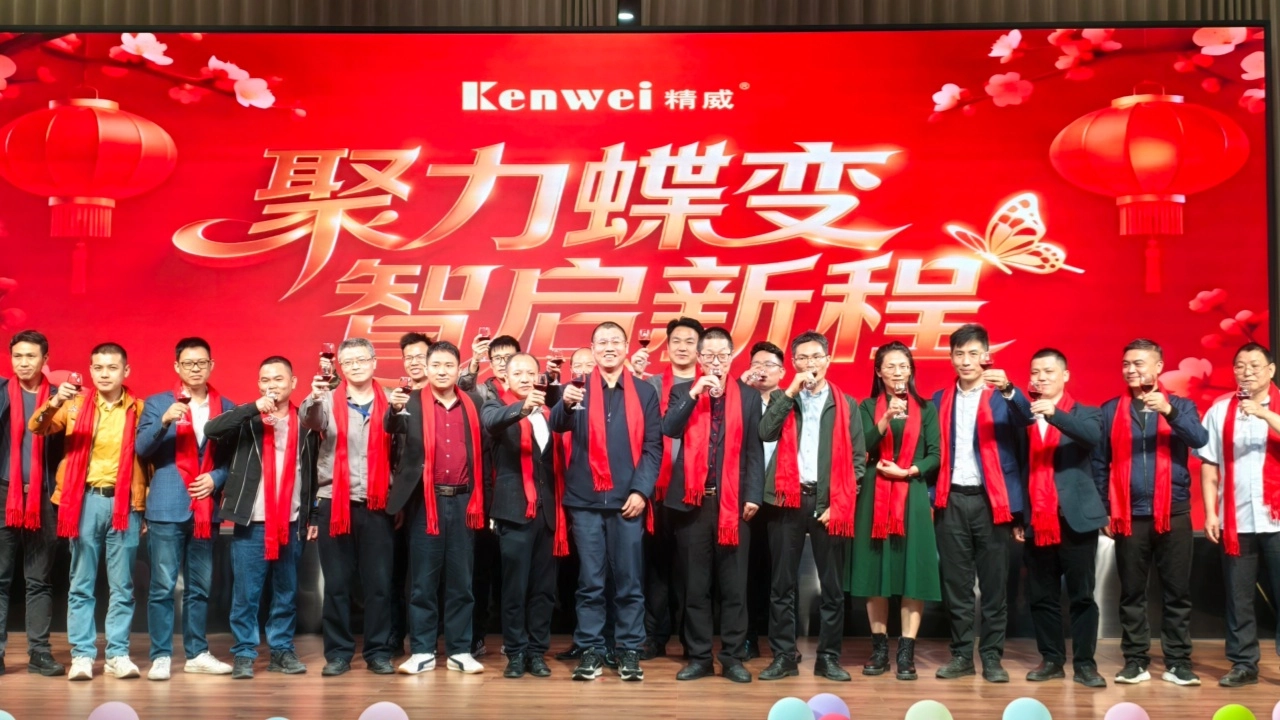
Unite for Transformation · Empower the Future with Intelligence | Guangdong Kenwei 2025 Annual Excellence Awards & Year-End Gala Successfully Held!

Top 10 Food Packaging Machines 2026: Types, Benefits, and Uses
Prdoucts Categories
FAQ
About Logistics
How are large machines handled during shipping?
Large machines are typically shipped via sea freight using containerized shipping.
About Solution suggestions
Can Kenwei solutions be used for both manual and automated packing lines?
Yes, Kenwei machines can be used in both manual and automated packing lines. We can provide integrated systems that work alongside manual labor or fully automated systems depending on your production requirements.
About After Sales Support
How about the after-sales service?
Warranty :2 years
What do I do if I encounter a malfunction in the machine?
If you encounter a malfunction, first check the user manual and troubleshooting guide for common issues. If the problem persists, contact our technical support team for further assistance.
About products customization
Can Kenwei machines be customized for different industries?
Yes,According to the material characteristics and requirements of different industries, we developed various machine types for counting (small pouches into big bag), noodles, frozen foods, peppers, stick-shaped products, product -mixing, cheeses, salads and so on.
You may also like
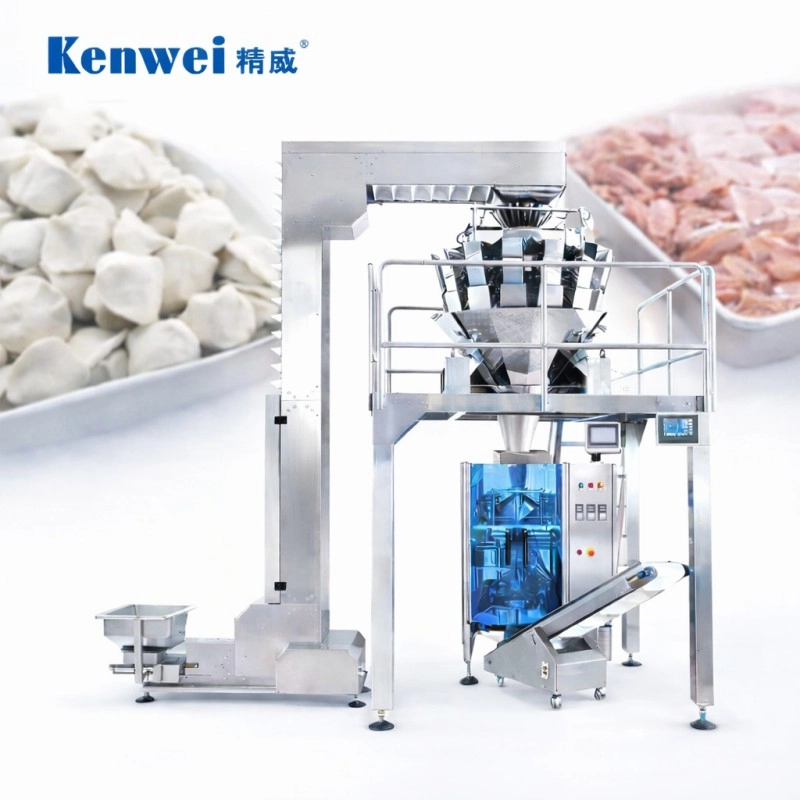
Vertical Frozen Food Packaging Machine for IQF & Frozen Products JW-B1
The Kenwei JW-B1 Vertical Frozen Food Packaging Machine is designed for IQF and frozen products, ensuring efficient, airtight packing. This vertical packing machine boosts productivity with precision sealing, ideal for frozen food packaging needs in the food industry.
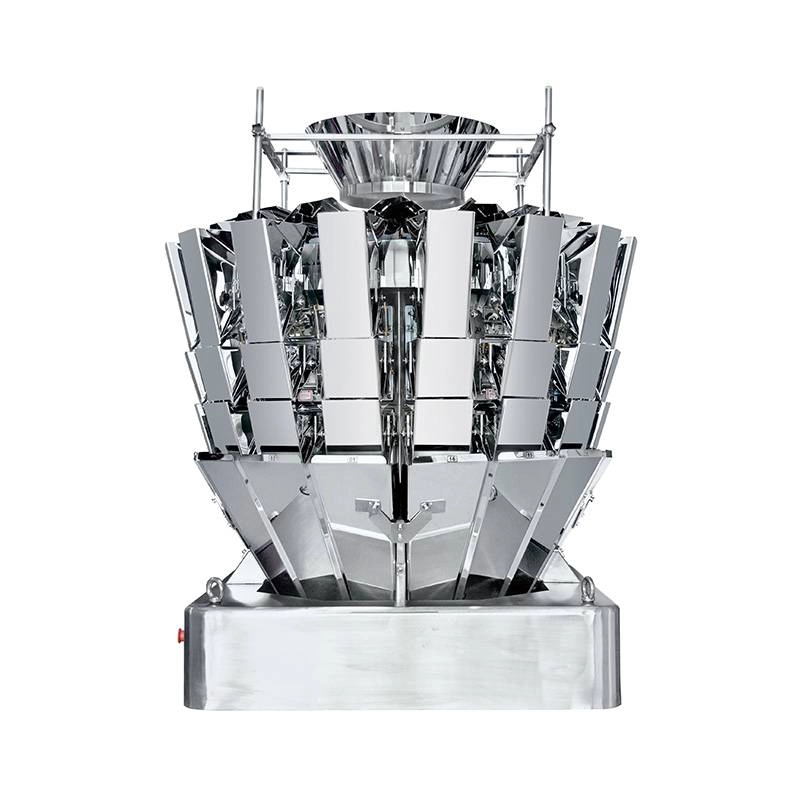
16 Head Three Layer Multihead Weigher for Granular and Irregular Materials
Kenwei’s 16 Head Three Layer Multihead Weigher ensures precise weighing of granular and irregular materials. This multihead weighing machine offers efficient, high-speed performance, ideal for various packaging needs. Trust our 16 head weigher for accuracy and reliability in your production line.
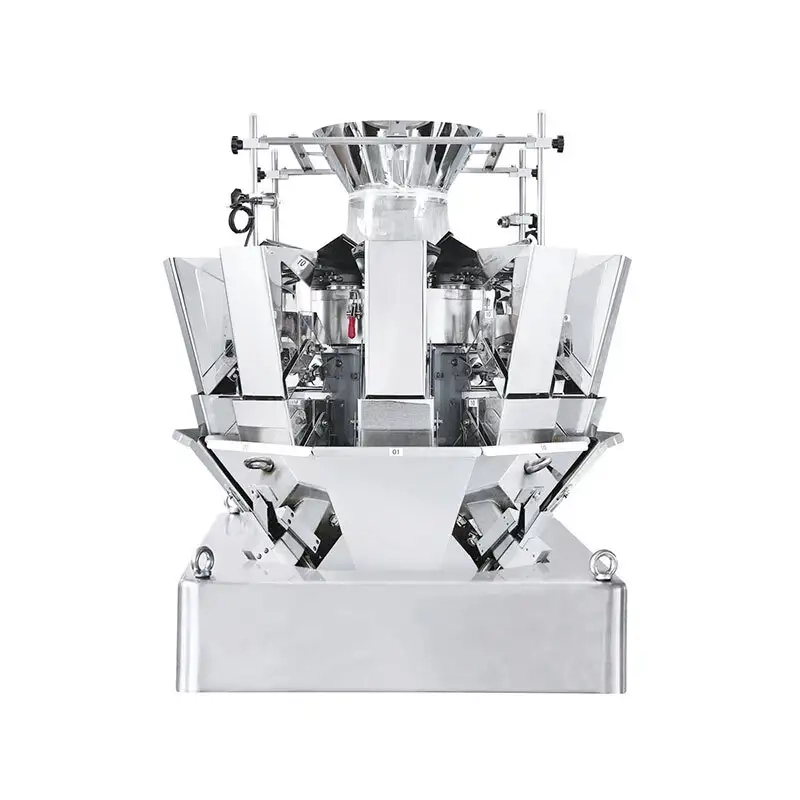
10-Head Standard No-Spring Multihead Weigher 1.6L for Precise Weighing
The standard no-spring combination scale features a patented spring-free hopper design, making it ideal for weighing a variety of products such as melon seeds, peanuts, nuts, almonds, grapes, candies, pistachios, potato chips, shrimp chips, and more. The double-support feeding tray is easily adjustable, while the feeding hopper is designed for easy disassembly, ensuring convenience and cleanliness. With a maximum weighing speed of up to 120 bags per minute, the 14-head standard no-spring combination scale is an economical, versatile, and cost-effective solution.
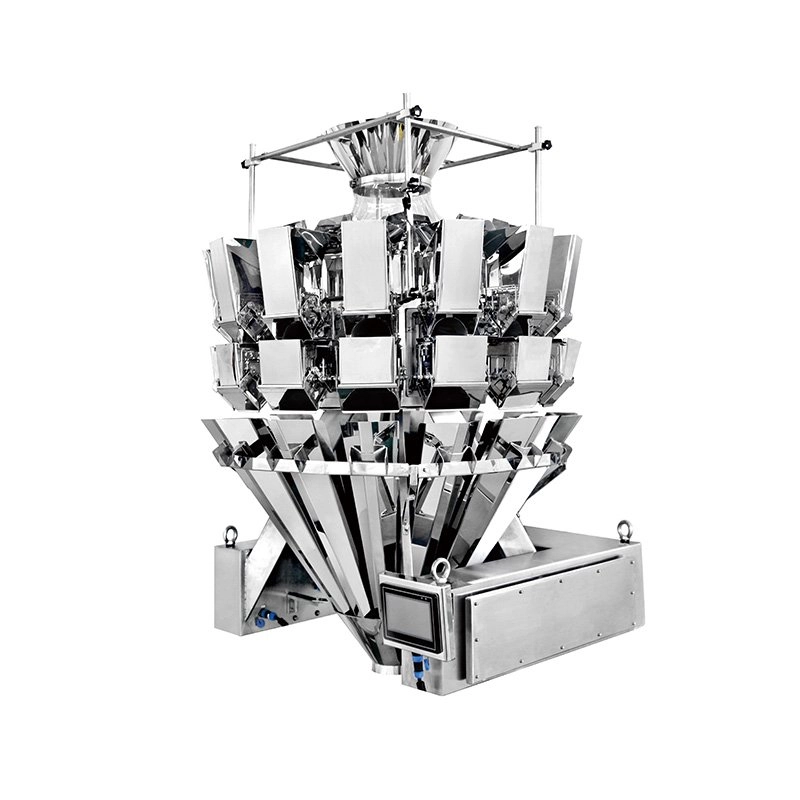
Automatic Multihead Weigher for Stick and Bar-Shaped Materials
Kenwei’s Automatic Multihead Weigher for Stick and Bar-Shaped Materials ensures precise, fast, and efficient weighing. This advanced automatic multihead weighing machine is ideal for accurate portioning of various stick and bar-shaped products, enhancing productivity and reducing waste.
Contact Kenwei
Our company is located in areas with convenient transportation and developed economy. Our products are supplied in a timely manner. In the course of business operation, we always focus on customers.Have any questions or concerns about our products? Please leave us a message here, and our team will get back to you promptly.
Kenwei
Kenwei
Kenwei multi weigh
Kenwei
Kenwei
Kenwei