






How Is a Multihead Weigher Manufactured? A Behind-the-Scenes Look at Kenwei’s Production Process
Saturday, 11/7/2020
Ever wondered how a multihead weigher is made? At Guangdong Kenwei, we follow a strict, high-standard production process divided into three key stages: electrical assembly, mechanical assembly, and final testing with packaging. Let’s take a closer look behind the scenes.
A Behind-the-Scenes Look at Kenwei’s Production Process
At Guangdong Kenwei Intellectualized Machinery Co., Ltd., a leading manufacturer of automated weighing and packaging systems, the production of each multihead weigher follows a rigorous process to ensure top quality and reliability. The entire production workflow is divided into three major steps:
Step 1: Assembly of Electrical Components
We begin our journey in the electrical assembly workshop, where critical electronic components are assembled. These include the motherboard, driver board, power supply, signal transfer modules, and software systems—all of which are independently developed by Kenwei.
Each machine is assigned a unique product code, similar to a car’s VIN (vehicle identification number). This code allows our service team to instantly retrieve the complete production history and configuration of the machine, ensuring efficient after-sales support.
Once powered-on and tested for electrical stability, the qualified semi-finished products move to the next phase of production.

Step 2: Mechanical Assembly of Parts and Complete Machines
Next, we head to the mechanical assembly workshop, where key components such as actuators, vibrators, and hoppers are assembled. These parts are manufactured and tested in-house. Each component undergoes strict quality checks before moving forward in the production line, ensuring that no defective parts proceed to the next stage.
Semi-finished products from the previous workshop are now assembled into fully functional machines. Our skilled technicians carry out the complete setup, which includes:
-
Adjusting hoppers and vibrating pans
-
Testing vibrators
-
Calibrating load cells for accuracy
Once the assembly and debugging are complete, the machines are moved to the third and final production phase.

Step 3: Aging Test, Final Inspection, and Packaging
Now we arrive at the aging and quality inspection workshop. All machines are operated continuously for 7 full days to ensure reliability and stability under real working conditions. Each key component and system is evaluated thoroughly during this phase.
Notably, Kenwei takes pride in its experienced workforce—over 150 technicians have been with the company for more than 3 years, ensuring consistency and high-quality workmanship in every unit.
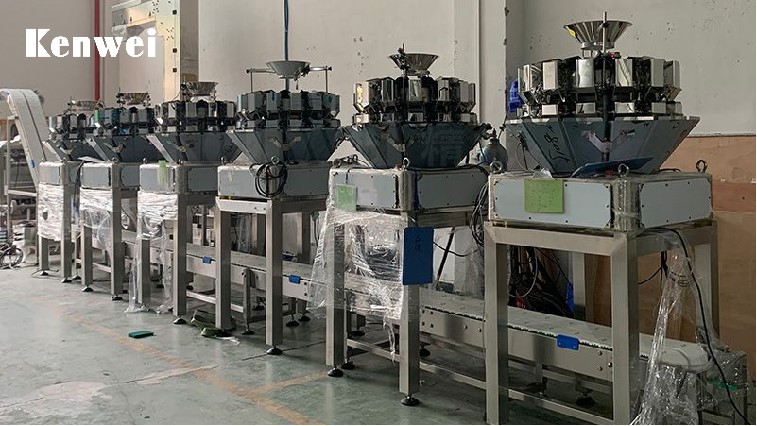
After passing the aging test, the machine undergoes final inspection to verify both hardware and software functionality. Once approved, the machine is sent to the packing department.
During packing:
-
The hopper, vibrating pan, and discharge chute are carefully removed and cleaned
-
Detailed photos are taken for internal records and after-sales support
-
The machine is securely packaged for shipment

Conclusion: Precision and Quality from Start to Finish
This is how a multihead weigher is manufactured at Kenwei—from circuit boards to calibrated weighing machines, each unit is crafted with precision and tested for performance. Our commitment to technological innovation, quality control, and customer support ensures that every multihead weigher delivers reliable results for years to come.

Recommended for you
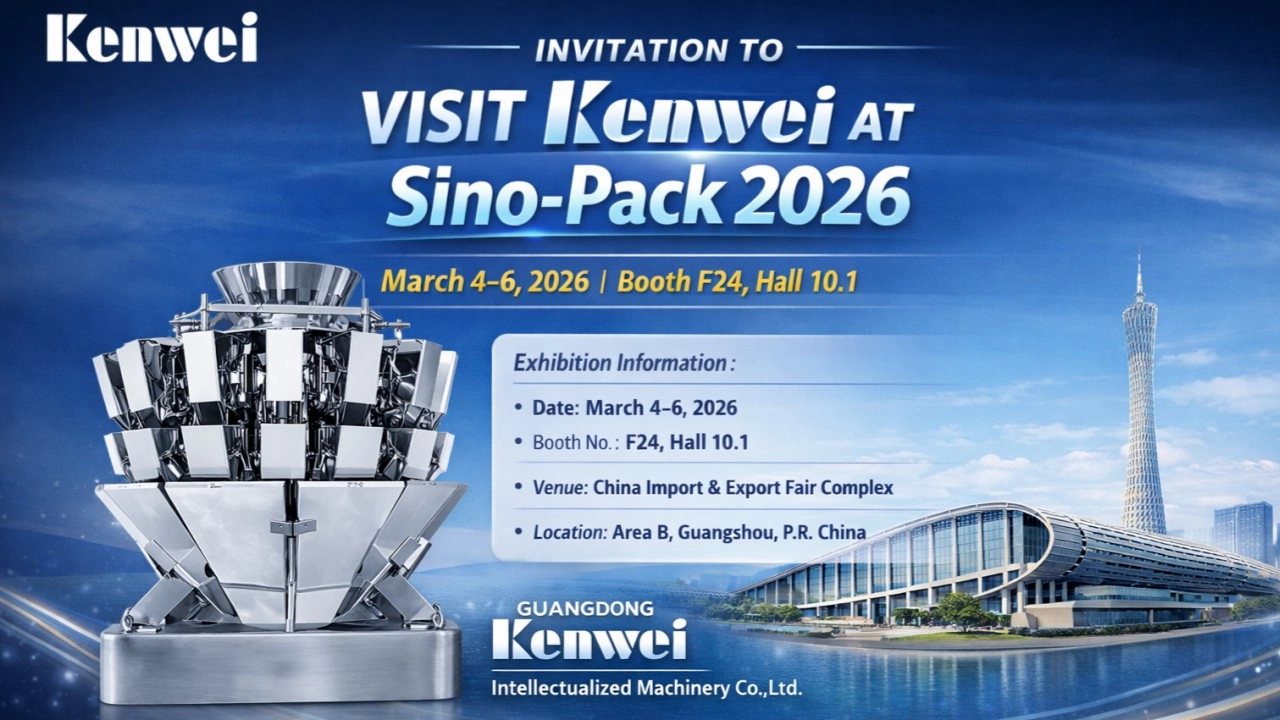
Kenwei to Showcase Intelligent weighing machine at Sino-Pack 2026
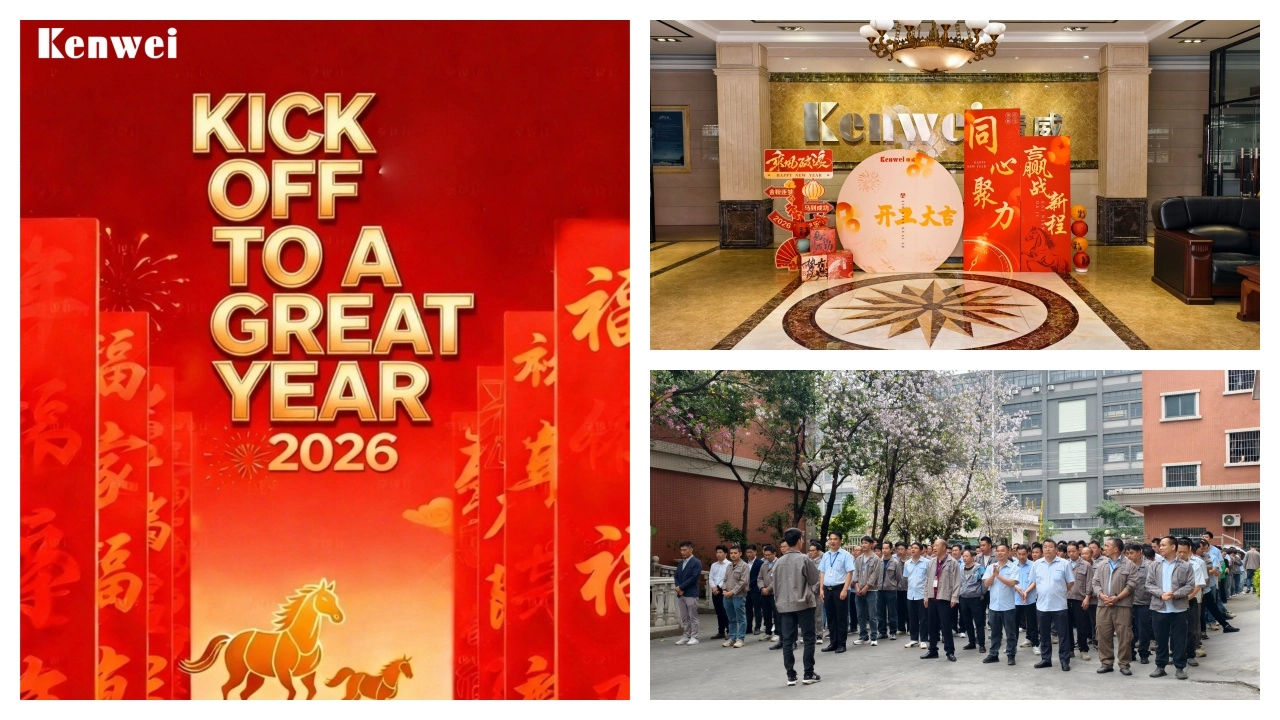
Auspicious Start to Work | Guangdong Kenwei 2026
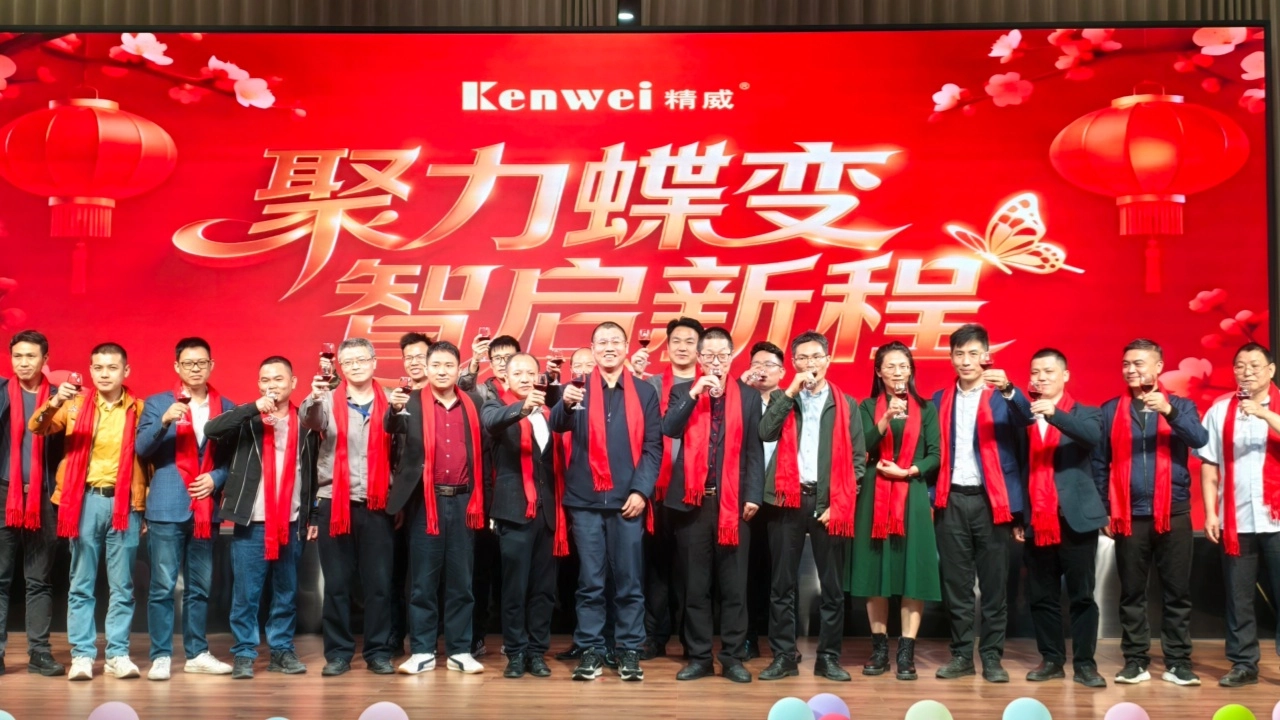
Unite for Transformation · Empower the Future with Intelligence | Guangdong Kenwei 2025 Annual Excellence Awards & Year-End Gala Successfully Held!

Top 10 Food Packaging Machines 2026: Types, Benefits, and Uses
Prdoucts Categories
FAQ
About After Sales Support
How about the after-sales service?
Warranty :2 years
What after-sales support does Kenwei offer?
Kenwei provides comprehensive after-sales support, including product installation, training, maintenance, troubleshooting, and technical assistance. Our team is dedicated to ensuring your machines operate at their best throughout their lifecycle.
About Product choice
What is the average lifespan of Kenwei products?
Kenwei machines are built for durability and longevity. With proper maintenance, our products are designed to last for many years, even under heavy usage. We offer maintenance services and support to help extend the lifespan of your machines.
About products customization
Can I customize the size of Kenwei machines?
Yes, we can tailor the dimensions of our machines to fit your available space and production layout. Whether you need compact machines or larger equipment, we can accommodate your size requirements.
About Cooperation Process
Can Kenwei customize equipment to meet my specific needs?
Yes! We offer customized solutions for all of our machines. Our team will work closely with you to understand your specific requirements and create a solution that meets your needs in terms of size, functionality, speed, and other factors.
You may also like
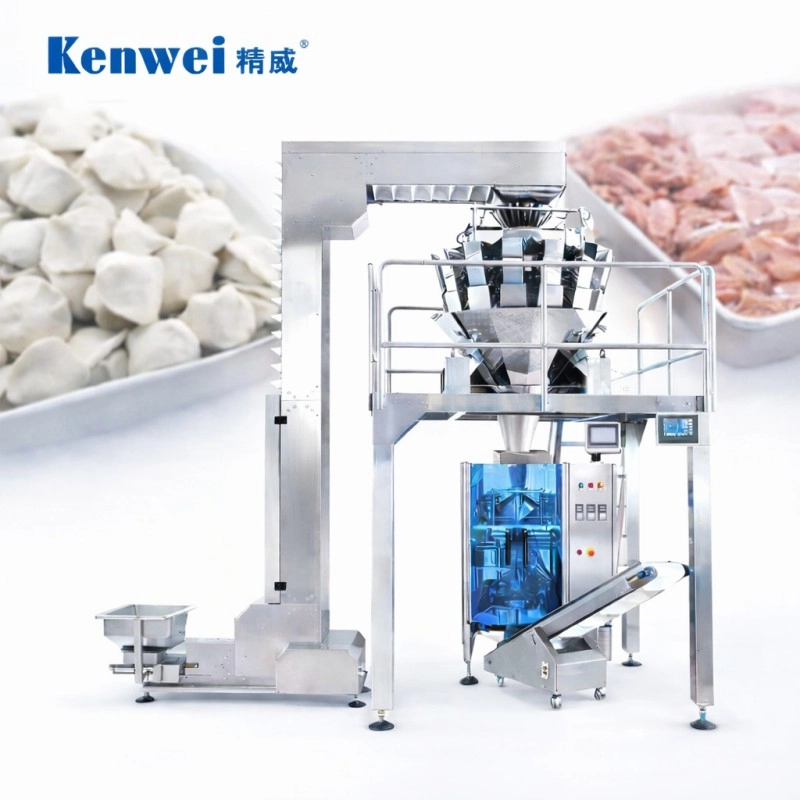
Vertical Frozen Food Packaging Machine for IQF & Frozen Products JW-B1
The Kenwei JW-B1 Vertical Frozen Food Packaging Machine is designed for IQF and frozen products, ensuring efficient, airtight packing. This vertical packing machine boosts productivity with precision sealing, ideal for frozen food packaging needs in the food industry.
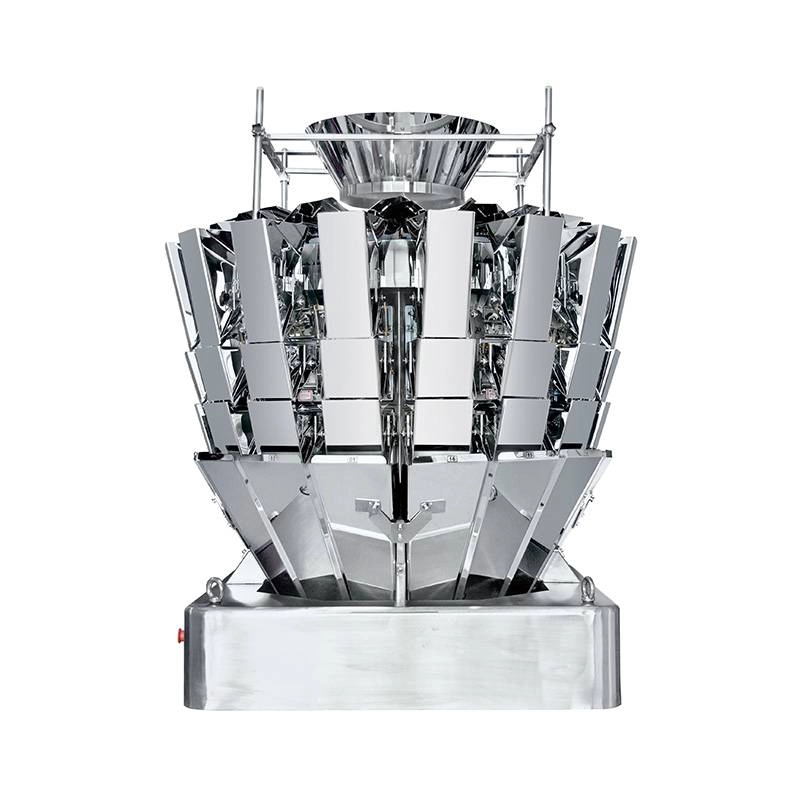
16 Head Three Layer Multihead Weigher for Granular and Irregular Materials
Kenwei’s 16 Head Three Layer Multihead Weigher ensures precise weighing of granular and irregular materials. This multihead weighing machine offers efficient, high-speed performance, ideal for various packaging needs. Trust our 16 head weigher for accuracy and reliability in your production line.
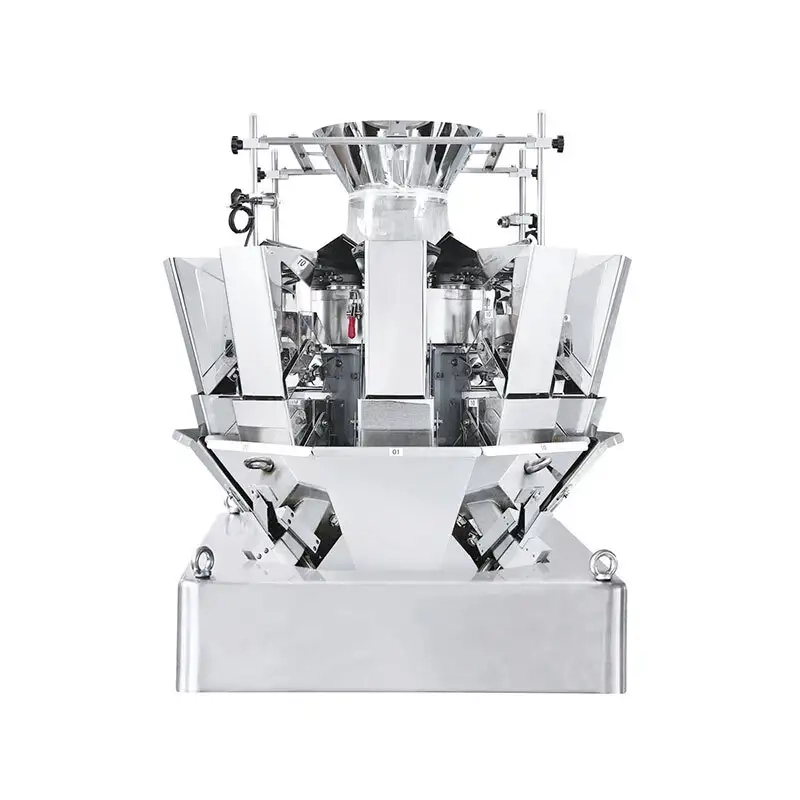
10-Head Standard No-Spring Multihead Weigher 1.6L for Precise Weighing
The standard no-spring combination scale features a patented spring-free hopper design, making it ideal for weighing a variety of products such as melon seeds, peanuts, nuts, almonds, grapes, candies, pistachios, potato chips, shrimp chips, and more. The double-support feeding tray is easily adjustable, while the feeding hopper is designed for easy disassembly, ensuring convenience and cleanliness. With a maximum weighing speed of up to 120 bags per minute, the 14-head standard no-spring combination scale is an economical, versatile, and cost-effective solution.
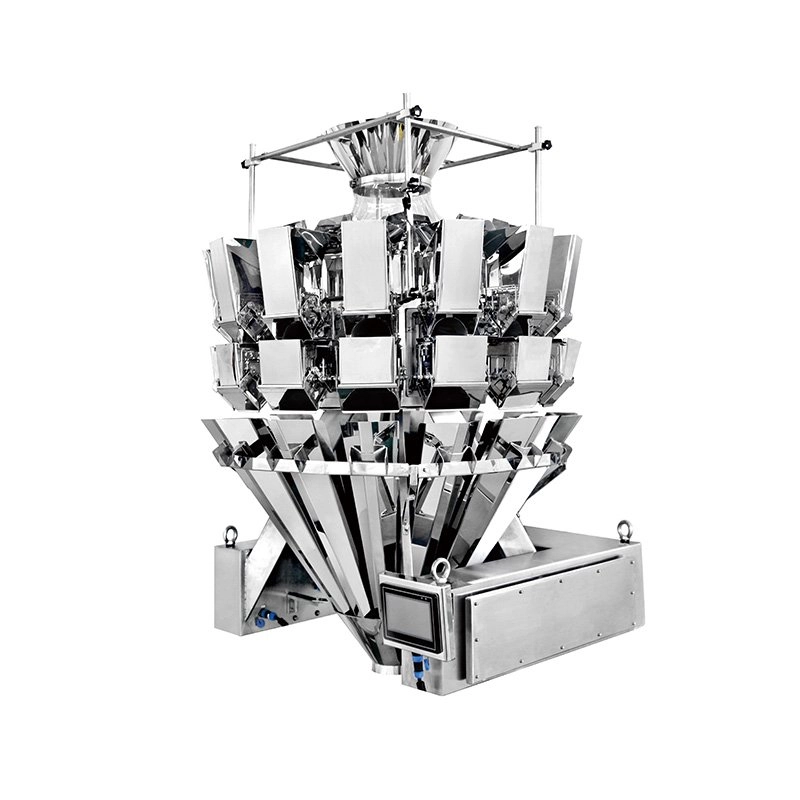
Automatic Multihead Weigher for Stick and Bar-Shaped Materials
Kenwei’s Automatic Multihead Weigher for Stick and Bar-Shaped Materials ensures precise, fast, and efficient weighing. This advanced automatic multihead weighing machine is ideal for accurate portioning of various stick and bar-shaped products, enhancing productivity and reducing waste.
Contact Kenwei
Our company is located in areas with convenient transportation and developed economy. Our products are supplied in a timely manner. In the course of business operation, we always focus on customers.Have any questions or concerns about our products? Please leave us a message here, and our team will get back to you promptly.
Kenwei
Kenwei
Kenwei multi weigh
Kenwei
Kenwei
Kenwei