






Installation & Calibration Guide for 14-Head Multihead Weighers
Practical, step-by-step installation and calibration guidance for the 14 Heads Vertical Single Screw Feeding Pickles Weigher backups. This guide covers site preparation, mechanical and electrical installation, initial calibration, routine verification, sanitation considerations for pickles, troubleshooting, and compliance references to ensure accurate, reliable portioning and regulatory conformance for food processors and packagers.
- Preparing the Site and Safety Checks
- Facility requirements and layout
- Utilities, grounding, and electrical supply
- Hygiene and sanitation planning for pickles
- Mechanical Installation and Feeding System Setup
- Unpacking, positioning, and leveling
- Installing the vertical single screw feeder
- Integrating with upstream and downstream conveyors
- Calibration, Gain Tuning, and Recipe Setup
- Initial electronic calibration (zero and span)
- Gain tuning and combination optimization
- Establishing and saving product recipes
- Verification, Routine Maintenance, and Troubleshooting
- Daily and weekly verification checks
- Sanitation, preventive maintenance, and spare parts
- Common faults and troubleshooting steps
- Performance Validation and Regulatory Considerations
- Measuring accuracy, repeatability, and throughput
- Documentation, traceability, and audit readiness
- Regulatory references and standards
- Calibration and Verification Schedule
- Product Overview: 14 Heads Vertical Single Screw Feeding Pickles Weigher backups
- FAQ (Frequently Asked Questions)
- How often should I fully calibrate the 14-head multihead weigher?
- Can this weigher handle different sizes and shapes of pickles?
- What are the best practices for washdown and sanitation?
- How do I minimize giveaway while maintaining throughput?
- Who should I contact if I encounter unexplained drift or frequent errors?

This guide provides clear, practical instructions to successfully install and calibrate a 14-head multihead weigher specialized for pickles. It is written for plant engineers, production managers, and maintenance teams who need reliable portioning, quality control, and compliance for food packaging lines. Following these steps will reduce downtime, minimize giveaway, and ensure each container receives precisely measured product.
Preparing the Site and Safety Checks
Facility requirements and layout
Before bringing the multihead weigher onto the production floor, verify the installation area meets operational and safety needs. Allocate space for the 14-head linear footprint, access clearances for service, and infeed/outfeed conveyors. Ensure the floor load capacity and levelness meet the machine’s specifications; uneven floors can compromise weighing accuracy. Confirm ambient conditions—temperature and humidity—are within the equipment manufacturer’s recommended ranges to avoid drift in load cell readings. For food processing, separate raw and finished product zones to prevent cross-contamination.
Utilities, grounding, and electrical supply
Confirm the availability of required electrical supply (phase, voltage, frequency) and dedicated circuit protection. Proper grounding and bonding are essential to prevent electrical noise affecting weight signals. Where possible, install the weigher on a dedicated power line and use shielded cables for encoder and load cell wiring. Check the manufacturer datasheet for the exact power consumption and interface requirements for PLC or line control systems.
Hygiene and sanitation planning for pickles
This model, the 14 Heads Vertical Single Screw Feeding Pickles Weigher backups, is designed to handle pickles' unique characteristics while maintaining sanitary standards. Plan for routine washdown access, splash zones, and drain placement. Use food-grade lubricants and specify materials of construction (stainless steel grades, surface finishes) compatible with acid brines used in pickling. Refer to FDA and ISO guidance on food equipment hygiene to align with best practices: FDA - Food and ISO 22000.
Mechanical Installation and Feeding System Setup
Unpacking, positioning, and leveling
When the multihead weigher arrives, inspect it for transit damage immediately. Use appropriate lifting equipment to avoid stress on frames. Position the weigher on the prepared concrete pad and use a precision level to adjust leveling feet. Correct leveling minimizes load cell offsets and ensures consistent product flow through the 14-head combination system. Tighten anchor bolts after final leveling to lock the frame in place.
Installing the vertical single screw feeder
The vertical single screw feeding mechanism is central to this weigher’s ability to handle pickles gently and consistently. Align the screw feeder so that product is centered over the infeed hopper. Adjust screw pitch and speed settings to match pickle size and firmness—larger cucumbers may need slower screw speed to avoid damage. Ensure the screw’s casing and flights are secured and that feed-in collars smoothly transition product into the weighing funnels.
Integrating with upstream and downstream conveyors
Synchronize belt speeds and heights so product transfer is uninterrupted. Use gentle transfers or vibratory infeed trays to prevent jamming or bruising of pickles. For high-speed lines, integrate sensor-based gating to prevent double-loading into a single feed. The multihead weigher’s control system should be networked with the line PLC for start/stop interlocks, product recipes, and fault reporting.
Calibration, Gain Tuning, and Recipe Setup
Initial electronic calibration (zero and span)
After mechanical setup, perform zero and span calibration of the load cells. Follow manufacturer steps: remove all product, allow the system to stabilize thermally, and execute a zero command to tare all weigh hoppers. Then use certified calibration masses or calibrated test pieces that approximate a typical pickle portion to perform the span calibration across all 14 heads. Document each head’s calibration values and store them in the weigher’s recipe memory.
Gain tuning and combination optimization
Multihead weighers find optimal combinations of individual hopper weights to reach a target net weight with minimal giveaway. Use the machine’s combination algorithm (e.g., combinatorial optimization or dynamic programming) and run test batches at production speed. Adjust gain and filtering parameters to balance speed and accuracy. For product-specific tuning with pickles, account for irregular shapes and variable moisture; tune acceptance windows and minimum/maximum hopper weight thresholds accordingly.
Establishing and saving product recipes
Set up a product recipe for pickles that records screw feeder speed, hopper vibrator intensity (if applicable), combination tolerances, and reject criteria. Store recipes in the HMI/PLC and ensure user access control so only authorized personnel can alter critical settings. Use recipe versioning to track changes and revert to prior configurations if a new tuning attempt performs worse.
Verification, Routine Maintenance, and Troubleshooting
Daily and weekly verification checks
Implement a routine verification schedule. Daily checks should include visual inspection of infeed, sensor operation, and basic zero verification. Weekly checks require full-span verification using certified weights, checking each of the 14 heads, and reviewing combination statistics for drift. Maintain a calibration log for audit purposes, and align verification intervals with internal QC and regulatory requirements such as those outlined by the International Organization of Legal Metrology (OIML).
Sanitation, preventive maintenance, and spare parts
For pickles, frequent washdowns are common. Follow manufacturer guidance on disassembly points for safe cleaning without damaging load cells or electrical components. Use a preventive maintenance checklist: inspect seals, screw flights, bearings, and check alignment of funnels. Keep a small inventory of critical spares—load cell assemblies, vibratory drive modules, and the vertical screw assembly—to reduce downtime. Consider scheduled lubrication and torque checks as part of PM tasks to extend service life.
Common faults and troubleshooting steps
If the weigher is producing high giveaway or rejecting too many combinations, review the following:
- Check for mechanical binding or misalignment of the screw feeder or funnels.
- Verify load cell zero and span—temperature shifts can cause drift; allow warm-up time after power-on.
- Inspect product flow—sticky brine or excessive moisture can bridge hoppers; adjust vibrators and clean surfaces regularly.
Use the HMI diagnostics to view per-head load traces; abnormal heads can indicate electrical issues or physical damage. For electrical noise problems, check cable shielding and grounding. When in doubt, contact manufacturer support with logged error codes and combination statistics.
Performance Validation and Regulatory Considerations
Measuring accuracy, repeatability, and throughput
Validate the weigher by running acceptance tests: perform multiple batches of a target weight (for example, 250 g portions) and record the mean measured weight, standard deviation, and number of under/over tolerances. These metrics demonstrate accuracy and repeatability and help quantify giveaway. Compare results before and after tuning to prove improvement.
Documentation, traceability, and audit readiness
Maintain calibration certificates for test weights, calibration logs for each head, and change-control records for recipe updates. These documents support traceability during recalls and audits. Where applicable, align with food safety management systems such as ISO 22000 to demonstrate process control and risk mitigation.
Regulatory references and standards
Follow relevant regulations for food contact equipment and measurement accuracy. The FDA provides guidance on food equipment design and sanitation (FDA Food Code). For weights and measures, consult OIML documents for metrological practices (OIML). For general weighing technology background, see the Weighing Scale overview on Wikipedia: Weighing scale.
Calibration and Verification Schedule
| Task | Frequency | Responsible |
|---|---|---|
| Visual inspection and basic zero check | Daily | Line operator |
| Full span calibration (per-head verification) | Weekly or after any mechanical intervention | Maintenance / QA |
| Sanitation deep clean (disassembly as required) | After each production run of high-residue products (e.g., pickles) or daily in wet lines | Sanitation crew |
| Performance validation (accuracy/repeatability study) | Monthly or when changing product/packaging | QA / Process Engineer |
Product Overview: 14 Heads Vertical Single Screw Feeding Pickles Weigher backups
Product name: 14 Heads Vertical Single Screw Feeding Pickles Weigher backups
This type of weigher is designed to handle the unique characteristics of pickles, ensuring precise measurements for packaging and distribution. It uses a vertical single screw mechanism to feed the pickles into the weighing system, allowing for efficient and consistent weighing. This technology is particularly useful in food processing and packaging facilities where precise portioning is essential for quality control and customer satisfaction. This specialized equipment is perfect for accurately measuring and dispensing pickles in a production line or packaging facility. The vertical design allows for efficient and precise filling of containers, while the single screw feeding mechanism ensures consistent and reliable weighing.
FAQ (Frequently Asked Questions)
How often should I fully calibrate the 14-head multihead weigher?
Perform full span calibration weekly under normal operations and immediately after any mechanical work, load cell replacement, or significant ambient temperature changes. Increase frequency if the product or line conditions are highly variable. Keep calibration records for traceability.
Can this weigher handle different sizes and shapes of pickles?
Yes. The vertical single screw feeder gently orients and feeds irregular products. However, tuning is essential: adjust screw speed, hopper thresholds, and combination parameters per product recipe to minimize damage and maintain accuracy.
What are the best practices for washdown and sanitation?
Use approved cleaning agents compatible with the weigher materials. Avoid high-pressure jets directly on load cells and electrical enclosures. Disassemble removable product-contact parts where recommended, and dry sensitive components before restart. Follow FDA and local sanitation guidelines.
How do I minimize giveaway while maintaining throughput?
Optimize combination logic and hopper weight windows. Balance the trade-off between acceptance tolerance and throughput by adjusting the decision algorithm and allowing slightly longer combination search times for larger benefits in reduced giveaway. Conduct A/B testing comparing different tune sets and measure giveaway and throughput metrics.
Who should I contact if I encounter unexplained drift or frequent errors?
Start with in-house maintenance to verify grounding, cable integrity, and mechanical alignment. If problems persist, contact the machine manufacturer or certified service partner and provide diagnostics logs, error codes, and recent calibration records for efficient troubleshooting.
If you want personalized installation support, calibration services, or to see the 14 Heads Vertical Single Screw Feeding Pickles Weigher backups in action, contact our sales and technical team today or view product details.
Tags
cookie packaging machine
cookie packaging machine
multihead weigher packing machine
multihead weigher packing machine
automatic packaging machine
automatic packaging machine
multihead weigher machine
multihead weigher machine
VFFS
VFFS
metal detector for food industry
metal detector for food industry
Recommended for you

Integrating Metal Detectors with Multihead Weighers: Best Practices
Top 10 linear combination weigher Manufacturers and Supplier Brands
Best Combination Weigher Models 2026 for Snack Packaging
The latest trends for food grains packing machine
Prdoucts Categories
Question you may concern
About After Sales Support
What do I do if I encounter a malfunction in the machine?
If you encounter a malfunction, first check the user manual and troubleshooting guide for common issues. If the problem persists, contact our technical support team for further assistance.
How can I get technical support for my Kenwei machine?
You can contact Kenwei's technical support team via email, phone, or through our website.
About Product choice
What is the difference between a multi-head weigher and a linear weigher?
Multi-head Weigher: Ideal for high-speed and high-precision weighing of products with irregular shapes or varying sizes. It provides multiple weighings in parallel for faster processing.
Linear Weigher: It is suitable for powder and granule. It is typically slower than a multi-head weigher but is effective for certain types of applications that require more continuous flow or controlled weighing.
About Cooperation Process
How to operate it?
Many languages are available for global markets. There are not only detailed instructions, but also machine video for reference learning.
About products customization
Can I customize the size of Kenwei machines?
Yes, we can tailor the dimensions of our machines to fit your available space and production layout. Whether you need compact machines or larger equipment, we can accommodate your size requirements.
You may also like
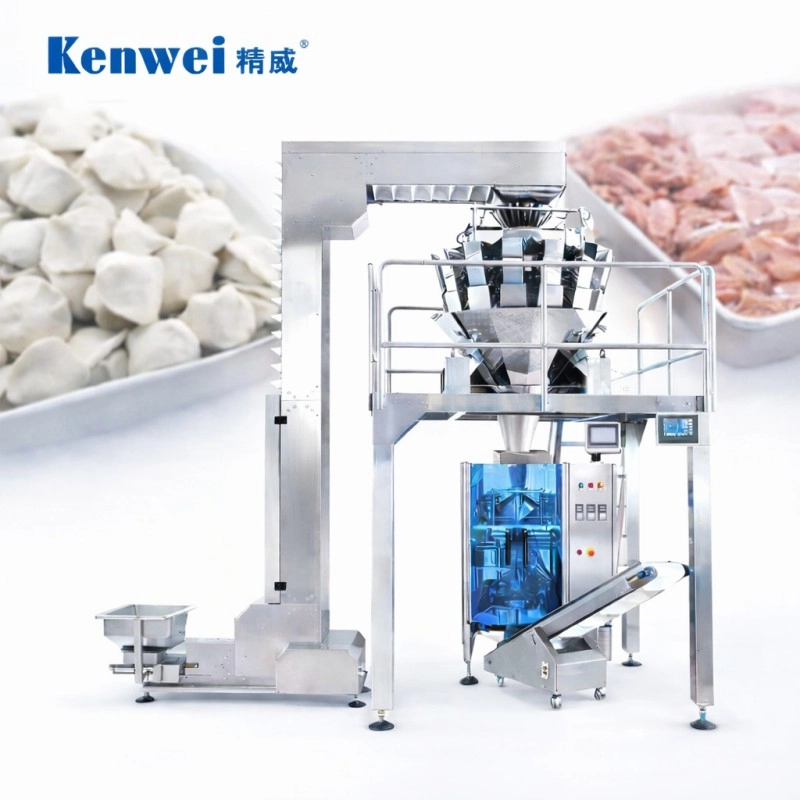
Vertical Frozen Food Packaging Machine for IQF & Frozen Products JW-B1
The Kenwei JW-B1 Vertical Frozen Food Packaging Machine is designed for IQF and frozen products, ensuring efficient, airtight packing. This vertical packing machine boosts productivity with precision sealing, ideal for frozen food packaging needs in the food industry.
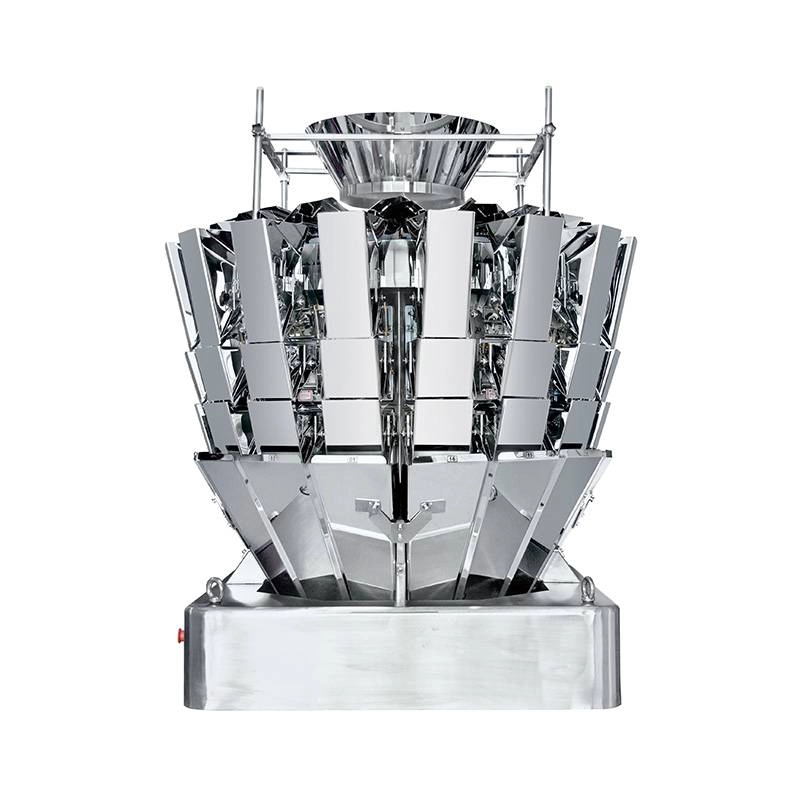
16 Head Three Layer Multihead Weigher for Granular and Irregular Materials
Kenwei’s 16 Head Three Layer Multihead Weigher ensures precise weighing of granular and irregular materials. This multihead weighing machine offers efficient, high-speed performance, ideal for various packaging needs. Trust our 16 head weigher for accuracy and reliability in your production line.
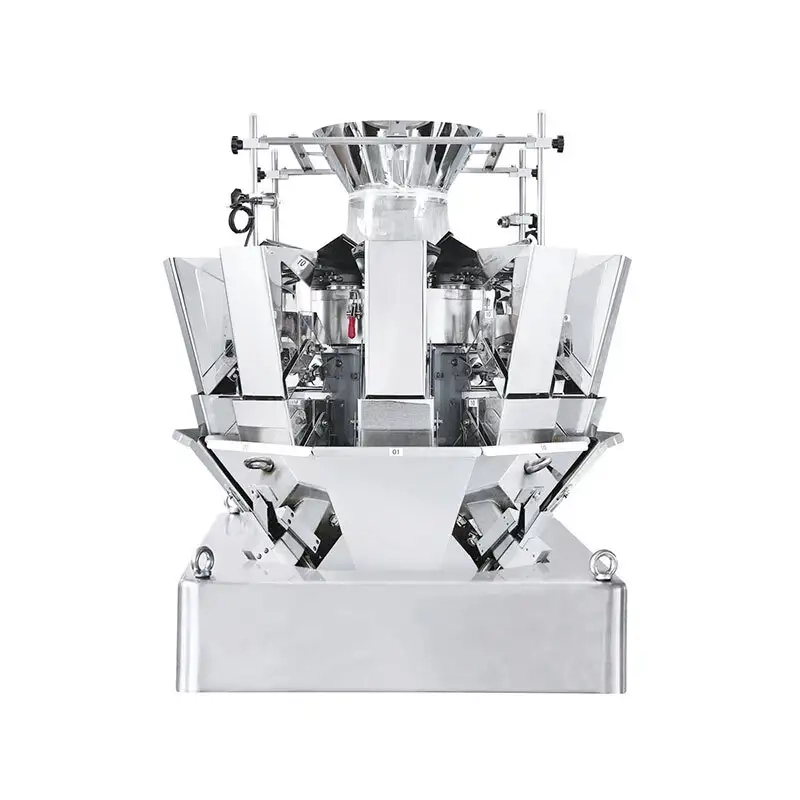
10-Head Standard No-Spring Multihead Weigher 1.6L for Precise Weighing
The standard no-spring combination scale features a patented spring-free hopper design, making it ideal for weighing a variety of products such as melon seeds, peanuts, nuts, almonds, grapes, candies, pistachios, potato chips, shrimp chips, and more. The double-support feeding tray is easily adjustable, while the feeding hopper is designed for easy disassembly, ensuring convenience and cleanliness. With a maximum weighing speed of up to 120 bags per minute, the 14-head standard no-spring combination scale is an economical, versatile, and cost-effective solution.
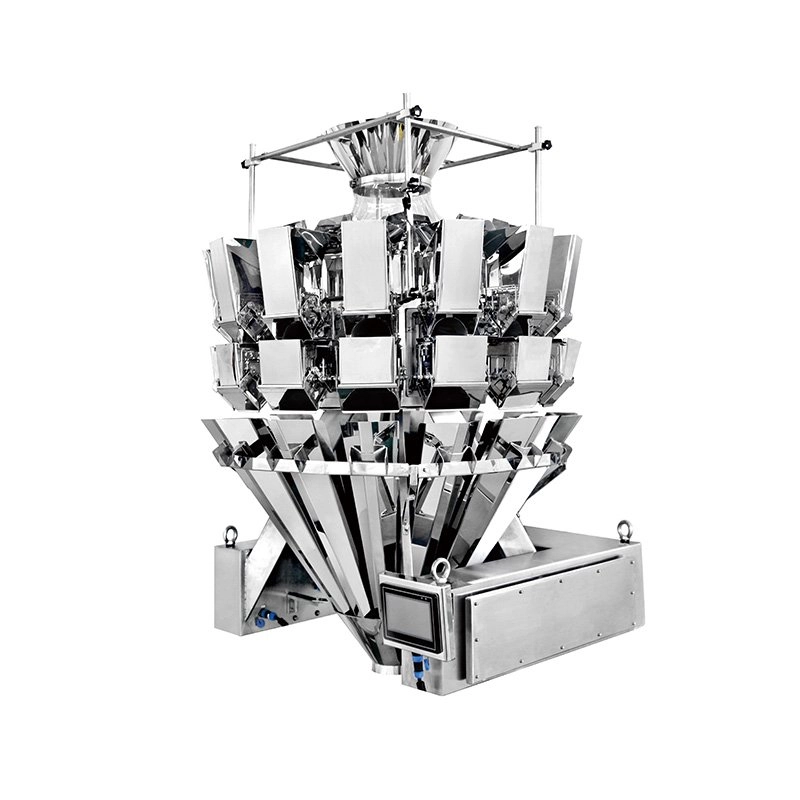
Automatic Multihead Weigher for Stick and Bar-Shaped Materials
Kenwei’s Automatic Multihead Weigher for Stick and Bar-Shaped Materials ensures precise, fast, and efficient weighing. This advanced automatic multihead weighing machine is ideal for accurate portioning of various stick and bar-shaped products, enhancing productivity and reducing waste.
Get in touch with us
If you have any comments or good suggestions, please leave us a message, later our professional staff will contact you as soon as possible.
Kenwei
Kenwei
Kenwei multi weigh
Kenwei
Kenwei
Kenwei