






Reduce Product Giveaway: Tips to Improve Multihead Weigher Accuracy
Practical, SEO-optimized guide to reduce product giveaway and improve multihead weigher accuracy. Covers root causes, setup, calibration, feeders, maintenance, SPC, ROI examples, and Kenwei solutions for high-precision automated weighing.
- Introduction: Why Reduce Product Giveaway Matters for Multihead Weigher Users
- What Is Product Giveaway and How It Relates to Weigher Accuracy
- Common Causes of Giveaway in Multihead Weighers
- Measure Giveaway and Establish a Baseline
- Calibration and Load Cell Maintenance (H3)
- Perform Regular Calibration Checks
- Inspect and Maintain Load Cells
- Optimize Feeders and Inlet Flow
- Refine Weigher Settings and Combination Algorithms
- Product Conditioning and Recipe Management
- Environmental Control and Line Isolation
- Preventive Maintenance and Spare Parts
- Operator Training and Standard Operating Procedures
- Data Monitoring, SPC, and Continuous Improvement
- Combine Multihead Weigher with Checkweigher and Metal Detector
- ROI Example: Why Small Improvements Matter
- Advanced Options: Software, Machine Learning and Vision Integration
- Choosing the Right Multihead Weigher: Why Kenwei Matters
- Practical Implementation Roadmap to Reduce Giveaway
- Installation, Training and After-Sales Support
- Conclusion: Sustainable Steps to Reduce Product Giveaway
Introduction: Why Reduce Product Giveaway Matters for Multihead Weigher Users
Reducing product giveaway is a key objective for any manufacturer using a multihead weigher. Giveaway—extra product given away beyond labeled weights—directly reduces margin, increases material costs, and can undermine competitiveness. This guide explains practical, tested tips to improve multihead weigher accuracy and minimize giveaway while maintaining throughput and product quality. The goal is to help packaging, snack, confectionery, frozen food, and dry-goods manufacturers reduce waste and increase profitability using reliable methods and smart machine setup.
What Is Product Giveaway and How It Relates to Weigher Accuracy
Product giveaway occurs when the average package weight exceeds its target weight. To avoid underweight packages (and legal risk), manufacturers build in a safety margin. That safety margin becomes giveaway if the weighing system is not precise. Improving multihead weigher accuracy lets you reduce that margin while staying compliant and protecting brand integrity.
Common Causes of Giveaway in Multihead Weighers
Understanding root causes helps prioritize fixes. Typical sources of giveaway include:
- Incorrect calibration or infrequent calibration of load cells.
- Unstable product flow into feed hoppers and inlets due to poor feeder settings or damaged feeders.
- Inconsistent product characteristics (size, shape, moisture, stickiness).
- Environmental factors such as vibration, airflow, temperature, and humidity.
- Worn mechanical parts: liners, chutes, or vibratory motors.
- Suboptimal software settings for combination algorithms and acceptance windows.
- Poor operator training and inconsistent SOPs.
Measure Giveaway and Establish a Baseline
Before changing anything, measure current giveaway and accuracy. Use this simple process:
- Collect a representative sample of packages (e.g., 200–500 consecutive packs) across typical shifts.
- Calculate average package weight and compare to target to determine average giveaway.
- Record standard deviation and percent of underweight packs (if any).
- Log environmental conditions, line speed, and product lot details.
Having a baseline helps quantify improvements and calculate ROI for any interventions.
Calibration and Load Cell Maintenance (H3)
Accurate load cells are the heart of a precise multihead weigher. Regular calibration and maintenance are essential:
Perform Regular Calibration Checks
Calibrate load cells per manufacturer recommendations, typically monthly or when you notice drift. Use certified weights and log calibration data for traceability. Small drift can compound into significant giveaway over time.
Inspect and Maintain Load Cells
Check load cell mounting points, bolts, and anti-vibration mounts. Replace worn or corroded components immediately. Keep load cell areas clean and free of product buildup and moisture to prevent measurement noise.
Optimize Feeders and Inlet Flow
Feed system stability strongly affects combination accuracy. Tips include:
- Adjust feeder amplitude and frequency to ensure consistent product feed without blocking.
- Use appropriate feeder inserts and liners for the product to reduce bridging and hang-ups.
- Install level sensors in hoppers to maintain steady product supply and avoid empty or overfilled conditions.
- Consider servo-driven feeders for precise metering on challenging products.
Refine Weigher Settings and Combination Algorithms
Modern multihead weighers use combinatorial algorithms to select head combinations that meet target weight. Optimizing these settings reduces giveaway:
- Tighten acceptance windows only after you confirm stable process capability to avoid increasing underweight risk.
- Use dynamic combination strategies that prioritize fewer heads for speed-sensitive lines and more heads for precision when giveaway is a concern.
- Enable features like variable target settings or multi-stage combination logic when available.
Product Conditioning and Recipe Management
Different products behave differently. Good recipe management reduces variability:
- Create product-specific recipes with feeder settings, vibration amplitude, chute geometry, and software parameters saved for quick recall.
- Pre-condition products when possible (e.g., defrost frozen goods to consistent temperature) to reduce variability.
- Document acceptable product size and moisture ranges and reject incoming lots that exceed these ranges.
Environmental Control and Line Isolation
Environmental factors can introduce measurement noise. Mitigation steps include:
- Minimize external vibration by isolating the weigher from heavy equipment or conveyors; use anti-vibration mounting if needed.
- Control airflow near the weigher to avoid light products being blown or lifted during weighing.
- Maintain consistent temperature and humidity where product properties are temperature-sensitive.
Preventive Maintenance and Spare Parts
Planned maintenance prevents unexpected drift and improves long-term accuracy:
- Adopt a preventive maintenance schedule for motors, bearings, chutes, and sensors.
- Keep critical spares (load cells, sensors, liners) on hand to minimize downtime and restore optimal performance quickly.
- Use manufacturer-recommended lubricants and cleaning agents to avoid damaging load cells or electronics.
Operator Training and Standard Operating Procedures
Consistent operation reduces variability. Key actions:
- Train operators on correct setup, changeover, calibration checks, and how to spot drift early.
- Create clear SOPs for product changeovers, calibration, cleaning, and troubleshooting.
- Encourage operators to log anomalies and minor adjustments to build a knowledge base for recurring issues.
Data Monitoring, SPC, and Continuous Improvement
Use data to understand and control giveaway:
- Collect real-time weight data and key process metrics (mean, variance, rejection rate) from the multihead weigher.
- Implement Statistical Process Control (SPC) charts to detect trends, shifts, and special-cause variation before they become large giveaways.
- Run regular root-cause analyses on out-of-spec results to implement corrective actions and prevent recurrence.
Combine Multihead Weigher with Checkweigher and Metal Detector
Layering technologies improves accuracy and compliance:
- An in-line checkweigher after the packer verifies final package weight and provides data for correction loops.
- Metal detectors or X-ray inspection before weighing reduce contamination-related rejects and rework that can affect weight stability.
- Use feedback from the checkweigher to fine-tune multihead weigher recipes and reduce long-term giveaway.
ROI Example: Why Small Improvements Matter
Even small reductions in giveaway add up. Example scenario (for illustration): if a factory makes 100,000 packs/month at target weight 200 g and average giveaway is 2 g, reducing giveaway by 0.5 g saves 50,000 g/month (50 kg). If product cost is $2/kg, that’s $100/month savings from a 0.5 g improvement. Multiply that across higher volumes and multiple SKUs and the savings rise quickly. Use your baseline data to calculate specific ROI for your line.
Advanced Options: Software, Machine Learning and Vision Integration
For companies seeking further gains, advanced technologies can help:
- Machine learning models can predict combination effectiveness based on historical patterns, improving selection and reducing giveaway.
- Vision systems measure product size and orientation in real time, allowing dynamic recipe adjustments before products reach the hopper.
- Cloud-based analytics aggregate data across lines and sites to spot best practices and scale improvements.
Choosing the Right Multihead Weigher: Why Kenwei Matters
Selecting a reliable manufacturer with strong service and customization capabilities matters. Kenwei designs and manufactures high-speed, high-precision multi-head weighers and provides one-stop automated weighing and packaging solutions. With capabilities in design and development, manufacturing, installation, training and after-sales support, Kenwei can help you reduce product giveaway by delivering precise equipment, optimized recipes, and ongoing technical support tailored to your product. Visit https://www.kenweigroup.com/ to explore solutions.
Practical Implementation Roadmap to Reduce Giveaway
Follow this step-by-step roadmap to implement improvements without disrupting production:
- Baseline measurement: gather weight data and environmental conditions for at least one week.
- Quick wins: tune feeders, clean hoppers, and run a calibration check.
- Medium-term fixes: update recipes, improve SOPs, and schedule preventive maintenance.
- Long-term upgrades: consider servo feeders, upgraded load cells, machine-learning algorithms, or vision systems if justified by ROI.
- Continuous monitoring: implement SPC and periodic audits to sustain gains.
Installation, Training and After-Sales Support
Good installation and training are crucial. Ensure the supplier provides:
- Professional installation and line integration to minimize vibrations and mechanical misalignment.
- On-site operator and maintenance training with clear documentation and spare parts lists.
- Accessible after-sales service and remote diagnostics to resolve issues quickly and reduce giveaway downtime.
Conclusion: Sustainable Steps to Reduce Product Giveaway
Reducing product giveaway is achievable through a mix of proper calibration, feeder optimization, environmental control, operator training, data-driven monitoring, and strategic equipment upgrades. By following the practical tips in this guide and partnering with an experienced manufacturer like Kenwei, you can improve your multihead weigher accuracy, lower material costs, and increase line profitability without sacrificing compliance or product quality.
Q: What is the first step to reduce product giveaway on a multihead weigher?A: Start by measuring current giveaway and process variability. Collect a representative sample of packages, calculate average weight and standard deviation, and note line speed and environmental factors. This baseline tells you where to focus improvements.
Q: How often should load cell calibration be performed?A: Perform calibration checks regularly—monthly is common for busy lines—plus immediately after any maintenance or if you notice drift. Follow manufacturer guidelines and keep calibration records.
Q: Can software changes alone reduce giveaway?A: Yes, tuning combination algorithms, acceptance windows, and recipe settings can reduce giveaway, but software changes work best together with stable feeding and good mechanical conditions.
Q: When should I consider upgrading equipment like feeders or load cells?A: Consider upgrades when persistent variability remains after optimization, when product characteristics change frequently, or when ROI justifies the investment. Upgrades such as servo feeders or higher-resolution load cells often yield measurable accuracy improvements.
Q: How can Kenwei help reduce giveaway on my lines?A: Kenwei offers high-precision multihead weighers, custom recipes, professional installation, training, preventive maintenance, and remote support. Their automated weighing and packaging solutions are designed to improve accuracy and lower giveaway across product types. Visit https://www.kenweigroup.com/ for details.
Tags
kenwei multihead weigher
kenwei multihead weigher
metal detector food safety
metal detector food safety
stick-shaped product weigher
stick-shaped product weigher
checkweigher machine
checkweigher machine
multihead weighing machine factory
multihead weighing machine factory
checkweigher metal detector
checkweigher metal detector
Recommended for you
Everything You Need to Know About single head weigher
The B2B Buyer’s Guide to snack packaging machine
Comparing Single Bucket vs Multihead Powder Packing Solutions
The latest trends for linear weigher manufacturer
Prdoucts Categories
Question you may concern
About After Sales Support
What do I do if I encounter a malfunction in the machine?
If you encounter a malfunction, first check the user manual and troubleshooting guide for common issues. If the problem persists, contact our technical support team for further assistance.
About Solution suggestions
What industries benefit the most from Kenwei solutions?
Kenwei solutions are ideal for a wide range of industries, including:
1)Food Packaging snacks, grains, and powdered beverages.
2)Pharmaceuticals: Precise weighing of tablets, and capsules.
3)Chemicals: Weighing and packaging granular and powdered chemicals.
4)Agriculture: Packaging seeds, grains, and fertilizers.
About Cooperation Process
Can Kenwei customize equipment to meet my specific needs?
Yes! We offer customized solutions for all of our machines. Our team will work closely with you to understand your specific requirements and create a solution that meets your needs in terms of size, functionality, speed, and other factors.
How to operate it?
Many languages are available for global markets. There are not only detailed instructions, but also machine video for reference learning.
About Product choice
Are Kenwei’s products suitable for small-scale or large-scale operations?
Yes! We offer machines that are scalable to meet the needs of both small and large-scale operations.
You may also like
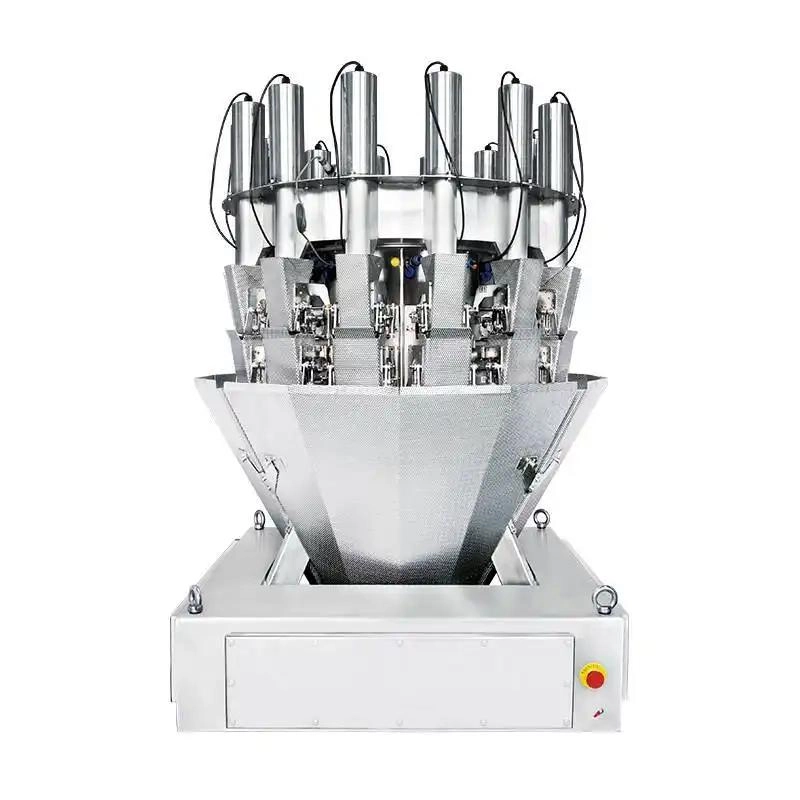
14 Heads Vertical Single Screw Feeding Pickles Weigher backups
This type of weigher is designed to handle the unique characteristics of pickles, ensuring precise measurements for packaging and distribution. It uses a vertical single screw mechanism to feed the pickles into the weighing system, allowing for efficient and consistent weighing. This technology is particularly useful in food processing and packaging facilities where precise portioning is essential for quality control and customer satisfaction. This specialized equipment is perfect for accurately measuring and dispensing pickles in a production line or packaging facility. The vertical design allows for efficient and precise filling of containers, while the single screw feeding mechanism ensures consistent and reliable weighing.
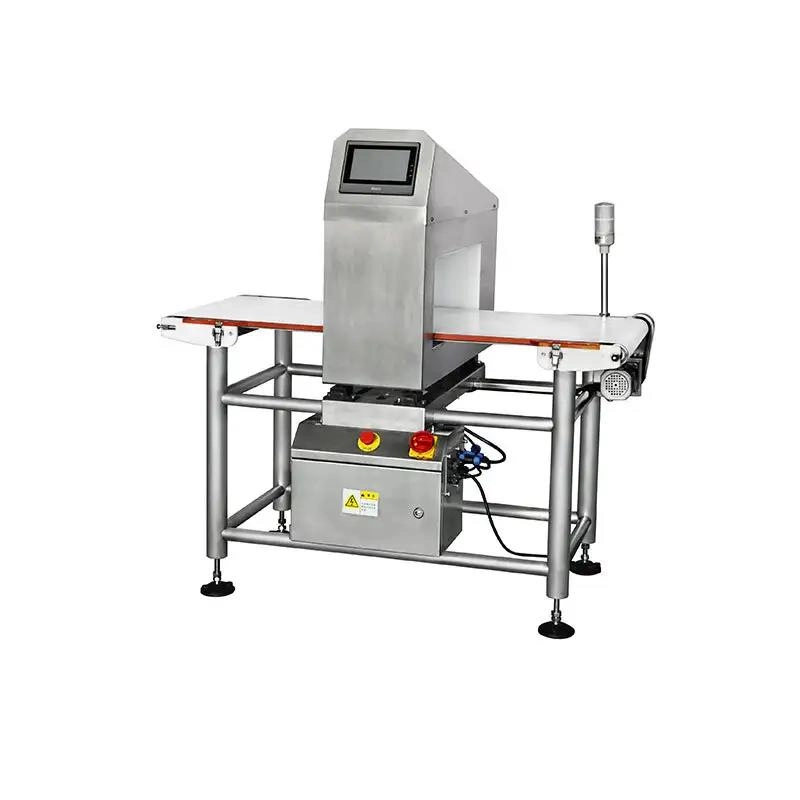
Food Metal Detector Manufacturer For Reject Defective Products G5020
The G5020 multi-frequency metal detector features a specialized conveyor belt designed to reduce contamination risks, ensure smooth operation, and maintain high detection sensitivity. It is easy to disassemble for convenient maintenance. Ideal for detecting metal contaminants in food, pharmaceuticals, spices, plastics, electronics, textiles, toys, handicrafts, and more.
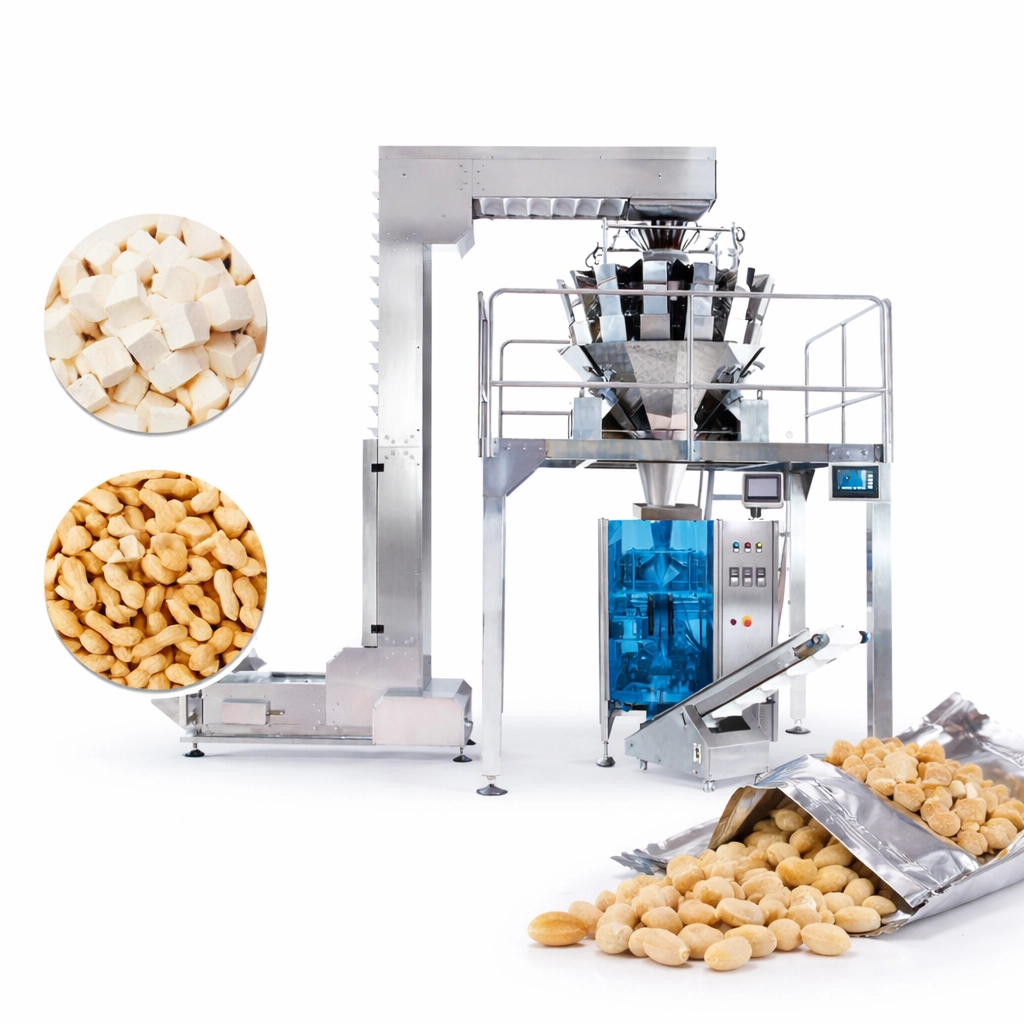
High-Precision Weighing & Packaging for Granular Products
The Granular Food Packing Machine is a fully automated solution designed for accurate weighing, filling, and packaging of various granular food products. Integrated with a multihead weigher and advanced packaging system, it ensures high speed, precision, and hygiene standards for modern food production.
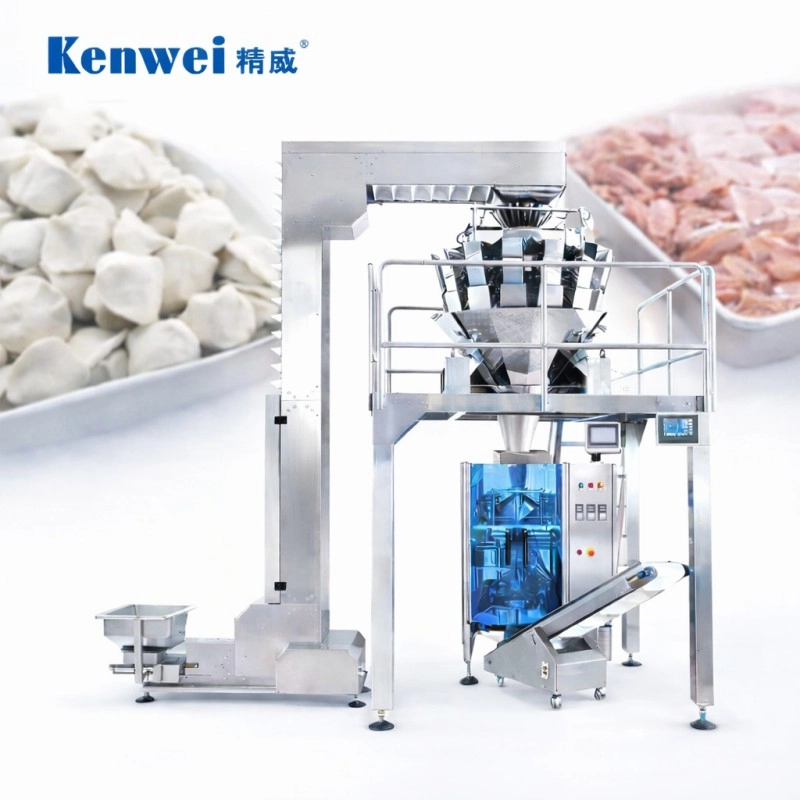
Vertical Frozen Food Packaging Machine for IQF & Frozen Products JW-B1
The Kenwei JW-B1 Vertical Frozen Food Packaging Machine is designed for IQF and frozen products, ensuring efficient, airtight packing. This vertical packing machine boosts productivity with precision sealing, ideal for frozen food packaging needs in the food industry.
Get in touch with us
If you have any comments or good suggestions, please leave us a message, later our professional staff will contact you as soon as possible.
Kenwei
Kenwei
Kenwei multi weigh
Kenwei
Kenwei
Kenwei