






Common Kenwei Multihead Weigher Calibration & Display Issues: Causes and Solutions Explained
Monday, 07/1/2019
Discover how Kenwei tackles challenging combination scale operation problems with innovative solutions. Learn expert tips and improve productivity with Kenwei’s reliable combination scale technology for efficient and precise weighing processes.
Customer feedback often highlights operational concerns with Kenwei combination scales, such as display anomalies or frequent recalibration needs. This article provides a clear explanation of these issues, along with troubleshooting steps to ensure accurate and efficient weighing performance.
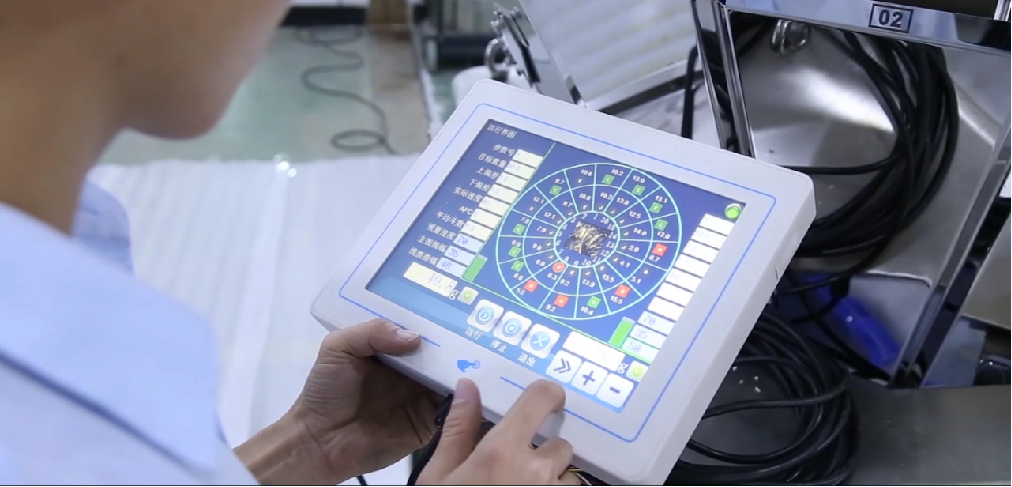
Issue 1: Why does the display show no material during a manual test, and why does blanking not occur?
Customer Feedback:
“Weighing is not allowed, I enter the manual test interface, the material is not displayed, and then it does not blank.”
Explanation:
Kenwei combination scales feature six primary menus:
-
Run: For filling and packaging, showing target weight, preset speed, and adjustable amplitudes.
-
Manual Test: Used to check component functionality, operate vibrators, hoppers, and verify sensor readings.
-
Production Record
-
Initial Calibration
-
System Settings
-
Parameter Settings
When a customer enters the Manual Test menu, the system operates in simulation mode, where displayed weights are random values, not based on real sensor readings. Therefore, material discharge is not permitted—this is normal behavior.
If no display value appears after discharging and blanking does not occur, it means all material in the weighing hopper has already been released. The system will show no material because the hopper is empty—again, this is normal.
Issue 2: Why does the customer need to recalibrate the device daily?
Explanation:
Kenwei combination scales do not require daily sensor calibration. Recalibration is typically needed only in two cases:
-
Sensor replacement
-
Module replacement
If a customer recalibrates every day, it may indicate misinterpretation of accuracy issues.
How to Address Inaccurate Weighing Before Recalibrating Sensors
Before advising sensor calibration, check the following factors:
-
Installation Conditions
-
Ensure the platform, combination scale, ground wire, and weighing hoppers are properly installed.
-
Confirm hoppers are not stuck, obstructed, or in contact with foreign objects.
-
-
Material Characteristics & Packaging Requirements
-
Understand material flow, stickiness, and weight specifications.
-
Verify parameter settings, including:
-
Sampling stability time
-
Filter coefficient
-
Auto zero time
-
Number of combinations in calculation
-
-
-
Operational Observations
-
Check for unusual occurrences during operation, such as material entrainment or leakage.
-
-
Display & Actual Accuracy
-
If display accuracy appears poor, actual accuracy may also suffer.
-
Offer training on parameter optimization and operation techniques to enhance both display and real accuracy.
-
-
Sensor Integrity
-
If accuracy issues persist, verify each sensor’s detection capability and check for possible damage or malfunction.
-
Kenwei’s Expert Recommendation
Accuracy problems rarely require daily recalibration. Instead, ensure correct installation, adjust parameters appropriately, and perform preventive checks on sensors and components. With proper configuration and understanding of material behavior, Kenwei combination scales deliver high precision, stability, and performance without unnecessary recalibration.
Recommended for you

Kenwei to Showcase Intelligent weighing machine at Sino-Pack 2026
Auspicious Start to Work | Guangdong Kenwei 2026
Unite for Transformation · Empower the Future with Intelligence | Guangdong Kenwei 2025 Annual Excellence Awards & Year-End Gala Successfully Held!

Top 10 Food Packaging Machines 2026: Types, Benefits, and Uses
Prdoucts Categories
FAQ
About Solution suggestions
Can Kenwei solutions be used for both manual and automated packing lines?
Yes, Kenwei machines can be used in both manual and automated packing lines. We can provide integrated systems that work alongside manual labor or fully automated systems depending on your production requirements.
How do Kenwei’s machines improve my production efficiency?
Kenwei machines enhance efficiency by automating the weighing, packaging, and quality control processes. Our high-speed, high-precision machines ensure accurate measurements, reduce human error, and increase throughput, leading to faster production times and lower operational costs.
About Logistics
How are large machines handled during shipping?
Large machines are typically shipped via sea freight using containerized shipping.
About After Sales Support
What do I do if I encounter a malfunction in the machine?
If you encounter a malfunction, first check the user manual and troubleshooting guide for common issues. If the problem persists, contact our technical support team for further assistance.
About Cooperation Process
How does Kenwei ensure the quality of its machines?
Kenwei has a stringent quality control system in place. Each machine is rigorously tested for precision, speed, and reliability before it is shipped.
You may also like
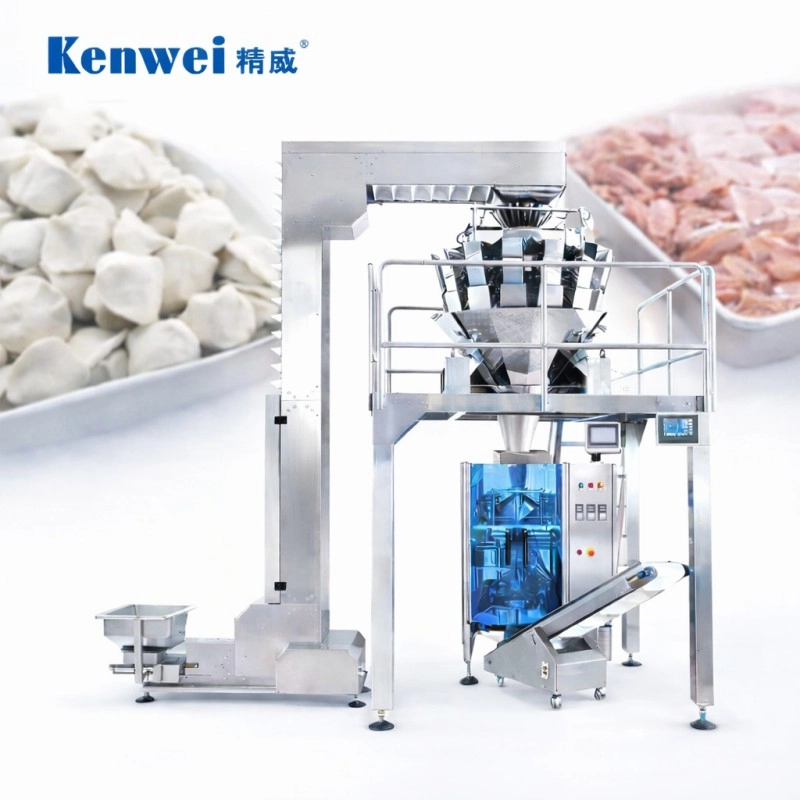
Vertical Frozen Food Packaging Machine for IQF & Frozen Products JW-B1
The Kenwei JW-B1 Vertical Frozen Food Packaging Machine is designed for IQF and frozen products, ensuring efficient, airtight packing. This vertical packing machine boosts productivity with precision sealing, ideal for frozen food packaging needs in the food industry.
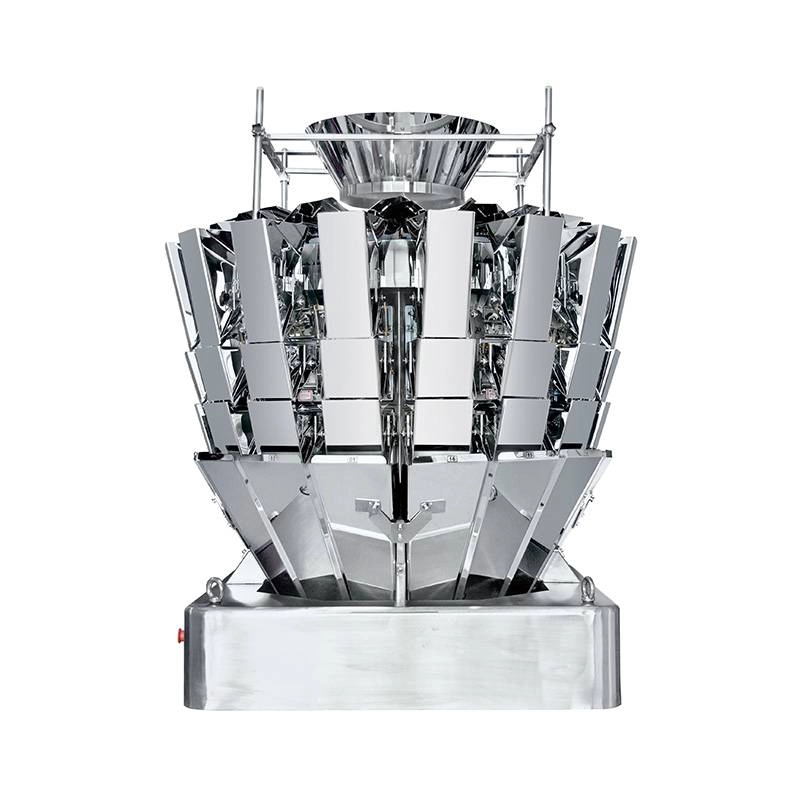
16 Head Three Layer Multihead Weigher for Granular and Irregular Materials
Kenwei’s 16 Head Three Layer Multihead Weigher ensures precise weighing of granular and irregular materials. This multihead weighing machine offers efficient, high-speed performance, ideal for various packaging needs. Trust our 16 head weigher for accuracy and reliability in your production line.
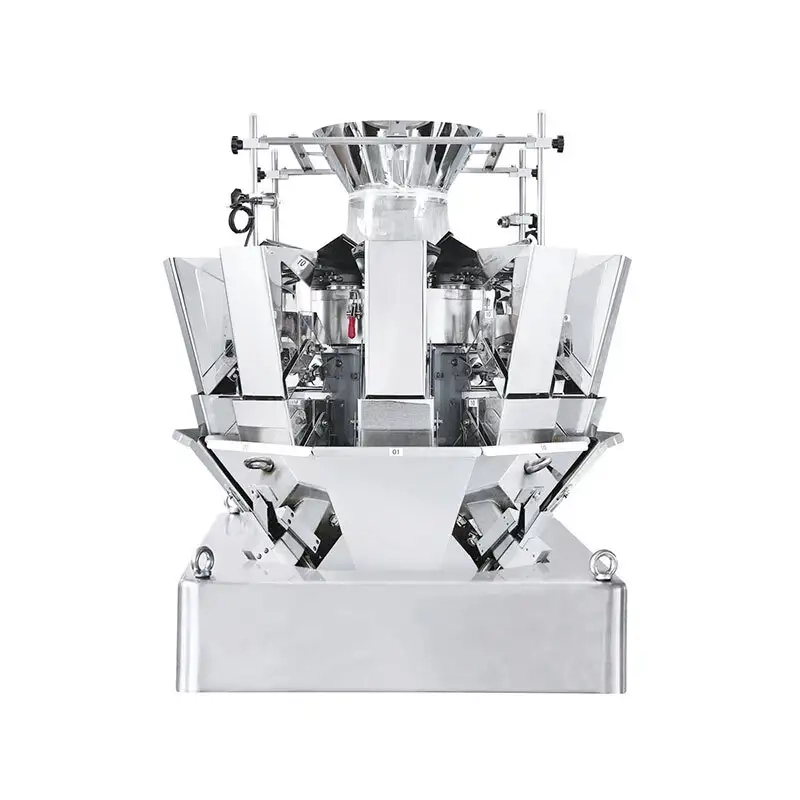
10-Head Standard No-Spring Multihead Weigher 1.6L for Precise Weighing
The standard no-spring combination scale features a patented spring-free hopper design, making it ideal for weighing a variety of products such as melon seeds, peanuts, nuts, almonds, grapes, candies, pistachios, potato chips, shrimp chips, and more. The double-support feeding tray is easily adjustable, while the feeding hopper is designed for easy disassembly, ensuring convenience and cleanliness. With a maximum weighing speed of up to 120 bags per minute, the 14-head standard no-spring combination scale is an economical, versatile, and cost-effective solution.
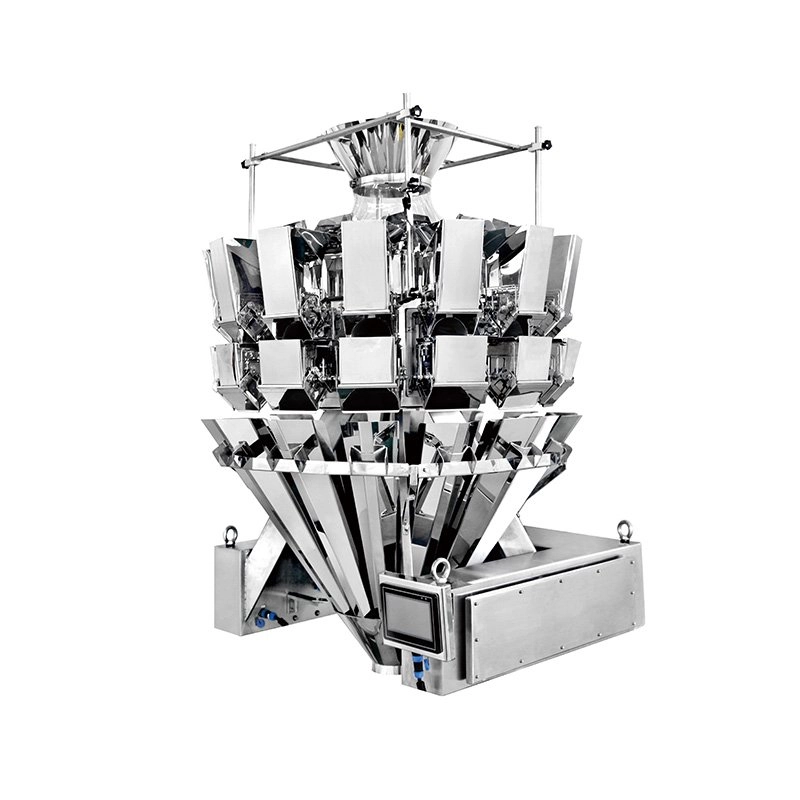
Automatic Multihead Weigher for Stick and Bar-Shaped Materials
Kenwei’s Automatic Multihead Weigher for Stick and Bar-Shaped Materials ensures precise, fast, and efficient weighing. This advanced automatic multihead weighing machine is ideal for accurate portioning of various stick and bar-shaped products, enhancing productivity and reducing waste.
Contact Kenwei
Our company is located in areas with convenient transportation and developed economy. Our products are supplied in a timely manner. In the course of business operation, we always focus on customers.Have any questions or concerns about our products? Please leave us a message here, and our team will get back to you promptly.
Kenwei
Kenwei
Kenwei multi weigh
Kenwei
Kenwei
Kenwei