






How to test metal detectors with aluminum test pieces
A practical, industry-focused guide for food manufacturers on how to test metal detectors using aluminum test pieces. Covers test-piece selection, calibration, step-by-step procedures, environmental factors, recordkeeping, validation against standards (ISO 22000, FDA guidance), troubleshooting and compliance. Includes specific recommendations for the 'Metal Detector for Aluminum Foil in the Food Industry for Accurate Contamination Detection' (2415 model) and FAQs.
- Understanding aluminum interference and test-piece basics
- Why aluminum packaging affects metal detectors
- Types of aluminum test pieces and when to use them
- Match test pieces to your product and packaging
- Step-by-step testing and calibration procedures
- Pre-test checks and environment control
- Routine sensitivity test (daily verification)
- Full validation (weekly/monthly)
- Interpreting results, validation and recordkeeping
- What constitutes pass/fail and acceptable sensitivity
- Creating a validation matrix and documentation
- When to recalibrate or service
- Practical tips, troubleshooting, and compliance
- Optimizing settings for aluminum-packaged products
- Troubleshooting common detection failures
- Compliance, standards and references
- Comparison table: test piece examples and expected outcomes
- Implementing a robust testing program and continuous improvement
- Integrating testing into HACCP and QA workflows
- Operator training and competency
- Continuous improvement and data-driven decisions
- FAQs
- Q: How often should I test my metal detector with aluminum test pieces?
- Q: Can a metal detector detect non-magnetic aluminum pieces when the product is wrapped in foil?
- Q: What records should I keep from metal detector tests?
- Q: Are there standard calibrated test pieces I should buy?
- Q: My detector gives frequent false rejects with aluminum-packaged products. What should I do?

Testing metal detectors with aluminum test pieces is an essential quality control practice for any food processing line that handles aluminum foil or metallised packaging. Proper testing ensures the metal detector for food industry applications reliably differentiates between packaging effect and true metal contamination, maintains detection sensitivity, supports regulatory compliance, and minimizes false rejects. This guide explains how to choose aluminum test pieces, perform routine and validation tests, interpret results, and document outcomes using the Metal Detector for Aluminum Foil in the Food Industry for Accurate Contamination Detection (2415) as an example of a specialized solution for aluminium-packed products.
Understanding aluminum interference and test-piece basics
Why aluminum packaging affects metal detectors
Aluminum foil and metallised films create signal effects (often called product effect or packaging effect) on sensitive metal detectors. These effects can mask or mimic contaminant signals, especially with non-magnetic metals such as aluminum and some stainless steels. For food processors, using a metal detector for food industry environments means selecting equipment and testing procedures that filter background signals from aluminum packaging while preserving sensitivity to magnetic contaminants like iron and some stainless grades.
Types of aluminum test pieces and when to use them
Aluminum test pieces come in different shapes, thicknesses and orientations. Common forms are flat plates, rods/wires, and foil swatches. Use flat pieces to simulate folds or stacked foil in bags (e.g., coffee bags), and small rods or fragments to approximate sharp particles (e.g., torn foil inside nuts or snacks). Choose sizes that challenge your detector’s sensitivity without being unrealistic — ISO and industry best practices recommend covering a range from the smallest credible contaminant to larger pieces to ensure consistent performance.
Match test pieces to your product and packaging
Always select test pieces that realistically reflect contaminants that could occur in your process. For example, for aluminum-foil-packaged coffee, use thin foil folds (multi-layer), small foil shreds (~5–10 mm), and thicker foil snippets to simulate potential foreign bodies. For products in vacuum-sealed foil like ready meals, include crumpled pieces that mimic creased/creased edges. Use the Metal Detector for Aluminum Foil in the Food Industry for Accurate Contamination Detection (2415) because it is designed with high-sensitivity sensors that filter out foil signals while detecting magnetic metal contaminants across widths up to 24mm and heights 20–150mm.
Step-by-step testing and calibration procedures
Pre-test checks and environment control
Before testing, ensure the metal detector and surrounding environment are stable. Power the unit for the recommended warm-up time to achieve electronic stability. Minimize nearby electromagnetic interference such as variable speed drives, nearby running conveyors or large metal masses. Keep product flow and conveyor speed representative of production. Document ambient temperature and humidity if they vary significantly — environmental factors can affect sensitivity.
Routine sensitivity test (daily verification)
Daily checks ensure the metal detector for food industry use remains responsive. A recommended simple routine:
- Run at least three passes with a chosen aluminum test piece (small, medium, and large sizes relevant to your product) across the conveyor center and edge positions to verify consistent detection.
- Confirm the unit rejects when appropriate and that reject mechanisms work.
- Record the outcome in your quality log with date, operator, piece type, position on aperture and pass/fail.
Full validation (weekly/monthly)
Validation is a more rigorous test that maps sensitivity across the full aperture and multiple product orientations. Steps include:
- Use a matrix of test pieces (e.g., 3 sizes) and positions (center, left, right, and edge) to test at multiple conveyor speeds.
- Log at least 3 successful detections at each position per test piece to establish repeatability.
- If available, use certified test standards or calibrated test pieces traceable to a lab or supplier documentation.
Interpreting results, validation and recordkeeping
What constitutes pass/fail and acceptable sensitivity
Define pass/fail criteria in your HACCP plan. Typical acceptance rules are: detector must identify the contaminant at all required positions for each test piece size with a defined repeatability (e.g., 3 out of 3 or 10 out of 10 passes). For metal detector for food industry systems, sensitivity should be sufficient to detect hazardous metallic fragments that pose a consumer safety risk and meet customer specifications.
Creating a validation matrix and documentation
A validation matrix helps standardize testing. Include columns for test date/time, operator, test-piece type and dimensions, packaging simulation, pass/fail, conveyor speed, and corrective action if failed. Use electronic records or binders for traceability. Regulatory and customer audits will expect these records; aligning documentation to ISO 22000 food safety management principles strengthens compliance (see ISO 22000).
When to recalibrate or service
If sensitivity degrades or inconsistent detection occurs, schedule recalibration or service. Recalibration may be necessary after mechanical changes, software updates, or significant environmental shifts. For critical issues, consult manufacturer support — for the 2415 model, contact technical service to review sensor tuning and packaging compensation parameters to ensure the detector continues to ignore aluminum packaging noise while detecting pertinent metallic contaminants.
Practical tips, troubleshooting, and compliance
Optimizing settings for aluminum-packaged products
Modern metal detector for food industry models, like the 2415 Metal Detector for Aluminum Foil, come with adjustable compensation and sensitivity settings. Key tips:
- Use product/packaging compensation or digital filtering modes provided by the detector to reduce false positives from foil.
- Test at production speeds and with real filled packages rather than empty or dummy packages where possible.
- Logically reduce sensitivity only when necessary and after performing documented risk assessment in your HACCP/food safety plan.
Troubleshooting common detection failures
Typical failure reasons and fixes:
- Intermittent detection: Check for electromagnetic interference, grounding issues, or recent nearby equipment changes.
- False rejects: Adjust compensation filters or reduce gain if foil is causing spurious signals; retest with aluminum test pieces.
- Complete loss of detection: Verify power, cabling, conveyor speed, and sensor alignment; run built-in diagnostics or contact service.
Compliance, standards and references
Testing procedures should align with food safety frameworks and recognized guidance. Useful references include the FDA's food safety resources (FDA - Food), AOAC International for methods and testing standards (AOAC), and general technical background on metal detector principles (Wikipedia - Metal detector). Align your metal detection program with ISO 22000 food safety management principles and customer contractual requirements to demonstrate due diligence.
Comparison table: test piece examples and expected outcomes
| Test Piece Type | Approx. Size | Simulates | Expected Detection with 2415 |
|---|---|---|---|
| Thin foil swatch | 10 x 10 mm, 0.02 mm thick | Crumpled foil fragments in coffee bags | Detected as foil effect filtered; magnetic contaminants still identified |
| Foil fold stack | 20 x 30 mm layered | Multiple folded layers at bag seams | Packaging compensation required; detector retains sensitivity to magnetic metal |
| Small aluminum shard | 5 mm irregular | Sharp foil debris | Detected when within sensitivity specifications; use center and edge tests |
Implementing a robust testing program and continuous improvement
Integrating testing into HACCP and QA workflows
Incorporate metal detector testing into critical control point (CCP) checks or monitoring steps in your HACCP plan. Define responsibilities, frequency, and corrective actions. Ensure operators are trained on how to perform aluminum test-piece checks, record results and execute rejects. Include routine reviews of logs and trend analysis to identify recurring issues.
Operator training and competency
Training is essential to ensure consistent testing. Cover the rationale for aluminum test pieces, step-by-step procedures, proper placement and orientation of pieces during tests, how to fill logs, and when to escalate. Practical competency checks should be part of on-the-job training, and periodic requalification ensures skills remain current.
Continuous improvement and data-driven decisions
Use recorded test results to drive improvements. Example actions include changing packaging materials, adjusting forming processes to reduce foil shedding, repositioning sensors or conveyors, or adding pre-wash or inspection steps. Regularly review detection trends and collaborate with equipment manufacturers for firmware updates and new filtering algorithms.
FAQs
Q: How often should I test my metal detector with aluminum test pieces?
A: Daily sensitivity checks plus a full validation weekly or monthly (depending on risk) is a good baseline. High-risk or highly variable processes may require more frequent checks. Always define frequency in your HACCP/QA documentation.
Q: Can a metal detector detect non-magnetic aluminum pieces when the product is wrapped in foil?
A: Non-magnetic aluminum is challenging because it creates packaging effect; specialized detectors like the 2415 are designed to filter packaging signals while detecting magnetic contaminants. Detection of non-magnetic aluminum fragments depends on size, orientation and detector tuning — often X-ray is preferred for non-ferrous detection but modern detector design plus rigorous testing can provide adequate protection for many applications.
Q: What records should I keep from metal detector tests?
A: Keep test date/time, operator, test-piece type and dimensions, position on aperture, conveyor speed, result (pass/fail), and corrective actions for failures. Retain records per your internal and regulatory retention policy and be ready to present them during audits.
Q: Are there standard calibrated test pieces I should buy?
A: Yes, suppliers offer calibrated metallic test standards. For traceable calibration, acquire pieces with a certificate of conformity or use an accredited laboratory. AOAC and industry suppliers can advise on certified options (AOAC).
Q: My detector gives frequent false rejects with aluminum-packaged products. What should I do?
A: Review compensation/filter settings, confirm correct warm-up and grounding, and test at production speed. Use representative aluminum test pieces to replicate the issue. If unresolved, consult your vendor for tuning or consider an inspection upgrade (e.g., detectors with packaging compensation specifically for aluminum foil).
Product spotlight:
The 2415 Metal Detector for Aluminum Foil is equipped with high-sensitivity sensors that effectively filter out signals from aluminum packaging, ensuring precise detection of magnetic metal contaminants. Ideal for detecting foreign bodies in aluminum foil-packaged items such as coffee bags, peanuts, dried meats, chocolate, and more. This versatile metal detector offers adjustable settings, with a maximum width of 24mm and height ranging from 20-150mm, making it suitable for a wide variety of aluminum foil packaging applications.
Ready to improve your foreign body detection for aluminum-packed products? Contact our technical team to discuss integration, calibration services, or to request the 2415 Metal Detector for Aluminum Foil in the Food Industry for Accurate Contamination Detection. View product details or contact customer service for a quote and on-site testing arrangements.
References and further reading: Wikipedia - Metal detector; ISO 22000; FDA - Food; AOAC International.
Tags
wholesale multihead weigher packing machine
wholesale multihead weigher packing machine
Rotating Collecting Tables for Packaging Machine Line
Rotating Collecting Tables for Packaging Machine Line
pill counter machine
pill counter machine
multihead weigher machine
multihead weigher machine
pet food packaging machines
pet food packaging machines
wholesale multihead weigher packing machine
wholesale multihead weigher packing machine
Recommended for you
Top 10 food packing machine Manufacturers and Supplier Brands
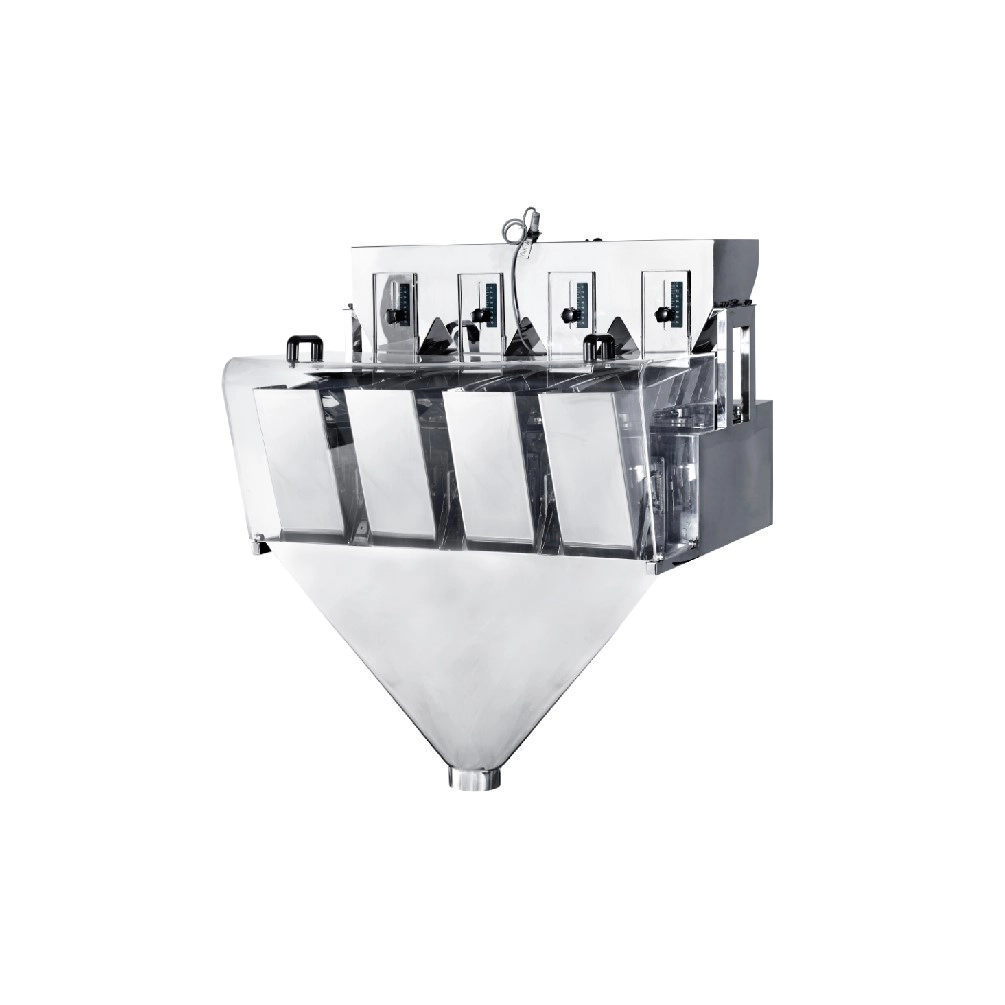
Maintenance Checklist for Semi Automatic Powder Packing Machines
Top 10 multihead weighing machine Manufacturers and Supplier Brands in America
top multihead weigher maintenance tips 2026
Prdoucts Categories
Question you may concern
About Cooperation Process
How does Kenwei ensure the quality of its machines?
Kenwei has a stringent quality control system in place. Each machine is rigorously tested for precision, speed, and reliability before it is shipped.
How to operate it?
Many languages are available for global markets. There are not only detailed instructions, but also machine video for reference learning.
About After Sales Support
How about the after-sales service?
Warranty :2 years
What after-sales support does Kenwei offer?
Kenwei provides comprehensive after-sales support, including product installation, training, maintenance, troubleshooting, and technical assistance. Our team is dedicated to ensuring your machines operate at their best throughout their lifecycle.
About products customization
How long does it take to deliver a customized Kenwei machine?
The lead time for customized machines can vary based on the complexity of the customization, as well as production schedules. Generally, it takes 4-6 weeks to deliver a fully customized machine after design approval.
You may also like
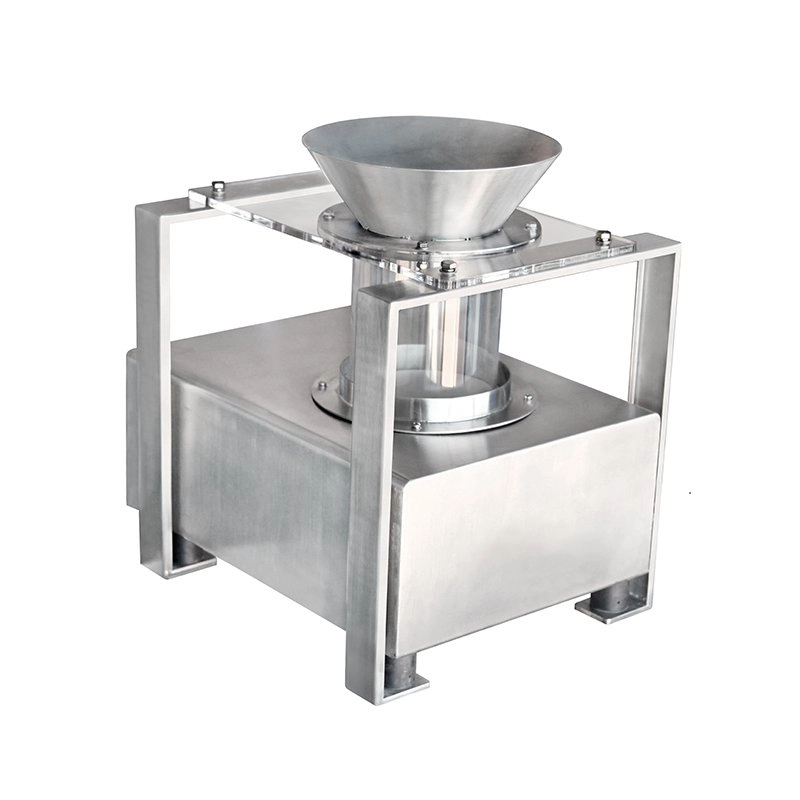
Dropped Metal Detector for Powder Granules For Food Industry
Enhance food safety with Kenwei’s Dropped Metal Detector for Powder Granules. This advanced food metal detector ensures precise detection in the food industry, safeguarding products and maintaining high quality standards throughout processing.
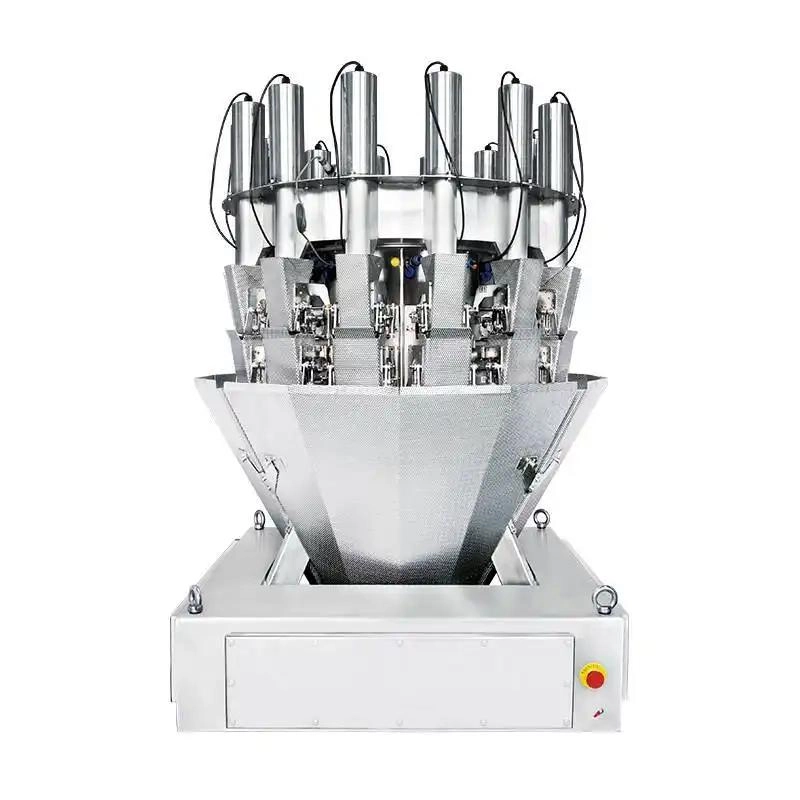
14 Heads Vertical Single Screw Feeding Pickles Weigher backups
This type of weigher is designed to handle the unique characteristics of pickles, ensuring precise measurements for packaging and distribution. It uses a vertical single screw mechanism to feed the pickles into the weighing system, allowing for efficient and consistent weighing. This technology is particularly useful in food processing and packaging facilities where precise portioning is essential for quality control and customer satisfaction. This specialized equipment is perfect for accurately measuring and dispensing pickles in a production line or packaging facility. The vertical design allows for efficient and precise filling of containers, while the single screw feeding mechanism ensures consistent and reliable weighing.
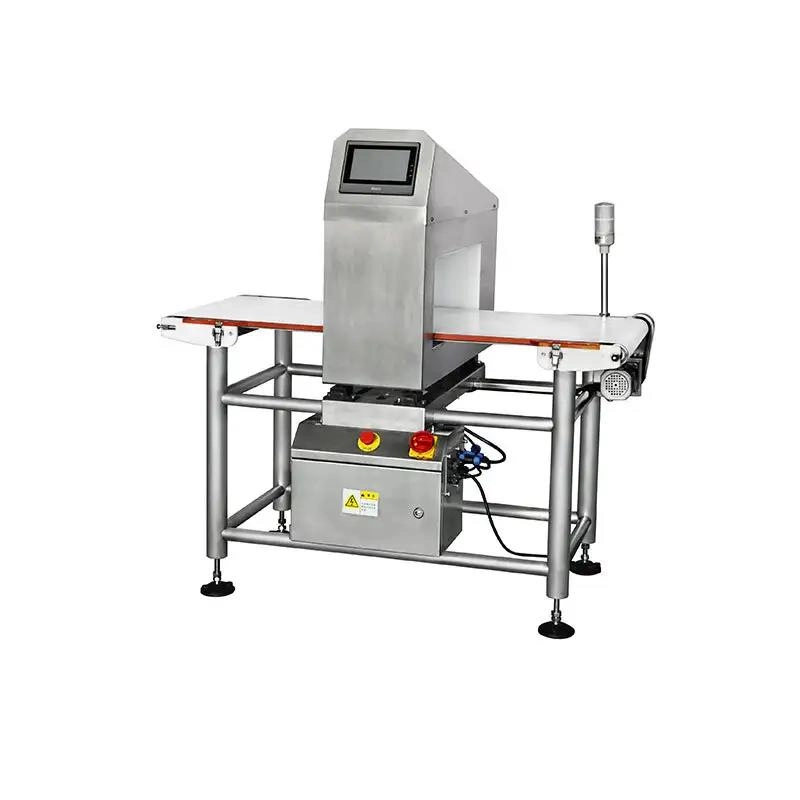
Food Metal Detector Manufacturer For Reject Defective Products G5020
The G5020 multi-frequency metal detector features a specialized conveyor belt designed to reduce contamination risks, ensure smooth operation, and maintain high detection sensitivity. It is easy to disassemble for convenient maintenance. Ideal for detecting metal contaminants in food, pharmaceuticals, spices, plastics, electronics, textiles, toys, handicrafts, and more.
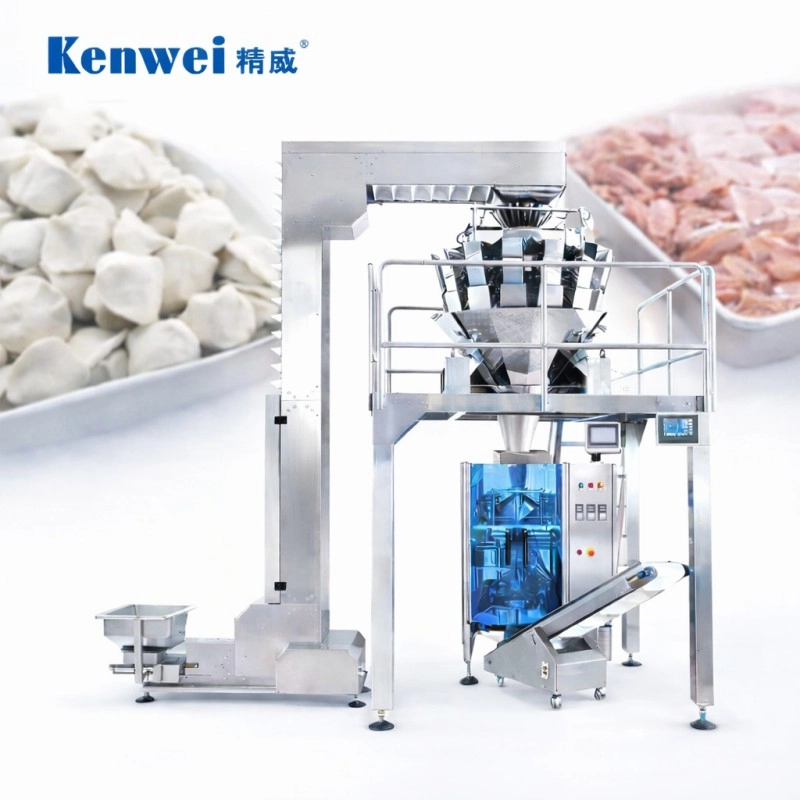
Vertical Frozen Food Packaging Machine for IQF & Frozen Products JW-B1
The Kenwei JW-B1 Vertical Frozen Food Packaging Machine is designed for IQF and frozen products, ensuring efficient, airtight packing. This vertical packing machine boosts productivity with precision sealing, ideal for frozen food packaging needs in the food industry.
Get in touch with us
If you have any comments or good suggestions, please leave us a message, later our professional staff will contact you as soon as possible.
Kenwei
Kenwei
Kenwei multi weigh
Kenwei
Kenwei
Kenwei