






Routine checks to ensure aluminum foil detection accuracy
This article explains routine checks and best practices to maintain accurate aluminum foil detection on production lines, focusing on metal detector for food industry applications. It covers daily calibration, sensitivity verification, signal filtering for aluminum packaging, environmental and mechanical checks, record keeping, and troubleshooting. Guidance aligns with food safety management principles and references authoritative sources for compliance.
- Essential daily routines to maintain detection accuracy
- 1. Power-up and self-test procedures
- 2. Sensitivity verification using test pieces
- 3. Check aluminum foil rejection/filter settings
- Weekly and monthly maintenance tasks
- 1. Conveyor and mechanical inspection
- 2. Environmental and EMI assessment
- 3. Logbook and trend review
- Calibration, documentation and regulatory alignment
- 1. Calibration frequency and tolerances
- 2. Document control and traceability
- 3. Regulatory considerations and standards
- Troubleshooting, root cause analysis and continuous improvement
- 1. Handling false rejects and misses
- 2. Using event logs and digital records
- 3. When to call service or replace components
- Practical tips for aluminum foil packaging lines
- 1. Product and package profiling
- 2. Training and operator checks
- 3. Integration with inspection and multihead weigher systems
- Key performance indicators and audit readiness
- 1. KPIs to monitor detector performance
- 2. Preparing for external audits
- 3. Continuous improvement cycles
- FAQ — Routine checks for aluminum foil detection
- Q1: How often should we perform sensitivity verification?
- Q2: Can a metal detector always detect metal inside aluminum foil packaging?
- Q3: What records should we keep to satisfy an audit?
- Q4: What should we do if the detector intermittently loses sensitivity?
- Q5: Are there standards or guidance I can reference for best practices?

The integrity of foreign body detection in aluminum foil-packaged foods depends on consistent routine checks and proven procedures. For food manufacturers using a metal detector for food industry applications, maintaining accuracy when packages contain aluminum foil requires specific filtering techniques, frequent sensitivity verification, and documented calibration. Routine checks reduce false rejects, ensure consumer safety, and help maintain compliance with food safety standards such as ISO 22000 and regulatory guidance. Below we detail practical, on-line routines and troubleshooting steps tailored for the Metal Detector for Aluminum Foil in the Food Industry for Accurate Contamination Detection, helping QA teams and line operators keep detection performance optimal.
The 2415 Metal Detector for Aluminum Foil is equipped with high-sensitivity sensors that effectively filter out signals from aluminum packaging, ensuring precise detection of magnetic metal contaminants. Ideal for detecting foreign bodies in aluminum foil-packaged items such as coffee bags, peanuts, dried meats, chocolate, and more. This versatile metal detector offers adjustable settings, with a maximum width of 24mm and height ranging from 20-150mm, making it suitable for a wide variety of aluminum foil packaging applications.
Essential daily routines to maintain detection accuracy
1. Power-up and self-test procedures
Begin every shift with a power-up self-test: confirm that the metal detector boots correctly, the HMI (Human Machine Interface) shows normal status, and any built-in diagnostics report no faults. Automated self-tests catch sensor or electronics issues before production starts. If the unit fails self-test, take it out of service and follow the manufacturer’s fault code guidance.
2. Sensitivity verification using test pieces
Perform sensitivity verification using calibrated test pieces designed to simulate the smallest metal size you expect to detect (ferrous, non-ferrous and stainless). Because aluminum foil packaging can mask or distort signals, verify sensitivity with packages containing the foil and the embedded test piece in its typical product location. This confirms real-world detection capability of the metal detector for food industry use.
3. Check aluminum foil rejection/filter settings
Verify the unit’s aluminum foil compensation or filtering settings daily. For the 2415 model, ensure the aluminum compensation algorithm is set to the correct profile for the packaging type (e.g., single-layer foil pouch vs. multilayer lamination). Incorrect filter settings are a common cause of missed contaminants or excess false rejects.
Weekly and monthly maintenance tasks
1. Conveyor and mechanical inspection
Weekly checks should include conveyor belt alignment, wear, and speed stability. Variances in conveyor speed or belt position can change the metal detector’s response. Inspect for foreign materials attached to the belt or frame that may generate spurious signals. Lubricate bearings and inspect the reject device operation on a weekly schedule.
2. Environmental and EMI assessment
Interference from nearby equipment, frequency converters, or metal structures may vary over time. Perform a weekly environmental EMI check—walk the line and observe the detector’s noise level display, if available. If you observe intermittent noise spikes, identify potential sources such as new machinery or changed cable routing. Official guidance on equipment layout and hygienic design can be referenced from organizations like the EHEDG.
3. Logbook and trend review
Compile daily and weekly verification results into a trend log. Review this monthly to detect drifting sensitivity, increasing false rejects, or recurring faults. Early detection of drift protects product quality and reduces line downtime.
Calibration, documentation and regulatory alignment
1. Calibration frequency and tolerances
Calibrate the metal detector at manufacturer-recommended intervals and after any hardware maintenance or software update. For critical products (e.g., baby food, high-risk allergen packs), consider more frequent calibration. Use traceable test pieces and maintain calibration certificates. Below is a suggested schedule table you can adapt to your risk assessment.
| Task | Suggested Frequency | Acceptance Criteria / Tolerance |
|---|---|---|
| Daily sensitivity verification (with product) | Daily (start of shift) | Detects specified test piece in typical package position; no missed detections |
| Self-test and alarm check | Daily | No system errors; alarms functional |
| Full calibration (traceable test pieces) | Quarterly or after maintenance | Within manufacturer sensitivity spec (e.g., ±10% of baseline) |
| EMI and environmental audit | Monthly | No unexplained noise spikes; EMI sources identified and mitigated |
| Preventive mechanical maintenance | Monthly | Conveyor alignment within spec; reject mechanism operates reliably |
2. Document control and traceability
Keep records of sensitivity tests, calibration certificates, reject logs, and any product rework or recalls tied to detection events. These records support compliance with food safety management systems such as ISO 22000 and provide evidence during audits.
3. Regulatory considerations and standards
Regulators expect facilities to demonstrate control of physical hazards. The FDA provides broad food safety guidance emphasizing preventive controls—documented routine checks and CAPA (Corrective and Preventive Action) processes are central to compliance. See general FDA food safety resources: FDA - Food.
Troubleshooting, root cause analysis and continuous improvement
1. Handling false rejects and misses
False rejects often stem from changes in product presentation, foil variability, or increased electromagnetic interference. To diagnose: verify the reject device operation, run sensitivity tests with and without foil, and compare signal shapes in the detector’s event log. If misses occur, isolate by running a simple product without foil; if detection improves, adjust the foil compensation profile and re-verify sensitivity.
2. Using event logs and digital records
Modern metal detectors log every alarm event with time stamps, product ID, and sensitivity settings. Use this data to identify patterns—e.g., alarms clustered to a certain shift, SKU, or machine setting. Trend analysis helps prioritize interventions and reduces unnecessary line stoppages.
3. When to call service or replace components
If sensitivity drift cannot be corrected by recalibration, or if self-tests report sensor faults, escalate to factory service. Common replaceable parts include sensor boards, power supplies, and conveyor motors. Maintain spare parts identified in a risk-based critical spares matrix to reduce downtime.
Practical tips for aluminum foil packaging lines
1. Product and package profiling
Create a profile for each SKU: packaging composition (single foil, laminated foil), product density, and typical position of foreign objects. Use these profiles to create detector programs with optimized foil compensation and sensitivity. Profiles reduce operator guesswork and support faster changeovers.
2. Training and operator checks
Train operators on simple daily checks: how to run test pieces, recognize alarm patterns, and record results. Empower operators to stop the line if they suspect a detection failure. Operator competency is essential; include metal detector checks in routine training curricula and competence assessments.
3. Integration with inspection and multihead weigher systems
When metal detectors are installed downstream of multihead weighers and other filling equipment, coordinate routine checks across the line. Changes in filler set-up or product flow from a multihead weigher can influence the detector’s response. Good integration between systems reduces the risk of undetected contaminants and is consistent with hygienic design and line validation best practices (see technical overview on metal detection).
Key performance indicators and audit readiness
1. KPIs to monitor detector performance
Track metrics such as false reject rate per 1000 packs, number of true detections, time to repair, calibration compliance, and percentage of scheduled checks completed. Use KPIs to justify preventive maintenance and investment in higher-sensitivity models when necessary.
2. Preparing for external audits
Auditors will expect documented routines, calibration certificates, product profiles, and evidence of corrective actions for any detection failures. Maintain a concise audit folder containing the latest calibration records, daily check logs, and a copy of the detector’s operating procedure for each SKU. Resources on food safety management standards (ISO 22000) and good design (EHEDG) can support audit preparation.
3. Continuous improvement cycles
Regularly review detection performance in HACCP meetings, and run formal root cause analyses for significant events. Consider trialing improved reject mechanisms, upgraded filtering algorithms, or retraining staff to reduce false rejects and increase line efficiency.
FAQ — Routine checks for aluminum foil detection
Q1: How often should we perform sensitivity verification?
A: Perform sensitivity verification at the start of every production shift. For higher-risk products, add mid-shift checks. Full calibration using traceable test pieces should be performed quarterly or after any maintenance that could affect detection performance.
Q2: Can a metal detector always detect metal inside aluminum foil packaging?
A: Modern metal detectors with aluminum compensation, like the 2415, are designed to distinguish between the packaging signal and true metal contaminants. However, detection depends on contaminant size, type (ferrous, non-ferrous, stainless), product composition, and package design. Verify performance with real packaged test samples to be confident.
Q3: What records should we keep to satisfy an audit?
A: Keep daily verification logs, calibration certificates, reject records, event logs from the detector, corrective action reports, and training records. These documents demonstrate routine control and traceability for food safety auditors.
Q4: What should we do if the detector intermittently loses sensitivity?
A: Check for environmental changes or new equipment causing EMI, verify conveyor stability, review event logs for patterns, and run full calibration. If issues persist, contact technical service to inspect sensors and electronics.
Q5: Are there standards or guidance I can reference for best practices?
A: Yes—use ISO 22000 for food safety management principles (ISO 22000), general FDA food safety guidance (FDA - Food), and hygienic design recommendations from organizations like EHEDG. Technical background on metal detection is available from industry references such as Wikipedia.
Contact our technical sales team to discuss how the Metal Detector for Aluminum Foil in the Food Industry for Accurate Contamination Detection (model 2415) can be integrated into your packaging lines, or to request a site-specific routine check plan and on-site commissioning. View the product details or request a demo: View product — 2415 Metal Detector. For tailored support, contact customer service or email sales@example.com.
Tags
weighing machine
weighing machine
industrial multihead weighers
industrial multihead weighers
weighing packing machine
weighing packing machine
Working Platform
Working Platform
multihead weigher china
multihead weigher china
multihead weigher manufacturers
multihead weigher manufacturers
Recommended for you
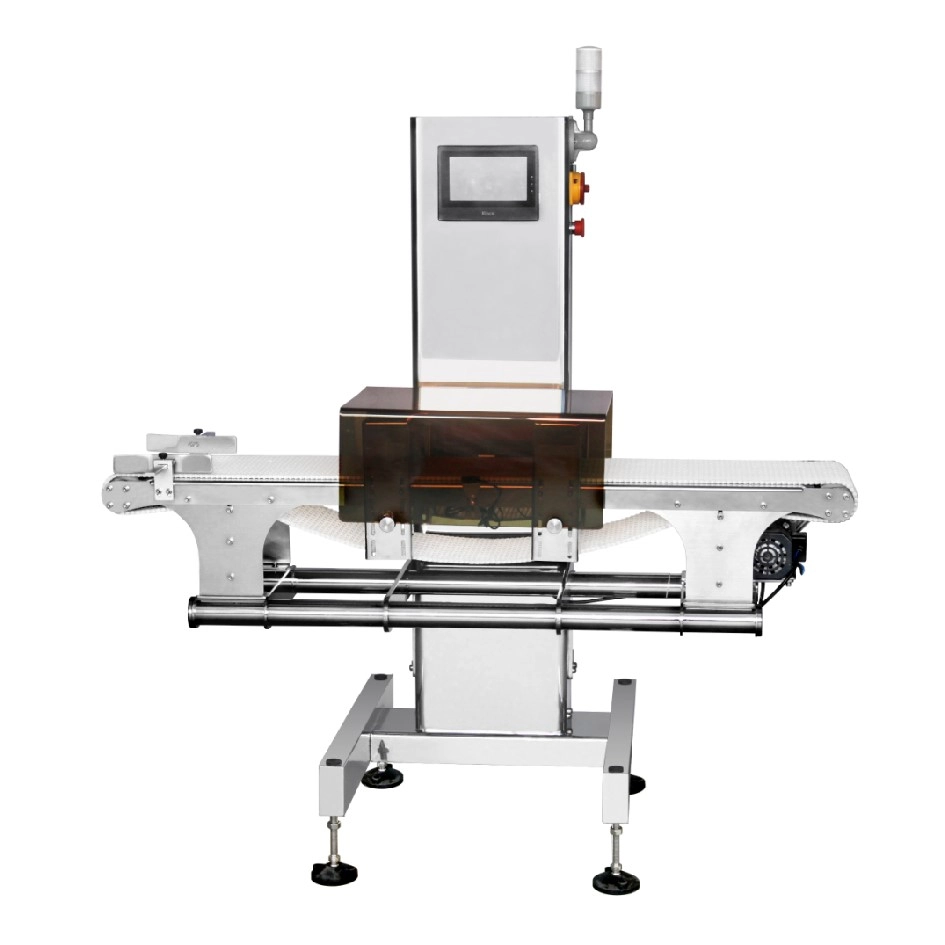
How to test metal detectors with aluminum test pieces
Tips for buy combination weigher scales
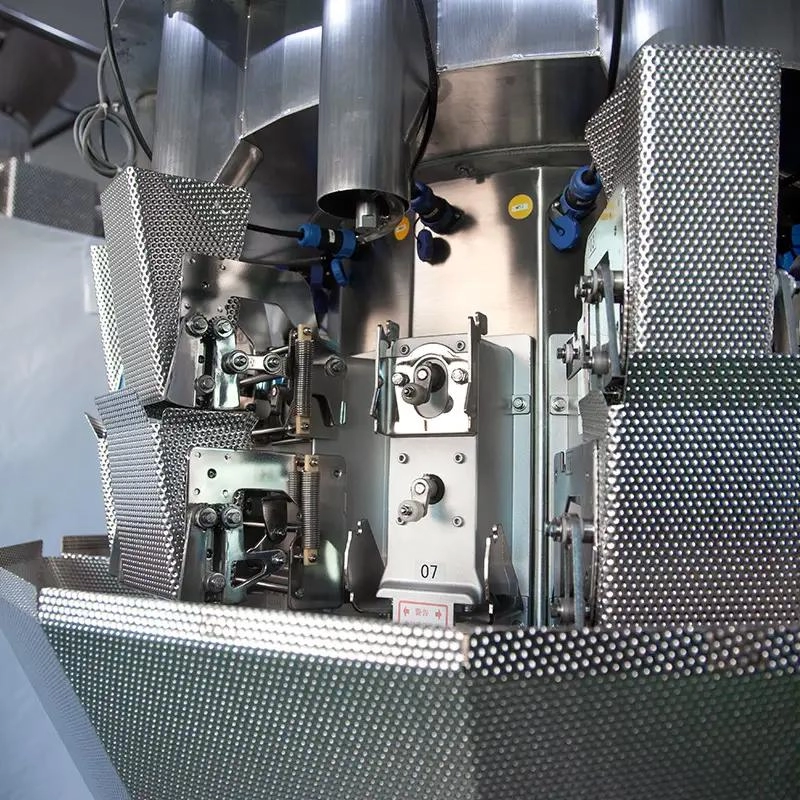
Top features to evaluate in a 14 head multihead weigher buying guide
Where to Buy automatic check weighing equipment
Prdoucts Categories
Question you may concern
About Price and payment
Are the prices for Kenwei machines negotiable?
Prices are generally fixed, but depending on the order volume, long-term partnerships, or special circumstances, we may offer discounts or promotional pricing. Please contact our sales team to discuss your specific situation.
About Cooperation Process
Does Kenwei offer installation and training?
Yes, Kenwei provides installation services and comprehensive training to ensure that your team can operate the machinery efficiently. Our engineers can travel to your facility for on-site installation, and we also offer remote training options if needed.
Can Kenwei customize equipment to meet my specific needs?
Yes! We offer customized solutions for all of our machines. Our team will work closely with you to understand your specific requirements and create a solution that meets your needs in terms of size, functionality, speed, and other factors.
About Solution suggestions
How can Kenwei solutions help reduce waste in my production process?
Kenwei solutions improve accuracy in weighing, packaging, and quality control, reducing the chances of overfill or underfill. This leads to less product waste and higher operational efficiency.
Can Kenwei provide solutions for high-volume production?
Yes, Kenwei specializes in high-speed, high-throughput machines designed for large-scale operations. Our multi-head weighers, packing machines, and check weighers.
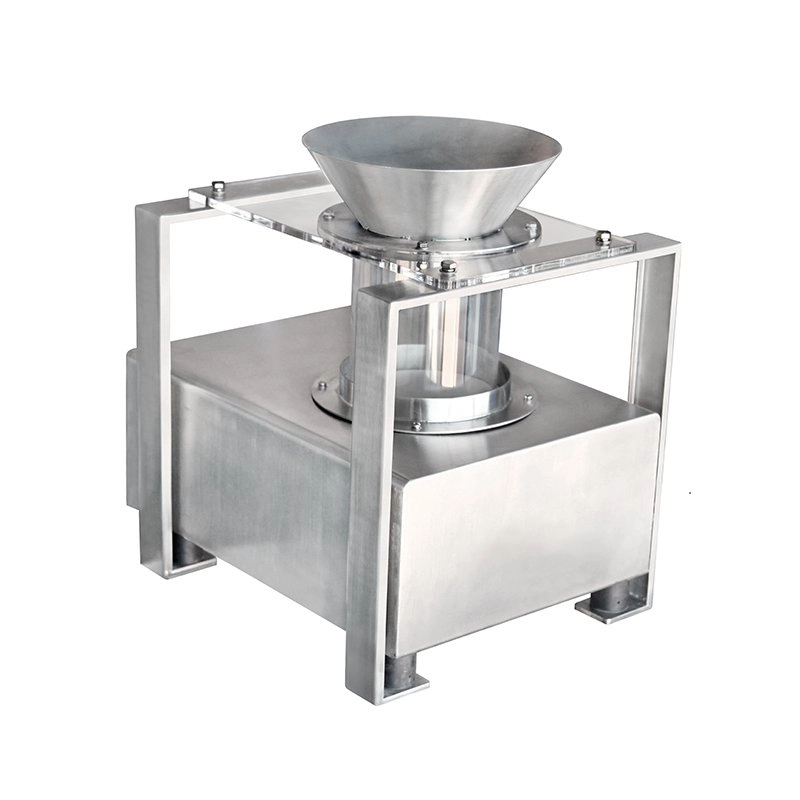
Dropped Metal Detector for Powder Granules For Food Industry
Enhance food safety with Kenwei’s Dropped Metal Detector for Powder Granules. This advanced food metal detector ensures precise detection in the food industry, safeguarding products and maintaining high quality standards throughout processing.
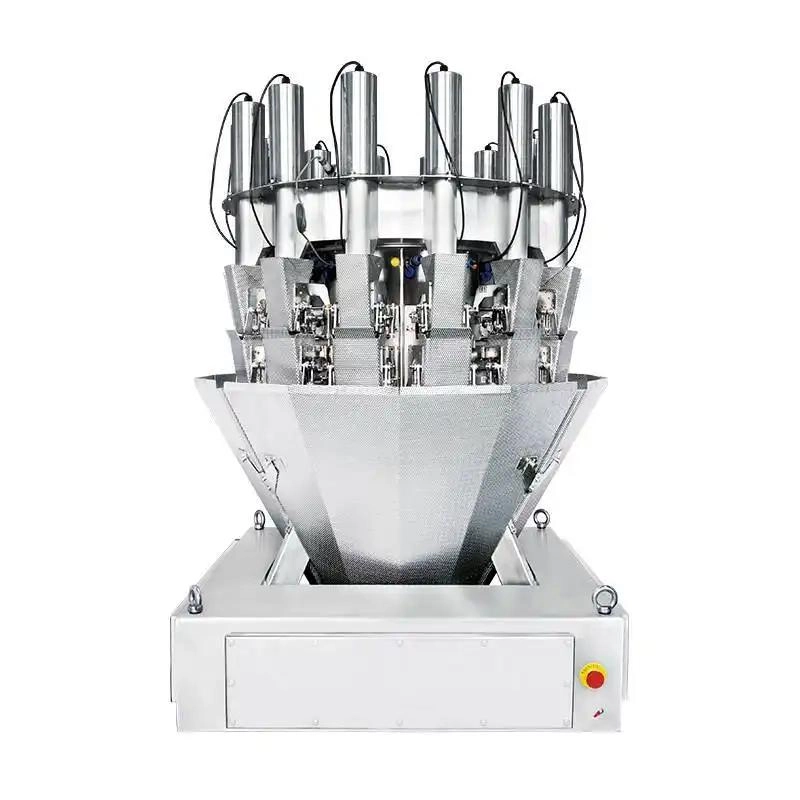
14 Heads Vertical Single Screw Feeding Pickles Weigher backups
This type of weigher is designed to handle the unique characteristics of pickles, ensuring precise measurements for packaging and distribution. It uses a vertical single screw mechanism to feed the pickles into the weighing system, allowing for efficient and consistent weighing. This technology is particularly useful in food processing and packaging facilities where precise portioning is essential for quality control and customer satisfaction. This specialized equipment is perfect for accurately measuring and dispensing pickles in a production line or packaging facility. The vertical design allows for efficient and precise filling of containers, while the single screw feeding mechanism ensures consistent and reliable weighing.
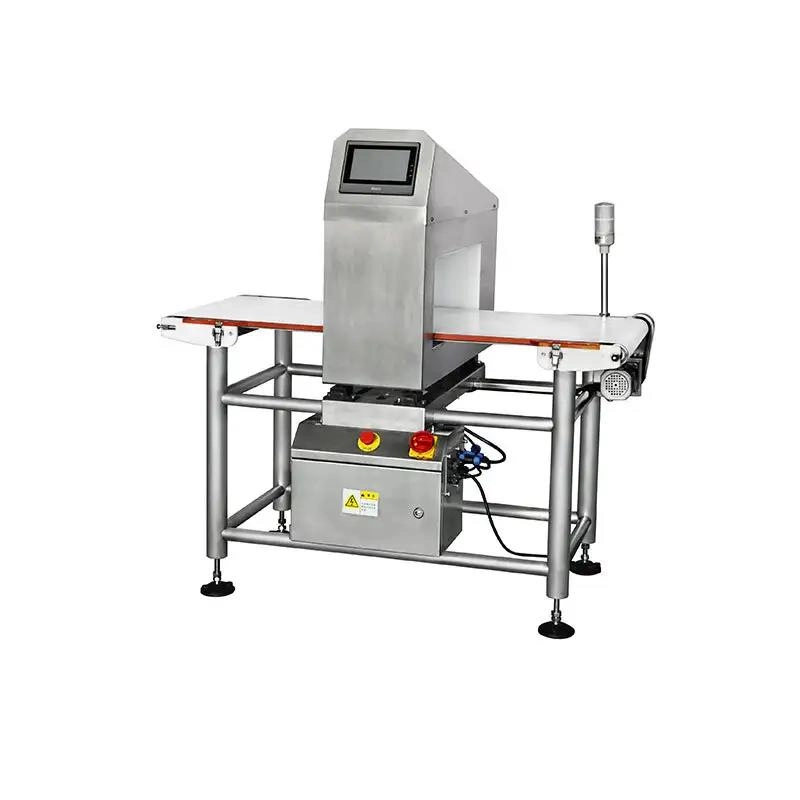
Food Metal Detector Manufacturer For Reject Defective Products G5020
The G5020 multi-frequency metal detector features a specialized conveyor belt designed to reduce contamination risks, ensure smooth operation, and maintain high detection sensitivity. It is easy to disassemble for convenient maintenance. Ideal for detecting metal contaminants in food, pharmaceuticals, spices, plastics, electronics, textiles, toys, handicrafts, and more.
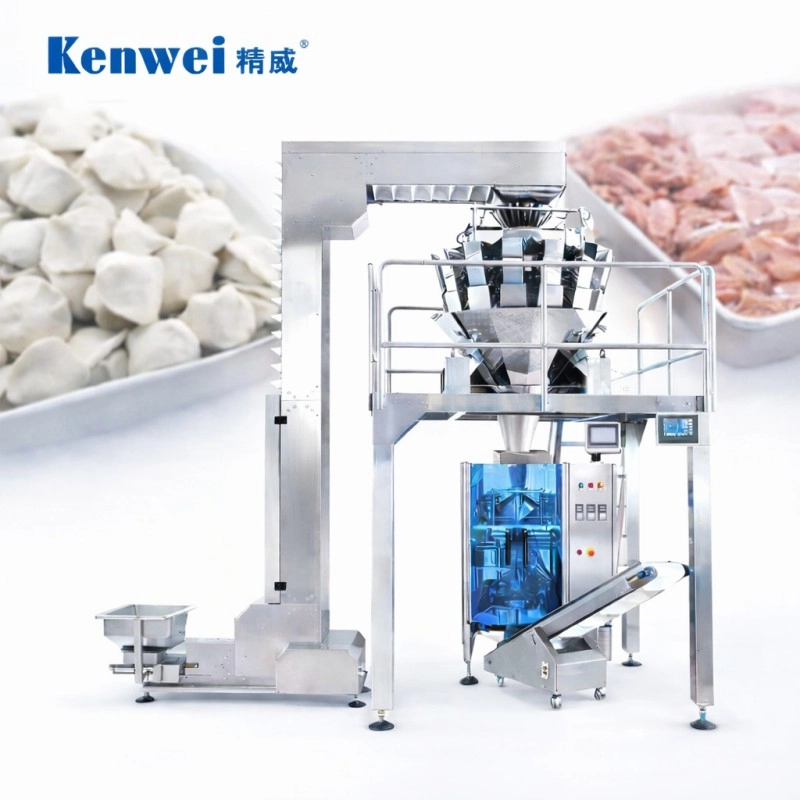
Vertical Frozen Food Packaging Machine for IQF & Frozen Products JW-B1
The Kenwei JW-B1 Vertical Frozen Food Packaging Machine is designed for IQF and frozen products, ensuring efficient, airtight packing. This vertical packing machine boosts productivity with precision sealing, ideal for frozen food packaging needs in the food industry.
Get in touch with us
If you have any comments or good suggestions, please leave us a message, later our professional staff will contact you as soon as possible.
Kenwei
Kenwei
Kenwei multi weigh
Kenwei
Kenwei
Kenwei