






Top 10 Ways to Reduce False Rejects in Metal Detection
Reduce costly false rejects in food production with proven hardware, software, and operational strategies. Learn how specialized metal detector for food industry solutions — including the 2415 Metal Detector for Aluminum Foil — minimize nuisance trips, maintain compliance with ISO and FDA recommendations, and integrate with multihead weighers for reliable contamination control.
- Understanding False Rejects in Food Metal Detection
- What is a false reject and why it matters
- How aluminum foil and packaging generate nuisance signals
- Regulatory context and standards to consider
- 10 Practical Strategies to Reduce False Rejects
- Hardware & sensor optimization (1–4)
- Signal processing & software strategies (5–7)
- Operational best practices (8–10)
- Implementing & Validating Metal Detection Solutions
- Testing protocols and calibration
- Documentation and regulatory compliance
- Training, SOPs, and continuous improvement
- Choosing the Right Metal Detector for Aluminum Foil Packaging
- Why specialized detectors are valuable for foil-packaged items
- About the 2415 Metal Detector for Aluminum Foil
- Integration, layout, and multihead weigher considerations
- Operational Checklist and Troubleshooting Quick Guide
- Daily checklist
- Common troubleshooting steps
- Frequently Asked Questions (FAQ)
- Q: How often should I calibrate a metal detector used with aluminum foil packaging?
- Q: Can I use a standard metal detector for foil-packaged products if I lower the sensitivity?
- Q: What test pieces should I use for validation?
- Q: How does integrating with a multihead weigher affect metal detection?
- Q: Where can I find more technical guidance on metal detection and food safety?

The rise of complex packaging materials like aluminum foil challenges metal detection systems in food lines. A well-optimized metal detector for food industry applications must balance sensitivity to magnetic contaminants while discriminating product and packaging signals to avoid false rejects. This article explains practical, standards-backed approaches — from sensor design and signal processing to calibration, validation, and staff training — to reduce false rejects and improve yield without compromising safety. The guidance draws on best practices aligned with ISO and FDA expectations and is applicable to lines using multihead weighers, vertical and horizontal conveyors, and varied packaging types.
Understanding False Rejects in Food Metal Detection
What is a false reject and why it matters
A false reject occurs when a metal detection system flags and removes a product that does not actually contain metallic contamination. False rejects increase waste, reduce throughput, and can mask real contamination events by desensitizing operators who may over-ride alarms. For manufacturers the cost is twofold: direct product loss and indirect operational disruption. Implementing a robust metal detector for food industry environments helps preserve both food safety and productivity.
How aluminum foil and packaging generate nuisance signals
Aluminum foil, multi-layered pouches, and metallized films generate complex conductive and dielectric responses that can mimic metal contamination to conventional detectors. These packaging materials can cause phase and amplitude shifts in the detector's signal, especially in high-sensitivity settings. Specialized systems such as the Metal Detector for Aluminum Foil in the Food Industry for Accurate Contamination Detection combat this by filtering packaging signals while maintaining sensitivity to magnetic metal contaminants.
Regulatory context and standards to consider
Food manufacturers must integrate metal detection into their HACCP plans and food safety management systems. Official frameworks like FDA HACCP guidance and ISO 22000 outline expectations for monitoring, verification, and corrective action. Aligning detection practices to these standards supports both compliance and consumer protection. General background on metal detection technology can be found on Wikipedia.
10 Practical Strategies to Reduce False Rejects
Hardware & sensor optimization (1–4)
1. Use detectors designed for foil-packaged products: Systems built specifically for aluminum foil packaging apply tailored filtering and phase-cancellation to ignore predictable packaging signals. The 2415 Metal Detector for Aluminum Foil, for example, uses high-sensitivity sensors with packaging signal suppression to detect magnetic metal contaminants while minimizing nuisance alarms.
2. Optimize aperture size and coil configuration: Matching the detector aperture (width/height) to product size increases signal-to-noise ratio. Oversized apertures reduce sensitivity and can increase false alarms. The 2415 supports adjustable widths up to 24mm and heights between 20–150mm to fit many foil-packaged items.
3. Shielding and grounding: Proper electromagnetic shielding and good plant grounding reduce interference from motors, conveyors, and nearby electronics. Regularly inspect cable routing and avoid running detector cables alongside high-current lines.
4. Environmental controls: Temperature and humidity swings change product and packaging characteristics. Position detectors in stable micro-climates (or use environmental compensation features) to reduce drift-induced false rejects.
Signal processing & software strategies (5–7)
5. Multi-frequency and adaptive filtering: Modern metal detectors use multiple frequencies and adaptive algorithms that distinguish between the frequency signatures of packaging vs. ferrous and non-ferrous contaminants. Implementing multi-frequency methods improves detection of small metallic fragments while filtering packaging artifacts.
6. Dynamic learn / product profiling: Use product learn routines to capture normal product and packaging signals, and set tolerances based on actual production samples. Re-learn after formulation, packaging, or throughput changes to avoid outdated profiles that trigger false rejects.
7. Alarm histogramming and trend analysis: Logging alarm types, rates, and correlated process parameters allows engineers to spot patterns (e.g., false rejects increase at certain speeds). Statistical analysis supports targeted adjustments rather than blind sensitivity reductions.
Operational best practices (8–10)
8. Integrate with upstream equipment (e.g., multihead weighers): Synchronize feed rates, stops, and product alignment with multihead weighers so products present consistently to the detector. Consistent product presentation reduces irregular signals and false rejections during peak throughput.
9. Routine calibration and verification: Establish frequent calibration and verification using standardized test pieces (calibration spheres/needles) and product-specific challenge testing. Document results per your HACCP plan and ISO 22000 requirements.
10. Operator training and SOPs: Train line operators to distinguish between true contamination alarms and nuisance alarms, and to follow structured troubleshooting steps (e.g., check product learn, conveyor speed, and nearby electromagnetic sources) rather than improvising overrides.
Implementing & Validating Metal Detection Solutions
Testing protocols and calibration
Validation ensures that a metal detector for food industry use performs reliably under production conditions. Typical validation steps include:
- Baseline product profiling (learn mode) using representative samples
- Calibration with traceable test pieces conforming to industry guidance
- Challenge testing with contaminants in typical positions (center, edge, top, bottom)
- Documenting detection limits and repeatability
Use the table below to compare common calibration methods and their applicability.
| Method | Best used for | Advantages | Limitations |
|---|---|---|---|
| Standard test spheres/needles | Baseline sensitivity checks | Repeatable, industry-recognized | May not mimic product/packaging interaction |
| Product-in-packaged challenge pieces | Real-world detection validation | Reflects packaging effects (e.g., foil) | More variable; needs multiple positions |
| Statistical alarm-rate monitoring | Long-term performance & drift | Detects environmental or process NPIs | Requires data collection & analysis tools |
Documentation and regulatory compliance
Document all calibration, validation, and corrective actions within your HACCP plan and quality management system (QMS). Refer to ISO 22000 for requirements on control measures and to Codex Alimentarius for food safety policy context. Audit-ready records make it easier to demonstrate due diligence during inspections and to justify detection thresholds.
Training, SOPs, and continuous improvement
Create step-by-step SOPs covering product learn procedures, calibration, alarm response, and documented corrective actions. Encourage a culture of continuous improvement: use alarm logs and root-cause analysis to iteratively reduce false rejects while tracking real detection performance.
Choosing the Right Metal Detector for Aluminum Foil Packaging
Why specialized detectors are valuable for foil-packaged items
Generic metal detectors may require sensitivity compromises when used with metallized packaging. Specialized foil-capable detectors apply packaging-signal suppression, multi-frequency detection, and tailored coil designs to keep sensitivity high for true contaminants without frequent nuisance trips. For production lines packing coffee bags, peanuts, dried meats, or chocolate in aluminum foil, choosing an appropriate detector is critical to prevent unnecessary rejects.
About the 2415 Metal Detector for Aluminum Foil
The 2415 Metal Detector for Aluminum Foil in the Food Industry for Accurate Contamination Detection is equipped with high-sensitivity sensors that effectively filter out signals from aluminum packaging, ensuring precise detection of magnetic metal contaminants. Ideal for detecting foreign bodies in aluminum foil-packaged items such as coffee bags, peanuts, dried meats, chocolate, and more. This versatile metal detector offers adjustable settings, with a maximum width of 24mm and height ranging from 20-150mm, making it suitable for a wide variety of aluminum foil packaging applications.
Integration, layout, and multihead weigher considerations
When integrating with a multihead weigher, ensure consistent product orientation and feed-through patterns. Place the detector after the weigher’s discharge point where products settle and present stably. Coordinate conveyor speeds and consider rejection methods (air blast, pusher, flapper) that minimize product disturbance and reintroduction of packaging artifacts. Manufacturers should also consider space constraints and ensure the detector’s aperture matches the product profile for best results.
Operational Checklist and Troubleshooting Quick Guide
Daily checklist
- Verify detector power, grounding, and absence of nearby EMI sources
- Run product learn check after product or packaging change
- Perform calibration spot-check with a standard test piece
- Review alarm log for spikes or trending increases
Common troubleshooting steps
If nuisance alarms occur, follow this sequence:
- Confirm the alarm type and location via log
- Check conveyor speed and product presentation consistency
- Isolate potential EMI sources (motors, VFDs, temporary equipment)
- Re-run product learn and re-validate with in-pack test pieces
- If persistent, consult the detector vendor for advanced filtering or coil adjustments
Frequently Asked Questions (FAQ)
Q: How often should I calibrate a metal detector used with aluminum foil packaging?
A: Perform a daily operational check and calibration verification using standard test pieces. Full validation and challenge testing should be performed at defined intervals (e.g., weekly or per production shift changes) and recorded in your HACCP or QMS documentation, aligned with ISO 22000 expectations.
Q: Can I use a standard metal detector for foil-packaged products if I lower the sensitivity?
A: Lowering sensitivity reduces false rejects but increases the risk of missing small contaminants. It is better to use detectors designed for foil-packaged products (which suppress packaging signals without compromising contaminant detection) than to compromise sensitivity across the board.
Q: What test pieces should I use for validation?
A: Use a combination: traceable standard spheres/needles for routine verification, and product-in-package challenge pieces to confirm real-world performance with foil or metallized films. Document all results as part of your validation records.
Q: How does integrating with a multihead weigher affect metal detection?
A: Multihead weighers influence product presentation and throughput variability. Synchronizing discharge patterns, stabilizing product flow before the detector, and locating the detector in a stable presentation zone reduce false rejects. Integration also allows data exchange and coordinated reject actions to minimize product loss.
Q: Where can I find more technical guidance on metal detection and food safety?
A: Refer to authoritative resources such as the FDA HACCP guidance, ISO 22000, and general technology overviews on Wikipedia. For food policy and standards context, see the Codex Alimentarius.
If you would like help selecting or commissioning the right metal detector for your foil-packaged products — including integration with multihead weighers and production line validation — contact our technical team or view the 2415 Metal Detector product page to learn more.
Contact us: For a consultation, installation quote, or to schedule on-site validation, please contact our sales & service team.
Tags
multihead weigher china
multihead weigher china
single head weigher
single head weigher
food vacuum packaging machine
food vacuum packaging machine
multihead weighers for food
multihead weighers for food
multihead weigher for sale
multihead weigher for sale
buy premade pouch packing machine
buy premade pouch packing machine
Recommended for you
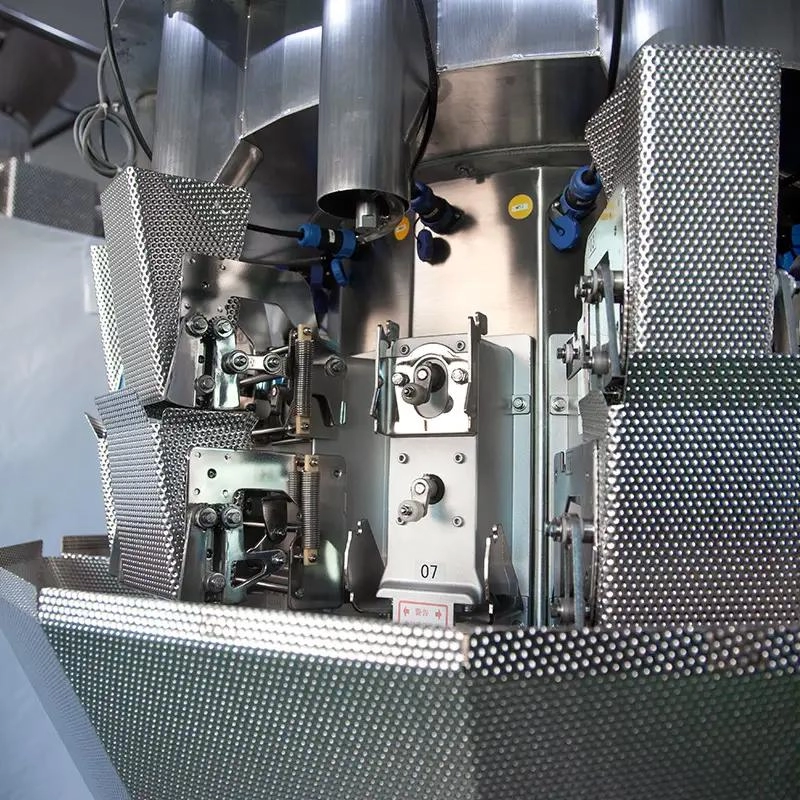
Top features to evaluate in a 14 head multihead weigher buying guide
Top Combination Weigher Brands and Manufacturer Comparison
Top Maintenance Tips for Combination Weighers 2026
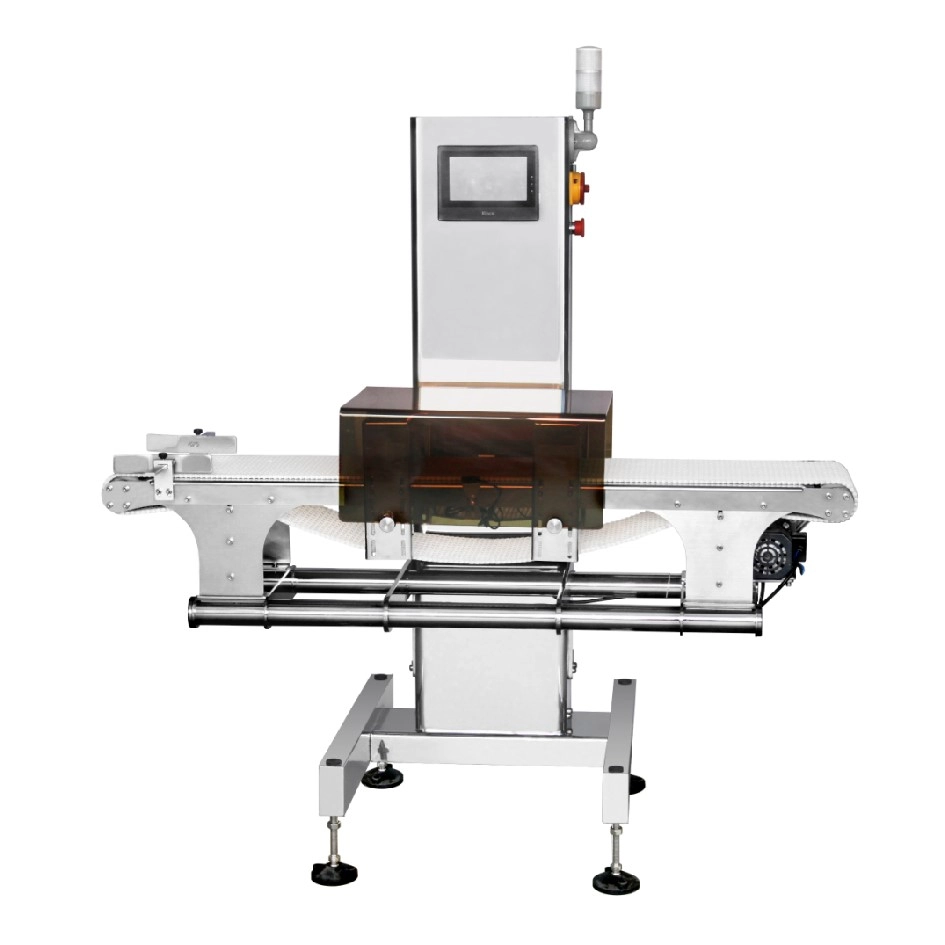
How to test metal detectors with aluminum test pieces
Prdoucts Categories
Question you may concern
About Cooperation Process
Can Kenwei customize equipment to meet my specific needs?
Yes! We offer customized solutions for all of our machines. Our team will work closely with you to understand your specific requirements and create a solution that meets your needs in terms of size, functionality, speed, and other factors.
Does Kenwei offer installation and training?
Yes, Kenwei provides installation services and comprehensive training to ensure that your team can operate the machinery efficiently. Our engineers can travel to your facility for on-site installation, and we also offer remote training options if needed.
About Product choice
Can Kenwei's machines be used in my industry?
Kenwei’s equipment is highly versatile and can be used across a wide range of industries, including:Food,Pharmaceuticals,Chemicals,Plastics and Agriculture.
Plastics If you're unsure whether our products are suitable for your industry, please contact us, and we can provide you with specific solutions tailored to your needs.
About Solution suggestions
Can Kenwei provide a solution for mixed-product weighing?
Yes, Kenwei’s multi-head weighers are ideal for mixed-product weighing. They can handle a variety of products in different shapes and sizes, ensuring that the correct portions are weighed and packaged quickly.
About After Sales Support
Can I get remote troubleshooting assistance?
Yes, Kenwei offers remote troubleshooting for certain issues. Our technical team can guide you through diagnostics and help resolve issues via phone, video call, or online messaging.
You may also like
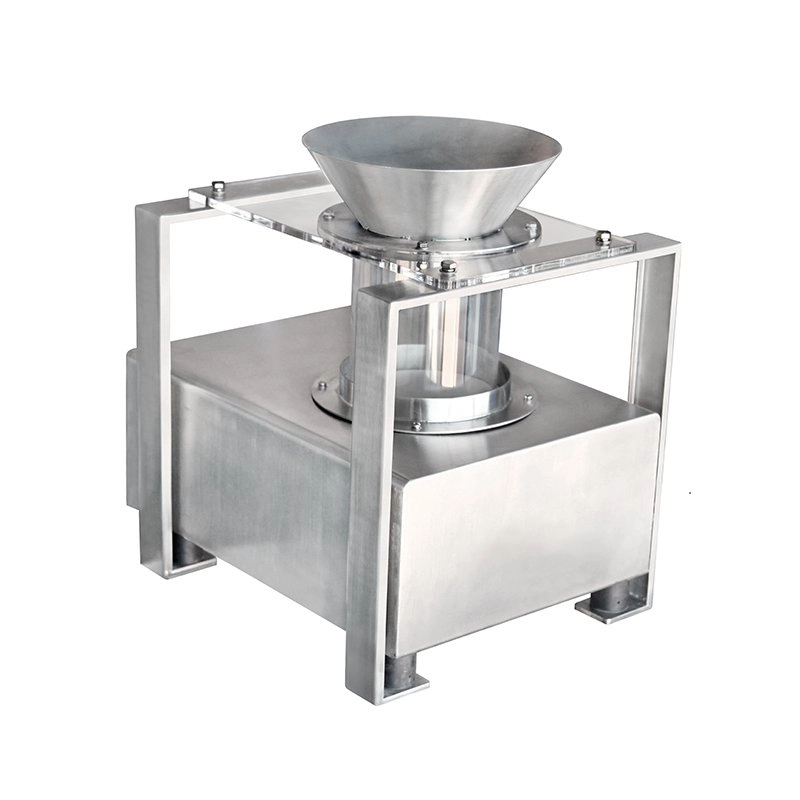
Dropped Metal Detector for Powder Granules For Food Industry
Enhance food safety with Kenwei’s Dropped Metal Detector for Powder Granules. This advanced food metal detector ensures precise detection in the food industry, safeguarding products and maintaining high quality standards throughout processing.
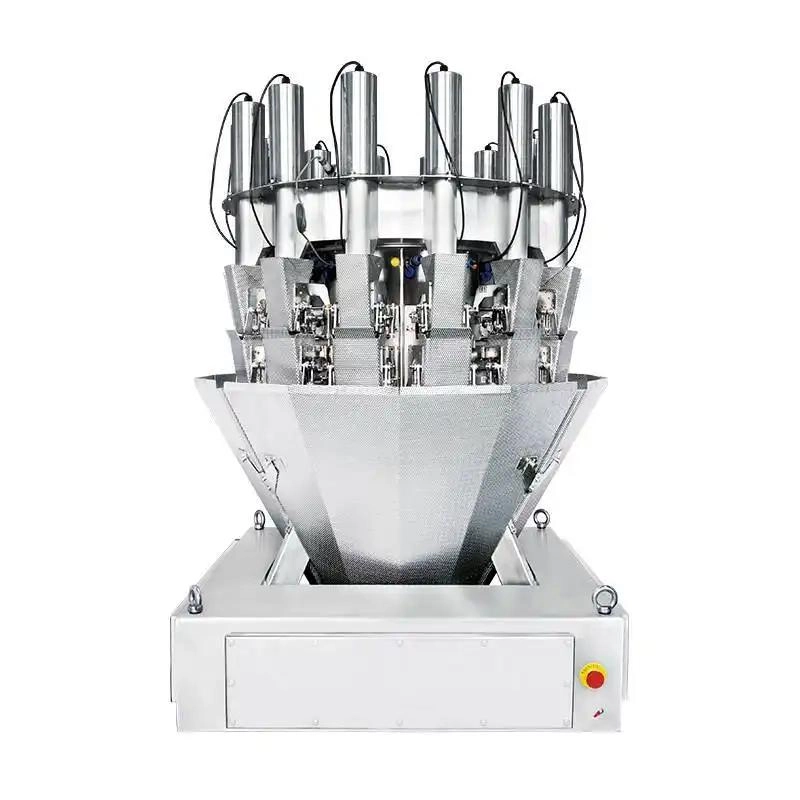
14 Heads Vertical Single Screw Feeding Pickles Weigher backups
This type of weigher is designed to handle the unique characteristics of pickles, ensuring precise measurements for packaging and distribution. It uses a vertical single screw mechanism to feed the pickles into the weighing system, allowing for efficient and consistent weighing. This technology is particularly useful in food processing and packaging facilities where precise portioning is essential for quality control and customer satisfaction. This specialized equipment is perfect for accurately measuring and dispensing pickles in a production line or packaging facility. The vertical design allows for efficient and precise filling of containers, while the single screw feeding mechanism ensures consistent and reliable weighing.
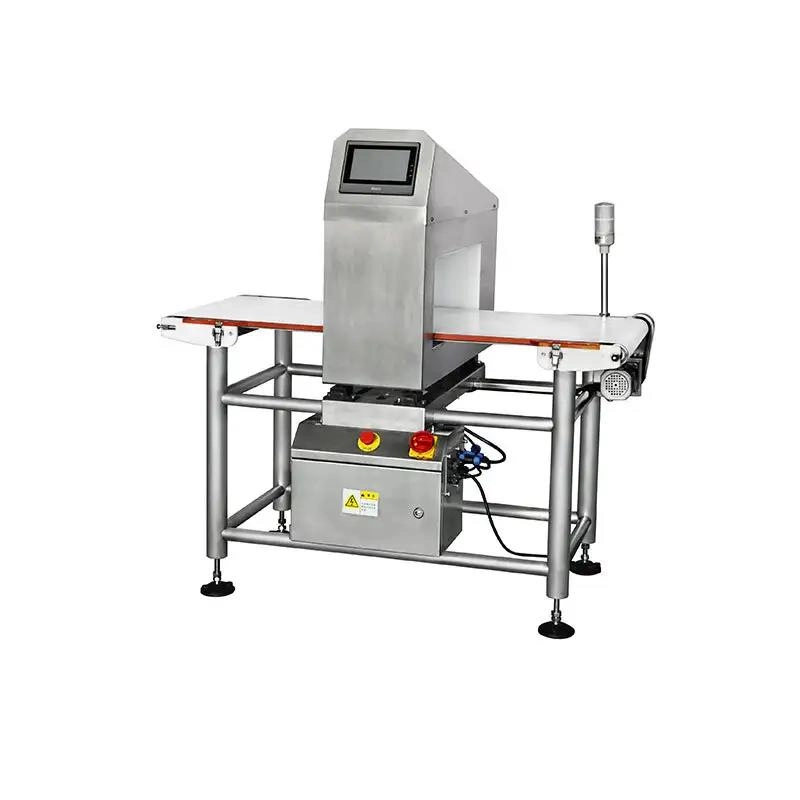
Food Metal Detector Manufacturer For Reject Defective Products G5020
The G5020 multi-frequency metal detector features a specialized conveyor belt designed to reduce contamination risks, ensure smooth operation, and maintain high detection sensitivity. It is easy to disassemble for convenient maintenance. Ideal for detecting metal contaminants in food, pharmaceuticals, spices, plastics, electronics, textiles, toys, handicrafts, and more.
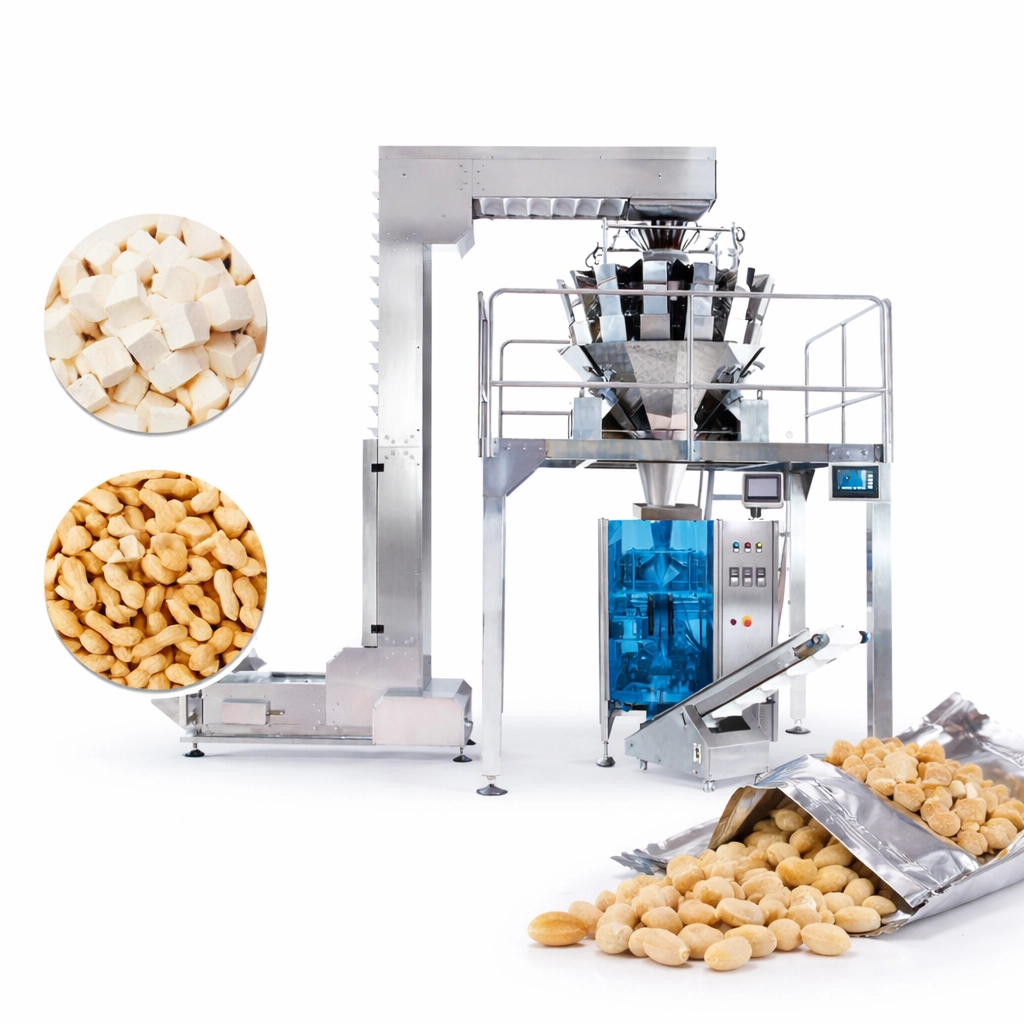
High-Precision Weighing & Packaging for Granular Products
The Granular Food Packing Machine is a fully automated solution designed for accurate weighing, filling, and packaging of various granular food products. Integrated with a multihead weigher and advanced packaging system, it ensures high speed, precision, and hygiene standards for modern food production.
Get in touch with us
If you have any comments or good suggestions, please leave us a message, later our professional staff will contact you as soon as possible.
Kenwei
Kenwei
Kenwei multi weigh
Kenwei
Kenwei
Kenwei