






Top 10 Integration Strategies with Multihead Weighers
This article outlines the top 10 practical integration strategies for pairing multihead weighers with metal detection systems in modern food packaging lines. It emphasizes solutions for aluminum foil-packaged products, including the Metal Detector for Aluminum Foil in the Food Industry, and explains installation points, signal compensation, reject logic, and validation methods to ensure accurate contamination detection and continuous production efficiency.
- Maximizing Accuracy in Automated Packaging Lines
- 1. Install the Metal Detector Immediately After the Multihead Weigher
- 2. Use a Dedicated Detector Tuned for Aluminum Foil Packaging
- 3. Synchronize Weigher Discharge Timing with Detection Zones
- Reducing False Rejects and Improving Throughput
- 4. Implement Signal Compensation and Dynamic Filtering
- 5. Configure Multi-Level Reject Logic
- 6. Match Conveyor and Transfer Speeds to Detection Bandwidth
- Data Integration, Validation and Regulatory Compliance
- 7. Integrate Detection Events with Line Control and Traceability
- 8. Perform Regular Validation and Calibration per Standards
- 9. Use Data Analytics to Optimize Settings and Reduce Waste
- Mechanical Integration and Maintenance Best Practices
- 10. Design Physical Layout and Maintenance Access for Easy Service
- Product Spotlight: Metal Detector for Aluminum Foil
- Maintenance Workflow and Operator Training
- Integration Comparison Table
- References and Standards
- FAQ

Integrating multihead weighers with robust metal detection like the Metal Detector for Aluminum Foil in the Food Industry for Accurate Contamination Detection is essential for food manufacturers seeking high yield, regulatory compliance, and consumer safety. This guide covers ten proven strategies—from physical layout and signal compensation to automated rejects and data management—so you can reduce false rejects, detect magnetic contaminants in aluminum-packaged items reliably, and keep throughput high.
Maximizing Accuracy in Automated Packaging Lines
1. Install the Metal Detector Immediately After the Multihead Weigher
Placing the metal detector for food industry applications directly after the multihead weigher and before the bag/forming/sealing station minimizes the risk of metal fragments introduced or shifted during subsequent handling. This location allows detection of contaminants before final package formation, reducing the chance of shipping contaminated products. For foil-packaged items such as coffee bags or chocolate, the 2415 Metal Detector for Aluminum Foil with high-sensitivity sensors is designed to filter out packaging signals while detecting magnetic metal foreign bodies.
2. Use a Dedicated Detector Tuned for Aluminum Foil Packaging
Standard metal detectors can struggle with conductive packaging like aluminum foil due to packaging effect (product-pack interaction). A detector specifically tuned with algorithms and sensitivity adjustments for aluminum foil packaging — such as the 2415 model — effectively removes packaging signal noise and focuses on true metallic signatures. This reduces false rejects and improves overall line efficiency.
3. Synchronize Weigher Discharge Timing with Detection Zones
Multihead weighers discharge intermittently; aligning the detector's sampling window with the weigher's drop timing improves detection reliability. Use HMI or PLC signals from the weigher to inform the metal detector when a product mass is passing through the head, allowing dynamic gate timing and reducing missed detections or spurious alarms.
Reducing False Rejects and Improving Throughput
4. Implement Signal Compensation and Dynamic Filtering
Advanced metal detectors provide dynamic filtering and adaptive signal processing to cancel out predictable effects from aluminum foil or varying product temperature. Configuring automatic tracking and multi-frequency detection modes helps differentiate between conductive packaging and actual metallic contaminants. This is especially beneficial for products with variable mass or moisture content.
5. Configure Multi-Level Reject Logic
Rather than a single binary reject action, use tiered reject strategies: soft reject (divert for re-check), hard reject (remove from line), and quarantine with visual/audible alerts. Tiered logic lets you hold marginal detections for secondary inspection or re-scan, which reduces waste while maintaining safety.
6. Match Conveyor and Transfer Speeds to Detection Bandwidth
Detection performance depends on the product dwell time within the detector aperture. Ensure conveyor speed and transfer belts are tuned so items remain within the detection zone long enough for the 2415 detector to analyze signals accurately. Slowing or indexing conveyors slightly sometimes reduces false rejects without impacting overall throughput.
Data Integration, Validation and Regulatory Compliance
7. Integrate Detection Events with Line Control and Traceability
Hook the metal detector's event outputs into the production line's MES/SCADA or PLC to record rejects, alarm history, and detector settings for traceability. Centralized logs support corrective action and can be part of HACCP or preventive control documentation. Many facilities integrate detector logs with weigh data from multihead weighers for trend analysis and root-cause investigations.
8. Perform Regular Validation and Calibration per Standards
Follow food-safety and quality management standards such as ISO 22000 and FSMA preventive controls guidance from the U.S. Food and Drug Administration (FDA). Validate detector sensitivity with appropriate test pieces across the conveyor width and height. Maintain calibration records (ideally automated) and conduct periodic verification to stay audit-ready.
9. Use Data Analytics to Optimize Settings and Reduce Waste
Analyze reject rates, false positives, and product throughput to find patterns—e.g., higher false rejects at a certain time of day or for a particular SKU. Use these insights to tweak detector frequency, conveyor speed, or weigher distribution logic. The combination of historical weigher distribution data and detector event logs improves decision-making and reduces costly over-rejection.
Mechanical Integration and Maintenance Best Practices
10. Design Physical Layout and Maintenance Access for Easy Service
Allow sufficient space for operator access, cleaning, and metal detector coil service. The 2415 detector offers maximum width of 24mm and height range of 20–150mm; choose mounting fixtures that permit height adjustments and easy removal of the detector pocket for cleaning. Ease of maintenance reduces downtime and keeps sensitivity stable.
Product Spotlight: Metal Detector for Aluminum Foil
The 2415 Metal Detector for Aluminum Foil is equipped with high-sensitivity sensors that effectively filter out signals from aluminum packaging, ensuring precise detection of magnetic metal contaminants. Ideal for detecting foreign bodies in aluminum foil-packaged items such as coffee bags, peanuts, dried meats, chocolate, and more. This versatile metal detector offers adjustable settings, with a maximum width of 24mm and height ranging from 20-150mm, making it suitable for a wide variety of aluminum foil packaging applications.
Maintenance Workflow and Operator Training
Ensure operators are trained to run signal checks, perform daily test piece verification, and react correctly to different reject levels. Create simple SOPs for frequency checks, coil inspections, and cleaning to prevent residue buildup that could affect sensitivity. Training and clear SOPs are vital to maintain E-E-A-T aligned practices for food safety.
Integration Comparison Table
| Integration Point | Primary Benefit | Challenge |
|---|---|---|
| After Multihead Weigher, Before Bagging | Detects contaminants before sealing; minimizes customer risk | Requires timing sync with weigher discharge |
| Inline after Bagging/Sealing | Detects contaminants that may be introduced during bagging | Aluminum foil package effect higher; need foil-tuned detector |
| Dual-Station (pre & post-seal) | Best coverage; catches contaminants introduced at multiple points | Higher capital & footprint; complex reject logic |
| Integrated MES/SCADA Logging | Traceability, trend analysis, faster root cause ID | Requires standardized data protocols (OPC-UA/ Modbus/EtherNet/IP) |
References and Standards
- Metal detector overview — Wikipedia
- ISO 22000 — Food safety management systems
- FDA — Food Safety Modernization Act (FSMA) guidance
- Metal Detection in Food Processing — Food Safety Magazine
- Multihead Weighers — Industry overview (Ishida)
FAQ
- Q: Why is a dedicated metal detector for aluminum foil necessary?
A: Aluminum foil is conductive and generates a packaging signal that can mask or mimic metal contamination. Dedicated detectors like the 2415 use high-sensitivity sensors and filtering algorithms to neutralize the packaging effect and focus on true metallic signatures, reducing false rejects while maintaining detection sensitivity.
- Q: Where is the best place to install a metal detector relative to a multihead weigher?
A: Typically immediately after the multihead weigher and before the bagging/sealing station. This placement detects foreign bodies before final packaging steps, enabling safe removal and reducing the risk of shipping contaminated product.
- Q: How often should metal detectors be validated?
A: Daily sensitivity checks with test pieces are common operational practice, with documented calibration and verification performed monthly or per your HACCP/ISO/FDA audit schedule. Follow supplier recommendations and relevant standards like ISO 22000 and FSMA guidance from the FDA.
- Q: Can integration reduce false rejects without sacrificing safety?
A: Yes. By combining tuned detectors for foil, synchronized timing with multihead weighers, dynamic filtering, and tiered reject logic, you can substantially lower false rejects while maintaining or improving detection rates.
- Q: What product types is the 2415 Metal Detector best suited for?
A: It’s ideal for aluminum foil-packaged products such as coffee bags, peanuts, dried meats, chocolate, and other snack items where conductive packaging would otherwise compromise detection. Its adjustable aperture (width up to 24mm, height 20–150mm) supports diverse packaging formats.
For more detailed advice on integrating a metal detector with your multihead weigher line, or to request a demo of the Metal Detector for Aluminum Foil in the Food Industry for Accurate Contamination Detection, contact our sales team or view the product page.
Tags
food packing machine
food packing machine
Check Weigher
Check Weigher
customized multihead weigher packing machine
customized multihead weigher packing machine
china food metal detector
china food metal detector
china multihead weighing machine
china multihead weighing machine
Rotating Collecting Tables
Rotating Collecting Tables
Recommended for you

How Food Metal Detectors Prevent Contamination in Production
How a Multihead Weigher Powers a Food Packing Machine
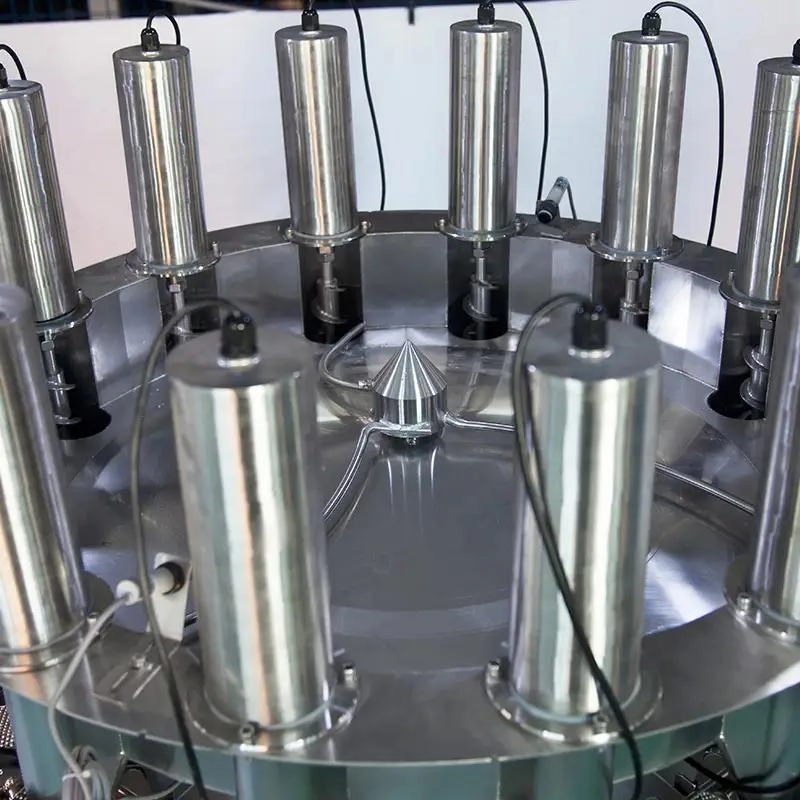
Optimize speed and accuracy on 14 head multihead weighers for pickles
Where to Buy metal detector for food industry
Prdoucts Categories
Question you may concern
About Product choice
How do I choose the right product for my business?
Choosing the right machine depends on several factors:
Product Type: Different machines are suited for different products (e.g., powder, granules, etc.).
Production Capacity: Consider the volume of products you need to process and the speed requirements.
Customization: If you have specific needs, such as the need for unique features or sizes, we offer customization options.
What is the average lifespan of Kenwei products?
Kenwei machines are built for durability and longevity. With proper maintenance, our products are designed to last for many years, even under heavy usage. We offer maintenance services and support to help extend the lifespan of your machines.
About products customization
How do I request a custom-built Kenwei machine?
To request a customized machine, simply contact our sales or engineering team.
About Logistics
How long does logistics delivery take?
Shipping times depend on your location and the shipping method you choose. Generally speaking, international shipping can take anywhere from a few weeks to a few months.
About Cooperation Process
How does Kenwei ensure the quality of its machines?
Kenwei has a stringent quality control system in place. Each machine is rigorously tested for precision, speed, and reliability before it is shipped.
You may also like
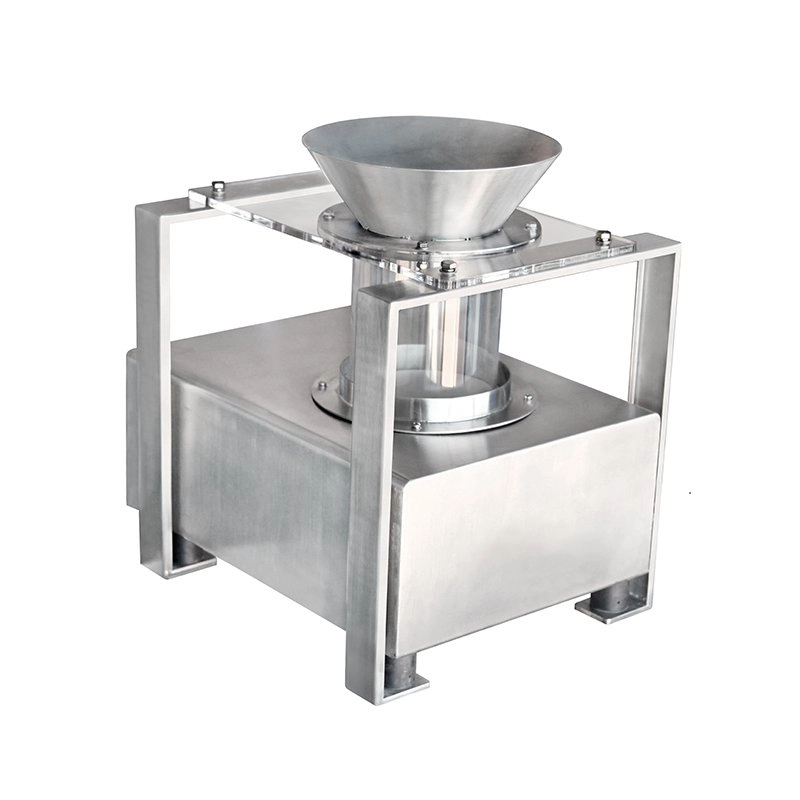
Dropped Metal Detector for Powder Granules For Food Industry
Enhance food safety with Kenwei’s Dropped Metal Detector for Powder Granules. This advanced food metal detector ensures precise detection in the food industry, safeguarding products and maintaining high quality standards throughout processing.
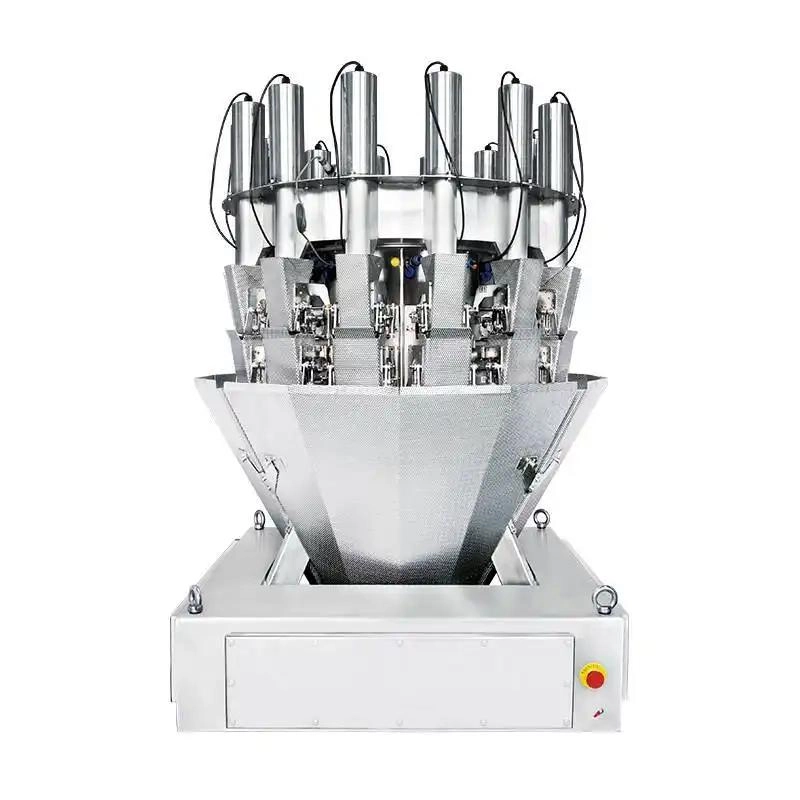
14 Heads Vertical Single Screw Feeding Pickles Weigher backups
This type of weigher is designed to handle the unique characteristics of pickles, ensuring precise measurements for packaging and distribution. It uses a vertical single screw mechanism to feed the pickles into the weighing system, allowing for efficient and consistent weighing. This technology is particularly useful in food processing and packaging facilities where precise portioning is essential for quality control and customer satisfaction. This specialized equipment is perfect for accurately measuring and dispensing pickles in a production line or packaging facility. The vertical design allows for efficient and precise filling of containers, while the single screw feeding mechanism ensures consistent and reliable weighing.
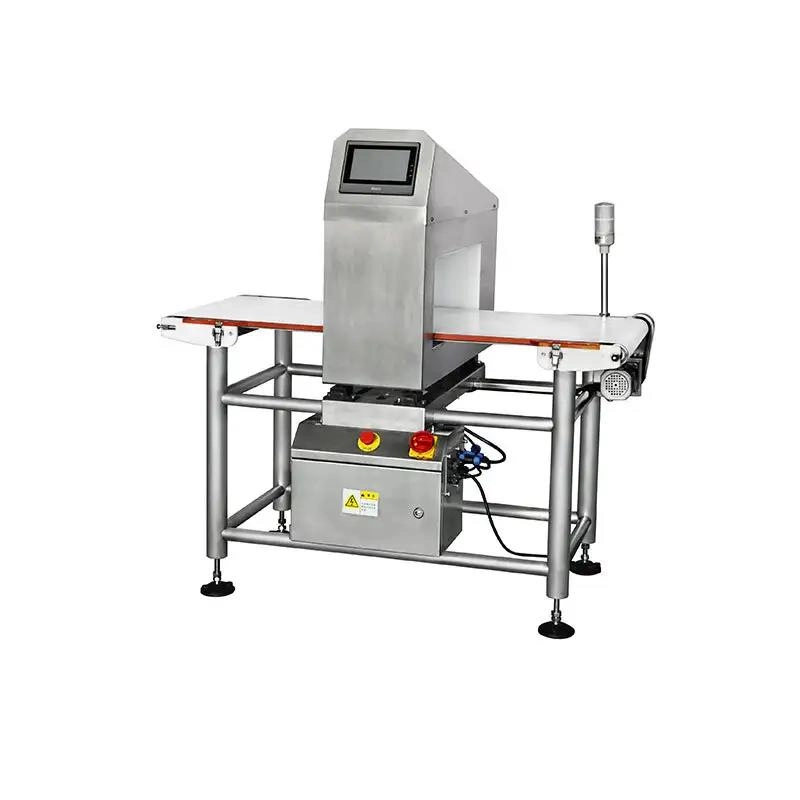
Food Metal Detector Manufacturer For Reject Defective Products G5020
The G5020 multi-frequency metal detector features a specialized conveyor belt designed to reduce contamination risks, ensure smooth operation, and maintain high detection sensitivity. It is easy to disassemble for convenient maintenance. Ideal for detecting metal contaminants in food, pharmaceuticals, spices, plastics, electronics, textiles, toys, handicrafts, and more.
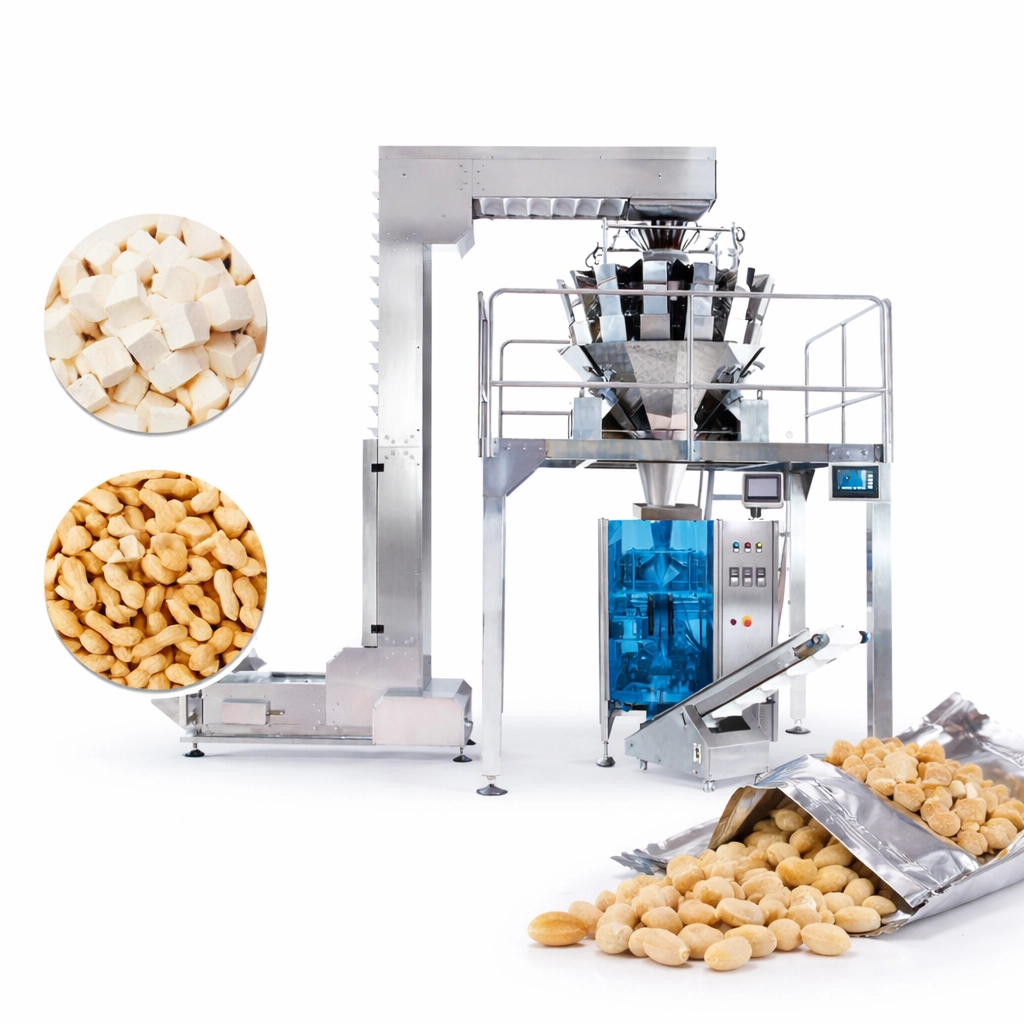
High-Precision Weighing & Packaging for Granular Products
The Granular Food Packing Machine is a fully automated solution designed for accurate weighing, filling, and packaging of various granular food products. Integrated with a multihead weigher and advanced packaging system, it ensures high speed, precision, and hygiene standards for modern food production.
Get in touch with us
If you have any comments or good suggestions, please leave us a message, later our professional staff will contact you as soon as possible.
Kenwei
Kenwei
Kenwei multi weigh
Kenwei
Kenwei
Kenwei