






Top 10 Installation Tips for Food Industry Metal Detectors
A practical, expert guide to installing a metal detector for food industry applications—covering planning, mechanical and electrical integration, calibration, validation, and maintenance. This post focuses on optimizing detection of contaminants in aluminum foil-packaged products and highlights best practices to ensure regulatory compliance and consistent product safety.
- Pre-installation Planning and Site Considerations
- 1. Conduct a full site and process survey
- 2. Choose the right location on the line
- 3. Environmental controls and hygiene zones
- Mechanical and Electrical Installation Best Practices
- 4. Integrate with conveyor mechanics and product presentation
- 5. Grounding, cable routing, and EMI management
- 6. Power supply and surge protection
- Calibration, Testing and Validation
- 7. Use product-specific calibration and product effect compensation
- 8. Establish testing frequency and validation protocol
- 9. Use standardized test pieces and traceable procedures
- Maintenance, Troubleshooting and Training
- 10. Implement routine maintenance and quick-check routines
- 11. Troubleshoot common issues with a systematic approach
- 12. Train operators and maintain documentation
- Practical Tips Specific to Aluminum Foil-Packaged Products
- 13. Understand foil's effect and use foil-aware detectors
- 14. Optimize conveyor aperture size and product spacing
- 15. Combine technologies for high-risk products
- Quick Reference: Sensitivity Guidance and Typical Detectable Sizes
- Standards, References and Further Reading
- FAQs
- Q1: Why does aluminum foil make metal detection harder?
- Q2: How often should I validate my metal detector?
- Q3: Can a metal detector find non-metal contaminants?
- Q4: Is the 2415 Metal Detector suitable for all foil-packaged products?
- Q5: What documentation should I keep for audits?
- Contact & Product Information

Installing a metal detector for the food industry requires careful planning across site layout, electromagnetic considerations, conveyor integration, sensitivity calibration, and ongoing validation. Proper installation reduces false rejects, maintains detection performance—especially for challenging packaging like aluminum foil—and helps meet food safety standards such as ISO 22000 and regulatory expectations from agencies like the FDA. Below are practical, prioritized installation tips to maximize uptime, detection accuracy, and regulatory compliance for systems designed to detect metallic contaminants in food products.
Pre-installation Planning and Site Considerations
1. Conduct a full site and process survey
Before selecting or installing any metal detector for food industry use, perform a detailed site survey of the production line. Map conveyor layouts, product flow direction, nearby machinery (motors, VFDs, ovens), and potential sources of electromagnetic interference (EMI). Early identification of interference sources helps avoid placement that would degrade sensitivity and increases the chance of a clean installation.
2. Choose the right location on the line
Position the metal detector after processes that could introduce metal contamination (e.g., grinding, cutting, filling), but before packaging steps where product shape or packaging will complicate detection. For products in aluminum foil packaging, place the unit where the product headspace and orientation are most consistent—this helps the detector compensate for product effect and packaging noise.
3. Environmental controls and hygiene zones
Install metal detectors in compliance with hygiene zoning: washdown-capable detectors in wet zones and IP-rated enclosures where necessary. Verify ambient temperature and humidity limits for the selected metal detector and ensure that cleaning protocols won't damage sensors or electronics. Proper environmental protection preserves long-term sensitivity and reduces downtime for repairs.
Mechanical and Electrical Installation Best Practices
4. Integrate with conveyor mechanics and product presentation
Mechanical integration affects both detection and rejection accuracy. Maintain steady, centered product presentation through the inspection aperture. Use center rails, guides or flights to ensure consistent orientation, especially for small items such as coffee bags, chocolates, or small snack packs. For belt conveyors, ensure the belt is non-metallic around the aperture and free of metal fasteners that could create background noise.
5. Grounding, cable routing, and EMI management
Proper grounding and cable routing are vital. Run signal and power cables separately from heavy motor or VFD cables. Ground the detector frame to the plant ground to minimize interference. If nearby equipment creates EMI, use grounded shielding or relocate the detector. These steps reduce false trips and protect detection sensitivity.
6. Power supply and surge protection
Provide stable power with HVAC-friendly surge protection and isolation where appropriate. Voltage fluctuations and noisy power can affect detector electronics and sensor stability. Consider adding an uninterruptible power supply (UPS) to prevent reboots during critical runs and to allow graceful shutdowns when power quality is poor.
Calibration, Testing and Validation
7. Use product-specific calibration and product effect compensation
Different products and packaging cause varying 'product effect'—the detector signal produced by the product itself. For aluminum foil-packaged goods, a standard metal detector may be desensitized by the packaging. The Metal Detector for Aluminum Foil in the Food Industry for Accurate Contamination Detection is engineered to handle this:
The 2415 Metal Detector for Aluminum Foil is equipped with high-sensitivity sensors that effectively filter out signals from aluminum packaging, ensuring precise detection of magnetic metal contaminants. Ideal for detecting foreign bodies in aluminum foil-packaged items such as coffee bags, peanuts, dried meats, chocolate, and more. This versatile metal detector offers adjustable settings, with a maximum width of 24mm and height ranging from 20-150mm, making it suitable for a wide variety of aluminum foil packaging applications.
During calibration, create and store product profiles for each SKU: use representative samples, run known-size test pieces (ferrous, non-ferrous, and stainless), and adjust sensitivity to find the best balance between detection performance and false reject rate. Where possible, use automatic product compensation features to maintain consistent sensitivity across product variations.
8. Establish testing frequency and validation protocol
Validate performance using documented test pieces at a defined frequency (e.g., start of shift, after product changeover, after maintenance). Record results in a log to demonstrate ongoing control. Regulatory frameworks and food safety best practices expect documented validation—see ISO 22000 for food safety management system expectations (ISO 22000).
9. Use standardized test pieces and traceable procedures
Adopt test pieces and procedures aligned with recognized guidance. The FDA and other agencies stress prevention and hazard analysis; ensuring traceable validation helps during audits. Use three-material testing (ferrous, non-ferrous, stainless) and include tests with the product in its primary packaging—especially important when packaging contains aluminum foil that can mask or alter signals. For high-risk lines, increase test frequency and keep sample records.
Maintenance, Troubleshooting and Training
10. Implement routine maintenance and quick-check routines
Create a routine maintenance schedule: clean the aperture and conveyor area, verify belt tension and alignment, check cable connectors, and review alarm logs. Quick-check procedures at every shift (visual inspection + test piece) minimize risk of undetected failures and support rapid corrective action when needed.
11. Troubleshoot common issues with a systematic approach
Common installation/operation issues include false rejects, missed detections, and erratic alarms. Troubleshooting steps:- Verify ground and cable routing.- Re-run calibration with a known-good product profile.- Check conveyor mechanical alignment and product presentation.- Inspect for nearby intermittent EMI sources (e.g., motors that cycle on/off).Document each step so recurring problems can be escalated to engineering or vendor support for deeper analysis.
12. Train operators and maintain documentation
Human factors are frequently the weakest link. Train staff on product changeovers, product profiles, quick-checks, alarm response, and how to record validation logs. Keep easy-to-follow SOPs near the line, and ensure vendor contact information for rapid escalation. Well-trained operators reduce downtime and maintain consistent metal detection performance.
Practical Tips Specific to Aluminum Foil-Packaged Products
13. Understand foil's effect and use foil-aware detectors
Aluminum foil causes eddy currents and can mask or alter metal detector signals. Choose detectors with foil compensation or use the model specifically engineered for foil packaging, like the 2415 Metal Detector for Aluminum Foil. These systems apply algorithms and high-sensitivity sensors to filter foil signals while maintaining detection of magnetic contaminants.
14. Optimize conveyor aperture size and product spacing
For small foil pouches, tighter aperture sizes reduce detector coil area and improve signal-to-noise ratio. Keep consistent spacing to avoid two products in the aperture simultaneously, which can create a larger product effect and unpredictable signals. If your production speed varies, consider multi-scan modes or reject verification sensors downstream.
15. Combine technologies for high-risk products
In critical applications (e.g., products for immunocompromised consumers, baby food), consider pairing metal detection with complementary methods such as X-ray for dense contaminants or vision systems for packaging integrity. Each technology has strengths: metal detectors are excellent for small metallic pieces, while X-rays can detect glass, stone, and high-density non-metallic contaminants. For guidance on layered food safety systems, see Codex Alimentarius and FSMS principles (Codex Alimentarius).
Quick Reference: Sensitivity Guidance and Typical Detectable Sizes
The table below provides example sensitivity guidance. These are typical ranges—actual detectability depends on the product matrix, packaging, product orientation, and detector model. Use as a starting point only and always validate with test pieces in-line.
| Material | Recommended Sensitivity Range (typical) | Typical Minimum Detectable Size (mm) | Notes |
|---|---|---|---|
| Ferrous | High | 0.5 - 1.5 mm | Best detected; use conservative setting in noisy environments |
| Non-ferrous (copper/aluminum) | Medium | 1.0 - 3.0 mm | Aluminum in packaging can mask; use foil-aware detector |
| Stainless (austenitic) | Lower | 2.0 - 6.0 mm | Harder to detect; validate with representative test pieces |
Standards, References and Further Reading
Installations should align with food safety management expectations and documented validation. Useful, authoritative references include:
- ISO 22000 — Food safety management systems (ISO)
- U.S. Food and Drug Administration — Food Safety (FDA)
- Codex Alimentarius — FAO/WHO (international food standards)
- Metal detector — overview and technology (Wikipedia)
FAQs
Q1: Why does aluminum foil make metal detection harder?
A: Aluminum foil induces eddy currents and changes the electromagnetic field used by metal detectors, creating a product effect that can mask metal contaminants. Specialized detectors and product compensation techniques are used to filter foil signals and retain contaminant sensitivity.
Q2: How often should I validate my metal detector?
A: Minimum validation is recommended at shift start, after product changeovers, and after any maintenance or environmental change. High-risk lines may require more frequent checks. Always document test results to meet audit requirements and food safety management system expectations.
Q3: Can a metal detector find non-metal contaminants?
A: No. Metal detectors are designed to detect metallic contaminants only. Use complementary technologies such as X-ray systems for non-metallic hazards like glass, stone, or dense plastics.
Q4: Is the 2415 Metal Detector suitable for all foil-packaged products?
A: The 2415 Metal Detector for Aluminum Foil is optimized for foil-packaged items including coffee bags, peanuts, dried meats, and chocolates. Its adjustable aperture and high-sensitivity sensors make it versatile, but final suitability depends on product size, speed, and packaging. Validate in your line with representative samples.
Q5: What documentation should I keep for audits?
A: Maintain installation records, product profiles, validation logs (test piece results), maintenance records, and SOPs for operator checks. These records demonstrate control and support compliance with standards like ISO 22000 and regulatory expectations from authorities such as the FDA.
Contact & Product Information
If you need tailored advice for your line or want to see the Metal Detector for Aluminum Foil in the Food Industry for Accurate Contamination Detection in action, contact our technical sales team or view the product page for specifications and integration support. For a consultation, visit our Contact Page or view the product details at Metal Detector 2415 - Product Page.
Note: This guide provides practical best practices. Always validate with your product and follow local regulatory requirements and guidance.
Tags
multihead weigher software
multihead weigher software
china food metal detector
china food metal detector
metal detector for food processing industry
metal detector for food processing industry
packaging machine manufacturer
packaging machine manufacturer
packaging machine of powder
packaging machine of powder
multihead weighing machine factory
multihead weighing machine factory
Recommended for you
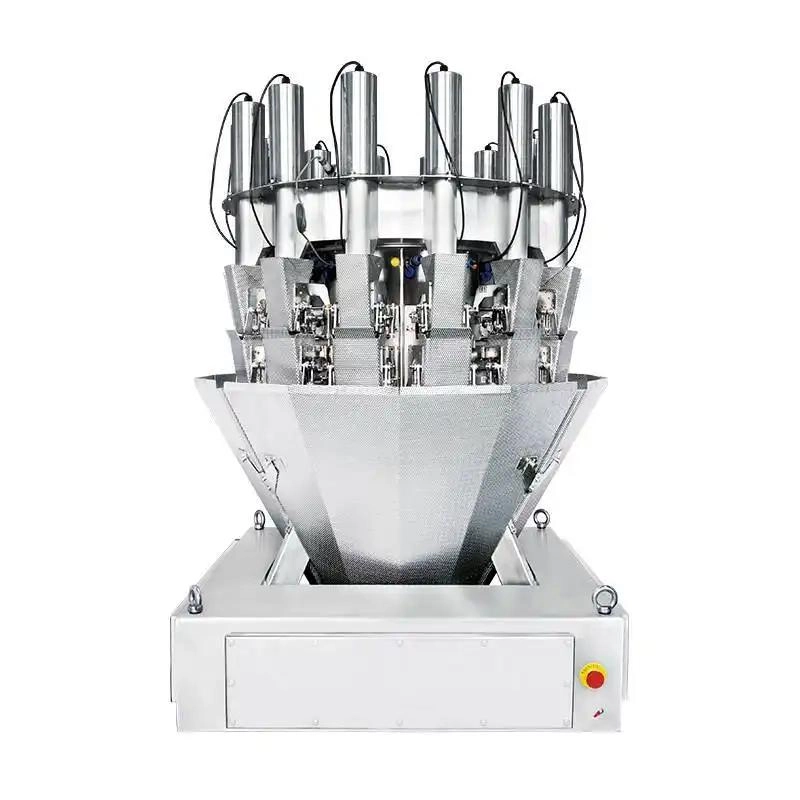
Best 14-Head Vertical Multihead Weighers: Features & Benefits
The dynamic checkweigher Cost Guide
Case Study: Reducing Recalls with Food Metal Detector Upgrades
Procurement Guide: Evaluating JW-B20 Powder Packing Machine
Prdoucts Categories
Question you may concern
About Cooperation Process
Does Kenwei offer installation and training?
Yes, Kenwei provides installation services and comprehensive training to ensure that your team can operate the machinery efficiently. Our engineers can travel to your facility for on-site installation, and we also offer remote training options if needed.
Can Kenwei customize equipment to meet my specific needs?
Yes! We offer customized solutions for all of our machines. Our team will work closely with you to understand your specific requirements and create a solution that meets your needs in terms of size, functionality, speed, and other factors.
About Solution suggestions
What industries benefit the most from Kenwei solutions?
Kenwei solutions are ideal for a wide range of industries, including:
1)Food Packaging snacks, grains, and powdered beverages.
2)Pharmaceuticals: Precise weighing of tablets, and capsules.
3)Chemicals: Weighing and packaging granular and powdered chemicals.
4)Agriculture: Packaging seeds, grains, and fertilizers.
About Price and payment
Can I get a detailed quote before making a purchase?
Absolutely! We provide detailed quotes that break down the costs for the machines, customization, shipping, and any additional services. Please contact our sales team with your requirements to receive a customized quote.
About Logistics
How long does logistics delivery take?
Shipping times depend on your location and the shipping method you choose. Generally speaking, international shipping can take anywhere from a few weeks to a few months.
You may also like
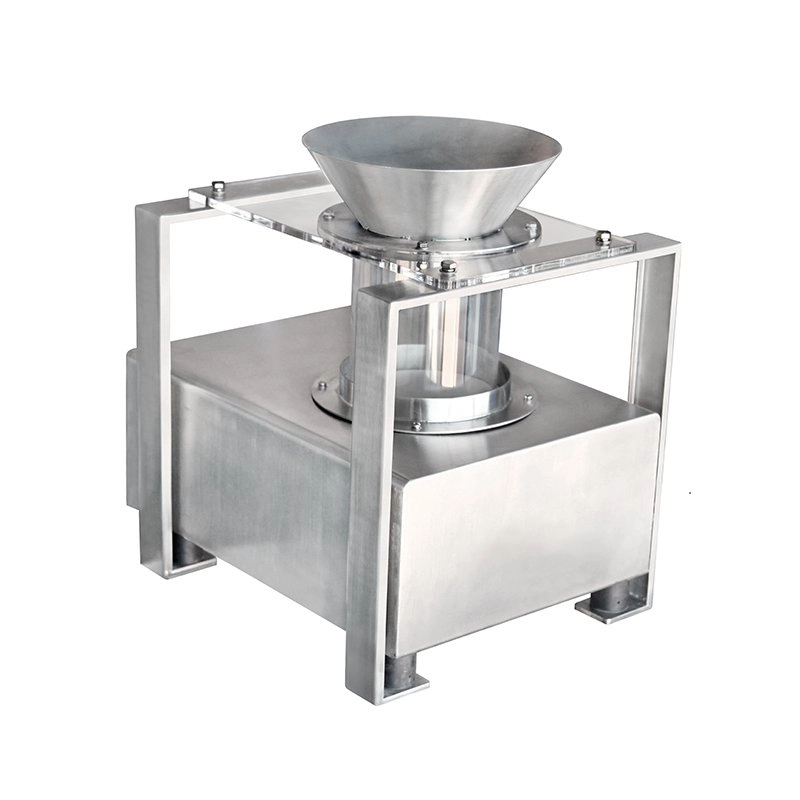
Dropped Metal Detector for Powder Granules For Food Industry
Enhance food safety with Kenwei’s Dropped Metal Detector for Powder Granules. This advanced food metal detector ensures precise detection in the food industry, safeguarding products and maintaining high quality standards throughout processing.
14 Heads Vertical Single Screw Feeding Pickles Weigher backups
This type of weigher is designed to handle the unique characteristics of pickles, ensuring precise measurements for packaging and distribution. It uses a vertical single screw mechanism to feed the pickles into the weighing system, allowing for efficient and consistent weighing. This technology is particularly useful in food processing and packaging facilities where precise portioning is essential for quality control and customer satisfaction. This specialized equipment is perfect for accurately measuring and dispensing pickles in a production line or packaging facility. The vertical design allows for efficient and precise filling of containers, while the single screw feeding mechanism ensures consistent and reliable weighing.
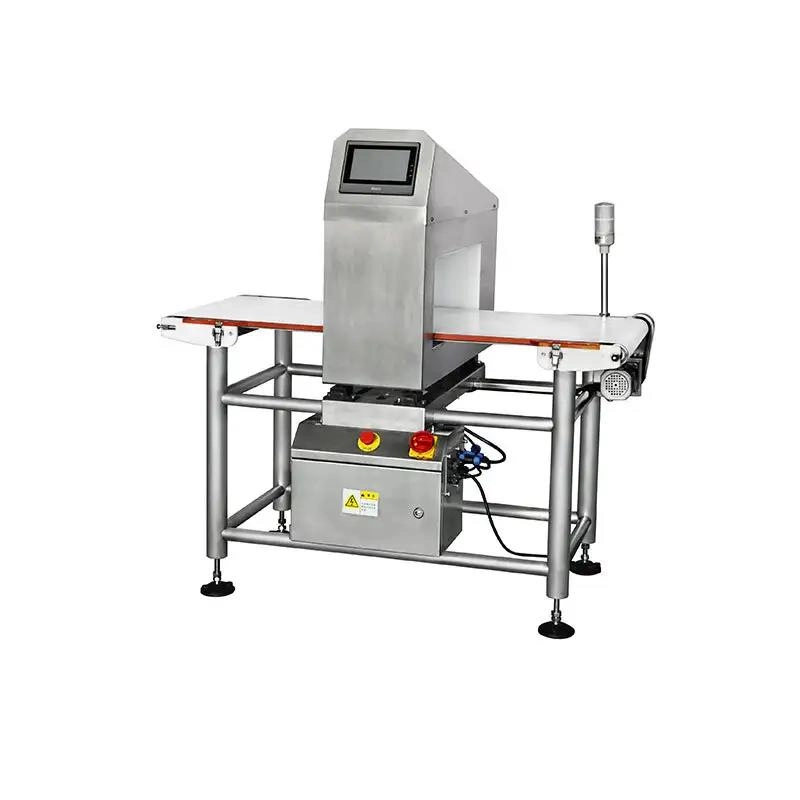
Food Metal Detector Manufacturer For Reject Defective Products G5020
The G5020 multi-frequency metal detector features a specialized conveyor belt designed to reduce contamination risks, ensure smooth operation, and maintain high detection sensitivity. It is easy to disassemble for convenient maintenance. Ideal for detecting metal contaminants in food, pharmaceuticals, spices, plastics, electronics, textiles, toys, handicrafts, and more.
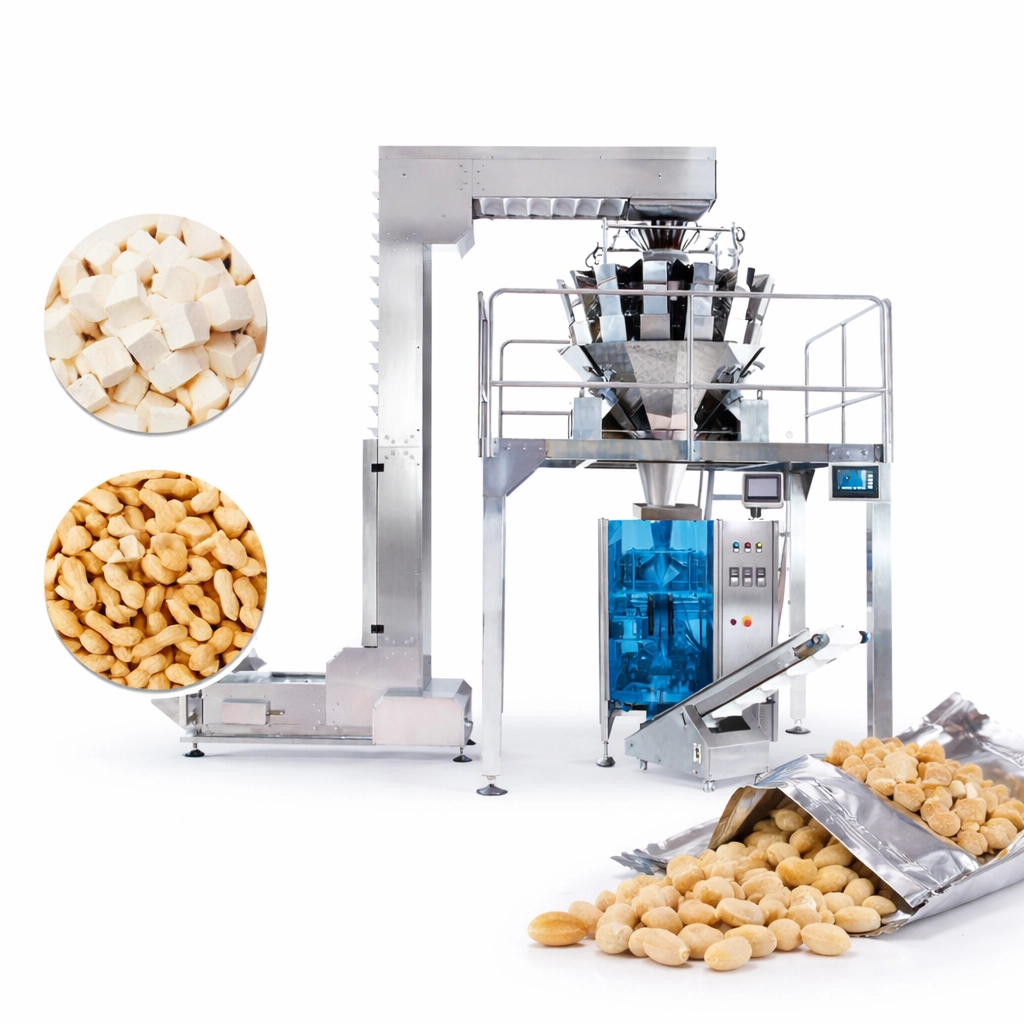
High-Precision Weighing & Packaging for Granular Products
The Granular Food Packing Machine is a fully automated solution designed for accurate weighing, filling, and packaging of various granular food products. Integrated with a multihead weigher and advanced packaging system, it ensures high speed, precision, and hygiene standards for modern food production.
Get in touch with us
If you have any comments or good suggestions, please leave us a message, later our professional staff will contact you as soon as possible.
Kenwei
Kenwei
Kenwei multi weigh
Kenwei
Kenwei
Kenwei