






Top 10 Inspection Line Configurations for Aluminum Foil
This article explains the top 10 inspection line configurations for aluminum-foil packaged food products and how to implement high-sensitivity metal detection. It covers signal challenges from foil packaging, recommended line layouts, validation and compliance tips, and how the 2415 Metal Detector for Aluminum Foil supports accurate foreign-body detection in the food industry.
- Understanding the aluminum-foil challenge and why configuration matters
- Signal challenges with aluminum packaging
- Health, economic and regulatory risks
- Top 10 inspection line configurations for aluminum foil
- Configurations 1–3: Simple inline setups (low to medium throughput)
- Configurations 4–7: Advanced inline with automated rejection (medium to high throughput)
- Configurations 8–10: High-sensitivity and combination systems (high throughput / high risk)
- Integrating a metal detector for food industry: best practices
- Placement, conveyor design and grounding
- Tuning, sensitivity and validation
- Product spotlight: Metal Detector for Aluminum Foil in the Food Industry for Accurate Contamination Detection
- Maintenance, monitoring and regulatory compliance
- Routine maintenance and calibration
- Testing, recordkeeping and audits
- Troubleshooting common foil-related issues
- Selecting the right system and final recommendations
- Choosing by risk, throughput and ROI
- Standards and authoritative references
- Implementation checklist
- FAQ — Frequently Asked Questions
- Q: Can a metal detector detect metal through aluminum foil packaging?
- Q: What is the difference between a metal detector and an X-ray inspection for foil-packaged products?
- Q: How often should I run validation tests on my metal detector?
- Q: Will the 2415 Metal Detector work with my existing packaging line?
- Q: What test pieces should I use for validation?

Aluminum foil packaging introduces specific signal challenges for metal detection in the food industry. Proper inspection line configuration, metal detector selection, and validation protocols are essential to reliably find magnetic metal contaminants without excessive false rejects. This guide outlines the top 10 inspection line configurations for aluminum foil, offers practical implementation and compliance advice, and highlights how the Metal Detector for Aluminum Foil in the Food Industry for Accurate Contamination Detection (2415 Metal Detector) solves common issues with aluminum-packaged products.
Understanding the aluminum-foil challenge and why configuration matters
Signal challenges with aluminum packaging
Aluminum foil creates a strong background signal and variable noise for coil-based metal detectors because it is conductive and can generate eddy currents. These signals can mask or mimic the signature of magnetic metal contaminants, especially small ferrous particles. An optimized inspection line configuration and a metal detector for food industry use that includes foil compensation are necessary to maintain sensitivity without raising false rejects.
Health, economic and regulatory risks
Undetected metal fragments risk consumer safety, costly recalls, and damage to brand reputation. Global food safety frameworks such as ISO 22000 (ISO 22000) and food-safety programs under the FDA (FSMA) require validated controls for foreign-body detection. Using validated inspection line configurations and regularly tested detectors reduces regulatory and commercial risk.
Top 10 inspection line configurations for aluminum foil
Configurations 1–3: Simple inline setups (low to medium throughput)
These setups are economical and suitable for lower-speed or small-batch production of aluminum-foil packaged products.
- Config 1 — Single-head Inline Metal Detector (End-of-line): Metal detector positioned before secondary packing or shipping. Best for slow lines and small batch verification. Easy to install and validate but not suitable if primary packaging must be inspected.
- Config 2 — Infeed Metal Detector (Pre-sealer): Detects contaminants before sealing. Especially useful for coffee bags and small pouches. Reduces risk of sealing contaminated product but requires synchronization with the sealer.
- Config 3 — Single-stage with Manual Reject Station: Inline detection with a manual reject table. Cost-effective for low-volume operations; manual handling increases labor and QA burden.
Configurations 4–7: Advanced inline with automated rejection (medium to high throughput)
Automated rejection lowers manual handling and improves throughput. These configurations apply to peanut, snack, confectionery, and dried meat lines.
- Config 4 — Inline Metal Detector + Automatic Pusher Reject: Fast actuation ideal for consistent pouch positions (e.g., pillow packs, sachets). Good balance of speed and reliability.
- Config 5 — Inline Metal Detector + Air Blast Reject: Non-contact reject for fragile products where mechanical push might damage packaging. Requires proper timing and compressed air infrastructure.
- Config 6 — Dual-stage Detection (Pre & Post Packaging): Detector before primary packaging to catch contaminants in product, followed by detector after packaging to verify no contamination occurred during sealing or filling. This reduces false positives caused by secondary operations.
- Config 7 — In-line Metal Detector Integrated with Checkweigher: Combines metal detection and weight verification, using a shared conveyor system to save space and centralize quality data. Often paired with a reject mechanism to remove under/overweight or contaminated packs.
Configurations 8–10: High-sensitivity and combination systems (high throughput / high risk)
These setups are recommended for large-scale production lines or high-risk products (e.g., baby food, high-value chocolate bars).
- Config 8 — Multi-head Metal Detectors (Staggered): Two metal detectors in series with slightly offset sensitivity and timing; reduces chance that foil-induced noise masks contaminants. Especially effective when product orientation or foil geometry varies.
- Config 9 — Metal Detector + X-ray Combo System: Metal detectors excel at ferrous/non-ferrous metal detection, while X-ray inspects dense non-metal foreign bodies (stones, glass). Combining both gives comprehensive protection for high-value or high-risk SKUs.
- Config 10 — Inline Metal Detector with Dynamic Noise Filtering and Active Foil Compensation: Uses advanced signal processing to differentiate foil background and detect small ferrous particles. Best for products with variable foil folds or reflective layers.
Below is a quick comparison table of the 10 configurations to help choose the right layout for your line.
| Config | Best for | Throughput | Sensitivity (relative) | Reject Type |
|---|---|---|---|---|
| 1 | End-of-line batch checks | Low | Medium | Manual |
| 2 | Pre-sealer pouch lines | Low-Med | Medium | None/Manual |
| 3 | Low-volume lines needing verification | Low | Medium | Manual |
| 4 | High-speed pouch lines | High | High | Pusher |
| 5 | Fragile packaging | High | High | Air blast |
| 6 | Critical control with double verification | Med-High | Very High | Auto |
| 7 | Weight + foreign body control | Med-High | High | Auto |
| 8 | Variable product orientation | High | Very High | Auto |
| 9 | Highest-risk products | High | Comprehensive | Auto (multi) |
| 10 | Challenging foil signatures | Med-High | Very High | Auto |
Integrating a metal detector for food industry: best practices
Placement, conveyor design and grounding
Correct placement and the right conveyor materials reduce interference and increase detection reliability. Keep the detector away from large metal structures, motors or power inverters. Use non-conductive conveyor inserts where possible and ensure consistent grounding of the entire line to minimize electrical noise. Conveyor speed variability and product spacing should be controlled to avoid missed reads or double-counting.
Tuning, sensitivity and validation
Balance sensitivity with false rejects through systematic tuning and product distribution-specific settings. For aluminum-foil packaged items, active foil compensation and multiple frequency channels help isolate true contaminant signals. Validate detector performance using test pieces (calibrated ferrous/non-ferrous/SS test pieces) placed in representative packages across the width and depth of the pouch, as recommended by industry bodies such as AOAC (AOAC International).
Product spotlight: Metal Detector for Aluminum Foil in the Food Industry for Accurate Contamination Detection
The 2415 Metal Detector for Aluminum Foil is equipped with high-sensitivity sensors that effectively filter out signals from aluminum packaging, ensuring precise detection of magnetic metal contaminants. Ideal for detecting foreign bodies in aluminum foil-packaged items such as coffee bags, peanuts, dried meats, chocolate, and more. This versatile metal detector offers adjustable settings, with a maximum width of 24mm and height ranging from 20-150mm, making it suitable for a wide variety of aluminum foil packaging applications.
Key advantages of choosing a model like the 2415:
- Active aluminum foil compensation to reduce false rejects.
- Adjustable aperture size to match different pouch formats.
- Integration-ready controls for PLC / checkweigher / reject devices.
- Easy validation and documented test procedures to support HACCP and ISO 22000 plans (ISO 22000).
Maintenance, monitoring and regulatory compliance
Routine maintenance and calibration
Regular maintenance prevents drift and maintains detection sensitivity. Recommended tasks include daily test-piece verification, weekly mechanical checks and firmware updates, and quarterly full calibration by trained technicians. Keep spare parts for conveyor belts, sensors and reject actuators to minimize downtime.
Testing, recordkeeping and audits
Keep documented records for each shift that include test-piece results, rejection logs, and any corrective actions. Digital record-keeping integrated with SCADA or MES systems simplifies audit preparation and traceability. Compliance with food safety requirements (e.g., FDA FSMA and HACCP plans) depends on demonstrable, repeatable verification protocols during production and after maintenance.
Troubleshooting common foil-related issues
- If you observe frequent false rejects: verify conveyor grounding, check for foil folds in test samples, and retune foil compensation settings.
- Intermittent detection failures: inspect cable shielding, check for nearby sources of electromagnetic interference, and perform a controlled speed/spacing test.
- High variability across product positions: consider multi-head or staggered detection (Config 8) and increase the number of validation points across the product width.
Selecting the right system and final recommendations
Choosing by risk, throughput and ROI
Match the inspection configuration to product risk and throughput. Low-risk, low-volume: Configs 1–3. Medium-volume with continuous production: Configs 4–7. High-risk or high-value products: Configs 8–10 with combination systems (metal detector + X-ray). Consider lifecycle cost, not only upfront price—automated rejection, integration with manufacturing execution, and lower recall risk often justify higher initial investment.
Standards and authoritative references
Follow industry standards and validated procedures. For general understanding of metal detection principles see Wikipedia: Metal detector. Use ISO 22000 for food safety system requirements (ISO 22000) and FDA guidance for preventive controls under FSMA (FDA FSMA). For analytical method validation and testing guidance consult AOAC International.
Implementation checklist
- Map risk by SKU and packaging format (identify foil layers, folds, coatings).
- Choose configuration based on throughput and product fragility.
- Select a metal detector with active foil compensation and multi-frequency capability (e.g., 2415 model).
- Design automated reject and synchronize timing with conveyors/sealers/checkweighers.
- Create validation plan: test pieces, positions, frequencies, and recordkeeping.
- Schedule routine maintenance and staff training.
FAQ — Frequently Asked Questions
Q: Can a metal detector detect metal through aluminum foil packaging?
A: Yes. Modern metal detectors designed for the food industry include active foil compensation and multi-frequency modes that filter conductive aluminum signals, allowing detection of magnetic metal contaminants even inside aluminum-foil packaging. Proper tuning and validation are essential.
Q: What is the difference between a metal detector and an X-ray inspection for foil-packaged products?
A: Metal detectors are highly sensitive to ferrous, non-ferrous and stainless-steel contaminants and are excellent for detecting small metal particles. X-ray systems are better for dense non-metal foreign bodies (stones, glass) and for inspecting product fill levels. For the highest protection, many manufacturers use both technologies in combination.
Q: How often should I run validation tests on my metal detector?
A: Daily test-piece verification during production shifts is standard. Perform deeper checks after maintenance and full calibrations quarterly or per your QA program. Maintain records for each validation as part of your HACCP/FSMA documentation.
Q: Will the 2415 Metal Detector work with my existing packaging line?
A: The 2415 is designed for flexible integration: with adjustable aperture (max width 24mm; height 20–150mm) and standard control interfaces, it can be integrated with most conveyors, sealers, checkweighers and reject systems. Detailed integration depends on your line PLC and mechanical interfaces; request a site review for final confirmation.
Q: What test pieces should I use for validation?
A: Use calibrated ferrous, non-ferrous and stainless-steel test pieces representative of worst-case sizes your line must detect. Place them in multiple positions across the package width and depth. Follow AOAC and your internal QA protocols for documented acceptance criteria (AOAC International).
If you have specific SKUs or production constraints and want a tailored inspection line proposal, contact our sales engineering team for a site assessment and demonstration.
Tags
automatic premade pouch packing machine
automatic premade pouch packing machine
weighing and packaging machine
weighing and packaging machine
automatic multihead weighers
automatic multihead weighers
food metal detector manufacturer
food metal detector manufacturer
commercial metal detector for food manufacturing
commercial metal detector for food manufacturing
multihead weigher packing machine for sale
multihead weigher packing machine for sale
Recommended for you
Case Studies: Multihead Weigher Success Stories 2026
The latest trends for food powder packing machine
What are the application scenarios of single head weigher?
AI and Smart Features in Modern Food Metal Detectors
Prdoucts Categories
Question you may concern
About Product choice
Are there any additional features available for Kenwei machines?
Yes, we offer a variety of optional features for customization, such as: advanced touchscreen interfaces, multiple language support and so on.
About Solution suggestions
Can Kenwei machines handle products with irregular shapes or sizes?
Yes, multi-head weighers are particularly effective for handling products with irregular shapes and sizes.
About Cooperation Process
How to operate it?
Many languages are available for global markets. There are not only detailed instructions, but also machine video for reference learning.
About After Sales Support
How do I claim warranty service?
To claim warranty service, please contact our customer support team with your machine’s product code and a description of the issue. If applicable, we may request photos or videos of the issue to facilitate troubleshooting.
About Price and payment
Can I get a detailed quote before making a purchase?
Absolutely! We provide detailed quotes that break down the costs for the machines, customization, shipping, and any additional services. Please contact our sales team with your requirements to receive a customized quote.
You may also like
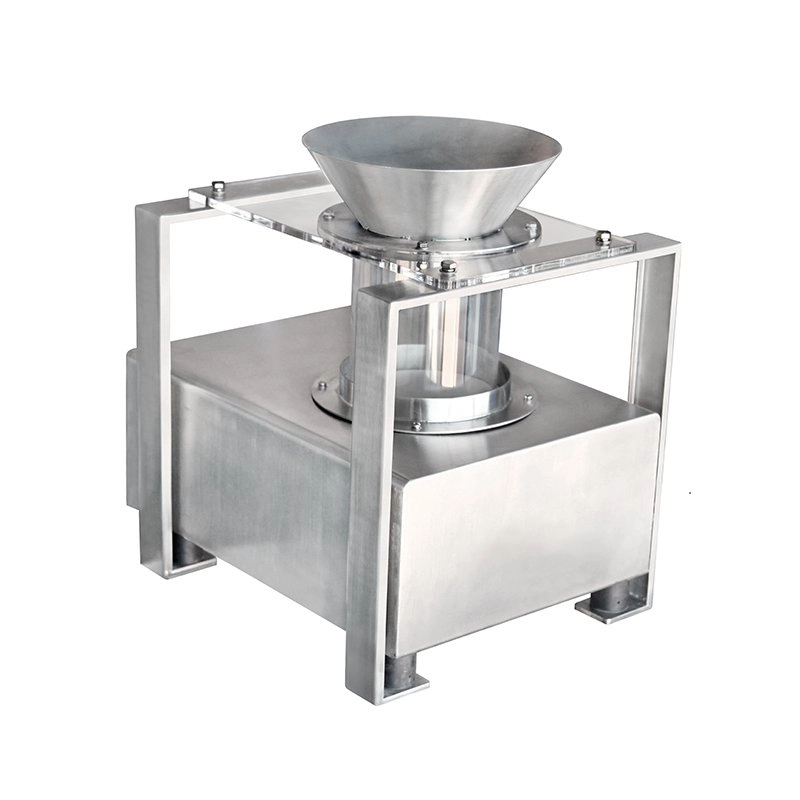
Dropped Metal Detector for Powder Granules For Food Industry
Enhance food safety with Kenwei’s Dropped Metal Detector for Powder Granules. This advanced food metal detector ensures precise detection in the food industry, safeguarding products and maintaining high quality standards throughout processing.
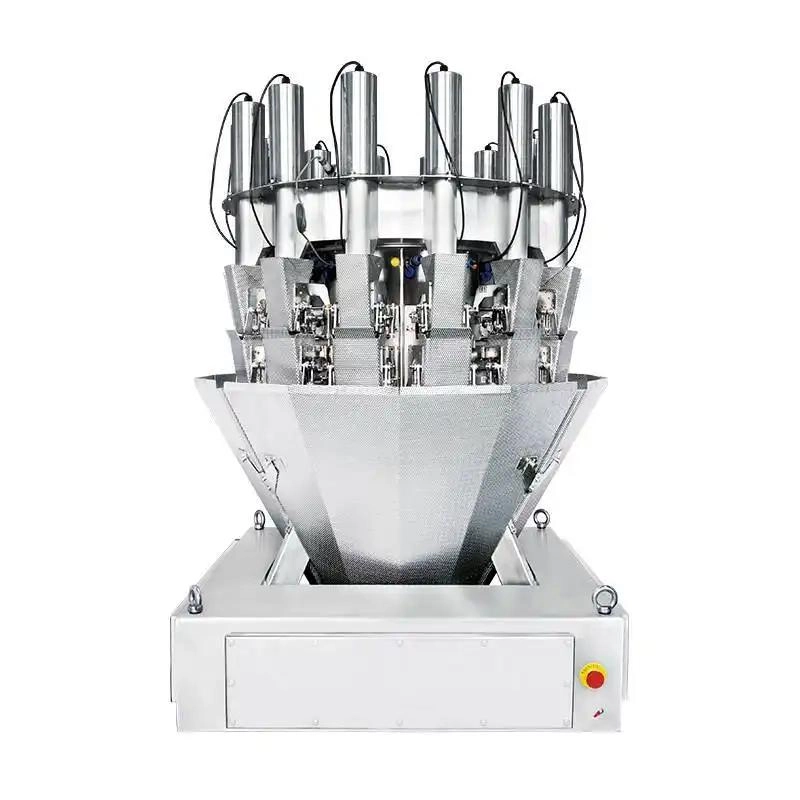
14 Heads Vertical Single Screw Feeding Pickles Weigher backups
This type of weigher is designed to handle the unique characteristics of pickles, ensuring precise measurements for packaging and distribution. It uses a vertical single screw mechanism to feed the pickles into the weighing system, allowing for efficient and consistent weighing. This technology is particularly useful in food processing and packaging facilities where precise portioning is essential for quality control and customer satisfaction. This specialized equipment is perfect for accurately measuring and dispensing pickles in a production line or packaging facility. The vertical design allows for efficient and precise filling of containers, while the single screw feeding mechanism ensures consistent and reliable weighing.
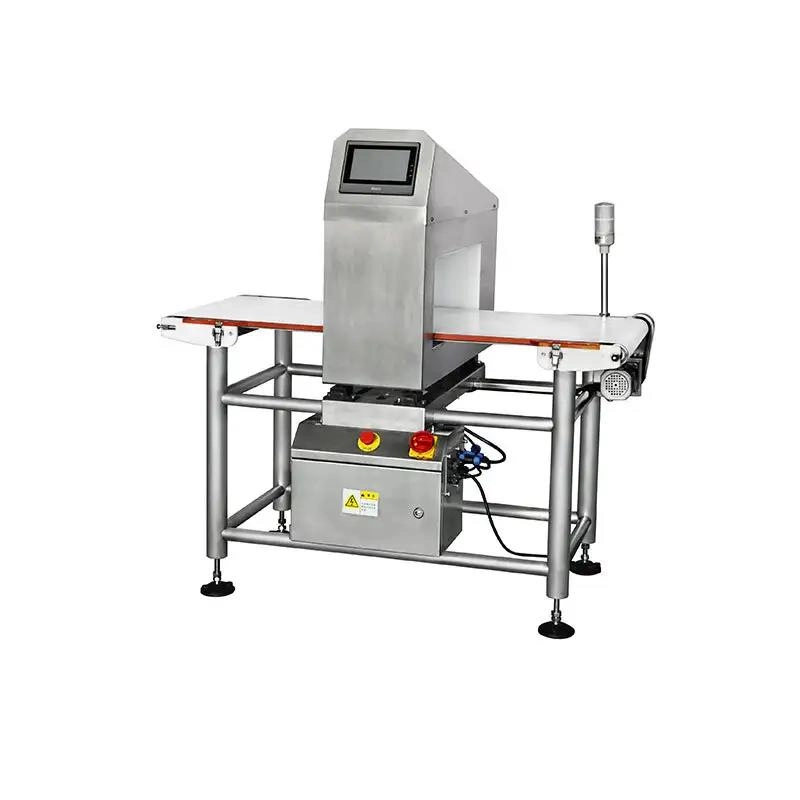
Food Metal Detector Manufacturer For Reject Defective Products G5020
The G5020 multi-frequency metal detector features a specialized conveyor belt designed to reduce contamination risks, ensure smooth operation, and maintain high detection sensitivity. It is easy to disassemble for convenient maintenance. Ideal for detecting metal contaminants in food, pharmaceuticals, spices, plastics, electronics, textiles, toys, handicrafts, and more.
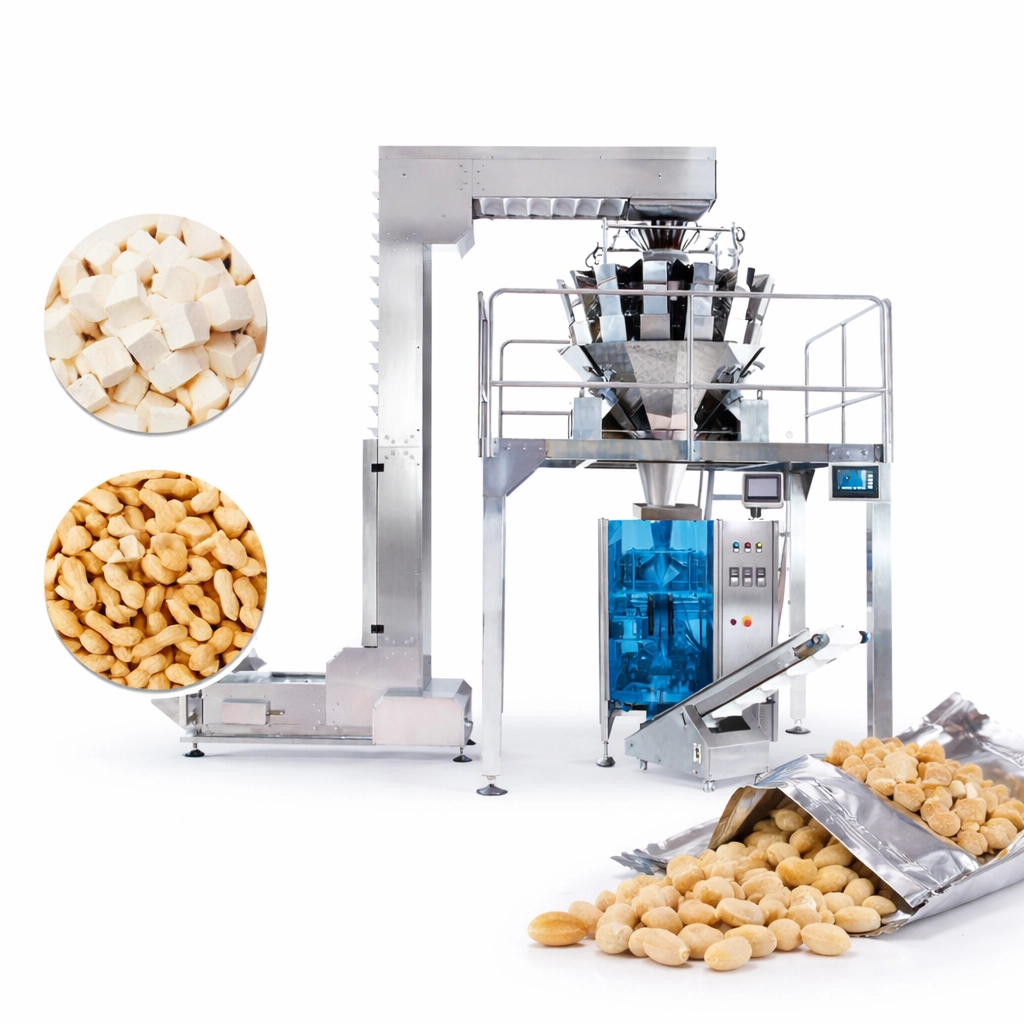
High-Precision Weighing & Packaging for Granular Products
The Granular Food Packing Machine is a fully automated solution designed for accurate weighing, filling, and packaging of various granular food products. Integrated with a multihead weigher and advanced packaging system, it ensures high speed, precision, and hygiene standards for modern food production.
Get in touch with us
If you have any comments or good suggestions, please leave us a message, later our professional staff will contact you as soon as possible.
Kenwei
Kenwei
Kenwei multi weigh
Kenwei
Kenwei
Kenwei