






How Good Metal Detectors Cut Food Recall Risks: G5020 Benefits
This article explains how good metal detectors like the G5020 Food Metal Detector Manufacturer for Rejecting Defective Products reduce food recall risks. It covers contamination sources, detection technology, operational best practices, ROI, compliance with food safety standards, and brand advantages. Includes comparisons, FAQs, and authoritative references.
- How Good Metal Detectors Cut Food Recall Risks: Why Detection Matters
- Understanding Metal Contamination Risks in Food Processing
- Why selection of good metal detectors is critical
- Introducing the G5020 Food Metal Detector Manufacturer for Rejecting Defective Products
- How the G5020 Improves Detection: Multi-Frequency Advantages
- Design Features that Reduce Contamination Sources
- Operational Benefits: Rejecting Defective Products Consistently
- Balancing sensitivity and throughput
- Compliance and Traceability: How Good Metal Detectors Support Food Safety Standards
- Cost-Benefit Analysis: Investment vs. Recall Costs
- Practical Steps to Reduce Recall Risk Using Good Metal Detectors
- Case Example: How a G5020 Installation Prevented a Potential Recall
- Maintenance, Calibration, and Operator Training: Sustaining Performance
- Integration with Quality Systems and Reject Management
- Measuring Effectiveness: KPIs to Track Post-Installation
- Brand Advantages: Why Choose the G5020 Food Metal Detector Manufacturer for Rejecting Defective Products
- ROI Considerations and Purchase Guidance
- Summary: How Good Metal Detectors Reduce Food Recall Risks
- FAQ — Frequently Asked Questions About Good Metal Detectors and the G5020
- Q: What makes a metal detector a 'good metal detector' for food lines?
- Q: Can the G5020 detect stainless steel pieces?
- Q: How often should the G5020 be calibrated and maintained?
- Q: Will installing a G5020 slow down my production line?
- Q: What documentation does the G5020 provide for audits?
- Contact & Product Call to Action
- Authoritative References
- Contact Information

How Good Metal Detectors Cut Food Recall Risks: Why Detection Matters
Food recalls damage brand trust, incur direct costs, and create regulatory exposure. One of the most effective preventive measures is the deployment of good metal detectors integrated into production lines. A high-quality detector like the G5020 Food Metal Detector Manufacturer for Rejecting Defective Products provides reliable contaminant detection, minimizes false rejects, and supports regulatory compliance — all of which reduce the probability and impact of food recalls. In our guide on how good metal detectors cut food recall risks, we start by understanding how G5020 benefits can significantly reduce contamination and recall issues. Once you've explored the advantages of the G5020, it's crucial to dive into selecting good metal detectors for high-speed production lines, ensuring compatibility with the high throughput required for food processing.
Understanding Metal Contamination Risks in Food Processing
Metal contaminants enter food products from multiple sources: equipment wear (screws, blades, bearings), tool loss, raw material contamination, and even external foreign bodies from packaging or handling. These contaminants can cause consumer injury, lead to product returns, and trigger costly recalls. Using good metal detectors at key control points greatly reduces the risk of contaminated products reaching the market.
Why selection of good metal detectors is critical
Not all detectors are created equal. Factors determining an effective machine include frequency technology, conveyor design, sensitivity to different metals, immunity to product effect, and ease of use and maintenance. Investing in good metal detectors ensures the detection sensitivity remains consistent across different product types and production conditions.
Introducing the G5020 Food Metal Detector Manufacturer for Rejecting Defective Products
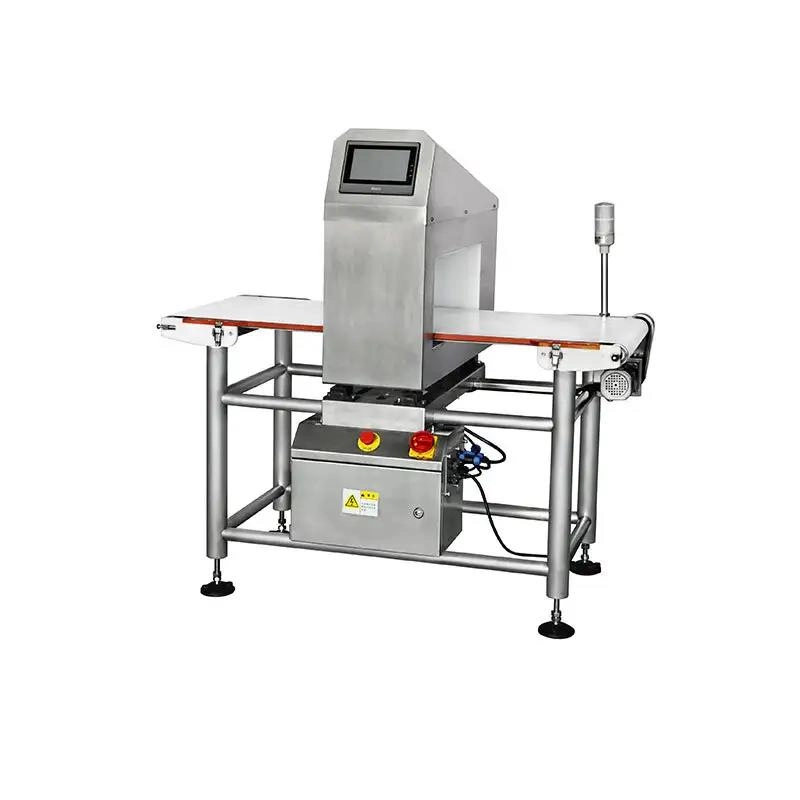
The 5020 Multi-Frequency Metal Detector features a specialized conveyor belt that minimizes contamination sources, ensuring smooth operation and high detection sensitivity. Its design allows for easy disassembly and maintenance. This metal detector is ideal for detecting metal contaminants in a wide range of industries, including food, pharmaceuticals, condiments, plastics, electronics, textiles, toys, and more.
How the G5020 Improves Detection: Multi-Frequency Advantages
Multi-frequency detectors like the G5020 provide better performance than single-frequency units because they can detect different metals (ferrous, non-ferrous, stainless steel) and are more forgiving to product effect (when a product's conductivity or moisture affects detection). Good metal detectors use multi-frequency technology to reduce both missed contaminants and false positives, which lowers the risk of unnecessary line stoppages while maintaining safety.
Design Features that Reduce Contamination Sources
A detector's physical design plays an important role in reduction of contamination risks. The G5020's specialized conveyor belt minimizes crevices where debris can accumulate and reduces metal-on-metal contact points that create wear particles. Easy disassembly and hygienic design accelerate cleaning cycles, reducing cross-contamination risk and helping meet sanitation protocols required by food safety audits.
Operational Benefits: Rejecting Defective Products Consistently
Good metal detectors should not only detect contaminants but also reliably remove contaminated items. The G5020 Food Metal Detector Manufacturer for Rejecting Defective Products integrates precise reject mechanisms that separate defective items without affecting line throughput or damaging nearby products. Reliable rejection reduces the chance that a contaminated product will be reintroduced downstream or shipped to customers.
Balancing sensitivity and throughput
High sensitivity is essential to find small contaminants, but excessive sensitivity increases false rejects. Multi-frequency detectors with smart algorithms — as in the G5020 — provide automated sensitivity optimization and product profiling features that maintain detection rates while minimizing unnecessary rejects, helping to sustain production efficiency and reduce operational costs.
Compliance and Traceability: How Good Metal Detectors Support Food Safety Standards
Regulatory compliance and certification bodies (FDA, BRCGS, ISO, HACCP) require preventive controls and evidence that contamination risks are being managed. Good metal detectors produce audit-ready records, including event logs and rejected-product counts, helping manufacturers demonstrate due diligence and traceability in the event of a recall investigation.
Cost-Benefit Analysis: Investment vs. Recall Costs
While a good metal detector represents a capital investment, the avoided cost of recalls, consumer claims, regulatory fines, and brand damage often justifies the expense. Below is a simplified comparison between a multi-frequency detector such as the G5020 and a typical single-frequency alternative to illustrate key differences that affect ROI.
| Feature | G5020 (Multi-Frequency) | Typical Single-Frequency Detector |
|---|---|---|
| Detection sensitivity (stainless steel) | High — improved for stainless, non-ferrous | Lower — often misses small SS pieces |
| Product effect immunity | Advanced — auto-tuning across products | Limited — frequent manual adjustment |
| False reject rate | Low — optimized profiles | Higher — more production interruptions |
| Hygienic design & cleaning | Specialized conveyor belt, easy disassembly | Standard belts, more downtime for cleaning |
| Data logging & traceability | Comprehensive event logs, exportable | Basic or optional with extra modules |
| Typical industries | Food, pharma, condiments, textiles, plastics | Food processing, general manufacturing |
Practical Steps to Reduce Recall Risk Using Good Metal Detectors
Installing a high-performance detector is part of a broader preventive strategy. Best practices include:
- Performing risk assessments to identify critical control points where metal detectors should be installed.
- Setting up product profiles and conducting in-line product effect tests to calibrate sensitivity properly.
- Establishing preventive maintenance schedules and hygienic cleaning procedures to avoid detector-induced contamination.
- Training operators on reject verification and event log review to ensure recall traceability.
- Integrating detector outputs with manufacturing execution systems (MES) for real-time monitoring and automated alerts.
Case Example: How a G5020 Installation Prevented a Potential Recall
In a mid-size condiment plant processing wet and oily sauces, a single-frequency detector repeatedly missed small stainless steel fragments released by a failing mixer screw. After installing the G5020 with multi-frequency detection and a specialized belt, the plant reported:
- 60% fewer missed contaminants in quarterly sampling
- 40% reduction in false rejects due to better product effect compensation
- Improved audit scores for hygiene and traceability
These improvements translated into fewer customer complaints and avoided the expense and reputational damage associated with a product recall.
Maintenance, Calibration, and Operator Training: Sustaining Performance
A good metal detector must be maintained and calibrated regularly. The G5020 supports easy disassembly and offers clear calibration routines so teams can perform checks without extended downtime. Operator training should emphasize daily checks, sensitivity verification with test pieces, and accurate log keeping to maintain regulatory readiness and reduce recall risk.
Integration with Quality Systems and Reject Management
Effective reject management prevents cross-contamination and ensures rejected items are not returned to production. The G5020 offers reliable reject types (air-blast, push-arm, drop) and integrates with PLCs and data historians for complete quality system integration. Good metal detectors that communicate with existing QC systems enable automatic quarantining and improve response time when contaminants are detected.
Measuring Effectiveness: KPIs to Track Post-Installation
To quantify the benefits of good metal detectors, monitor KPIs such as:
- Number of detected contaminants per million units
- False reject rate
- Line uptime impact (minutes lost per week)
- Rejected-product disposition time
- Audit compliance incidents related to foreign-material control
Tracking these KPIs helps justify investment and optimize settings for ongoing reduction in recall risk.
Brand Advantages: Why Choose the G5020 Food Metal Detector Manufacturer for Rejecting Defective Products
When evaluating brands, look for proven performance, service support, data capabilities, and hygienic engineering. The G5020 stands out because it combines multi-frequency detection, a specialized conveyor belt that reduces contamination sources, easy maintenance, and wide industry applicability. These attributes align with buyers seeking tangible reductions in recall risk and improved production reliability.
ROI Considerations and Purchase Guidance
Estimate ROI by comparing detector cost and maintenance against potential recall costs — direct (recall logistics, disposal, fines) and indirect (brand damage, lost sales). For many processors, the G5020’s improved detection and lower false reject rate pay back within a short period, especially in high-value or high-risk product lines. For purchase guidance, conduct a site survey to identify appropriate aperture size, belt width, and reject type for your line.
Summary: How Good Metal Detectors Reduce Food Recall Risks
Good metal detectors such as the G5020 Food Metal Detector Manufacturer for Rejecting Defective Products are essential tools in modern food safety programs. They detect a wide range of metallic contaminants, reduce false rejects, support traceability, and integrate into quality systems — all contributing to fewer recalls and stronger consumer confidence.
FAQ — Frequently Asked Questions About Good Metal Detectors and the G5020
Q: What makes a metal detector a 'good metal detector' for food lines?
A: A 'good metal detector' delivers consistent sensitivity across product types, minimizes false rejects, is hygienically designed for easy cleaning, provides traceable logs, and integrates with production controls. Multi-frequency detectors with product profiling typically outperform single-frequency machines.
Q: Can the G5020 detect stainless steel pieces?
A: Yes. The G5020 uses multi-frequency technology optimized to detect stainless steel and other non-ferrous metals that can be harder to find with single-frequency detectors.
Q: How often should the G5020 be calibrated and maintained?
A: Daily operational checks and weekly sensitivity tests with certified test pieces are recommended. Routine preventive maintenance should follow manufacturer guidance; the G5020’s easy disassembly reduces downtime and simplifies cleaning.
Q: Will installing a G5020 slow down my production line?
A: Properly specified and configured, the G5020 maintains line throughput. Its optimized reject mechanism and reduced false reject rate actually minimize unplanned stoppages and can improve effective throughput.
Q: What documentation does the G5020 provide for audits?
A: The G5020 supports data logging of events, rejection counts, and sensitivity changes. Exportable logs and reports help demonstrate compliance during regulatory audits and internal inspections.
Contact & Product Call to Action
If you want to reduce recall risk and improve food safety with a proven solution, contact our sales team to review the G5020 Food Metal Detector Manufacturer for Rejecting Defective Products and arrange a site assessment. For detailed specifications, pricing, and to schedule a demo, please contact us or view the product page.
Authoritative References
- FDA: Protecting Food Safety — Hazard Analysis and Preventive Controls: https://www.fda.gov/food
- BRCGS — Global Standard for Food Safety: https://www.brcgs.com
- HACCP Principles — Codex Alimentarius: http://www.fao.org/fao-who-codexalimentarius
- ISO 22000 Food Safety Management Systems: https://www.iso.org/iso-22000-food-safety-management.
- Wikipedia — Metal Detector (for overview of detection technologies): https://en.wikipedia.org/wiki/Metal_detector
Contact Information
For purchase inquiries or technical consultations about the G5020 Food Metal Detector Manufacturer for Rejecting Defective Products, please contact our sales team via the contact page or request a demo to see how the G5020 can reduce your recall risk and protect Kenwei.
Tags
food packing machine
food packing machine
multihead weigher software
multihead weigher software
metal detector for food industry
metal detector for food industry
small granule weighing machine
small granule weighing machine
Rotating Tables
Rotating Tables
food metal detector
food metal detector
Recommended for you
Where to Buy vffs packaging
Reducing product giveaway with JW-B12 weighing accuracy strategies
ROI and TCO Analysis of Multihead Weigher in Pickle Plants
Choosing the Right Metal Detector for Food Industry G5020 Guide
Prdoucts Categories
Question you may concern
About Cooperation Process
What is the lead time for product delivery?
The lead time depends on the complexity of the order and the level of customization required. Typically, our products are shipped within 4-8 weeks after receiving the order confirmation. However, this can vary, and we will provide an estimated delivery date when you place your order.
About After Sales Support
Can I get remote troubleshooting assistance?
Yes, Kenwei offers remote troubleshooting for certain issues. Our technical team can guide you through diagnostics and help resolve issues via phone, video call, or online messaging.
About Logistics
How long does logistics delivery take?
Shipping times depend on your location and the shipping method you choose. Generally speaking, international shipping can take anywhere from a few weeks to a few months.
About Solution suggestions
How can Kenwei solutions help reduce waste in my production process?
Kenwei solutions improve accuracy in weighing, packaging, and quality control, reducing the chances of overfill or underfill. This leads to less product waste and higher operational efficiency.
Can Kenwei solutions be adapted for different product packaging types?
Yes, Kenwei solutions can handle a variety of packaging types, including bags, boxes, pouches, and bottles. We can customize machines to suit your packaging format, ensuring compatibility with your packaging equipment.
You may also like
14 Heads Vertical Single Screw Feeding Pickles Weigher backups
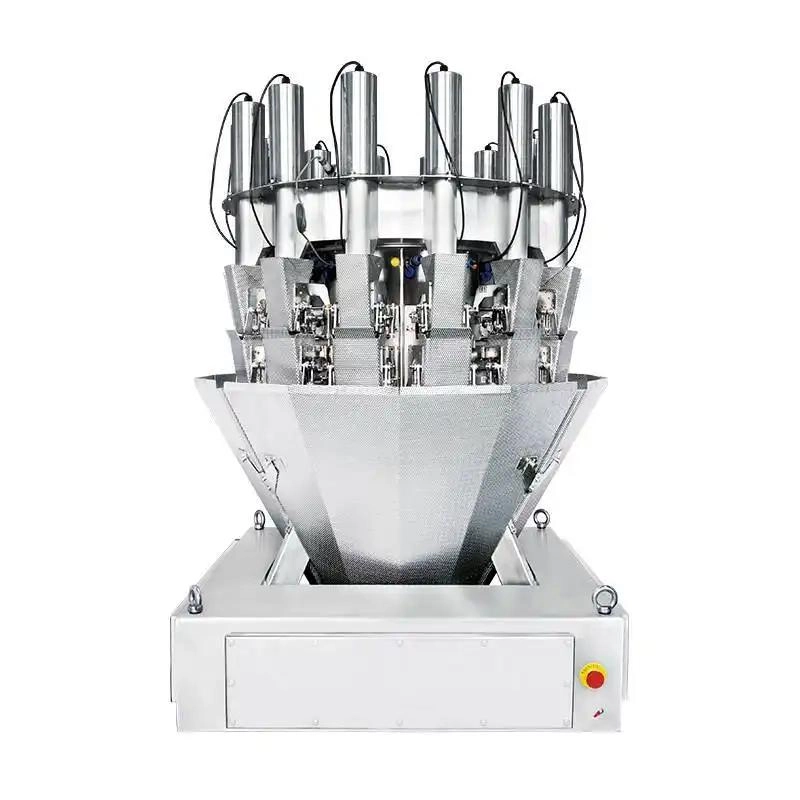
This type of weigher is designed to handle the unique characteristics of pickles, ensuring precise measurements for packaging and distribution. It uses a vertical single screw mechanism to feed the pickles into the weighing system, allowing for efficient and consistent weighing. This technology is particularly useful in food processing and packaging facilities where precise portioning is essential for quality control and customer satisfaction. This specialized equipment is perfect for accurately measuring and dispensing pickles in a production line or packaging facility. The vertical design allows for efficient and precise filling of containers, while the single screw feeding mechanism ensures consistent and reliable weighing.
Food Metal Detector Manufacturer For Reject Defective Products G5020
The G5020 multi-frequency metal detector features a specialized conveyor belt designed to reduce contamination risks, ensure smooth operation, and maintain high detection sensitivity. It is easy to disassemble for convenient maintenance. Ideal for detecting metal contaminants in food, pharmaceuticals, spices, plastics, electronics, textiles, toys, handicrafts, and more.
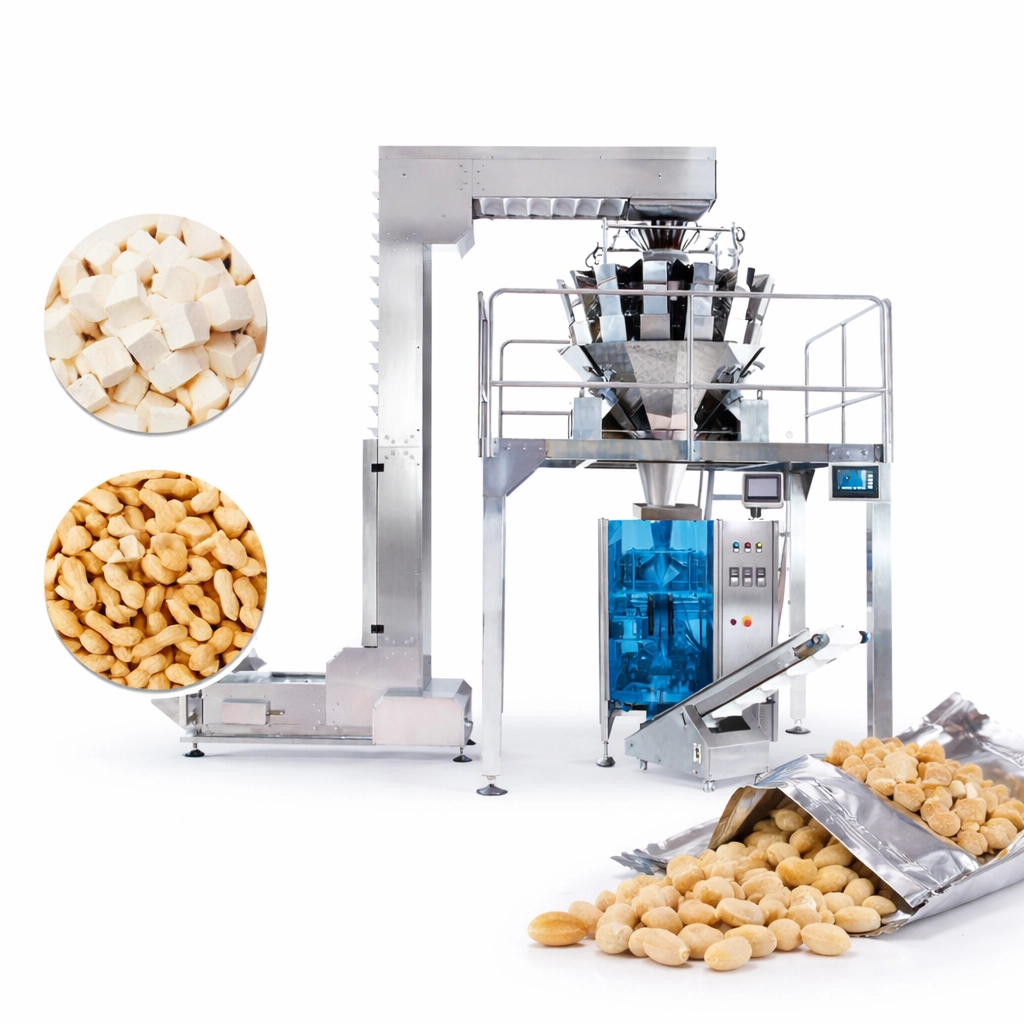
High-Precision Weighing & Packaging for Granular Products
The Granular Food Packing Machine is a fully automated solution designed for accurate weighing, filling, and packaging of various granular food products. Integrated with a multihead weigher and advanced packaging system, it ensures high speed, precision, and hygiene standards for modern food production.
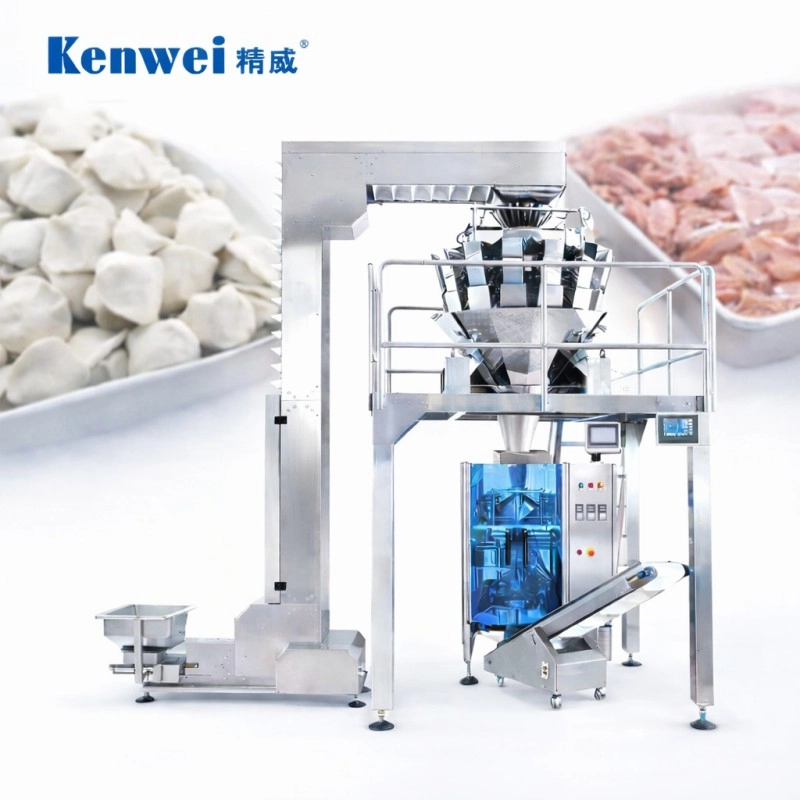
Vertical Frozen Food Packaging Machine for IQF & Frozen Products JW-B1
The Kenwei JW-B1 Vertical Frozen Food Packaging Machine is designed for IQF and frozen products, ensuring efficient, airtight packing. This vertical packing machine boosts productivity with precision sealing, ideal for frozen food packaging needs in the food industry.
Get in touch with us
If you have any comments or good suggestions, please leave us a message, later our professional staff will contact you as soon as possible.
Kenwei
Kenwei
Kenwei multi weigh
Kenwei
Kenwei
Kenwei