






FDA guidance and metal detection for food manufacturers
Practical guidance for food manufacturers on meeting FDA/FSMA expectations for foreign body control using metal detector for food industry applications — with a focus on aluminum foil-packaged products and the Metal Detector for Aluminum Foil (2415) for accurate contamination detection.
- Understanding FDA Expectations and Regulatory Context
- FDA/FSMA and Preventive Controls for Physical Hazards
- How Metal Detection Fits Into a HACCP/PC Plan
- Regulatory Records and Validation Requirements
- Choosing the Right Metal Detector for Food Industry Applications
- Key Performance Criteria for Metal Detectors
- Why Aluminum Foil Packaging Requires Specialized Detection
- Comparing Metal Detection Technologies
- Practical Guidance: Installing, Validating and Operating Metal Detectors
- Installation Best Practices
- Validation and Routine Verification
- Calibration, Sensitivity Settings and Data Logging
- Product Focus: 2415 Metal Detector for Aluminum Foil
- Product Overview and Typical Applications
- Why the 2415 Excels for Foil-Packaged Foods
- Integration into Your Safety Program
- Operational Challenges and Troubleshooting
- Common Issues with Foil Packaging and How to Solve Them
- Minimizing Missed Detections
- Maintenance and Preventive Care
- Measuring Success: KPIs and Audit Preparation
- Key Performance Indicators (KPIs)
- Audit Readiness Checklist
- Benchmarking and Continuous Improvement
- References and Further Reading
- FAQ — Frequently Asked Questions
- Q: Can a standard metal detector find metal in aluminum foil-packaged products?
- Q: What detection size can manufacturers expect with the 2415?
- Q: How often should we validate and verify our metal detector?
- Q: Should I use X-ray instead of a metal detector for foil-packaged items?
- Q: What records do auditors expect related to metal detection?

Food manufacturers operating in global and US markets must balance regulatory expectations, product quality, and supply-chain risk. Clear alignment with FDA/Food Safety Modernization Act (FSMA) preventive controls, combined with robust foreign-body detection technology — especially a metal detector for food industry applications that can reliably work with aluminum foil packaging — is essential to prevent recalls and protect brand integrity. This article explains FDA-relevant guidance, selection and validation of metal detection systems, operational considerations for aluminum-foil packaged products, and how the 2415 Metal Detector for Aluminum Foil integrates into HACCP/FSMA-compliant control programs.
Understanding FDA Expectations and Regulatory Context
FDA/FSMA and Preventive Controls for Physical Hazards
The FDA’s Food Safety Modernization Act (FSMA) emphasizes preventive controls and documented risk mitigation. For physical hazards such as metallic foreign bodies, FSMA’s preventive controls framework requires food facilities to identify hazards, implement controls, validate those controls, and maintain records. For more on FSMA and its preventive approach, see the FDA overview of FSMA: FDA: Food Safety Modernization Act (FSMA).
How Metal Detection Fits Into a HACCP/PC Plan
Metal detection typically functions as a control measure and may serve as a Critical Control Point (CCP) or preventive control, depending on hazard analysis. Incorporate the metal detector into your HACCP or Preventive Controls plan by documenting the decision basis, calibration procedures, sensitivity settings, validation data, and corrective actions for detection events. International food safety programs such as ISO 22000 recommend systematic control of physical hazards; see ISO 22000 for context.
Regulatory Records and Validation Requirements
Regulators and auditors expect documented validation (e.g., challenge tests), routine verification (daily checks, test piece results), and traceable corrective actions. Validation should prove that the metal detector detects ferrous, non-ferrous and stainless-steel contaminants at specified sizes under normal production conditions, including when products are packaged in aluminum foil or other conductive materials.
Choosing the Right Metal Detector for Food Industry Applications
Key Performance Criteria for Metal Detectors
When specifying a metal detector for food industry use, consider sensitivity to ferrous, non-ferrous and stainless steel, immunity to product effect (especially for wet, salty, or conductive products), conveyor speed compatibility, and data logging. Also evaluate ease of integration with line controls, reject mechanisms, and CIP (clean-in-place) needs.
Why Aluminum Foil Packaging Requires Specialized Detection
Aluminum foil is conductive and causes strong product effects that can mask or mimic true metallic contaminants on conventional metal detectors. Specialized units like the Metal Detector for Aluminum Foil in the Food Industry for Accurate Contamination Detection use high-sensitivity sensors and signal processing algorithms that filter packaging-induced signals while detecting magnetic contaminants reliably. This reduces false rejects and increases detection accuracy for foil-packaged coffee bags, nuts, dried meats, chocolate, and similar products.
Comparing Metal Detection Technologies
Metal detectors and X-ray systems are the most common physical contamination technologies. Both have strengths and trade-offs:
| Technology | Strengths | Limitations |
|---|---|---|
| Metal detector | High sensitivity to ferrous/non-ferrous metals; cost-effective; fast inspection rates | Reduced sensitivity for dense/wet products and conductive packaging like aluminum foil unless specialized units used |
| X-ray | Good for low-density metals and dense foreign bodies; detects glass and stone; less affected by packaging | Higher capital cost; may be less sensitive to very small metal fragments; regulatory and shielding considerations |
For aluminum-foil packaged foods, either a specialized metal detector or an X-ray system may be appropriate. The decision should be based on defined detection limits, product characteristics, and cost/operational constraints.
Practical Guidance: Installing, Validating and Operating Metal Detectors
Installation Best Practices
Install metal detectors on stable conveyors with minimal vibration. Maintain consistent product presentation (orientation, depth) and ensure proper earthing/grounding to reduce electrical interference. For aluminum foil packages, position the detector so the product passes centrally through the aperture and keep surrounding metallic structures (frames, guides) out of the detector’s immediate proximity to avoid interference.
Validation and Routine Verification
Validation requires challenge testing with standardized test pieces (ferrous, non-ferrous, stainless) in actual product and packaging conditions. For aluminum foil packages use both product-embedded test pieces and packaged test samples to demonstrate detection sensitivity. Routine verification should include daily test piece passes documented with time-stamped logs and periodic trend analysis. Keep records to satisfy FSMA/HACCP/ISO audit requirements.
Calibration, Sensitivity Settings and Data Logging
Calibration should be manufacturer-recommended and documented. Sensitivity settings must balance detection capability with false reject rates; specialized aluminum-foil metal detectors allow higher sensitivity while filtering packaging signals. Use data logging to capture rejects, alarm history, and verification tests — these records support continuous improvement and regulatory inquiries.
Product Focus: 2415 Metal Detector for Aluminum Foil
Product Overview and Typical Applications
The 2415 Metal Detector for Aluminum Foil is equipped with high-sensitivity sensors that effectively filter out signals from aluminum packaging, ensuring precise detection of magnetic metal contaminants. Ideal for detecting foreign bodies in aluminum foil-packaged items such as coffee bags, peanuts, dried meats, chocolate, and more. This versatile metal detector offers adjustable settings, with a maximum width of 24mm and height ranging from 20-150mm, making it suitable for a wide variety of aluminum foil packaging applications.
Why the 2415 Excels for Foil-Packaged Foods
Key advantages include:
- Packaging-Immunity Signal Processing: Reduces false positives caused by conductive foil.
- Adjustable Aperture: Supports narrow to moderate package profiles (24mm width, 20–150mm height), suitable for many snack and single-serve formats.
- High-sensitivity Sensors: Detect small magnetic metal fragments that could otherwise evade standard detectors.
- Flexible Settings and Data Export: Simplifies integration with HACCP/FSMA recordkeeping.
Integration into Your Safety Program
Implement the 2415 unit as part of a layered control strategy: combine good supplier controls, line maintenance practices, worker training, and metal detection as a final check. Document the unit’s validation studies and routinely log verification tests to demonstrate compliance during audits.
Operational Challenges and Troubleshooting
Common Issues with Foil Packaging and How to Solve Them
Issue: Frequent false rejects due to foil-induced signal.
Solution: Use a detector like the 2415 with packaging-effect filtering and optimize sensitivity and balance settings. Conduct packet orientation trials and implement consistent packaging presentation.
Minimizing Missed Detections
Missed detections occur when sensitivity is set too low or when contaminants are very small. Validate detection limits using standardized test pieces in product and packaging, and adjust settings following validation to ensure required detection sizes are reliably found.
Maintenance and Preventive Care
Establish a maintenance schedule for cleaning sensors, checking conveyor alignment, verifying grounding, and updating firmware. Replace worn conveyor parts that can introduce vibration or misalignment, both of which degrade detection performance.
Measuring Success: KPIs and Audit Preparation
Key Performance Indicators (KPIs)
Track the following KPIs to measure metal detection effectiveness:
- Number of verified metal detections (true positives)
- False reject rate (percent of rejects determined not to be metal)
- Verification pass rate (daily test-piece pass percentage)
- Mean time between failures (MTBF) for detector hardware
Audit Readiness Checklist
Ensure the following documents are current and accessible for audits:
- Risk assessment showing decision to use metal detection
- Validation reports (challenge tests, including foil-packaged samples)
- Routine verification logs and calibration certificates
- Corrective action records for detection events
Benchmarking and Continuous Improvement
Leverage logged data to identify trends (e.g., increased false rejects) and root causes (packaging changes, conveyor wear). Continuous improvement cycles should include periodic revalidation when product or packaging changes occur.
References and Further Reading
Regulatory and industry guidance worth consulting:
- FDA - Food Safety Modernization Act (FSMA): https://www.fda.gov/food/food-safety-modernization-act-fsma
- ISO - Food Safety Management (ISO 22000): https://www.iso.org/iso-22000-food-safety-management.
- Wikipedia - Metal detector (technical overview): https://en.wikipedia.org/wiki/Metal_detector
- AOAC International (methods and validation standards for food testing): https://www.aoac.org/
FAQ — Frequently Asked Questions
Q: Can a standard metal detector find metal in aluminum foil-packaged products?
A: Standard metal detectors often struggle with conductive packaging such as aluminum foil because the packaging produces its own signal. Specialized detectors with packaging-effect filtering (like the 2415) are designed to filter out the foil signal while detecting true metallic contaminants.
Q: What detection size can manufacturers expect with the 2415?
A: Detection size depends on product type, packaging, and the metal fragment composition. The 2415’s high-sensitivity sensors are optimized to find small magnetic fragments in aluminum-foil wrapped products. Validate the exact detection thresholds using challenge tests with representative test pieces and packaged samples as part of your HACCP/FSMA validation.
Q: How often should we validate and verify our metal detector?
A: Perform full validation whenever product, packaging, or process changes occur. Routine verification (daily or per-shift) using test pieces is recommended, and periodic calibration as recommended by the manufacturer (often quarterly or semi-annually) should be documented.
Q: Should I use X-ray instead of a metal detector for foil-packaged items?
A: X-ray systems are less affected by packaging and can detect non-metallic foreign bodies such as stone or glass, but come with higher capital cost and different sensitivity profiles. For many foil-packaged food lines, a specialized metal detector like the 2415 is a cost-effective, high-performance solution. Conduct a risk-based evaluation to determine whether metal detection, X-ray, or a combination best meets your safety objectives.
Q: What records do auditors expect related to metal detection?
A: Auditors will expect to see hazard analyses, validation reports (including challenge tests), daily verification logs, calibration records, alarm and reject logs, and corrective action documentation for any detection events. Maintaining digital logs and traceable records simplifies audit preparation.
If you want to learn how the 2415 Metal Detector for Aluminum Foil can be integrated into your production line or to schedule a product demo, contact our sales team at sales@example.com or visit our product page to view specifications and request a quote. For immediate assistance, call +1-800-123-4567.
Tags
metal detector for the food industry
metal detector for the food industry
multi head weigher packing machine
multi head weigher packing machine
weighing and packaging machine
weighing and packaging machine
packaging machine for foods
packaging machine for foods
Finished Product Conveyor
Finished Product Conveyor
semi automatic packaging machine
semi automatic packaging machine
Recommended for you
Combination Weigher Trends 2026: What Manufacturers Need to Know
Top 10 multi head weigher Manufacturers and Supplier Brands
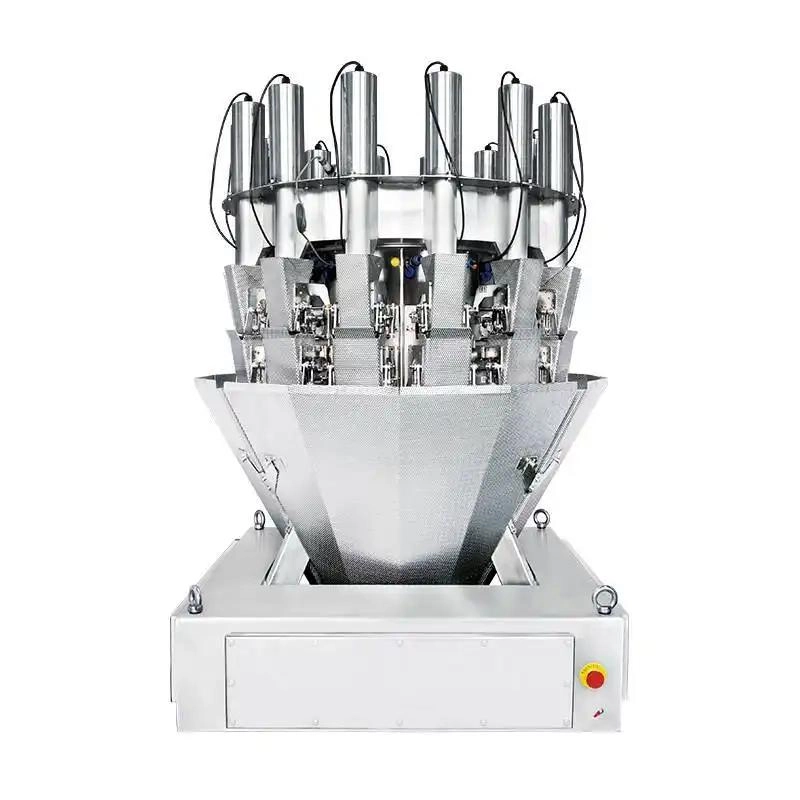
Food Safety Compliance With Multihead Weigher in Pickle Lines
Where to Buy vffs packaging machine
Prdoucts Categories
Question you may concern
About Solution suggestions
Can Kenwei solutions be adapted for different product packaging types?
Yes, Kenwei solutions can handle a variety of packaging types, including bags, boxes, pouches, and bottles. We can customize machines to suit your packaging format, ensuring compatibility with your packaging equipment.
About products customization
Can I customize the size of Kenwei machines?
Yes, we can tailor the dimensions of our machines to fit your available space and production layout. Whether you need compact machines or larger equipment, we can accommodate your size requirements.
Can I customize Kenwei machines to suit my specific needs?
Yes, Kenwei offers a wide range of customization options to ensure that our machines meet your production requirements.
About Cooperation Process
What is the lead time for product delivery?
The lead time depends on the complexity of the order and the level of customization required. Typically, our products are shipped within 4-8 weeks after receiving the order confirmation. However, this can vary, and we will provide an estimated delivery date when you place your order.
About Product choice
Are there any additional features available for Kenwei machines?
Yes, we offer a variety of optional features for customization, such as: advanced touchscreen interfaces, multiple language support and so on.
You may also like
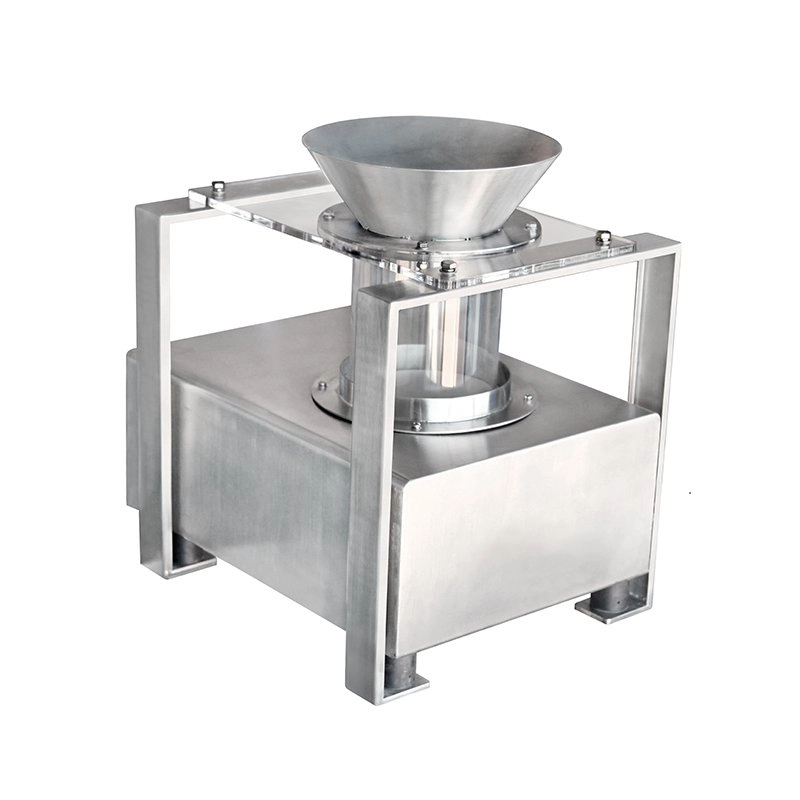
Dropped Metal Detector for Powder Granules For Food Industry
Enhance food safety with Kenwei’s Dropped Metal Detector for Powder Granules. This advanced food metal detector ensures precise detection in the food industry, safeguarding products and maintaining high quality standards throughout processing.
14 Heads Vertical Single Screw Feeding Pickles Weigher backups
This type of weigher is designed to handle the unique characteristics of pickles, ensuring precise measurements for packaging and distribution. It uses a vertical single screw mechanism to feed the pickles into the weighing system, allowing for efficient and consistent weighing. This technology is particularly useful in food processing and packaging facilities where precise portioning is essential for quality control and customer satisfaction. This specialized equipment is perfect for accurately measuring and dispensing pickles in a production line or packaging facility. The vertical design allows for efficient and precise filling of containers, while the single screw feeding mechanism ensures consistent and reliable weighing.
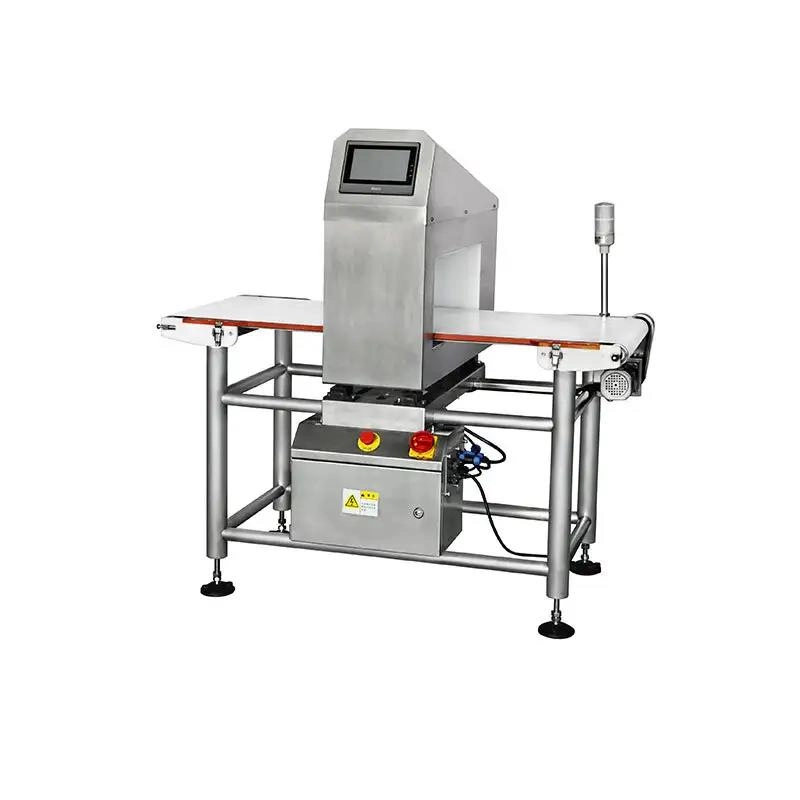
Food Metal Detector Manufacturer For Reject Defective Products G5020
The G5020 multi-frequency metal detector features a specialized conveyor belt designed to reduce contamination risks, ensure smooth operation, and maintain high detection sensitivity. It is easy to disassemble for convenient maintenance. Ideal for detecting metal contaminants in food, pharmaceuticals, spices, plastics, electronics, textiles, toys, handicrafts, and more.
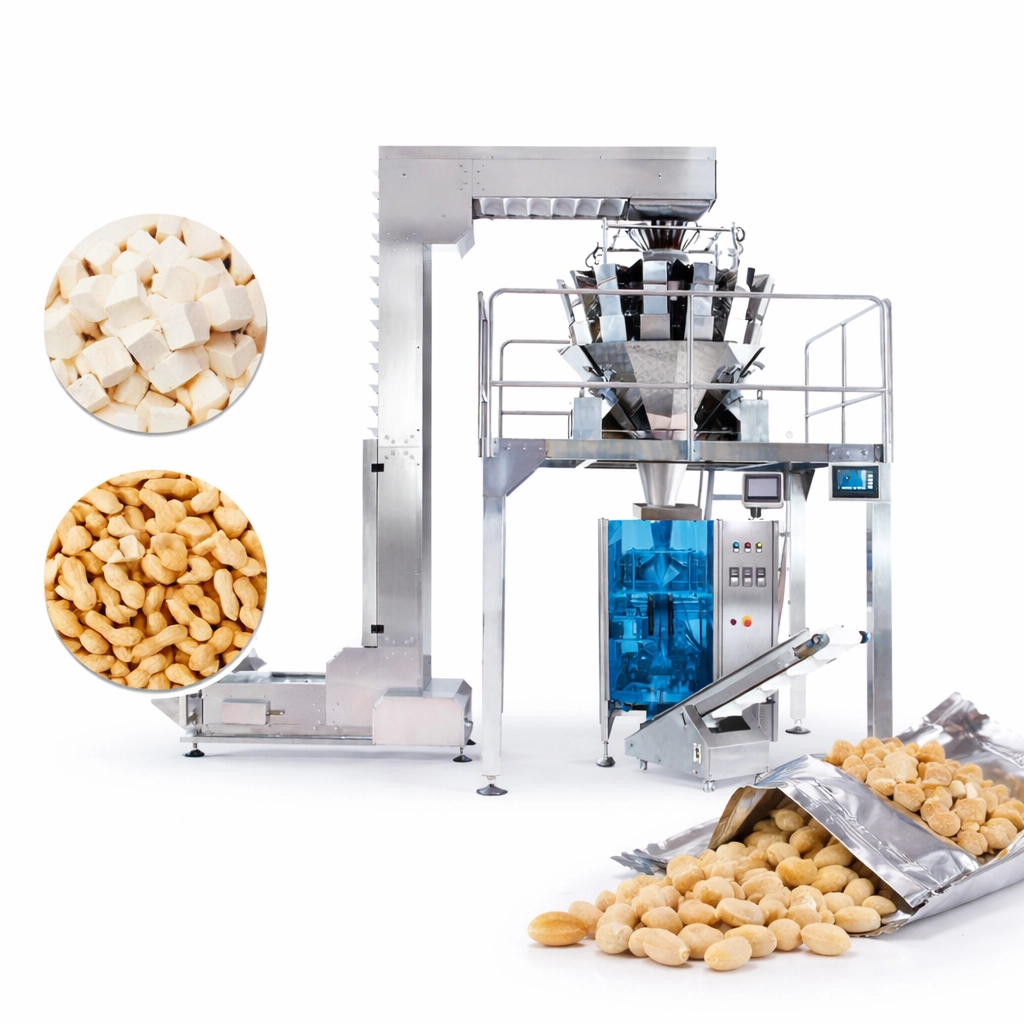
High-Precision Weighing & Packaging for Granular Products
The Granular Food Packing Machine is a fully automated solution designed for accurate weighing, filling, and packaging of various granular food products. Integrated with a multihead weigher and advanced packaging system, it ensures high speed, precision, and hygiene standards for modern food production.
Get in touch with us
If you have any comments or good suggestions, please leave us a message, later our professional staff will contact you as soon as possible.
Kenwei
Kenwei
Kenwei multi weigh
Kenwei
Kenwei
Kenwei