






Comparing coil designs for aluminum foil detection
This article compares common coil designs and detection strategies used by metal detectors for the food industry to accurately find magnetic metal contaminants in aluminum foil-packaged products. It explains how coil geometry, frequency choice, and compensation algorithms reduce foil masking, and recommends solutions—including the Metal Detector for Aluminum Foil in the Food Industry for Accurate Contamination Detection (2415 model)—to improve contamination control and compliance with food safety standards.
- Why coil design matters for aluminum foil detection
- How aluminum foil affects detection signals
- Key detector performance goals
- Standards and safety context
- Coil designs compared: strengths, weaknesses, and best uses
- Concentric (single) coils
- Differential (twin) coils
- Double-D / Slot / Shaped coils
- Phased-array and multi-coil (phased) systems
- Practical comparison: performance vs. foil packaging
- Quantitative comparison table
- Interpreting the table
- Frequency and phase strategies
- Optimizing a metal detector for food industry use with aluminum foil
- Calibration, product mapping and compensation
- Mechanical and operational best practices
- When to specify phased-array or multi-frequency options
- Case study and product fit: Metal Detector for Aluminum Foil in the Food Industry for Accurate Contamination Detection
- About the product
- Why coil selection matters for the 2415
- Integration and verification
- Installation, validation and maintenance checklist
- Pre-installation considerations
- Commissioning and validation
- Ongoing maintenance
- Frequently Asked Questions (FAQ)
- Q: Can a metal detector reliably detect a small steel fragment inside an aluminum-foil sealed coffee bag?
- Q: Will higher frequency always improve detection of small contaminants in foil packaging?
- Q: How often should I validate metal detector performance on an aluminum-foil product line?
- Q: Are there industry references I can consult for metal detection best practices?
- Contact and next steps

Effective foreign-body detection in modern food lines must account for increasingly common aluminum foil packaging. Metal detector performance hinges on coil design, frequency management, and product compensation to separate harmless foil signals from true metallic contaminants. This guide compares coil options—concentric, differential/dual-coil, double-D/slot, and phased-array/multi-coil—examining their interaction with aluminum foil, practical deployment in conveyors and vertical packaging, and integration with metal detector for food industry systems to meet regulatory expectations and reduce false rejects.
Why coil design matters for aluminum foil detection
How aluminum foil affects detection signals
Aluminum is non-ferrous and conductive; when exposed to alternating magnetic fields it generates eddy currents that produce secondary magnetic fields. These foil-induced fields can mimic or overwhelm the signal from small ferrous contaminants. Metal detector for food industry systems therefore must differentiate between eddy-current-based signals (from foil and some packaging materials) and the signature from solid metallic contaminants.
Key detector performance goals
For food processors the goals are clear: maximize sensitivity to magnetic and non-magnetic metal contaminants, minimize false rejects caused by foil packaging, and maintain consistent performance across product mix and line speed. Coil geometry and electronic compensation are the two levers most responsible for achieving these outcomes.
Standards and safety context
Effective metal detection supports food safety management systems such as ISO 22000. Regulatory agencies like the U.S. FDA and international recall databases track incidents where inadequate foreign-body control has led to recalls. Understanding coil behavior helps manufacturers reduce recall risk and comply with industry expectations.
Coil designs compared: strengths, weaknesses, and best uses
Concentric (single) coils
Concentric coils have a simple circular transmitter/receiver configuration. They produce a localized field centered in the tunnel and can be sensitive in the centerline, but are more susceptible to product effect and packaging signals because the field is less contained. Concentric coils are common in low-cost metal detector for food industry models but require advanced electronic compensation to handle aluminum foil packaging reliably.
Differential (twin) coils
Differential or twin-coil designs use a transmitter and two receiver coils arranged to cancel common-mode signals (product background and homogeneous packaging effects). This cancellation helps reject foil-induced signals that are uniform across the tunnel, improving sensitivity to small contaminants near the conveyor surface. Differential coils are a solid compromise between price and foil immunity.
Double-D / Slot / Shaped coils
Double-D (DD) and other shaped coil geometries produce a broad, overlapping field with superior lateral coverage and less sensitivity to slight product misalignment. The DD design is particularly effective for conveyorized products with variable orientation. For aluminum foil, DD’s field distribution and better product compensation options often yield fewer false positives versus simple concentric coils.
Phased-array and multi-coil (phased) systems
Advanced systems use multiple coils and phased excitation to shape the field, perform multi-frequency measurements, and implement adaptive algorithms (multi-frequency detection and phase analysis). These systems can actively distinguish eddy-current signatures (from foil) from metallic contaminant signatures by analyzing frequency-dependent phase shifts. Phased-array detectors are the most robust against aluminum packaging but come at higher cost and complexity.
Practical comparison: performance vs. foil packaging
Quantitative comparison table
| Coil Type | Foil Immunity | Sensitivity to small ferrous metal | Typical Cost/Complexity | Best Use Cases |
|---|---|---|---|---|
| Concentric (single) | Low–Medium | Medium | Low | Low-cost lines; uniform non-foil packaging |
| Differential (twin) | Medium–High | High (center/edge) | Medium | Most conveyorized food products including some foil-wrapped items |
| Double-D / Shaped | High | High (broad coverage) | Medium–High | Variable product orientation, foil trays, pouches |
| Phased-array / Multi-frequency | Very High | Very High | High | Critical lines with aluminum foil packaging and mixed products |
Interpreting the table
The table highlights that while simple concentric coils can be economical, they struggle with conductive packaging. Differential, shaped, and phased-array designs progressively improve performance against aluminum foil, primarily by rejecting uniform product signals and isolating the small, localized disturbances caused by metallic contaminants.
Frequency and phase strategies
Higher frequencies increase sensitivity to small metal particles but also make detectors more sensitive to conductive packaging. Multi-frequency detectors can probe the object with different frequencies and analyze the phase response: foil (thin conductive layer) and solid metal bodies show different frequency-dependent signatures. Combining coil geometry with multi-frequency phase analysis is often the best approach for aluminum foil-wrapped goods.
Optimizing a metal detector for food industry use with aluminum foil
Calibration, product mapping and compensation
Product mapping (creating a baseline signature for a product as it passes through the tunnel) is essential. Many metal detector for food industry systems let operators record a product profile to set dynamic compensation. For aluminum foil-packaged products, mapping across production variations and line speeds reduces nuisance trips and preserves sensitivity to contaminants.
Mechanical and operational best practices
Correct installation matters: center the product in the tunnel where coil sensitivity is highest, maintain stable conveyor speed, and avoid proximity to large metal structures or motors that create electromagnetic noise. Regular validation tests (using certified test pieces) should be recorded as part of the HACCP plan. For guidance on metal detection control within food safety systems, manufacturers often refer to standards and industry best practice—ISO 22000 provides a structure for food safety management, and regulatory recall data from the FDA demonstrates the importance of robust controls.
When to specify phased-array or multi-frequency options
Choose phased-array/multi-frequency if you face any of the following: high volumes of foil-wrapped products, mixed product lines that include both conductive packaging and solid items, a history of false rejects, or when you need the highest sensitivity for small non-ferrous contaminants. These systems are particularly valuable on critical control points in the production line.
Case study and product fit: Metal Detector for Aluminum Foil in the Food Industry for Accurate Contamination Detection
About the product
The 2415 Metal Detector for Aluminum Foil is equipped with high-sensitivity sensors that effectively filter out signals from aluminum packaging, ensuring precise detection of magnetic metal contaminants. Ideal for detecting foreign bodies in aluminum foil-packaged items such as coffee bags, peanuts, dried meats, chocolate, and more. This versatile metal detector offers adjustable settings, with a maximum width of 24mm and height ranging from 20-150mm, making it suitable for a wide variety of aluminum foil packaging applications.
Why coil selection matters for the 2415
The 2415 model achieves reliable aluminum foil immunity through a combination of a differential/compensated coil arrangement and advanced signal processing. Its narrow maximum width (24mm) and configurable height range allow manufacturers to install a coil geometry optimized for pouch and bag formats, reducing the product effect from foil while maintaining high sensitivity to ferrous contaminants.
Integration and verification
Integrating the 2415 into a production line requires the same validation steps recommended in industry guidance: map the product signature, run certified test pieces per an agreed frequency, and log records for audit and recall readiness. Manufacturers looking for deeper technical background on metal detection physics can consult foundational material such as the general overview on metal detectors and electromagnetic shielding/eddy current concepts in technical literature or industry white papers.
Installation, validation and maintenance checklist
Pre-installation considerations
- Choose coil geometry based on your product mix (Double-D or multi-frequency for foil-heavy runs).
- Plan for stable mounting away from motors, gearboxes, or large metal structures.
- Specify rejection method compatible with product (air blast, pusher, stop-and-divert).
Commissioning and validation
- Perform product mapping at production speed and across fill/weight variations.
- Validate with certified test pieces (following internally defined critical sizes) and log results.
- Retain records within your HACCP/ISO 22000 documentation for audit and traceability.
Ongoing maintenance
Schedule regular verification tests, clean the tunnel and conveyor feeder surfaces to avoid buildup, and perform firmware updates when manufacturers release improved product compensation algorithms. For regulatory and recall prevention context, maintain traceable logs of detection tests and any rejects.
Frequently Asked Questions (FAQ)
Q: Can a metal detector reliably detect a small steel fragment inside an aluminum-foil sealed coffee bag?
A: Yes—if the detector combines an appropriate coil geometry (differential or double-D) with multi-frequency/phase detection or strong product compensation. The 2415 Metal Detector for Aluminum Foil, for example, is designed to filter out aluminum packaging signals and detect ferrous contaminants reliably when correctly configured and validated.
Q: Will higher frequency always improve detection of small contaminants in foil packaging?
A: Not always. Higher frequencies increase sensitivity to small particles but also amplify responses from conductive packaging like aluminum. Multi-frequency systems that compare phase and amplitude at several frequencies generally perform better than single high-frequency solutions on foil-wrapped products.
Q: How often should I validate metal detector performance on an aluminum-foil product line?
A: Daily verification using certified test pieces is common on critical lines; frequency can be adjusted by risk assessment but should always be sufficient to demonstrate ongoing control. Record results in your HACCP logs. Refer to ISO 22000 for systematic food safety management guidance: ISO 22000.
Q: Are there industry references I can consult for metal detection best practices?
A: Yes. General principles can be found on the Metal detector - Wikipedia page for technology background, and regulatory recall information is available from the U.S. FDA. For standards on food safety management, see ISO 22000.
Contact and next steps
If you need a solution that handles aluminum foil packaging with minimal false rejects, consider evaluating the Metal Detector for Aluminum Foil in the Food Industry for Accurate Contamination Detection (2415). For product specifications, validation support, and installation guidance, contact our sales and technical team or view the product page for datasheets and installation notes.
Contact us: Email sales@example.com or call +1-800-000-0000. View product details and datasheet.
Tags
checkweigher conveyor
checkweigher conveyor
automatic granule packing machine
automatic granule packing machine
vacuum packaging
vacuum packaging
weighing machine
weighing machine
multi head weigher
multi head weigher
combined check weigher and metal detector
combined check weigher and metal detector
Recommended for you
Multihead Weigher vs Linear Scale: Which Is Best for Your Product?
Throughput Comparison: Multihead Weigher Options for Pickles
Hygienic Design Features for Pickles Multihead Weighers
Calibration Tips for Food Metal Detectors on Weighing Lines
Prdoucts Categories
Question you may concern
About Solution suggestions
What are Kenwei’s primary solutions for industrial weighing and packaging?
Kenwei provides comprehensive solutions for automated weighing and packaging, including multi-head weighers, linear weighers, check weighers, metal detectors, and packing machines. These solutions are tailored to improve speed, accuracy, and efficiency in various industries such as food, pharmaceuticals, and chemicals.
Can Kenwei machines handle products with irregular shapes or sizes?
Yes, multi-head weighers are particularly effective for handling products with irregular shapes and sizes.
About Price and payment
How is the price of Kenwei machines determined?
The price of Kenwei machines depends on several factors, including the type of machine, customization requirements, production volume, and any additional features or integrations. We provide tailored quotes based on your specific needs and requirements.
About Logistics
Do I need to prepare my facility for the delivery of large machines?
Yes, large machines often require special preparations for delivery, including ensuring adequate space for unloading and installation.
About products customization
Can I customize Kenwei machines to suit my specific needs?
Yes, Kenwei offers a wide range of customization options to ensure that our machines meet your production requirements.
You may also like
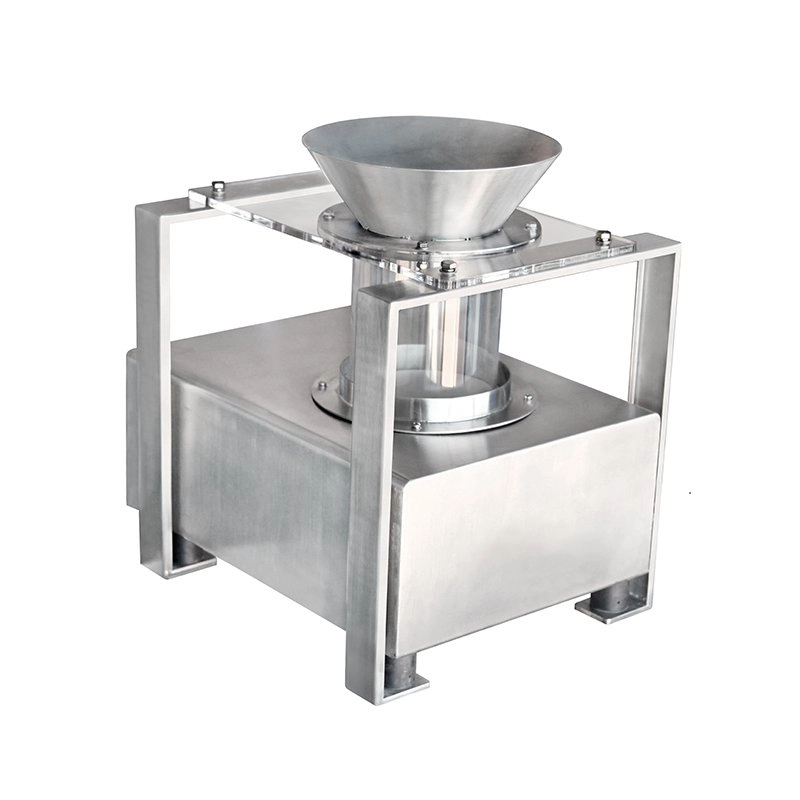
Dropped Metal Detector for Powder Granules For Food Industry
Enhance food safety with Kenwei’s Dropped Metal Detector for Powder Granules. This advanced food metal detector ensures precise detection in the food industry, safeguarding products and maintaining high quality standards throughout processing.
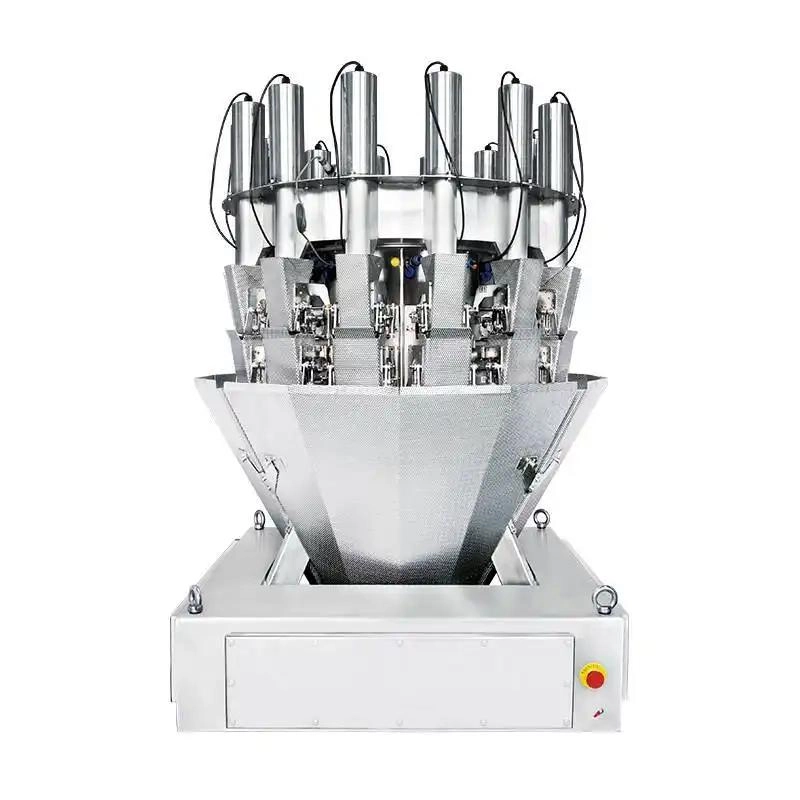
14 Heads Vertical Single Screw Feeding Pickles Weigher backups
This type of weigher is designed to handle the unique characteristics of pickles, ensuring precise measurements for packaging and distribution. It uses a vertical single screw mechanism to feed the pickles into the weighing system, allowing for efficient and consistent weighing. This technology is particularly useful in food processing and packaging facilities where precise portioning is essential for quality control and customer satisfaction. This specialized equipment is perfect for accurately measuring and dispensing pickles in a production line or packaging facility. The vertical design allows for efficient and precise filling of containers, while the single screw feeding mechanism ensures consistent and reliable weighing.
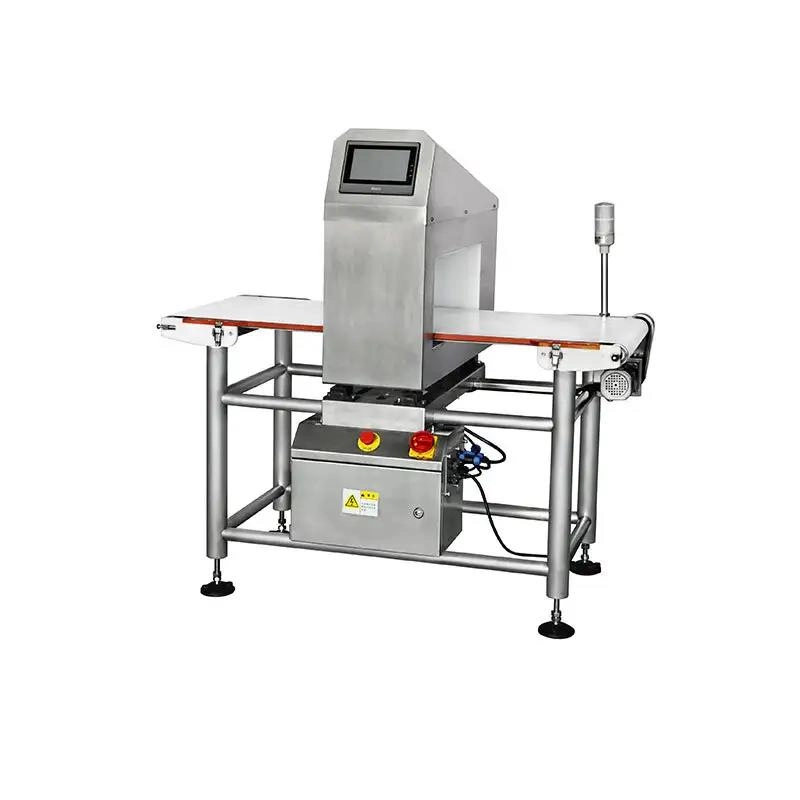
Food Metal Detector Manufacturer For Reject Defective Products G5020
The G5020 multi-frequency metal detector features a specialized conveyor belt designed to reduce contamination risks, ensure smooth operation, and maintain high detection sensitivity. It is easy to disassemble for convenient maintenance. Ideal for detecting metal contaminants in food, pharmaceuticals, spices, plastics, electronics, textiles, toys, handicrafts, and more.
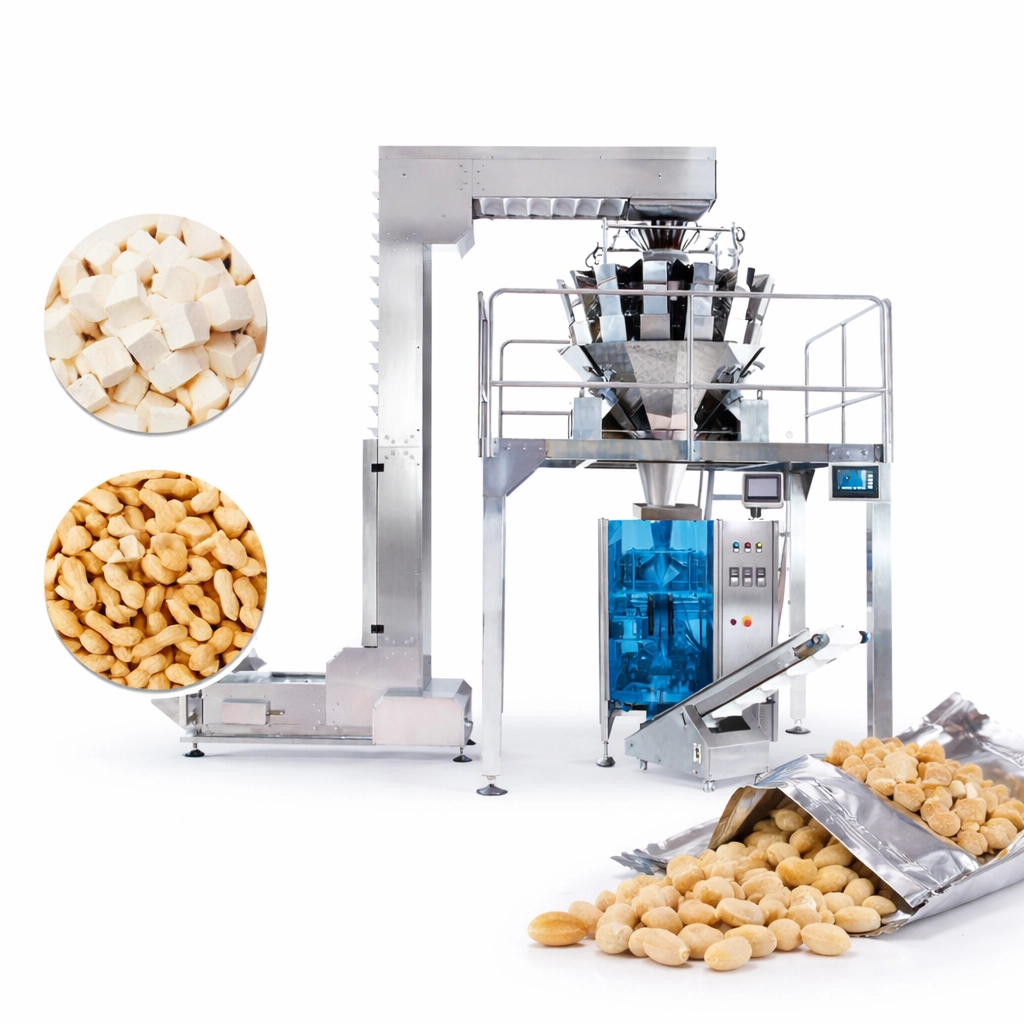
High-Precision Weighing & Packaging for Granular Products
The Granular Food Packing Machine is a fully automated solution designed for accurate weighing, filling, and packaging of various granular food products. Integrated with a multihead weigher and advanced packaging system, it ensures high speed, precision, and hygiene standards for modern food production.
Get in touch with us
If you have any comments or good suggestions, please leave us a message, later our professional staff will contact you as soon as possible.
Kenwei
Kenwei
Kenwei multi weigh
Kenwei
Kenwei
Kenwei