






Automation in China’s Packaging Machinery Industry: Current Status, Challenges, and Future Trends
Saturday, 12/28/2019
Mechanical automation refers to the extensive application of automation technology in mechanical manufacturing, particularly the integration of automated production lines. In China, this has enabled continuous, unmanned production and significantly improved efficiency. This article first introduces the concept of packaging automation, then analyzes the current state of China’s packaging industry, highlighting issues such as small-scale operations, low quality, and short equipment lifespan. It concludes by advocating for a development path focused on intelligent, networked, and environmentally sustainable packaging solutions.
1. Introduction to Packaging Automation
Packaging automation refers to the use of automated systems and control technologies to manage packaging processes according to pre-programmed instructions. Packaging plays a critical role in preserving, presenting, and promoting products, enhancing their competitiveness in the marketplace. It is the final and vital step in continuous industrial production.
Today, packaging automation is widely implemented across industries, particularly in the food and pharmaceutical sectors. These industries require solutions tailored to the unique physical properties of their products. Automated inspection, data transfer, and processing systems demand collaboration between the electronics and packaging industries. Combining industry-specific knowledge with automation technology leads to innovation, cost reduction, and greater efficiency.
In the field of medical device packaging, automation is becoming increasingly comprehensive—evolving from machine-level automation to full production-line and workshop-level automation. This transformation reflects a broader industry shift toward integrated and intelligent manufacturing systems.
2. Development Status and Challenges in Packaging Automation
Although China's packaging machinery industry has made strides, it continues to face several challenges:
-
Fragmented enterprise structure: The industry is dominated by small and medium-sized companies with limited innovation capacity.
-
Low automation maturity: Many systems are outdated, with limited original development and slow adoption of advanced foreign technologies.
-
Lack of global competitiveness: Domestic packaging machinery exports still account for less than 5% of total production value, reflecting a substantial gap compared to developed economies.
In contrast, Germany—despite its industry also being composed largely of SMEs—has fostered a robust packaging sector characterized by high technical standards and strong processing capabilities. China can learn from this model to improve its technological foundation and market presence.
Since the 1980s, China has encouraged the development of packaging machinery through reform and industrial policy. However, the scale and performance of domestic enterprises still lag significantly behind global leaders.
3. Future Trends in Packaging Machinery Automation
The packaging machinery industry is evolving in response to global trends emphasizing cost efficiency, energy savings, and automation. Key future directions include:
-
High-speed, intelligent systems that reduce human involvement while improving accuracy
-
Low energy consumption and multi-functionality to meet varied production needs
-
Integrated control systems, including motion control, machine vision, and advanced user interfaces
-
Digitalization and smart manufacturing, aligning with Industry 4.0 principles
To stay competitive, Chinese manufacturers must focus on developing next-generation machines that are not only technically advanced but also eco-friendly and resource-efficient.
4. Development and Strategy of Packaging Machinery in China
4.1 Historical Overview
China's packaging machinery sector began taking shape in the late 20th century. However, the industry has long been fragmented across various sectors, making systemic development challenging.
Key milestones include:
-
1978: Post-reform growth increased demand for packaging machinery.
-
1980: The China Packaging Technology Association was established.
-
1984: Packaging machinery was added to China’s national development plan.
-
1995–2000: Industry management became more centralized under the China Packaging Federation’s Machinery Branch.
These milestones laid the groundwork for industry growth and technological advancement.
4.2 Current Industry Landscape
The current development of China’s packaging machinery industry can be summarized as follows:
-
Advanced technology: Modern packaging equipment shows strong capabilities in terms of automation, control systems, and design. Companies such as Guangdong Kenwei (multihead weighers), Shanghai Soonture (vertical packaging machines), and Beijing Maiwei (horizontal packaging machines) represent industry leaders.
-
Comprehensive product offerings: The industry has developed a wide range of machinery suited to both domestic and international markets.
-
Innovation breakthroughs: New products developed independently have filled domestic and global market gaps, reaching world-class standards.
-
Growing R&D strength: Institutions like the China Packaging Machinery Research Institute support the industry with talent and technical resources.
-
Modernized industry structure: With professional associations taking the lead, a market-oriented management system is gradually forming.
5. Conclusion
While China’s packaging machinery industry has made notable advances, it still faces challenges in automation levels, innovation capacity, and international competitiveness. Moving forward, the focus should be on:
-
Boosting R&D and technical innovation
-
Improving workforce quality and training
-
Adopting global best practices
-
Promoting sustainable, intelligent packaging technologies
With strategic investment and global collaboration, China can elevate its packaging machinery sector to world-class standards and play a central role in the future of intelligent manufacturing.
Recommended for you
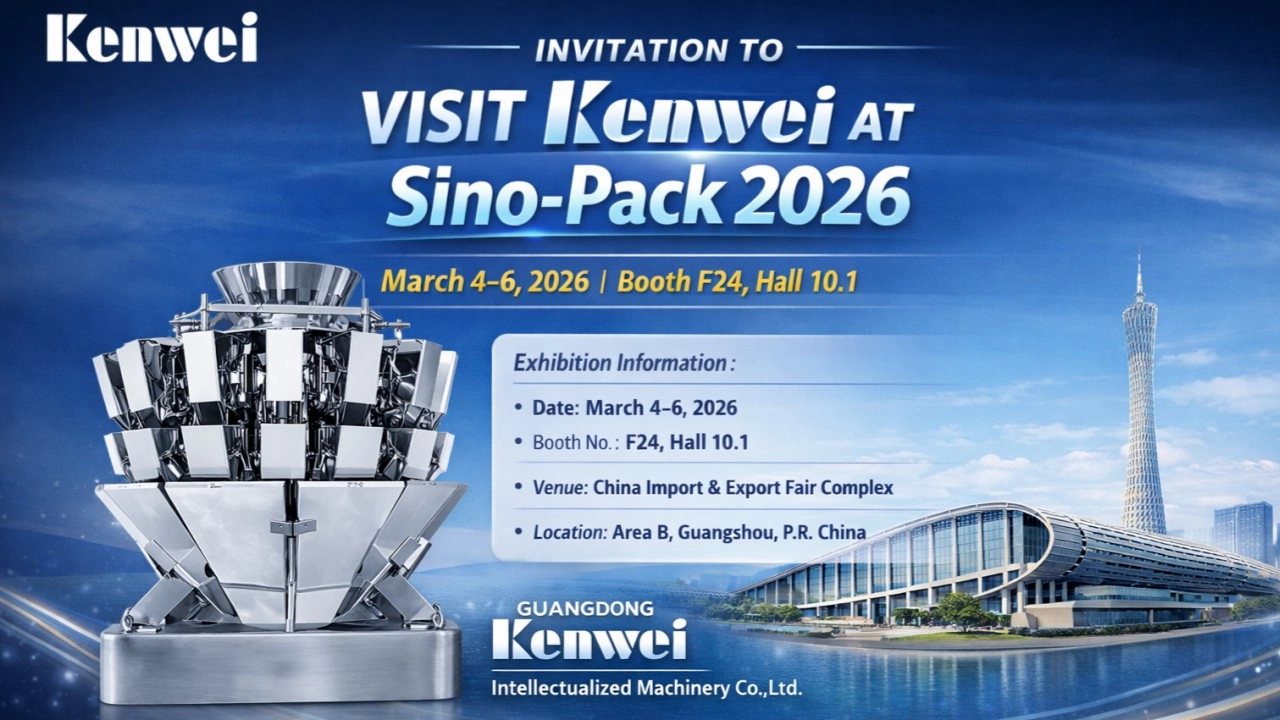
Kenwei to Showcase Intelligent weighing machine at Sino-Pack 2026
Auspicious Start to Work | Guangdong Kenwei 2026
Unite for Transformation · Empower the Future with Intelligence | Guangdong Kenwei 2025 Annual Excellence Awards & Year-End Gala Successfully Held!
Top 10 Food Packaging Machines 2026: Types, Benefits, and Uses
Prdoucts Categories
FAQ
About products customization
Can Kenwei machines support multiple languages?
Yes, we can customize the software interface to support multiple languages, making it easier for operators from different regions to use the machine.
About After Sales Support
Can I get remote troubleshooting assistance?
Yes, Kenwei offers remote troubleshooting for certain issues. Our technical team can guide you through diagnostics and help resolve issues via phone, video call, or online messaging.
About Product choice
Are there any additional features available for Kenwei machines?
Yes, we offer a variety of optional features for customization, such as: advanced touchscreen interfaces, multiple language support and so on.
Can Kenwei's machines be used in my industry?
Kenwei’s equipment is highly versatile and can be used across a wide range of industries, including:Food,Pharmaceuticals,Chemicals,Plastics and Agriculture.
Plastics If you're unsure whether our products are suitable for your industry, please contact us, and we can provide you with specific solutions tailored to your needs.
About Logistics
How are large machines handled during shipping?
Large machines are typically shipped via sea freight using containerized shipping.
You may also like
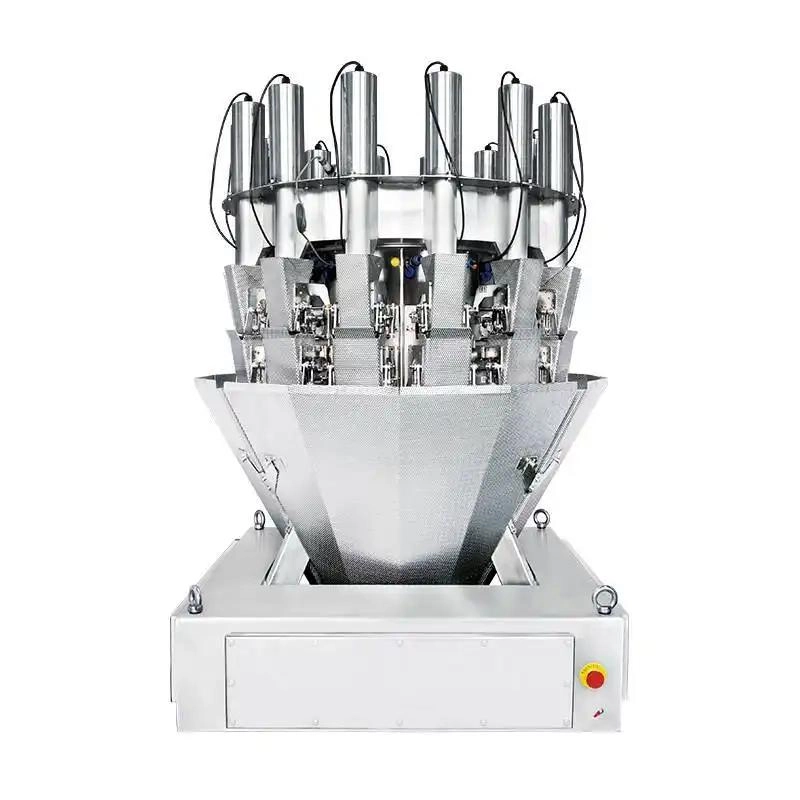
14 Heads Vertical Single Screw Feeding Pickles Weigher backups
This type of weigher is designed to handle the unique characteristics of pickles, ensuring precise measurements for packaging and distribution. It uses a vertical single screw mechanism to feed the pickles into the weighing system, allowing for efficient and consistent weighing. This technology is particularly useful in food processing and packaging facilities where precise portioning is essential for quality control and customer satisfaction. This specialized equipment is perfect for accurately measuring and dispensing pickles in a production line or packaging facility. The vertical design allows for efficient and precise filling of containers, while the single screw feeding mechanism ensures consistent and reliable weighing.
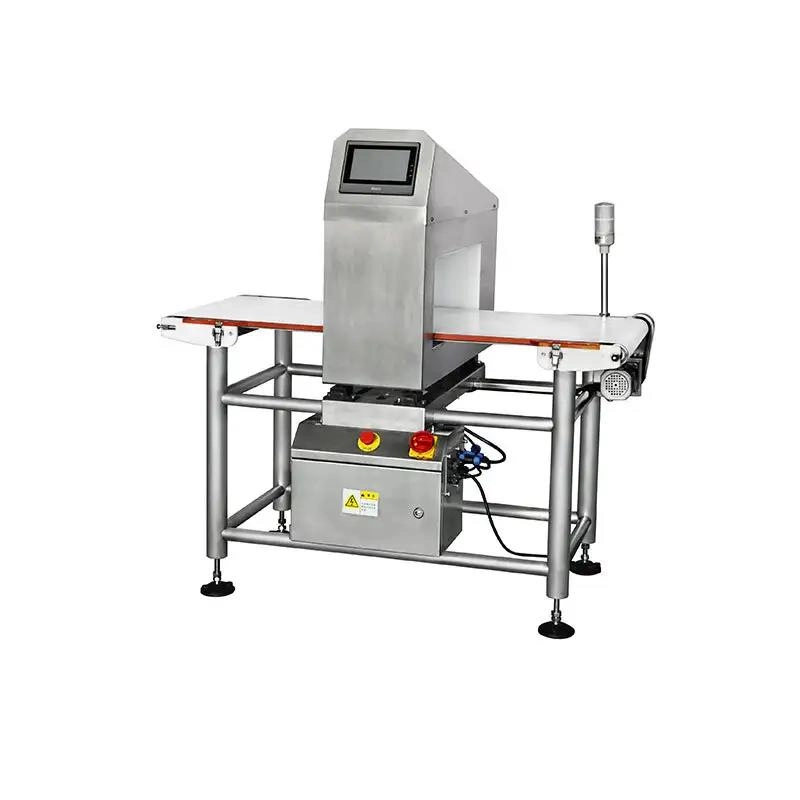
Food Metal Detector Manufacturer For Reject Defective Products G5020
The G5020 multi-frequency metal detector features a specialized conveyor belt designed to reduce contamination risks, ensure smooth operation, and maintain high detection sensitivity. It is easy to disassemble for convenient maintenance. Ideal for detecting metal contaminants in food, pharmaceuticals, spices, plastics, electronics, textiles, toys, handicrafts, and more.
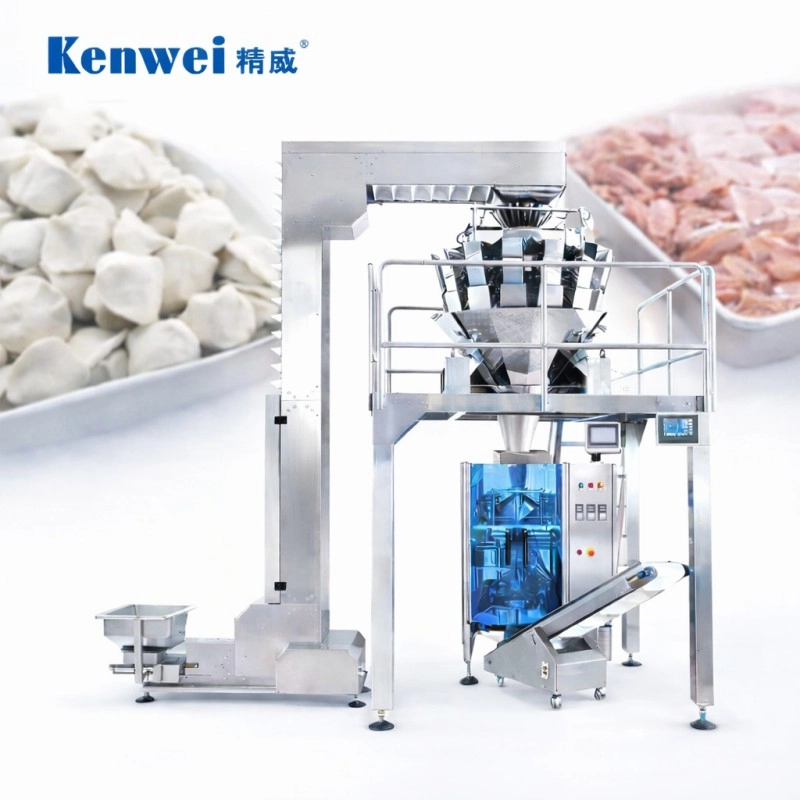
Vertical Frozen Food Packaging Machine for IQF & Frozen Products JW-B1
The Kenwei JW-B1 Vertical Frozen Food Packaging Machine is designed for IQF and frozen products, ensuring efficient, airtight packing. This vertical packing machine boosts productivity with precision sealing, ideal for frozen food packaging needs in the food industry.
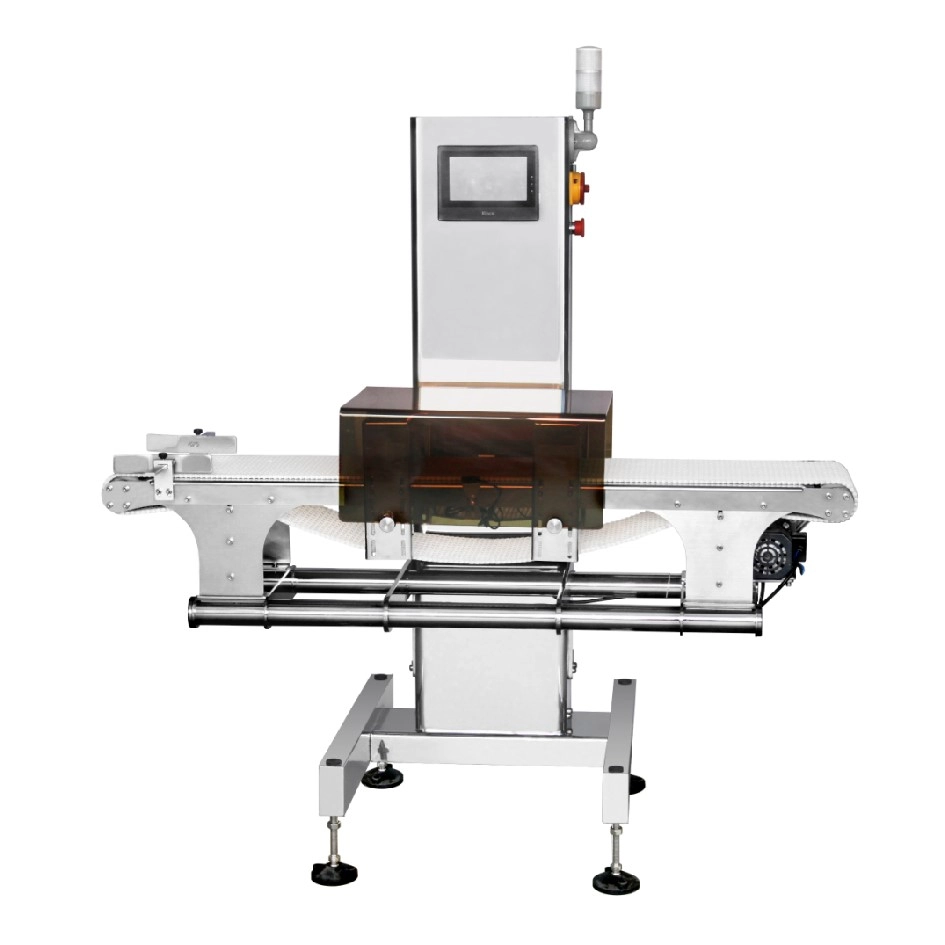
Metal Detector for Aluminum Foil in the Food Industry for Accurate Contamination Detection
The 2415 Metal Detector for Aluminum Foil is equipped with high-sensitivity sensors that effectively filter out signals from aluminum packaging, ensuring precise detection of magnetic metal contaminants. Ideal for detecting foreign bodies in aluminum foil-packaged items such as coffee bags, peanuts, dried meats, chocolate, and more. This versatile metal detector offers adjustable settings, with a maximum width of 24mm and height ranging from 20-150mm, making it suitable for a wide variety of aluminum foil packaging applications.
Contact Kenwei
Our company is located in areas with convenient transportation and developed economy. Our products are supplied in a timely manner. In the course of business operation, we always focus on customers.Have any questions or concerns about our products? Please leave us a message here, and our team will get back to you promptly.
Kenwei
Kenwei
Kenwei multi weigh
Kenwei
Kenwei
Kenwei