






The Future of China's Food Packaging Machinery: Challenges, Innovations, and Global Competitiveness
Monday, 11/18/2019
- The Current Landscape: Progress and Persistent Gaps
- Key Weaknesses in China’s Food Packaging Equipment
- Learning from Global Leaders in Packaging Machinery
- The Future of Food Packaging Machinery: Trends and Opportunities
- Challenges Limiting Industry Growth
- Strategic Solutions for Industry Advancement
- Looking Ahead
Discover the future trends of the domestic food packaging machinery industry with Kenwei. Explore innovative solutions and efficient technologies to boost your business. Stay ahead in food packaging machinery advancements.
China’s Food Packaging Machinery Industry: Current Challenges, Innovations, and the Path Forward
With the continued growth of China’s commodity economy and improvements in the population’s standard of living, the demand for advanced food packaging machinery has surged. This growth, coupled with stricter national regulations on food and pharmaceutical safety, has driven many domestic manufacturers to upgrade their packaging technologies. A growing number of companies are now investing in high-precision, automated packaging solutions to enhance production quality and competitiveness.
The Current Landscape: Progress and Persistent Gaps
Over the past decade, China's food and packaging machinery sector has experienced significant development, with an average annual growth rate of 18%. Despite this progress, the industry still lags behind global leaders in areas such as automation, design innovation, and material utilization.
Around 30% of domestic packaging equipment still relies on outdated, low-tech manufacturing methods. Many machines feature limited automation, lower reliability, and inefficient energy use. As a result, numerous food manufacturers opt to import advanced packaging lines from countries like Germany, Japan, and Italy—markets known for their high-speed, multifunctional systems.
Key Weaknesses in China’s Food Packaging Equipment
-
Low Production Efficiency and Automation Levels
Domestic machines often suffer from poor precision, low speed, and limited lifespan. Base components, electrical systems, and structural integrity often fall short of international standards. -
Limited Use of Advanced Technologies
Compared to foreign competitors, Chinese packaging equipment rarely incorporates smart control systems, servo motors, or data processing technologies. -
Dependence on Imports for High-End Systems
Many enterprises still rely on foreign-made machinery for critical operations, resulting in high costs and lower market share for domestic brands.
Learning from Global Leaders in Packaging Machinery
Germany leads in measurement accuracy and equipment reliability. German filling and sealing systems are highly automated, cost-effective, and environmentally friendly.
Italy produces advanced food packaging machines for candies, tea, and liquids. Italian packaging equipment is well-known for its precision, low cost, and ability to meet custom production requirements.
Japan focuses on compact, highly automated machines ideal for small to medium-sized enterprises. Their equipment is known for efficiency, ease of use, and cutting-edge automation technology.
The Future of Food Packaging Machinery: Trends and Opportunities
As technology evolves, intelligent packaging solutions that integrate AI, IoT, and modular design will become mainstream. The next generation of food packaging machinery will likely exhibit the following traits:
-
Flexible Production Lines: Modular machines that can adapt to different packaging needs.
-
Sustainable Design: Focus on energy efficiency, low emissions, and recyclable materials.
-
Smart Manufacturing: Implementation of digital twins, predictive maintenance, and real-time quality monitoring.
-
Closed-Loop Systems: Packaging processes will increasingly integrate design, production, distribution, and recycling.
Challenges Limiting Industry Growth
-
Weak R&D Investment
R&D spending in many companies remains under 0.3% of revenue, leading to limited innovation and reliance on imitating foreign products. -
Excessive Low-Level Redundancy
Many manufacturers focus on low-end products, crowding the market with repetitive and outdated technologies. -
Lack of Scientific Collaboration
There is a disconnect between research institutions and manufacturing companies. Unlike some provinces like Guangdong—where partnerships with universities are more common—most regions lack integration between R&D and production. -
Shortage of Skilled Trade Professionals
Many firms lack international marketing expertise and multilingual staff, which limits export capabilities and hampers participation in global markets. -
Customization Challenges
Most food packaging machines are non-standard and must be tailored to specific client needs. This requires advanced modular design capabilities, which are lacking in many Chinese firms.
Strategic Solutions for Industry Advancement
1. Regional Development Planning
Create specialized food machinery zones based on geographic and agricultural differences. Use data analysis to forecast demand and support equipment specialization.
2. Building Enterprise Groups
Encourage mergers, partnerships, and alliances between small firms, research institutions, and universities to form robust enterprise clusters with shared R&D capabilities.
3. Technology Import and Localization
Introduce cutting-edge technology from abroad, then focus on localized adaptation, testing, and cost-effective manufacturing.
4. Attracting Foreign Investment
Leverage joint ventures and strategic partnerships with international firms to fund infrastructure, technological upgrades, and talent development.
5. Establish National Testing Facilities
Create standardized labs and certification systems to ensure quality and consistency across the industry. Guangdong Kenwei, for example, has already built advanced labs for simulating various production environments to ensure reliability.
6. Strengthen Quality Assurance
Adopt global quality benchmarks across the entire product lifecycle—from design to after-sales support. Improve licensing systems for key products and create national quality monitoring centers.
7. Develop Talent and Innovation Culture
Invest in professional education and technical training in food machinery and automation. Encourage lifelong learning and better integration of mechanical and food sciences.
Looking Ahead
China’s food packaging machinery industry is at a turning point. While facing stiff global competition, the sector also holds immense potential for technological transformation. By embracing innovation, improving automation, and building globally competitive brands, China can become a leader in food packaging solutions. Through strategic investment and industry collaboration, the dream of evolving from a large manufacturer to a powerful packaging technology nation is within reach.
Recommended for you
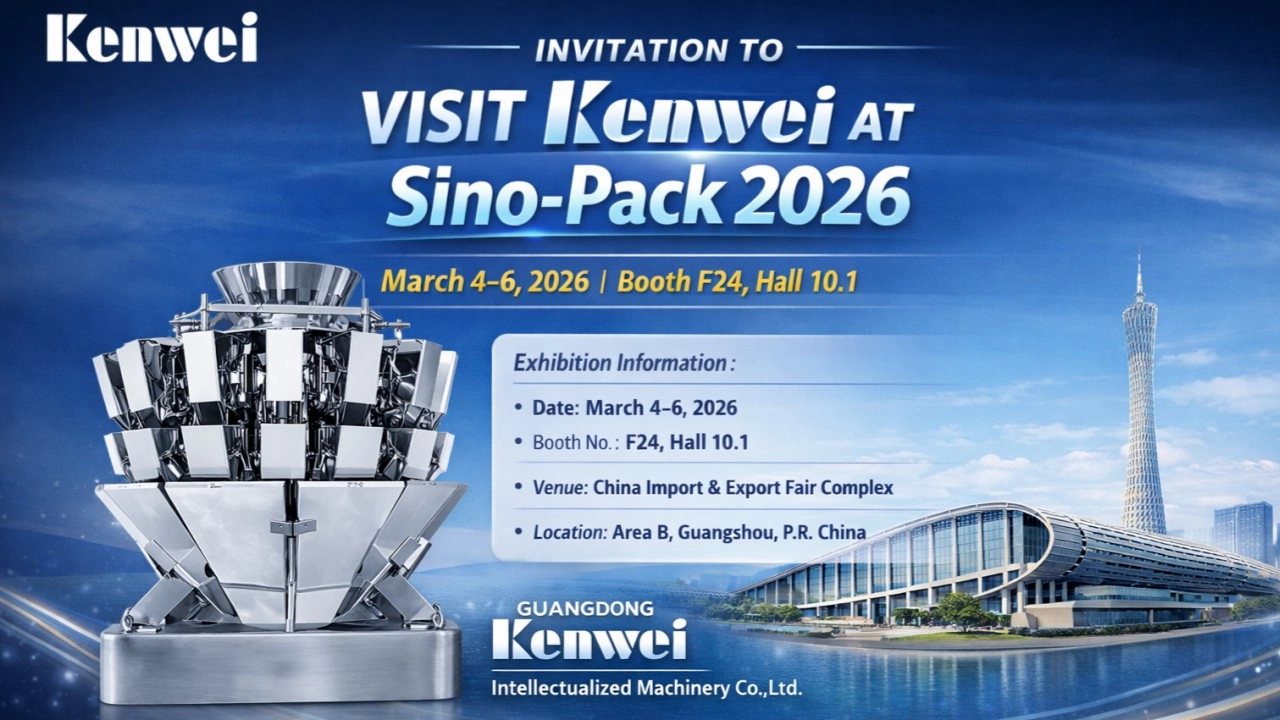
Kenwei to Showcase Intelligent weighing machine at Sino-Pack 2026
Auspicious Start to Work | Guangdong Kenwei 2026
Unite for Transformation · Empower the Future with Intelligence | Guangdong Kenwei 2025 Annual Excellence Awards & Year-End Gala Successfully Held!
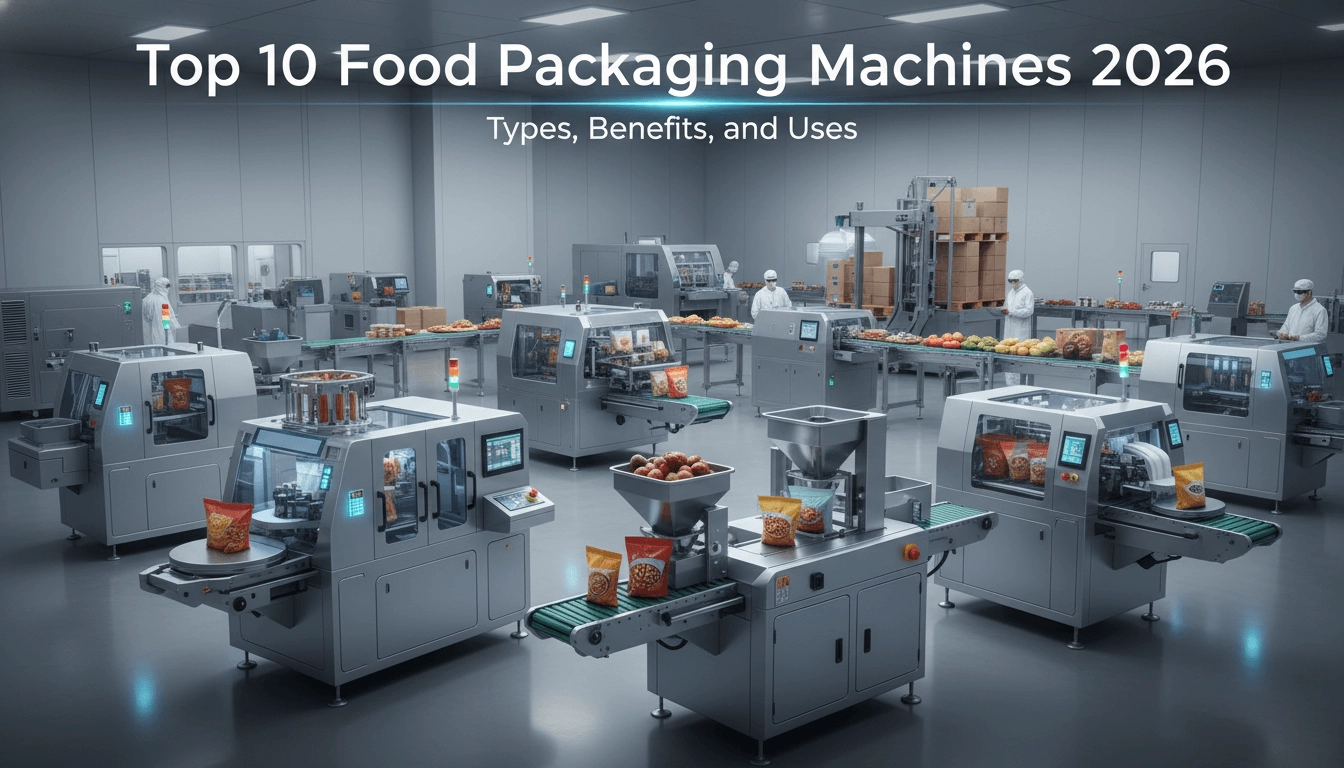
Top 10 Food Packaging Machines 2026: Types, Benefits, and Uses
Prdoucts Categories
FAQ
About Product choice
What is the difference between a multi-head weigher and a linear weigher?
Multi-head Weigher: Ideal for high-speed and high-precision weighing of products with irregular shapes or varying sizes. It provides multiple weighings in parallel for faster processing.
Linear Weigher: It is suitable for powder and granule. It is typically slower than a multi-head weigher but is effective for certain types of applications that require more continuous flow or controlled weighing.
Can Kenwei's machines be used in my industry?
Kenwei’s equipment is highly versatile and can be used across a wide range of industries, including:Food,Pharmaceuticals,Chemicals,Plastics and Agriculture.
Plastics If you're unsure whether our products are suitable for your industry, please contact us, and we can provide you with specific solutions tailored to your needs.
About After Sales Support
How about the after-sales service?
Warranty :2 years
About Cooperation Process
How does Kenwei ensure the quality of its machines?
Kenwei has a stringent quality control system in place. Each machine is rigorously tested for precision, speed, and reliability before it is shipped.
About Solution suggestions
Can Kenwei machines handle products with irregular shapes or sizes?
Yes, multi-head weighers are particularly effective for handling products with irregular shapes and sizes.
You may also like
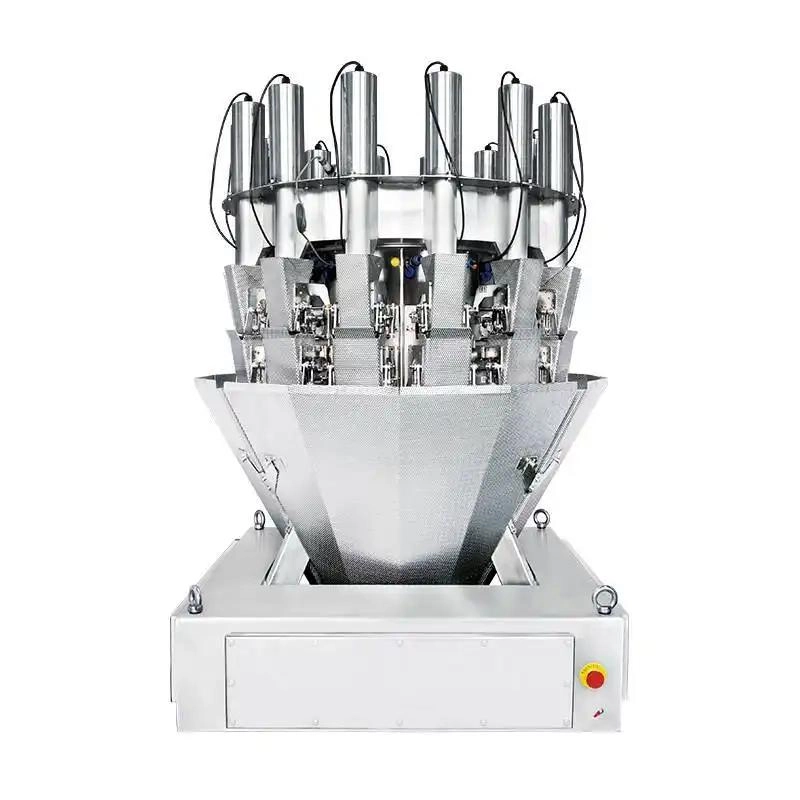
14 Heads Vertical Single Screw Feeding Pickles Weigher backups
This type of weigher is designed to handle the unique characteristics of pickles, ensuring precise measurements for packaging and distribution. It uses a vertical single screw mechanism to feed the pickles into the weighing system, allowing for efficient and consistent weighing. This technology is particularly useful in food processing and packaging facilities where precise portioning is essential for quality control and customer satisfaction. This specialized equipment is perfect for accurately measuring and dispensing pickles in a production line or packaging facility. The vertical design allows for efficient and precise filling of containers, while the single screw feeding mechanism ensures consistent and reliable weighing.
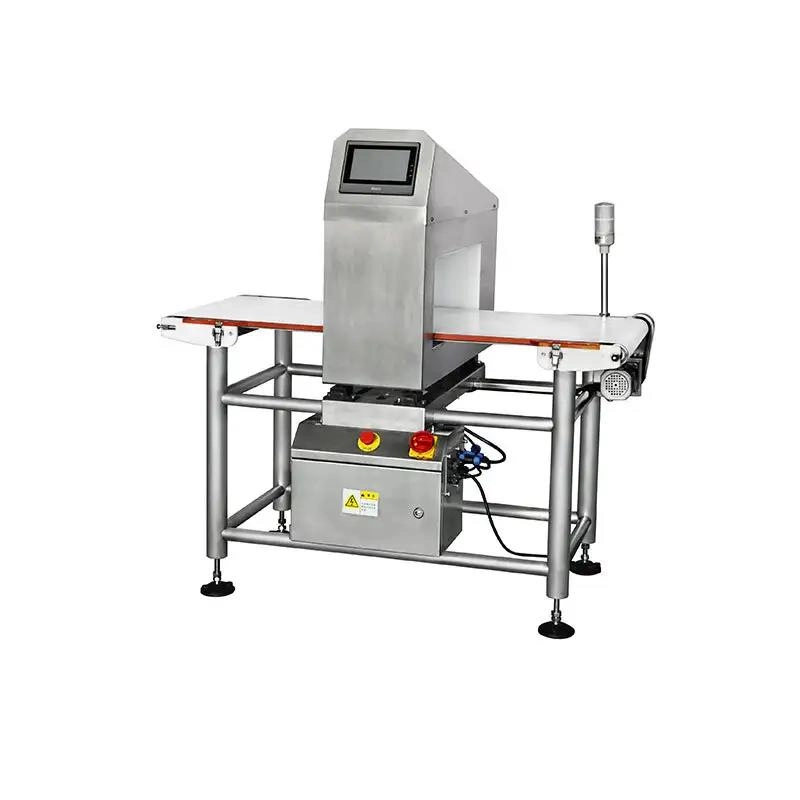
Food Metal Detector Manufacturer For Reject Defective Products G5020
The G5020 multi-frequency metal detector features a specialized conveyor belt designed to reduce contamination risks, ensure smooth operation, and maintain high detection sensitivity. It is easy to disassemble for convenient maintenance. Ideal for detecting metal contaminants in food, pharmaceuticals, spices, plastics, electronics, textiles, toys, handicrafts, and more.
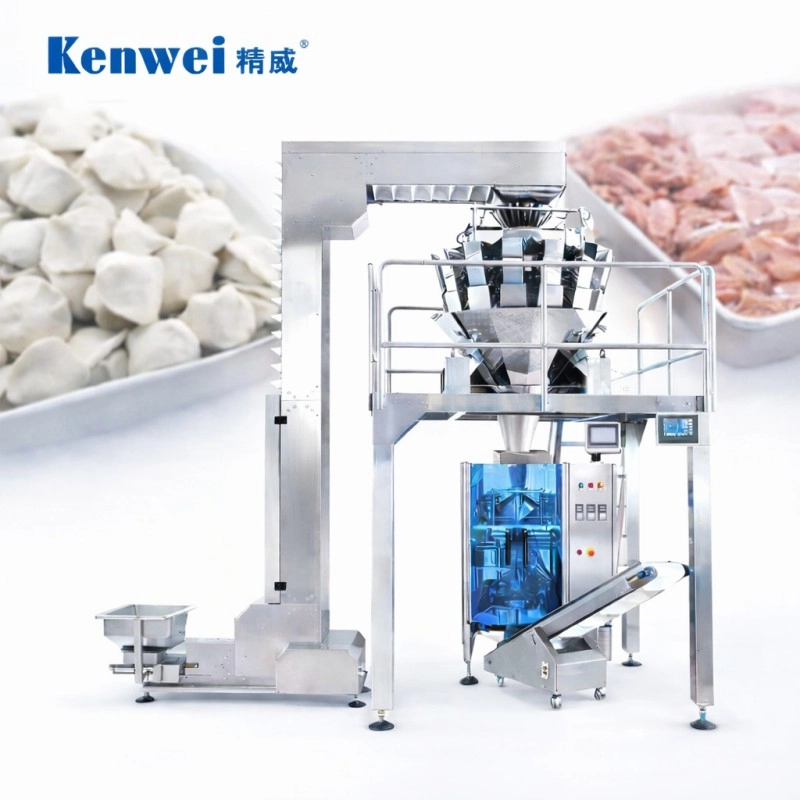
Vertical Frozen Food Packaging Machine for IQF & Frozen Products JW-B1
The Kenwei JW-B1 Vertical Frozen Food Packaging Machine is designed for IQF and frozen products, ensuring efficient, airtight packing. This vertical packing machine boosts productivity with precision sealing, ideal for frozen food packaging needs in the food industry.
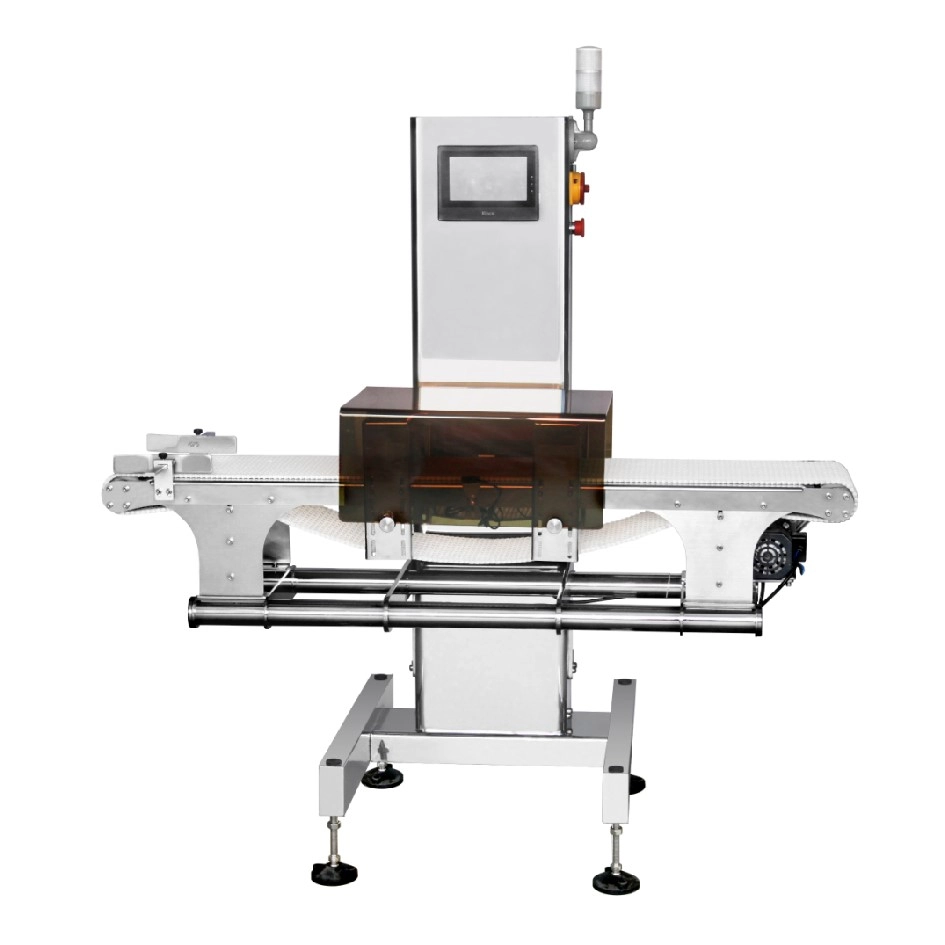
Metal Detector for Aluminum Foil in the Food Industry for Accurate Contamination Detection
The 2415 Metal Detector for Aluminum Foil is equipped with high-sensitivity sensors that effectively filter out signals from aluminum packaging, ensuring precise detection of magnetic metal contaminants. Ideal for detecting foreign bodies in aluminum foil-packaged items such as coffee bags, peanuts, dried meats, chocolate, and more. This versatile metal detector offers adjustable settings, with a maximum width of 24mm and height ranging from 20-150mm, making it suitable for a wide variety of aluminum foil packaging applications.
Contact Kenwei
Our company is located in areas with convenient transportation and developed economy. Our products are supplied in a timely manner. In the course of business operation, we always focus on customers.Have any questions or concerns about our products? Please leave us a message here, and our team will get back to you promptly.
Kenwei
Kenwei
Kenwei multi weigh
Kenwei
Kenwei
Kenwei