






Top 10 Features to Look for in Food Industry Metal Detectors
A practical guide for food manufacturers and QA teams on choosing a metal detector for food industry applications, including how to manage aluminum foil effects, sensitivity, reject systems, validation and compliance. Features are illustrated with a focus on the Metal Detector for Aluminum Foil in the Food Industry for Accurate Contamination Detection.
- Why a specialized metal detector matters in food production
- Food safety, brand protection and regulatory context
- Why packaging matters — especially aluminum foil
- Top 10 features to look for in food industry metal detectors
- Sensitivity and multi-frequency operation
- Product effect compensation and specialized aluminum-foil modes
- Conveyor width/height, aperture size, and modularity
- Operational features that improve yield and traceability
- Reliable reject systems and low false-reject rates
- Hygienic design and washdown rating
- Data logging, traceability and integration
- How to choose, validate and maintain a metal detector
- Selection checklist and practical tests
- Validation, testing and regulatory evidence
- Maintenance, calibration and training
- Implementation checklist and ROI considerations
- Installation best practices
- Return on investment and business case
- Standards and further reading
- Why choose the Metal Detector for Aluminum Foil in the Food Industry for Accurate Contamination Detection
- FAQ — Common questions about metal detectors for the food industry
- Q: Can a metal detector find contaminants in aluminum-foil-packaged products?
- Q: How often should a metal detector be calibrated or tested?
- Q: Will a metal detector find all types of metal?
- Q: How do I reduce false rejects on my line?
- Q: What documentation should I keep for compliance?

Ensuring reliable foreign-body detection is critical for food safety, brand protection and regulatory compliance. A modern metal detector for food industry use must balance high sensitivity with real-world packaging effects (especially aluminum foil), sanitary design, data logging and easy integration with production lines. This guide explains the top 10 features to prioritize, shows how the right choices reduce recalls and waste, and highlights the Metal Detector for Aluminum Foil in the Food Industry for Accurate Contamination Detection — a targeted solution for foil-packaged foods such as coffee bags, snacks and chocolates.
Why a specialized metal detector matters in food production
Food safety, brand protection and regulatory context
Foreign-body contamination is one of the leading causes of product recalls and consumer complaints. Metal detection is frequently a first-line defense against ferrous, non-ferrous and some stainless-steel contaminants. Choosing an appropriate metal detector for the food industry helps meet regulatory expectations such as the U.S. Food and Drug Administration's (FDA) Food Safety Modernization Act (FSMA) and fits into food safety management systems like ISO 22000. For background on food safety frameworks see the FDA FSMA overview (https://www.fda.gov/food/food-safety-modernization-act-fsma) and ISO 22000 (https://www.iso.org/standard/65464.) (both open in a new tab).
Why packaging matters — especially aluminum foil
Packaging has a large impact on detector performance. Aluminum foil packaging, coffee bags with foil barriers and some vacuum packs can create strong product effects that mask or mimic metal signals. Specialized metal detectors with product effect compensation and high-sensitivity sensors designed to 'filter out' aluminum signals are required to reliably detect contaminants without excessive false rejects. For a general primer on metal detectors see the metal detector article on Wikipedia (https://en.wikipedia.org/wiki/Metal_detector) which explains detector physics and common detector types.
Top 10 features to look for in food industry metal detectors
Sensitivity and multi-frequency operation
Feature 1 — High sensitivity: The detector must detect small particles that pose risks (e.g., broken needles, small filings). Sensitivity is typically measured in millimeters (size of sphere equivalent) for different metals. Feature 2 — Multi-frequency or dual-frequency capability: Different frequencies are better for different metal types and product characteristics; low frequencies are better for larger stainless items, high frequencies are more sensitive to small ferrous particles. A modern metal detector for food industry use should offer at least dual-frequency operation and sensitivity tuning to balance detection and false-reject rates.
Product effect compensation and specialized aluminum-foil modes
Feature 3 — Advanced product effect compensation: Algorithms that recognize and subtract the product’s own signal (especially important for wet, conductive or highly variable products). Feature 4 — Aluminum foil mode: A detector designed for aluminum foil packaging (like the Metal Detector for Aluminum Foil in the Food Industry for Accurate Contamination Detection) uses high-sensitivity sensors and special filtering to avoid being blinded by the foil layer while maintaining accurate detection of magnetic contaminants.
Conveyor width/height, aperture size, and modularity
Feature 5 — Appropriate aperture size and conveyor compatibility: The detector aperture must match the product size. The 2415 Metal Detector supports a maximum width of 24mm and a height range of 20–150mm, making it suitable for narrow foil packages like coffee bags and snack pouches. Feature 6 — Modular and scalable design: Ability to upgrade to wider tunnels, different mounting, or integrate with existing conveyors without major changes reduces cost and downtime.
Operational features that improve yield and traceability
Reliable reject systems and low false-reject rates
Feature 7 — Robust rejection mechanisms: Pneumatic pusher arms, air jets or automated diverts that remove contaminated product reliably without damaging good product. The reject system should be fast and easy to adjust. Minimizing false rejects is equally important; overly sensitive settings increase waste and can disrupt production statistics.
Hygienic design and washdown rating
Feature 8 — Sanitary construction: Stainless-steel frames, minimal crevices, IP ratings for washdown and easy-to-clean surfaces lower the risk of microbial harborage. For food industry metal detectors, look for IP65+ protection and hygienic design conforming to industry best practices to ease cleaning and reduce downtime.
Data logging, traceability and integration
Feature 9 — Comprehensive data logging: Traceable logs (time, line speed, sensitivity settings, reject events) are essential for audits, root-cause analysis and recall response. Integration with MES/SCADA and Industry 4.0 systems provides real-time quality metrics. Feature 10 — User-friendly HMI and remote access: Touchscreens with password-protected levels, recipe storage and remote diagnostics reduce operator errors and speed troubleshooting.
How to choose, validate and maintain a metal detector
Selection checklist and practical tests
Start by mapping your product types, packaging materials and likely contaminants. Key questions: Are products wet or dry? Are they in foil packaging? What are the smallest metal sizes you must detect? Consider this simplified comparison table to prioritize needs:
| Requirement | Standard detector | Specialized foil-capable detector (e.g., 2415) |
|---|---|---|
| Aluminum foil handling | Poor — high false rejects | Excellent — foil filtering and compensation |
| Max aperture size | Variable — often wider | 24mm width, 20–150mm height (matches small foil packs) |
| Multi-frequency | Optional | Standard — dual/multi-frequency |
| Hygienic rating | Depends on model | Designed for food lines, washdown-capable |
Validation, testing and regulatory evidence
Validate detectors using certified test pieces and statistical sampling plans. Many regulators and standards bodies expect records of regular verification and calibration. For recommended validation best practices consult international food safety resources such as the Codex Alimentarius (https://www.fao.org/fao-who-codexalimentarius/en/) and industry guidance from organizations like AOAC or BRCGS. Proper documented validation supports compliance with ISO 22000 and FSMA-based control plans.
Maintenance, calibration and training
Regular calibration with standardized test pieces, scheduled preventative maintenance and operator training are key to long-term performance. Remote diagnostics and self-check routines reduce unplanned downtime. Keep logs of checks, calibration results and any changes to detection settings for audit readiness.
Implementation checklist and ROI considerations
Installation best practices
Place detectors after packaging but before any secondary operations (e.g., cartoning) if possible. Ensure stable product flow, minimize tramp metal upstream and use magnets where appropriate to remove large ferrous debris before the detector. Align conveyor speed and reject timing to avoid false rejects due to product piling.
Return on investment and business case
Quantify ROI by balancing the cost of the detector and installation against avoided recall costs, lost sales, litigation risk and brand damage. Reducing false rejects also saves material costs. A detector specialized for aluminum foil will reduce waste and rework for foil-packaged SKUs, directly improving yield.
Standards and further reading
Refer to these authoritative resources when developing procurement specifications and audit evidence:
- FDA — Food Safety Modernization Act (FSMA)
- ISO 22000 — Food safety management
- Codex Alimentarius — International food standards
- Wikipedia — Metal detector (technical overview)
Why choose the Metal Detector for Aluminum Foil in the Food Industry for Accurate Contamination Detection
Product highlight: The 2415 Metal Detector for Aluminum Foil is equipped with high-sensitivity sensors that effectively filter out signals from aluminum packaging, ensuring precise detection of magnetic metal contaminants. Ideal for detecting foreign bodies in aluminum foil-packaged items such as coffee bags, peanuts, dried meats, chocolate, and more. This versatile metal detector offers adjustable settings, with a maximum width of 24mm and height ranging from 20-150mm, making it suitable for a wide variety of aluminum foil packaging applications.
Key benefits of this specialized unit include:
- Optimized foil-mode algorithms that reduce false rejects while maintaining high detection rates.
- Compact footprint for tight production lines, with a specified aperture tailored to small foil packs.
- Sanitary construction and data-logging capability for traceability and audits.
- Flexible reject options and easy integration with multihead weigher lines and packaging conveyors.
FAQ — Common questions about metal detectors for the food industry
Q: Can a metal detector find contaminants in aluminum-foil-packaged products?
A: Yes, but not all metal detectors perform well with foil. You need a detector with specific foil-compensation modes and high-sensitivity sensors. The 2415 model is built for this purpose and reduces the risk of foil masking contaminants.
Q: How often should a metal detector be calibrated or tested?
A: Test with certified metal test pieces daily or per-shift in high-risk environments, and perform full calibration and preventative maintenance at intervals recommended by the manufacturer and your internal QA plan (often monthly or quarterly). Keep documented logs for audits.
Q: Will a metal detector find all types of metal?
A: Metal detectors can find ferrous, non-ferrous (aluminum, copper) and many stainless steels, but detection sensitivity varies with metal type, orientation and size. Combining magnets for large ferrous debris with high-sensitivity detectors offers the best overall protection.
Q: How do I reduce false rejects on my line?
A: Use proper product effect compensation, choose appropriate frequencies, stabilize product flow, ensure correct aperture selection and perform operator training. Specialized foil detectors are particularly helpful for foil-packaged SKUs.
Q: What documentation should I keep for compliance?
A: Maintain calibration certificates, test logs, recipe settings, maintenance records, and records of any rejects or investigations. These support FSMA/ISO 22000/Codex-based audits.
If you need help choosing or testing a metal detector for your production line, contact our sales and technical team to request a demo, specification sheet or on-site assessment. To view the Metal Detector for Aluminum Foil in the Food Industry for Accurate Contamination Detection and request a quote, contact us or visit our product page.
Contact us: For product demos, quotes and technical specifications, email sales@example.com or call +1-800-555-0123. To view product details and request a quote, click here to view the product.
Tags
multihead weighing machine
multihead weighing machine
Low maintenance linear weigher
Low maintenance linear weigher
Parallel manipulator
Parallel manipulator
multihead weigher for sale
multihead weigher for sale
14 head weigher packaging machine
14 head weigher packaging machine
2 head linear weigher
2 head linear weigher
Recommended for you
The B2B Buyer’s Guide to linear weigher single head
best multihead weigher software and controls 2026

Detecting non-ferrous metals like aluminum in foods
The B2B Buyer’s Guide to linear combination weigher
Prdoucts Categories
Question you may concern
About Solution suggestions
Can Kenwei provide solutions for high-volume production?
Yes, Kenwei specializes in high-speed, high-throughput machines designed for large-scale operations. Our multi-head weighers, packing machines, and check weighers.
About Product choice
What types of products does Kenwei offer?
Kenwei specializes in high-precision and high-speed automated machinery for weighing, packaging, and quality control. Our main products include: multihead weigher, linear weigher, checkweighers,food metal detector,vertical packing machine and packing machine accessories.
Are there any additional features available for Kenwei machines?
Yes, we offer a variety of optional features for customization, such as: advanced touchscreen interfaces, multiple language support and so on.
About products customization
How do I request a custom-built Kenwei machine?
To request a customized machine, simply contact our sales or engineering team.
Can I customize Kenwei machines to suit my specific needs?
Yes, Kenwei offers a wide range of customization options to ensure that our machines meet your production requirements.
You may also like
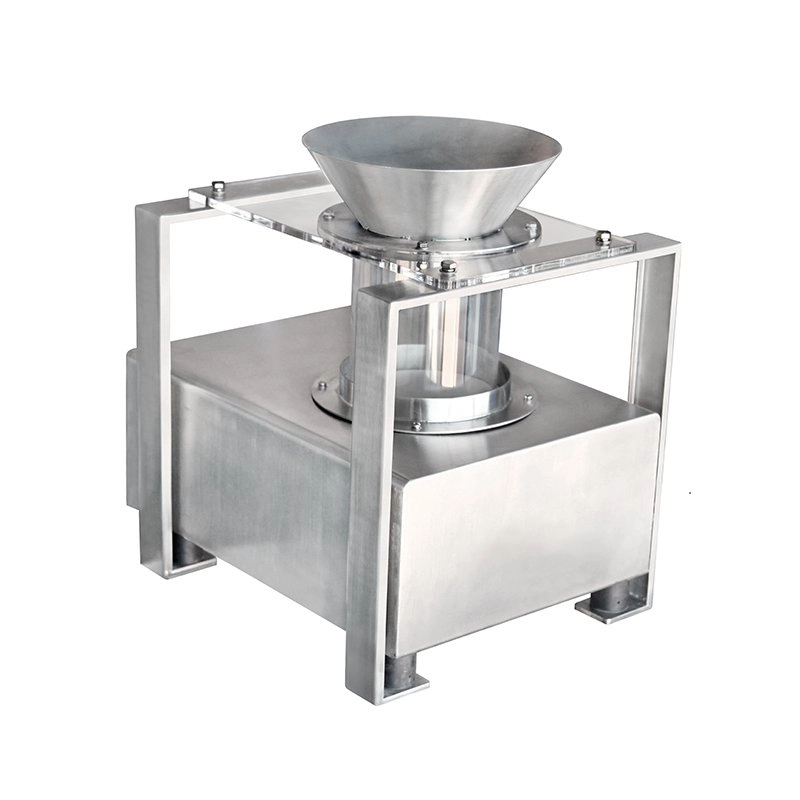
Dropped Metal Detector for Powder Granules For Food Industry
Enhance food safety with Kenwei’s Dropped Metal Detector for Powder Granules. This advanced food metal detector ensures precise detection in the food industry, safeguarding products and maintaining high quality standards throughout processing.
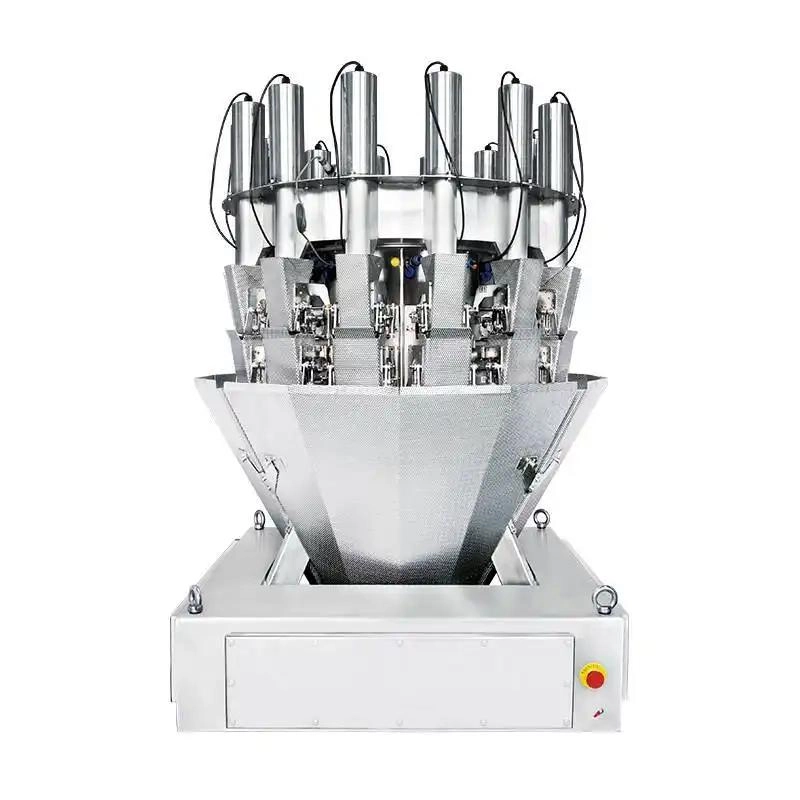
14 Heads Vertical Single Screw Feeding Pickles Weigher backups
This type of weigher is designed to handle the unique characteristics of pickles, ensuring precise measurements for packaging and distribution. It uses a vertical single screw mechanism to feed the pickles into the weighing system, allowing for efficient and consistent weighing. This technology is particularly useful in food processing and packaging facilities where precise portioning is essential for quality control and customer satisfaction. This specialized equipment is perfect for accurately measuring and dispensing pickles in a production line or packaging facility. The vertical design allows for efficient and precise filling of containers, while the single screw feeding mechanism ensures consistent and reliable weighing.
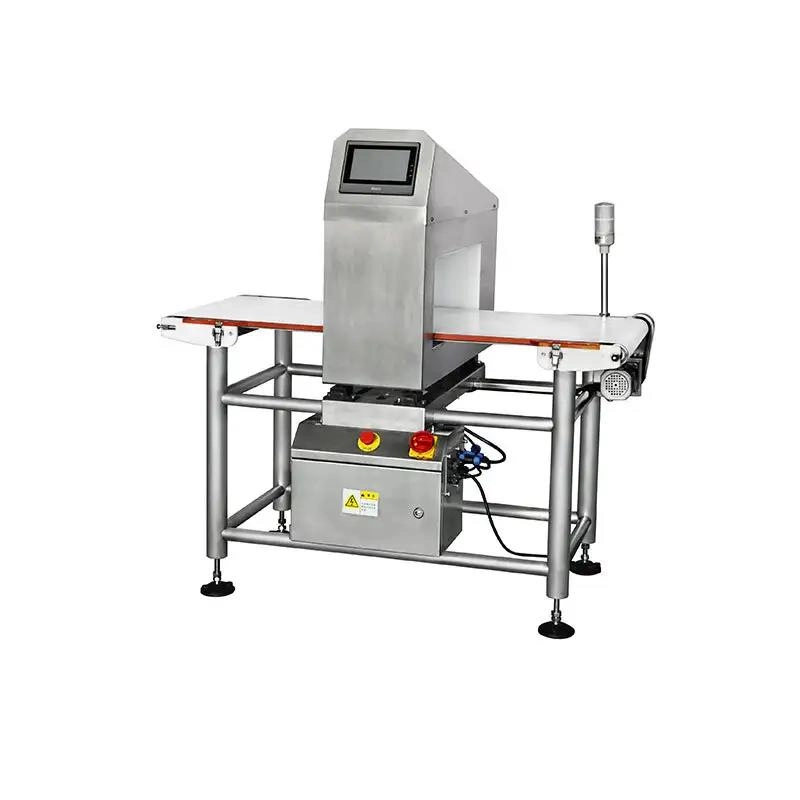
Food Metal Detector Manufacturer For Reject Defective Products G5020
The G5020 multi-frequency metal detector features a specialized conveyor belt designed to reduce contamination risks, ensure smooth operation, and maintain high detection sensitivity. It is easy to disassemble for convenient maintenance. Ideal for detecting metal contaminants in food, pharmaceuticals, spices, plastics, electronics, textiles, toys, handicrafts, and more.
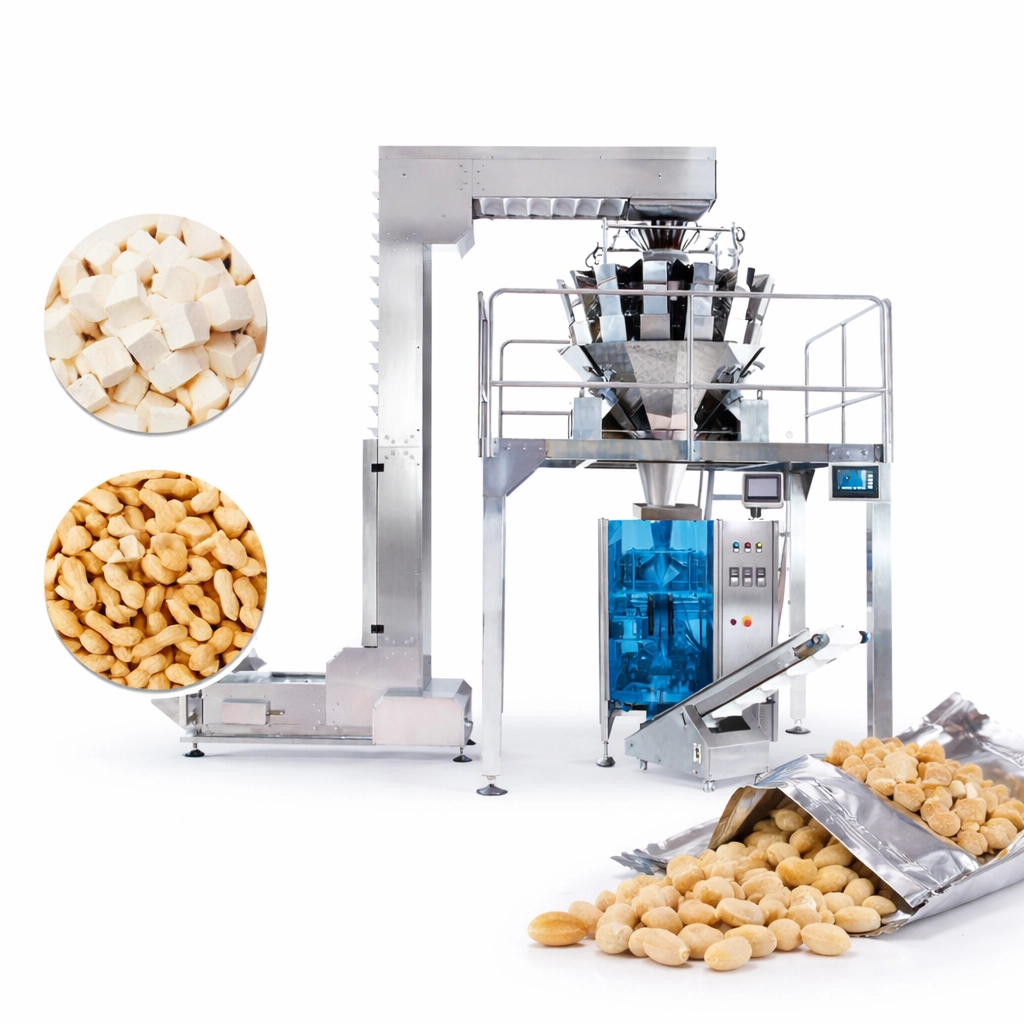
High-Precision Weighing & Packaging for Granular Products
The Granular Food Packing Machine is a fully automated solution designed for accurate weighing, filling, and packaging of various granular food products. Integrated with a multihead weigher and advanced packaging system, it ensures high speed, precision, and hygiene standards for modern food production.
Get in touch with us
If you have any comments or good suggestions, please leave us a message, later our professional staff will contact you as soon as possible.
Kenwei
Kenwei
Kenwei multi weigh
Kenwei
Kenwei
Kenwei