






Optimizing conveyor speed for accurate metal detection
Effective conveyor speed management is critical for reliable metal detection in food production—especially for aluminium-foil packaged goods. This article explains how conveyor speed, detector sensitivity, product presentation, and verification procedures interact; offers practical setup steps and recommended speed ranges; and shows how the 2415 Metal Detector for Aluminum Foil ensures accurate contamination detection in challenging foil-packaged products.
- How conveyor speed influences metal detection performance
- Why speed matters: detection time and signal integrity
- Aluminum foil packaging: a common complication
- Establishing an optimized conveyor setup
- Start with a baseline: product-specific speed tests
- Trade-offs: sensitivity, throughput, and false rejects
- Practical tuning: settings, calibration and verification
- Calibration routines and frequency
- Verification methods and test pieces
- Line-level optimizations and maintenance practices
- Belt condition, alignment and product presentation
- Environmental controls and EMI mitigation
- Recommended speed ranges, examples and a quick reference table
- Typical speed recommendations by product type
- Sample comparison: speed vs. detection probability
- Auditable procedures and regulatory alignment
- Documenting SOPs and records
- Referencing authoritative guidance
- FAQ — Common questions about conveyor speed and metal detection
- Q: How do I choose the right conveyor speed for my metal detector?
- Q: Will slowing the conveyor always improve detection?
- Q: How does aluminum foil affect metal detector performance?
- Q: How often should we verify metal detector performance?
- Q: What key environmental factors can influence detection when adjusting speed?

Optimizing conveyor speed is one of the most impactful, yet often overlooked, adjustments you can make to improve the performance of a metal detector for food industry applications. Correct speed selection reduces false rejects, increases detection probability for small metallic fragments, and ensures compliance with food safety standards while maintaining throughput. This guide explains the physics and practical measures behind conveyor speed choices, how to configure and validate systems for aluminum foil-packaged items, and how to operationalize test and maintenance regimes to keep detection performance consistent over time.
How conveyor speed influences metal detection performance
Why speed matters: detection time and signal integrity
Metal detectors used in food lines work by creating and analyzing an electromagnetic field. When a metal contaminant passes through the aperture, it disturbs that field and generates a measurable signal. Conveyor speed directly affects the time a contaminant spends in the detector’s sensitive zone (dwell time). Shorter dwell time lowers the signal-to-noise ratio and can make small fragments indistinguishable from background noise. Conversely, very slow speeds can improve detection but reduce throughput and may increase false positives from secondary effects such as product vibration.
Aluminum foil packaging: a common complication
Aluminum foil and metallized films present a tricky background signature because they can create large, variable signals that mask metal contaminants. The Metal Detector for Aluminum Foil in the Food Industry for Accurate Contamination Detection—as described below—uses high-sensitivity sensors and filtering to separate foil-induced signals from those generated by ferrous and non-ferrous contaminants. Still, conveyor speed has to be optimized together with detector settings to maintain both production rate and detection capability when dealing with foil-wrapped products like coffee bags, nuts, dried meats, or chocolates.
The 2415 Metal Detector for Aluminum Foil is equipped with high-sensitivity sensors that effectively filter out signals from aluminum packaging, ensuring precise detection of magnetic metal contaminants. Ideal for detecting foreign bodies in aluminum foil-packaged items such as coffee bags, peanuts, dried meats, chocolate, and more. This versatile metal detector offers adjustable settings, with a maximum width of 24mm and height ranging from 20-150mm, making it suitable for a wide variety of aluminum foil packaging applications.
Establishing an optimized conveyor setup
Start with a baseline: product-specific speed tests
Every product behaves differently—density, shape, moisture, and packaging material all influence detector response. To find a baseline conveyor speed, run controlled tests with known test pieces (calibrated metal samples) embedded in representative product packages at varying speeds. For foil-packaged items, include foil-only control samples to characterize the background signal. A realistic baseline is typically the slowest production speed that meets throughput targets while detecting the smallest critical metal size required by your hazard analysis.
Trade-offs: sensitivity, throughput, and false rejects
Increasing sensitivity or reducing speed both improve detection performance, but each has consequences. Higher sensitivity raises the chance of false rejects from product effect or packaging; lower speed reduces output. Adopt a balanced approach: optimize speed first (reduce only if detection performance is unacceptable), then fine-tune sensitivity and filtering algorithms on the metal detector. Document decision criteria in your HACCP/FSMA plans so that speed and sensitivity choices are defensible to auditors.
Practical tuning: settings, calibration and verification
Calibration routines and frequency
Set a calibration schedule and verification protocol that reflects production risks and line variability. Daily verification using standard test pieces (ferrous, non-ferrous, stainless steel) is best practice for high-risk lines. Perform a full calibration whenever you change product type, packaging, conveyor accessories, or belt speed beyond a pre-defined threshold. Maintain records of calibration and verification in line with ISO 22000 food safety management expectations and regulatory guidelines such as those from the U.S. FDA.
Verification methods and test pieces
Use certified test pieces sized to represent the smallest metal fragment that would be a safety risk for the product. Place them at different locations across the product presentation window and run multiple cycles at the target conveyor speed. For foil-packaged items, run tests with foil-only blanks to validate the detector’s foil compensation feature. Maintain a log of pass/fail results and actions taken to correct failures.
Line-level optimizations and maintenance practices
Belt condition, alignment and product presentation
Belt sag, misalignment, or uneven product presentation can create variable background patterns that confuse the detector. Tighten and align belts per manufacturer recommendations, ensure consistent product spacing, and use guides or infeed funnels to control orientation. For the 2415 Metal Detector for Aluminum Foil, ensure the product stays centered in the 24mm maximum width or within the specified height (20–150mm) to maintain the strongest, most consistent detector response.
Environmental controls and EMI mitigation
Electrical noise, temperature swings, and nearby heavy machinery can introduce interference. Maintain consistent ambient conditions and install EMI shields or grounding where necessary. When optimizing speed, test at the worst-case environmental conditions expected during production (e.g., high humidity for dried meat or temperature variations for chocolate lines), since these can influence detector response.
Recommended speed ranges, examples and a quick reference table
Typical speed recommendations by product type
Below are general starting points—always validate with product-specific testing and comply with internal hazard analysis criteria. The speeds are illustrative and must be confirmed through the calibration and verification process described earlier.
| Product Category | Typical Speed Range (m/min) | Detection Notes |
|---|---|---|
| Coffee bags (foil-lined) | 6–12 | Foil compensation required; test pieces may need central placement. |
| Peanuts / Nuts | 8–20 | Small fragments common; slower end improves detection of fine wire. |
| Dried meats (vacuum foil packs) | 4–10 | High product effect; use multiple orientations during testing. |
| Chocolate bars (foil or metallized) | 6–16 | Temperature-sensitive; maintain stable environmental conditions. |
Sample comparison: speed vs. detection probability
The following conceptual table illustrates how detection probability for a small non-ferrous fragment changes with conveyor speed and detector sensitivity. Use it as a planning aid; real values should be established by empirical testing on your line.
| Conveyor Speed (m/min) | Detector Sensitivity Setting | Estimated Detection Probability (%) |
|---|---|---|
| 4 | Medium | 95 |
| 8 | High | 90 |
| 12 | Max | 80 |
| 16+ | Max + special filtering | 65–75 |
Auditable procedures and regulatory alignment
Documenting SOPs and records
Create clear standard operating procedures (SOPs) that document how conveyor speed is chosen, how calibration and verification are performed, and what actions to take when a failure occurs. Records should include line speed, detector settings, test-piece IDs, results, and corrective actions. These records support compliance with food safety management systems such as ISO 22000 and can be valuable evidence during supplier audits or regulatory inspections.
Referencing authoritative guidance
For broader context on foreign-body control and food safety, consult official authorities such as the U.S. FDA and professional bodies like the International Association for Food Protection (IAFP). For technical background on electromagnetic detection principles, the Metal detector overview provides a concise primer; however, always verify technical choices with manufacturer data and in-line empirical testing.
FAQ — Common questions about conveyor speed and metal detection
Q: How do I choose the right conveyor speed for my metal detector?
A: Start by identifying the smallest metal fragment you must detect and the maximum throughput required. Run product-specific tests at multiple speeds using certified test pieces. Choose the highest speed that still consistently detects the critical fragment size. Document the process and re-validate after product or packaging changes.
Q: Will slowing the conveyor always improve detection?
A: Generally, slower speed increases dwell time and improves detection probability, but diminishing returns exist. Very slow speeds can alter product presentation and increase false rejects. Balance speed reductions with detector sensitivity and filtering adjustments to avoid unnecessary production loss.
Q: How does aluminum foil affect metal detector performance?
A: Aluminum foil produces a strong, variable background signal that can mask contaminants. Metal detectors with foil compensation, like the 2415 Metal Detector for Aluminum Foil, use specialized sensors and filtering algorithms to remove the foil effect. Nevertheless, you must validate performance at production speed and verify using foil-only controls.
Q: How often should we verify metal detector performance?
A: For high-risk lines, daily verification is recommended. Perform complete calibration whenever product, packaging, speed, or belt configuration changes. Maintain verification logs for audit and corrective-action traceability.
Q: What key environmental factors can influence detection when adjusting speed?
A: Electrical interference (EMI), temperature fluctuations, humidity, and nearby vibrating equipment can all change the detector baseline. Test at worst-case environmental conditions and apply shielding or isolation where necessary.
If you have specific product profiles, packaging types, or throughput targets, we can provide tailored recommendations for optimal conveyor speed and detector configuration.
Contact us to evaluate your line or view the product: View Metal Detector for Aluminum Foil (2415) | Contact Sales
Tags
china food packing machine
china food packing machine
power packaging machine
power packaging machine
food packing machinery
food packing machinery
metal detectors for food production
metal detectors for food production
commercial multihead weighers
commercial multihead weighers
packaging machines for pet food
packaging machines for pet food
Recommended for you
What are the application scenarios of single head weigher?
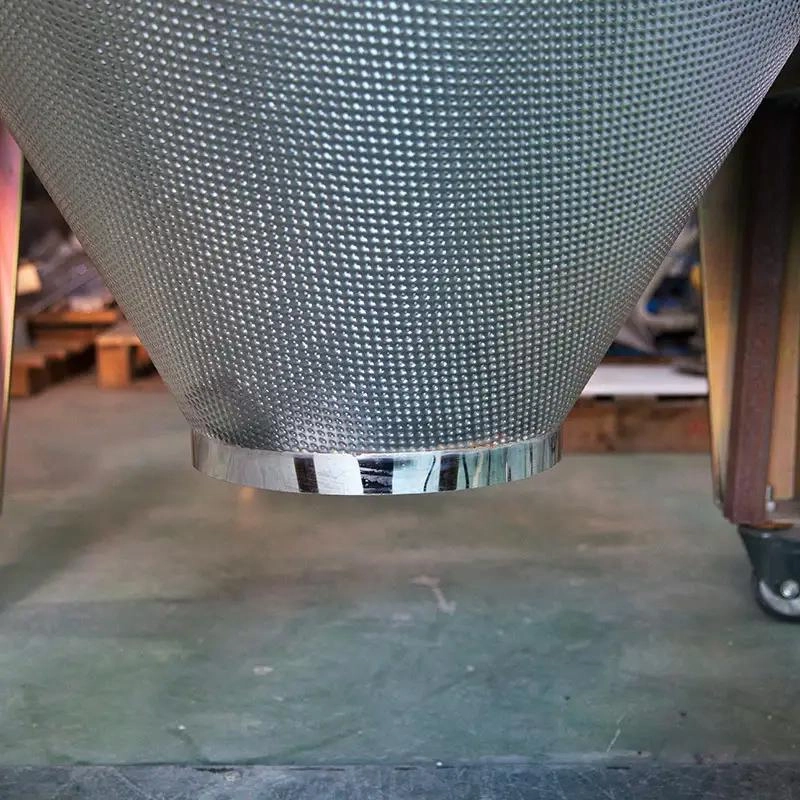
Maintenance Strategies for a 14-Head Vertical Multihead Weigher
ROI: Cost Savings from Installing Food Metal Detectors
What is packing machine for food products ?
Prdoucts Categories
Question you may concern
About After Sales Support
What do I do if I encounter a malfunction in the machine?
If you encounter a malfunction, first check the user manual and troubleshooting guide for common issues. If the problem persists, contact our technical support team for further assistance.
What after-sales support does Kenwei offer?
Kenwei provides comprehensive after-sales support, including product installation, training, maintenance, troubleshooting, and technical assistance. Our team is dedicated to ensuring your machines operate at their best throughout their lifecycle.
About Solution suggestions
What are Kenwei’s primary solutions for industrial weighing and packaging?
Kenwei provides comprehensive solutions for automated weighing and packaging, including multi-head weighers, linear weighers, check weighers, metal detectors, and packing machines. These solutions are tailored to improve speed, accuracy, and efficiency in various industries such as food, pharmaceuticals, and chemicals.
Can Kenwei solutions be adapted for different product packaging types?
Yes, Kenwei solutions can handle a variety of packaging types, including bags, boxes, pouches, and bottles. We can customize machines to suit your packaging format, ensuring compatibility with your packaging equipment.
How do Kenwei’s machines improve my production efficiency?
Kenwei machines enhance efficiency by automating the weighing, packaging, and quality control processes. Our high-speed, high-precision machines ensure accurate measurements, reduce human error, and increase throughput, leading to faster production times and lower operational costs.
You may also like
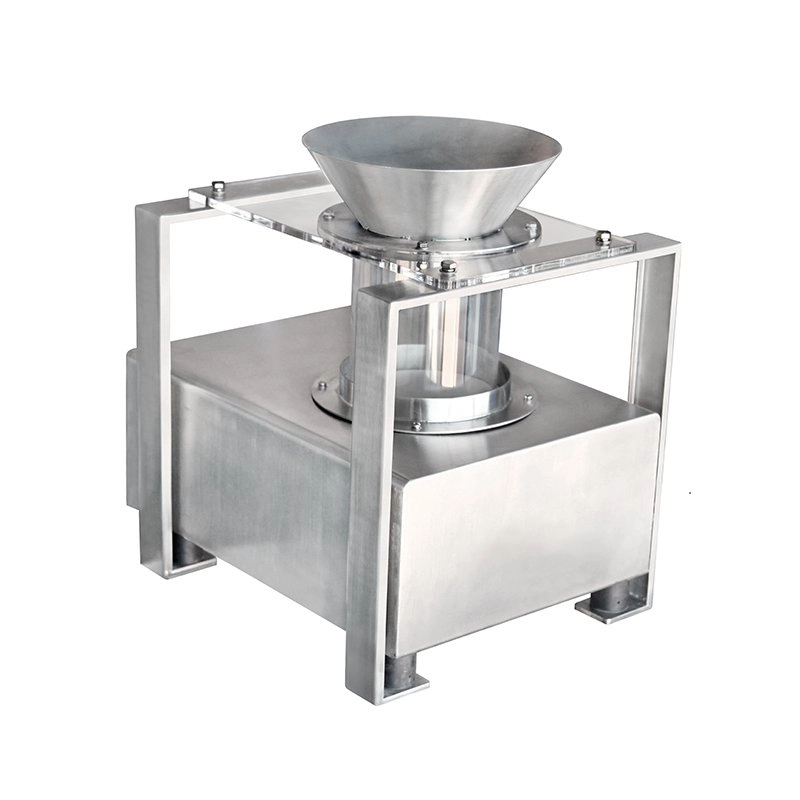
Dropped Metal Detector for Powder Granules For Food Industry
Enhance food safety with Kenwei’s Dropped Metal Detector for Powder Granules. This advanced food metal detector ensures precise detection in the food industry, safeguarding products and maintaining high quality standards throughout processing.
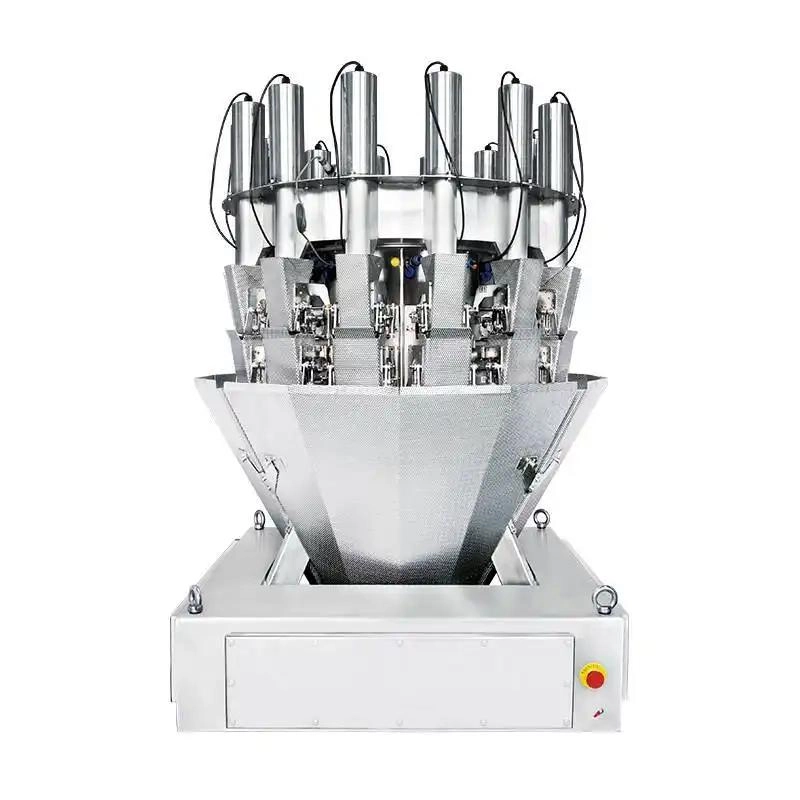
14 Heads Vertical Single Screw Feeding Pickles Weigher backups
This type of weigher is designed to handle the unique characteristics of pickles, ensuring precise measurements for packaging and distribution. It uses a vertical single screw mechanism to feed the pickles into the weighing system, allowing for efficient and consistent weighing. This technology is particularly useful in food processing and packaging facilities where precise portioning is essential for quality control and customer satisfaction. This specialized equipment is perfect for accurately measuring and dispensing pickles in a production line or packaging facility. The vertical design allows for efficient and precise filling of containers, while the single screw feeding mechanism ensures consistent and reliable weighing.
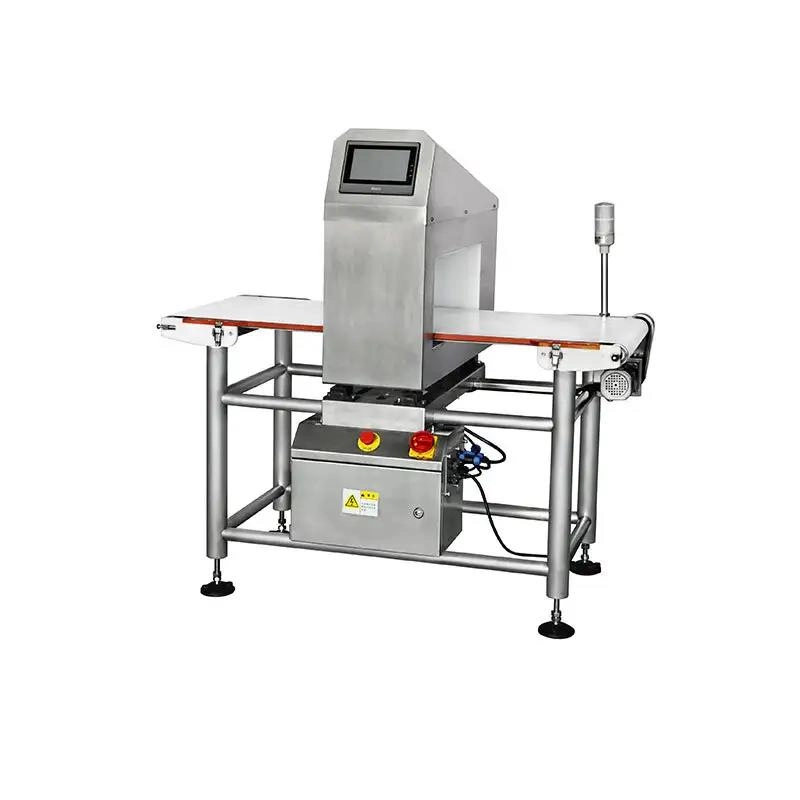
Food Metal Detector Manufacturer For Reject Defective Products G5020
The G5020 multi-frequency metal detector features a specialized conveyor belt designed to reduce contamination risks, ensure smooth operation, and maintain high detection sensitivity. It is easy to disassemble for convenient maintenance. Ideal for detecting metal contaminants in food, pharmaceuticals, spices, plastics, electronics, textiles, toys, handicrafts, and more.
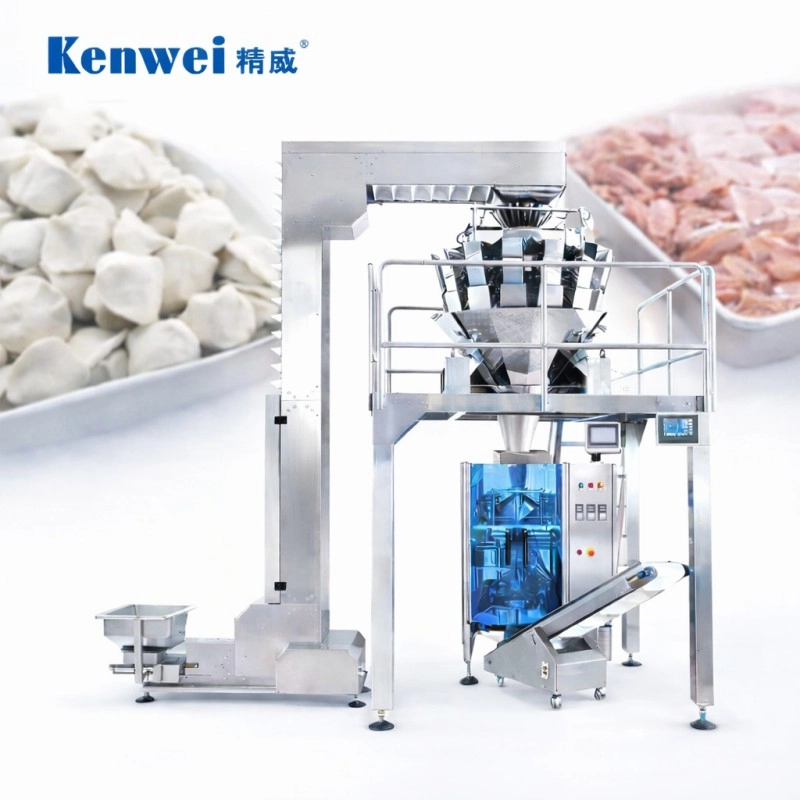
Vertical Frozen Food Packaging Machine for IQF & Frozen Products JW-B1
The Kenwei JW-B1 Vertical Frozen Food Packaging Machine is designed for IQF and frozen products, ensuring efficient, airtight packing. This vertical packing machine boosts productivity with precision sealing, ideal for frozen food packaging needs in the food industry.
Get in touch with us
If you have any comments or good suggestions, please leave us a message, later our professional staff will contact you as soon as possible.
Kenwei
Kenwei
Kenwei multi weigh
Kenwei
Kenwei
Kenwei