






Maintenance checklist for 14 head multihead weighers in food lines
A comprehensive, practical maintenance checklist for 14 head multihead weighers — focused on the 14 Heads Vertical Single Screw Feeding Pickles Weigher backups — covering daily, weekly, monthly and annual tasks, troubleshooting, parts, hygiene and compliance to maximize uptime, accuracy and food safety.
- Maintenance checklist for 14 head multihead weighers in food lines
- Why regular maintenance matters for a 14 head multihead weigher
- Product overview: 14 Heads Vertical Single Screw Feeding Pickles Weigher backups
- Key maintenance goals for 14 head multihead weighers
- Daily maintenance checklist (start/shift)
- Weekly maintenance checklist
- Monthly maintenance checklist
- Quarterly maintenance checklist
- Annual maintenance checklist
- Maintenance schedule table (sample)
- Troubleshooting common problems and fixes
- Spare parts and inventory recommendations
- Hygiene, sanitation and compliance tips
- Operational best practices to extend service intervals
- When to call service or OEM support
- Brand advantages: why choose the 14 Heads Vertical Single Screw Feeding Pickles Weigher backups
- Frequently Asked Questions (FAQ)
- Contact sales / View product
- References and authoritative resources

Maintenance checklist for 14 head multihead weighers in food lines
Why regular maintenance matters for a 14 head multihead weigher
A 14 head multihead weigher is a precision instrument in any food packaging line. Regular maintenance keeps weighing accuracy within spec, reduces downtime, extends machine life and maintains food safety compliance. For specialty machines such as the 14 Heads Vertical Single Screw Feeding Pickles Weigher backups, maintenance must account for the unique physical properties of pickles — brine, irregular shapes, variable moisture and surface stickiness — which can accelerate wear and challenge calibration.
Product overview: 14 Heads Vertical Single Screw Feeding Pickles Weigher backups
This type of weigher is designed to handle the unique characteristics of pickles, ensuring precise measurements for packaging and distribution. It uses a vertical single screw mechanism to feed the pickles into the weighing system, allowing for efficient and consistent weighing. This technology is particularly useful in food processing and packaging facilities where precise portioning is essential for quality control and customer satisfaction. This specialized equipment is perfect for accurately measuring and dispensing pickles in a production line or packaging facility. The vertical design allows for efficient and precise filling of containers, while the single screw feeding mechanism ensures consistent and reliable weighing.
Key maintenance goals for 14 head multihead weighers
When maintaining a 14 head multihead weigher, aim to:
- Keep weighing accuracy within the manufacturer's tolerance (typically within a few grams depending on product and target weight).
- Ensure sanitary surfaces and prevent cross-contamination.
- Minimize mechanical wear and vibrations that degrade performance.
- Prevent unplanned downtime via proactive parts replacement and inspection.
- Document all maintenance to support traceability and compliance (HACCP, FSMA, ISO 22000).
Daily maintenance checklist (start/shift)
Performing a short daily routine reduces the likelihood of weighing errors during production.
- Visual inspection of hoppers, chutes and feed screw for product buildup or film from brine.
- Clean contact surfaces and any areas where pickles may lodge — use recommended food-safe cleaners and follow rinse procedures.
- Check for loose or missing fasteners on heads, buckets and frame supports.
- Confirm load cell readings are stable (no wild drift) and that tare/zero operates correctly.
- Run a quick calibration/verification check using a standardized test weight or sample package weight.
- Listen for abnormal noises from the feeding screw, vibratory drives or motors.
Weekly maintenance checklist
Weekly checks should be more thorough and may be scheduled during planned downtime.
- Full washdown of product-contact areas according to your hygiene SOPs; ensure electrical enclosures remain sealed.
- Inspect and clean the vertical single screw feed: remove lodged pieces, check for scoring or corrosion caused by brine.
- Lubricate bearings and chains per manufacturer recommendations (use food-grade lubricants only).
- Perform multi-sample weight checks across different heads to detect drift or a single-head bias.
- Check bucket alignment, bucket release mechanisms and interlocks.
- Validate vibration amplitude and frequency settings for the feeder system — changes can affect dose distribution.
Monthly maintenance checklist
These inspections uncover wear that weekly checks might miss.
- Verify load cell performance: run a calibrated test on each of the 14 heads and log the results.
- Check the condition of drive motors, coupling, gearboxes and mounting points for wear, leaks or play.
- Inspect electrical connectors, cables and sensors for corrosion or damaged insulation due to moisture exposure.
- Examine all gaskets, seals and covers for integrity — replace if hardened or cracked.
- Confirm the safety interlocks (doors, guards, emergency stops) function and are not bypassed.
- Review software logs and errors to identify intermittent issues before they escalate.
Quarterly maintenance checklist
Quarterly tasks are preventive actions to maintain long-term accuracy and reduce risk of failure.
- Full dynamic calibration: run multiple calibrated weight sets across the machine’s operational range to validate accuracy.
- Replace wear items on the vertical screw (sleeves, wear plates) if they show measurable degradation.
- Inspect and re-tension belts and chains; assess alignment of drive trains and vibratory feeders.
- Conduct vibration analysis on motors and bearings; diagnose early signs of bearing failure.
- Check PLC and HMI backups; ensure software versions are documented and backups are stored securely.
Annual maintenance checklist
Annual servicing is often done by qualified technicians and may be required to maintain warranty.
- Complete strip-down inspection of feed screw assembly, buckets and weighing heads.
- Full load cell certification and replacement if out of tolerance.
- Electrical panel cleaning, thermal imaging for hot spots and review of protective devices.
- Review machine frame for fatigue, weld cracks and fastener torque at critical joints.
- Update maintenance records, spare parts inventory and service contracts.
Maintenance schedule table (sample)
| Task | Daily | Weekly | Monthly | Quarterly | Annual |
|---|---|---|---|---|---|
| Visual inspection & cleaning | ✔ | ✔ (washdown) | ✔ | ✔ | ✔ |
| Load cell verification | Quick check | Sample check | Full test | Full calibration | Certification |
| Lubrication | — | ✔ (bearings, chains) | ✔ | ✔ | ✔ |
| Electrical & sensors | Visual | ✔ | ✔ | ✔ | Thermal scan |
| Feed screw & product-contact parts | Clean | Inspect | Wear check | Replace parts | Strip & inspect |
Troubleshooting common problems and fixes
Below are frequent issues you may encounter with a 14 head multihead weigher and practical fixes.
- Weight drift over a shift: Check temperature effects on load cells, inspect for product buildup on buckets and ensure the machine is on a vibration-free surface.
- One head consistently under/overweight: Clean and test the head's load cell and bucket. Swap load cell cables between heads to isolate whether the issue follows the head or the electronics.
- Product jamming at feed screw: Verify screw pitch and speed, clear lodged product, and consider modifying screw flights or adding anti-bridging features for slippery or irregular picks.
- Excessive vibration/noise: Tighten loose mounts, balance rotating parts, and perform bearing inspections.
- Intermittent sensor faults: Inspect cables for ingress of water/brine, check connectors, and run diagnostics on the PLC I/O.
Spare parts and inventory recommendations
Maintain a critical-spares kit to reduce downtime:
- Load cells for at least 2 heads (rotation replacement).
- Bucket sets and seals for rapid swap.
- Drive belts, bearings and coupling parts.
- Food-grade lubricants, gaskets, and fasteners specific to the 14-head model.
- Replacement sensors and cables prone to corrosion in wet environments.
Hygiene, sanitation and compliance tips
Pickles present specific hygiene challenges due to brine and organic residues. To meet HACCP, FSMA and ISO 22000 requirements:
- Use CIP (clean-in-place) procedures where possible; otherwise, establish validated manual clean protocols.
- Choose sanitizers compatible with stainless steel and safe for residual contact surfaces used with pickled products.
- Document cleaning cycles and verification swabs to demonstrate control of biological hazards.
- Train operators on correct disassembly and reassembly to avoid missed contamination risks.
Operational best practices to extend service intervals
Simple practices can extend equipment life:
- Pre-screen product to remove oversized pieces or foreign materials that can jam the screw or damage buckets.
- Control feed rates to avoid overfilling buckets and creating excess mechanical stress.
- Maintain a stable ambient environment (temperature/humidity) to reduce electronic drift and corrosion.
- Schedule predictive maintenance based on runtime and production cycles rather than calendar alone.
When to call service or OEM support
Contact qualified service when you encounter:
- Load cell failures that affect more than one head or repeat after replacement.
- Structural frame issues, severe corrosion, or weld failures.
- PLC or HMI errors that cannot be cleared by restart and basic diagnostics.
- Repeated hygiene failures linked to design or inaccessible areas requiring OEM modification.
Brand advantages: why choose the 14 Heads Vertical Single Screw Feeding Pickles Weigher backups
The 14 Heads Vertical Single Screw Feeding Pickles Weigher backups are engineered for pickle-specific handling. Key advantages:
- Vertical single-screw feed minimizes product damage and reduces bridging for irregular, wet products.
- 14 heads provide high speed and flexibility for accurate portioning with lower giveaway.
- Sanitary design with accessible product-contact parts simplifies cleaning and reduces downtime.
- Designed backup features for quick-swap parts and redundancies to maintain production continuity.
- Robust construction for brine resistance and long-term operation in wet food environments.
Frequently Asked Questions (FAQ)
Q: How often should I calibrate a 14 head multihead weigher?
A: Perform quick calibration checks daily or per shift. Complete calibrations should be scheduled monthly, with certification annually, or more often if production variability increases.
Q: Can I use the same cleaning chemicals for pickles as for other dry products?
A: Not always. Pickle lines need cleaners and sanitizers that effectively remove brine residues and organic film. Always use food-contact approved chemicals and follow material compatibility guidance for stainless steel and seals.
Q: What are the signs a load cell is failing?
A: Common signs include sudden weight drift, inconsistent readings, a head persistently out of tolerance, or noisy/unsteady zero readings. Environmental exposure (moisture, brine) speeds failure.
Q: How much spare inventory should I keep?
A: Keep at least 1–2 spare load cells, a full bucket set, seals/gaskets, and common wear parts. Adjust based on production criticality and lead times from the supplier.
Q: Is professional service required for annual maintenance?
A: For load cell certification, electrical panel service, and structural inspections it is recommended to use OEM or certified service technicians to maintain warranty and ensure correct calibration.
Contact sales / View product
With routine maintenance under control, many factories look to improve system resilience. Integrating backup systems with 14 head multihead weighers further enhances reliability, especially in continuous pickle packaging operations.For a tailored maintenance plan, spare parts kit or to learn more about the 14 Heads Vertical Single Screw Feeding Pickles Weigher backups, contact our sales and service team. We provide on-site audits, preventive maintenance programs and OEM-certified parts to keep your 14 head multihead weigher running at peak performance.
References and authoritative resources
- European Hygienic Engineering & Design Group (EHEDG) – https://www.ehedg.org/
- U.S. Food & Drug Administration (FDA) — Food Safety Modernization Act (FSMA) — https://www.fda.gov/food/food-safety-modernization-act-fsma
- Codex Alimentarius (FAO/WHO) — Food safety standards — http://www.fao.org/fao-who-codexalimentarius/en/
- ISO 22000 — Food safety management systems — https://www.iso.org/standard/65464.
- Weighing scale (overview) — Wikipedia — https://en.wikipedia.org/wiki/Weighing_scale
End of checklist and guidance. Follow manufacturer documentation for model-specific torque, lubricant types and electrical ratings before performing maintenance.
Tags
linear weigher
linear weigher
metal detectors for food processing
metal detectors for food processing
Counting Machine
Counting Machine
packaging and weighing system
packaging and weighing system
automatic packaging machine
automatic packaging machine
food metal detector manufacturer
food metal detector manufacturer
Recommended for you
The latest trends for food grains packing machine
How to Calibrate Your Food Grain Packing Machine Accurately
What are the application scenarios of vffs packaging machine?
Packaging Snack Foods: Benefits of JW-B23 Automation
Prdoucts Categories
Question you may concern
About Product choice
What types of products does Kenwei offer?
Kenwei specializes in high-precision and high-speed automated machinery for weighing, packaging, and quality control. Our main products include: multihead weigher, linear weigher, checkweighers,food metal detector,vertical packing machine and packing machine accessories.
About Cooperation Process
Does Kenwei offer installation and training?
Yes, Kenwei provides installation services and comprehensive training to ensure that your team can operate the machinery efficiently. Our engineers can travel to your facility for on-site installation, and we also offer remote training options if needed.
What information is needed to get a quote from Kenwei?
For us to provide an accurate quote, please provide the following details:
Type of machinery you are interested in (e.g., multi-head weighers, metal detectors, etc.)
Specifications and customization requirements (e.g., capacity, speed, size, etc.)
Your intended application and industry
Quantity of machines required
Delivery location
About Price and payment
Can I get a detailed quote before making a purchase?
Absolutely! We provide detailed quotes that break down the costs for the machines, customization, shipping, and any additional services. Please contact our sales team with your requirements to receive a customized quote.
About Logistics
How are large machines handled during shipping?
Large machines are typically shipped via sea freight using containerized shipping.
You may also like
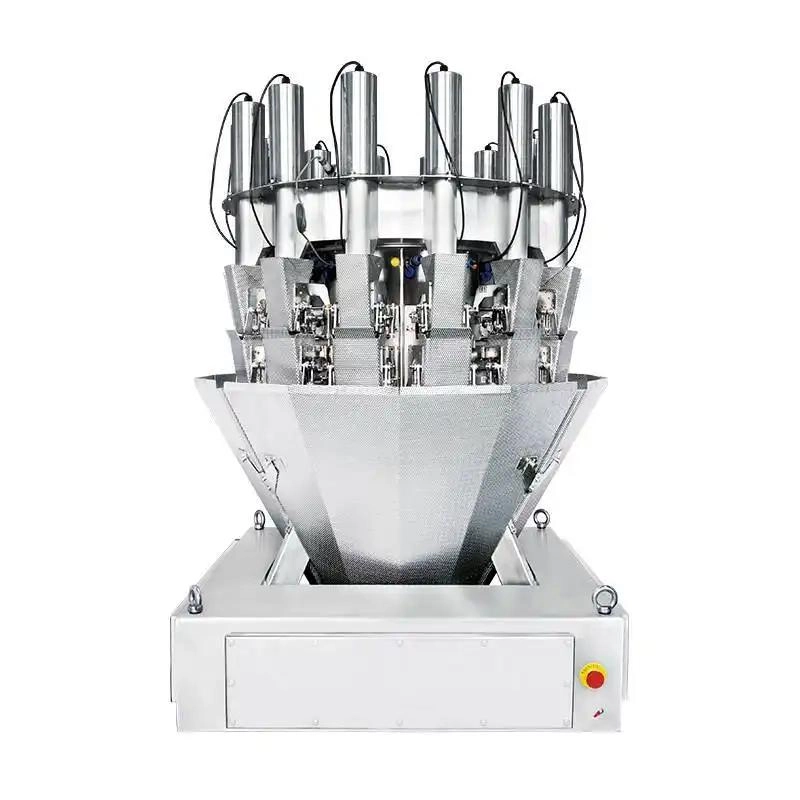
14 Heads Vertical Single Screw Feeding Pickles Weigher backups
This type of weigher is designed to handle the unique characteristics of pickles, ensuring precise measurements for packaging and distribution. It uses a vertical single screw mechanism to feed the pickles into the weighing system, allowing for efficient and consistent weighing. This technology is particularly useful in food processing and packaging facilities where precise portioning is essential for quality control and customer satisfaction. This specialized equipment is perfect for accurately measuring and dispensing pickles in a production line or packaging facility. The vertical design allows for efficient and precise filling of containers, while the single screw feeding mechanism ensures consistent and reliable weighing.
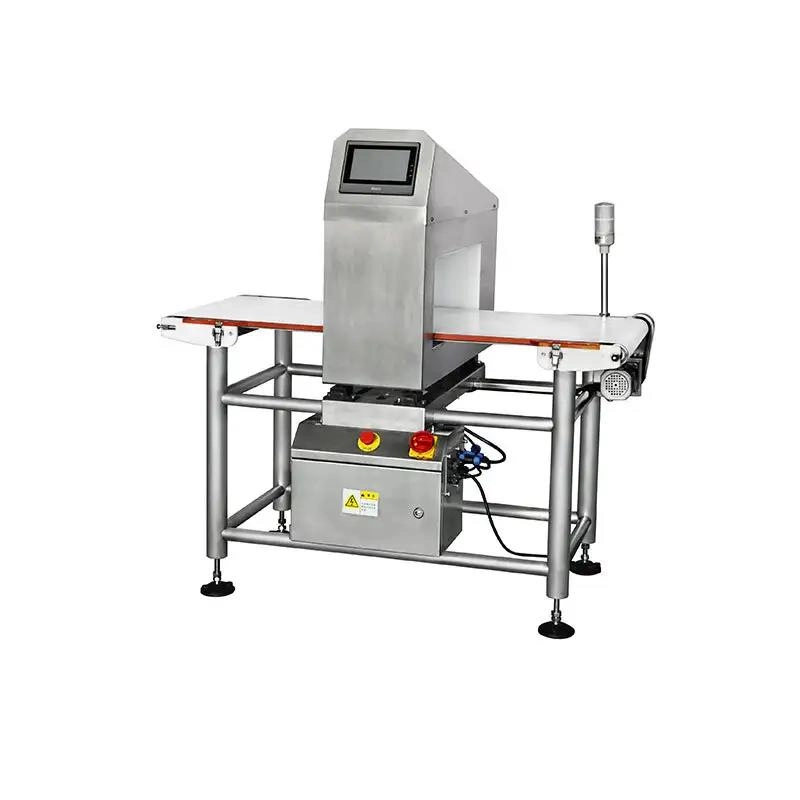
Food Metal Detector Manufacturer For Reject Defective Products G5020
The G5020 multi-frequency metal detector features a specialized conveyor belt designed to reduce contamination risks, ensure smooth operation, and maintain high detection sensitivity. It is easy to disassemble for convenient maintenance. Ideal for detecting metal contaminants in food, pharmaceuticals, spices, plastics, electronics, textiles, toys, handicrafts, and more.
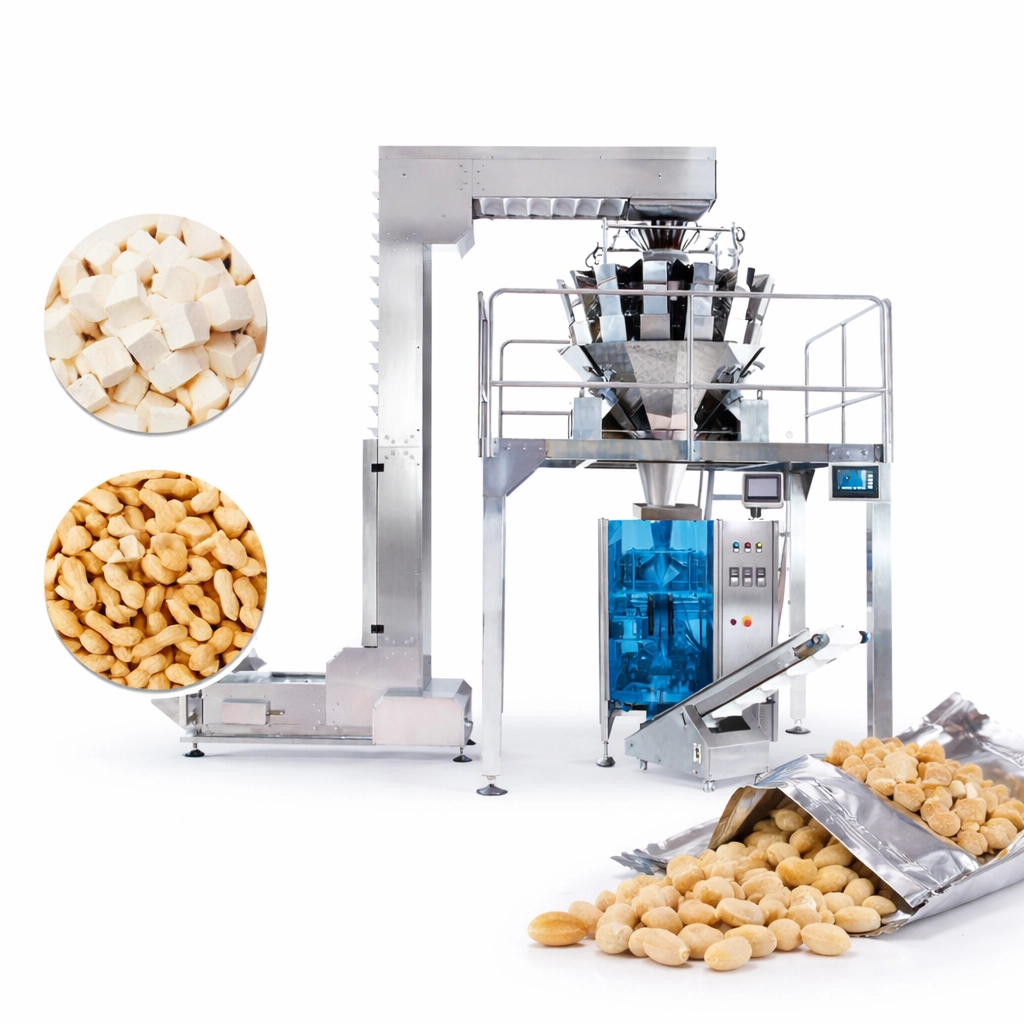
High-Precision Weighing & Packaging for Granular Products
The Granular Food Packing Machine is a fully automated solution designed for accurate weighing, filling, and packaging of various granular food products. Integrated with a multihead weigher and advanced packaging system, it ensures high speed, precision, and hygiene standards for modern food production.
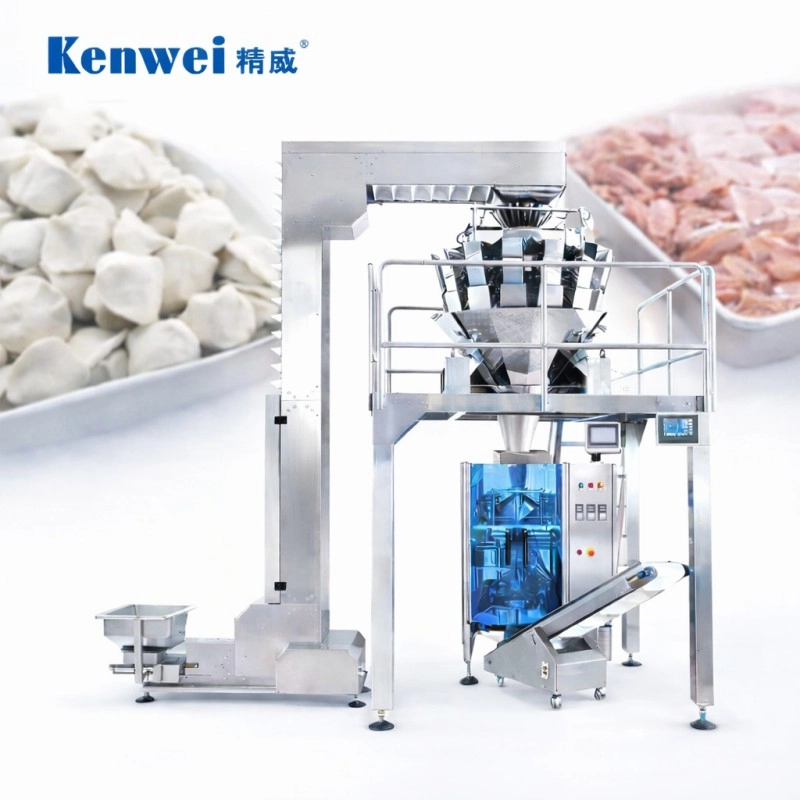
Vertical Frozen Food Packaging Machine for IQF & Frozen Products JW-B1
The Kenwei JW-B1 Vertical Frozen Food Packaging Machine is designed for IQF and frozen products, ensuring efficient, airtight packing. This vertical packing machine boosts productivity with precision sealing, ideal for frozen food packaging needs in the food industry.
Get in touch with us
If you have any comments or good suggestions, please leave us a message, later our professional staff will contact you as soon as possible.
Kenwei
Kenwei
Kenwei multi weigh
Kenwei
Kenwei
Kenwei