






Magnetic vs non-magnetic metal detection in food lines
A practical, evidence-based comparison of magnetic and non-magnetic metal detection for food production lines, with specific guidance for aluminum foil-packaged products and an introduction to the 2415 Metal Detector for Aluminum Foil for accurate contamination detection.
- Understanding magnetic and non-magnetic metal detection in food processing
- Principles of detection
- Common applications and limitations
- Regulatory and safety context
- Why aluminum foil packaging challenges standard metal detectors
- Product effect and masking
- Solutions: tuned detectors and signal filtering
- When to combine detection technologies
- Comparative performance: magnetic vs non-magnetic detection
- Head-to-head comparison
- Choosing based on risk and ROI
- Design and operational best practices for metal detection in food lines
- Installation, calibration, and validation
- Routine testing, trending, and corrective action
- Maintenance and hygiene considerations
- Case studies and practical deployments
- Example 1: Coffee bag production
- Example 2: Snack and confectionery line
- Evidence and guidance sources
- FAQ — Magnetic vs non-magnetic metal detection in food lines
- Q1: Can magnetic separators replace metal detectors?
- Q2: Why do standard metal detectors struggle with aluminum foil packaging?
- Q3: How does the 2415 Metal Detector for Aluminum Foil improve detection?
- Q4: When should I consider adding X-ray to my inspection line?
- Q5: What are the validation requirements for a metal detector in food industry lines?

Metal contamination control is a core requirement for safe food production. This article compares magnetic and non-magnetic metal detection strategies used in modern food lines, explains strengths and limits of each approach, and shows how specialized solutions — such as the Metal Detector for Aluminum Foil in the Food Industry — can improve sensitivity and reduce false rejects when processing aluminum-foiled products.
Understanding magnetic and non-magnetic metal detection in food processing
Principles of detection
Magnetic detection (often implemented as ferrous separators or magnetic traps) relies on magnetic attraction and is effective for ferrous particles and fragments. Non-magnetic detection — principally electronic metal detectors and X-ray systems — uses electromagnetic fields or ionizing radiation to identify metal anomalies regardless of magnetic properties. Choosing between them depends on contaminant types, packaging materials, product conductivity, and production speed.
Common applications and limitations
Magnetic separators are low-cost, low-maintenance, and highly effective for ferrous contaminants often generated by machinery wear (bolts, shards). However, they cannot detect non-ferrous metals such as aluminum, copper, or brass. Electronic metal detectors for food industry lines can detect ferrous and non-ferrous metals, but sensitivity varies with product effect (wetness, conductivity) and packaging (metallic foil). X-ray inspection complements metal detection by identifying high-density contaminants (metals, glass, stone), but has higher cost and operational complexity.
Regulatory and safety context
Food processors must align contamination control with recognized food safety standards such as ISO 22000 for food safety management (ISO 22000) and regulatory programs like the U.S. Food and Drug Administration’s FSMA framework (FDA FSMA). These frameworks emphasize risk assessment, preventive controls, and validation of detection systems as part of a Hazard Analysis and Critical Control Points (HACCP) or similar program.
Why aluminum foil packaging challenges standard metal detectors
Product effect and masking
Aluminum foil and metallized films cause a strong background signal (product effect) for conventional metal detectors because aluminum is conductive and can simulate a metal foreign body. If the detector cannot distinguish this packaging signal from true contamination, sensitivity must be reduced, increasing the risk of missed contaminants or raising false rejects, which hurt throughput and yield.
Solutions: tuned detectors and signal filtering
Specialized metal detector for food industry installations address packaging interference by using high-sensitivity sensors, adaptive signal filtering, and multi-frequency technology to automatically filter out consistent signals from aluminum packaging while preserving sensitivity to discrete metal fragments. The 2415 Metal Detector for Aluminum Foil is an example of a product designed precisely for this scenario.
The 2415 Metal Detector for Aluminum Foil is equipped with high-sensitivity sensors that effectively filter out signals from aluminum packaging, ensuring precise detection of magnetic metal contaminants. Ideal for detecting foreign bodies in aluminum foil-packaged items such as coffee bags, peanuts, dried meats, chocolate, and more. This versatile metal detector offers adjustable settings, with a maximum width of 24mm and height ranging from 20-150mm, making it suitable for a wide variety of aluminum foil packaging applications.
When to combine detection technologies
In many cases, combining a tuned metal detector with additional barriers (magnets, sieves) or an X-ray unit yields the best overall protection: magnets capture ferrous fragments early, a tuned metal detector scans packaged product for remaining metallic fragments, and X-ray inspection catches very small or high-density contaminants that evade other systems.
Comparative performance: magnetic vs non-magnetic detection
Head-to-head comparison
Below is a concise comparison of magnetic separators (magnetic) and electronic metal detectors/X-ray (non-magnetic) with practical implications for food lines.
| Feature | Magnetic (ferrous separators) | Non-magnetic (metal detectors / X-ray) |
|---|---|---|
| Detects ferrous metals | Excellent | Good (metal detectors); excellent (X-ray for dense fragments) |
| Detects non-ferrous (aluminum, copper) | Poor/None | Good (multi-frequency detectors); X-ray detects density contrasts |
| Suitable for aluminum-foil packaging | No | Yes, when tuned (e.g., 2415 Metal Detector for Aluminum Foil) |
| Speed and inline integration | Very high; simple inline traps | High for detectors; X-ray slower and needs shielding/validation |
| Maintenance and validation | Low | Medium (detectors require calibration and test pieces); high for X-ray |
| Capital cost | Low | Medium (detectors) to high (X-ray) |
Choosing based on risk and ROI
For products commonly packaged in aluminum foil (coffee bags, vacuum-sealed meats, chocolate with aluminum wrap), a tuned metal detector for food industry lines delivers the best cost-benefit. Magnets are useful as a first line of defense in bulk handling areas. X-ray is justified for high-value products or where the highest sensitivity to all dense contaminants is required and budget permits.
Design and operational best practices for metal detection in food lines
Installation, calibration, and validation
Proper siting (away from heavy metal-bearing equipment), grounding, and mechanical isolation are essential. Regular calibration using industry-standard test pieces and documented validation is required under food safety management systems like HACCP and ISO 22000. The International Organization for Standardization provides guidance on management requirements (ISO 22000), while the WHO and regulatory agencies outline overarching food safety principles (WHO - Food Safety).
Routine testing, trending, and corrective action
Operational staff should run daily and shift-based verification checks with test pieces (ferrous, non-ferrous, and stainless where applicable) and log results. Trend analysis helps identify increasing false rejects or sensitivity drift early. If frequent false positives occur with aluminum foil packaging, employ a targeted review of detector settings or introduce the 2415 detector designed to filter aluminum signals while maintaining metal detection sensitivity.
Maintenance and hygiene considerations
Detectors used on food lines must be washable and designed to meet hygienic standards. Regular inspection for mechanical damage, ingress, and electrical continuity is critical. Follow manufacturer-recommended cleaning and maintenance intervals and keep spare parts (coils, power supplies) available to reduce downtime.
Case studies and practical deployments
Example 1: Coffee bag production
A coffee processor using metallized foil pouches experienced high reject rates with a standard metal detector. After installing a detector tuned for aluminum foil and implementing a magnet trap at the filling line, the facility reduced false rejects by 70% while maintaining detection sensitivity for small ferrous fragments. The tuned detector’s adaptive filtering kept sensitivity high without manual retuning.
Example 2: Snack and confectionery line
Snack lines often combine magnets at bulk hoppers, a multi-frequency metal detector at the infeed for packaged items, and random X-ray sampling for finished packs. This layered approach aligns with the guidance to use complementary technologies to manage different contaminant profiles effectively.
Evidence and guidance sources
Regulatory and technical guidance supports layered contamination control. For background on metal detection technology and principles, see the general overview on metal detectors (Wikipedia - Metal detector) and regulatory expectations such as the FDA’s preventive control framework (FDA FSMA).
FAQ — Magnetic vs non-magnetic metal detection in food lines
Q1: Can magnetic separators replace metal detectors?
A: No. Magnetic separators are excellent for removing ferrous particles but cannot detect non-ferrous metals like aluminum. For packaged products in aluminum foil, a tuned metal detector for food industry use is necessary to detect non-ferrous fragments that magnets cannot capture.
Q2: Why do standard metal detectors struggle with aluminum foil packaging?
A: Aluminum foil is conductive and produces a strong, consistent background signal (product effect) that can mask contaminants. Detectors must either reduce sensitivity (risking missed contaminants) or use advanced filtering and multi-frequency methods to ignore the packaging while detecting discrete metal fragments.
Q3: How does the 2415 Metal Detector for Aluminum Foil improve detection?
A: The 2415 is engineered with high-sensitivity sensors and signal filtering tailored to aluminum foil-packaged products. It filters consistent packaging signals, allowing high sensitivity to magnetic contaminants. Its adjustable settings and height range (20–150mm) and maximum width capability (24mm) enable use across many foil-wrapped items such as coffee pouches, nuts, and dried meats.
Q4: When should I consider adding X-ray to my inspection line?
A: Consider X-ray when you need detection of very small or high-density contaminants that can be missed by metal detectors (e.g., tiny fragments, glass, stone), or when the product or packaging makes metal detection unreliable. X-ray is complementary, not always a replacement, and carries higher capital and validation costs.
Q5: What are the validation requirements for a metal detector in food industry lines?
A: Validation should include installation qualification (IQ), operational qualification (OQ), and performance qualification (PQ) using representative test pieces and packaging under normal operating conditions. Documented routines, test logs, and periodic re-validation are part of compliance with ISO 22000 and HACCP-based systems.
If you have product-specific questions or want to see how the Metal Detector for Aluminum Foil in the Food Industry can be integrated into your line, contact our sales and technical team for a consultation or request a product demo. View product details or contact us: Metal Detector for Aluminum Foil — 2415.
References: ISO 22000 (iso.org), FDA FSMA (fda.gov), WHO Food Safety overview (who.int), Metal detector overview (wikipedia.org).
Tags
multihead weigher
multihead weigher
vffs equipment
vffs equipment
multihead weigher
multihead weigher
best multihead weigher
best multihead weigher
premade pouch packing machine supplier
premade pouch packing machine supplier
10 head multihead weigher
10 head multihead weigher
Recommended for you
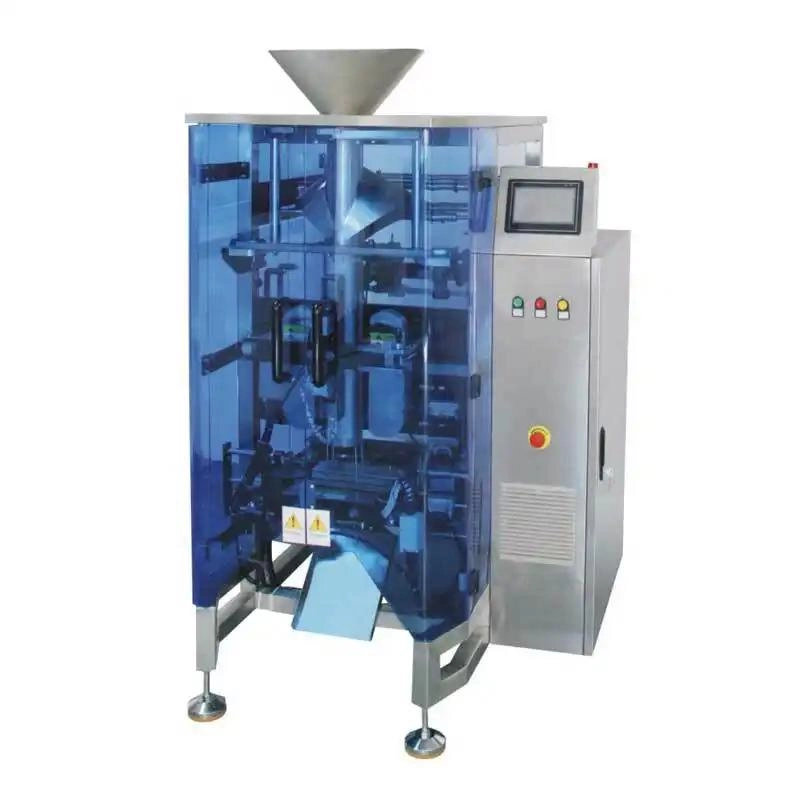
Packaging Material Compatibility for Vertical Packaging Machines
Top 10 automatic packing machine Manufacturers and Supplier Brands
Where to Buy food combination weigher
Case Studies: Multihead Weigher Success Stories 2026
Prdoucts Categories
Question you may concern
About Product choice
What is the difference between a multi-head weigher and a linear weigher?
Multi-head Weigher: Ideal for high-speed and high-precision weighing of products with irregular shapes or varying sizes. It provides multiple weighings in parallel for faster processing.
Linear Weigher: It is suitable for powder and granule. It is typically slower than a multi-head weigher but is effective for certain types of applications that require more continuous flow or controlled weighing.
How do I choose the right product for my business?
Choosing the right machine depends on several factors:
Product Type: Different machines are suited for different products (e.g., powder, granules, etc.).
Production Capacity: Consider the volume of products you need to process and the speed requirements.
Customization: If you have specific needs, such as the need for unique features or sizes, we offer customization options.
About Solution suggestions
Can Kenwei provide a solution for mixed-product weighing?
Yes, Kenwei’s multi-head weighers are ideal for mixed-product weighing. They can handle a variety of products in different shapes and sizes, ensuring that the correct portions are weighed and packaged quickly.
About After Sales Support
What after-sales support does Kenwei offer?
Kenwei provides comprehensive after-sales support, including product installation, training, maintenance, troubleshooting, and technical assistance. Our team is dedicated to ensuring your machines operate at their best throughout their lifecycle.
About products customization
Can Kenwei machines be customized for different industries?
Yes,According to the material characteristics and requirements of different industries, we developed various machine types for counting (small pouches into big bag), noodles, frozen foods, peppers, stick-shaped products, product -mixing, cheeses, salads and so on.
You may also like
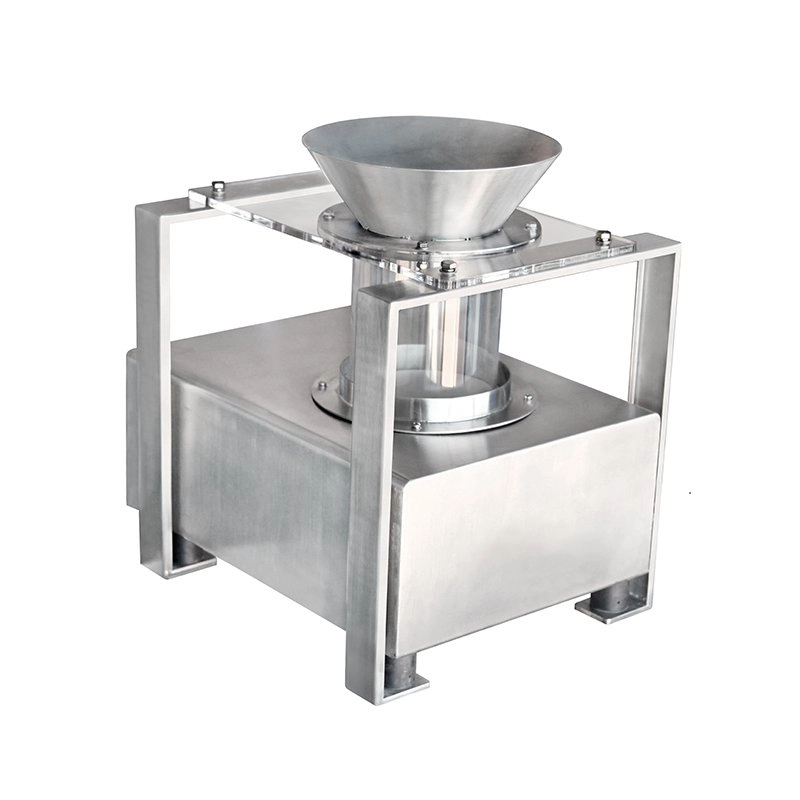
Dropped Metal Detector for Powder Granules For Food Industry
Enhance food safety with Kenwei’s Dropped Metal Detector for Powder Granules. This advanced food metal detector ensures precise detection in the food industry, safeguarding products and maintaining high quality standards throughout processing.
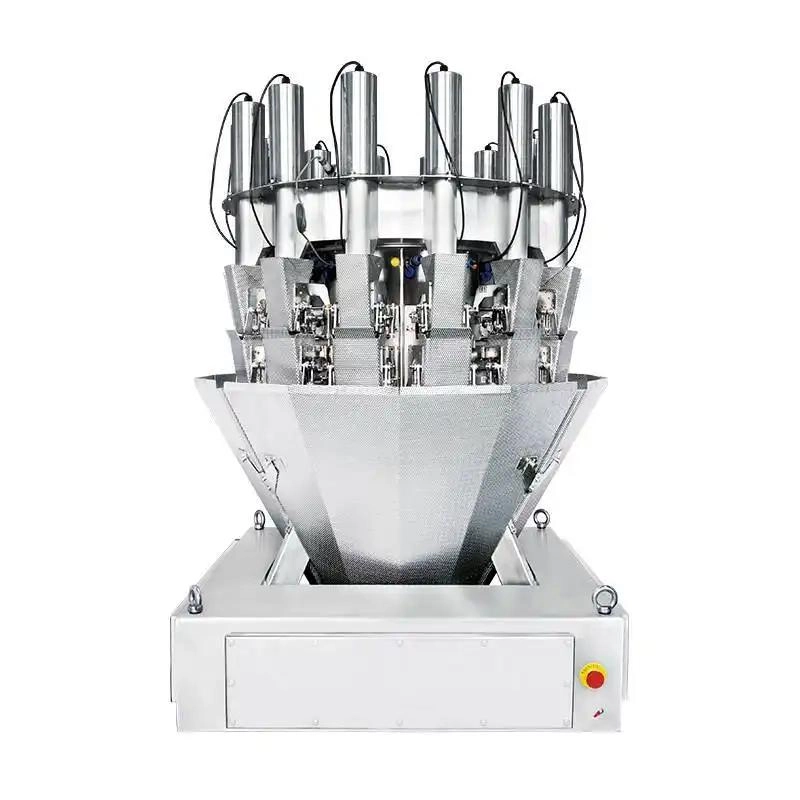
14 Heads Vertical Single Screw Feeding Pickles Weigher backups
This type of weigher is designed to handle the unique characteristics of pickles, ensuring precise measurements for packaging and distribution. It uses a vertical single screw mechanism to feed the pickles into the weighing system, allowing for efficient and consistent weighing. This technology is particularly useful in food processing and packaging facilities where precise portioning is essential for quality control and customer satisfaction. This specialized equipment is perfect for accurately measuring and dispensing pickles in a production line or packaging facility. The vertical design allows for efficient and precise filling of containers, while the single screw feeding mechanism ensures consistent and reliable weighing.
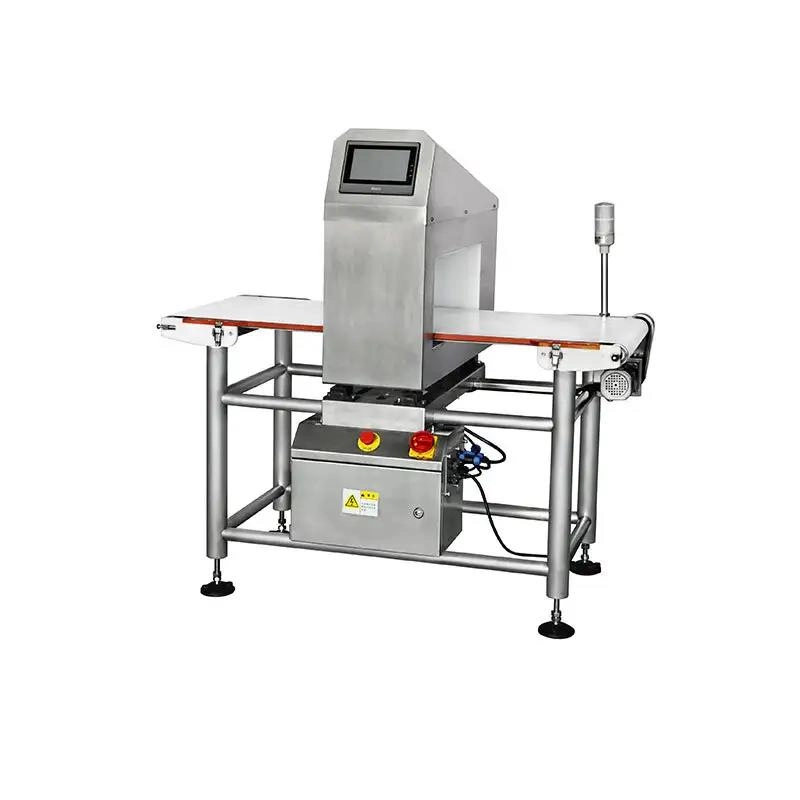
Food Metal Detector Manufacturer For Reject Defective Products G5020
The G5020 multi-frequency metal detector features a specialized conveyor belt designed to reduce contamination risks, ensure smooth operation, and maintain high detection sensitivity. It is easy to disassemble for convenient maintenance. Ideal for detecting metal contaminants in food, pharmaceuticals, spices, plastics, electronics, textiles, toys, handicrafts, and more.
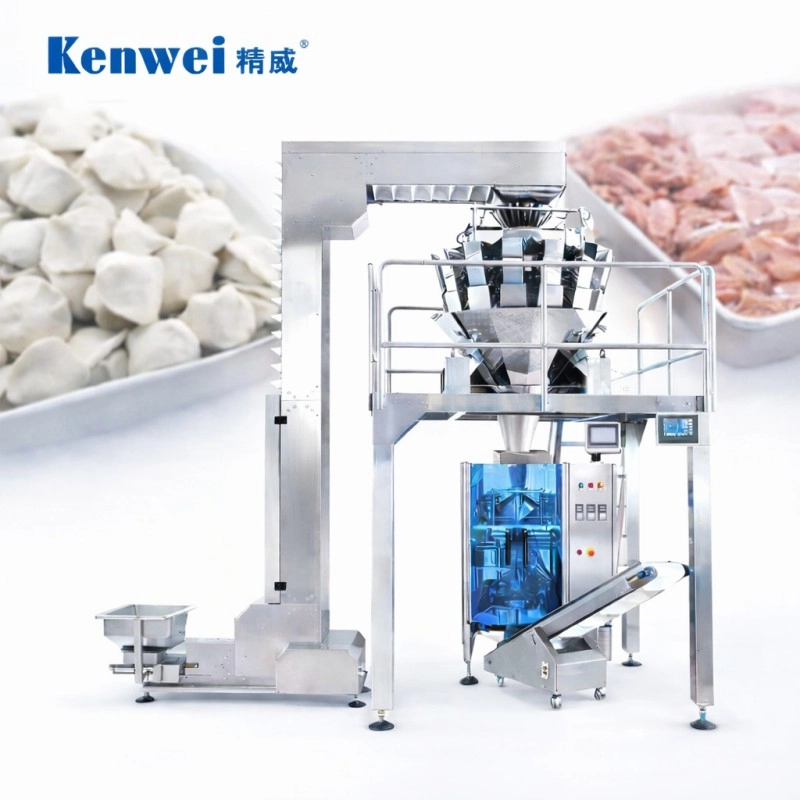
Vertical Frozen Food Packaging Machine for IQF & Frozen Products JW-B1
The Kenwei JW-B1 Vertical Frozen Food Packaging Machine is designed for IQF and frozen products, ensuring efficient, airtight packing. This vertical packing machine boosts productivity with precision sealing, ideal for frozen food packaging needs in the food industry.
Get in touch with us
If you have any comments or good suggestions, please leave us a message, later our professional staff will contact you as soon as possible.
Kenwei
Kenwei
Kenwei multi weigh
Kenwei
Kenwei
Kenwei