






HACCP and metal detectors: meeting food safety standards
Learn how HACCP-compliant metal detection protects consumers and brands, and how the 2415 Metal Detector for Aluminum Foil provides precise contamination detection in foil-packaged foods to meet food safety standards.
- How HACCP Requires Effective Metal Detection
- HACCP fundamentals and physical hazards
- Where metal detectors fit into a HACCP plan
- Regulatory alignment and international standards
- Why Aluminum Foil Packaging Challenges Standard Detectors
- Signal interference from conductive packaging
- Common detection failures and their consequences
- Specialized solutions: Metal Detector for Aluminum Foil
- Implementing a Metal Detector into Your HACCP System
- Performing a hazard analysis for packaging types
- Verification, validation, and routine checks
- Reject handling, traceability, and corrective actions
- Choosing and Maintaining a Metal Detector for Food Industry Use
- Key technical considerations
- Design features that matter
- Maintenance plan and training
- Performance Comparison: Typical Detector vs. Specialized Foil Detector
- Practical Tips for Successful Deployment
- Site acceptance testing
- Balancing sensitivity and production efficiency
- Supplier partnership and ongoing support
- Authoritative References and Further Reading
- FAQ — Frequently Asked Questions
- Q: Can a metal detector detect contaminants through aluminum foil?
- Q: How often should a metal detector be validated under HACCP?
- Q: What types of metal contaminants can be detected?
- Q: Should I use an X-ray instead of a metal detector?
- Q: What documentation will auditors expect for a metal detector CCP?

The integration of robust metal detection into a HACCP (Hazard Analysis and Critical Control Points) program is essential for preventing physical hazards in food production. Using a metal detector for food industry applications, especially one designed for aluminum foil packaging, closes a common contamination gap and helps manufacturers comply with global food safety standards while protecting brand reputation and consumer health.
How HACCP Requires Effective Metal Detection
HACCP fundamentals and physical hazards
HACCP is a preventive approach to food safety that identifies critical control points where hazards can be prevented, eliminated, or reduced to acceptable levels. Physical contaminants such as metal fragments are considered critical food safety risks because they can cause injury and product recalls. HACCP frameworks reference the need for controls that include detection equipment such as metal detectors and X-ray systems to manage these risks (Wikipedia: HACCP).
Where metal detectors fit into a HACCP plan
Metal detectors for the food industry typically serve as control measures at or near final packaging, or at earlier points where contamination risk is highest (e.g., after grinders, mixers, or forming lines). In a HACCP plan, a metal detector can be designated as a Critical Control Point (CCP) when failure to detect metal would pose a direct consumer safety risk. Documentation, calibration records, and defined reject procedures must accompany that CCP to meet audit expectations.
Regulatory alignment and international standards
Standards such as ISO 22000 and regulatory guidance from authorities like the U.S. Food and Drug Administration (FDA) emphasize the need for preventive controls and documented verification activities. ISO 22000 outlines a management system approach to food safety, integrating HACCP principles that include contamination control measures (ISO 22000). The FDA and WHO also provide materials to ensure food safety systems address physical hazards and control measures (FDA Food Safety, WHO Food Safety).
Why Aluminum Foil Packaging Challenges Standard Detectors
Signal interference from conductive packaging
Aluminum foil is conductive and can produce a strong background signal that masks the magnetic signature of small metal contaminants. Standard metal detectors tuned for cartons or plastic-wrapped goods may generate false positives or false negatives when inspecting foil-wrapped items such as coffee bags, snack packs, or vacuum-sealed meats. This is why selecting a metal detector for food industry use requires careful assessment of packaging materials.
Common detection failures and their consequences
Failure to detect metal in aluminum-packaged products can lead to customer injury, product recalls, regulatory fines, and long-term brand damage. High false reject rates also harm productivity and increase waste. A balanced solution minimizes false rejects while reliably detecting ferrous, non-ferrous, and stainless steel contaminants.
Specialized solutions: Metal Detector for Aluminum Foil
The Metal Detector for Aluminum Foil in the Food Industry for Accurate Contamination Detection addresses these challenges by using high-sensitivity sensors and filtering algorithms to remove the background signal produced by aluminum packaging. This makes it possible to accurately detect magnetic metal contaminants in foil-packaged items like coffee bags, peanuts, dried meats, and chocolate.
The 2415 Metal Detector for Aluminum Foil is equipped with high-sensitivity sensors that effectively filter out signals from aluminum packaging, ensuring precise detection of magnetic metal contaminants. Ideal for detecting foreign bodies in aluminum foil-packaged items such as coffee bags, peanuts, dried meats, chocolate, and more. This versatile metal detector offers adjustable settings, with a maximum width of 24mm and height ranging from 20-150mm, making it suitable for a wide variety of aluminum foil packaging applications.
Implementing a Metal Detector into Your HACCP System
Performing a hazard analysis for packaging types
Start by mapping your process and identifying where packaging materials (including aluminum foil) are introduced or handled. Determine the likelihood and severity of metal contamination at each step. Where foil packaging is used, consider a metal detector specifically designed to compensate for conductive packaging rather than relying on general-purpose detectors.
Verification, validation, and routine checks
Validation involves proving the detector can consistently detect the target contaminants in the actual production environment using product samples and test pieces. Regular verification and routine calibration create audit trails for HACCP documentation. Keep logs of sensitivity checks, calibration certificates, and rejected-product analyses as part of your verification records.
Reject handling, traceability, and corrective actions
Define and document reject handling procedures, including how rejected items are segregated, inspected, and dispositioned. If a contaminant is found, perform root-cause analysis and corrective actions, then verify those actions. Integrate traceability so affected batches can be identified quickly for recall if necessary.
Choosing and Maintaining a Metal Detector for Food Industry Use
Key technical considerations
When selecting a metal detector for food industry applications, consider:
- Packaging type compatibility (e.g., aluminum foil, laminated films)
- Detection sensitivity for ferrous, non-ferrous, and stainless contaminants
- Conveyor dimensions and product throughput
- Ease of calibration and validation tools
- Integration with production lines and SCADA/traceability systems
Design features that matter
Look for detectors with adjustable software filters, product compensation routines, and data-logging capabilities. For foil packaging, devices like the 2415 model provide high-sensitivity sensors and signal filtering specifically designed to ignore the foil signature while highlighting metal contaminants. Hygienic design, IP protection levels, and easy-clean features are also important in food environments.
Maintenance plan and training
Create a preventive maintenance schedule covering cleaning, mechanical checks, software updates, and sensitivity verification. Train operators to run validation tests and to respond to rejects appropriately. Maintain supplier support contacts for rapid troubleshooting and spare parts to minimize downtime.
Performance Comparison: Typical Detector vs. Specialized Foil Detector
| Feature | Standard Metal Detector | 2415 Metal Detector for Aluminum Foil |
|---|---|---|
| Aluminum foil immunity | Poor — frequent false rejects or missed small contaminants | High — filters foil background to detect magnetic metals accurately |
| Sensitivity (small ferrous particles) | Moderate | High (optimized for foil-packaged goods) |
| Adjustable aperture (max width/height) | Varies | Width up to 24mm; height 20–150mm |
| False reject rate | Higher in foil-packaged products | Lower due to advanced signal compensation |
| Typical applications | Boxes, trays, clear film packages | Coffee bags, peanuts, dried meats, chocolate in foil |
Practical Tips for Successful Deployment
Site acceptance testing
Before full production, perform site acceptance testing (SAT) using representative packaged products and standard test pieces. Document detection rates, sensitivity settings, and any compromises necessary to balance sensitivity and uptime.
Balancing sensitivity and production efficiency
Very high sensitivity may increase false rejects; too low sensitivity risks escapes. Use a data-driven approach: adjust settings, measure false reject frequency, and validate detection of known challenge pieces. Keep a log to support HACCP audits.
Supplier partnership and ongoing support
Work with suppliers who provide validation support, calibration tools, training, and fast service. A vendor experienced with metal detector for food industry installations—especially for aluminum foil—can significantly reduce implementation time and risk.
Authoritative References and Further Reading
For more on HACCP and international food safety systems, consult these resources:
- HACCP — Wikipedia
- ISO 22000 — Food Safety Management (ISO)
- FDA — Food Safety (U.S. Food and Drug Administration)
- WHO — Food Safety (World Health Organization)
FAQ — Frequently Asked Questions
Q: Can a metal detector detect contaminants through aluminum foil?
A: Yes — but only if the detector is designed or configured to compensate for the conductive signature of foil. The 2415 Metal Detector for Aluminum Foil uses high-sensitivity sensors and signal filtering to reliably detect magnetic metal contaminants while ignoring the foil background.
Q: How often should a metal detector be validated under HACCP?
A: Validation should occur at installation and whenever there is a process change (new product, new packaging, line speed changes). Daily or shift-based verification tests (sensitivity checks with test pieces) are common and should be recorded as part of HACCP documentation.
Q: What types of metal contaminants can be detected?
A: Most food-industry metal detectors identify ferrous (iron), non-ferrous (e.g., aluminum, copper), and some stainless steels. Sensitivity varies by particle size, material, and packaging; specialized detectors like the 2415 are optimized to find magnetic metal contaminants in foil-packaged products.
Q: Should I use an X-ray instead of a metal detector?
A: X-ray systems detect dense and non-metallic contaminants (stones, glass, high-density plastics) and are complementary to metal detectors. For aluminum foil packaging, a metal detector tuned for foil is often more cost-effective for finding small metal fragments. Many facilities use both technologies where justified by hazard analysis.
Q: What documentation will auditors expect for a metal detector CCP?
A: Auditors will look for documented hazard analysis, CCP designation, validation reports, calibration and verification logs, reject handling procedures, maintenance records, and training documentation. Data logs and trend reports demonstrating ongoing control are valuable evidence for HACCP compliance.
If you have more specific questions about integrating a metal detector for food industry use, or if you want to evaluate the Metal Detector for Aluminum Foil in the Food Industry for Accurate Contamination Detection for your line, contact our technical team for a tailored consultation and on-site validation support.
Contact us to request a demo or view product details for the 2415 Metal Detector for Aluminum Foil.
Tags
food packing machine
food packing machine
metal detector food safety
metal detector food safety
Finished Product Conveyor
Finished Product Conveyor
14 head weigher
14 head weigher
semi automatic packaging machine
semi automatic packaging machine
multi-head weigher granular food packing machine
multi-head weigher granular food packing machine
Recommended for you
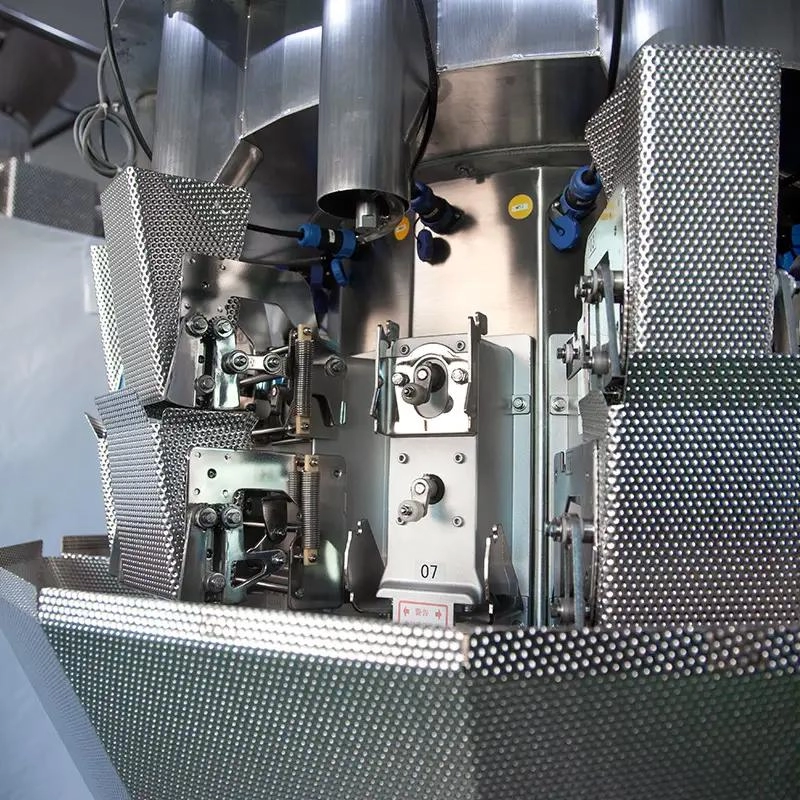
Integrating backup systems with 14 head multihead weighers
The 4 head linear weigher Cost Guide
Top 10 food metal detector Manufacturers and Supplier Brands
Optimizing Snack Packaging with Multihead Weigher Machines
Prdoucts Categories
Question you may concern
About Cooperation Process
How does Kenwei ensure the quality of its machines?
Kenwei has a stringent quality control system in place. Each machine is rigorously tested for precision, speed, and reliability before it is shipped.
About Product choice
How do I choose the right product for my business?
Choosing the right machine depends on several factors:
Product Type: Different machines are suited for different products (e.g., powder, granules, etc.).
Production Capacity: Consider the volume of products you need to process and the speed requirements.
Customization: If you have specific needs, such as the need for unique features or sizes, we offer customization options.
About Price and payment
Can I get a detailed quote before making a purchase?
Absolutely! We provide detailed quotes that break down the costs for the machines, customization, shipping, and any additional services. Please contact our sales team with your requirements to receive a customized quote.
About products customization
Can I customize the size of Kenwei machines?
Yes, we can tailor the dimensions of our machines to fit your available space and production layout. Whether you need compact machines or larger equipment, we can accommodate your size requirements.
About After Sales Support
How can I get technical support for my Kenwei machine?
You can contact Kenwei's technical support team via email, phone, or through our website.
You may also like
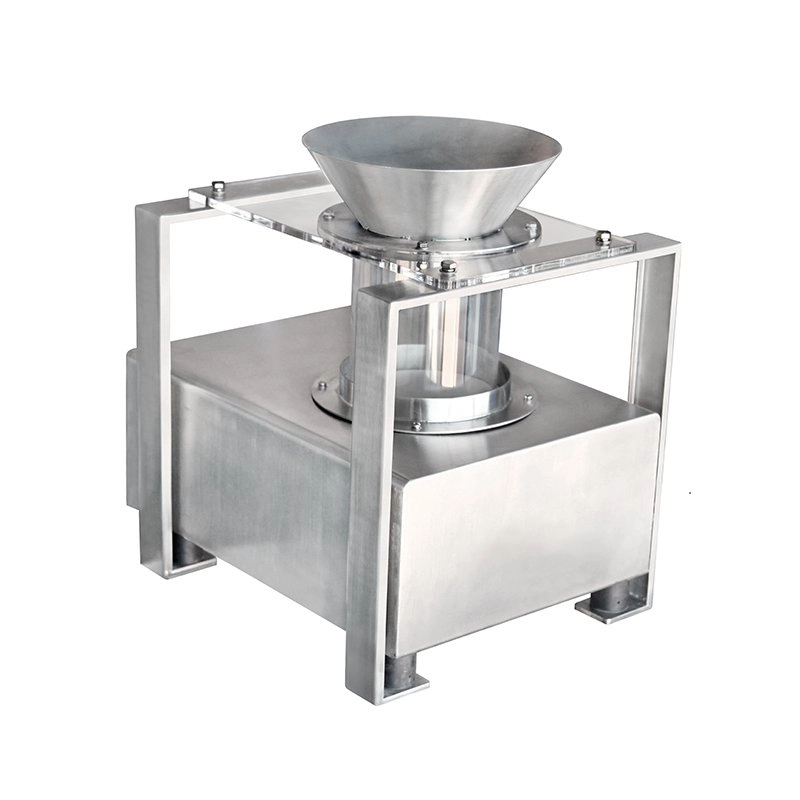
Dropped Metal Detector for Powder Granules For Food Industry
Enhance food safety with Kenwei’s Dropped Metal Detector for Powder Granules. This advanced food metal detector ensures precise detection in the food industry, safeguarding products and maintaining high quality standards throughout processing.
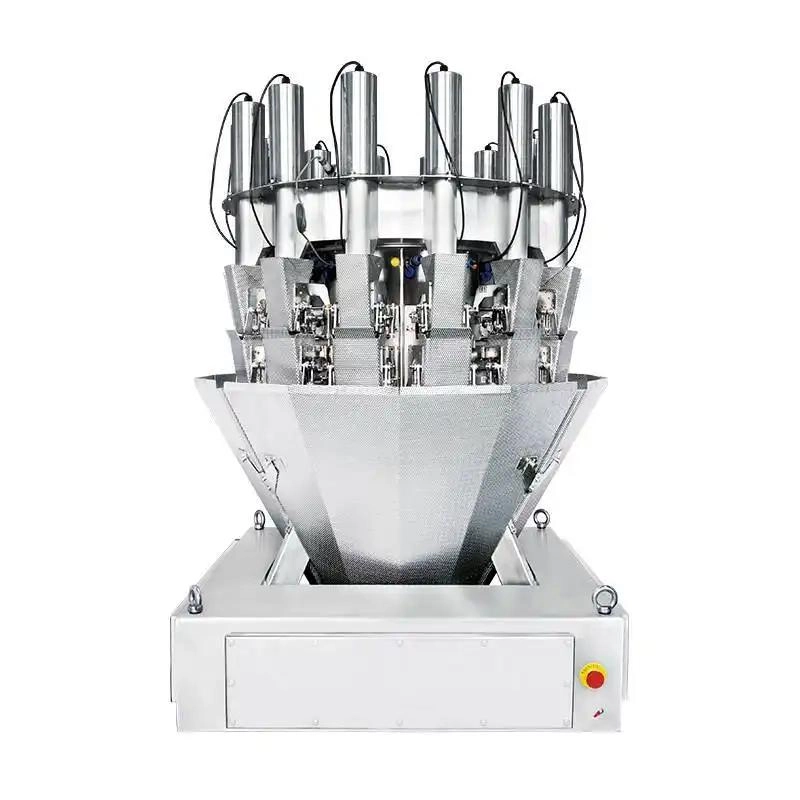
14 Heads Vertical Single Screw Feeding Pickles Weigher backups
This type of weigher is designed to handle the unique characteristics of pickles, ensuring precise measurements for packaging and distribution. It uses a vertical single screw mechanism to feed the pickles into the weighing system, allowing for efficient and consistent weighing. This technology is particularly useful in food processing and packaging facilities where precise portioning is essential for quality control and customer satisfaction. This specialized equipment is perfect for accurately measuring and dispensing pickles in a production line or packaging facility. The vertical design allows for efficient and precise filling of containers, while the single screw feeding mechanism ensures consistent and reliable weighing.
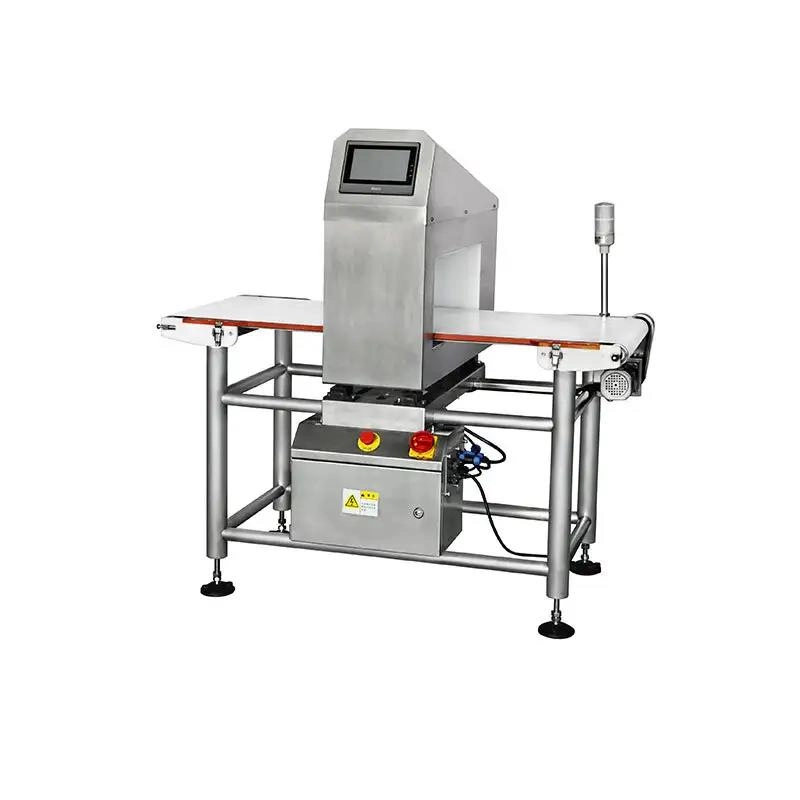
Food Metal Detector Manufacturer For Reject Defective Products G5020
The G5020 multi-frequency metal detector features a specialized conveyor belt designed to reduce contamination risks, ensure smooth operation, and maintain high detection sensitivity. It is easy to disassemble for convenient maintenance. Ideal for detecting metal contaminants in food, pharmaceuticals, spices, plastics, electronics, textiles, toys, handicrafts, and more.
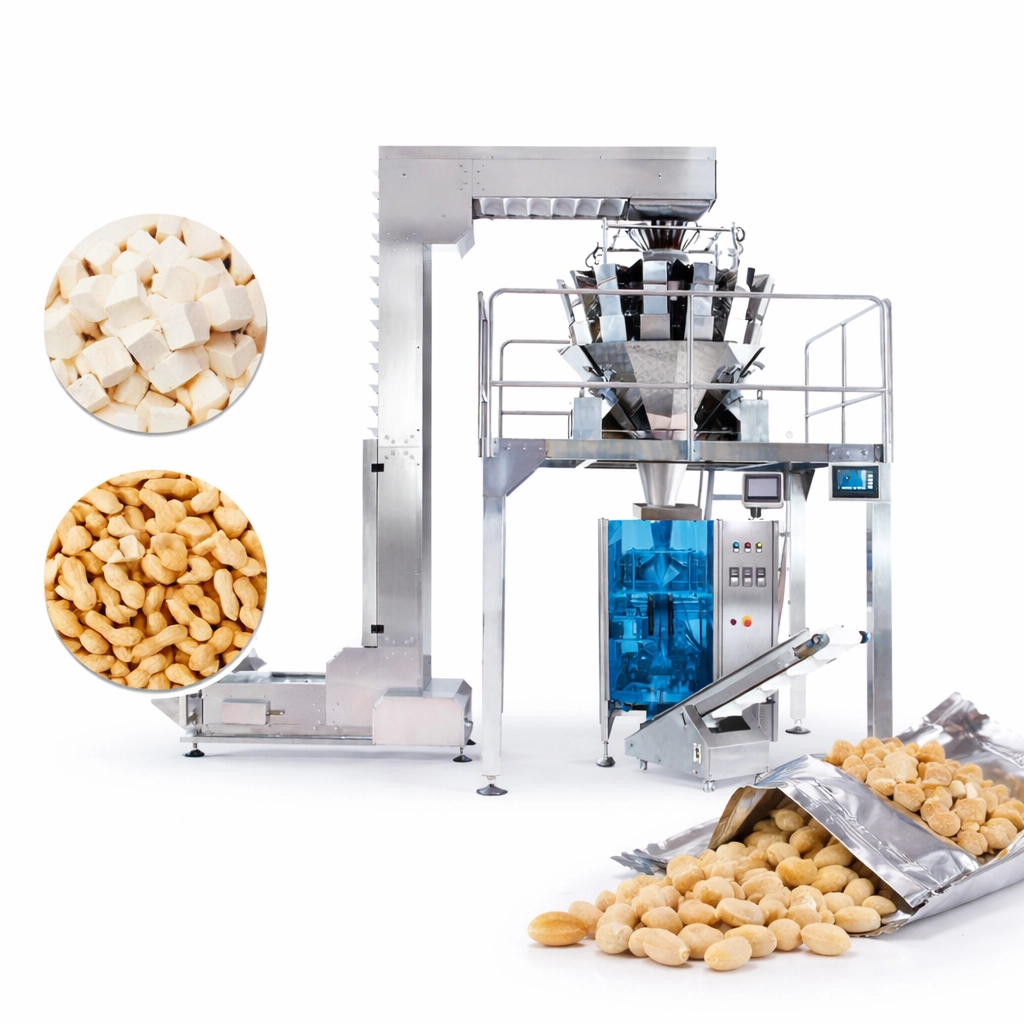
High-Precision Weighing & Packaging for Granular Products
The Granular Food Packing Machine is a fully automated solution designed for accurate weighing, filling, and packaging of various granular food products. Integrated with a multihead weigher and advanced packaging system, it ensures high speed, precision, and hygiene standards for modern food production.
Get in touch with us
If you have any comments or good suggestions, please leave us a message, later our professional staff will contact you as soon as possible.
Kenwei
Kenwei
Kenwei multi weigh
Kenwei
Kenwei
Kenwei