






The Evolution and Challenges of Small Weighing Quantitative Packaging Machinery in China
Tuesday, 09/25/2018
China’s small weighing packaging machinery market faces challenges in accuracy and technology but shows promising growth with advancements in linear and combination scales from domestic manufacturers.
The Evolution and Challenges of Small Weighing Quantitative Packaging Machinery in China
In recent years, small packaging products have taken over the market, accounting for over 60% of total packaging and nearly 100% in supermarkets. However, the accuracy and reliability of quantitative packaging remain concerning. A spot check by the Beijing Municipal Technical Supervision Bureau revealed that only 57% of small packaged commodities met quantitative standards. Products like puffed foods, tea, and detergents frequently fell short of declared weights, indicating both intentional manipulation and limitations in measurement methods.
Domestic Technological Gaps and Market Demands
Despite over a decade of development, small-scale quantitative packaging technology in China is still lagging behind. Most small and medium-sized enterprises (SMEs) struggle with outdated equipment, insufficient technical expertise, and limited budgets. These limitations result in unstable product quality, low reliability, poor functionality, and long development cycles—hindering their competitiveness in both domestic and global markets.
Meanwhile, countries like Japan, Germany, the United States, and Italy dominate the global packaging machinery market, holding over 75% of the industry share. China, though a major manufacturer, continues to face a significant gap in innovation, quality management, and overall system efficiency.
Status Quo: Volume vs. Weighing Method
Small package weighing generally ranges from a few grams up to five kilograms. In China, machines handling under 500g are widespread. These systems mostly use volume-based methods—such as measuring cups or drums—commonly seen in vertical form-fill-seal machines. Though cost-effective and suitable for low-accuracy needs, these machines can only reach up to ±4% precision and often suffer from clogging, particularly with puffed materials.
In contrast, quantitative packaging systems using the weighing method are gradually gaining traction. With greater accuracy and a broader range, these systems—despite their higher costs—are preferred for heavier packaging. However, challenges remain in achieving both speed and accuracy due to sensor and mechanical response limitations.
Technological Innovation: Linear and Combination Scales
Leading domestic manufacturers like Zhongshan Multiweigh Packaging Machinery Co., Ltd. are bridging this technology gap. Their linear scale series (single, double, four-head models) offer precise weighing for granular materials ranging from 10g to 3200g, achieving speeds of 40–60 packs/min with ±2g accuracy.
Their more advanced combination scale series (8 to 16-head) enables intelligent weighing through microcomputer control, with weighing ranges from 10g to 6500g and speeds of 60–180 packs/min, achieving ±1.5g accuracy. These solutions are well-suited for granular, block, strip, sheet, and irregularly shaped products.
Outlook: Toward Smart, Accurate, and Competitive Machinery
Although volume-based systems still dominate due to affordability and simplicity, weighing-based technologies are catching up rapidly. Vertical form-fill-seal machines remain the mainstream configuration, and packaging materials are mostly limited to single-film, composite film, or aluminum foil.
As China’s demand for small-packaged goods continues to rise and reliance on imported equipment becomes less feasible, domestic innovation is crucial. By embracing automation, intelligent control systems, and sensor advancements, Chinese manufacturers are well-positioned to compete on a global scale and meet the growing demand for accurate, efficient, and high-speed small weighing packaging systems.

Recommended for you
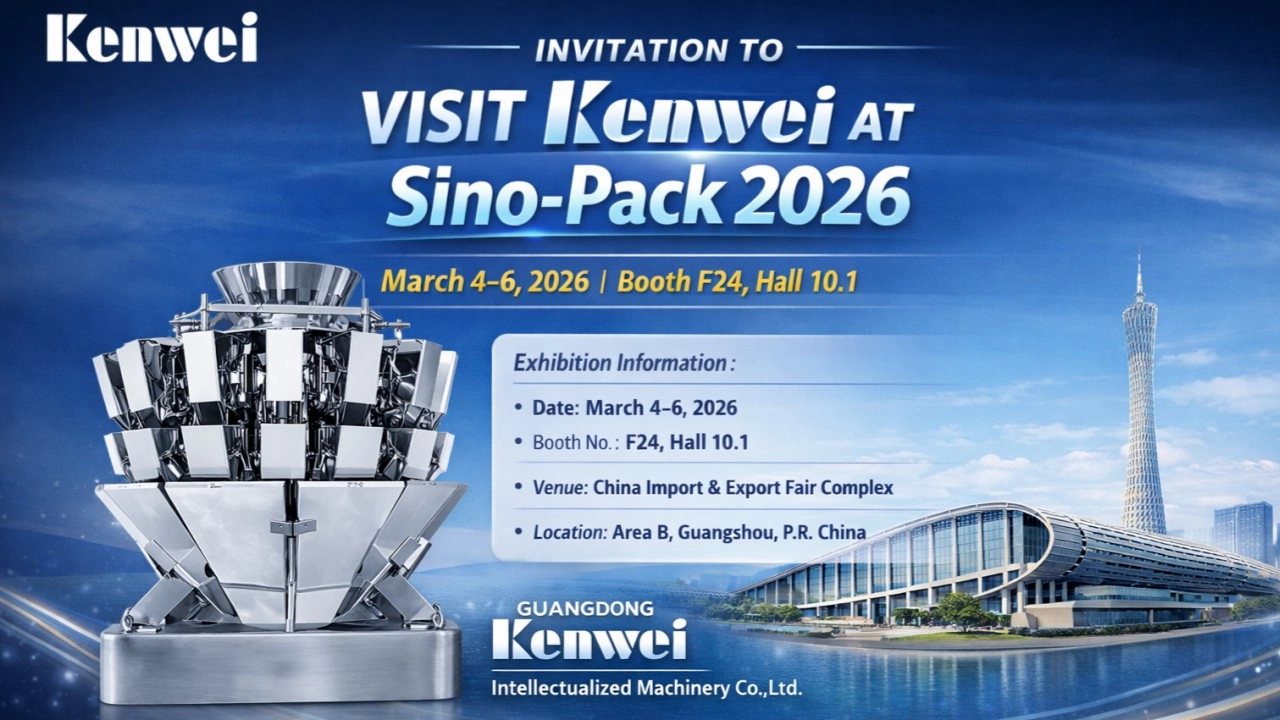
Kenwei to Showcase Intelligent weighing machine at Sino-Pack 2026
Auspicious Start to Work | Guangdong Kenwei 2026
Unite for Transformation · Empower the Future with Intelligence | Guangdong Kenwei 2025 Annual Excellence Awards & Year-End Gala Successfully Held!
Top 10 Food Packaging Machines 2026: Types, Benefits, and Uses
Prdoucts Categories
FAQ
About products customization
How do I request a custom-built Kenwei machine?
To request a customized machine, simply contact our sales or engineering team.
About Price and payment
Can I get a detailed quote before making a purchase?
Absolutely! We provide detailed quotes that break down the costs for the machines, customization, shipping, and any additional services. Please contact our sales team with your requirements to receive a customized quote.
Are the prices for Kenwei machines negotiable?
Prices are generally fixed, but depending on the order volume, long-term partnerships, or special circumstances, we may offer discounts or promotional pricing. Please contact our sales team to discuss your specific situation.
About After Sales Support
How can I get technical support for my Kenwei machine?
You can contact Kenwei's technical support team via email, phone, or through our website.
What after-sales support does Kenwei offer?
Kenwei provides comprehensive after-sales support, including product installation, training, maintenance, troubleshooting, and technical assistance. Our team is dedicated to ensuring your machines operate at their best throughout their lifecycle.
You may also like
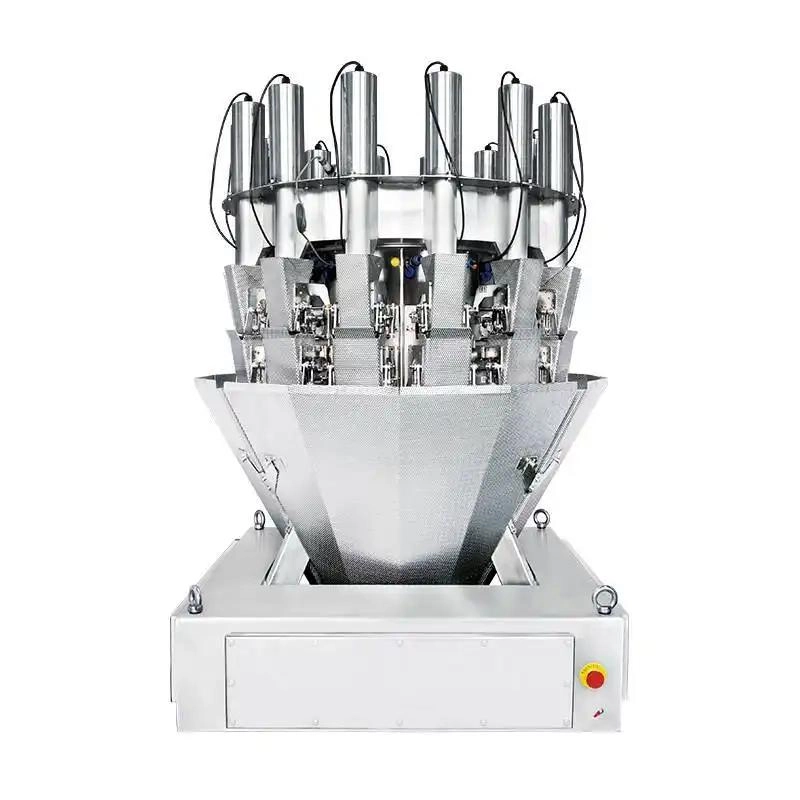
14 Heads Vertical Single Screw Feeding Pickles Weigher backups
This type of weigher is designed to handle the unique characteristics of pickles, ensuring precise measurements for packaging and distribution. It uses a vertical single screw mechanism to feed the pickles into the weighing system, allowing for efficient and consistent weighing. This technology is particularly useful in food processing and packaging facilities where precise portioning is essential for quality control and customer satisfaction. This specialized equipment is perfect for accurately measuring and dispensing pickles in a production line or packaging facility. The vertical design allows for efficient and precise filling of containers, while the single screw feeding mechanism ensures consistent and reliable weighing.
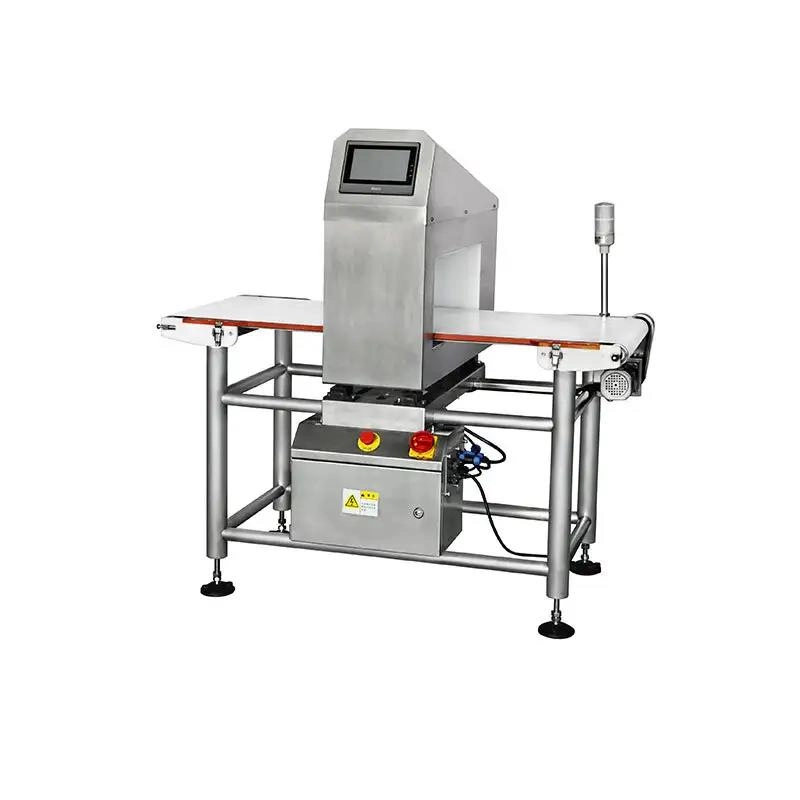
Food Metal Detector Manufacturer For Reject Defective Products G5020
The G5020 multi-frequency metal detector features a specialized conveyor belt designed to reduce contamination risks, ensure smooth operation, and maintain high detection sensitivity. It is easy to disassemble for convenient maintenance. Ideal for detecting metal contaminants in food, pharmaceuticals, spices, plastics, electronics, textiles, toys, handicrafts, and more.
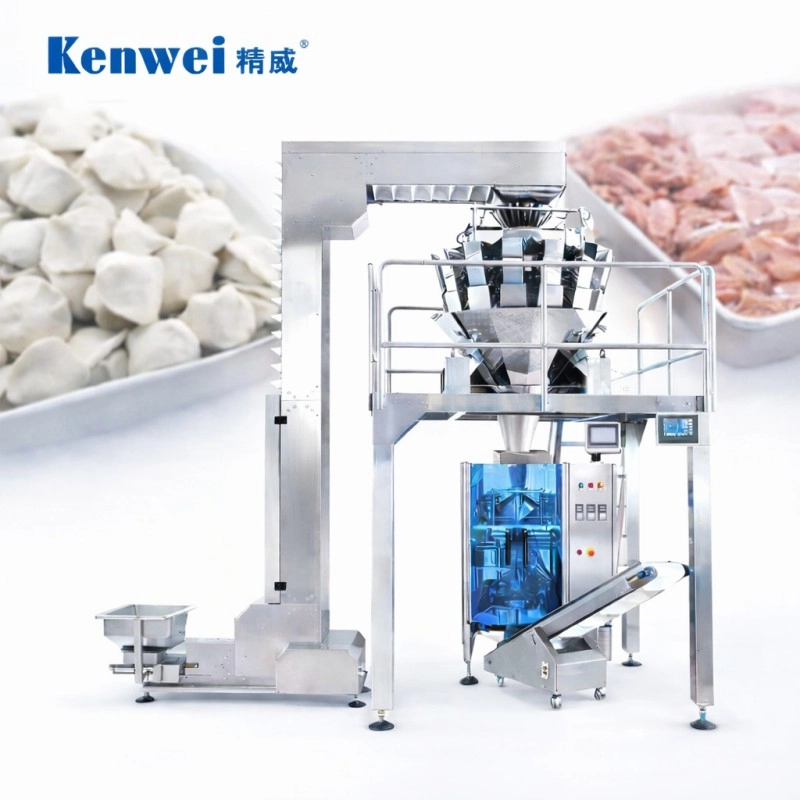
Vertical Frozen Food Packaging Machine for IQF & Frozen Products JW-B1
The Kenwei JW-B1 Vertical Frozen Food Packaging Machine is designed for IQF and frozen products, ensuring efficient, airtight packing. This vertical packing machine boosts productivity with precision sealing, ideal for frozen food packaging needs in the food industry.
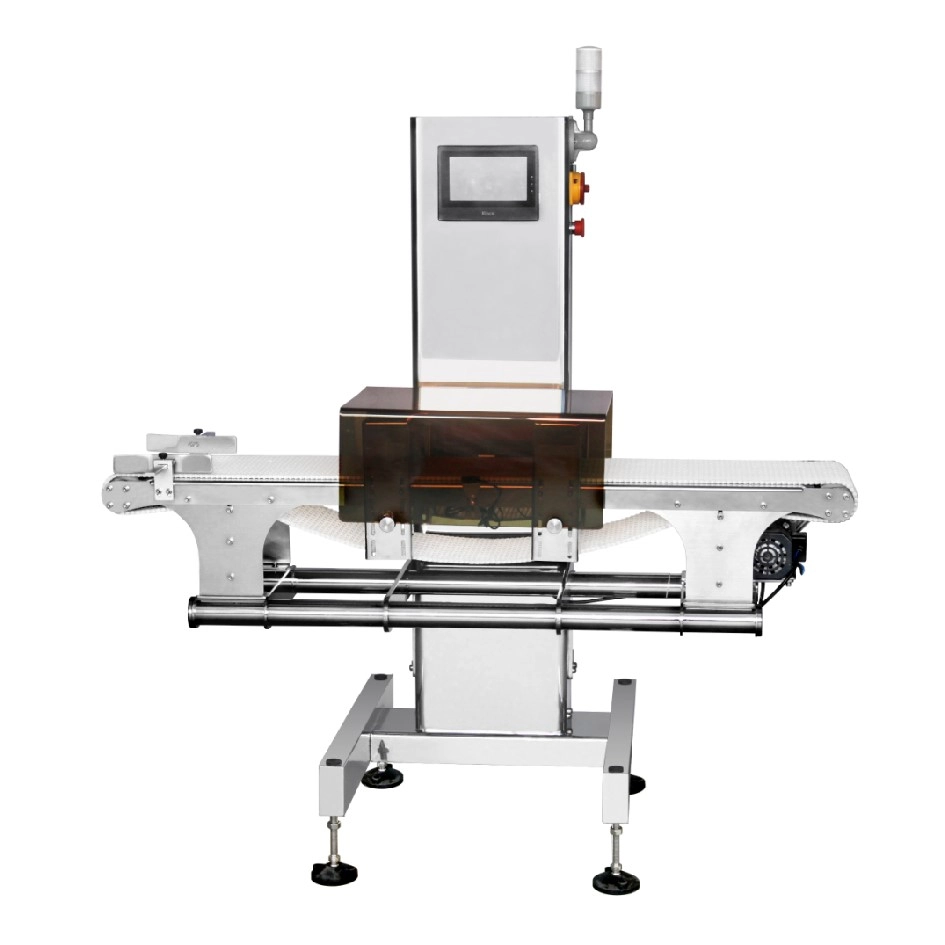
Metal Detector for Aluminum Foil in the Food Industry for Accurate Contamination Detection
The 2415 Metal Detector for Aluminum Foil is equipped with high-sensitivity sensors that effectively filter out signals from aluminum packaging, ensuring precise detection of magnetic metal contaminants. Ideal for detecting foreign bodies in aluminum foil-packaged items such as coffee bags, peanuts, dried meats, chocolate, and more. This versatile metal detector offers adjustable settings, with a maximum width of 24mm and height ranging from 20-150mm, making it suitable for a wide variety of aluminum foil packaging applications.
Contact Kenwei
Our company is located in areas with convenient transportation and developed economy. Our products are supplied in a timely manner. In the course of business operation, we always focus on customers.Have any questions or concerns about our products? Please leave us a message here, and our team will get back to you promptly.
Kenwei
Kenwei
Kenwei multi weigh
Kenwei
Kenwei
Kenwei