






Driving the Future of Food Safety: Automation Trends in Packaging Machinery
Tuesday, 09/25/2018
- Driving the Future of Food Safety: Automation Trends in Packaging Machinery
- The Role of Automation in Food Safety
- Technological Innovations Enhancing Packaging Machinery
- Current Automation Levels in Food Packaging Machinery
- Flexibility, Modularity, and Future Demands
- Packaging Robots: Essential Tools for Modern Production
- Conclusion
As food safety demands grow, automation in packaging machinery is becoming essential. Discover how advanced technologies improve efficiency, hygiene, and adaptability in food packaging
Driving the Future of Food Safety: Automation Trends in Packaging Machinery
With rising living standards, global consumers are placing greater emphasis on food safety. Among the critical components ensuring this safety, final packaging quality serves as a fundamental barrier. The degree of automation in packaging machinery directly impacts food hygiene—minimizing human contact reduces contamination risks during production. As a result, the demand for high-speed, highly automated packaging systems has surged across the industry.
The Role of Automation in Food Safety
Advanced packaging machinery offers significant advantages in safeguarding food hygiene. Automated systems reduce human handling, ensuring safer production lines. High-level automation, often seen in modern packaging systems, means less exposure and a lower risk of contamination. Thus, the correlation between automation and food safety is now well recognized in both developed and emerging markets.
Technological Innovations Enhancing Packaging Machinery
China’s packaging machinery industry holds vast development potential. With the integration of modern technologies such as microelectronics, computer control, industrial robots, visual recognition, and new materials, automation capabilities are reaching new heights.
There are two key automation trends in packaging design:
-
Single-computer Control of Robotic Arms
Multiple robotic arms perform complex packaging tasks based on pre-programmed instructions. Under computer vision monitoring, these arms can execute tasks with exceptional accuracy and consistency. -
Material and Thickness Identification
Unlike the human eye, cameras and detectors under computer control can accurately differentiate packaging material types and thicknesses. This ensures precise application of film or wrapping materials, improving overall packaging quality. 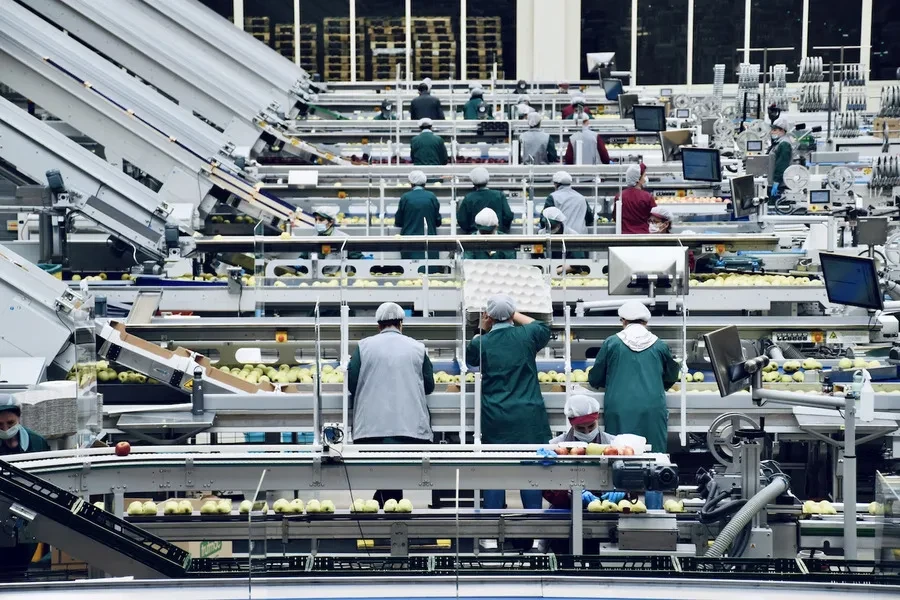
Current Automation Levels in Food Packaging Machinery
Despite technological advancements, a gap still exists in automation levels across the market.
-
High and Medium-Level Automation: Accounts for only 8–12% of total sales. These systems typically feature PLCs, inverters, and human-machine interfaces.
-
Low-Level Automation: Makes up 3–5% of sales, often relying on outdated relay-based controls and lacking modern interface or variable speed systems.
To accelerate design processes, manufacturers are increasingly adopting computer simulation to optimize machine design and shorten development cycles.
Flexibility, Modularity, and Future Demands
Today’s packaging machinery must deliver exceptional flexibility to accommodate smaller batch sizes and diverse product lines. Modular and standardized designs enable fast changeovers and support varied packaging materials and styles. Automation technology plays a vital role in achieving this flexibility.
The industry is moving toward more intelligent systems, including:
-
High-level CNC controls
-
Load control devices
-
Fully integrated electro-mechanical solutions
These enable greater accuracy, independence, and efficiency, helping companies stay competitive with faster production and lower labor costs.
Packaging Robots: Essential Tools for Modern Production
Packaging robots are becoming increasingly vital in the food industry. As consumer preferences shift toward refined, diversified products in smaller batches, robots offer the flexibility needed for frequent product and packaging changes.
Additionally, robots minimize secondary contamination risks, improve productivity, and reduce operational costs—perfectly aligning with the growing trend of automation in packaging.
Conclusion
Automation is no longer a luxury—it's a necessity in the food packaging industry. From reducing contamination to meeting complex packaging demands, intelligent packaging machinery and robotics are essential for safe, efficient, and scalable food production. As packaging and food safety requirements evolve, the integration of smart technologies will continue to drive the industry forward.
Recommended for you
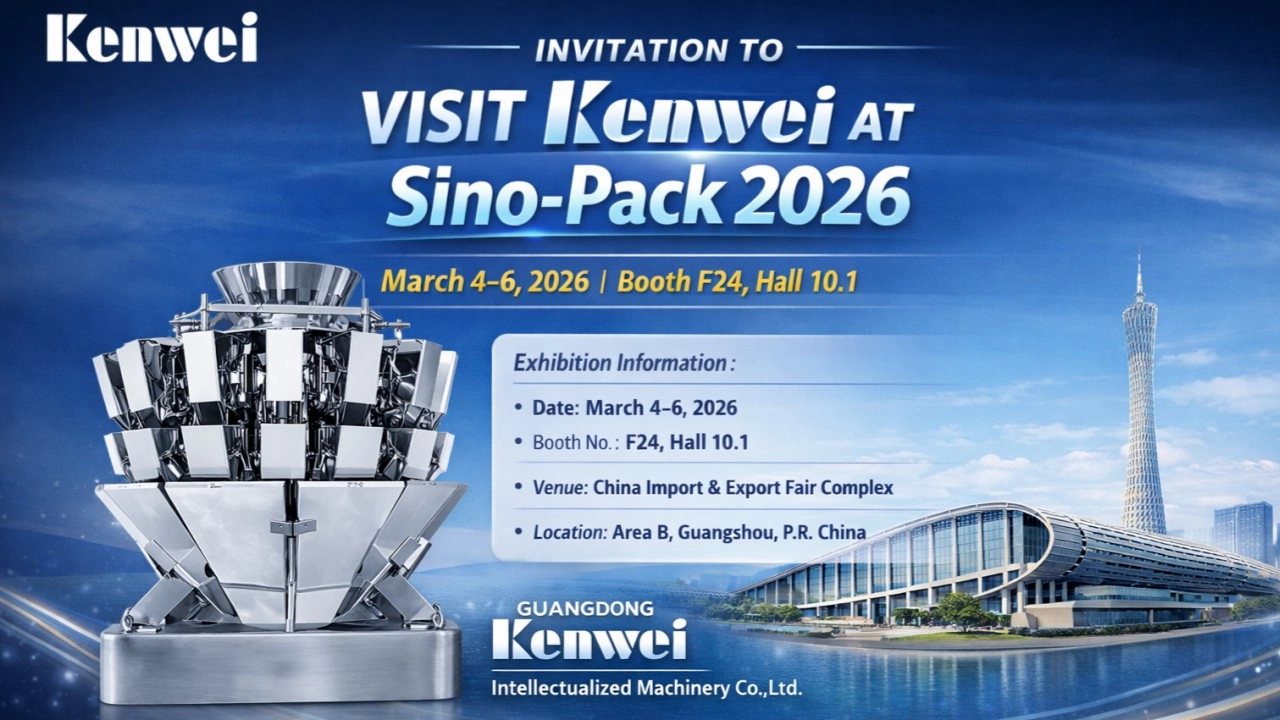
Kenwei to Showcase Intelligent weighing machine at Sino-Pack 2026
Auspicious Start to Work | Guangdong Kenwei 2026
Unite for Transformation · Empower the Future with Intelligence | Guangdong Kenwei 2025 Annual Excellence Awards & Year-End Gala Successfully Held!
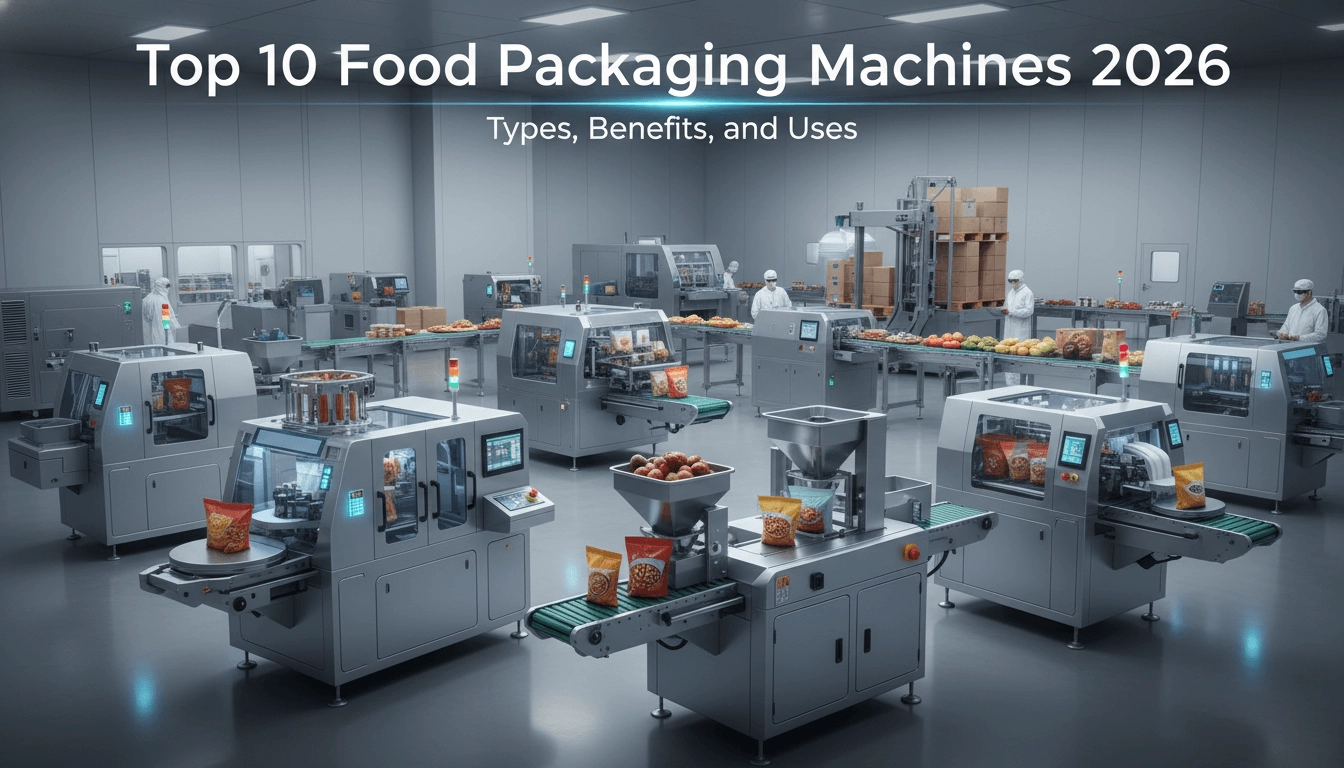
Top 10 Food Packaging Machines 2026: Types, Benefits, and Uses
Prdoucts Categories
FAQ
About Product choice
What types of products does Kenwei offer?
Kenwei specializes in high-precision and high-speed automated machinery for weighing, packaging, and quality control. Our main products include: multihead weigher, linear weigher, checkweighers,food metal detector,vertical packing machine and packing machine accessories.
Can Kenwei's machines be used in my industry?
Kenwei’s equipment is highly versatile and can be used across a wide range of industries, including:Food,Pharmaceuticals,Chemicals,Plastics and Agriculture.
Plastics If you're unsure whether our products are suitable for your industry, please contact us, and we can provide you with specific solutions tailored to your needs.
Are there any additional features available for Kenwei machines?
Yes, we offer a variety of optional features for customization, such as: advanced touchscreen interfaces, multiple language support and so on.
About products customization
How do I request a custom-built Kenwei machine?
To request a customized machine, simply contact our sales or engineering team.
About Solution suggestions
How can Kenwei solutions help reduce waste in my production process?
Kenwei solutions improve accuracy in weighing, packaging, and quality control, reducing the chances of overfill or underfill. This leads to less product waste and higher operational efficiency.
You may also like
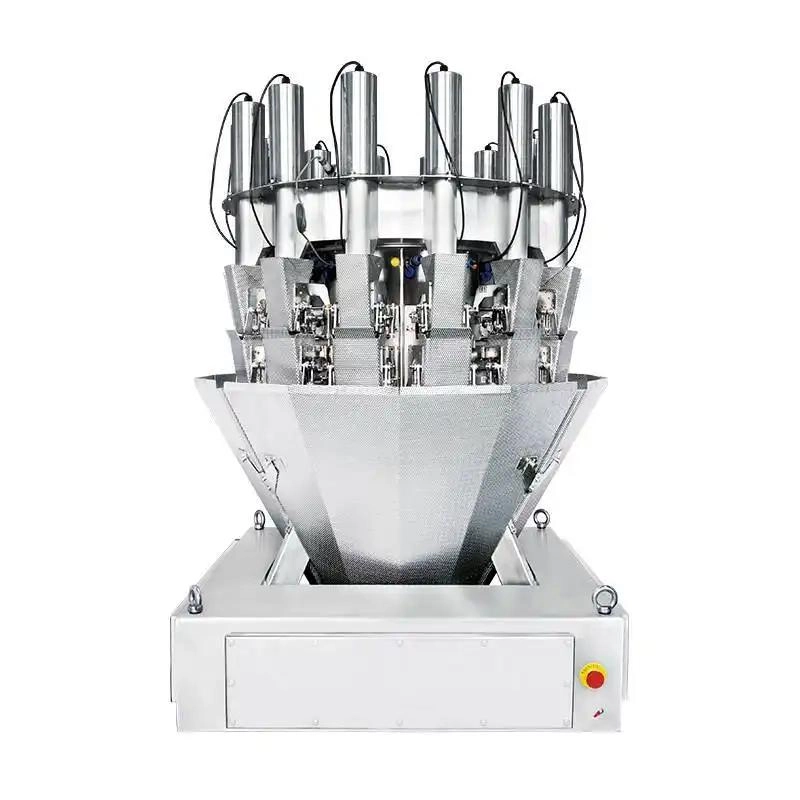
14 Heads Vertical Single Screw Feeding Pickles Weigher backups
This type of weigher is designed to handle the unique characteristics of pickles, ensuring precise measurements for packaging and distribution. It uses a vertical single screw mechanism to feed the pickles into the weighing system, allowing for efficient and consistent weighing. This technology is particularly useful in food processing and packaging facilities where precise portioning is essential for quality control and customer satisfaction. This specialized equipment is perfect for accurately measuring and dispensing pickles in a production line or packaging facility. The vertical design allows for efficient and precise filling of containers, while the single screw feeding mechanism ensures consistent and reliable weighing.
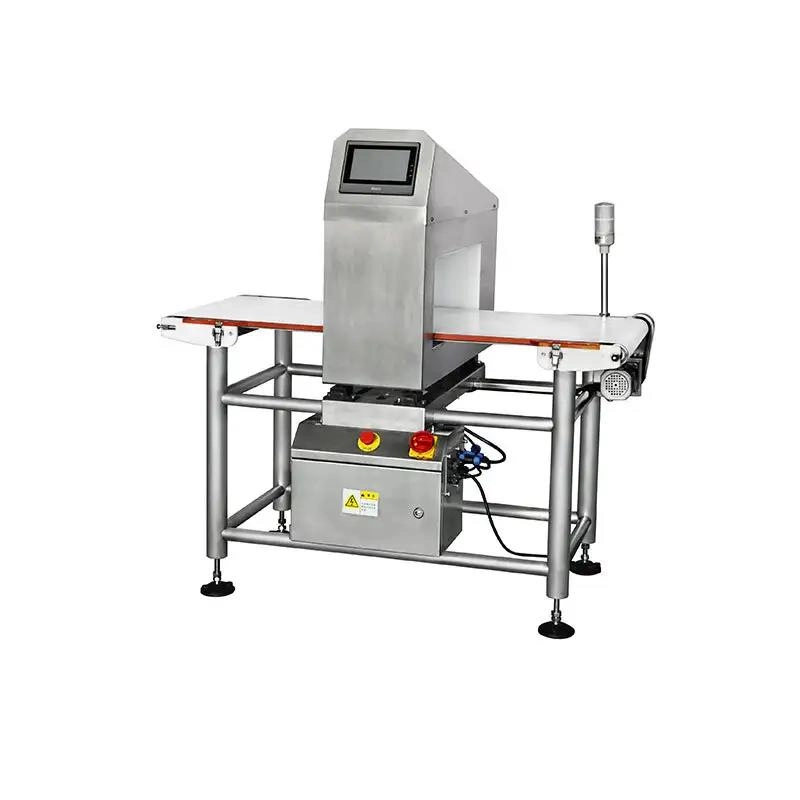
Food Metal Detector Manufacturer For Reject Defective Products G5020
The G5020 multi-frequency metal detector features a specialized conveyor belt designed to reduce contamination risks, ensure smooth operation, and maintain high detection sensitivity. It is easy to disassemble for convenient maintenance. Ideal for detecting metal contaminants in food, pharmaceuticals, spices, plastics, electronics, textiles, toys, handicrafts, and more.
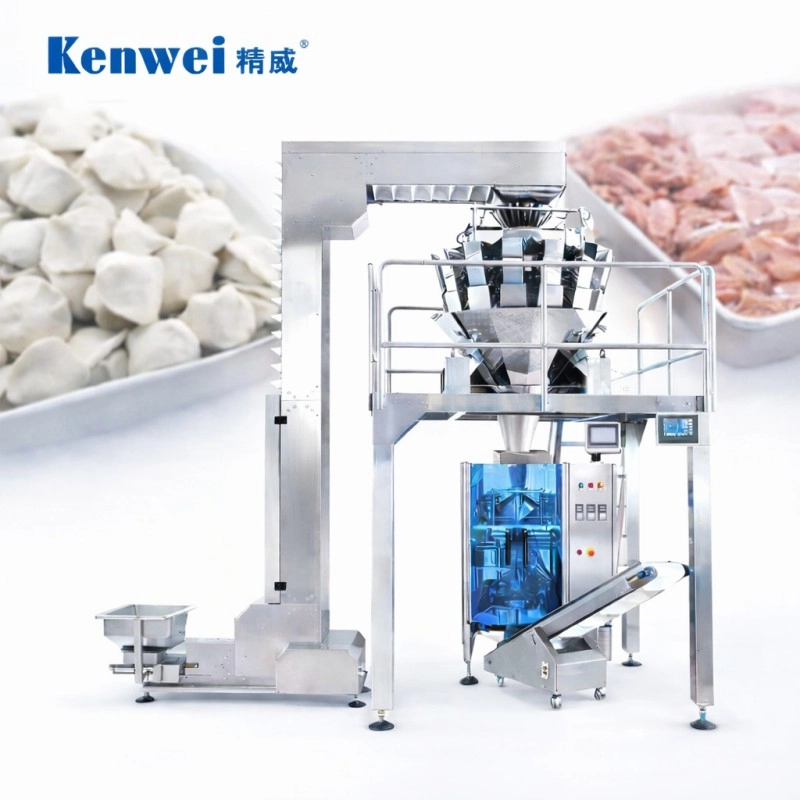
Vertical Frozen Food Packaging Machine for IQF & Frozen Products JW-B1
The Kenwei JW-B1 Vertical Frozen Food Packaging Machine is designed for IQF and frozen products, ensuring efficient, airtight packing. This vertical packing machine boosts productivity with precision sealing, ideal for frozen food packaging needs in the food industry.
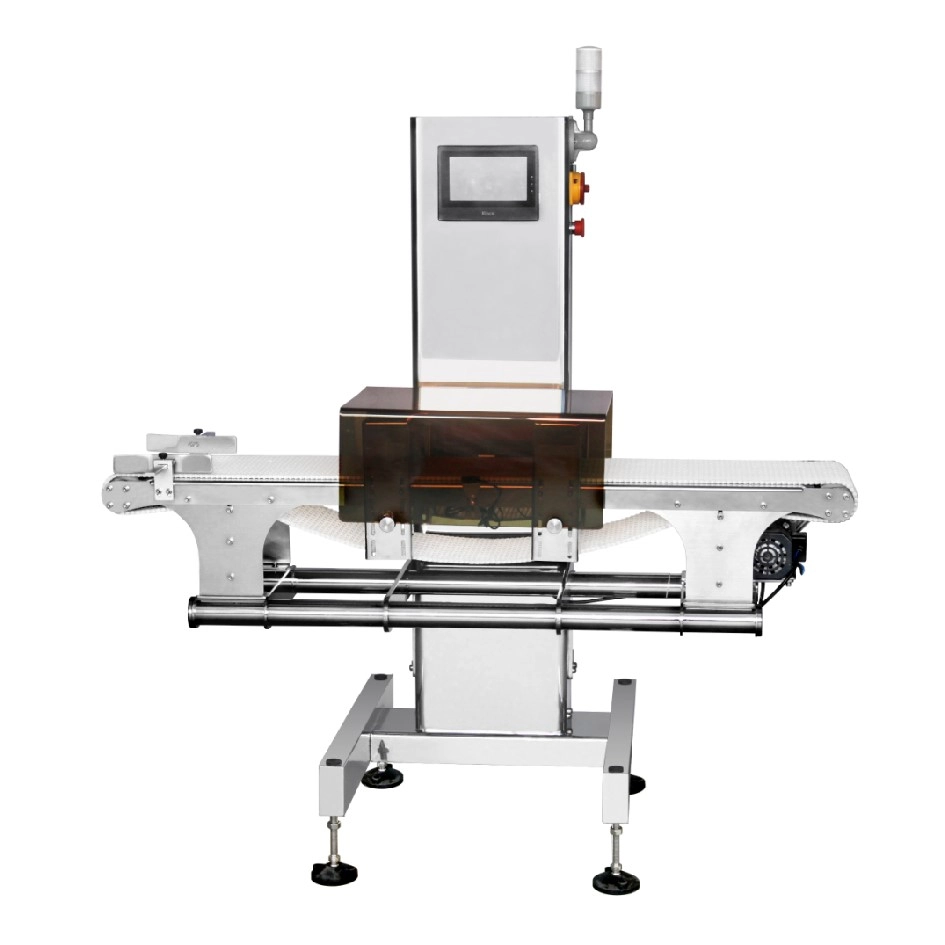
Metal Detector for Aluminum Foil in the Food Industry for Accurate Contamination Detection
The 2415 Metal Detector for Aluminum Foil is equipped with high-sensitivity sensors that effectively filter out signals from aluminum packaging, ensuring precise detection of magnetic metal contaminants. Ideal for detecting foreign bodies in aluminum foil-packaged items such as coffee bags, peanuts, dried meats, chocolate, and more. This versatile metal detector offers adjustable settings, with a maximum width of 24mm and height ranging from 20-150mm, making it suitable for a wide variety of aluminum foil packaging applications.
Contact Kenwei
Our company is located in areas with convenient transportation and developed economy. Our products are supplied in a timely manner. In the course of business operation, we always focus on customers.Have any questions or concerns about our products? Please leave us a message here, and our team will get back to you promptly.
Kenwei
Kenwei
Kenwei multi weigh
Kenwei
Kenwei
Kenwei