






Best Metal Detectors for Aluminum Foil Contamination Control
This article reviews leading metal detector strategies and systems for aluminum foil packaging in the food industry, focusing on aluminum compensation, high sensitivity to magnetic contaminants, practical installation, validation and compliance with food safety standards.
- Why Aluminum Foil Requires Specialized Metal Detection
- Aluminum packaging vs. Magnetic contaminants
- Sensitivity trade-offs and mitigation
- Key Features to Look for in a Metal Detector for Aluminum Foil
- Aluminum compensation and multi-frequency technology
- Adaptable aperture sizes and product handling
- User controls and validation features
- Product Spotlight: Metal Detector for Aluminum Foil in the Food Industry for Accurate Contamination Detection
- Why the 2415 is suited to aluminum foil packaging
- Practical applications and performance
- Installation, Calibration and Validation Best Practices
- Correct physical installation
- Calibration and product profiling
- Validation and record-keeping
- Comparing Metal Detector Options for Aluminum Foil Packaging
- Interpreting the comparison
- Compliance, Standards and Industry References
- Regulatory expectations
- Standards and best practices
- Scientific and public health resources
- Operational Tips to Maximize Detection Performance
- Manage product presentation and conveyor setup
- Routine testing and maintenance schedule
- Training and changeover procedures
- FAQ — Frequently Asked Questions
- Can a metal detector find metal inside aluminum-foil packaging?
- How often should I validate sensitivity?
- Are X-ray systems better than metal detectors for foil-packaged products?
- What are common causes of false rejects with foil packages?
- Contact and Next Steps

In modern food production, aluminum-foil packaged products present a unique challenge for contamination detection. A metal detector for food industry use must reliably distinguish between the conductive signal of aluminum packaging and genuine metallic contaminants. This guide explains how to choose, install, validate, and maintain metal detectors optimized for aluminum foil contamination control, with practical advice for food processors packaging coffee, nuts, dried meats, chocolates and similar products.
Why Aluminum Foil Requires Specialized Metal Detection
Aluminum packaging vs. Magnetic contaminants
Aluminum foil and metallized films generate a strong non-ferrous signal that can mask or mimic the signal of small ferrous or non-ferrous contaminants. A metal detector for food industry applications must therefore use aluminum compensation or phase-tracking technologies to filter out predictable signals from packaging while preserving sensitivity to magnetic metal particles such as steel fragments.
Sensitivity trade-offs and mitigation
Standard metal detectors often reduce sensitivity to avoid false rejects when aluminum is present. However, lowering sensitivity increases the risk of missing hazardous contaminants. Modern detectors designed for aluminum foil packaging implement adjustable compensation algorithms and multi-frequency or differential coil systems that maintain high sensitivity to magnetic metals while suppressing foil-related noise.
Key Features to Look for in a Metal Detector for Aluminum Foil
Aluminum compensation and multi-frequency technology
Choose a system with dedicated aluminum compensation or multi-frequency electronics. Multi-frequency metal detectors can analyze responses across frequencies to separate the signature of conductive films from that of discrete metal particles. This improves detection sensitivity for magnetic contaminants without frequent false rejects.
Adaptable aperture sizes and product handling
Aluminum foil packaging comes in many sizes and formats. Look for detectors with adjustable aperture heights and widths so the sensor field is optimized for the product. Correct aperture selection and conveyor speed/height reduce background variability and improve detection repeatability.
User controls and validation features
A good food-industry metal detector includes simple user controls for contamination sensitivity, product profiles, and built-in validation tools such as rejection event logs, digital records, and external validation ports. These are essential for HACCP, audit trails and demonstrating compliance with standards like ISO 22000 and FSMA.
Product Spotlight: Metal Detector for Aluminum Foil in the Food Industry for Accurate Contamination Detection
The 2415 Metal Detector for Aluminum Foil is equipped with high-sensitivity sensors that effectively filter out signals from aluminum packaging, ensuring precise detection of magnetic metal contaminants. Ideal for detecting foreign bodies in aluminum foil-packaged items such as coffee bags, peanuts, dried meats, chocolate, and more. This versatile metal detector offers adjustable settings, with a maximum width of 24mm and height ranging from 20-150mm, making it suitable for a wide variety of aluminum foil packaging applications.
Why the 2415 is suited to aluminum foil packaging
The 2415 uses a combination of high-sensitivity magnetic detection and dedicated aluminum compensation to maintain detection of ferrous contaminants while minimizing false rejects caused by conductive packaging. Its configurable aperture (max width 24mm, height 20–150mm) makes it flexible for small sealed pouches up to larger wrapped products.
Practical applications and performance
Common applications for the 2415 include retail coffee pouches, roasted/seasoned nuts in foil bags, dry-cured meats, and chocolate bars with foil wrappers. The unit supports adjustable conveyor speed and product profile management to maintain consistent sensitivity across production conditions.
Installation, Calibration and Validation Best Practices
Correct physical installation
Position the metal detector on a stable, vibration-free frame and ensure the conveyor is level. Maintain consistent grounding and avoid mounting near large motors, transformers, or heavy metal structures which can create electromagnetic interference. For detailed guidelines on process control and validation, consult the ISO 22000 food safety management framework: ISO 22000.
Calibration and product profiling
Perform product profiling on each SKU, especially when packaging materials or weights change. Use test pieces of known size and composition (ferrous and non-ferrous) to set alarm thresholds. Many modern detectors include automatic profiling and can store multiple recipes for quick changeovers.
Validation and record-keeping
Validation must be documented as part of HACCP plans and regulatory audits. The FDA's FSMA emphasizes preventive controls and documentation—maintain logs of sensitivity checks, rejected events, and corrective actions: FDA FSMA guidance. Use the detector’s event logging to export audit-ready reports.
Comparing Metal Detector Options for Aluminum Foil Packaging
Below is a practical comparison of common detector types and a short product comparison table including the 2415 unit.
| Model | Max Aperture (W x H) | Aluminum Compensation | Sensitivity (magnetic metal) | Typical Applications |
|---|---|---|---|---|
| 2415 Metal Detector for Aluminum Foil | 24mm x 20–150mm | Advanced aluminum compensation + multi-frequency | High — optimized for small ferrous particles | Coffee pouches, nuts, dried meats, chocolate |
| Standard Conveyor Metal Detector X100 | 100mm x 40–200mm | Basic compensation — limited with foil | Medium — may require sensitivity reduction | General packaged goods without conductive film |
| Advanced Ferrous Separator A300 | 50mm x 30–180mm | Phase-tracking technology for mixed materials | High — good at ferrous detection in complex backgrounds | Meat processing, mixed-material packaging |
Interpreting the comparison
For aluminum foil packages, a detector like the 2415 with targeted aluminum compensation and multi-frequency electronics gives the best balance between low false rejects and high sensitivity to magnetic contaminants. Standard detectors can work for non-foil packages but often need reduced sensitivity when foil is present.
Compliance, Standards and Industry References
Regulatory expectations
Food businesses must demonstrate control of physical hazards as part of hazard analysis and critical control points (HACCP) and FSMA requirements. Metal detectors are recognized preventive controls when properly validated; keep records of calibration, rejection logs, and corrective actions to satisfy audits. FDA FSMA materials provide further regulatory context: https://www.fda.gov/food/food-safety-modernization-act-fsma.
Standards and best practices
Standards like ISO 22000 help food producers structure their food safety management systems and evidence hazard control measures, including metal detection: ISO 22000. For a technical overview of metal detection principles, see the metal detector entry on Wikipedia: https://en.wikipedia.org/wiki/Metal_detector.
Scientific and public health resources
Public health organizations such as the World Health Organization provide guidance on food safety systems and risk-based approaches to contamination control: WHO Food Safety. Use these resources when designing validation protocols and risk assessments for your production lines.
Operational Tips to Maximize Detection Performance
Manage product presentation and conveyor setup
Consistent product presentation (orientation, centerline alignment, stable height) reduces variable signals and improves hit rates. Use guides and gentle restrainers for pouches and small packages to present items consistently through the detector aperture.
Routine testing and maintenance schedule
Create a routine testing schedule: start-of-shift sensitivity checks using certified test pieces, interim spot checks after changeovers, and monthly full calibration. Replace worn conveyor belts and ensure the head assembly is free of dust, oils, and build-up which can create electrical noise.
Training and changeover procedures
Train operators to change product profiles correctly and run verification tests after adjustments. Document procedures for common scenarios: new packaging, ingredient changes, or equipment relocation. Well-documented changeover steps reduce downtime and help maintain consistent detection sensitivity.
FAQ — Frequently Asked Questions
Can a metal detector find metal inside aluminum-foil packaging?
Yes. With aluminum compensation or multi-frequency technology, detectors like the 2415 can reliably detect magnetic metal contaminants inside aluminum-foil packaging while filtering out the packaging signal. Proper profiling and calibration are essential.
How often should I validate sensitivity?
Perform sensitivity checks at the start of each shift, after any changeover or maintenance, and whenever product or packaging changes. Maintain written logs to support HACCP and regulatory audits.
Are X-ray systems better than metal detectors for foil-packaged products?
X-ray systems can detect dense non-metallic contaminants (stones, glass) and metal objects independent of foil conductivity, but they are more expensive and not always necessary for detecting small ferrous fragments. For ferrous metal detection in aluminum foil packages, a properly configured metal detector is cost-effective and highly reliable. Consider X-ray when you need broader contaminant detection or for high-value product lines where false rejects are costly.
What are common causes of false rejects with foil packages?
Common causes include improper aperture sizing, inconsistent product presentation, electromagnetic interference from nearby equipment, and worn conveyor components. Using detectors with aluminum compensation and following good installation practice minimizes false rejects.
Contact and Next Steps
If your line packages products in aluminum foil and you need a reliable metal detector for food industry use, evaluate systems specifically designed for foil compensation. The 2415 Metal Detector for Aluminum Foil provides a practical combination of high sensitivity, adjustable aperture, and validation features. For product specifications, custom integration, or to request a site assessment, contact our sales and technical team: View the 2415 product page or contact our specialists.
Quick links and references:
- ISO 22000 — Food Safety Management
- FDA FSMA guidance
- Metal detector — technical overview (Wikipedia)
- WHO Food Safety
Ensuring effective aluminum foil contamination control requires the right equipment, correct installation, disciplined validation, and trained staff. Selecting a metal detector designed for foil compensation — and following the operational best practices outlined above — will reduce false rejects, improve safety, and help maintain regulatory compliance.
Tags
packaging and weighing system
packaging and weighing system
multihead weigher packing machine
multihead weigher packing machine
metal detector for food manufacturing
metal detector for food manufacturing
PLC controlled linear weigher
PLC controlled linear weigher
multihead weigher packing machine
multihead weigher packing machine
metal detector for food industry
metal detector for food industry
Recommended for you

HACCP and metal detectors: meeting food safety standards
How to Integrate a Multihead Weigher with Vertical Form Fill Seal Machines: A Practical Guide
How Economic VFFS Improves Line Efficiency and Throughput
Food Packing Machine Solutions for Fresh Produce
Prdoucts Categories
Question you may concern
About Product choice
How do I choose the right product for my business?
Choosing the right machine depends on several factors:
Product Type: Different machines are suited for different products (e.g., powder, granules, etc.).
Production Capacity: Consider the volume of products you need to process and the speed requirements.
Customization: If you have specific needs, such as the need for unique features or sizes, we offer customization options.
Are there any additional features available for Kenwei machines?
Yes, we offer a variety of optional features for customization, such as: advanced touchscreen interfaces, multiple language support and so on.
About Solution suggestions
How can Kenwei solutions help reduce waste in my production process?
Kenwei solutions improve accuracy in weighing, packaging, and quality control, reducing the chances of overfill or underfill. This leads to less product waste and higher operational efficiency.
About After Sales Support
What do I do if I encounter a malfunction in the machine?
If you encounter a malfunction, first check the user manual and troubleshooting guide for common issues. If the problem persists, contact our technical support team for further assistance.
About products customization
Can I customize the size of Kenwei machines?
Yes, we can tailor the dimensions of our machines to fit your available space and production layout. Whether you need compact machines or larger equipment, we can accommodate your size requirements.
You may also like
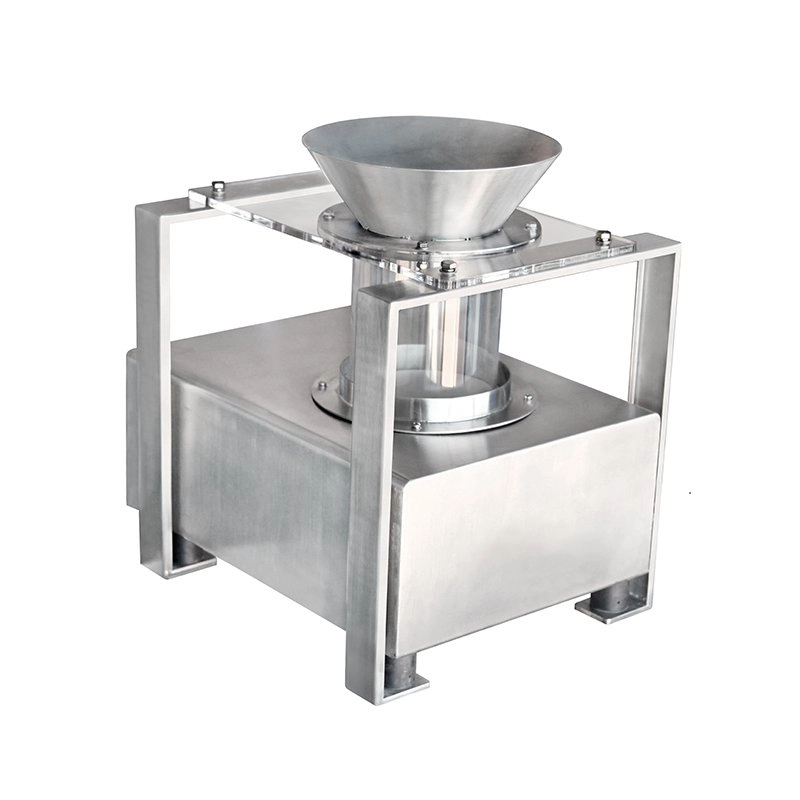
Dropped Metal Detector for Powder Granules For Food Industry
Enhance food safety with Kenwei’s Dropped Metal Detector for Powder Granules. This advanced food metal detector ensures precise detection in the food industry, safeguarding products and maintaining high quality standards throughout processing.
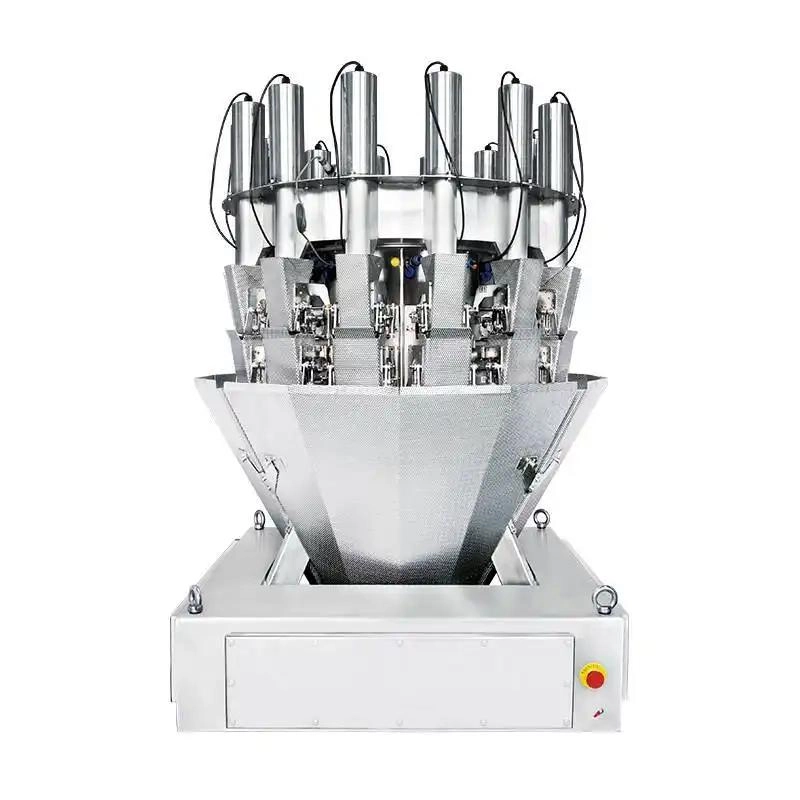
14 Heads Vertical Single Screw Feeding Pickles Weigher backups
This type of weigher is designed to handle the unique characteristics of pickles, ensuring precise measurements for packaging and distribution. It uses a vertical single screw mechanism to feed the pickles into the weighing system, allowing for efficient and consistent weighing. This technology is particularly useful in food processing and packaging facilities where precise portioning is essential for quality control and customer satisfaction. This specialized equipment is perfect for accurately measuring and dispensing pickles in a production line or packaging facility. The vertical design allows for efficient and precise filling of containers, while the single screw feeding mechanism ensures consistent and reliable weighing.
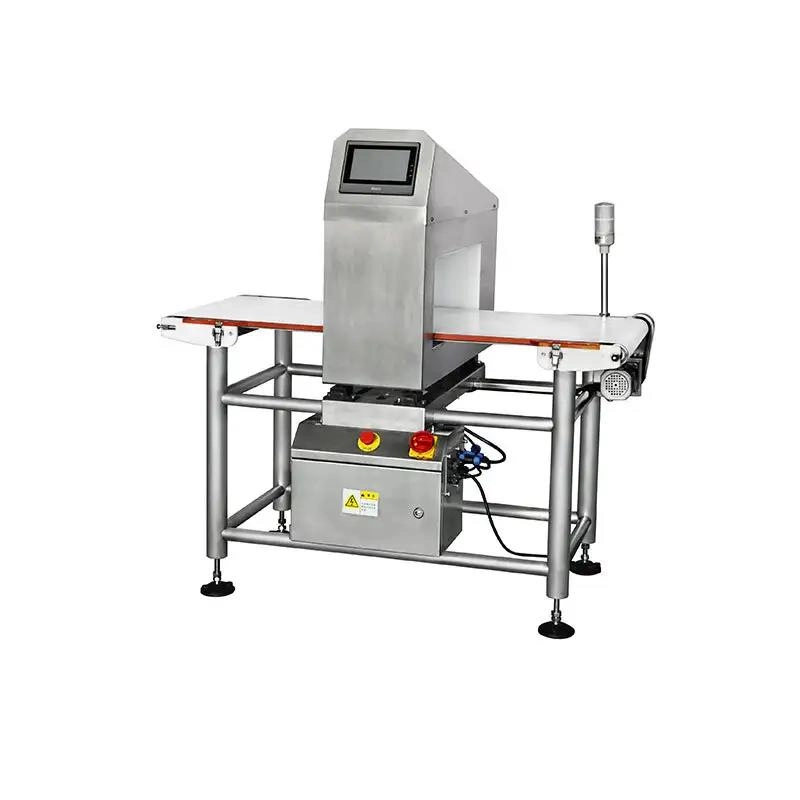
Food Metal Detector Manufacturer For Reject Defective Products G5020
The G5020 multi-frequency metal detector features a specialized conveyor belt designed to reduce contamination risks, ensure smooth operation, and maintain high detection sensitivity. It is easy to disassemble for convenient maintenance. Ideal for detecting metal contaminants in food, pharmaceuticals, spices, plastics, electronics, textiles, toys, handicrafts, and more.
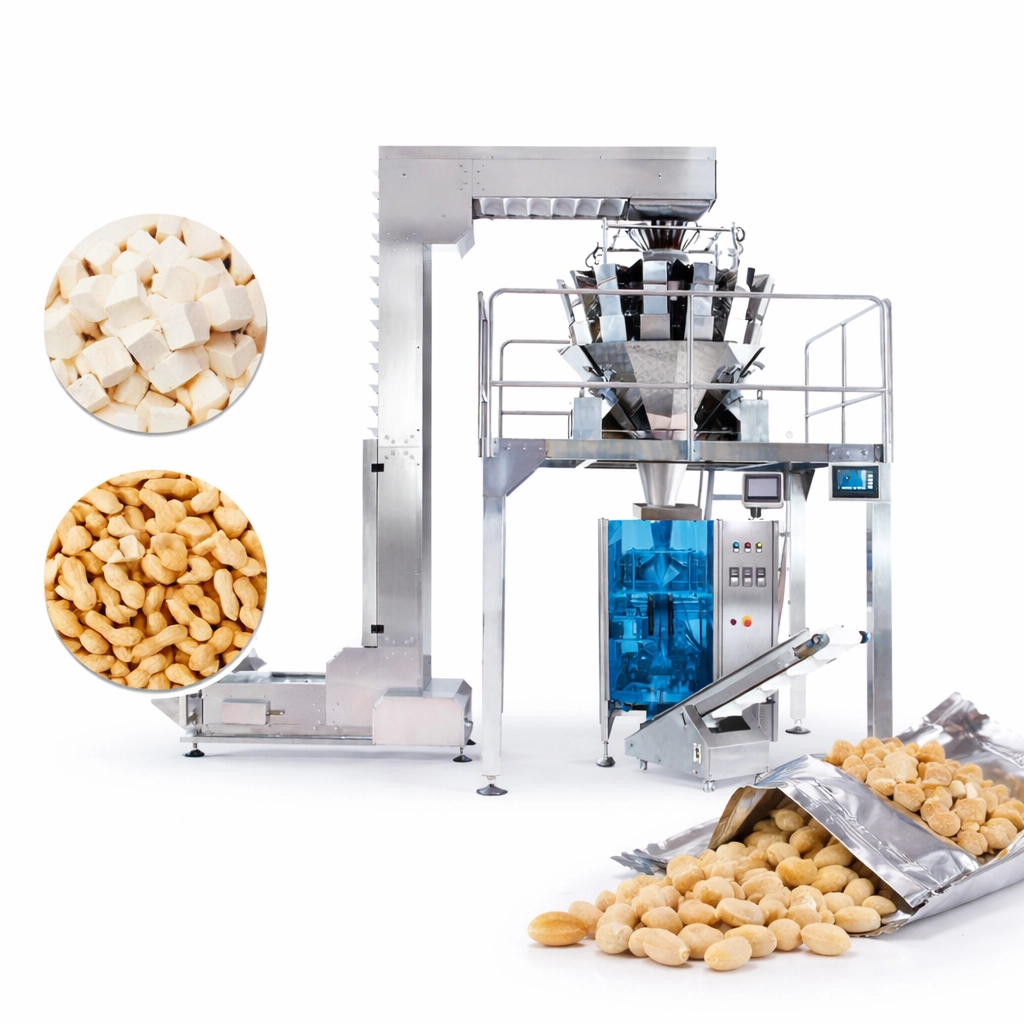
High-Precision Weighing & Packaging for Granular Products
The Granular Food Packing Machine is a fully automated solution designed for accurate weighing, filling, and packaging of various granular food products. Integrated with a multihead weigher and advanced packaging system, it ensures high speed, precision, and hygiene standards for modern food production.
Get in touch with us
If you have any comments or good suggestions, please leave us a message, later our professional staff will contact you as soon as possible.
Kenwei
Kenwei
Kenwei multi weigh
Kenwei
Kenwei
Kenwei