






Top 10 Ways to Improve Aluminum Foil Detection Accuracy
Practical, tested strategies to improve aluminum foil detection accuracy in food lines using high-sensitivity metal detector systems. Covers hardware settings, packaging controls, validation, and maintenance to reduce false rejects and detect magnetic metal contaminants in aluminum-foiled products.
- Why aluminum foil complicates metal detection and regulatory context
- How aluminum foil affects detector signals
- Types of contaminants and real food risks
- Standards and regulatory guidance to reference
- Top 10 practical ways to improve aluminum foil detection accuracy
- Hardware configuration and selection
- Process and packaging controls
- Operational tuning and calibration
- Validation, monitoring and maintenance
- Regular verification and test regimes
- Maintain, audit and retrain
- Data-driven improvements
- Implementation and practical guidance for the 2415 Metal Detector
- Product overview and installation best practices
- Validation checklist and acceptance criteria
- Troubleshooting, common issues and advanced tips
- Common causes of poor performance and fixes
- Advanced sensor and conveyor optimization
- When to escalate to supplier support
- Comparison of improvement techniques (summary table)
- Frequently Asked Questions (FAQ)
- Q: Can a metal detector reliably find metal in heavy aluminum foil packaging?
- Q: What is the best way to validate detection performance for foil-packaged SKUs?
- Q: How often should we perform verification tests?
- Q: When should we add an x-ray system in addition to metal detection?
- Q: Does the 2415 require frequent recalibration?

Aluminum foil packaging creates a unique challenge for food manufacturers because its conductive and often variable structure can mask or imitate the signals of metallic contaminants. To maximize production yield while ensuring product safety, food processors need targeted strategies combining hardware optimization, packaging control, process validation, and routine monitoring. This article explains 10 proven tactics to improve aluminum foil detection accuracy using a dedicated metal detector for food industry applications and demonstrates how the 2415 Metal Detector for Aluminum Foil can be integrated into a compliant verification program.
Why aluminum foil complicates metal detection and regulatory context
How aluminum foil affects detector signals
Aluminum foil is conductive and often folded or crinkled, generating complex, high-amplitude signals in metal detectors. These signals can mask the presence of smaller magnetic metal contaminants such as iron or steel or cause frequent false trips if not compensated for. Understanding the electromagnetic interaction between packaging and detector sensors is the first step toward improving accuracy.
Types of contaminants and real food risks
Common hazardous foreign bodies in foil-packaged food include ferrous fragments from processing equipment, stainless steel screws, and, less commonly, non-ferrous metal shavings. These contaminants present choking, cutting, and health hazards and can lead to costly recalls. Using a metal detector for food industry environments reduces these risks when configured correctly.
Standards and regulatory guidance to reference
Food safety programs should align with international and national guidelines such as ISO 22000 (food safety management) and the U.S. FDA’s Food Safety Modernization Act (FSMA). For industry-level guidance, refer to ISO 22000: https://www.iso.org/iso-22000-food-safety-management. and FDA FSMA resources: https://www.fda.gov/food/food-safety-modernization-act-fsma. The Codex Alimentarius provides internationally agreed-upon food safety principles: https://www.fao.org/fao-who-codexalimentarius/en/.
Top 10 practical ways to improve aluminum foil detection accuracy
Hardware configuration and selection
1) Use detectors with high-sensitivity sensors and foil compensation modes. Modern metal detector designs include algorithms that filter out baseline signals created by conductive packaging. The Metal Detector for Aluminum Foil in the Food Industry for Accurate Contamination Detection, model 2415, is equipped with high-sensitivity sensors and dedicated filtering to minimize interference while detecting magnetic metal contaminants in foil-packaged products.
2) Select multi-frequency or combination-frequency detectors when possible. Single-frequency detectors can struggle with foil's complex signals; multi-frequency systems can separate the signature of the foil from true metal contaminants. If your line cannot change detectors, verify whether adjustable frequency or phase settings are available and optimize them (see operational tuning below).
Process and packaging controls
3) Standardize packaging presentation and orientation. Reducing variability in how foil is folded, sealed, and oriented across the sensor aperture decreases baseline noise. Use fixtures, guides, or constrained conveyors to ensure consistent package geometry through the detection head.
4) Reconsider packaging materials and design where feasible. Small material changes — such as switching from heavy double-layered foil to a single-layer foil with a protective outer film — can significantly lower interfering signals, making contaminant detection more reliable while maintaining product protection.
Operational tuning and calibration
5) Implement systematic sensitivity mapping. Perform sensitivity tests across the full aperture (left, center, right) and at multiple heights to identify the least-sensitive zones. Calibrate the detector to achieve the required detection level for the smallest target of concern while minimizing false rejects.
6) Use product-specific baselines and product learn functions. Many modern metal detectors allow you to 'teach' the unit a product baseline. For each SKU, store a baseline so the detector adjusts for that product’s foil signature. This is especially important when running multiple aluminum-foiled SKUs on the same line.
Validation, monitoring and maintenance
Regular verification and test regimes
7) Create a documented validation program that includes periodic challenge tests using standard test pieces. Validate detection performance with ferrous test pieces of known size placed in representative positions within the foil packaging. Keep records to satisfy auditors and to demonstrate compliance with food safety management systems (refer to ISO 22000 guidance linked earlier).
Maintain, audit and retrain
8) Implement routine maintenance, calibration, and operator training. Clean sensor heads and conveyor areas, check for mechanical wear, and schedule recalibration. Train operators to recognize changes in baseline signals and to perform in-line checks using reference samples. A well-documented SOP reduces variability caused by human error.
Data-driven improvements
9) Use statistical monitoring (SPC) of reject rates and detection events. Track false reject frequency, confirmed finds, and production variables. Analyzing trends helps identify whether foil changes, equipment drift, or process issues cause detection problems and supports targeted corrective action.
10) Introduce layered controls: combine metal detection with complementary techniques. X-ray inspection, visual inspection, and robust supplier controls reduce overall risk. While a metal detector is the primary tool for ferrous contaminants, x-ray can detect denser non-ferrous particles and foreign bodies that metal detection might miss.
Implementation and practical guidance for the 2415 Metal Detector
Product overview and installation best practices
The 2415 Metal Detector for Aluminum Foil is optimized for the food processing environment. Product details:
The 2415 Metal Detector for Aluminum Foil is equipped with high-sensitivity sensors that effectively filter out signals from aluminum packaging, ensuring precise detection of magnetic metal contaminants. Ideal for detecting foreign bodies in aluminum foil-packaged items such as coffee bags, peanuts, dried meats, chocolate, and more. This versatile metal detector offers adjustable settings, with a maximum width of 24mm and height ranging from 20-150mm, making it suitable for a wide variety of aluminum foil packaging applications.
Installation tips:
- Mount the sensor frame on a vibration-free base and ensure that conveyor infeed/outfeed are aligned to avoid package skew.
- Keep ferrous objects (tools, chairs) away from the detector head during operation and testing to avoid spurious signals.
- Provide sufficient lighting and access for routine cleaning and test-piece insertion.
Validation checklist and acceptance criteria
Follow a documented protocol for installation qualification (IQ), operational qualification (OQ) and performance qualification (PQ). For each SKU packaged in foil, validate detection using the smallest target defined in the HACCP plan or customer specification. Acceptance criteria should include both detection capability and acceptable false reject rate aligned with production targets.
Troubleshooting, common issues and advanced tips
Common causes of poor performance and fixes
Problem: High false-reject rate on a new foil SKU. Fixes: Re-run product baseline learning; reduce sensitivity slightly if risk assessment allows; standardize package presentation; perform a conveyor alignment check.
Problem: Missed small ferrous fragments. Fixes: Increase sensitivity, reduce conveyor speed, or run multiple passes. If increasing sensitivity generates excessive false trips, consider adding an x-ray unit for layered detection.
Advanced sensor and conveyor optimization
- Phase and frequency adjustment: Fine-tune the detector's phase settings to distinguish between foil background and metal targets. Use manufacturer guidance and supplier support when adjusting advanced parameters.- Conveyor grounding and isolation: Ensure the conveyor frame and sensor are properly earthed and that belts do not introduce electrical noise. Use anti-static measures for certain product types.
When to escalate to supplier support
If after following the validation, calibration, and maintenance SOPs the detector still produces unacceptable false rejects or misses, escalate to the detector supplier for on-site tuning or firmware updates. Suppliers can also provide site-specific sensitivity mapping and training.
Comparison of improvement techniques (summary table)
| Method | Description | Expected impact | Ease of implementation |
|---|---|---|---|
| High-sensitivity sensors & foil compensation | Detector modes/algorithms that filter foil baseline | High — reduces false trips and improves detection | Medium — may require equipment upgrade |
| Multi-frequency detection | Uses multiple frequencies to discriminate targets | High — better separation of target vs foil | Low/Medium — depends on existing equipment |
| Standardize packaging presentation | Constrain package orientation and folds | Medium — lowers variability | High — simple operational change |
| Product-specific baselines | Store product learn profiles per SKU | Medium — better per-SKU performance | High — simple to set up |
| Layered controls (x-ray + metal detector) | Add complementary inspection tech | Very high — reduces overall risk | Low — capital-intensive |
Frequently Asked Questions (FAQ)
Q: Can a metal detector reliably find metal in heavy aluminum foil packaging?
A: Yes — with the right detector and configuration. Systems designed with high-sensitivity sensors and foil compensation (such as the 2415 Metal Detector for Aluminum Foil) can reliably detect magnetic metal contaminants in many foil-packaged products when properly validated.
Q: What is the best way to validate detection performance for foil-packaged SKUs?
A: Use a documented IQ/OQ/PQ approach. Perform challenge tests using known ferrous test pieces placed in representative positions inside actual product packaging. Record results, adjust sensitivity, and retain testing logs for audits. Refer to ISO 22000 guidance for food safety management and validation expectations: ISO 22000.
Q: How often should we perform verification tests?
A: Daily in-line check tests are common for continuous production runs, with additional full validation after SKU changes, maintenance, or if trends show increased false rejects. Keep a schedule in your SOPs and maintain logs for regulatory review.
Q: When should we add an x-ray system in addition to metal detection?
A: Consider x-ray when you need detection of dense non-ferrous foreign bodies, when foil interference prevents adequate metal sensitivity, or when product and risk assessment indicate layered inspection is required by customer or regulation.
Q: Does the 2415 require frequent recalibration?
A: Regular calibration checks and cleaning are recommended per your SOP. The frequency depends on product changeover, production volume, and audit schedules, but daily functional tests and weekly/monthly calibration checks are typical in food factories.
If you need product-specific guidance or on-site tuning for your foil-packaged SKUs, contact our technical team to schedule a line survey or demo. View the product page for the 2415 Metal Detector for Aluminum Foil or request a quote: 2415 Product Page.
Contact our sales and technical support: support@example.com or call +1-800-XXX-XXXX to arrange a demonstration, validation service, or site audit.
Additional reading and authoritative references: Wikipedia overview of metal detection technology: https://en.wikipedia.org/wiki/Metal_detector, FDA FSMA guidance: https://www.fda.gov/food/food-safety-modernization-act-fsma, Codex Alimentarius food safety principles: https://www.fao.org/fao-who-codexalimentarius/en/.
Tags
kenwei multihead weigher
kenwei multihead weigher
multihead weigher
multihead weigher
vffs machine for sale
vffs machine for sale
metal detector for food industry
metal detector for food industry
multihead weigher packing machine
multihead weigher packing machine
metal detector for food production
metal detector for food production
Recommended for you
Buying Guide: Choosing the Right Food Grain Packing Machine — Kenwei Expert Guide
The latest trends for packing food machine
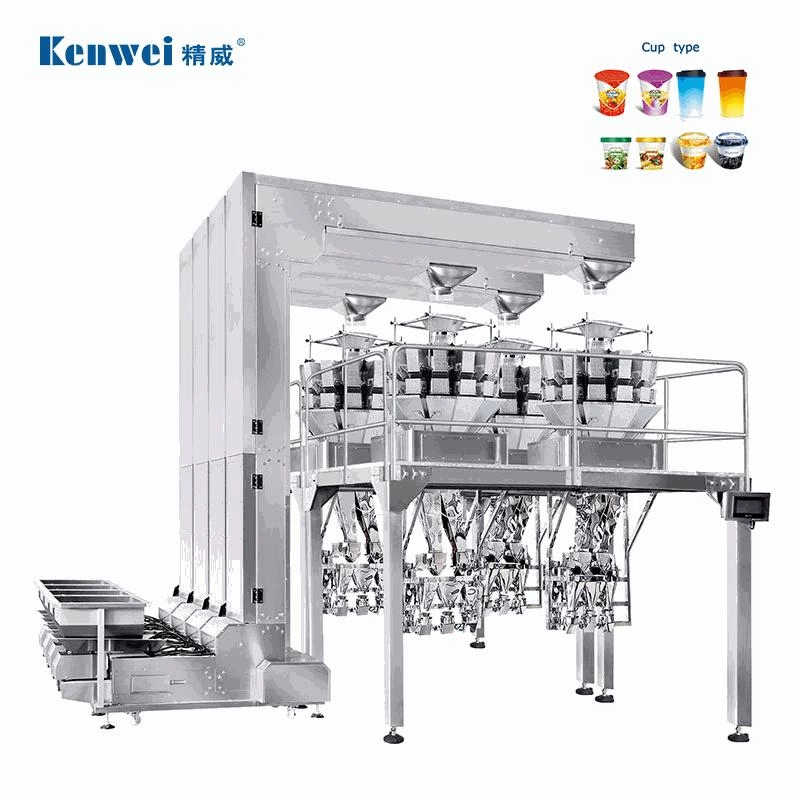
Packaging Snack Foods: Benefits of JW-B23 Automation
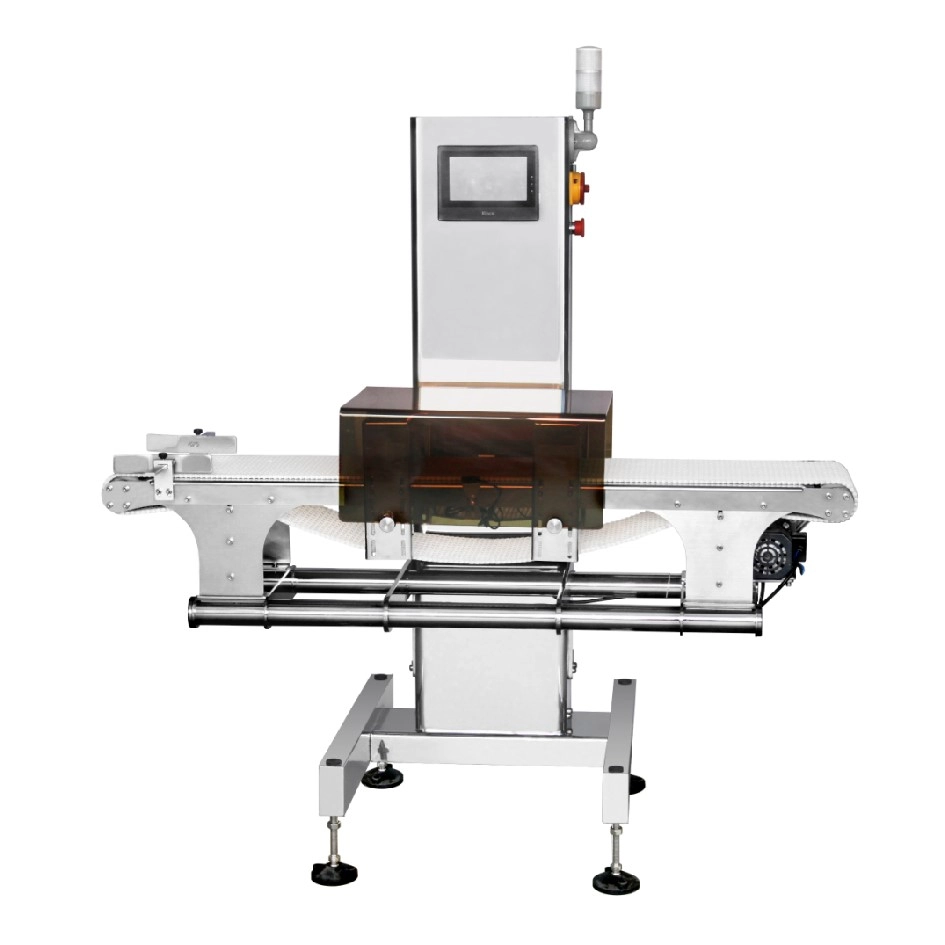
Best Metal Detectors for Aluminum Foil Contamination Control
Prdoucts Categories
Question you may concern
About Price and payment
How is the price of Kenwei machines determined?
The price of Kenwei machines depends on several factors, including the type of machine, customization requirements, production volume, and any additional features or integrations. We provide tailored quotes based on your specific needs and requirements.
How do I make a payment for Kenwei machines?
We accept several payment methods: T/T, Letter of Credit (L/C)
About Solution suggestions
How can Kenwei solutions help reduce waste in my production process?
Kenwei solutions improve accuracy in weighing, packaging, and quality control, reducing the chances of overfill or underfill. This leads to less product waste and higher operational efficiency.
What industries benefit the most from Kenwei solutions?
Kenwei solutions are ideal for a wide range of industries, including:
1)Food Packaging snacks, grains, and powdered beverages.
2)Pharmaceuticals: Precise weighing of tablets, and capsules.
3)Chemicals: Weighing and packaging granular and powdered chemicals.
4)Agriculture: Packaging seeds, grains, and fertilizers.
About Cooperation Process
Does Kenwei offer installation and training?
Yes, Kenwei provides installation services and comprehensive training to ensure that your team can operate the machinery efficiently. Our engineers can travel to your facility for on-site installation, and we also offer remote training options if needed.
You may also like
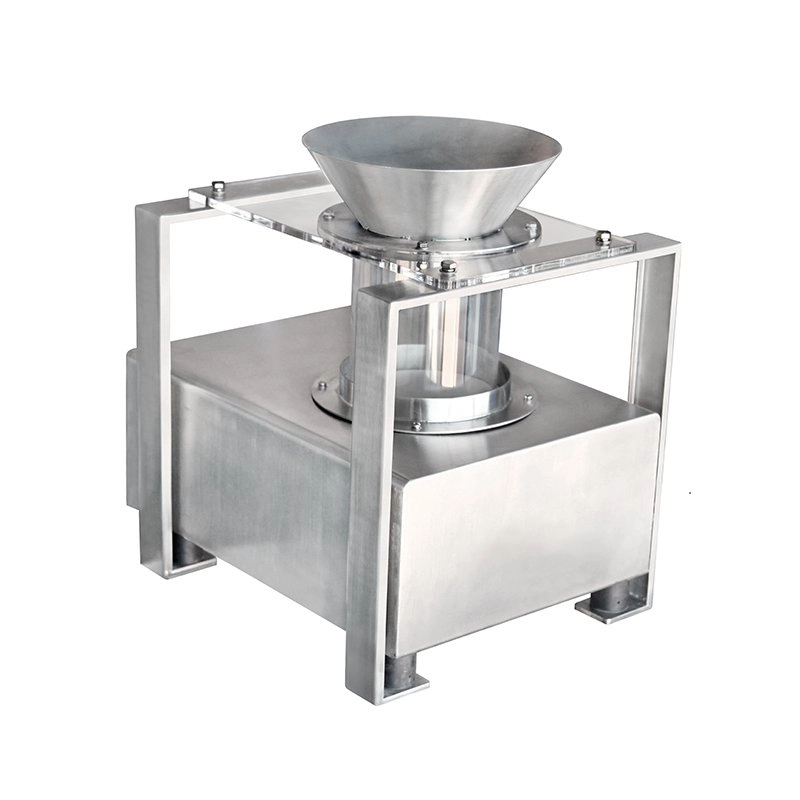
Dropped Metal Detector for Powder Granules For Food Industry
Enhance food safety with Kenwei’s Dropped Metal Detector for Powder Granules. This advanced food metal detector ensures precise detection in the food industry, safeguarding products and maintaining high quality standards throughout processing.
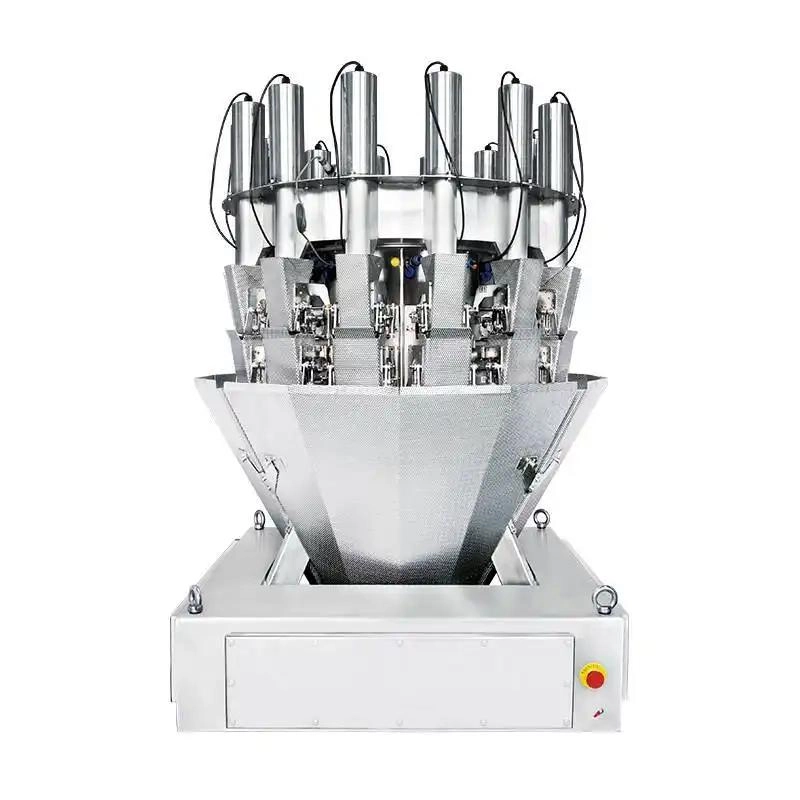
14 Heads Vertical Single Screw Feeding Pickles Weigher backups
This type of weigher is designed to handle the unique characteristics of pickles, ensuring precise measurements for packaging and distribution. It uses a vertical single screw mechanism to feed the pickles into the weighing system, allowing for efficient and consistent weighing. This technology is particularly useful in food processing and packaging facilities where precise portioning is essential for quality control and customer satisfaction. This specialized equipment is perfect for accurately measuring and dispensing pickles in a production line or packaging facility. The vertical design allows for efficient and precise filling of containers, while the single screw feeding mechanism ensures consistent and reliable weighing.
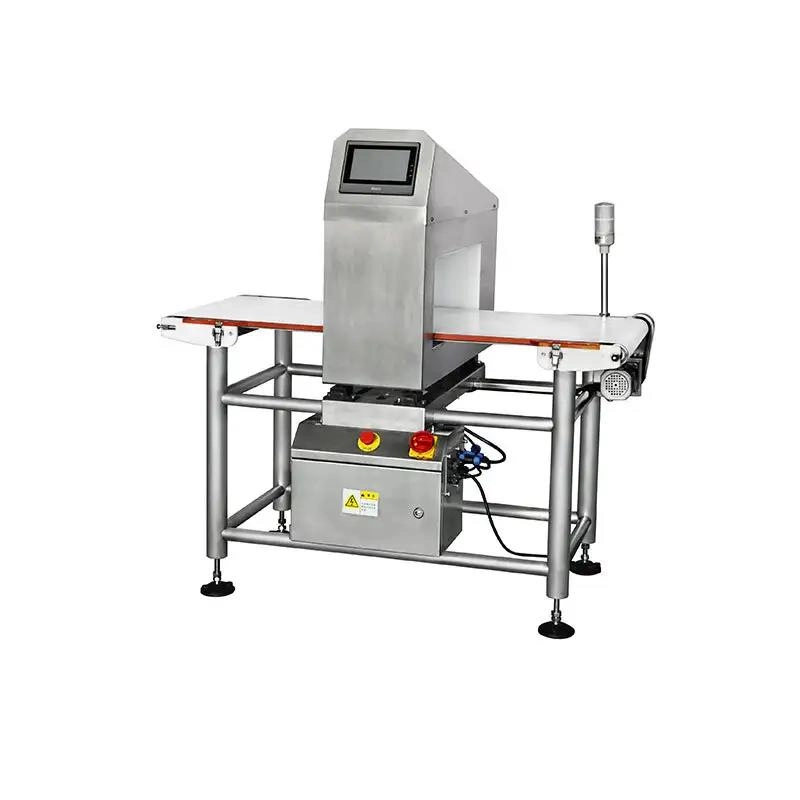
Food Metal Detector Manufacturer For Reject Defective Products G5020
The G5020 multi-frequency metal detector features a specialized conveyor belt designed to reduce contamination risks, ensure smooth operation, and maintain high detection sensitivity. It is easy to disassemble for convenient maintenance. Ideal for detecting metal contaminants in food, pharmaceuticals, spices, plastics, electronics, textiles, toys, handicrafts, and more.
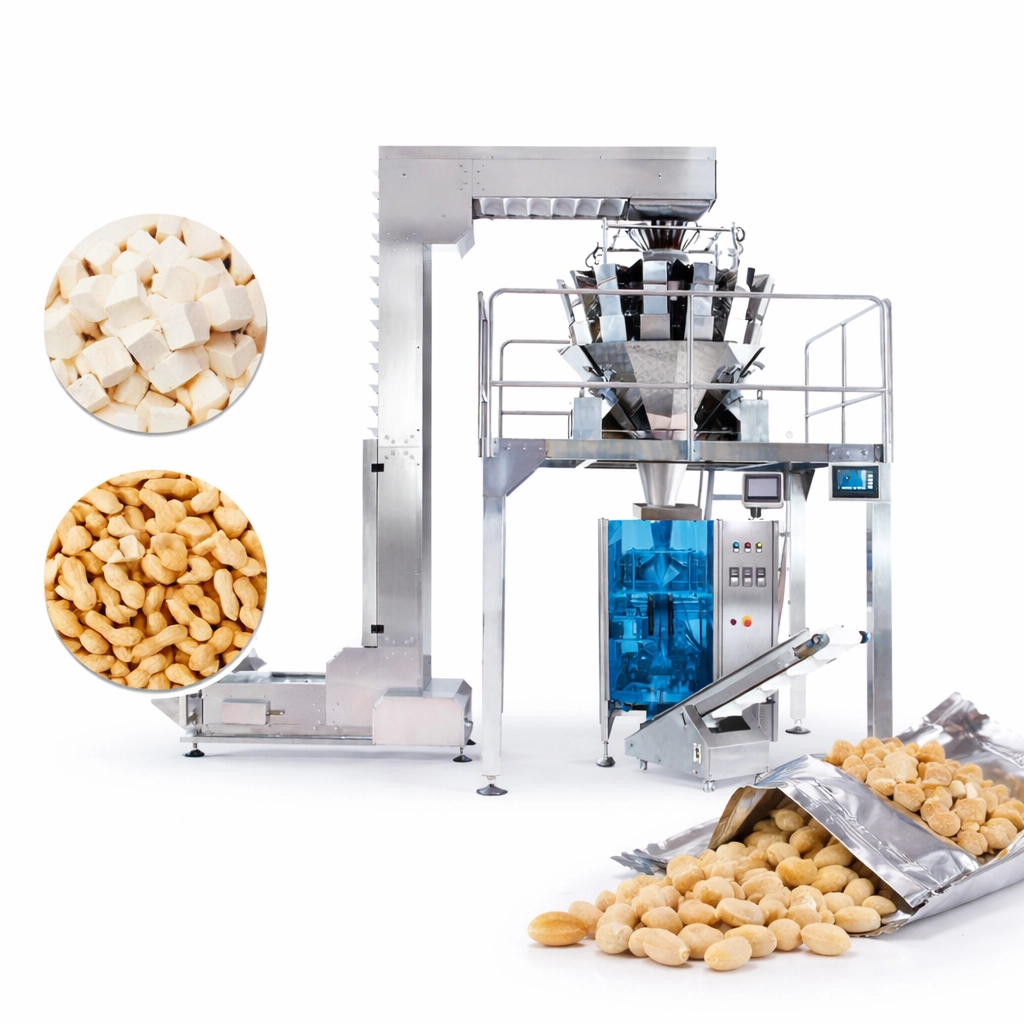
High-Precision Weighing & Packaging for Granular Products
The Granular Food Packing Machine is a fully automated solution designed for accurate weighing, filling, and packaging of various granular food products. Integrated with a multihead weigher and advanced packaging system, it ensures high speed, precision, and hygiene standards for modern food production.
Get in touch with us
If you have any comments or good suggestions, please leave us a message, later our professional staff will contact you as soon as possible.
Kenwei
Kenwei
Kenwei multi weigh
Kenwei
Kenwei
Kenwei