


Two-Layer Belt Vibrate Linear Weigher Machine
Kenwei’s two-layer belt vibrate linear weigher machine provides accurate, gentle, and efficient weighing for sticky, fragile, irregular, or granular products. Its belt conveying and vibration-based feeding design helps reduce product damage, improve flow control, minimize manual labor, and integrate with automated packaging lines. As an experienced multihead weigher manufacturer, Kenwei supports customized weighing and packaging solutions, installation, commissioning, operator training, and responsive after-sales service.
- How Can a Two-Layer Belt Vibrate Linear Weigher Improve Production?
- Why Is Layered Feeding Useful for Difficult Products?
- How Does the Machine Address Accuracy and Throughput?
- What Products and Packaging Lines Suit This Linear Weigher?
- Which Materials Can Be Weighed Reliably?
- How Does It Connect with Automated Packaging Equipment?
- How Should Buyers Select a High-Precision Weighing System?
- What Technical Factors Should Be Confirmed First?
- Why Are Testing and Customization Important?
- Why Choose Kenwei for a Multihead Weigher and Packaging Project?
- How Does Kenwei Support Project Reliability?
- What Long-Term Value Can a Kenwei System Deliver?
- What Should Buyers Know About the Two-Layer Belt Vibrate Linear Weigher?

Kenwei’s multihead weigher solution, configured as a two-layer belt vibrate linear weigher machine, is designed for manufacturers that need stable throughput, precise portion control, and gentle product handling. The combination of belt conveying and controlled vibration is especially useful when conventional feeding creates blockage, product breakage, inconsistent flow, or excessive residue. Kenwei develops and manufactures weighing equipment, metal detectors, linear weighers, and check weighers for automated packaging applications, with support covering design, production, installation, commissioning, training, and after-sales service.
How Can a Two-Layer Belt Vibrate Linear Weigher Improve Production?
Why Is Layered Feeding Useful for Difficult Products?
A two-layer structure separates product storage, feeding, and weighing functions more effectively than a basic single-level arrangement. This helps operators maintain a more consistent material supply while reducing sudden surges into the weighing zone. For products that are sticky, fragile, elongated, irregular, or difficult to distribute, the belt and vibratory feeding combination can provide better control than aggressive mechanical conveying.
Controlled vibration supports gradual product movement instead of uncontrolled dumping. That matters when the product has a high breakage rate, tends to bridge, or changes its flow behavior with humidity and temperature. By adjusting feed intensity and timing, the operator can balance speed and accuracy while reducing giveaway, product accumulation, and the need for frequent manual intervention.
How Does the Machine Address Accuracy and Throughput?
Linear weighing relies on carefully managed material quantities delivered to weighing hoppers or channels. The two-layer belt vibrate linear weigher machine supports coarse and fine feeding principles, allowing the system to approach the target weight more smoothly. This reduces overfeeding and makes the final portion more repeatable, which is essential when raw material costs are high or retail pack weights are tightly controlled.
Higher throughput does not have to mean sacrificing weighing stability. Kenwei’s engineering approach combines mechanical design, sensor feedback, control programming, and application testing to match the feeder behavior with the product. The final performance depends on the target weight, product characteristics, number of lanes, packaging machine speed, and selected configuration, so technical validation should be completed before purchase.
What Products and Packaging Lines Suit This Linear Weigher?
Which Materials Can Be Weighed Reliably?
This type of linear weigher is suitable for many granular, irregular, and portioned products, including snacks, vegetables, dried foods, confectionery, seeds, nuts, and other materials that require controlled distribution. Belt conveying is also valuable when product appearance matters, because it can transfer items more gently than high-impact feeding methods. A sample test is recommended for products with extreme stickiness, oil content, dust, or inconsistent bulk density.
Product characteristics determine the most appropriate contact surfaces, hopper shape, belt design, vibration profile, and weighing range. Kenwei can evaluate flowability, particle size, moisture, bulk density, fragility, and target pack weight when preparing a solution. This application-led process helps prevent the common mistake of selecting a machine only by nominal speed while overlooking the behavior of the actual product.
How Does It Connect with Automated Packaging Equipment?
The weigher can be designed as part of an automated weighing and packaging line, working with bag makers, premade pouch systems, tray systems, or other downstream equipment according to the packaging format. Synchronization between discharge timing and packaging-machine signals helps prevent empty cycles, product waiting, and inconsistent pack presentation.
For food manufacturers, line design should also address sanitation, access, inspection, and changeover. Equipment materials and cleanability should be reviewed against the production environment and the company’s documented hygiene program. Guidance from the U.S. Food and Drug Administration food guidance and the ISO 22000 food safety standard can help buyers define suitable food-safety controls for the complete production line.
How Should Buyers Select a High-Precision Weighing System?
What Technical Factors Should Be Confirmed First?
Buyers should begin with target weight, acceptable tolerance, required packs per minute, product flow behavior, product temperature, cleaning method, and available installation space. It is also important to confirm the relationship between the weigher’s discharge rate and the packaging machine’s cycle time. A system that is fast in isolation may not improve the complete line if the bagger, conveyor, or sealing process is slower.
Electrical supply, compressed-air requirements, control interface, product-contact materials, weighing range, and expected changeover frequency should be included in the technical specification. For export projects, purchasers should also confirm documentation, safety requirements, language options, spare parts, and commissioning responsibilities. These details reduce installation delays and make it easier to compare suppliers on total operating value rather than equipment price alone.
Why Are Testing and Customization Important?
Testing is one of the most reliable ways to confirm whether a weighing solution will perform with the customer’s actual product. Laboratory or factory trials can reveal whether vibration causes separation, whether belt speed must be limited, and whether the target weight can be reached consistently without excessive giveaway. Test results should be recorded using representative product batches and normal operating conditions.
Customization may involve hopper dimensions, belt width, feeder layout, control settings, discharge height, frame configuration, or communication with upstream and downstream machines. Kenwei’s comprehensive capabilities in design and development allow the equipment to be adapted to the customer’s process rather than forcing the process to fit a standard machine. This is particularly valuable for factories expanding an existing line or handling several products.
Why Choose Kenwei for a Multihead Weigher and Packaging Project?
How Does Kenwei Support Project Reliability?
Kenwei operates from Fusha High-tech Industrial Park in Zhongshan, Guangdong, and provides an integrated manufacturing base for weighing and packaging equipment. Its capabilities extend from product development and mechanical production to marketing, installation, commissioning, technical training, and after-sales support. A single engineering partner can simplify responsibility when weighing equipment must communicate with packaging, detection, conveying, and inspection systems.
Reliable performance depends on more than a sensor or a control panel. It requires appropriate mechanical construction, stable software settings, repeatable calibration, correct installation, and operators who understand cleaning and adjustment procedures. Kenwei’s service model is intended to help customers move from equipment selection to production with fewer avoidable interruptions and a clearer maintenance process.
What Long-Term Value Can a Kenwei System Deliver?
A properly selected weighing machine can reduce manual dosing, improve portion consistency, lower material giveaway, and create more predictable packaging output. These gains affect both immediate labor costs and long-term production planning. The return on investment should be assessed using actual product value, operating hours, labor requirements, reject rates, maintenance needs, and the cost of missed production.
Kenwei’s focus on high speed and high precision supports manufacturers seeking scalable automation rather than a short-term replacement for manual weighing. The company can help develop one-stop weighing and packaging solutions that accommodate customization requirements, future product changes, and line expansion. Buyers should request a technical proposal that clearly identifies performance assumptions, test conditions, configuration, delivery scope, and service response.
For additional background on weighing terminology and measurement principles, consult the Wikipedia overview of weighing scales and the OIML weighing instrument recommendations when preparing internal equipment specifications.
Contact Kenwei at kenwei01@multiweigh.com.cn to discuss your product, target weight, required speed, and customized two-layer weighing and packaging solution.
What Should Buyers Know About the Two-Layer Belt Vibrate Linear Weigher?
What is a two-layer belt vibrate linear weigher machine?
A two-layer belt vibrate linear weigher machine combines belt conveying with controlled vibration to deliver products gradually and accurately into the weighing area. Its layered structure improves material distribution, supports gentler handling, and helps manufacturers manage sticky, fragile, irregular, or granular products before automated packaging.
Which products are suitable for this linear weigher?
The machine can handle many granular and irregular products, including snacks, vegetables, dried foods, confectionery, seeds, and nuts. Suitability depends on moisture, stickiness, particle size, bulk density, fragility, and target weight, so Kenwei recommends representative product testing before finalizing feeder settings and contact-surface configuration.
How can buyers verify the required weighing performance?
Buyers should verify performance through trials using representative batches, normal operating conditions, and the intended target weight. Testing should review accuracy, throughput, product damage, giveaway, and flow stability, while also confirming that the weigher’s discharge timing matches the packaging machine cycle and the complete line’s production requirements.
Can Kenwei customize the weighing and packaging line?
Yes, Kenwei can adapt the weighing solution to product behavior, target weight, packaging format, installation height, and line communication requirements. Customization may include hopper dimensions, belt width, feeder layout, control settings, discharge height, frame design, and integration with packaging, detection, conveying, or inspection equipment.
What support does Kenwei provide after equipment delivery?
Kenwei provides support covering installation, commissioning, technical training, and after-sales service, helping customers move from delivery to stable production. The company’s broader capabilities include design, development, manufacturing, and automated weighing and packaging integration, allowing technical issues to be coordinated through one experienced equipment supplier.
What should be included in a purchase specification?
A purchase specification should state target weight, tolerance, required packs per minute, product characteristics, cleaning method, electrical supply, compressed-air needs, contact materials, available space, controls, documentation, spare parts, and commissioning scope. Defining these items early reduces compatibility problems and makes supplier quotations easier to compare accurately.
Tags
checkweigher manufacturers
checkweigher manufacturers
automatic packaging machine
automatic packaging machine
food industry metal detector
food industry metal detector
linear scale weigher
linear scale weigher
check weigher metal detector
check weigher metal detector
Linear Weigher Machine
Linear Weigher Machine
Recommended for you
The B2B Buyer’s Guide to commercial food packaging machine
Food Safety Standards and Food Metal Detector Compliance
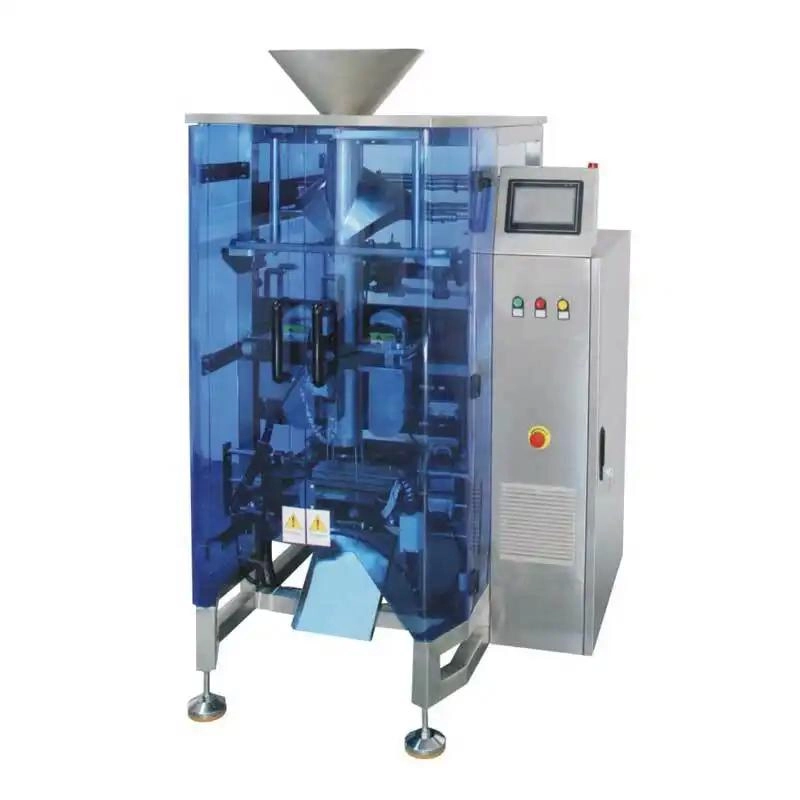
Packaging Material Compatibility for Vertical Packaging Machines
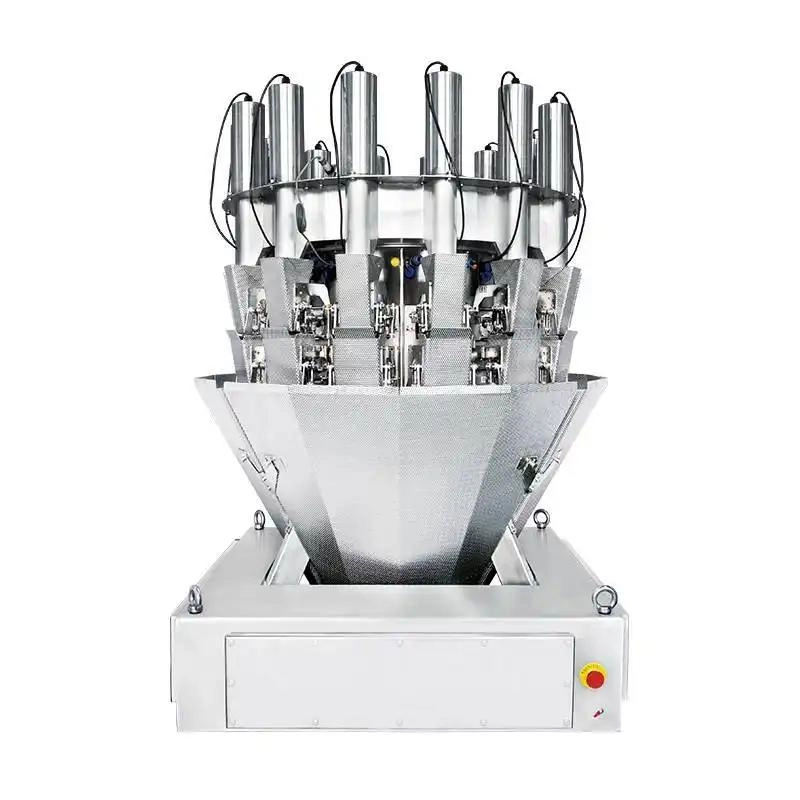
Top 10 Multihead Weigher Manufacturers for Food Packing Buyers
You may also like
14 Heads Vertical Single Screw Feeding Pickles Weigher backups
This type of weigher is designed to handle the unique characteristics of pickles, ensuring precise measurements for packaging and distribution. It uses a vertical single screw mechanism to feed the pickles into the weighing system, allowing for efficient and consistent weighing. This technology is particularly useful in food processing and packaging facilities where precise portioning is essential for quality control and customer satisfaction. This specialized equipment is perfect for accurately measuring and dispensing pickles in a production line or packaging facility. The vertical design allows for efficient and precise filling of containers, while the single screw feeding mechanism ensures consistent and reliable weighing.
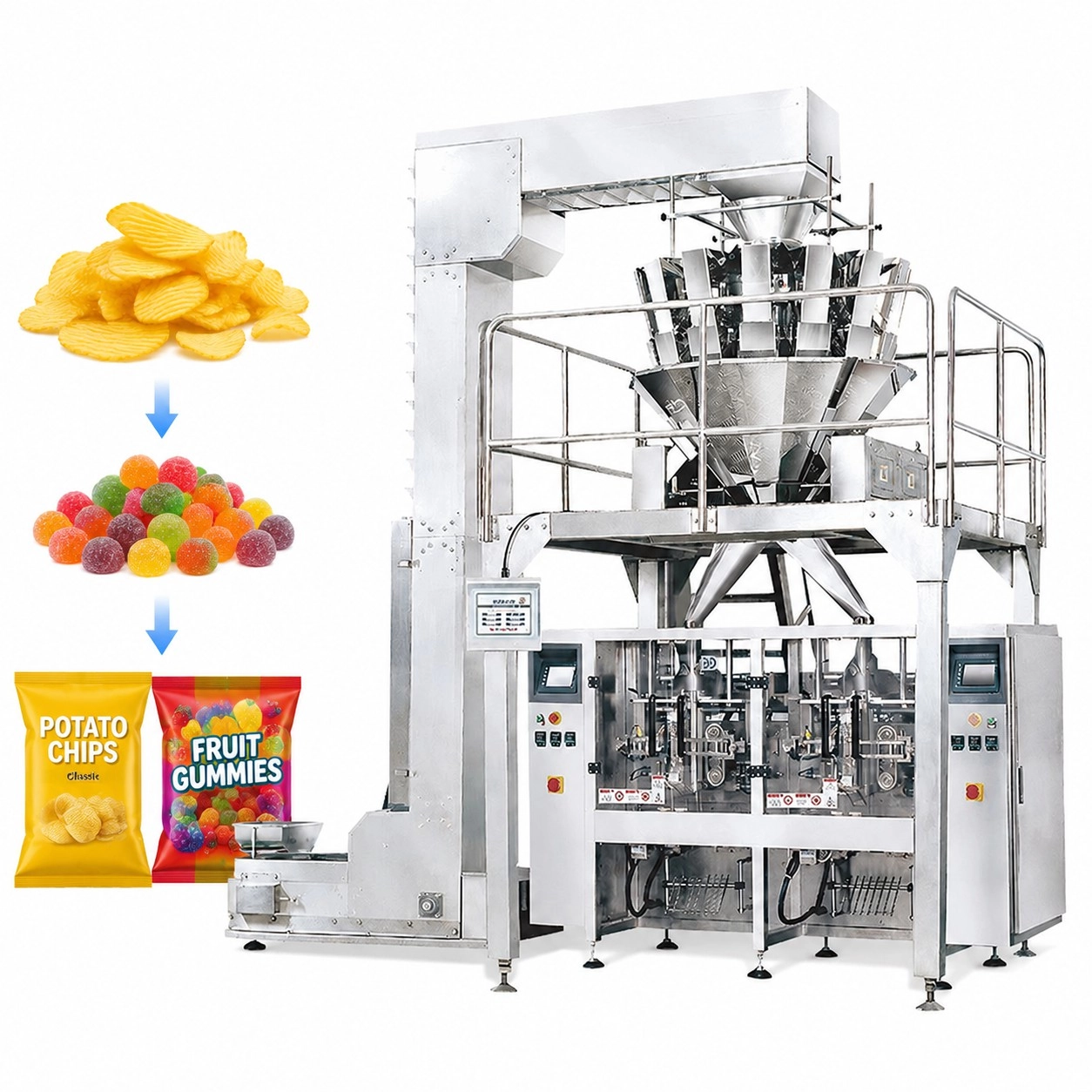
High-Speed Combination Weigher and Dual-Lane Packaging Solution for Food Manufacturers JW-B2
High-Speed Combination Weigher and Packaging Solution by Kenwei offers precise multi-head weighing and efficient dual-lane packing for food manufacturers seeking reliable speed and accuracy. This Combination Weigher integrates seamlessly into production lines to optimize throughput and reduce waste.
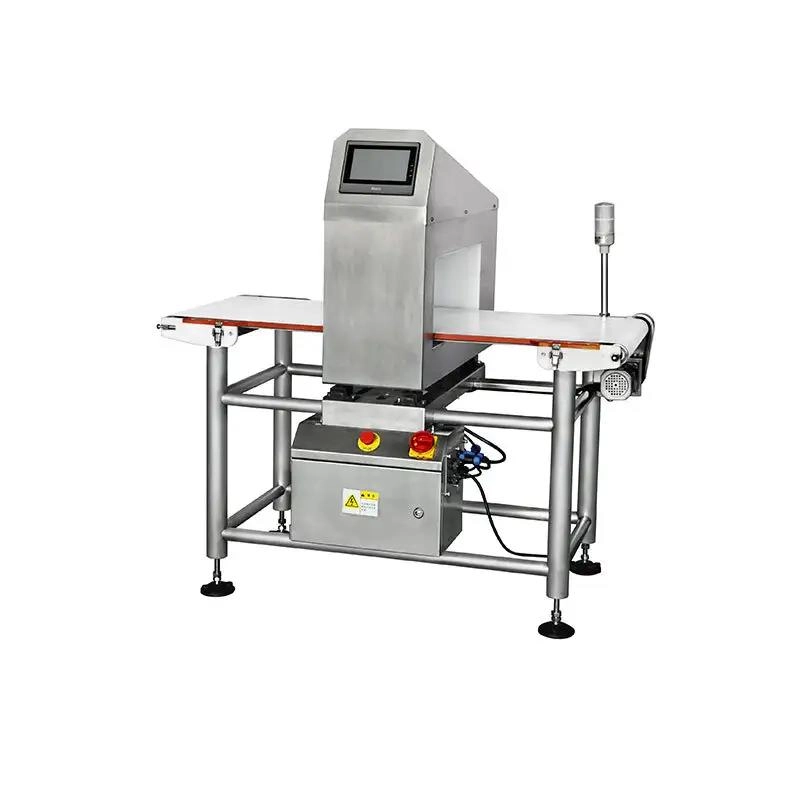
Food Metal Detector Manufacturer For Reject Defective Products G5020
The G5020 multi-frequency metal detector features a specialized conveyor belt designed to reduce contamination risks, ensure smooth operation, and maintain high detection sensitivity. It is easy to disassemble for convenient maintenance. Ideal for detecting metal contaminants in food, pharmaceuticals, spices, plastics, electronics, textiles, toys, handicrafts, and more.

6 Head Checkweigher for 50g Small Package Inspection
Checkweigher for 50g Small Package Inspection by Kenwei offers precise weight verification with six heads, ensuring fast and accurate sorting of small packages. Designed for consistent quality control in production lines, it minimizes errors and optimizes efficiency.
Contact Kenwei
Our company is located in areas with convenient transportation and developed economy. Our products are supplied in a timely manner. In the course of business operation, we always focus on customers.Have any questions or concerns about our products? Please leave us a message here, and our team will get back to you promptly.
Kenwei
Kenwei
Kenwei multi weigh
Kenwei
Kenwei
Kenwei